

 Catalog
 Exploded views
















 Honda Marine
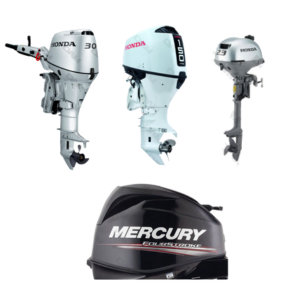


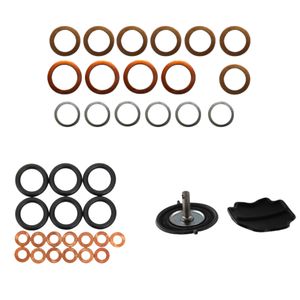
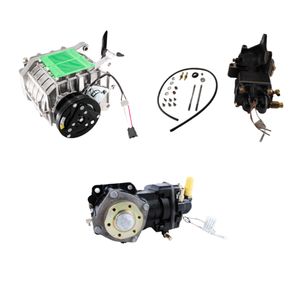
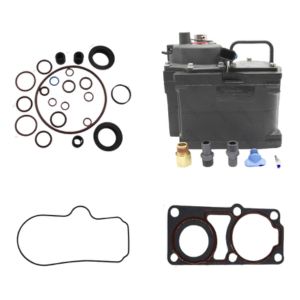
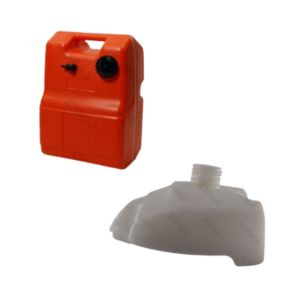




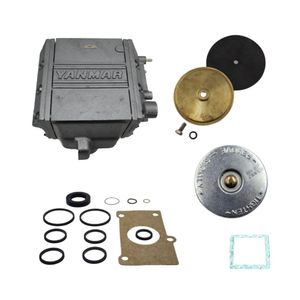
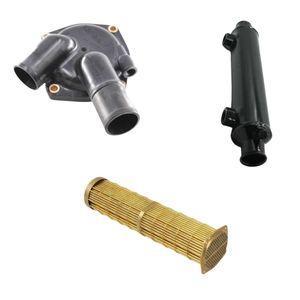
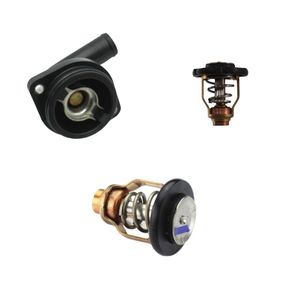
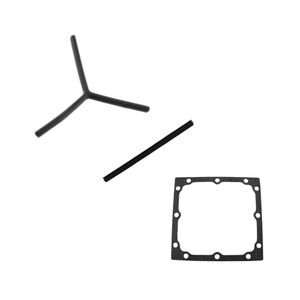

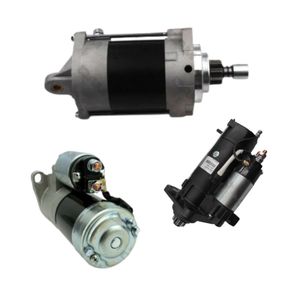
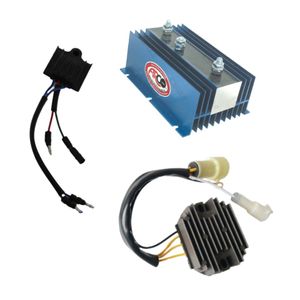
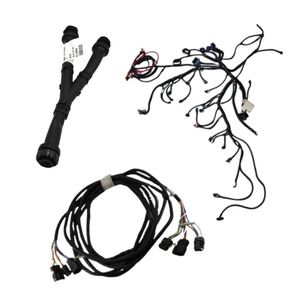
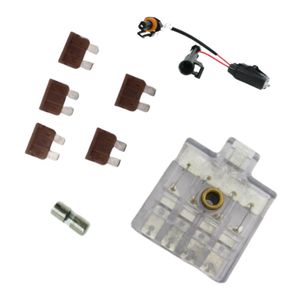
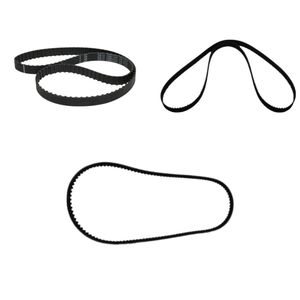
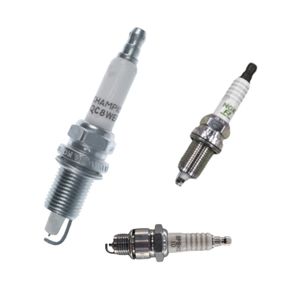
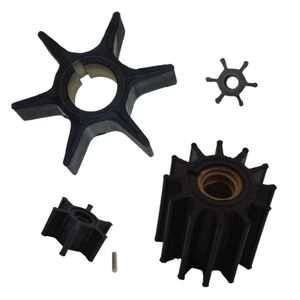
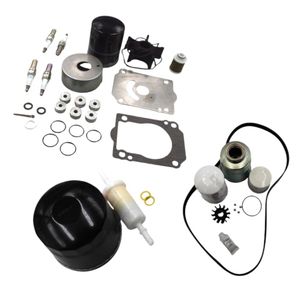


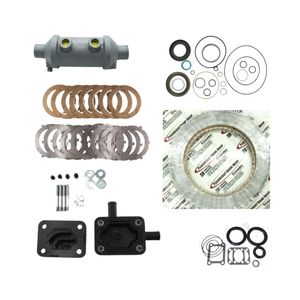
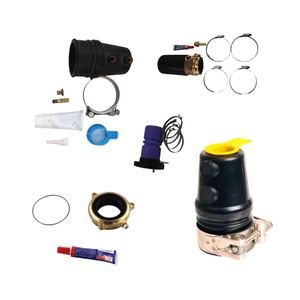
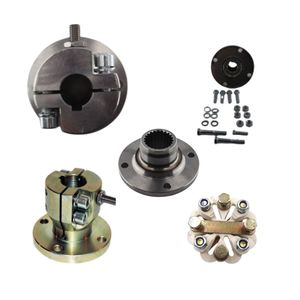
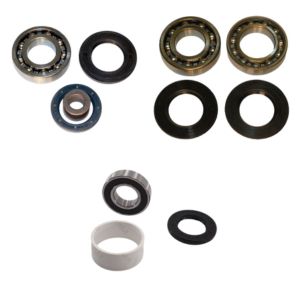
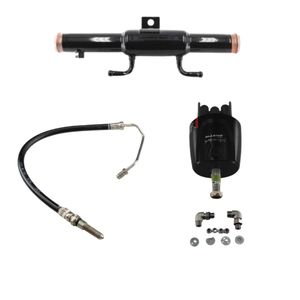
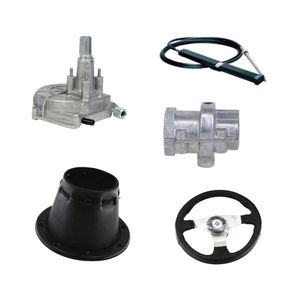
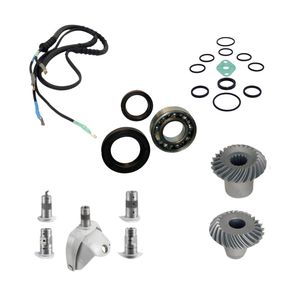
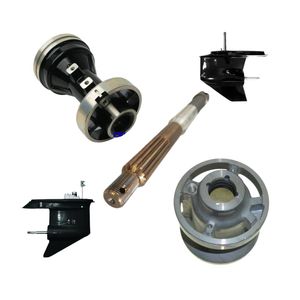
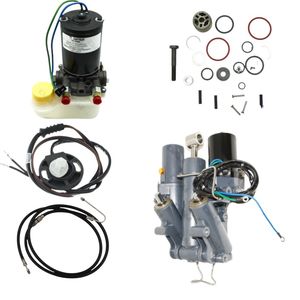
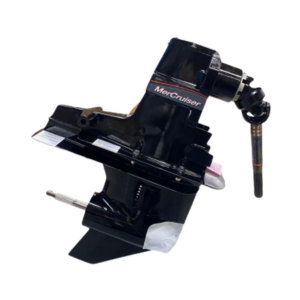
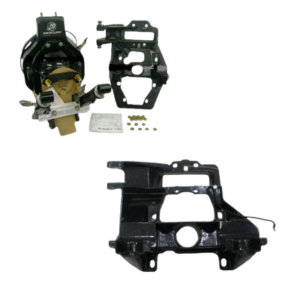
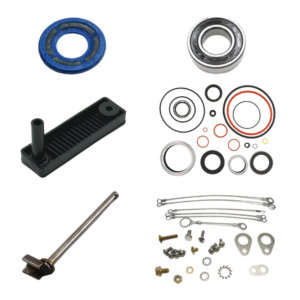

 Parts views
 Technical documents
 Ask for a quote
 Return request
How does electricity work on a boat?
Find batteries, cables, kill switches, protection devices and electrical accessories designed for the marine environment.
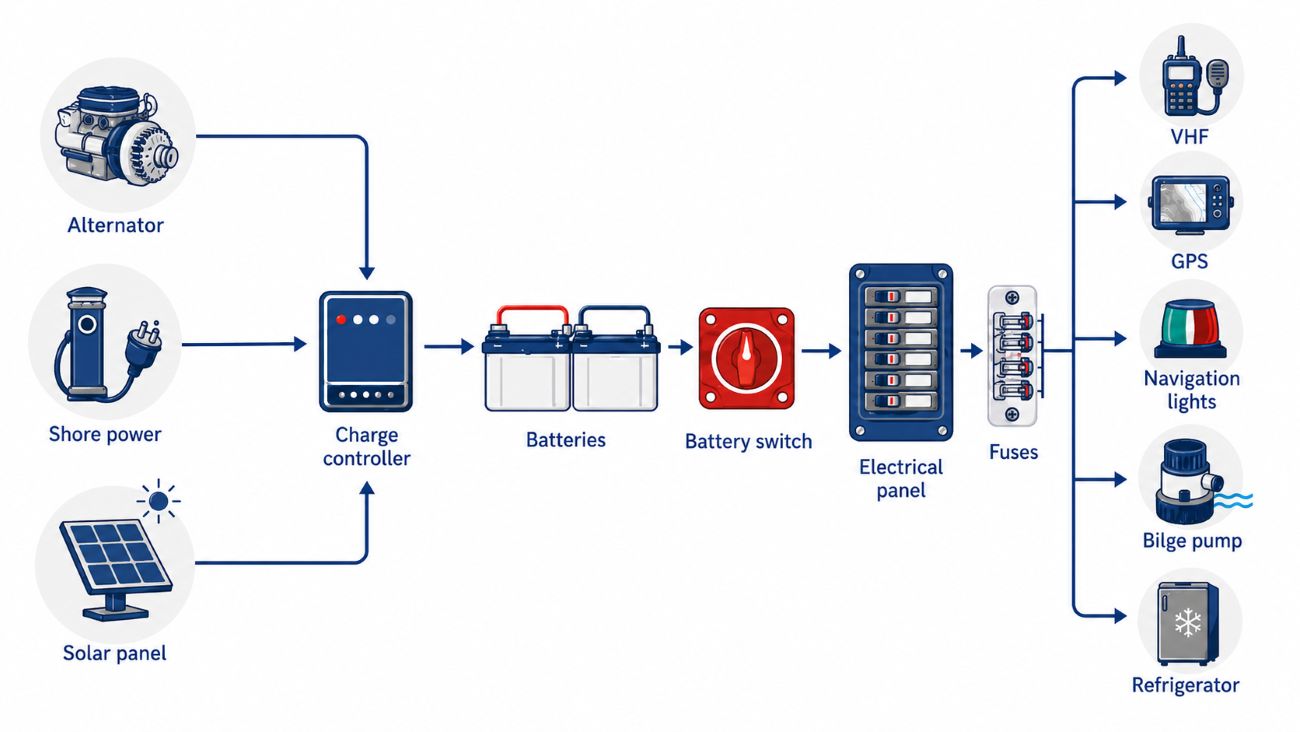
Electricity on a boat is a complete circuit that produces, stores, distributes and protects onboard energy. It comes from the alternator, shore power, solar panels or other sources depending on the installation. It is stored in batteries, then sent to the electrical panel, protection devices and equipment. The proper operation of the system depends as much on the batteries as on the cables, fuses, kill switches and connected devices.
Would you like to understand what really happens when you turn on navigation lights, connect a VHF radio, start the engine or use a bilge pump? Electricity on a boat can seem technical, but its operation becomes much easier to understand when you follow the path of energy. The principle is always the same: a source produces or supplies current, a battery stores it, a circuit distributes it, then each device consumes what it needs.
To place this circuit within the boat as a whole, you can also read our guide to how a boat works.
How does electricity work on a boat in a few steps?
Electricity on a boat works like a chain: it is produced or received from an energy source, stored in one or more batteries, distributed by an electrical panel, protected by fuses or circuit breakers, then consumed by onboard equipment.
What is the path of electricity onboard?
The simplest path is: energy source, charger or regulator, batteries, battery switch, electrical panel, protection devices, then appliances. Each element has a precise role in the boat electrical circuit.
Why does a boat need a specific electrical system?
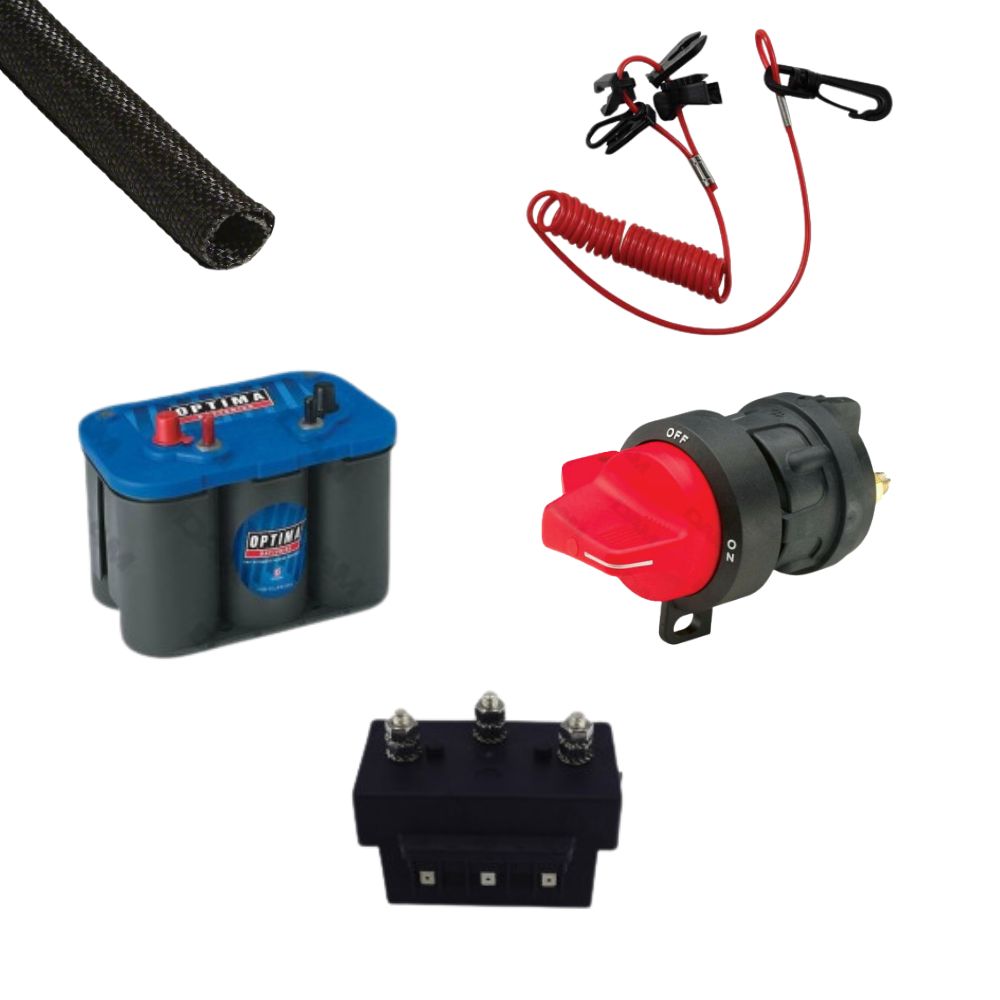
A boat is exposed to humidity, salt, vibrations and sometimes impacts. Cables, terminals, protection devices and components must be suitable for the marine environment. Boat electrical cable conduits protect wires from salt water, friction and UV exposure.
What is the difference between producing, storing and consuming electricity?
Producing means creating or receiving energy through the alternator, shore power or solar. Storing means keeping that energy in the batteries. Consuming means using that energy for lights, pumps, instruments, VHF, the refrigerator or USB sockets.
Where does electricity on a boat come from?
Electricity on a boat can come from several sources: the engine alternator, shore power, solar panels, a wind turbine, a hydrogenerator or a generator. These sources do not all have the same role, but they all help power or recharge the electrical system.
How does the alternator produce electricity?
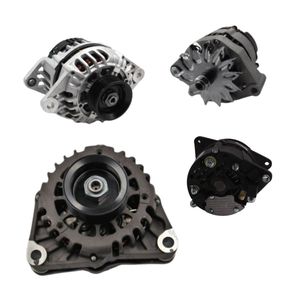
The alternator converts part of the engine’s mechanical energy into electrical energy. When the engine is running, it recharges the batteries. This applies to boats fitted with a marine diesel engine or a boat gasoline engine. You can browse the boat alternators.
How does shore power work in port?
Shore power generally supplies 220/230V when the boat is plugged in at the marina. It can power certain devices and allow the battery charger to recharge the battery bank.
How do solar panels recharge batteries?
A solar panel produces current using light. This current then passes through a charge regulator before reaching the batteries. The regulator prevents unsuitable voltage and protects the battery.
What are wind turbines, hydrogenerators and generators used for?
A wind turbine produces electricity with the wind, a hydrogenerator with the boat’s movement through the water, and a generator with a dedicated combustion engine. These solutions extend autonomy when cruising or at anchor.
What are batteries used for in a boat’s electrical system?
Batteries are the boat’s electrical energy reserve. They make it possible to use equipment when the engine is stopped, when the boat is not connected to shore power or when instant production is not enough.
What is the difference between a starting battery and a service battery?
The starting battery delivers high current for a few seconds to start the engine. The service battery powers lighting, VHF, GPS, pumps, refrigerator or sockets for longer periods. See the boat batteries category.
Why should everything not be connected to a single battery?
Connecting all equipment to one battery increases the risk of being unable to restart the engine. If the battery is too weak, understanding how a boat battery booster works helps explain an emergency restart.
What is a charge splitter used for?
A charge splitter helps distribute charging between several batteries or battery banks. DAM Marine offers boat charge splitters for this type of setup.
What does a battery capacity in Ah mean?
Battery capacity is expressed in amp-hours, often written Ah. A 100 Ah battery can theoretically supply 5 A for 20 hours. In practice, a margin should be kept to avoid deep discharge.
To avoid sizing mistakes, the guide to choosing the right battery for your boat complements this section, as does the article explaining how to recharge boat batteries properly.
A suitable, well-connected and properly monitored battery helps reduce starting and anchoring failures.
How is electricity distributed on a boat?
Electricity is distributed through cables, connections, an electrical panel and protection devices. Each circuit powers a family of devices: engine, lighting, navigation, pumps, sockets, comfort or safety.
What is a boat electrical panel used for?
The electrical panel centralizes the circuits. It allows certain devices to be switched on or off without acting directly on the batteries.
What is the role of a battery switch or kill switch?
The battery switch isolates a battery or part of the circuit. Boat kill switches are important safety components.
Why are fuses and circuit breakers essential?
Fuses and circuit breakers protect circuits against overloads, short circuits and overheating. Without suitable protection, a defective cable or device can create a serious risk onboard.
Why should voltage and consumption be monitored?
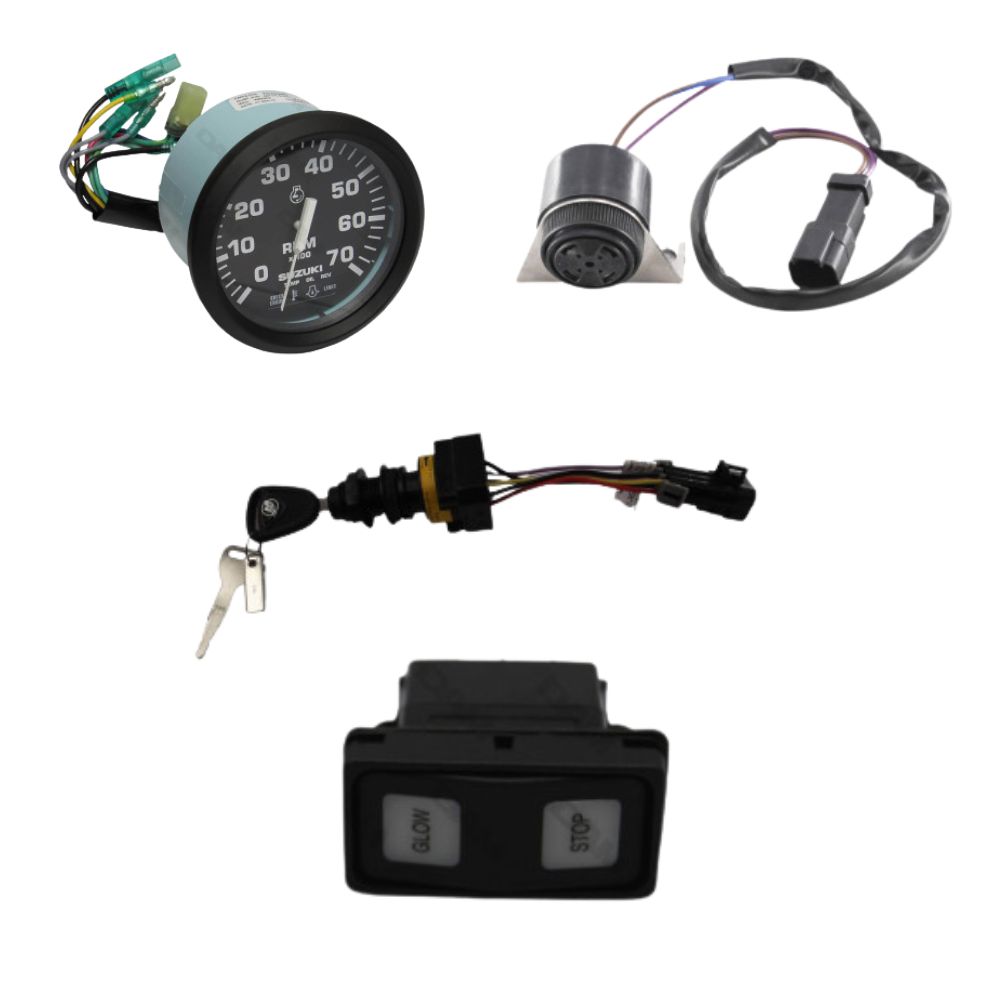
Monitoring voltage helps you know whether a battery is discharging too quickly or whether charging is working correctly. Boat voltage indicators and ammeters are useful for tracking the real condition of the circuit.
For more precise charge monitoring, you can also read the guide on how to connect a boat battery monitor.
Kill switches, battery accessories, conduits, fuses and marine-grade components all contribute to installation safety.
What is the difference between 12V and 220V on a boat?
12V generally powers onboard equipment while sailing, while 220/230V is mainly used at the dock or through an inverter, generator or dedicated installation. These two circuits do not have the same use or the same risks.
What is the 12V circuit used for onboard?
The 12V circuit powers navigation lights, VHF, GPS, fishfinder, bilge pump, lighting, USB sockets or onboard instruments. Read more about how boat navigation instruments work.
When is 220V or 230V used on a boat?
220/230V is mainly used when the boat is connected to shore power. It can recharge batteries, power certain appliances or run comfort equipment.
How does a 12V to 220V inverter work?
An inverter converts the direct current from the batteries into alternating current for devices designed for 220/230V. It draws from the battery, so consumption must be monitored.
Which devices consume electricity on a boat?
Electrical devices on a boat are used for navigation, safety, communication, comfort and sometimes certain engine-related functions. Their consumption varies greatly depending on their power and operating time.
Some comfort equipment also depends on electricity, especially pumps and water circuits. To complete this point, read our guide to boat plumbing and the onboard water system and the article on managing water onboard.
Which electrical equipment is used for navigation?
GPS, fishfinder, radar, electronic compass, navigation lights and AIS consume electricity to support navigation. See boat navigation and AIS technology.
Which devices are used for communication and safety?
VHF radio, lights, alarms, pumps and instruments play an important safety role. Read how a marine VHF radio works.
Which devices consume the most onboard?
The refrigerator, electric windlass, autopilot, heating, air conditioning and some 220V appliances can consume more energy. Operating time matters as much as power.
Why should electrical consumption be monitored?
Monitoring consumption helps avoid draining the batteries at anchor or during a long passage. A low-power device used all day can consume more than a powerful device used for a few seconds.
What is the link between electricity, the engine and other boat systems?
Electricity does not directly make everything work, but it is involved in starting, charging, instruments, alarms, certain sensors and several control devices. It is therefore connected to many boat systems.
If an alert appears on the dashboard, the guide to understanding your boat warning lights helps interpret the signals before continuing the diagnosis.
What role does electricity play in engine starting?
When starting, the battery sends a high current to the starter motor. The starter turns the engine, then the alternator recharges the battery.
Does the fuel system depend on electricity?
Fuel circulates through its own system, but some engines use electric pumps, sensors or components. Read how a boat fuel system works.
Does engine cooling depend on electricity?
Cooling is often provided by water or coolant circulation, but sensors, alarms and warning lights can indicate a fault. See how a boat engine cooling system works.
Is electricity involved in propulsion, the propeller or steering?
Propulsion relies on the engine, transmission and propeller, but electricity is involved in starting, controls, instruments and assistance equipment. Read about boat propulsion, boat propellers and hydraulic steering.
How can electrical failures be avoided onboard?
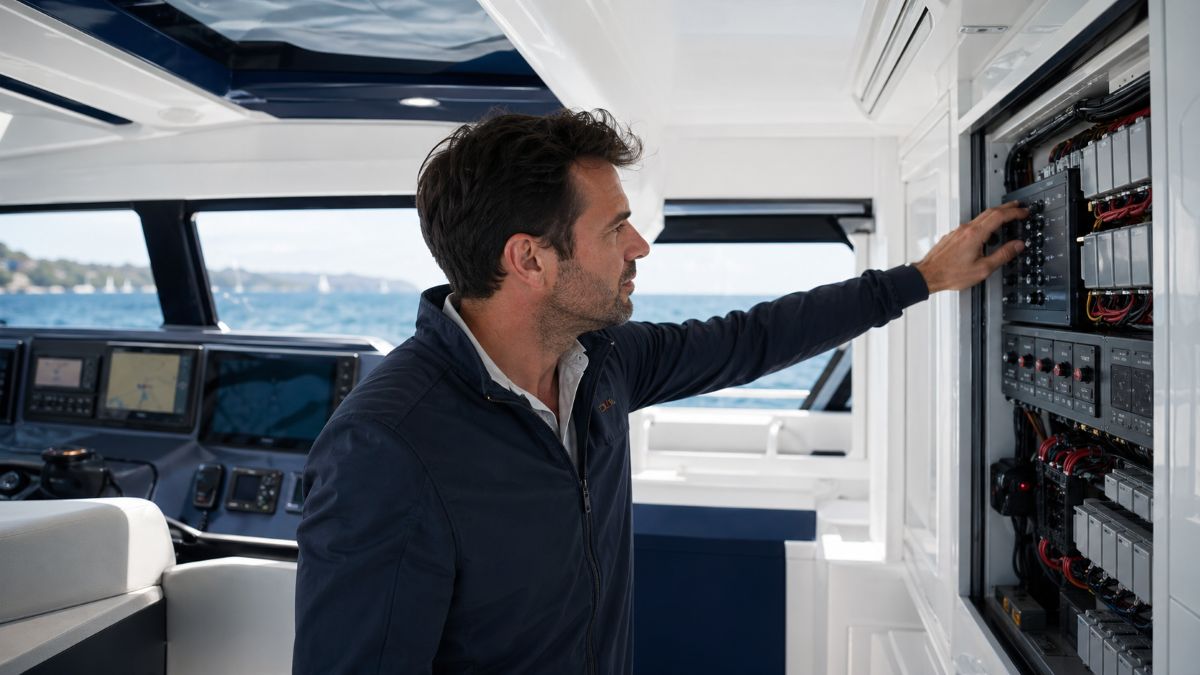
An electrical failure often comes from a weak battery, a poor contact, a blown fuse, a tripped circuit breaker, an oxidized terminal, a damaged cable or an appliance that consumes too much power. Prevention relies on monitoring, maintenance and components suited to the marine environment.
What signs indicate a weak battery?
An engine that struggles to start, weak lighting, instruments that switch off or voltage that drops quickly can indicate a weak battery. Also read about boat battery maintenance.
What problems can come from the electrical panel?
A blown fuse, a tripped circuit breaker, a loose cable or an overloaded circuit can cut power to equipment. Boat battery accessories help make connections more reliable.
Why are humidity and corrosion dangerous?
Humidity and salt promote oxidation of terminals, connectors and cables. A poor contact can cause intermittent failure, voltage drop or overheating.
What should you remember about how a boat’s electrical system works?
A boat’s electrical system works through a balance between production, storage, distribution, protection and consumption. Batteries are at the heart of the system, but they are not enough on their own: they must be recharged, monitored, protected and connected to equipment suitable for the marine environment.
| Element | Role in the boat electrical circuit | Useful link |
|---|---|---|
| Alternator | Recharges the batteries when the engine is running. | Boat alternators |
| Shore power | Provides 220/230V at the dock and allows charging through a charger. | Boat electrical equipment |
| Starting battery | Provides high current to start the engine. | Boat batteries |
| Service battery | Powers onboard equipment when the engine is stopped. | Boat batteries |
| Battery switch | Isolates a battery or part of the circuit to secure the installation. | Boat kill switch |
| Electrical panel | Distributes current to the boat’s different circuits. | Electrical equipment |
| Fuses and circuit breakers | Protect circuits against overloads and short circuits. | Electrical protection |
| Voltage indicator | Helps monitor state of charge and battery behavior. | Indicators and ammeters |
| Navigation equipment | Consumes energy to guide, signal and secure navigation. | Boat navigation |
FAQ about electricity onboard a boat
Does a boat always run on 12V?
No, but 12V is very common on pleasure boats for onboard equipment. Some boats also use 24V, especially on larger installations. 220/230V is more often used at the dock, via a generator or with a suitable inverter.
Can 220V be used while sailing?
Yes, but only with an installation designed for it, such as an inverter or generator. 220/230V requires serious protection, because the risks for people and equipment are higher than with a low-voltage circuit.
Why separate the engine battery and the service battery?
Separation prevents onboard equipment from draining the engine battery. Even if the refrigerator, lights or instruments consume a lot at anchor, the starting battery remains available to start the engine.
How can you tell if a boat battery is weak?
A weak battery can cause difficult starting, rapid voltage drop, dimmer lights or devices that shut down. A voltage indicator, ammeter or battery monitor makes it easier to check its condition.
What is a battery switch used for on a boat?
A battery switch isolates a battery from the rest of the circuit. It limits parasitic consumption, secures the installation when the boat is stopped and makes certain electrical operations easier.
What is the difference between a battery charger and an inverter?
A charger sends energy to the batteries to recharge them, often from shore power. An inverter converts stored battery energy into current for certain 220/230V appliances.
Which equipment consumes the most electricity onboard?
The main consumers are often the refrigerator, windlass, autopilot, heating, air conditioning and 220/230V appliances. Consumption also depends heavily on operating time.