


 Catalog
 Exploded views

















 Honda Marine


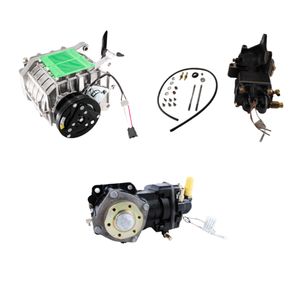
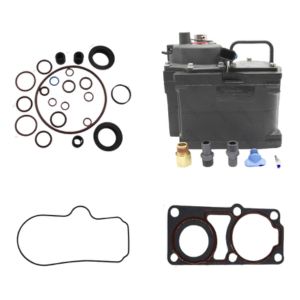
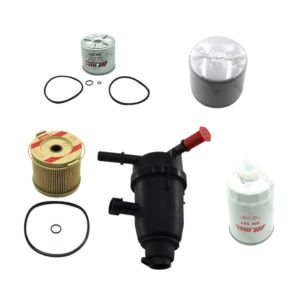


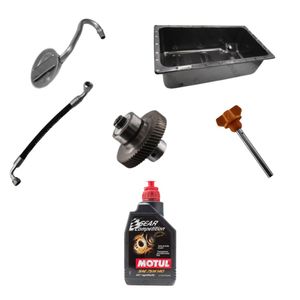
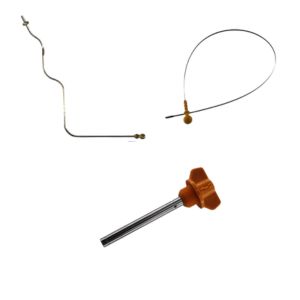
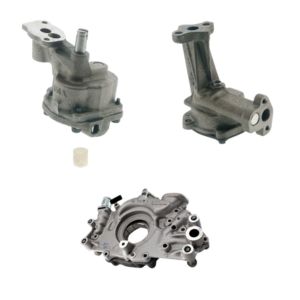
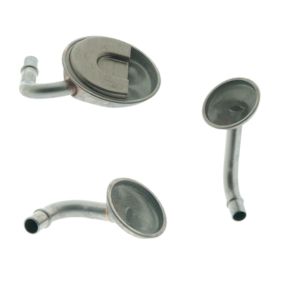



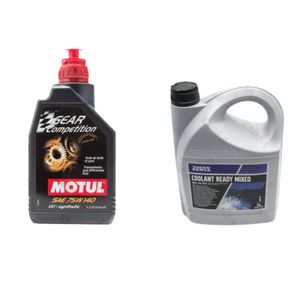
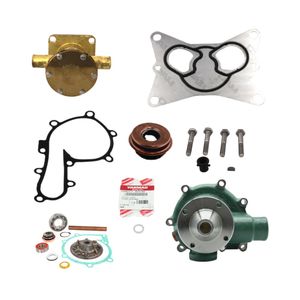
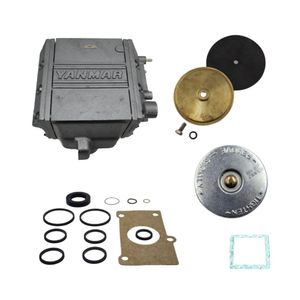
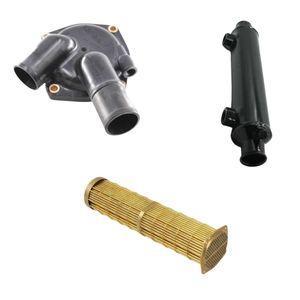
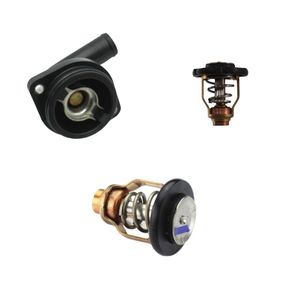
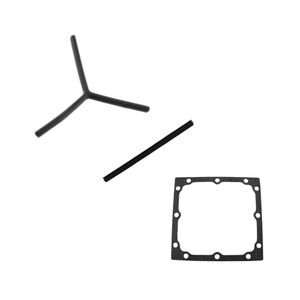
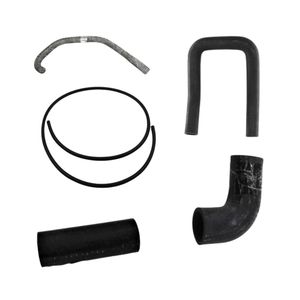
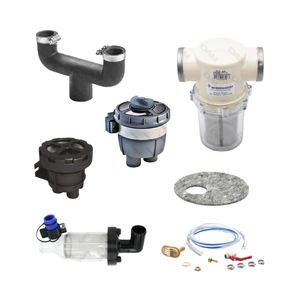
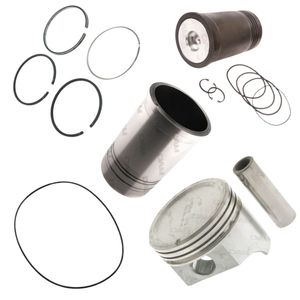
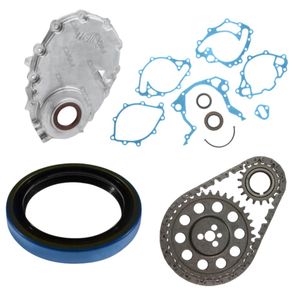
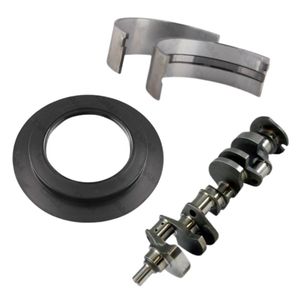
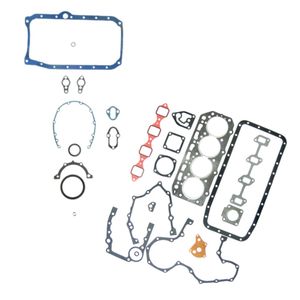


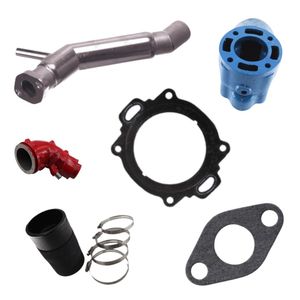
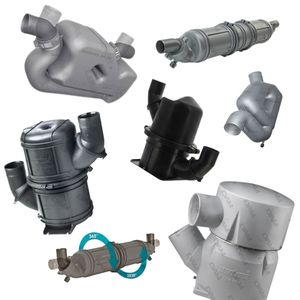
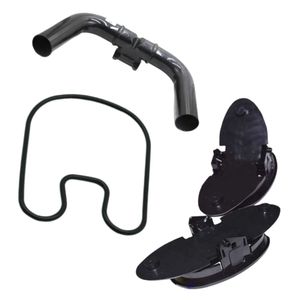
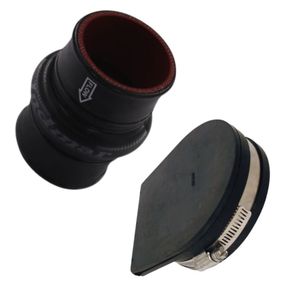
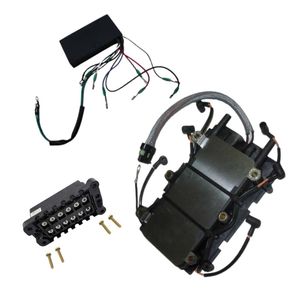
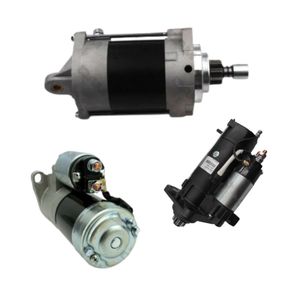
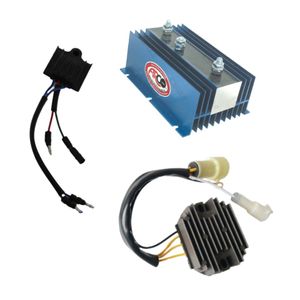
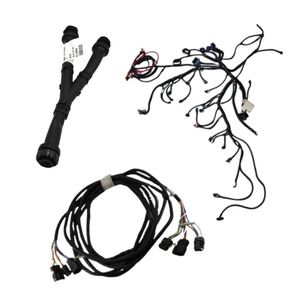



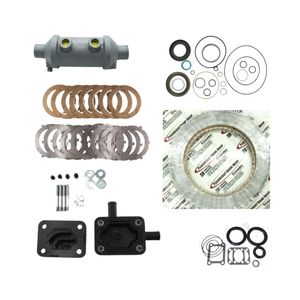
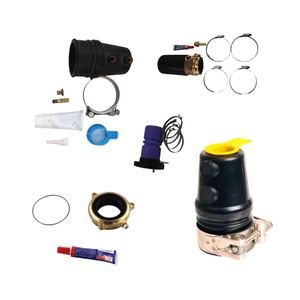
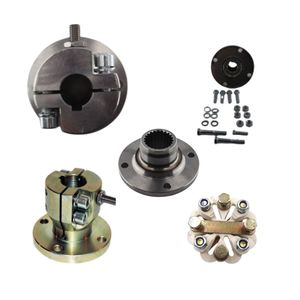

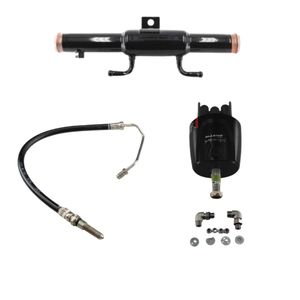
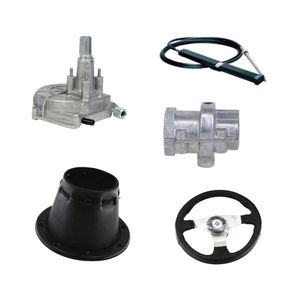
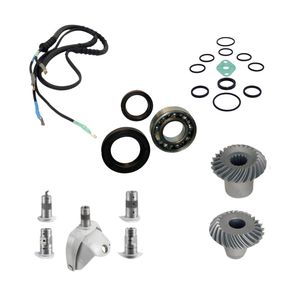
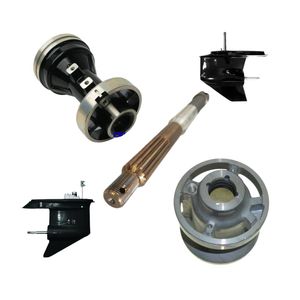
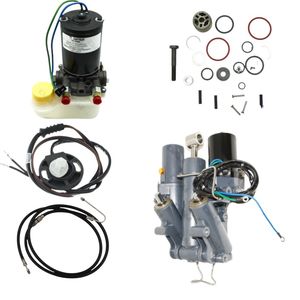











 Parts views
 Technical documents
 Ask for a quote
 Return request
Boat battery maintenance: how to extend the lifespan of your marine battery?
A reliable battery starts with a well-understood electrical installation. Before replacing a battery, check the charge, the connections and the power consumption on board.
Understand on-board electricityBoat battery maintenance refers to all the checks and habits that keep a battery reliable, charged and safe on board.
It involves monitoring voltage, cleaning terminals, avoiding deep discharges and using a charger suited to the battery technology.
A flooded lead-acid battery also requires electrolyte level checks, while AGM, gel or lithium batteries mainly need proper charging and storage.
Winterisation is a key period, because a battery left unattended for several months can quickly lose capacity.
What does boat battery maintenance really involve?
Boat battery maintenance covers all the actions that prevent the battery from discharging too quickly, oxidising, sulphating or losing capacity prematurely. It is not only about checking whether the engine starts: a marine battery can also power lighting, instruments, electronics, the windlass or other on-board services.
This dependence also concerns safety equipment such as mandatory navigation lights or a suitable bilge pump, which must remain operational even when the boat is stationary or the engine is not running.
On a boat, the battery works in a more demanding environment than a car battery: humidity, vibrations, long periods without use, changing temperatures and sometimes incomplete charging. Regular monitoring helps preserve performance and avoids confusing a simple electrical weakness with a more complex mechanical fault.
Why does a marine battery need proper monitoring?
Because it can be used even when the engine is not running. Parasitic consumption, a device left connected or insufficient charging can be enough to weaken it.
Which factors wear out a battery most on a boat?
Humidity, vibrations, deep discharges, poor storage and the use of an unsuitable charger are among the most common causes of premature wear.
When the engine refuses to start, the battery is one of the first things to check. To compare the symptoms, you can also read the DAM Marine guide on a boat engine that will not start.
Which maintenance tasks should be carried out regularly on a boat battery?
Regular tasks include inspecting the battery, checking its state of charge, cleaning the terminals, checking that the cable lugs are tight and monitoring cable condition. This simple routine prevents many starting problems and electrical losses on board.
Which visual checks should you carry out on a boat battery?
Inspect the case, terminals, cable lugs and cables. A cracked case, whitish deposits, a loose lug or a damaged cable should be dealt with quickly.
How should terminals and connections be cleaned?
Switch off the power, disconnect the battery, then clean the lugs and terminals using a suitable method. Clean connections limit current losses.
When should the electrolyte level be checked?
This check only applies to flooded lead-acid batteries. If the level is too low, top up with distilled water, never tap water.
A battery may seem weak when it is simply suffering from a poor contact. This is why cleaning and tightening the connections is just as important as charging itself.
How do you properly charge a marine battery?
A marine battery should be charged with a charger compatible with its technology: flooded lead-acid, AGM, gel or lithium. Proper charging must avoid two opposite problems: undercharging, which encourages internal wear, and overcharging, which can damage the battery or reduce its lifespan.
To go further into charging methods, precautions and mistakes to avoid depending on the installation, also read our guide to charging your boat batteries properly.
Why is charging essential in boat battery maintenance?
A battery left discharged for a long time deteriorates quickly. Regular charging maintains capacity and limits ageing phenomena such as sulphation.
How often should a boat battery be charged?
The frequency depends on use, battery type and the equipment being powered. A boat that is rarely used should be checked more often than one used regularly.
Why should deep discharge be avoided?
Repeated deep discharges greatly reduce lifespan, especially on service batteries and conventional lead-acid batteries.
To better understand the balance between charging, consumption and autonomy, the DAM Marine guide on how to manage energy on board a boat is a useful complement.
Want to reduce electrical failures on board? Start by identifying your power consumption, your batteries and your charging method before changing the installation.
Manage energy on boardDoes boat battery maintenance change depending on the battery type?
Yes, boat battery maintenance changes depending on the technology used. A flooded lead-acid battery requires more physical monitoring, while an AGM, gel or lithium battery mainly requires suitable charging and use in line with the manufacturer’s recommendations.
Even before maintenance, proper sizing matters: the guide to choosing the right battery for your boat helps compare starting, service and autonomy needs.
How do you maintain a flooded lead-acid battery?
Check the terminals, voltage, electrolyte level and ventilation. Any top-up must be done with distilled water only.
What precautions should you take with an AGM or gel battery?
These batteries are generally easier day to day, but they require a compatible charger. The wrong charging curve can reduce their performance.
How do you maintain a lithium boat battery?
A lithium battery requires controlled charging, suitable electronic protection and compliance with the limits set by the manufacturer.
The term “maintenance-free” therefore does not mean “monitoring-free”. Even a sealed battery should be checked, properly stored and charged correctly.
How should boat battery maintenance be handled during winterisation?
During winterisation, boat battery maintenance means starting with a clean, fully charged battery, switching off unnecessary loads and then maintaining charge throughout the lay-up period.
What should be done before a long period without use?
Fully charge the battery, clean the connections, check that the lugs are tight and switch off any consumers that could slowly drain it.
Should the battery be left on board or stored ashore?
Both options are possible depending on the installation. In all cases, the battery should be protected from excessive humidity, extreme cold and parasitic discharges.
Why use a maintenance charger?
A maintenance charger keeps the battery at the correct charge level over a long period without harsh or excessive charging.
Battery winterisation is part of a broader boat preparation process. To organise this period, you can read the boat winterisation guide, then check the key points when you dewinterise your boat.
How can you tell whether a marine battery is still in good condition?
A marine battery in good condition should hold its charge, deliver enough current and remain stable during use. If it charges very quickly but discharges almost immediately, if the engine cranks slowly or if the electronics drop out quickly, a more serious check is needed.
To monitor these variations day to day, it may be useful to consider installing a battery monitor, especially if several electrical devices remain in use at anchor or underway.
Dashboard alerts can also guide the diagnosis: our guide to understanding your boat warning lights helps interpret the signals, while the article on the boat’s navigation instruments places these symptoms within the wider onboard electronics setup.
What signs show that a battery is starting to fail?
Slow starting, voltage dropping quickly, unusually frequent charging, a case that heats up or devices switching off too quickly are signs to watch.
What is the average lifespan of a boat battery?
It varies depending on technology, use and maintenance. A well-monitored battery can last several years, but a poorly stored battery ages much faster.
When should the battery be tested or replaced?
If voltage drops under load or if the battery no longer holds energy despite correct charging, it should be tested or replaced.
If the symptoms overlap with other engine issues, a broader diagnosis may be useful. DAM Marine explains this approach in its article on boat engine repair and fault diagnosis.
Which mistakes damage a boat battery the most?
The most common mistakes are leaving the battery partly discharged, using an unsuitable charger, neglecting connections or allowing devices to draw power during a long period without use.
Which bad habits shorten its lifespan?
Repeated deep discharges, incomplete charging, oxidised cable lugs and storage in a damp environment are especially harmful.
Which actions should absolutely be avoided?
Do not add water to a maintenance-free battery, open an AGM or gel battery, use random chargers or attempt recovery with unsuitable products.
What should you do if there is a one-off starting failure?
Temporary assistance can help, but it does not replace a diagnosis. To understand this equipment, read the guide on how a battery booster works.
What good habits should you remember for boat battery maintenance?
The right habits are simple: keep the battery charged, clean, well connected and suited to its use.
| Situation | Good habit | Why it helps |
|---|---|---|
| Battery used regularly | Check terminals, voltage and tightness | Prevent poor contacts and performance losses |
| Flooded lead-acid battery | Check electrolyte level and top up with distilled water if needed | Avoid premature internal degradation |
| Long period without use | Fully recharge, then maintain the charge | Limit self-discharge and sulphation |
| Winterisation | Switch off unnecessary loads and protect the battery | Preserve capacity during the lay-up period |
| Weakening battery | Test voltage at rest and under load | Distinguish insufficient charging from true end of life |
| Charger choice | Use a charger compatible with the battery technology | Avoid overcharging, undercharging and accelerated ageing |
Boat battery maintenance FAQ
Can I use WD-40 to clean my battery?
It is better not to use it as the main solution for cleaning terminals. Use a method suited to the deposits present, then protect the connections with a suitable product if necessary.
What is the 20/80 rule for batteries?
It is a usage guideline that reminds you a battery often lasts longer when it is not regularly drained to the extreme or kept too long in an unfavourable charge range.
Are maintenance-free batteries really monitoring-free?
No. A maintenance-free battery generally does not require water top-ups, but voltage, charge, connections, storage and charger compatibility remain essential.
What is the difference between a marine battery and a car battery?
A marine battery is designed to better withstand boat constraints such as vibrations, humidity and cycles linked to onboard equipment.
Why have two batteries on a boat?
Many installations separate the starter battery from the service battery to avoid draining the engine battery with comfort equipment.
Can a weak battery explain an electrical failure on board?
Yes, a tired battery can cause cut-outs, difficult starts or unstable instruments.
Prepare your battery before your next trip. A charge check, clean connections and a coherent installation prevent many unpleasant surprises in port and at sea.
View the winterisation guide