



 Exploded views
















 Honda Marine







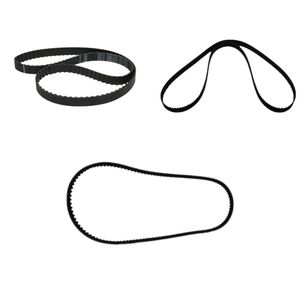
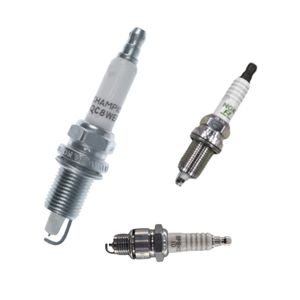
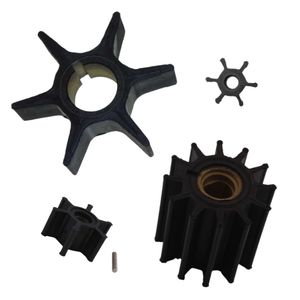
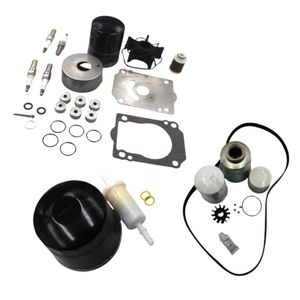
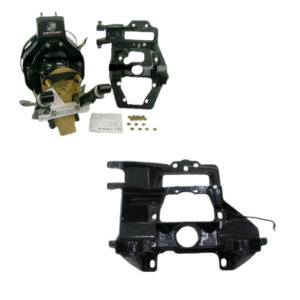
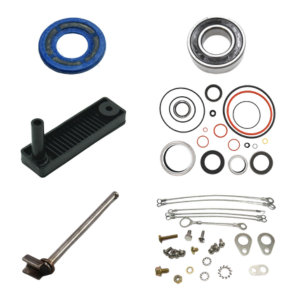
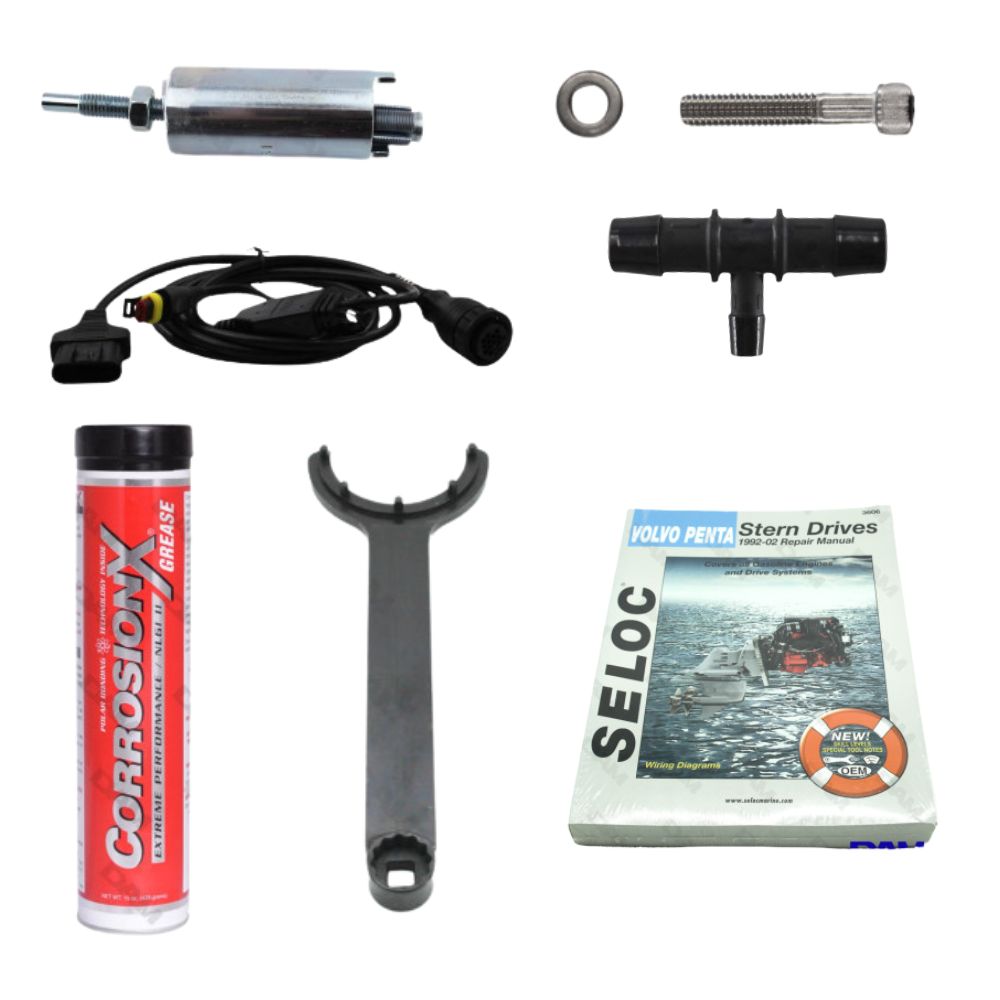
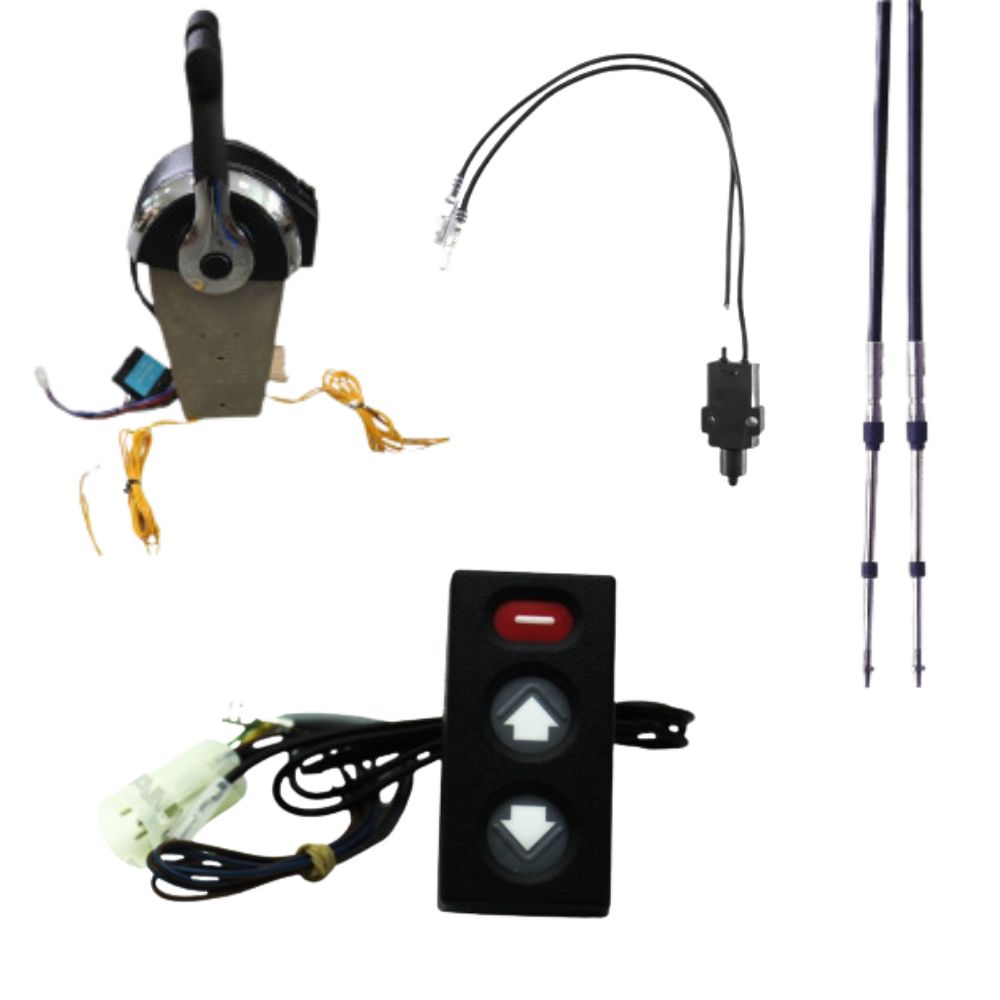

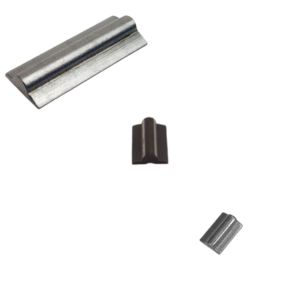
Sorry for the inconvenience.
Search again what you are looking for
 Catalog
 Parts views
 Technical documents
 Ask for a quote
 Return request
Effectively protect your boat’s engine and hull against corrosion. At DAM Marine, we offer a wide selection of sacrificial anodes for all types of engines, with fast 24-hour shipping. Whether you sail in fresh water or at sea, discover our generic range to help ensure the longevity of your equipment.
Water, and especially the marine environment, creates complex natural electrolytic phenomena that generate invisible electrical currents between the different metal parts immersed on your vessel. This formidable process, known as galvanic corrosion, systematically attacks the weakest metals through a constant transfer of electrons. Without proper cathodic protection, the structural integrity of your boat is directly threatened by this inevitable chemical degradation, accelerated by contact with salt water.
To counter this oxidation phenomenon, the sacrificial anode acts as a true shield. This device is intentionally made from an electropositive metal, allowing it to be attacked by corrosion first. By gradually breaking down in the marine electrolyte, this part wears in place of other more noble metals, thereby preserving the essential and costly components of your engine outboard or inboard.
This is why DAM Marine offers a wide category of these essential devices to provide long-lasting protection for the vital parts of your boat. Whether you need to protect the sterndrive, the propeller shaft, the rudder or the shaft nut, you will find the ideal anode product in our extensive stock. Anticipating this protection against rust is an absolute priority for any boater concerned about their equipment and safety at sea.
The choice of metal for your sacrificial anodes depends exclusively on your everyday boating environment. Zinc anodes are specifically recommended for use at sea. This material, whose density slightly affects the weight of the part, offers optimal resistance to seawater aggression and dissolves at an ideal rate to guarantee long-lasting cathodic protection. This level of safety fully justifies the price of the anode to preserve the hull and propellers.
Conversely, magnesium is the most active metal in the range and should be reserved exclusively for navigation in fresh water. Its use in a salty or marine environment would lead to extremely rapid electrochemical dissolution, making the protection ineffective in just a few weeks. It is therefore absolutely crucial to adapt your equipment to the salinity of your body of water to avoid irreversibly damaging the engine system.
Finally, the aluminium alloy is an excellent versatile solution, particularly recommended if you sail in mixed or brackish waters. Aluminium anodes combine great lightness with formidable efficiency against sterndrive deterioration, preventing the formation of unwanted oxidation pitting.
| Metal used | Recommended water type | Main characteristics |
|---|---|---|
| Zinc | Seawater (salt water) | Slow dissolution, worldwide standard marine norm |
| Magnesium | Fresh water | Very active, maximum protection in lakes or rivers |
| Aluminium | Brackish or mixed water | Versatile, excellent balance of lightness and durability |
Our list of equipment includes models compatible with the largest manufacturers in the marine market. DAM Marine has a catalogue of carefully selected parts, ensuring quality equivalent to the original. Here are some of the engine manufacturers covered by our range:
Marine manufacturers design their equipment with very precise locations on engine blocks. Each engine with an anode therefore requires specific formats matching the exact manufacturer dimensions. It is essential to consult the technical recommendations to find the part that will fit perfectly on the foot of your sterndrive and guarantee effective anti-corrosion protection.
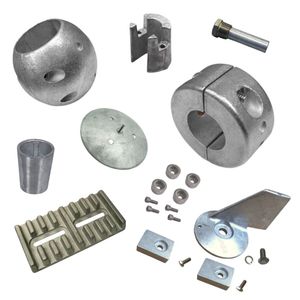
To meet these mechanical requirements, there are many shapes suited to each configuration. For example, you will find the rosette anode for the rudder, plates for transoms, a shaft nut anode for the transmission, or collars for the engine shaft.
Installing your protective equipment should not be improvised and requires strict compliance with fundamental rules. To be fully effective, the equipment must be in direct electrical contact with the metal it protects. Any insulating element placed between the two surfaces will instantly cancel conductivity, exposing your hull to certain degradation caused by electrochemical corrosion.
Warning: you must absolutely avoid painting an anode or its mounting location. Applying paint or antifouling creates a watertight and insulating barrier. Without direct contact with the water and the support, the sacrificial device would be completely ineffective.
Mounting methods vary considerably depending on the need and the area to be protected on the hull of your sailboat or motorboat. You can choose a bolt-on anode on the hull, a screw-on model for trim tabs, or welded versions for steel. Whatever method you choose, regularly check the cleanliness of the surfaces and the tightness to maintain the conductivity of the drive-foot anode despite nautical turbulence.
Preventive maintenance is the key to stress-free boating all year round. Careful inspection and replacement of your anodes should preferably be carried out during the annual haul-out or winterization. This is the ideal time to inspect the condition of your hull and replace parts that have reached a critical level of wear before starting the next season.
At DAM Marine, we strongly advise our customers to take advantage of this dry storage period to service the entire propulsion system. Comprehensive maintenance helps prevent serious mechanical failures and optimize the performance of your marine engine system, while protecting your long-term financial investment.
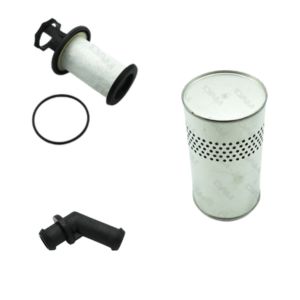
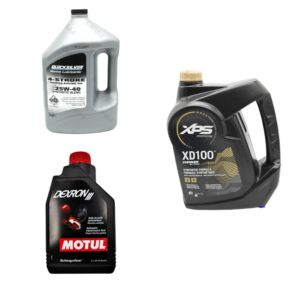
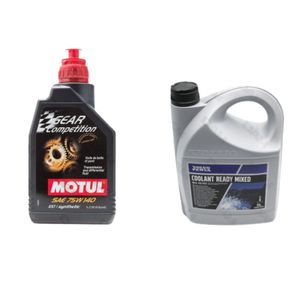
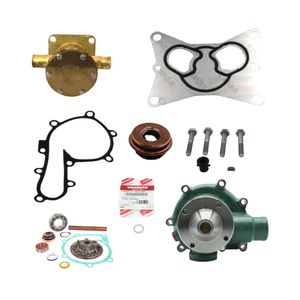
To make ordering easier, remember to add all the consumables needed for winterization to your cart. Feel free to browse our annual maintenance category to find your gear oils, your marine filters, as well as your water pump impellers for a complete engine service at a competitive price.
Below you will find clear answers to the most frequently asked questions from boaters about the maintenance, replacement and crucial role of these essential protections for boating.
The main role of this part is to protect immersed metal parts against devastating corrosion. It acts as an essential sacrificial fuse. By gradually breaking down through electrolysis instead of expensive mechanical parts, it extends the overall lifespan of your equipment and maintains the integrity of your vessel.
As a general rule, it is recommended to replace the anodes on your marine engine at least once a year during servicing or haul-out. This annual replacement is a maintenance standard for all boaters.
However, replacement becomes urgent and a priority as soon as the part has lost half of its initial volume, or if it shows visible wear estimated at between 70 and 80%. At this stage, the metal can no longer absorb the galvanic current.
Important note: very rapid wear, occurring in less than three consecutive months in the water, should immediately alert you to a possible electrical leak in the hull or a grounding fault at the mooring pontoon that must be resolved without delay.
To learn more about corrosion protection and select the right material for your boating environment, read our complete guide to boat anodes, including how they work, the different types and when to replace them.
Search again what you are looking for