


 Catalog
 Exploded views
















 Honda Marine


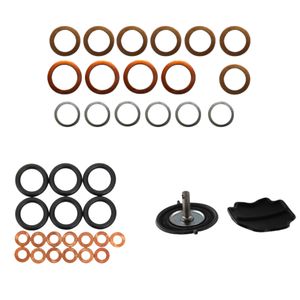
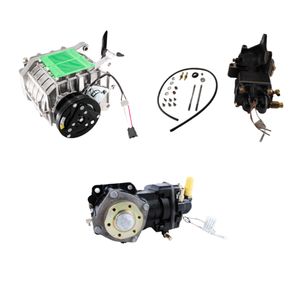
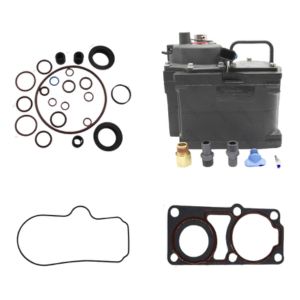
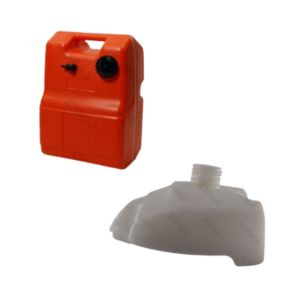
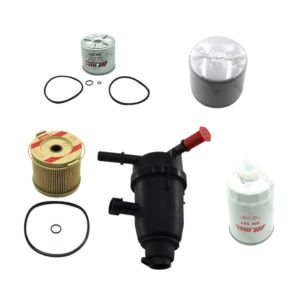






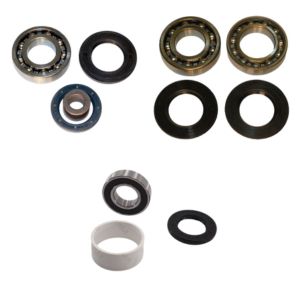
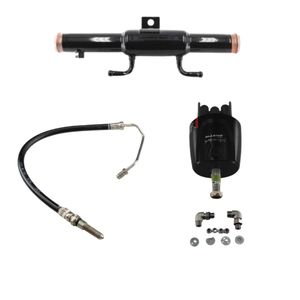
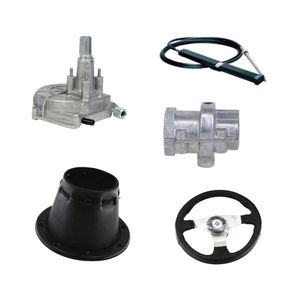
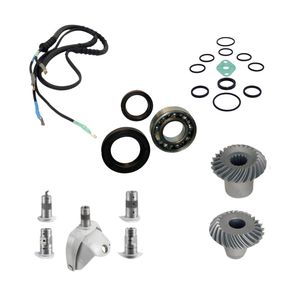


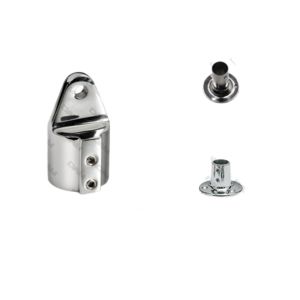
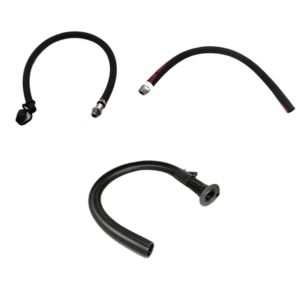
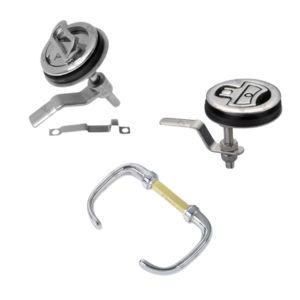
 Parts views
 Technical documents
 Ask for a quote
 Return request
Start with the simple checks, then identify the right fault category before replacing any part.
A boat engine won’t start when one of the elements required for starting is missing: electrical power, fuel, ignition or start authorization. The first step is to determine whether the starter cranks, clicks, slows down or stays completely silent. On an outboard as on an inboard, the method is to eliminate simple causes before assuming a more technical fault. Starting attempts should remain short to avoid draining the battery, flooding the engine or overheating the starter.

What should you do immediately when a boat engine won’t start?
When a boat engine won’t start, the right first move is to check the obvious points before dismantling anything: neutral, kill switch, battery switch, terminals, fuel, tank vent and priming. These checks eliminate many simple faults, especially after transport, winter storage or a long period without use.
A common mistake is to keep trying in the hope that the engine will eventually fire. On a petrol engine, this can flood the spark plugs. On a diesel or an inboard engine, it can drain the battery and make diagnosis harder. It is better to observe the symptoms: complete silence, a click, slow cranking, normal starter speed, fuel smell, warning light, alarm or unusual behavior. If a warning light appears on the dashboard, the guide to understanding your boat warning lights can help distinguish an electrical, engine or safety alert before continuing the checks.
Is neutral properly engaged?
Many engines prevent starting if the control is not in neutral. Check the gear lever position and move the control gently to confirm that the safety switch is properly validated.
Is the kill switch engaged?
On an outboard, the kill-switch lanyard is a frequent cause of an impossible start. The starter may sometimes crank, but ignition remains cut depending on the installation.
Is fuel reaching the engine correctly?
Check the level, tank vent, fuel valve, quick connector and primer bulb if fitted. A bulb that does not firm up points to an air leak or an interrupted fuel supply.
If you need to identify a compatible reference, start from the exact engine model. When in doubt, the engine serial number is often the most reliable information for ordering the correct part.
Why does safety prevent the fault from getting worse?
Safety prevents you from adding a new problem to the original one. Attempts that last too long can heat the starter, drain the battery, stress already corroded cables or saturate the engine with fuel. Before going further, stabilize the boat, limit attempts and write down useful diagnostic clues.
In port, take the time to visually inspect the terminals, ground connection, power cables and any hot smells. At sea, the priority is different: secure the crew, avoid risky improvisation and plan a way back. Improvised work on the electrical or fuel circuit can become dangerous if done incorrectly.
Keep in mind: make short attempts, let the starter rest between tries and stop if you notice a burning smell, a hot cable or an abnormal engine noise.
How can you tell whether the fault comes from the starter or the fuel supply?
The most important question is simple: does the starter crank? If it does not crank, clicks or turns slowly, the electrical path takes priority. If it turns normally but the engine does not fire, you need to check fuel supply, ignition on a petrol engine or the engine-stop system on some diesels. To better understand the role of the battery, grounds, fuses and onboard consumers, the article on how boat electricity works usefully completes this first diagnosis.
Complete silence: what does it mean?
Complete silence often suggests an unvalidated safety switch, a battery switch on OFF, a battery that is too weak or a control fault between the key, start button and relay.
A click: what does it indicate?
A click often means the relay or solenoid is trying to work, but the high current is not passing correctly. Weak battery, corroded terminals and poor ground should be checked first.
Normal starter speed: where should you look?
If the starter drives the engine correctly, the fault is more often on the fuel side, spark plugs, ignition, priming, filter or diesel engine-stop system.
This distinction avoids replacing a part at random. A healthy starter will not compensate for a tired battery; a new filter will not correct an unengaged kill switch. Diagnostic logic matters more than speed.
Why doesn’t the starter crank?
When the starter does not crank, the cause most often comes from an electrical supply fault, an active safety device or a tired starting component. First check the battery, terminals, ground, battery switch and relay, and only then the starter itself.
Can the battery really start the engine?
A lit dashboard does not prove that the battery can deliver the current required by the starter. A weak battery can power warning lights, then collapse as soon as the engine is requested to crank.
Are the terminals and ground clean?
A slightly oxidized or loose terminal can be enough to create a click, slow cranking or no cranking at all. The negative cable and ground connection are as important as the positive side.
Is the relay or starter at fault?
If the battery and connections are consistent, the relay, solenoid or starter may be involved. The diagnosis must stay precise to avoid an unnecessary replacement.
For maintenance and replacement, see the marine batteries, kill switches, relays and marine starters categories. If the battery is regularly weak, the article on boat battery maintenance usefully completes this diagnosis. To prevent a recurring starting fault, it may also be useful to choose the right boat battery, to know how to recharge your boat batteries properly and, on a more equipped installation, to connect a boat battery monitor to track the battery bank more easily.
Starter, relay, spark plug, filter or kill switch: always start from the brand, model and serial number.
Why does the starter crank but the engine won’t start?
If the starter cranks normally but the engine won’t start, the electrical starting circuit is working. You must then check what allows the engine to fire: clean fuel, correct supply, ignition on a petrol engine, spark plugs in good condition and the engine-stop command on some diesels.
Is the fuel system supplied?
Check the valve, vent, fittings, primer bulb, hoses and filter. A clogged filter or air leak can prevent starting or cause a start followed by stalling.
Can spark plugs prevent starting?
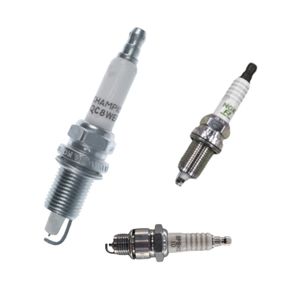
On a petrol engine, wet, worn or fouled spark plugs can prevent ignition of the mixture. Repeated attempts with too much choke can also flood the engine.
Is the diesel receiving fuel?
On a diesel inboard, an air leak, saturated filter, contaminated fuel or closed stop solenoid can prevent the engine from starting.
To understand the complete logic of the circuit, you can read the guide on how a boat fuel circuit works. If the symptoms point to unstable supply, the article on boat fuel circuit problems takes the diagnosis further.
If the engine starts and then stops immediately, the issue is closer to a boat engine that stalls. If it starts but will not hold once the control returns to neutral, the diagnosis is closer to a boat engine that won’t idle. If it starts but lacks response afterwards, also read the guide on boat engine power loss.
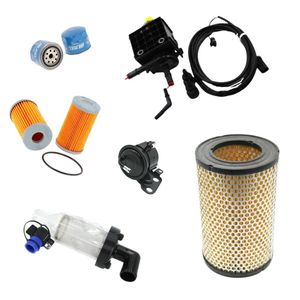
For parts, the checks often involve fuel filters, petrol filters and spark plugs.
Can a petrol inboard with a distributor be incorrectly timed?
Yes, but this is an advanced case. On some petrol inboard engines, especially V6 or V8 engines fitted with a distributor, incorrect ignition timing can prevent the engine from firing. This mainly happens after work on the distributor, timing system or top end. The starter cranks, the engine may cough, but the spark does not arrive at the right moment.
This is not a beginner check: it involves top dead center, rotor orientation and distributor positioning. If the context matches, proceed methodically or move to workshop diagnosis. To better distinguish engine architectures, the guides on how a petrol boat engine works and how a diesel boat engine works can help explain the diagnostic differences.
Which special cases can explain a no-start issue?
Some contexts strongly guide the diagnosis: hot engine, recent transport, long immobilization, old fuel, two-stroke engine or restart after winter storage. The “won’t start” symptom remains the same, but the likely cause changes depending on when the fault appears.
Why won’t the engine start when hot?
Difficult hot starting may come from an electrical weakness that appears under temperature, a heat-sensitive component or less stable fuel supply after shutdown.
What should you check after transport?
After trailering or moving the boat, look for a loose terminal, displaced connector, pinched hose, fitting that draws air or priming that needs to be redone.
What should you do after long immobilization?
Fuel ages, filters load up, the battery loses capacity and connections oxidize. Start again from a clean baseline before insisting on starting.
After winter storage, restarting must be gradual: fresh fuel, charged battery, clean terminals, filters consistent with the circuit condition and short attempts. The guide on boat winterization and the one on dewinterizing a boat are useful to avoid faults during the first restart.
On a small two-stroke engine, the cause is often old petrol, priming, choke or spark plugs. If the engine “coughs” but does not start, do not insist too much: excess fuel can make starting harder.
When should you stop trying and move to workshop diagnosis?
You should stop trying as soon as the diagnosis becomes uncertain, the engine produces an abnormal noise, the starter heats up, a burning smell appears or the fault seems internal. Continuing to crank the engine without a clear lead can cost more than the initial diagnosis.
The warning signs are fairly clear: hot cables, smoke on the electrical side, starter straining, metallic noise, strong fuel smell, intermittent fault that is hard to reproduce, suspected injection issue, compression issue, complex wiring loom or advanced corrosion. An oil leak on a boat should also make you stop trying, especially if it appears near the engine, the sterndrive or after several starting attempts. In these situations, supervised checking limits the risks.
If the engine starts but smokes, vibrates or overheats, the issue is no longer just a starting problem. Turn to the dedicated guides on a smoking boat engine, boat engine vibration or boat engine overheating.
How do you choose between a repair, a replacement part or a full diagnosis?
The decision depends on how clear the symptom is. If the battery is weak, a terminal is oxidized or a filter is saturated, the action is fairly direct. If the clues contradict each other or several attempts bring no new information, it is better to organize a full diagnosis than replace parts at random.
A relevant replacement relies on three things: a consistent symptom, a compatible part and a confirmed cause. For example, a starter that cranks slowly is not always a tired starter; a weak battery or poor ground can create the same effect. Conversely, an engine that cranks but does not fire usually does not need a new starter.
For an overview of costs, repair choices and the “repair or replace” decision, read the boat engine repair guide. If you are considering a wider replacement, the guides to choose a boat engine or choose between an inboard and outboard engine can also help your decision.
What summary should you keep in mind before the FAQ?
The most effective diagnosis follows a simple logic: secure, observe, classify, then check the parts that match the symptom. Here are the main reference points before the additional questions.
| Symptom | Likely cause | Priority checks | Consistent action |
|---|---|---|---|
| Total silence | Active safety device or electrical cut | Neutral, kill switch, battery switch, terminals | Validate safety devices before dismantling |
| Click when starting | Weak battery, poor ground, relay | Voltage, tightening, oxidation, negative cable | Clean, recharge, check the relay |
| Slow cranking | Voltage drop under load | Battery, terminals, ground, starter | Rule out the battery before replacing the starter |
| Normal starter, silent engine | Fuel, ignition or engine stop | Valve, vent, filter, spark plugs, diesel solenoid | Check supply before insisting |
| No start after storage | Old fuel, loaded filter, weakened battery | Fresh fuel, filter, battery, connections | Restart progressively with short attempts |
Which additional questions should you ask?
These answers complete the diagnosis when the first checks were not enough or when the fault keeps coming back.
Which simple tools should you keep on board for a starting fault?
A headlamp, a small set of spanners, a screwdriver, hose clamps, a soft brush for terminals, an anti-corrosion spray and a suitable charger are often enough to check simple causes. The goal is not to dismantle the engine, but to secure, clean and verify.
Can a battery booster help start a boat engine?
A booster can help if the fault really comes from a weak battery and if its use is suitable for the engine and electrical setup. Avoid improvised connections. To understand the principle, read the guide on how a battery booster works.
When does fuel become suspect?
Fuel becomes suspect after long immobilization, an unusual smell, the presence of water or deposits, or a difficult start that appears just after storage. In that case, it is better to start with clean fuel and check the filter rather than keep trying.
Can a fault come from a simple connector?
Yes. An oxidized connection, a quick connector that is not fully engaged, a poorly positioned kill switch or a slightly displaced wiring loom can prevent starting. This is common after transport, maintenance or damp storage.
When should spark plugs and filters be replaced preventively?
The main reference remains the manufacturer’s maintenance schedule. In practice, an engine that runs little, fuel stored for a long time or a damp environment justify more regular monitoring of spark plugs, filters and connections.
How can you prevent the problem from coming back?
Keep a charged battery, clean terminals, fresh fuel, maintained filters and an engine stored according to the manufacturer’s recommendations. A pre-season check greatly reduces the risk of a failure on the first trip.