


 Catalog
 Exploded views

















 Honda Marine






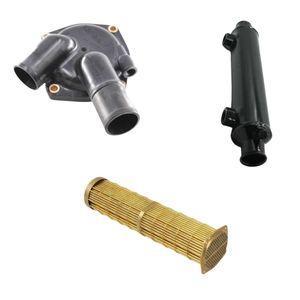
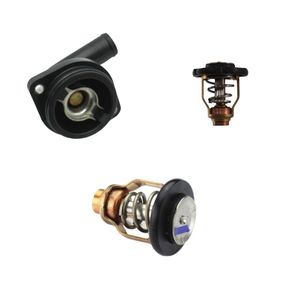
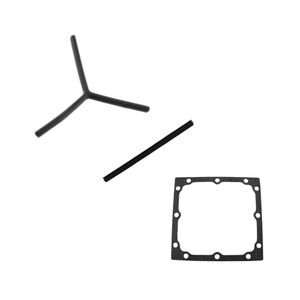
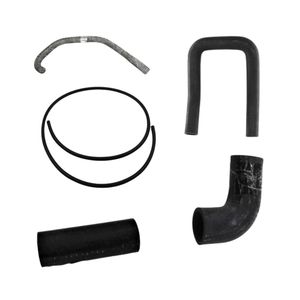


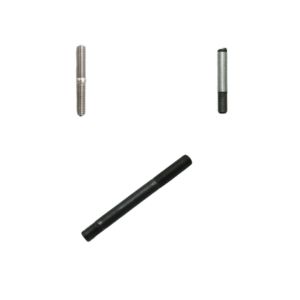
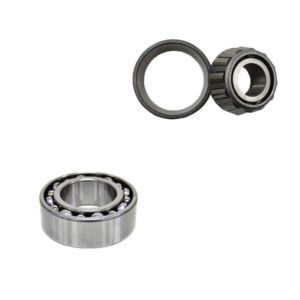
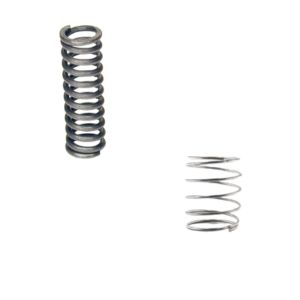
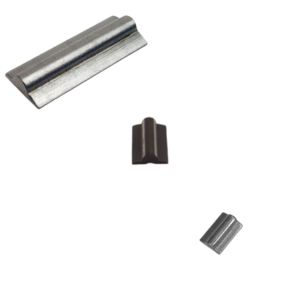
 Parts views
 Technical documents
 Ask for a quote
 Return request
Boat engine vibration: causes, diagnosis and solutions
Start with simple checks, then focus on parts linked to the propeller, transmission or engine mounts.
Your boat engine is vibrating more than usual, making navigation uncomfortable, worrying the crew or making you fear mechanical damage? A boat engine vibration can come from something simple, such as a damaged propeller, but also from a more serious issue: alignment, transmission, engine mounts or irregular engine operation.
This guide helps you distinguish symptoms, follow a logical diagnostic method and take action without replacing parts at random. For a broader overview of faults, costs and the decision to repair or replace, you can also read our boat engine repair guide.
A boat engine vibration is an abnormal oscillation transmitted to the hull, helm or transom. It often comes from the propeller, transmission, engine mounts or an engine running unevenly. The right diagnosis consists of comparing neutral and engaged gear, then observing when the symptom appears. A strong, sudden vibration or one associated with a loss of speed should be checked quickly.
What is boat engine vibration and why should it be taken seriously?
A boat engine vibration is an abnormal oscillation transmitted by a moving part to the structure of the boat. Depending on its intensity and frequency, it may be felt in the tiller, steering wheel, floor, cockpit, transom or throughout the hull.
The key point is simple: vibration is not just an inconvenience. It can indicate a mechanical imbalance, abnormal play, an alignment fault or resonance. Over time, it can fatigue fasteners, engine mounts, transmission components and sometimes sealing parts, depending on the installation.
What types of boat engine vibration can occur?
Not all vibrations are diagnosed in the same way. The best clue is often when they appear: at idle, under acceleration, at a specific rpm range or only when the propulsion system is under load.
Does the vibration increase with rpm?
A vibration that becomes faster as revs rise often points to a rotating part: propeller, shaft, connection or coupling. The sensation is usually regular, as if something were not spinning perfectly true.
Does the vibration mainly appear in gear?
A weak vibration in neutral but a clear one in forward gear points toward propulsion: propeller, shaft line, saildrive, sterndrive or alignment. The load on the propeller then reveals the fault. Depending on the boat’s running attitude, it may also be useful to use the trim correctly, as poor trim can encourage propeller ventilation and some vibrations under acceleration.
Does the engine shake irregularly?
A jerky shake is more likely to indicate irregular engine operation: ignition misfires, fuel supply issues, unstable idle or a cylinder not contributing properly.
Does the hull amplify a specific frequency?
At certain rpm ranges, an engine cover, floor panel or bulkhead can resonate. The vibration feels strong within a precise rpm band, then may decrease beyond it.
What are the most common causes of boat engine vibration?
In most cases, the search should begin with three areas: propulsion, transmission and engine mounts. These components transmit engine forces directly to the hull, which explains why a small defect can become very noticeable on board.
Is the propeller damaged or out of balance?
A bent blade, impact, deformation or uneven fouling can be enough to create an imbalance. To better understand its role in thrust, read our guide to how a boat propeller works.
Is rope or weed interfering with propulsion?
A line caught in the propeller or around the shaft can cause vibration, loss of speed and overheating. If speed drops significantly, the diagnosis may overlap with boat engine power loss.
Is there play in the transmission?
A worn coupling, bearing, shaft or gearbox can create a knocking movement. The more the play increases, the more vibration is transmitted to the hull and the more wear can spread to other parts.
Is the engine-to-transmission alignment correct?
On an inboard engine or shaft line, poor alignment creates stress. It can appear after an impact, work on the system or the settling of engine mounts. To place this in the wider system, see our article on how boat propulsion works.
Are the engine mounts worn?
Engine mounts absorb vibrations and keep the engine block in the correct position. If they are cracked, compressed or too soft, the engine can move more and transmit oscillations to the hull.
Is the engine running unevenly?
Unstable idle, misfires or disturbed fuel supply can create a jerky shake. In this case, the diagnosis may overlap with a boat engine that will not hold idle.
Can a structural element resonate?
Yes. A poorly latched engine cover, an unsecured battery, an electrical accessory, a vibrating floor panel or a bulkhead amplifying a frequency can make it seem as though the entire engine is at fault. To avoid confusing an accessory, battery, ground connection or wiring loom, reviewing how boat electricity works can help. It is often simple to correct, but the vibrating area must first be located precisely and the symptom should be placed within how a boat works as a whole.
How do you diagnose boat engine vibration step by step?
The diagnosis must avoid two mistakes: continuing to navigate despite a serious symptom, or replacing parts at random. The right method is to note when the vibration appears, then gradually isolate the area involved.
When exactly does the vibration appear?
Note whether it occurs at idle, under acceleration, at a specific rpm, only in forward gear or also in neutral. Sudden onset after impact or passing through weed often points to the propeller.
What does the neutral / in-gear test show?
If the vibration is strong in neutral, look first at the engine, mounts or accessories. If it becomes strong only in gear, the propeller, shaft line, sterndrive or alignment become priority checks.
What visual checks should be made?
Check for a damaged propeller, a line wrapped around the shaft, a loose component, cracked mounts, a moving battery, a poorly latched cover or an accessory that vibrates against the structure.
What should you do at sea if boat engine vibration appears?
If vibration appears suddenly, the priority is to reduce mechanical stress. Do not keep accelerating to “see if it passes”. Reduce throttle, observe the symptom and choose the safest option depending on how severe it is.
- Reduce engine speed immediately.
- Check whether the vibration changes in neutral and in gear.
- Listen for unusual noise, knocking or grinding.
- Watch warning lights, temperature, smell, smoke and loss of speed. If a dashboard signal is unclear, the guide to understanding your boat warning lights can help you interpret it.
- If you suspect a rope or net, avoid insisting in forward gear.
- Arrange a cautious return or request assistance if the doubt is serious. Also keep the appropriate safety equipment on board for your navigation area.
What solutions reduce boat engine vibration?
The solution always depends on the cause. A propeller vibration is not treated like unstable idle, and a worn engine mount cannot be compensated for with a simple adjustment. The principle is to correct the area that is actually transmitting the vibration.
Should the propeller be repaired or replaced?
A deformed propeller must be inspected, balanced, repaired or replaced depending on its condition. A check after impact remains recommended, even if the deformation appears minor.
When should engine mounts be replaced?
Cracked, compressed or overly soft mounts transmit more vibration. Replacing them often improves comfort, but may require alignment adjustment depending on the installation.
Why redo the alignment?
Correct alignment prevents stress, overheating and premature wear in the transmission. It is especially important after maintenance, an impact or gradual deterioration.
How should transmission play be handled?
If a connection, bearing or coupling has play, the vibration will not disappear on its own. The worn part must be identified and the transmission restored to proper guidance.
What if the engine is running poorly?
Start with basic maintenance: filters, fuel, idle setting and ignition on petrol engines. If you suspect the fuel system, our guide to identifying a faulty boat fuel system can help direct the checks.
Propeller, engine mounts, couplings, shaft, bearings and engine maintenance parts may be involved depending on the diagnosis.
How can you prevent boat engine vibration from returning?
Prevention relies on simple, regular checks. Above all, it means spotting impacts, play, worn mounts and early signs of uneven engine operation before they turn into a more expensive failure.
- Inspect the propeller after an impact, grounding or suspicious trip. A dedicated guide also explains how to maintain a boat propeller. If the hull is heavily fouled, it may also be useful to know how to antifoul a boat to reduce parasitic loads and vibration.
- Avoid floating ropes during manoeuvres and check propulsion if in doubt.
- Monitor the visual condition of engine mounts: cracks, compression, abnormal movement.
- Have alignment checked after an impact or work on the transmission.
- Maintain consistent fuel system maintenance, especially filters and fuel supply quality.
Which parts are often involved in boat engine vibration?
A vibration does not mean everything has to be replaced. However, certain part families often come up during diagnosis because they directly contribute to propulsion, guidance or the absorption of engine movement.
- Engine mounts: anti-vibration mounts and engine mounts
- Propulsion: boat propellers
- Transmission: coupling flanges
- Shaft line: propeller shafts
- Guidance: hydrolube bearings
- Engine maintenance: fuel filters
Which boat engine vibration symptom points to which likely cause?
This table helps sort the possibilities quickly. It does not replace a full diagnosis, but it helps avoid heading in the wrong direction.
| Symptom | Likely causes | Simple checks |
|---|---|---|
| Vibration mainly in gear | Damaged propeller, rope, transmission, alignment | Compare neutral / forward gear, inspect the propeller, look for rope or weed. |
| Vibration at idle | Engine mounts, loose peripheral component, unstable idle | Observe engine movement, listen for regular running, check visible fasteners. |
| Vibration increasing with revs | Unbalanced rotating part: propeller, shaft, connection | Note the rpm where it appears, check whether the symptom also exists in neutral. |
| Jerky shaking | Engine misfires, fuel supply, ignition, idle | Check basic maintenance, listen for misfires, monitor smoke, smell or stalling. |
| Vibration at a specific rpm | Structural resonance, poorly secured cover or accessory | Identify the area resonating; check cover, floor, battery and accessories. |
| Sudden vibration with speed loss | Rope, propeller impact, obstruction, propulsion damage | Reduce throttle, avoid insisting, arrange a quick check on return. |
FAQ: what should you ask before repairing boat engine vibration?
Can boat engine vibration come from the fuel system?
Yes, if the engine is running unevenly. A clogged filter, air leak or degraded fuel can cause misfires and shaking at idle or low rpm. To understand the overall logic, read our guide to how a boat fuel system works.
Can vibration indicate a boat engine that stalls?
Yes, if the vibration feels like irregular jolts and the rpm becomes unstable. In that case, the issue may be linked to fuel supply, idle, ignition or combustion. Our article on a boat engine that stalls completes this diagnosis.
Is it dangerous to navigate with a new vibration?
Yes, especially if it appears suddenly or gets worse. Vibration can accelerate wear on propulsion, transmission, engine mounts or fasteners. It is better to reduce rpm and check quickly.
Why is the vibration stronger during acceleration?
Acceleration puts the transmission under load. An unbalanced propeller, imperfect alignment or play in a connection therefore often becomes more obvious when the propeller is actually pushing water.
Can exhaust smoke help the diagnosis?
Yes, if the vibration seems to come from engine operation. White, black or blue smoke gives clues about combustion, oil, fuel or cooling. Our guide to a smoking boat engine explains these differences.
When should a professional be called in?
The boat should be checked after an impact, a strong and sudden vibration, loss of speed, metallic noise, burning smell, overheating or any doubt about sealing. A quick check often costs less than a worsened failure.
First identify the area involved, then replace only the parts genuinely linked to the problem.