


 Catalog
 Exploded views
















 Honda Marine







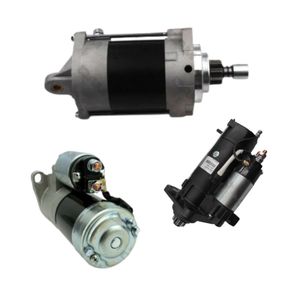
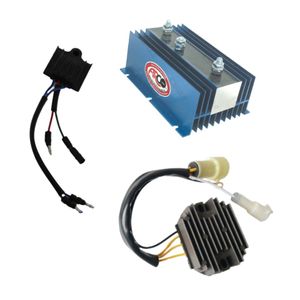
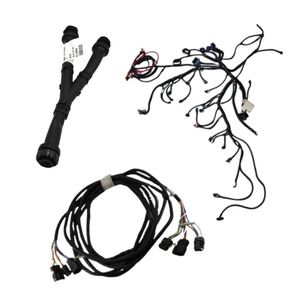
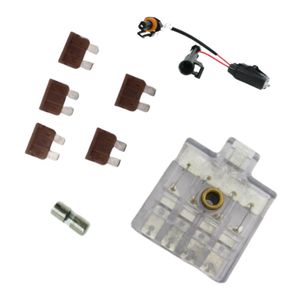


 Parts views
 Technical documents
 Ask for a quote
 Return request
Boat engine stalling: diagnosis and solutions for outboard & inboard engines
A boat engine that stalls is often linked to irregular fuel supply, an air leak, a clogged filter or unstable idle speed. The failure scenario helps guide the diagnosis quickly: stalling at idle, when accelerating, when hot or just after starting. The first checks should remain simple and safe before any dismantling. An alarm, overheating, smoke or strong vibrations means you should stop testing.
- Why does a stalling boat engine stop?
- When should you shut down a stalling boat engine?
- Which scenario helps identify the fault?
- How can you make a simple diagnosis on board?
- What solutions can you apply without worsening the fault?
- Which special cases should you know?
- How can you prevent a boat engine from stalling again?
- What summary should you keep in mind before the FAQ?
- Additional FAQ
Why does a stalling boat engine stop?
A stalling boat engine stops because it no longer receives the right conditions to maintain regular combustion. In most cases, the fault comes from fuel supply, air entering the circuit, an idle issue, an ignition fault on a petrol engine, or a safety shutdown linked to temperature.
Is the fuel reaching the engine correctly?
Insufficient flow often causes an engine to start, run for a few moments, then stall. A dirty filter, contaminated fuel, a blocked tank vent or a partly closed valve can restrict the supply of petrol or diesel. To understand the complete fuel path, you can read our guide on how a boat fuel system works.
Is the fuel circuit taking in air?
An air leak can cause progressive stalling, especially on an outboard with an external tank or on an inboard diesel engine. Cracked hoses, loose clamps, damp fittings or a poorly connected quick connector are priority checks. If the doubt concerns this area specifically, our article on how to identify a faulty boat fuel system explains the symptoms to watch for.
Is the idle speed too unstable?
Idle speed that is too low, a dirty carburettor, disturbed air intake or irregular engine management can make the rpm drop until the engine stalls. This is common after long storage or with old fuel. For a more targeted diagnosis, read our guide on a boat engine that does not hold idle.
Can ignition cause the engine to stall?
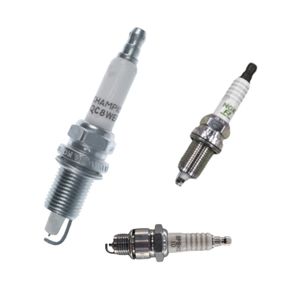
On a petrol engine, worn, wet or fouled spark plugs can cause misfires, a drop in rpm and then shutdown. The engine may cough, smell of petrol or struggle to restart after several attempts. Boat engine spark plugs are among the useful consumables to check when the symptom matches.
Can temperature put the engine into safety mode?
Stalling when hot with an alarm, warning light or lack of cooling must be taken seriously. The engine may protect itself or shut down because the temperature becomes abnormal. In this case, the priority is to avoid insisting and check the possible causes of boat engine overheating.
Can an abnormal load make the engine stall?
A propeller blocked by a rope, weeds, fishing line or impact can make the rpm drop suddenly. The engine often stalls during manoeuvring or acceleration. If the effort seems to come from propulsion, our guide on the boat propulsion system helps explain the role of the propeller, shaft, sterndrive and transmission.
When should you shut down a stalling boat engine?
You should shut down or immediately limit testing as soon as the stalling is accompanied by an abnormal signal. An alarm, rising temperature, unusual smoke, strong vibrations or a new mechanical noise indicates that repeated restarting may worsen the fault. If a warning light appears on the dashboard, the guide to understanding your boat warning lights can help interpret the alert before continuing. A boat oil leak should also be treated as a signal to stop testing.
Is there an alarm or high temperature?
An engine alarm or rising temperature means you should reduce testing. The cooling system must be checked before setting off again, especially the water tell-tale on an outboard, the impeller, the strainer or the circuit depending on the setup. To understand this better, you can read our article on how a boat cooling system works.
Does the smoke give a clue?
White, black or blue smoke does not mean the same thing. It may point to excess fuel, incomplete combustion, oil consumption or a cooling problem. If in doubt, our guide on a smoking boat engine helps distinguish the main cases.
Are the vibrations new?
Strong vibrations with stalling can indicate a damaged propeller, imbalance, worn engine mount or abnormal mechanical load. It is better to slow down, visually check what is accessible and avoid hard acceleration. A fuller diagnosis is available in our article on boat engine vibration.
Which scenario helps identify a stalling boat engine fault?
The moment when the engine stalls is often the most useful clue. An engine that stalls at idle does not point to the same causes as one that stalls when accelerating, when hot or just after starting.
Does the engine stall at idle?
A boat engine that stalls at idle first suggests unstable idle speed, a dirty carburettor, a slight air leak, tired spark plugs or disturbed air intake. The rpm does not always drop suddenly: it can become irregular, vibrate, then stop.
Does the engine stall when accelerating?
Stalling under acceleration often suggests insufficient fuel flow. The engine asks for more petrol or diesel, but the filter, tank vent, pump, hose or air leak prevents the supply from keeping up. This scenario may also be accompanied by a loss of boat engine power before complete shutdown.
Does the engine start then stall immediately?
An engine that starts then stalls may lack fuel after a few seconds, lose prime or suffer from unstable carburation. If the engine eventually no longer restarts at all, you need to switch to a diagnosis of a boat engine that will not start.
Stalling when hot is a separate case: the fault may appear only when the engine, fuel or an electrical component reaches a certain temperature. This is also the scenario where you must pay close attention to overheating signs and recurrence. To better understand how grounds, voltage and onboard circuits can influence this type of symptom, the guide on how boat electricity works can complete the diagnosis.
How can you make a simple diagnosis on board?
A good diagnosis starts with the simplest, most likely and least risky checks. The goal is not to dismantle the whole engine, but to methodically rule out common causes before starting a repair.
Is the fuel level reliable?
A gauge can be inaccurate, especially with boat movement. Check the actual level if possible, the context in which the fault appeared and the age of the fuel. A “false empty tank” can occur if fuel moves inside the tank and temporarily uncovers the pickup.
Is the tank vent open?
A closed or blocked vent creates vacuum pressure inside the tank. Fuel flows poorly, the engine chokes and then stalls. This is a quick check, often overlooked, but very useful on portable tanks or certain vented installations.
Is the fuel filter clogged?
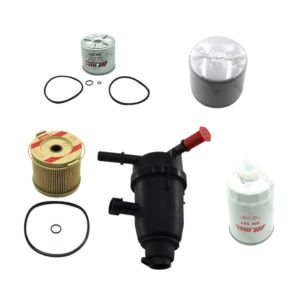
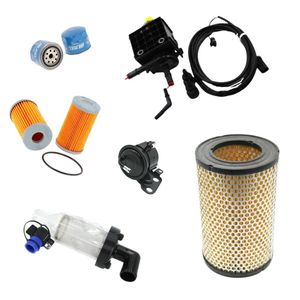
A saturated filter may allow enough fuel to start, but not enough to run under load. Replacement may be relevant if the symptom matches and the reference is known. The boat engine fuel filters and boat petrol filters categories help you find suitable parts.
Are the hoses and fittings clean?
A pinched, cracked, porous or poorly tightened hose can be enough to disturb fuel supply. Also inspect clamps, quick connectors, damp marks and any areas recently handled.
Do the spark plugs match the symptom?
On a petrol engine, spark plugs can confirm an ignition or combustion issue. A very black, wet or worn plug guides the diagnosis, but it does not replace a full analysis of fuel, air and ignition.
Is the serial number available?
Before ordering a part, note the brand, model, power and serial number. This information prevents reference errors, especially on Mercury, Yamaha, Suzuki, Honda, Volvo Penta, Yanmar or MerCruiser engines. Our guide explains how to find your boat engine serial number.
What solutions can you apply without worsening the fault?
The right solutions depend on the symptoms observed. Simple checks can be carried out by a careful boater, but work on injection systems, carburettors, a diesel engine that has lost prime or repeated overheating often requires a professional.
What should you check yourself first?
Check that the tank vent is open, the fuel valve position, the visible condition of the hoses, the fuel level, filter cleanliness and whether an alarm is present. These checks often avoid unnecessary dismantling.
When should you replace a filter?
A filter should be replaced when the scenario points to insufficient flow, doubtful fuel, water in the circuit or overdue maintenance. Replacement must be done with a compatible reference and with the circuit correctly reprimed.
When should you avoid restarting?
Avoid repeated tests in case of overheating, abnormal smoke, burning smell, metallic noise or strong vibration. In these situations, the right reflex is to protect the engine, secure the boat and have the fault diagnosed.
If the problem goes beyond simple checks, it is better to think in terms of overall diagnosis rather than replacing parts at random. The boat engine repair guide helps assess causes, possible costs and whether to repair or replace.
Which special cases should you know about a stalling boat engine?
Some engines have more typical behaviours depending on their technology. A small 2-stroke outboard, a petrol carburettor engine, a petrol injection engine or an inboard diesel engine are not diagnosed in exactly the same way.
A 2-stroke engine starts then stalls: why?
On a 2-stroke engine, carburation and mixture quality are often central to the problem. Old petrol, a clogged jet, poor idle setting or tired spark plugs can cause the engine to stop quickly after starting.
A petrol engine stalls: what should you check?
On a petrol engine, the first checks are fuel, ignition, idle speed, the carburettor or injection depending on the engine generation. To place these components in their overall operation, you can read our article on how a petrol boat engine works.
An inboard diesel engine stalls: what should you suspect?
On diesel engines, an air leak or loss of prime can cause a clean stall and make restarting difficult. Poor bleeding can also drain the battery without solving the problem. To better understand this mechanism, read our guide on how a marine diesel engine works.
How can you prevent a boat engine from stalling again?
Prevention relies on clean fuel, a healthy circuit, monitored filters, hoses in good condition and maintenance adapted to storage periods. An engine rarely stalls with no warning at all: longer starting, irregular idle, rpm loss or unusual consumption should alert you. Appropriate driving and a properly tuned engine also help use less fuel on board while reducing unnecessary load.
Why does winterisation reduce stalling?
An engine stored with degraded fuel, moisture or unprepared circuits restarts more poorly and stalls more easily. Proper boat winterisation reduces risks linked to long storage.
Why is recommissioning important?
Before getting back on the water, recommissioning allows you to check levels, consumables, filters, fuel and first starts. Our guide on how to recommission a boat helps prepare this step without skipping essential checks.
Can the propeller prevent certain stalls?
A damaged, dirty or unsuitable propeller can strain the transmission and create abnormal load. Understanding how a boat propeller works, ensuring its regular maintenance and using the trim correctly all help limit unnecessary effort.
What summary should you keep in mind before the FAQ?
A stalling boat engine should be analysed by scenario, then by families of causes. The table below summarises the most common symptoms, likely causes and priority checks.
| Scenario | Likely causes | Priority checks | Useful parts if justified |
|---|---|---|---|
| Engine stalls at idle | Unstable idle, dirty carburation, slight air leak, tired spark plugs | Idle speed, fuel, hoses, fittings, spark plugs on petrol engine | Spark plugs |
| Engine stalls when accelerating | Insufficient fuel flow, clogged filter, blocked tank vent, air leak | Tank vent, valve, filter, hoses, actual fuel level | Fuel filters |
| Engine starts then stalls | Loss of prime, contaminated fuel, saturated filter, dirty carburettor | Level, fuel quality, primer bulb, filter, connectors | Petrol filter |
| Engine stalls when hot | Overheating, engine protection, limited flow, component weakness when hot | Alarm, temperature, water outlet, cooling circuit, cooling time | Marine oils |
| Stalling with vibrations | Damaged propeller, foreign object, abnormal load, imbalance | Inspect propeller, shaft, sterndrive, presence of rope or weeds | Visual check before replacement |
Additional FAQ about a stalling boat engine
These answers complete the main diagnosis with frequent situations while navigating, at the dock or after a long period without using the boat.
Can a stalling boat engine restart without repair?
Yes, if the stall comes from a closed vent, handling error, fuel level that is too low or a poorly connected fitting. However, if the problem comes back, you need to address the cause rather than repeat restarts.
Why does the engine stall only in rough seas?
Rough seas can move fuel inside the tank, reveal an air leak, shake a weak fitting or amplify a filter problem. The engine may run correctly in calm conditions, then stall as soon as fuel pickup becomes irregular.
Should the fuel filter always be changed?
No, not automatically. The filter should be replaced if the symptom matches a lack of flow, if the fuel is doubtful, if water or deposits are suspected, or if maintenance is overdue. Replacing it without diagnosis can hide another cause.
Can bad fuel make a boat engine stall?
Yes. Old fuel, fuel contaminated with water or loaded with deposits can cause misfires, unstable idle, power loss and then stalling. This is an especially credible lead after long storage or just after a doubtful refuel.
Which consumables should you keep on board to reduce immobilisation?
Filters suited to the engine, a set of spark plugs for a petrol engine, a few clamps, a compatible hose and the engine references noted on board can help manage a simple fault. These parts are useful only if the boater knows how to replace them correctly. After several restart attempts, also think about boat battery maintenance and the operation of a battery booster, especially if the battery has been heavily used.
When should you call a professional?
You should call a professional if the stalling comes with an alarm, overheating, abnormal smoke, strong vibrations, repeated diesel loss of prime or an injection issue. In these cases, tool-assisted diagnosis often prevents unnecessary replacements.