


 Catalog
 Exploded views
















 Honda Marine
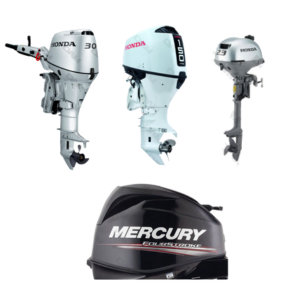


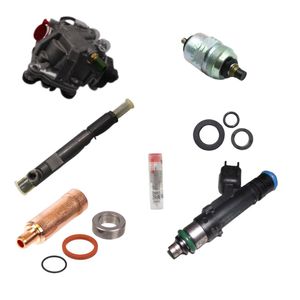
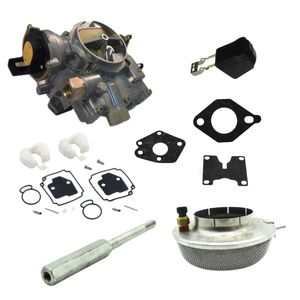
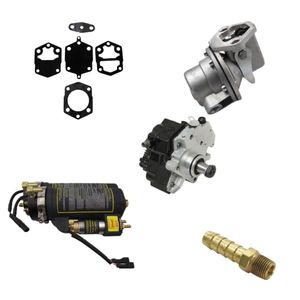
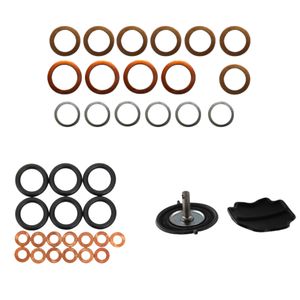
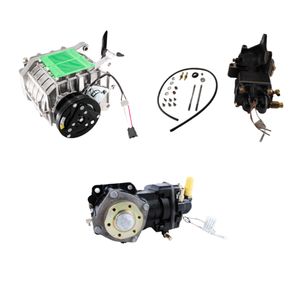
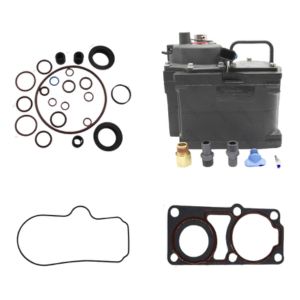
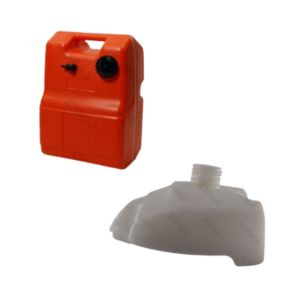
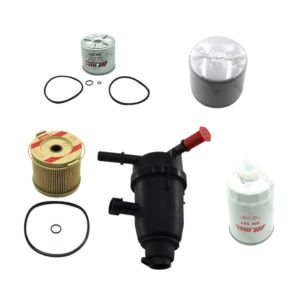


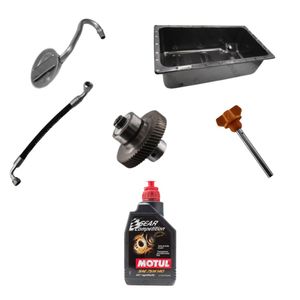
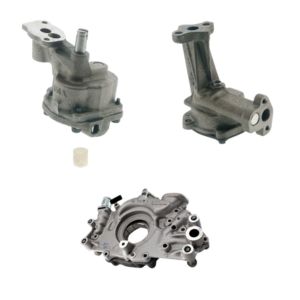


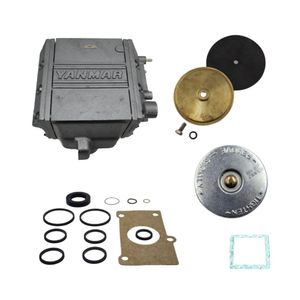
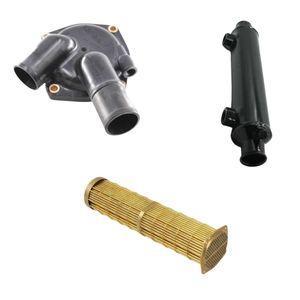
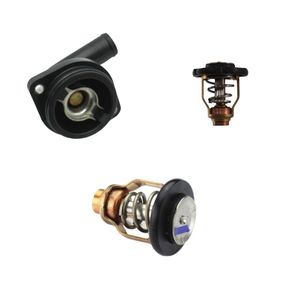
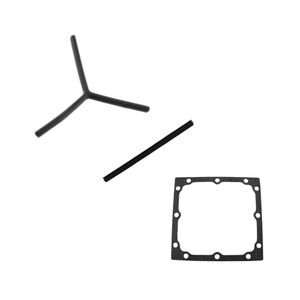
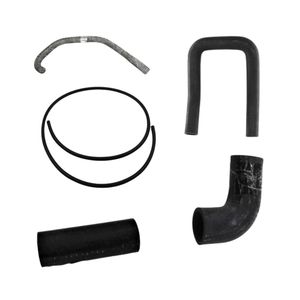
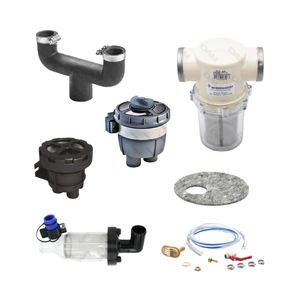
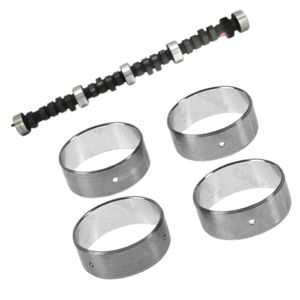
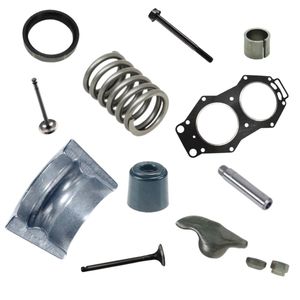
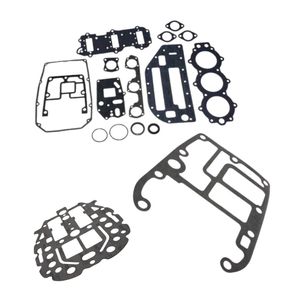
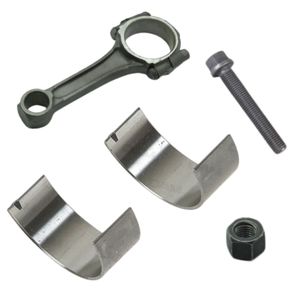
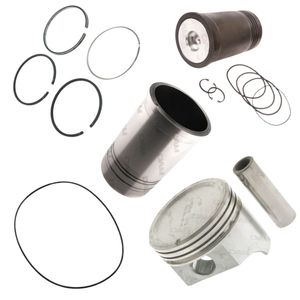
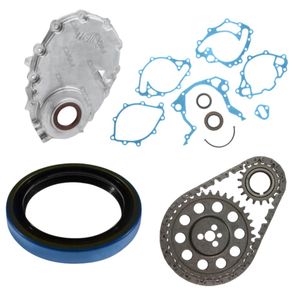

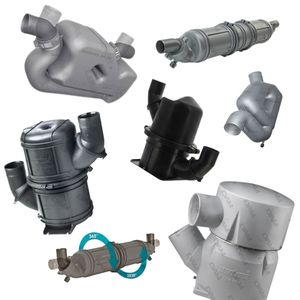
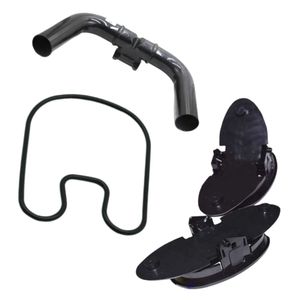
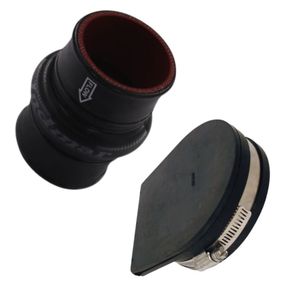
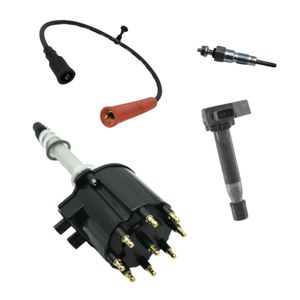
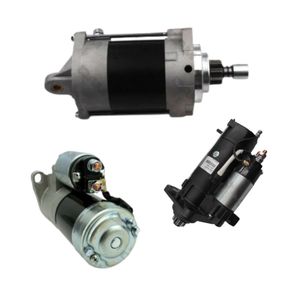
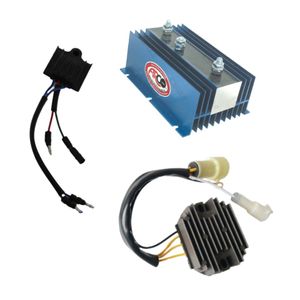
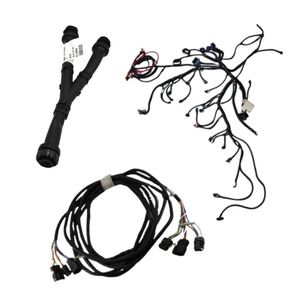
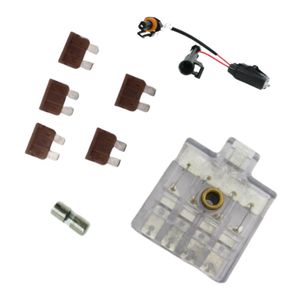
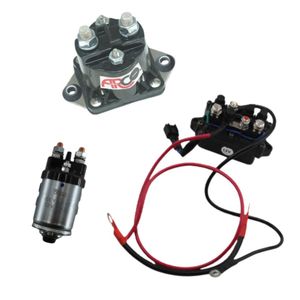
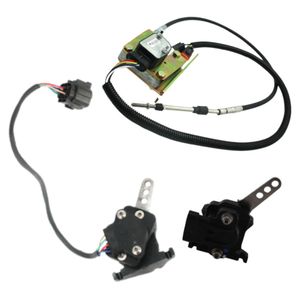
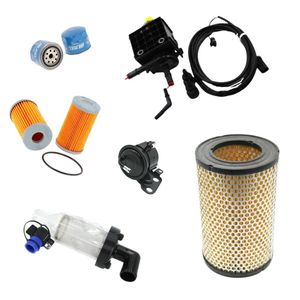
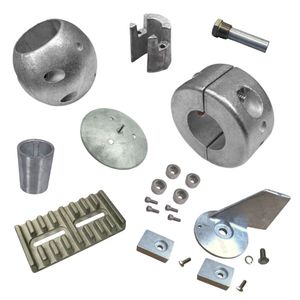
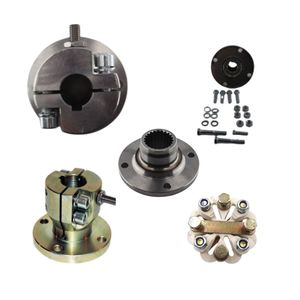
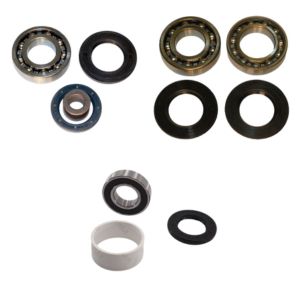
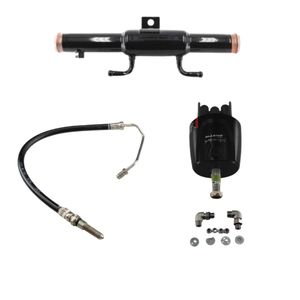
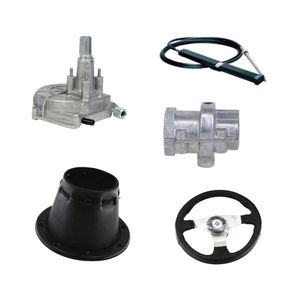
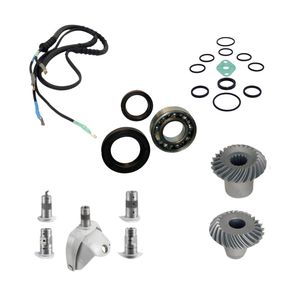
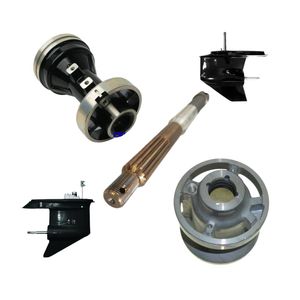
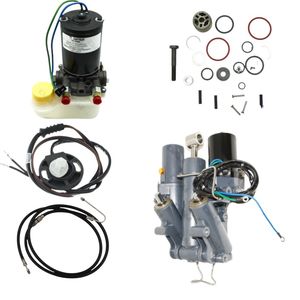
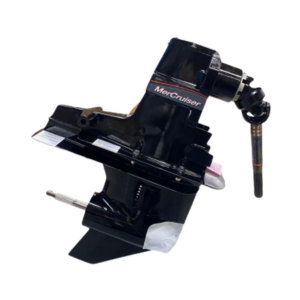


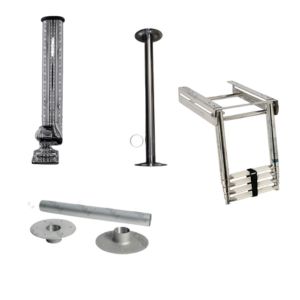
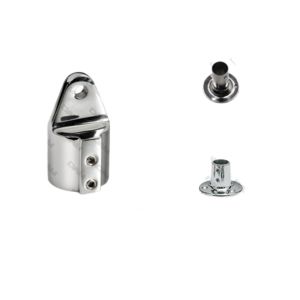
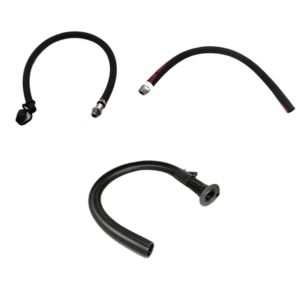
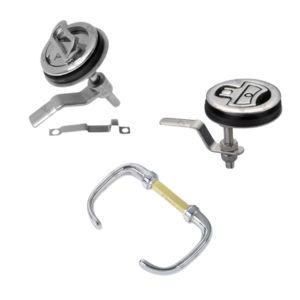
 Parts views
 Technical documents
 Ask for a quote
 Return request
Boat engine repair: diagnosis, costs and choosing between repair or replacement
Dam Marine helps you find the right reference according to your engine, brand and symptoms.
Boat engine repair starts with a simple diagnosis: starting, fuel, cooling, noise, smoke and vibration. A clear, targeted fault is usually easier to repair than a vague or intermittent one. A boatyard becomes the safer option as soon as there is a risk of overheating, internal damage, transmission failure or diagnostic error. The choice between repairing, rebuilding or replacing depends on total cost, engine age, service history and expected reliability.
- How should you approach boat engine repair without making the fault worse?
- What should you do immediately in the event of a boat engine failure?
- How can you carry out a simple and reliable boat engine diagnosis?
- What are the most common boat engine failures?
- When should boat engine repair be entrusted to a boatyard?
- How much does boat engine repair cost?
- Should you repair, rebuild or replace the boat engine?
- When should you consider a complete engine, engine block or engine package?
- What maintenance helps prevent future boat engine repairs?
- Who should you contact for mechanical work in Southern France?
- What summary table should you keep in mind before repairing a boat engine?
- FAQ about boat engine repair
How should you approach boat engine repair without making the fault worse?
Boat engine repair should start with a calm method: observe, classify the symptoms, check the simple points first, then stop as soon as the intervention becomes risky. The most common mistake is replacing parts at random or insisting while the engine is already showing serious warning signs.
The right approach is to separate accessible checks from technical work. On board, you can check the kill switch, battery, terminals, fuel, visible filters, cooling water intake and propeller condition. However, compression testing, injection work, internal adjustments, transmission issues or opening the engine usually belong in a workshop.
What can you check yourself?
Reasonable checks include anything visible, logical and reversible: battery, connections, fuel, filters, water intake, propeller, alarms, smells and noises. These checks help guide the diagnosis without unnecessary dismantling.
When should you stop testing?
Stop quickly in the event of overheating, no cooling flow, metallic noise, dense smoke, burning smell or sudden loss of performance. In these cases, continuing can turn a limited fault into expensive damage.
Why write down the symptoms?
A diagnosis becomes faster if you note the context: recent refuelling, long storage, propeller impact, rough sea, alarm, smoke when cold or hot. These details prevent the boatyard from starting from scratch.
What should you do immediately in the event of a boat engine failure?
In the event of a boat engine failure, the priority is to secure the boat and crew before looking for the cause. A failure at the dock gives you time to think; a failure at sea first requires managing drift, traffic, weather and the return solution.
How do you secure the situation?
Move away from traffic areas if possible, prepare to anchor if necessary, monitor the weather and inform the crew. Mechanics come after safety, especially if the boat is drifting or conditions are deteriorating. The mandatory safety equipment should also remain accessible before any diagnostic attempt.
What clues should you observe before touching the engine?
Look at the warning lights, listen to noises, notice smells and observe the smoke. White, black or blue smoke, metallic knocking or sudden vibration already strongly guide the diagnosis. To avoid confusing a simple indicator with a priority alert, the guide to understanding your boat warning lights can serve as a first reference.
Why check the electrical supply?
A slow, silent or irregular starter can come from a weak battery, oxidised terminal or charging issue. To reduce these failures, boat battery maintenance remains essential.
If your fault seems related to onboard electricity, it may also be useful to understand more broadly how electricity works on a boat. And for low-battery situations, the role of a battery booster is worth knowing before you need one at the wrong time. In the longer term, knowing how to choose the right boat battery and recharge your boat batteries properly greatly reduces starting failures.
How can you carry out a simple and reliable boat engine diagnosis?
A reliable boat engine diagnosis means classifying the fault by family: starting, fuel, ignition, compression, cooling, transmission or electronic management. This logic helps avoid unnecessary replacements and makes it easier to explain the problem to a professional.
A petrol engine needs air, fuel, ignition and compression. A diesel engine mainly depends on air, diesel fuel, compression and injection quality. To better understand the differences, you can read the guide to how a petrol boat engine works or the one dedicated to how a marine diesel engine works.
The engine will not start: which area should you suspect?
If the starter does not turn, first think of the battery, kill switch, neutral position or connections. If the starter turns but the engine does not catch, the fuel, ignition or engine safety system becomes more likely.
The engine starts then stalls: what should you look at?
An engine that stalls often points to fuel supply, an air leak, a clogged filter, unstable idle or a fault that appears when hot. The context of the failure is then decisive.
The engine overheats: why act quickly?
Overheating can seriously damage the engine. The priority is to slow down or stop, then check the water intake, impeller, cooling circuit and any alarms.
The fuel circuit is a frequent cause of failures, especially after long storage, questionable refuelling or water in the tank. To understand the basics, read the guide to how a boat fuel circuit works. If symptoms are already present, the article on boat fuel circuit problems goes further.
What are the most common boat engine failures?
The most common boat engine failures involve starting, stalling, overheating, loss of power, vibration and smoke. Each requires a different reading: an engine that will not start is not handled in the same way as an engine that overheats or vibrates after a propeller impact.
Why will a boat engine not start?
A boat engine that will not start may be caused by a weak battery, missing kill switch, neutral not engaged, ignition fault or fuel supply problem.
Why does a boat engine stall?
A boat engine that stalls often indicates irregular fuel supply, a clogged filter, air leak, blocked vent or idle issue.
Why does an engine not hold idle?
A boat engine that does not hold idle may be affected by degraded fuel, a parasitic air intake, unstable adjustment or fouling depending on engine technology.
How should you react to boat engine overheating?
Boat engine overheating must be taken seriously immediately. Possible causes range from a blocked water intake to a worn impeller or a deeper circulation problem.
What causes boat engine loss of power?
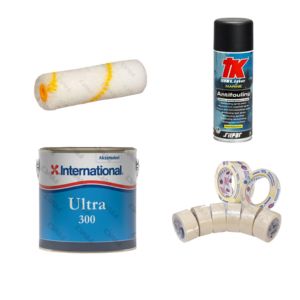
Boat engine loss of power may come from fuel, a clogged filter, a damaged propeller, dirty hull, engine alarm or mechanical fault. If the hull is involved, the guide on how to antifoul a boat helps explain the impact of a fouled hull on performance.
What does a smoking boat engine mean?
A smoking boat engine must be interpreted according to colour, when it appears and engine behaviour. Persistent smoke deserves a serious diagnosis.
Vibration is also an important signal. Boat engine vibration may come from a bent propeller, foreign object, shaft, gearbox/drive leg, engine mounts or alignment. Before looking at the engine itself, it is useful to understand how a boat propeller works and the basics of boat propeller maintenance.
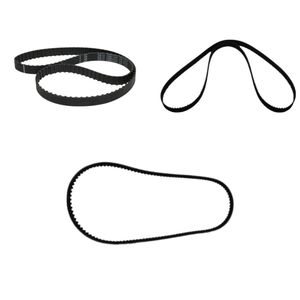
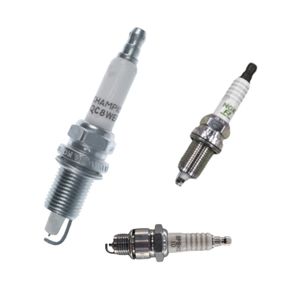
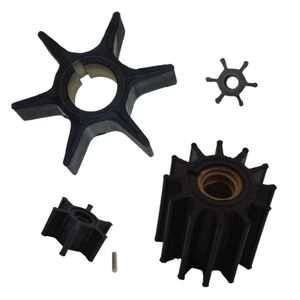
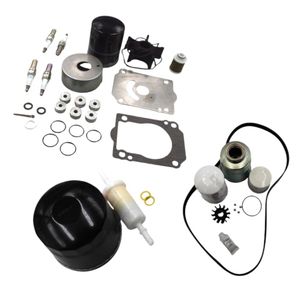
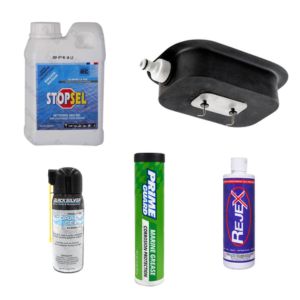
Find the right consumables and engine parts: spark plugs, filters, impellers, oils, engine blocks and complete engines.
When should boat engine repair be entrusted to a boatyard?
Boat engine repair should be entrusted to a boatyard as soon as the fault affects safety, cooling, internal mechanics, transmission or an uncertain diagnosis. A professional avoids unnecessary dismantling and reduces the risk of making an already costly fault worse.
Which warning signs require professional advice?
Repeated overheating, persistent alarm, metallic noise, dense smoke, major vibration, water in the oil, oil leak on a boat or intermittent failure are signals that should not be ignored.
Why does an intermittent fault often cost more?
A fault that disappears and then returns takes time to investigate. The cost then comes less from the part itself than from the hours needed to reproduce and confirm the cause.
How should you prepare the boatyard diagnosis?
Note the symptoms, engine speed, temperature, presence of an alarm, recent work and parts already replaced. If necessary, also record the engine identification using the guide to finding your boat engine serial number.
On some diesel engines, loss of power, unusual smoke or whistling may also point to turbocharging. In this case, the guide to replacing a turbocharger can help you understand the level of technical difficulty before entrusting the job to a professional.
How much does boat engine repair cost?
The cost of boat engine repair depends mainly on diagnostic time, engine type, accessibility, parts price and the level of dismantling required. A simple, well-targeted intervention usually remains easier to control; a vague, repeated or internal fault can quickly become more expensive.
You need to distinguish consumables, mechanical parts and labour. Replacing a spark plug, filter or impeller is not comparable to electrical troubleshooting, removing a drive leg, internal rebuilding or injection work.
Which items increase the bill?
Dismantling, corrosion, difficult access, intermittent faults and repeated tests significantly increase the time spent. In complex repairs, labour is often the largest cost.
Which consumables are often involved?
Depending on the symptoms, common areas include spark plugs, fuel filters, water pump impellers or marine oils.
Why avoid replacing parts at random?
Replacing a part without diagnosis can hide the real fault and multiply expenses. A replaced part should match a consistent symptom, not a simple guess.
Should you repair, rebuild or replace the boat engine?
You should repair if the fault is clear, localised and proportionate to the value of the engine. You should consider rebuilding or replacing if the fault is heavy, uncertain, repetitive or if the engine shows general wear that threatens reliability.
The right decision depends on four factors: engine age, service history, total repair cost and your need for availability. An old, corroded, hard-to-diagnose engine that will be immobilised for a long time is not treated in the same way as a recent engine with a simple fuel or cooling fault.
When is repair worthwhile?
Repair is relevant when the cause is identified, parts are available, labour remains reasonable and the engine was reliable before the fault.
When does rebuilding make sense?
A rebuild may be justified if the engine base is sound, corrosion is limited and the boat justifies keeping this engine setup. It does, however, require a solid budget and diagnosis.
When does replacement become rational?
Replacement becomes rational if repairs keep recurring, the internal fault is serious, parts become hard to obtain or the expected reliability no longer matches your use.
If you are hesitating between two engine layouts, the comparison guide to choosing between an inboard and outboard engine can help you step back. For a broader decision, also read the guide to choosing an engine for your boat.
When should you consider a complete engine, engine block or engine package?
A complete engine, engine block or engine package becomes interesting when boat engine repair exceeds a reasonable threshold or when future reliability matters more than keeping an ageing engine. This solution is not only for total breakdowns: it can be more logical than a series of uncertain interventions.
- Outboard engine: suitable for many pleasure boats, with replacement often more straightforward depending on the setup. See outboard engines.
- Engine block: possible solution on certain inboard installations when the peripherals remain usable. See marine engine blocks.
- Engine package: a more complete option when the goal is to start again with a coherent setup. See marinised engine packages.
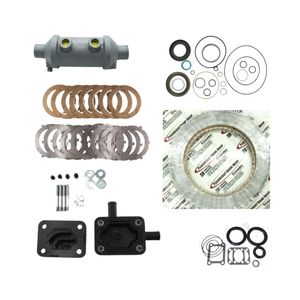
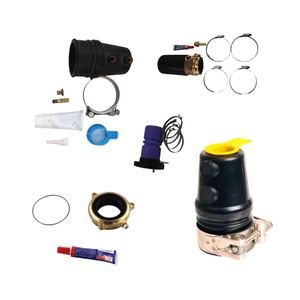
Before ordering a part or engine assembly, exact identification remains essential. Exploded views and brand searches often help reduce compatibility errors: search for an engine part by brand.
What maintenance helps prevent future boat engine repairs?
The most expensive boat engine repairs are often linked to postponed maintenance, neglected cooling, degraded fuel or poor preparation before a storage period. Prevention does not eliminate all faults, but it greatly reduces bad surprises.
Why take winterisation seriously?
Proper boat winterisation protects the engine, fuel, battery and circuits during storage. This often determines how smoothly the next season starts.
Why prepare de-winterisation?
De-winterising a boat allows you to check levels, leaks, battery, fuel, cooling and the first starts before returning to the water.
Why monitor cooling?
The boat cooling circuit protects the engine against overheating. A tired impeller, blocked water intake or doubtful circulation should be dealt with quickly.
Prevention also involves how you operate the boat. Trim, propeller, load and engine speed influence fuel consumption and engine stress. To go further, read the guide to using boat trim, the advice on using less fuel on board, and the article on how a boat propulsion system works.
Finally, onboard power management affects starting, charging and equipment reliability. The guide to managing energy on board a boat usefully complements this approach.
Who should you contact for mechanical work in Southern France?
For heavy mechanical work, workshop diagnosis or repairs beyond routine maintenance, it is preferable to contact a boatyard. Dam Marine can help you identify and supply parts, but mechanical work should be entrusted to an equipped professional.
- Plaisance Yachting Services — La Seyne-sur-Mer: visit the official website.
- CS Refit — Marseille: visit the official website.
For parts, consumables and identification advice: Dam Marine · 04 94 27 36 62 · contact@dam-marine.com.
What summary table should you keep in mind before repairing a boat engine?
This table summarises the main symptoms, the first useful checks, the parts that may be involved and the situations where a boatyard becomes the safest option.
| Symptom | First useful check | Possible parts if the diagnosis is consistent | Boatyard recommended if... |
|---|---|---|---|
| Engine will not start | Kill switch, neutral, battery, terminals, fuel, engine safety system. | Spark plugs, fuel filter, battery, connections depending on the symptom. | The starter struggles, a burning smell appears, the fault persists or the diagnosis remains uncertain. |
| Engine starts then stalls | Recent fuel, tank vent, hoses, primer bulb, filter. | Petrol filter, fuel filter, hose, primer bulb, fuel supply components. | The fault returns when hot, idle is unstable or injection/electronics are suspected. |
| Engine overheating | Stop or slow down, check the water intake, tell-tale, impeller and alarms. | Impeller, water pump rotor, suitable oil, cooling consumables. | Overheating repeats, the alarm persists or internal circulation is doubtful. |
| Loss of power | Check the propeller, hull, fuel, filters, alarms and boat load. | Fuel filter, maintenance consumables, propeller if deformation is confirmed. | The loss is sudden, follows an impact, comes with smoke, vibration or abnormal noise. |
| Vibration or new noises | Inspect the propeller, look for a foreign object, check visible components. | Propeller, anode, peripheral consumables depending on inspection. | Vibration is strong, a metallic noise appears or transmission may be involved. |
| Smoke or misfiring | Identify smoke colour, when it appears, engine speed and navigation context. | Spark plugs on petrol engines, fuel filter, fuel supply components according to diagnosis. | Smoke persists, power drops, the engine overheats or the symptom comes with abnormal noise. |
FAQ about boat engine repair
What can you really do yourself on a boat engine repair?
You can carry out visual checks, inspect the battery, terminals, kill switch, fuel, accessible filters, propeller and cooling water flow. However, compression testing, injection, internal adjustments, engine opening or transmission work should be entrusted to a professional.
Why does an outboard engine no longer discharge water?
An outboard engine that no longer discharges water may have a blocked water intake, worn impeller, clogged passage or circulation problem. Since overheating can quickly damage the engine, it is better to stop testing if cooling seems absent.
How much does boat engine repair cost?
The cost depends on diagnostic time, parts, engine accessibility and the seriousness of the fault. A targeted intervention on a consumable is usually easier to estimate than an intermittent fault, advanced corrosion or internal engine work.
Is a complete rebuild worth it?
A complete rebuild can be worthwhile if the engine has a sound base, good history, limited corrosion and available parts. If the rebuild becomes long, uncertain and very labour-intensive, it should be compared with replacement.
Repair or replace the engine: which criterion should you look at first?
The most useful criterion is the relationship between total cost, future reliability and the boat’s value in use. A clearly identified fault often repairs well. A heavy, repetitive or poorly located fault may justify a complete engine, engine block or engine package.
Does Dam Marine carry out engine repairs?
Dam Marine specialises in the sale, advice and identification of boat parts. For mechanical work, workshop diagnosis or heavy repairs, it is recommended to use a boatyard or marine mechanic.
Browse exploded views, parts by brand, outboard engines, engine blocks and engine packages available from Dam Marine.