


 Catalog
 Exploded views
















 Honda Marine







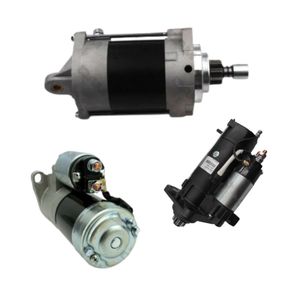
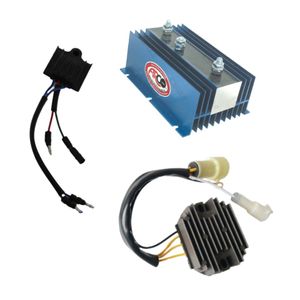
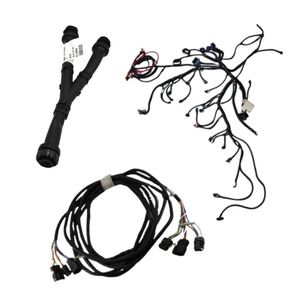
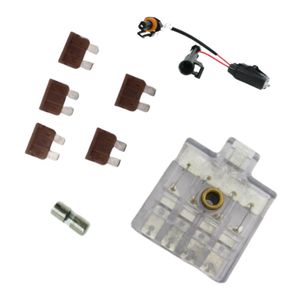
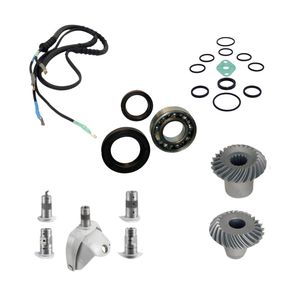
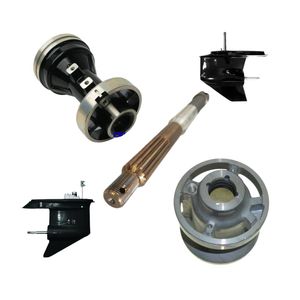
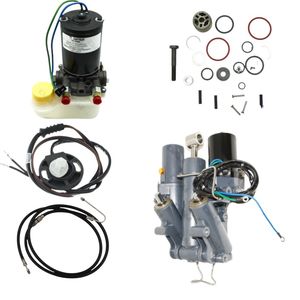
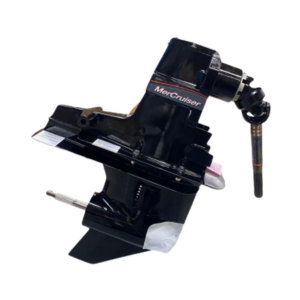

 Parts views
 Technical documents
 Ask for a quote
 Return request
Boat engine power loss: causes, diagnosis and solutions
Work step by step: safety, symptoms, fuel, cooling, propeller, then transmission.
Boat engine power loss is a drop in rpm, speed or thrust under load. It often comes from the fuel system, cooling system, propeller, hull or an engine protection mode. A good diagnosis means separating an engine that will not rev from an engine that revs but no longer transfers thrust correctly. Checks should remain progressive to avoid making a fault worse at sea.
How can you recognise boat engine power loss?
Boat engine power loss is not simply a “weak” engine. It may appear as rpm that will not climb, falling speed, stalling under acceleration or the feeling that the boat no longer moves properly despite throttle input.
The engine will not rev up?
When rpm refuses to climb, the most common areas to check are fuel supply, cooling, ignition on petrol engines, injection on diesel engines or an engine protection mode.
The engine revs but speed drops?
In this case, power is being produced but poorly converted into thrust. A damaged propeller, slipping hub, dirty hull or cavitation can explain the loss of speed.
Does the engine stall under acceleration?
An engine that bogs down when throttle is applied often points to an air leak, a clogged fuel filter, water in the fuel or a tired pump. If stalling happens regularly, also read our dedicated guide to a boat engine that stalls.
Is the boat struggling to plane?
Load, weight distribution on board, trim, hull condition and propeller pitch can make the engine feel tired even when the problem comes from the boat’s overall efficiency.
What should you do immediately at sea if the engine loses power?
At sea, the priority is not to test every possibility but to stabilise the situation. Reduce throttle, watch the alarms and avoid prolonged full-throttle tests until the cause is clear.
- Stabilise the rpm to avoid worsening overheating, an air leak or a lubrication fault.
- Assess your surroundings : drift, traffic, shoals, weather and your ability to reach shelter at the current rpm.
- Monitor warning lights, beeps and messages, as they sometimes indicate an intentional engine protection mode. The guide to understanding your boat warning lights can help interpret the alert before you continue testing.
- Do not keep pushing at full throttle if the engine overheats, vibrates, smokes or suddenly changes sound.
- Request assistance if the remaining power no longer allows you to manoeuvre safely. Also keep your mandatory safety equipment accessible if the situation worsens.
How can you quickly diagnose boat engine power loss?
A quick diagnosis should start with simple clues: noise, smoke, water flow, fuel, propeller and alarms. This method avoids replacing parts at random and works on both outboards and inboards.
Which signs should you check first?
A weak tell-tale stream, hot smell, misfires, unusual smoke or a new noise immediately guide the diagnosis. If the colour of the smoke raises questions, the guide on a smoking boat engine will help you interpret the symptom more accurately.
Which fuel checks can you do in one minute?
Check the tank vent, the primer bulb on an outboard, the visible condition of hoses and the presence of water or deposits in the water-separating filter.
What should you check on the propulsion side?
Inspect the propeller and look for a rope, fishing line, bent blade or impact. A heavily fouled hull can also cause a progressive loss of speed.
What if the engine enters limp mode?
A sensor, overheating or an injection fault can deliberately limit power. To understand the role of sensors, wiring and alarms, the guide on how boat electricity works can complete the diagnosis. If the engine then refuses to restart, follow the method in the guide boat engine will not start.
If a vibration appears at the same time as the loss of thrust, do not force the rpm. A damaged propeller, misaligned shaft or transmission component may be involved; our guide on boat engine vibration details these possibilities.
Can the fuel system cause boat engine power loss?
Yes, fuel is one of the most common causes. On a boat, humidity, condensation, long fuel hoses, quick connectors and storage periods all encourage supply faults.
Can water in the fuel reduce power?
Yes. Water disrupts combustion and causes misfires, uneven rpm or stalling. The water-separating filter is designed to separate water from fuel before it reaches the engine.
Can a clogged filter choke the engine?
Yes. At low rpm, flow may be sufficient, but under acceleration the engine demands more fuel. If the filter restricts flow, rpm levels off or the engine bogs down.
Can an air leak be enough to cause misfires?
Yes. A loose clamp, porous hose or worn quick connector can let air in and disrupt fuel supply, especially under load.
Can the tank vent be responsible?
Yes. If it is blocked, the tank creates a vacuum and fuel flow suffers. The problem often appears under acceleration or after a few minutes underway.
Can a tired fuel pump create this symptom?
Yes. A pump can supply enough fuel at idle but fail to keep up when the boat demands power, especially when getting on plane.
Why are diesel engines sensitive to deposits?
Diesel fuel stored for a long time encourages deposits, microorganisms and clogged filters. To understand the full path, read the guide on the boat fuel system.
If you suspect a fuel supply fault, the guide dedicated to boat fuel system problems helps you go further without confusing filter, air leak, tank vent and pump issues.
Fuel, cooling, propeller or transmission: a logical diagnosis avoids unnecessary purchases.
Can ignition, combustion or injection reduce power?
Yes. If fuel is arriving correctly, power loss may come from the way the engine burns that fuel. Petrol engines are sensitive to ignition, while diesels rely heavily on injection, compression and air intake.
What should you check on a petrol engine?
Fouled spark plugs, a tired coil, a damp harness or an oxidised connection can cause misfires under load. To place these elements in the overall operation, read the guide on the petrol boat engine.
Can air intake limit power?
Yes. A flame arrester, grille or dirty intake restricts available air. Combustion becomes less efficient and the engine lacks power as soon as load increases.
What should you suspect on a marine diesel?
On a diesel, air, injection and compression are essential. An air hose, injector, filter or fouling can limit power. The full operation is explained in our article on the marine diesel engine.
Can the turbo be involved?
Yes, on a turbocharged diesel. Lack of boost or fouling can sharply reduce power under load. If this possibility is confirmed, the guide on how to change a turbocharger gives the main steps to know.
Can boat engine overheating limit power?
Yes. Overheating can trigger protection mode: the engine still runs, but power is deliberately reduced to avoid damage. This is a priority lead if the loss appears when hot or after several minutes underway.
Should the water pump impeller be monitored?
Yes. The impeller is a rubber part that wears, cracks or loses flow over time. Low flow can raise temperature and limit power.
Can the thermostat disturb temperature control?
Yes. A thermostat that opens poorly can cause temperature to rise too high. A thermostat stuck open can also prevent the engine from running in its ideal range.
Can water intakes become blocked?
Yes. Algae, sand, mud or shells can reduce flow. To understand this circuit, read the guide on the boat cooling system.
If there is an alarm, hot smell or weak tell-tale stream, deal with temperature before looking elsewhere. Our guide on boat engine overheating details the causes and checks to perform.
Can the propeller, hull or trim make the engine feel tired?
Yes. An engine can be healthy but transfer its power poorly to the water. A damaged propeller, dirty hull, poor running attitude or misused trim is enough to cause a loss of boat speed. To understand this interaction between engine, hull and propulsion, the guide on how a boat works can be a useful reference.
Can a fouled hull cause a major loss of speed?
Yes. A dirty hull increases drag and forces the engine to work harder for less result. Regular maintenance to antifoul a boat helps limit this loss of efficiency. To control the issue over time, choosing the right boat antifouling plays a direct role.
Can a damaged propeller be enough?
Yes. A bent blade, impact or unsuitable pitch reduces efficiency. The guide on how a boat propeller works helps explain the role of diameter, pitch and blade count.
Can trim prevent the boat from getting on plane?
Yes. Poor trim setting changes the running attitude, increases drag or makes the propeller ventilate. The guide on how to use a boat’s trim helps you interpret these settings more accurately.
After an impact or navigation through a cluttered area, inspect the propeller as soon as possible. The article onboat propeller maintenance details the useful checks for preserving efficiency.
What causes are specific to an outboard engine?
On an outboard, several causes are common: primer bulb, quick connectors, propeller hub, ventilation, cavitation and cooling through the lower unit. The fault can therefore come from the engine, but also from everything around the lower unit and propeller.
Does the primer bulb provide a clue?
Yes. If the engine recovers power after pumping, suspect an air leak, valve, quick connector, hose or fuel pump.
Can the propeller hub slip?
Yes. The engine can rev while thrust does not follow. The symptom feels like accelerating “into nothing”.
Are ventilation and cavitation the same?
No. Ventilation is air being drawn into the propeller; cavitation is the formation of vapour bubbles linked to local low pressure. In both cases, thrust drops.
Can the lower-unit impeller limit power?
Yes. If the impeller no longer supplies enough water, the engine heats up and may then reduce power. A weak or irregular tell-tale stream is a serious sign.
What causes are specific to an inboard engine?
On an inboard, the perceived power loss can come from the drivetrain: shaft line, gearbox, V-drive, Z-drive, bearings or alignment. The engine runs, but part of the energy is absorbed or poorly transmitted.
Can the shaft line create losses?
Yes. Misalignment, a worn cutless bearing, a foreign body or abnormal friction can cause vibration, noise and loss of efficiency.
Can the gearbox slip?
Yes. Degraded oil, incorrect adjustment or internal wear can reduce power transmission to the shaft.
Should the whole propulsion system be checked?
Yes. Shaft, propeller, gearbox, lower unit or transmission must be considered together. To place these elements within the whole boat, read the guide on boat propulsion.
Which solutions should you apply according to the power loss symptom?
The solution depends on the behaviour observed. First classify the issue: lack of fuel, combustion fault, insufficient cooling, propeller efficiency or transmission. Before ordering a part, also find the boat engine serial number to avoid choosing an incompatible reference.
If the problem looks like fuel supply?
Replace or clean the filtration, check hoses, secure connectors, check the tank vent and treat any water found in the separator.
If the petrol engine will not rev up?
Check spark plugs, connections, moisture, harness and coils. If misfires persist, ignition diagnosis avoids unnecessary replacements.
If power drops when hot?
Prioritise cooling: impeller, thermostat, water intakes, strainer, seawater filter and alarms. Do not force an overheating engine.
If speed drops but rpm remains correct?
Inspect the propeller, hull, trim and load on board. The fault is not necessarily in the engine: it may come from hydrodynamic efficiency.
If you suspect an inboard transmission?
Do not prolong tests if vibrations or noises appear. Check what is accessible, then have alignment, bearings and gearbox inspected.
How can you prevent another boat engine power loss?
Prevention relies on three simple areas: clean fuel, reliable cooling and maintained propulsion. These routines are especially important on seasonally used boats.
How can you limit water and deposits in the fuel?
Check the water-separating filter, avoid long periods with a half-empty tank and replace filters according to your boating frequency. A clean fuel supply also helps you use less fuel on board.
How can you anticipate cooling problems?
Replace the impeller periodically, flush if necessary, inspect water intakes and never ignore a temperature alarm.
How can you preserve propulsion efficiency?
Keep the hull clean, inspect the propeller after an impact, adapt pitch to your use and check trim setting according to load.
Why does winterising matter so much?
Good boat winterising limits degraded fuel, humidity and unpleasant surprises when restarting. In spring, the boat recommissioning should include fuel, cooling, battery and propulsion.
Which diagnosis should you keep in mind for boat engine power loss symptoms?
The table below quickly links each symptom with likely causes and the first checks to carry out before going further.
Summary table| Symptom | Likely causes | Quick checks | Action priority |
|---|---|---|---|
| Engine will not rev up | Fuel filter, air leak, protection mode, oversized propeller, fouled hull | Tank vent, separator, alarms, cooling stream, propeller/hull condition | Check fuel and cooling before full-throttle tests |
| Engine revs but speed is low | Propeller hub, ventilation, cavitation, damaged propeller, dirty hull | Propeller, hull, trim and load inspection; progressive or sudden onset | Check propulsion and boat efficiency |
| Engine stalls under acceleration | Air leak, clogged filter, water in fuel, tired pump | Primer bulb, connectors, hoses, water-separating filter, tank | Stabilise, then deal with the fuel system |
| Power drops when hot | Impeller, thermostat, blocked water intake, overheating, protection mode | Temperature, alarm, tell-tale stream, strainer, water intakes | Stop testing if temperature rises |
| Vibrations + loss of thrust | Damaged propeller, rope, shaft, bearing, gearbox, misalignment | Visual inspection, listening for noise, vibration check | Do not insist; have it diagnosed if the noise persists |
FAQ on boat engine power loss
Frequently asked questionsCan power loss come only from a dirty hull?
Yes. A fouled hull greatly increases drag, especially on a planing boat. The engine works harder, the boat struggles to plane and speed drops without the engine necessarily being faulty.
Why does power loss mainly appear under acceleration?
Under acceleration, the engine needs much more fuel, air and cooling. A nearly clogged filter, air leak or tired impeller therefore often shows up when load increases.
Can an engine that will not hold idle also lose power?
Yes. Unstable idle can reveal a fuel, air, ignition or adjustment problem that becomes even more visible under load. For this specific case, read the guide boat engine that will not hold idle.
Should the impeller be replaced even if the engine still cools?
Often yes, depending on age, use and engine recommendations. An impeller can seem to work while already having lost flow. Under way, this margin can disappear when hot or under load.
The engine “slips”: is it necessarily the propeller?
The propeller is a major lead, especially if the engine revs but thrust does not follow. However, trim, cavitation, ventilation, the hull and some transmission components can create a similar feeling.
When should you stop testing and go to a workshop?
Stop if an alarm persists, if the engine overheats, if major vibration appears, if an unusual smell develops or if the power loss cannot be explained by basic checks. Continuing to force the engine can turn a simple fault into a major repair.
DAM Marine helps you guide the diagnosis before replacing a part unnecessarily.