


 Catalog
 Exploded views

















 Honda Marine


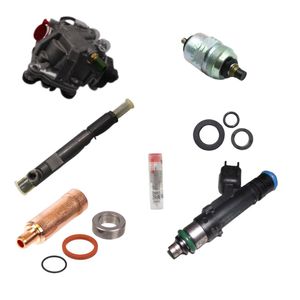
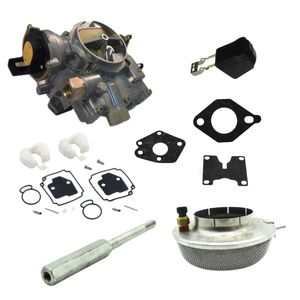
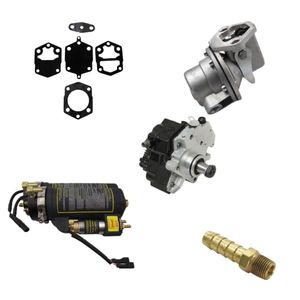
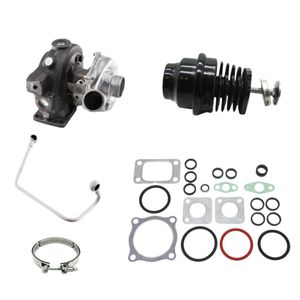




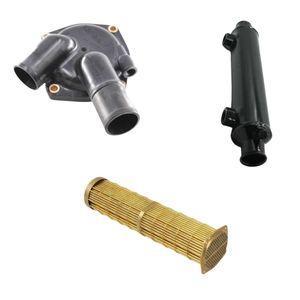
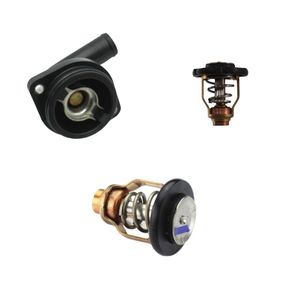
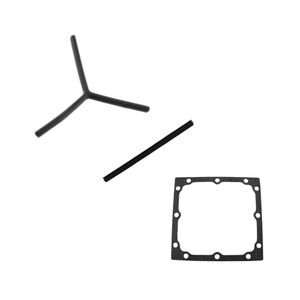
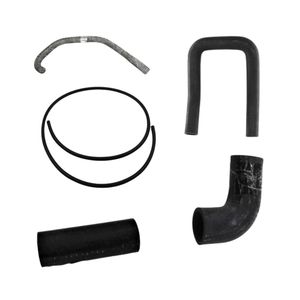
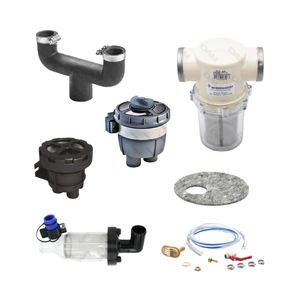
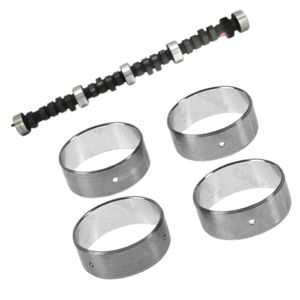
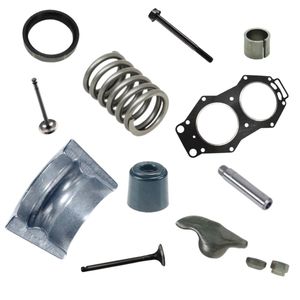
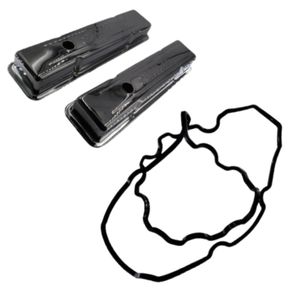
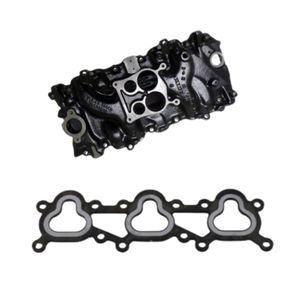
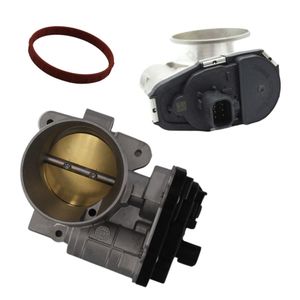
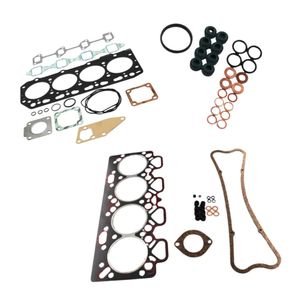
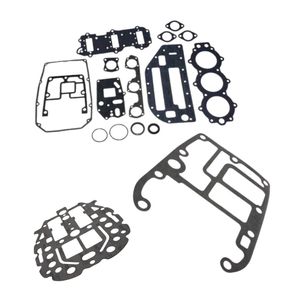
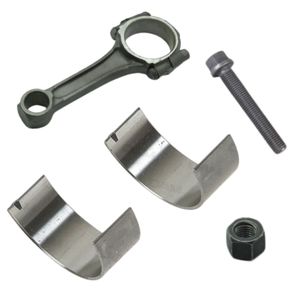
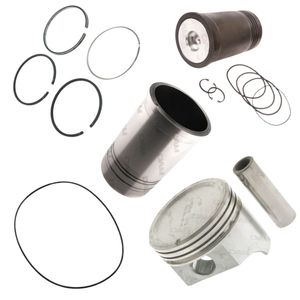
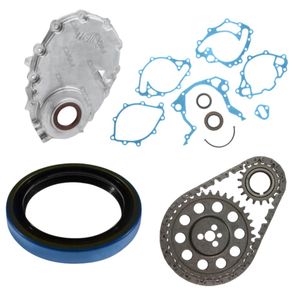
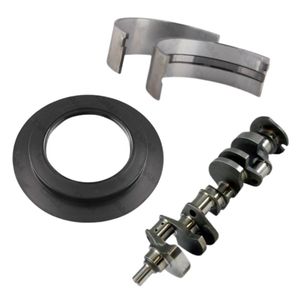


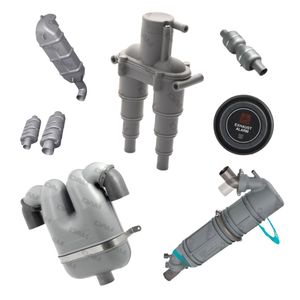
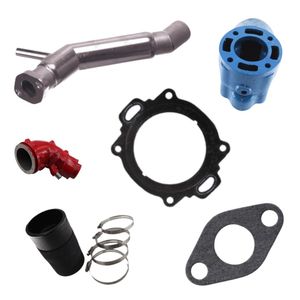
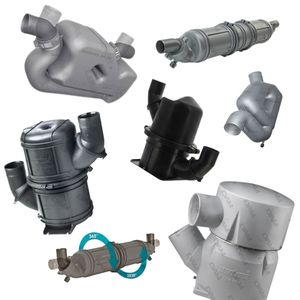
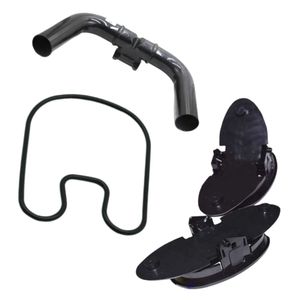
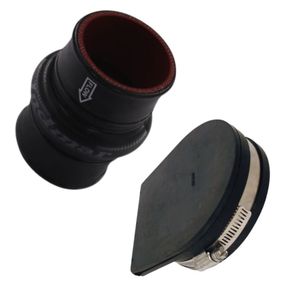
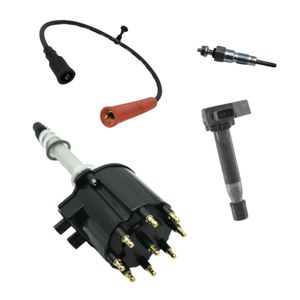
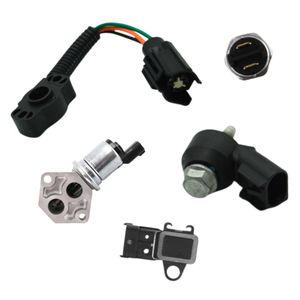
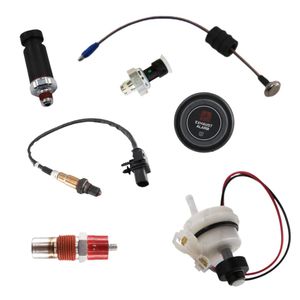
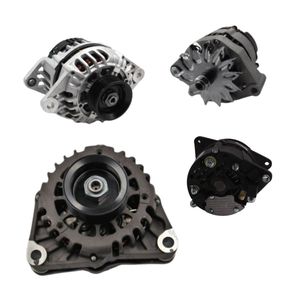
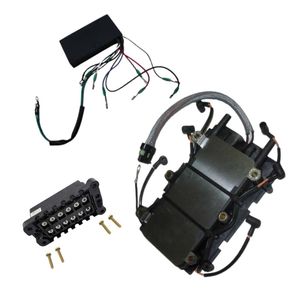
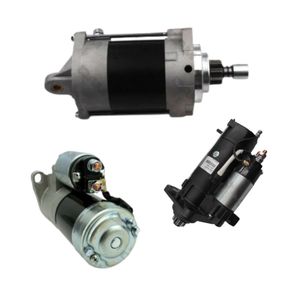
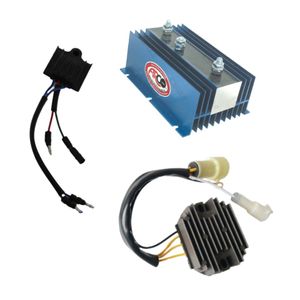
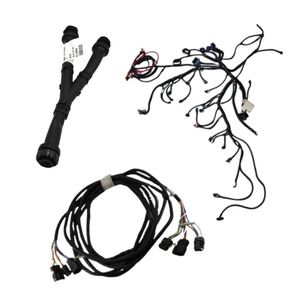
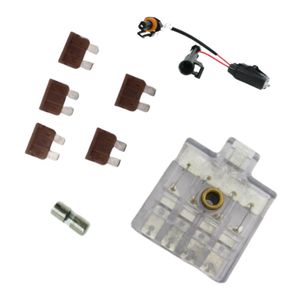
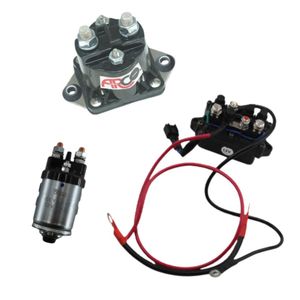
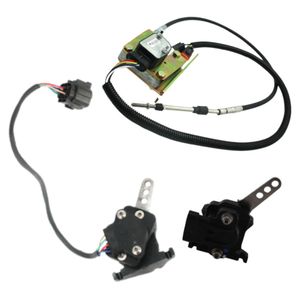
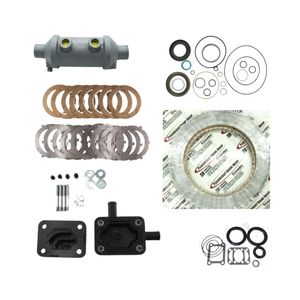
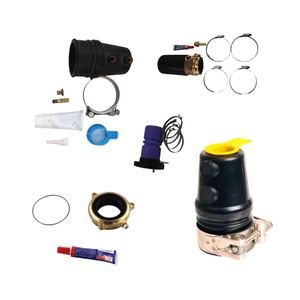
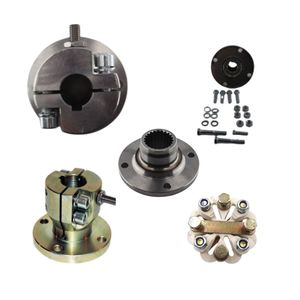
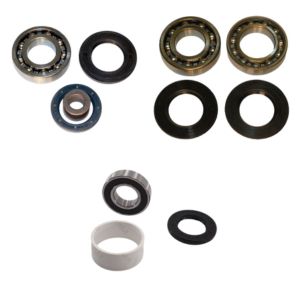
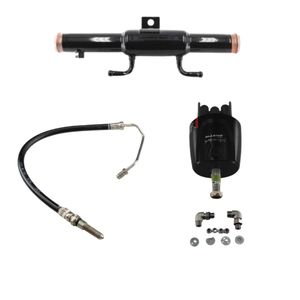
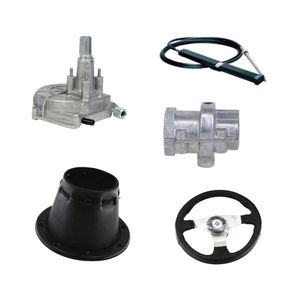
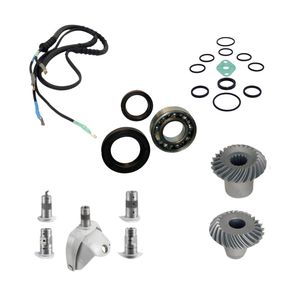
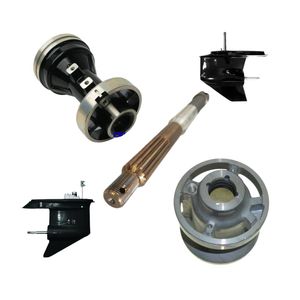
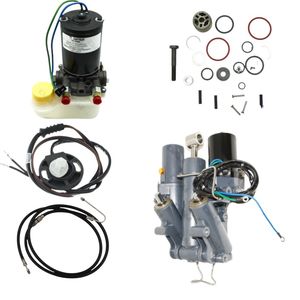
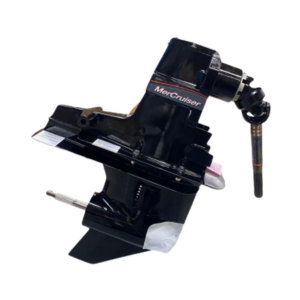
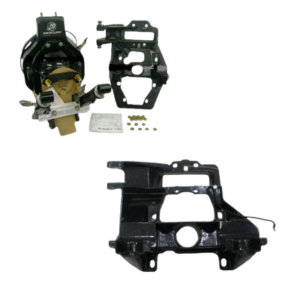
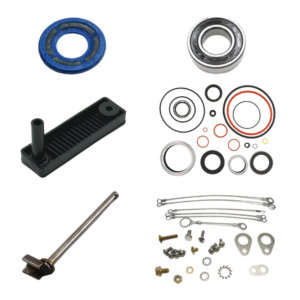

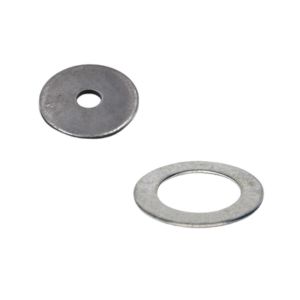
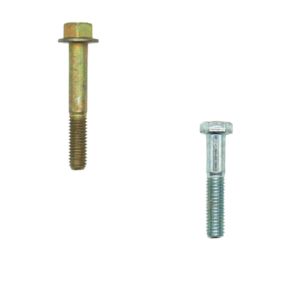
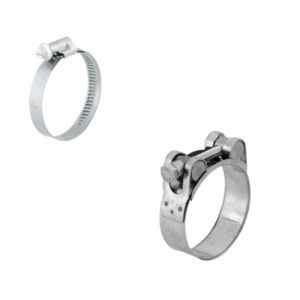
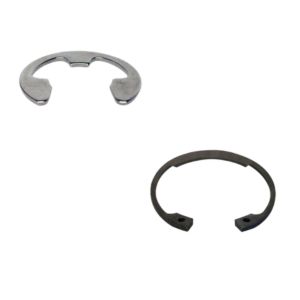
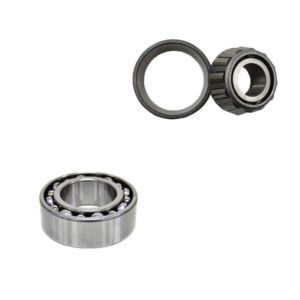
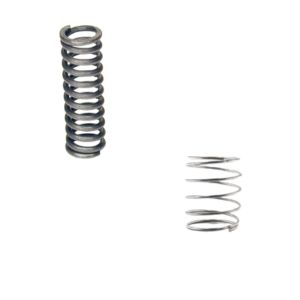
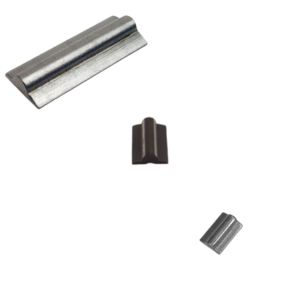

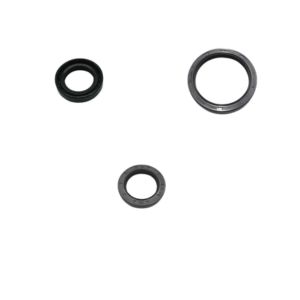

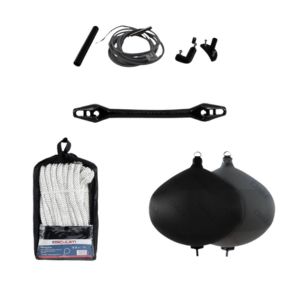
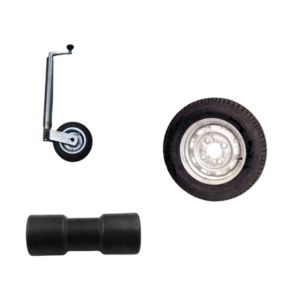
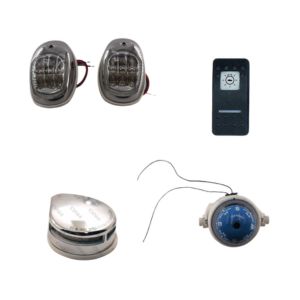
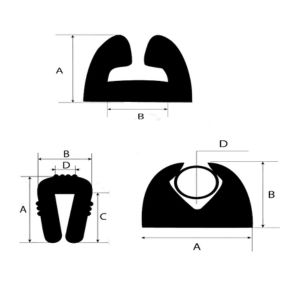
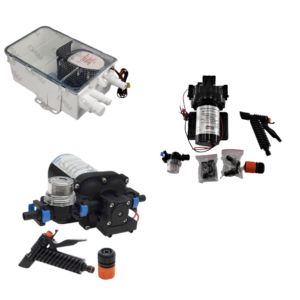
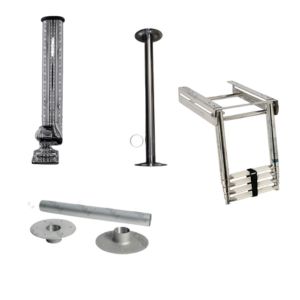
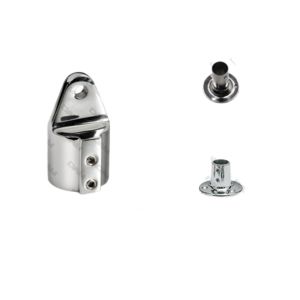
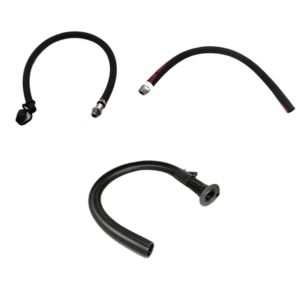
 Parts views
 Technical documents
 Ask for a quote
 Return request
Boat battery booster: operation, connection and choice
Need a reliable booster to secure your engine starts? DAM Marine supports you with equipment suited to marine electrical installations.
View the 12V 3000A boosterDo you want to restart your engine when your battery is too weak, avoid being stuck at the dock, or secure your trips with an easy-to-carry backup solution? The boat battery booster is designed precisely for that need. You still need to understand what it actually does, how to connect it safely and how to choose a model suited to your engine, electrical installation and boating habits. It can also fit into a wider approach to on-board safety equipment.
A boat battery booster is a portable battery designed to deliver a high starting current for a very short time.
It helps a weak starting battery, but it does not replace a battery charger or a proper engine diagnosis.
On a boat, using one means respecting the installation voltage, the connection order and the precautions linked to the engine compartment.
The right model is chosen according to the engine, the required power, the 12V or 24V voltage and the built-in safety features.
What is a boat battery booster?
A boat battery booster is a portable device that stores energy in an internal battery, then releases it as a high starting current for a very short time. Its purpose is not to fully recharge a marine battery, but to help the engine start when the starting battery no longer has enough power to drive the starter motor correctly.
In other words, the booster is a jump-start aid. It is particularly useful on a boat that has been laid up for a long time, on an installation that is rarely used outside the season, or when an oversight on board has partly drained the battery. Whether coastal cruising or at the dock, having a booster on board can prevent a frustrating immobilisation and make an emergency restart easier.
What is a booster really used for on board?
Its main role is simple: restart the engine when the starting battery is not sufficiently charged. It can be useful on an outboard as well as on an inboard engine, provided the installation voltage and the capacity of the chosen model are respected.
In practice, it does not fix the cause of the fault. If you want to distinguish an electrical weakness from a real engine problem, the guide boat engine will not start is a useful addition to this diagnosis.
Why should it not be confused with a battery charger?
A booster delivers a strong current for a few moments to start the engine. A battery charger gradually recharges a battery from an external power supply or a suitable charging system.
To understand the overall balance between consumption, charging and storage, you can also read the guide on managing energy on board a boat.
How does a boat battery booster work?
The operating principle is similar to that of a car booster: the device provides the energy missing from the starting battery so that the starter motor can turn strongly and quickly enough. On a boat, the logic is the same, but with extra care for the marine environment, engine compartment ventilation and the distinction between different battery banks.
What happens when the engine starts?
When the booster is correctly connected to the starting battery, it is placed in parallel with it to provide the extra current needed to crank the engine. The starter motor requires a significant current draw for a very short time.
Once the engine has started, the engine charging system takes over to power the circuit and recharge the battery. The booster therefore remains a temporary aid, not a permanent energy reserve.
Why are lithium boosters useful in boating?
Lithium models are appreciated on board because they are compact, easy to store and simple to carry. Their small size is a real advantage on a boat, where every locker matters.
A model such as the 12V 3000A lithium battery booster illustrates this type of equipment well: high peak current, portable format, USB output, built-in protections and carrying case.
Can a booster be used for anything other than starting?
Some models offer additional functions that are useful on board, such as a USB output for charging a phone, tablet, headlamp or small electronic device.
This versatility is practical, but it should not distract from the booster’s main role: keeping enough energy available to help start the engine when needed.
How do you connect a boat battery booster safely?
The connection must always be done methodically. On a boat, this step deserves even more attention than on a car, especially with petrol engines, because of the risk associated with fuel vapours. Before handling anything, switch off the ignition, turn off unnecessary consumers, ventilate if needed and check that the booster matches the voltage of your installation.
Which connection order should you follow?
In most cases, first connect the red clamp to the positive terminal of the starting battery. The black clamp is then placed on the negative terminal or on a grounding point provided for this purpose, depending on the engine configuration and the manufacturer’s recommendations.
You must then activate the booster according to its manual, then attempt to start without insisting for too long. If the engine does not start, stop the attempt, check the connections and let the system stabilise before trying again.
What precautions matter on a petrol boat?
On a petrol inboard, safety starts with ventilating the engine compartment. In the presence of petrol vapours, any spark can become dangerous. Avoid rushed handling and follow both the booster manual and the engine instructions.
On an outboard, the context is often simpler, but moisture, salt and oxidised connections also require a rigorous approach.
What should you do after the engine has started?
As soon as the engine runs correctly, disconnect the booster in the reverse order recommended by the manual, then give the engine charging system time to restore the starting battery.
If the engine starts then stalls, or if it will not hold idle, the fault may not come only from the battery. In that case, the guides boat engine will not hold idle and boat engine stalls help you go further.
Which boat battery should you use a booster on?
On a boat, it is essential to distinguish the roles of the batteries. This difference affects both booster use and the diagnosis to make in the event of an electrical fault. A booster is mainly used on the starting battery, not as a long-term solution to power on-board equipment. To go further on the right battery bank, see our guide to choosing a battery suited to your boat.
What is a starting battery?
The starting battery provides a high current for a very short time to crank the engine. This is therefore the battery on which the booster is most often intended to intervene.
If it is slightly weak but still recoverable, the booster may be enough to restart the engine, then the engine charging circuit takes over.
Why is the booster not intended for the service battery?
The service battery powers on-board equipment over time: lighting, electronics, refrigerator, instruments, pumps or small comfort accessories. It is not designed to be treated like a starting battery.
If your problem concerns autonomy on board or a battery discharging too quickly, you need to review capacity, charging or equipment use. The guide maintaining a boat battery will help you carry out the right checks.
Does a backup battery replace a booster?
Not exactly. A backup battery is integrated into the boat’s installation. A booster is an autonomous, mobile and occasional piece of equipment.
The two can coexist, but they do not meet the same need. On a small boat, a booster can add useful safety without making the installation heavier. On a more equipped boat, it complements a broader electrical strategy.
How can you tell whether the booster is really working?
A booster can be perfectly operational and still fail to start the engine. You therefore need to distinguish the booster’s condition, the battery’s condition, connection quality and the general condition of the engine.
What signs show that the booster is doing its job?
A functional booster usually displays a consistent charge level, allows the clamps to be powered and does not show an abnormal safety alert.
On modern models, protections may prevent starting in the event of reversed polarity, incompatible voltage or inconsistent current demand. The device is not necessarily faulty: it may simply be protecting you from incorrect handling. To interpret dashboard alerts more clearly, you can also learn how to understand your boat warning lights.
Why might the engine not start despite the booster?
Several situations are possible: severely degraded battery, oxidised connections, undersized booster or a fault that is not mainly electrical.
Insufficient fuel supply, an ignition problem, a tired starter motor or an engine safety device can prevent starting. If you suspect the fuel supply, the article identifying a faulty boat fuel circuit can help refine the diagnosis.
How can you better monitor the on-board electrical condition?
A boat owner who wants to anticipate problems should monitor battery voltage and the behaviour of the electrical circuit.
A voltage indicator and ammeter helps you see whether charging is working correctly. Battery accessories, such as terminals, protections and fastening parts, also directly affect starting reliability. To go beyond a simple indicator, our guide also explains how to connect a boat battery monitor.
Which boat battery booster should you choose?
The right booster is not necessarily the biggest on paper, but the one that really matches your boat. You need to think according to voltage, the power required for starting, engine type, frequency of use and the additional functions that are genuinely useful on board.
Should you choose a 12V or 24V booster?
The first rule is to strictly respect the installation voltage. Many pleasure boats operate on 12V, but some setups use 24V.
A voltage mistake can create a real electrical problem. Before buying, check the starting battery bank, the engine configuration and, if necessary, the boat documentation.
What power should you aim for depending on the engine?
The more demanding the engine, the higher the required starting current may be. A small petrol outboard does not have the same needs as a larger diesel inboard. This also connects with the criteria to check when you choose an engine suited to your boat.
For comfortable margin on a 12V installation, a model such as the 12V 3000A lithium battery booster is a relevant solution for serious backup use.
Which functions are really useful on board?
The most useful functions are protection against reversed polarity and overloads, compactness, robust storage, USB output and, on some models, a built-in lamp.
To secure the installation as a whole, a boat battery switch can also be useful to isolate a battery or properly cut a circuit.
Preparing reliable starting also means checking the installation around the battery. Find boosters, batteries, battery switches and electrical accessories suited to boating.
View boat electricsHow do you recharge and maintain a lithium booster?
A booster should not be forgotten in a locker for months in the hope that it will be ready when needed. Like any safety backup equipment, it must be maintained. This is what makes the difference between a reassuring accessory on paper and equipment that is genuinely useful at the right moment.
When should a boat battery booster be recharged?
Good practice is to recharge it after purchase, after each use and at regular intervals during long periods without outings, following the manufacturer’s instructions.
A lithium booster generally holds its charge better over time than an older, bulkier model, but it should not be neglected. A device left completely empty for too long will be less reliable.
Where and how should it be stored?
It is better to store it in a dry, protected, easily accessible place, away from direct splashes or repeated shocks.
Ideally, make it a clearly identified item on your departure checklist. When recommissioning after the bad season, this check naturally fits into a boat winterising guide or a return-to-service procedure. At that stage, also remember to dewinterize a boat properly.
Booster or battery charger: what is the difference on a boat?
The booster and the charger are not opposed: they are complementary. The first helps you get out of a weak-battery situation at start-up. The second correctly restores the battery’s state of charge. A well-equipped boater may very well have both: a booster for emergencies, and a suitable charging system for normal battery maintenance. To go further on this point, see our guide on how to recharge boat batteries properly.
If your engine repeatedly struggles to start, the right reflex is not simply to buy a more powerful booster. You also need to check battery condition, charging quality, oxidation on connections and the overall condition of the engine. In some cases, it can be useful to return to the basics of engine operation: how a petrol boat engine works, how a diesel boat engine works or how electricity works on a boat.
What should you remember before buying a boat battery booster?
The best booster is the one that matches your installation and real use. For a 12V pleasure boat, a compact, well-protected and sufficiently powerful lithium model often offers the best balance between safety, size and ease of use. However, it remains essential to remember that a booster does not replace battery maintenance, engine diagnosis or a properly monitored electrical installation.
| Need | What to check | Useful solution at DAM Marine |
|---|---|---|
| Restart an engine with a weak battery | Installation voltage, engine power, battery accessibility | 12V 3000A lithium battery booster |
| Make the battery bank more reliable | Battery condition, terminals, fastening, corrosion, suitable capacity | Marine batteries and battery accessories |
| Secure the electrical installation | Presence of a battery switch, connection quality, insulation | Boat battery switch |
| Monitor the charge level on board | Voltage with engine stopped, voltage with engine running, equipment consumption | Voltage indicator and ammeter |
| Understand a persistent fault | Fuel, ignition, starting, charging, idle, connections | Boat engine repair: diagnosis, costs... |
What common questions should you ask about a boat battery booster?
Can you leave a battery booster on the boat all year round?
Yes, provided it is stored in a dry, protected place compatible with the temperature conditions specified by the manufacturer. In practice, many boaters prefer to keep it on board during the season and bring it ashore during long lay-up periods.
Does a battery booster replace a second battery on board?
No. A second battery is part of the boat’s electrical installation and provides real redundancy. A booster is an autonomous troubleshooting device. The two approaches are complementary, but they do not meet the same need.
Can you use a booster to charge a phone or tablet?
Yes, if the model has a USB output. This is a practical feature on board, but it should not make you forget that the booster must remain sufficiently charged for its main mission: helping start the engine when needed.
Is a booster useful even on a boat that is rarely used?
Yes, precisely. Boats that go out rarely are often the most exposed to weakened batteries, slow discharges and unpleasant surprises when restarting. A well-maintained booster can then be a very relevant safety solution.
Prepare your starts before a breakdown happens. Boosters, batteries, accessories and electrical equipment: find solutions suited to your boat at DAM Marine.
Explore boat electrics