


 Catalog
 Exploded views
















 Honda Marine


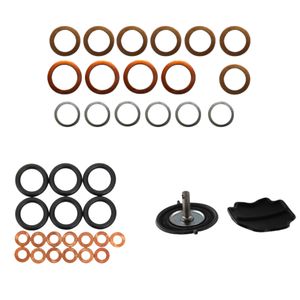
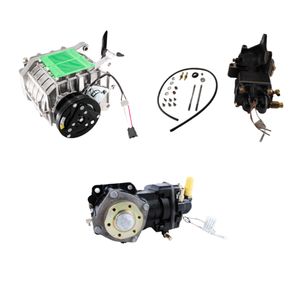
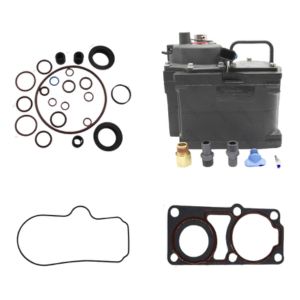
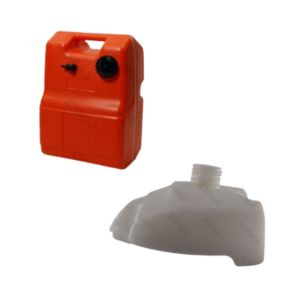




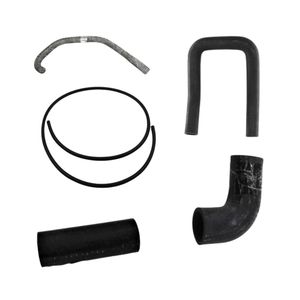
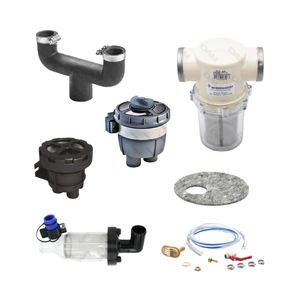


 Parts views
 Technical documents
 Ask for a quote
 Return request
Boat fuel system problem: causes, symptoms and solutions
Need a filter, hose or fuel supply part?
Find the parts you need to make your boat’s fuel system more reliable.
A boat fuel system problem is often caused by a clogged filter, an air leak, a worn hose, water in the fuel or an insufficient fuel pump. It can lead to difficult starting, an engine that stalls, misfiring, loss of power or a fuel smell. The right first step is to check fuel cleanliness, filtration, the tightness of fittings and the condition of the hoses. On both petrol and diesel engines, a steady fuel supply is essential for reliable navigation.
- How can you recognise a fuel system problem on a boat?
- Why can a fuel system problem prevent the engine from starting?
- Why does the engine stall when the fuel system is involved?
- Why does the engine bog down when accelerating?
- Why can the fuel system cause misfiring or loss of power?
- What should you do if you notice a fuel smell, seepage or leak?
- How can you prevent fuel system problems on a boat?
- When should fuel system parts be replaced?
How can you recognise a fuel system problem on a boat?
A fuel system problem on a boat is usually recognised by an engine that becomes irregular: it starts poorly, stalls, bogs down when accelerating, loses power or runs with misfires. The fuel system must deliver clean fuel, without water, without air and with sufficient flow to the engine. As soon as one of these conditions deteriorates, the engine can appear to have a more serious fault even though the source is simply the fuel supply.
Before replacing expensive parts, it is useful to understand how a boat fuel system works. The diagnosis then becomes more logical: tank, vent, hose, primer bulb, pre-filter, filter, pump and injection system or carburettor all work together.
Which symptoms should alert you?
Difficult starting, unstable idle, loss of power, misfiring under load or a fault after winter storage often point to a disturbed fuel supply. If a warning light or alarm appears, the guide to understanding your boat warning lights helps interpret the signal before going further.
What is the difference between petrol and diesel?
The symptoms are similar, but diesel engines are particularly sensitive to water, air in the system and filtration quality.
Why start with the fuel system?
Because these causes are common, often visible and sometimes easy to fix before considering a heavier engine repair.
Why can a fuel system problem prevent the engine from starting?
A boat engine will not start properly if fuel does not arrive in sufficient quantity or if it arrives with air, water or impurities. After a period of inactivity, the fuel may have deteriorated, the system may have lost its prime, a filter may be loaded with debris or an air leak may prevent the supply from remaining stable.
On an outboard, the primer bulb, quick connectors, hoses and tank vent are points to check quickly. On an inboard diesel engine, air or water in the system can cause difficult starting followed by almost immediate stalling. If starting is the main symptom, the guide on a boat engine that will not start helps broaden the diagnosis to other possible causes.
What should you check first?
Check the fuel level, that the vent is open, the condition of the primer bulb, visible hoses and the fuel filter.
Why avoid using the bottom of the tank?
Deposits and water are more likely to sit at the bottom. If you often run on reserve, the system is more likely to draw in impurities.
Why does the engine stall when the fuel system is involved?
An engine stalls when the fuel system supplies just enough fuel to start or run briefly, but not enough to maintain a steady feed. Stalling can be caused by a clogged filter, an air leak, a weak pump, a blocked tank vent or fuel contaminated with water.
A typical case is an engine that starts, runs for a few seconds, then stops. The engine may also stall when shifting into gear or during light acceleration. If stalling is the main symptom, the article on a boat engine that stalls completes the diagnosis with ignition, idle and cooling-related causes.
How can you identify an air leak?
An air leak can cause irregular running without a visible fuel leak. It is often found on a hose, fitting, gasket or primer bulb.
Why does the tank vent matter?
If the tank cannot breathe properly, a vacuum is created. Fuel flow becomes restricted and the engine eventually stalls.
When should you suspect the pump?
If filtration is clean and the hoses are airtight, a tired fuel pump may no longer provide the required flow.
Why does the engine bog down when accelerating?
An engine that holds idle but bogs down when accelerating often lacks fuel flow. At idle, demand is low: a partially clogged filter, a slightly pinched hose or a dirty pickup strainer may be enough. As soon as you open the throttle, the engine needs more fuel and the system cannot keep up.
This symptom can also explain a boat engine that will not hold idle when the fuel supply becomes irregular at low rpm. On an injection engine, fuel pressure must also be monitored: unstable regulation can alter dosing and cause hesitation during acceleration.
Can the fuel filter alone create the fault?
Yes. A dirty boat fuel filter restricts flow. The engine may seem normal at idle, then lack fuel as soon as it is under load.
Can a hose reduce fuel flow?
Yes. A pinched, ageing, softened or poorly installed hose can restrict fuel supply without causing an obvious leak.
Unsure about your filtration or fuel supply?
A clean filter, a suitable hose and airtight fittings help prevent many breakdowns at sea.
Why can the fuel system cause misfiring or loss of power?
The fuel system causes misfiring or loss of power when the flow varies instead of remaining constant. The engine then receives too little fuel at times, especially under load, in rough seas or at high rpm. To place this loss of efficiency within the whole mechanical chain, the guide on how a boat propulsion system works can complete the diagnosis. The most common causes are an air leak, clogged filtration, deposits in the tank, a weak pump or unstable fuel pressure.
Progressive loss of power over several outings often points to filtration gradually becoming clogged or deposits migrating from the tank. To distinguish fuel supply issues from other possible causes, you can also read the guide on boat engine loss of power.
Why does the problem appear under load?
Under load, the engine requires more fuel. A slight restriction then becomes noticeable: the boat accelerates poorly, reaches a lower top speed or misfires.
Can the tank be responsible?
Yes. A dirty, damp or deposit-filled tank can quickly contaminate filters and make the fault return despite recent replacement.
Can unstable injection cause misfiring?
Yes. On injection systems, irregular pressure disrupts fuel dosing and can create misfires, hesitation or a drop in rpm.
What should you do if you notice a fuel smell, seepage or leak?
A fuel smell, seepage or damp trace must be treated as a safety issue. You should not continue boating in this condition, especially with a petrol engine, because fuel vapours can become dangerous in a poorly ventilated compartment. The priority is to ventilate, cut off ignition sources, locate the leak and replace any doubtful parts. If the problem comes with a temperature alarm or rising engine temperature, also check the possible causes of boat engine overheating.
The most common causes are a cracked hose, a loose clamp, a worn fitting, a tired gasket or a component that has developed play due to vibration. If the engine also produces abnormal smoke, the guide on a smoking boat engine can help check whether the issue comes from combustion, oil, cooling or fuel.
Should you make a temporary repair?
No. A fuel leak should not be patched up just to continue the trip. The faulty part must be replaced properly.
Why do vibrations make leaks worse?
Vibrations loosen clamps, fatigue fittings and accelerate hose ageing if the installation is not properly secured.
How can you prevent fuel system problems on a boat?
Preventing a boat fuel system problem means keeping the fuel supply clean, airtight and regular. Filtration must be replaced on time, the tank must be monitored, hoses must remain flexible and fittings must be tight, with no leaks or air intake. A healthy fuel supply also helps you use less fuel on board, because the engine runs more consistently. Many breakdowns occur after long storage or an overly quick return to the water.
Winter storage plays an important role because humidity, condensation and inactivity encourage deposits and water in the fuel. To prepare the boat properly before storage or before returning to use, you can rely on the boat winter storage guide and the steps for dewinterising a boat.
What is the best maintenance habit?
Regularly replacing fuel filtration remains the most cost-effective habit to prevent water, deposits and flow restrictions.
How can condensation be limited?
Avoid long periods of inactivity with an almost empty tank, as moisture can condense more easily on the inner walls.
What should be checked before the season?
Check hoses, clamps, fittings, filters, gaskets, the tank vent and any signs of moisture or fuel smell.
When should fuel system parts be replaced?
Fuel system parts should be replaced as soon as they show signs of wear, leakage, hardening, clogging or loss of tightness. A cracked hose, saturated filter, soft primer bulb, marked gasket or weak pump can cause a breakdown underway even if the engine still seems to run correctly at the dock.
Before ordering, remember to find the engine serial number to avoid an incompatible reference. The choice of parts also depends on the engine type. A marine diesel engine requires very careful filtration, while a petrol engine requires special attention to vapours, tightness and fuel system safety. To better understand the differences, the guides on how a marine diesel engine works and how a petrol boat engine works explain the specific constraints of each fuel supply system.
When should a fuel filter be changed?
Change it according to the maintenance recommendations, after fuel contamination, after long storage or as soon as a lack of flow appears.
When should a fuel hose be changed?
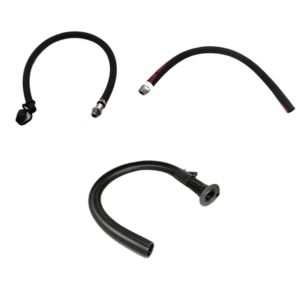
Replace it if it becomes hard, cracked, porous, deformed, poorly clamped or if a fuel smell appears nearby.
When should the pump be checked?
Check it if the engine lacks fuel despite clean filtration, an airtight line and a properly vented tank.
What should you remember about boat fuel system problems?
Diagnosing a boat fuel system should remain methodical: observe the symptom, check the simple causes, then replace the parts that are genuinely faulty. The table below summarises the most common cases and the checks to prioritise.
| Symptom | Probable cause | Priority check | Useful parts |
|---|---|---|---|
| Difficult starting | Old fuel, loaded filter, loss of prime or air leak | Level, vent, primer bulb, filter, fittings | Fuel filters |
| Engine stalls | Insufficient flow, weak pump or air intake | Line tightness and fuel supply | Fuel pumps |
| Bogs down when accelerating | Clogged filter, pinched hose or restriction | Filtration, pickup strainer, hoses and fittings | Fuel hoses |
| Misfiring or irregular running | Air leak, unstable pressure or contaminated fuel | Gaskets, fittings, regulation and fuel condition | Gasket kits |
| Progressive loss of power | Deposits in the tank, loaded filtration or weak pump | Tank, filters, flow and fuel pressure | Fuel tanks |
| Smell or seepage | Cracked hose, worn gasket or loose fitting | Ventilation, visual inspection and immediate replacement | Fuel supply |
FAQ about boat fuel system problems
These answers complete the diagnosis by covering common questions before replacing a filter, hose, pump or fuel supply component.
Can a new fuel filter clog quickly?
Yes. If the tank contains water, deposits or degraded fuel, a new filter can load up very quickly. In this case, the upstream cause must be checked, not just the filter replaced.
Can an air leak exist without a visible fuel leak?
Yes. On the suction side of the system, air can enter without fuel visibly leaking out. That is why a tired fitting or gasket can create misfiring without obvious traces.
Should the tank be drained if water is suspected in the fuel?
If the amount of water is significant or recurring, the fuel and tank must be dealt with seriously. Simply replacing the filter may help temporarily, but the problem will return if water remains present.
Does a soft primer bulb always indicate a fault?
Not always, but it is a sign to consider. A bulb that does not harden, empties or seems to draw air can indicate an air leak, a faulty valve or a restriction in the line.
Can you keep boating with a slight fuel smell?
No. A fuel smell must be treated as a safety warning, especially on a petrol engine. Ventilate, inspect the line and remove the source of the smell before setting off again.
Make your boat’s fuel supply more reliable
Filters, hoses, pumps, tanks and gaskets: find parts suited to your marine engine.