


 Catalog
 Exploded views
















 Honda Marine
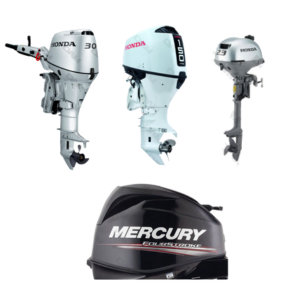

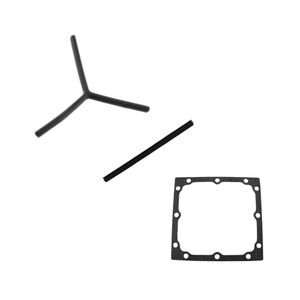
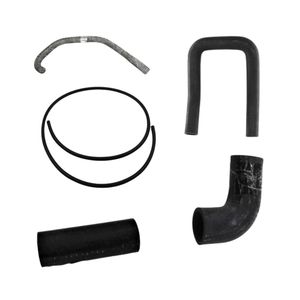
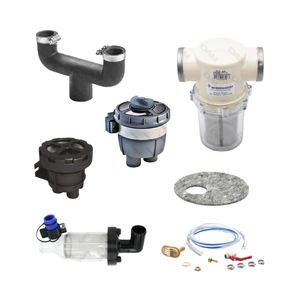
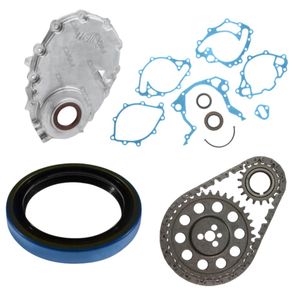
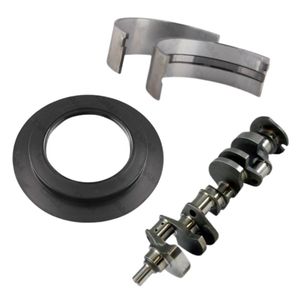
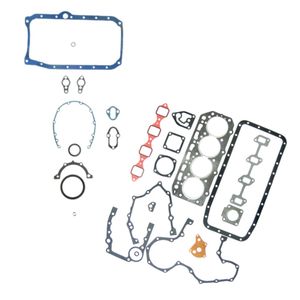
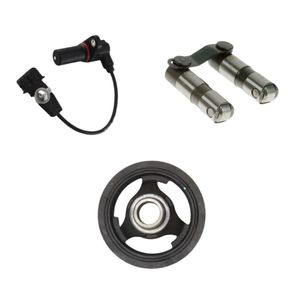

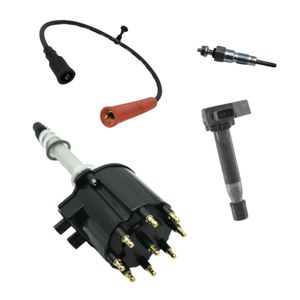
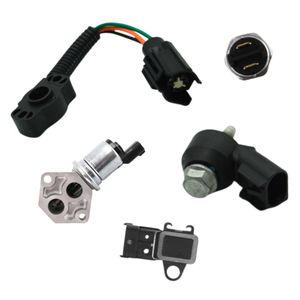
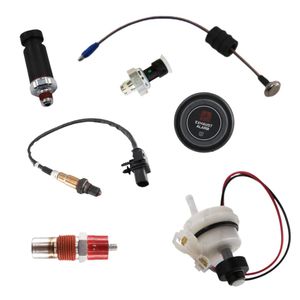
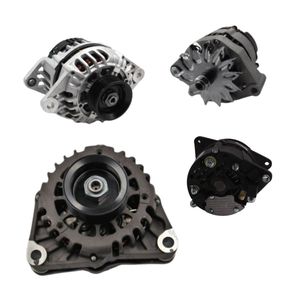
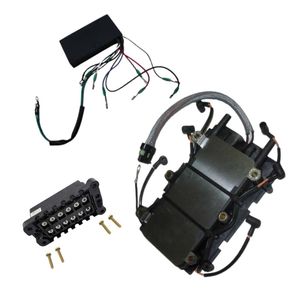
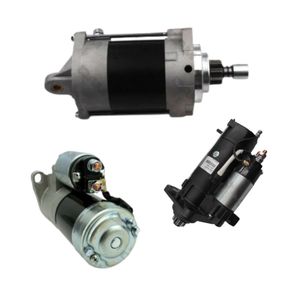
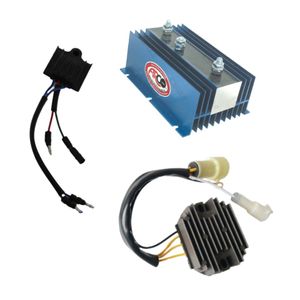
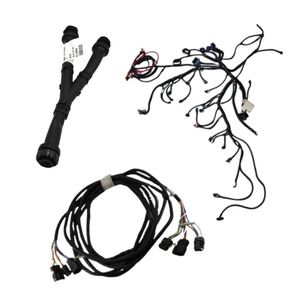
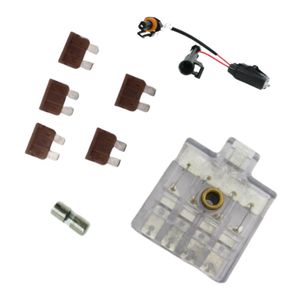
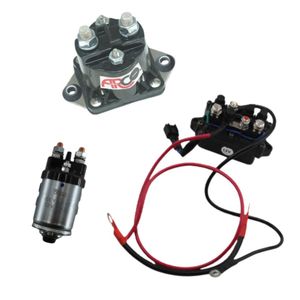
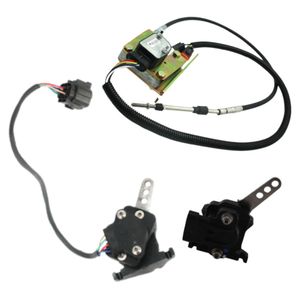
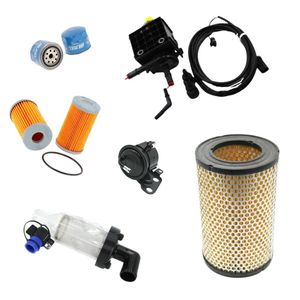
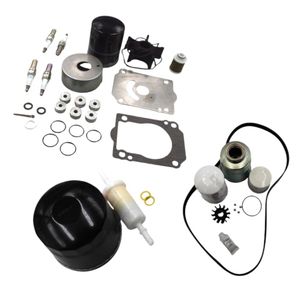
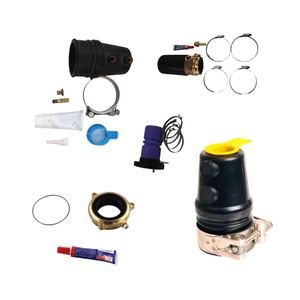
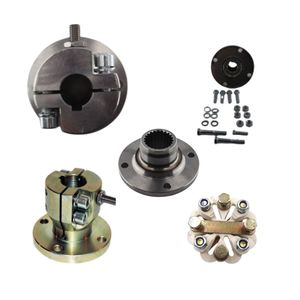
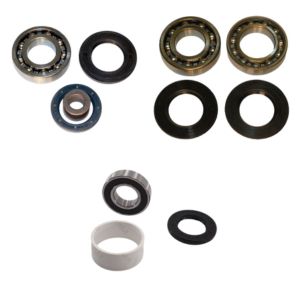
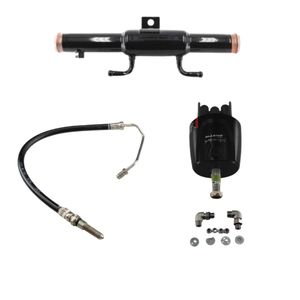
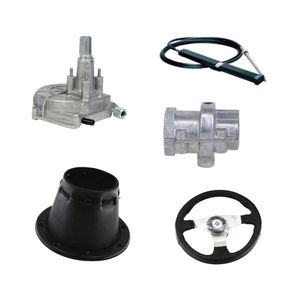
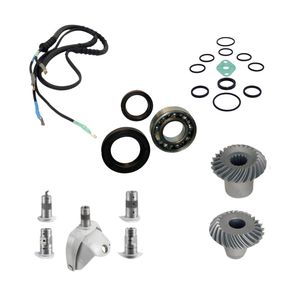
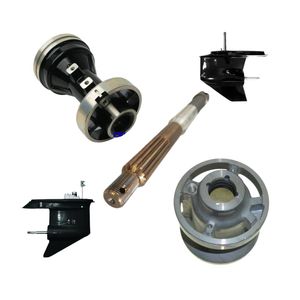
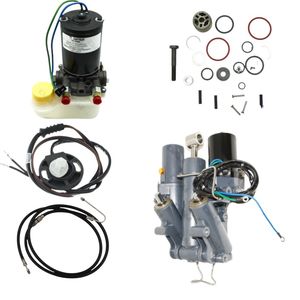

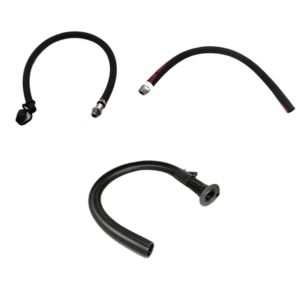
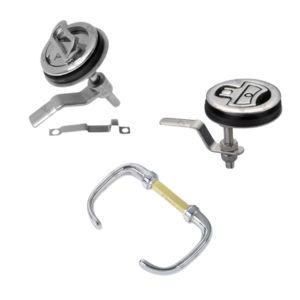
 Parts views
 Technical documents
 Ask for a quote
 Return request
How a boat fuel system works: petrol, diesel, outboard and inboard engines
Need a filter, hose or fuel supply part?
DAM Marine helps you find the right parts for your boat engine.
A boat fuel system is the assembly that stores, transports, filters, pressurises and meters fuel before it reaches the engine. It supplies clean, water-free fuel in a stable quantity. The main differences depend on the type of engine, petrol or diesel, and the installation, outboard or inboard. A sealing, filtration or pressure fault can cause difficult starting, stalling, unstable idle or loss of power.
How does the basic principle of a boat fuel system work?
The operation of a boat fuel system is based on a simple logic: fuel leaves the tank, travels through hoses, passes through filtration, is pressurised, then reaches the carburettor or injectors. At sea, vibrations, humidity, salt, temperature changes and long periods of inactivity can weaken fittings, encourage condensation or clog filters.
What route does the fuel follow?
Fuel is stored in the tank, drawn through a pickup pipe, transported by hoses, filtered, then sent to the pump and metering system.
Why is filtration essential?
Filtration protects the engine from particles, deposits and water. Contaminated fuel can disrupt combustion, clog an injector or reduce performance.
What is fuel pressure used for?
Pressure sends fuel steadily to the metering system. On an injection engine, it must remain stable to ensure accurate metering.
What are the differences between diesel and petrol fuel systems?
The difference between a diesel fuel system and a petrol fuel system mainly comes from the combustion process. Diesel usually requires stricter filtration and high-pressure injection, while petrol systems can use a carburettor or injection.
To learn more about each type of engine, you can read our guides on the marine diesel engine and the petrol boat engine. For a broader engine choice perspective, the guide to choosing an engine for your boat naturally completes this comparison.
What changes between an outboard and an inboard setup?
The difference between outboard and inboard mainly concerns the engine layout and the organisation of the installation. The principle remains the same, but access to parts, hose length, fixed or portable tanks and priming systems can vary greatly.
On an outboard, the system is often more compact and easier to access. On an inboard, the installation is generally more structured, with a fixed tank, shut-off valve, accessible water-separating filter and sometimes a fuel return line. The choice between both architectures depends on the boat, usage and expected maintenance; this subject is covered in our guide to choosing between an inboard and outboard engine. To place fuel supply within the full mechanical chain, also read our guide on how a boat propulsion system works.
What symptoms indicate a faulty boat fuel system?
The most common signs are difficult starting, an engine that stalls, unstable idle, loss of power, misfiring or intermittent shutdown. A fuel smell, visible leak or cracked hose should be treated as safety warning signs. If several symptoms appear together or the diagnosis remains uncertain, the guide to boat engine repair helps you reason without replacing parts at random. If an alarm or dashboard message appears, also consider understanding your boat warning lights.
Why might the engine fail to start?
Why might the engine stall?
Why does the engine lose power?
boat engine that does not hold idle · boat fuel system problems
What parts make up a boat fuel system?
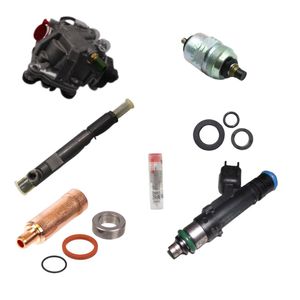
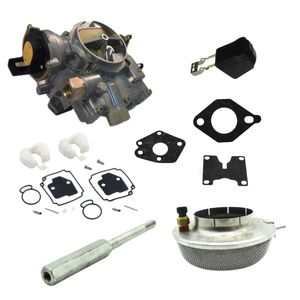
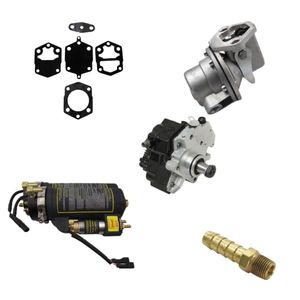
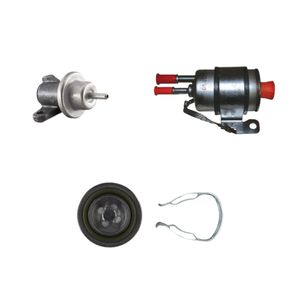
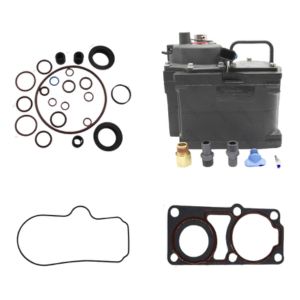
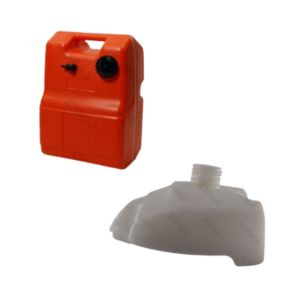
A boat fuel system includes the tank, tank ventilation, deck filler, pickup pipe, hoses, fittings, filters, water separator, pump, pressure regulator, carburettor or injectors, FSM module and sometimes a fuel return or cooler. A boat fuel system includes several parts, each with a specific function: storing, ventilating, drawing, transporting, filtering, pressurising, metering and sometimes returning fuel. Before ordering a part, remember to find your boat engine serial number to avoid compatibility errors.
Fuel transport and sealing
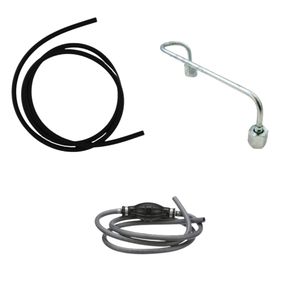
Hoses, seals and fittings must remain suitable for fuel, salt and boat vibrations.
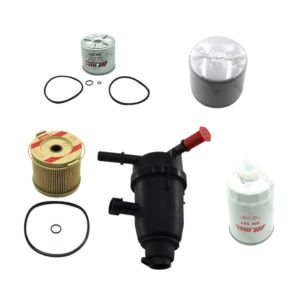
Fuel filtration
A clean filter protects the engine and limits failures caused by impurities or water.
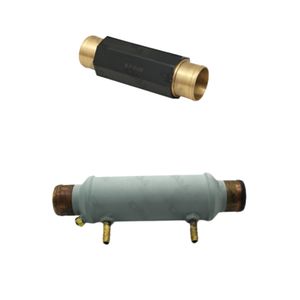
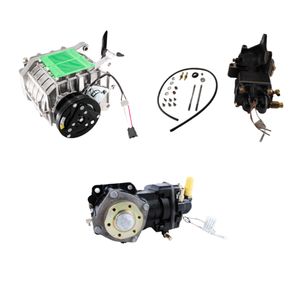
View fuel pumps · View petrol regulators · View FSM modules · View fuel coolers
Are the turbocharger and supercharger part of the fuel system?
The turbocharger and supercharger do not carry fuel: they act on the air admitted into the engine. For a dedicated intervention, read our guide on replacing a turbocharger.
How can you preserve your fuel supply system over time?
To preserve the operation of a boat fuel system, you need to limit water, impurities, air leaks and worn hoses. Visual inspection, regular filter replacement and fitting checks are good habits.
boat winterisation guide · de-winterising a boat · using less fuel on board
What should you remember about how a boat fuel system works?
The boat fuel system is a complete assembly that must remain clean, airtight and properly sized to supply the engine in all conditions.
| Key point | Explanation | Parts |
|---|---|---|
| Common principle | Fuel is stored, transported, filtered, pressurised and then metered before combustion. | Tank, hoses, filters, pump, carburettor or injectors |
| Petrol | Carburettor or injection depending on the engine. | Pump, carburettor, injectors, regulator, filters |
| Diesel | High-pressure injection and very clean fuel. | Water separator, pump, injection, return |
| Fuel fault | Difficult starting, stalling, power loss or irregular idle. | Filters, hoses, seals, pump, regulator |
Frequently asked questions about boat fuel systems
Do you need a water separator filter on a petrol engine?
It is not systematic on all small installations, but it is often recommended in boating. Humidity and condensation can also contaminate petrol.
How often should boat fuel filters be replaced?
Replacement is often part of annual maintenance or seasonal preparation. Manufacturer recommendations remain the reference.
Can engine smoke be caused by fuel?
Yes, poor combustion linked to fuel supply, injection or fuel quality can contribute to smoke. Read the guide on a smoking boat engine.
Need help identifying a fuel system part?
Filters, hoses, pumps, tanks, seals or modules: DAM Marine helps you find the right reference.