


 Catalog
 Exploded views
















 Honda Marine


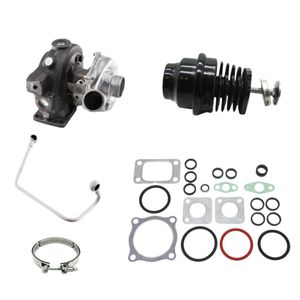
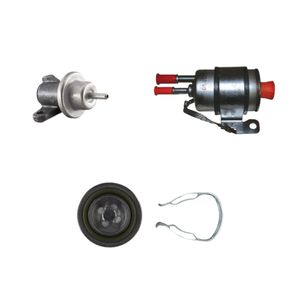
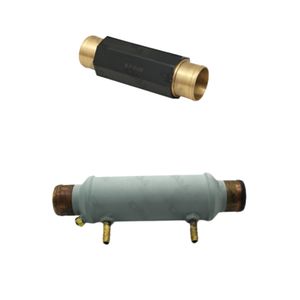
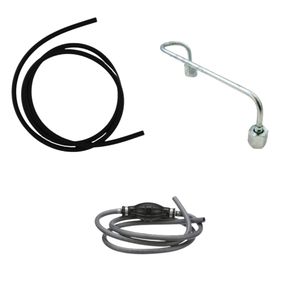
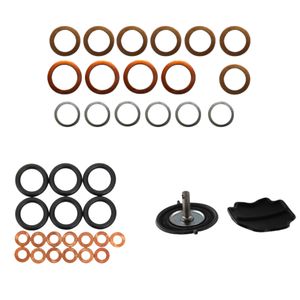
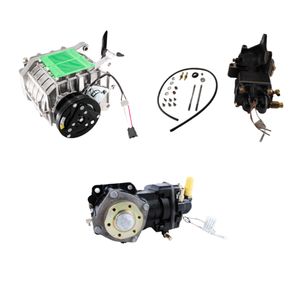
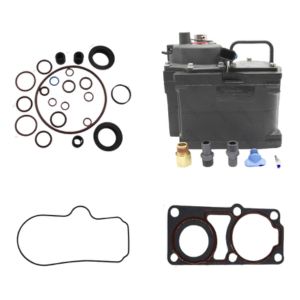
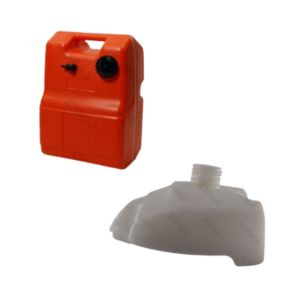
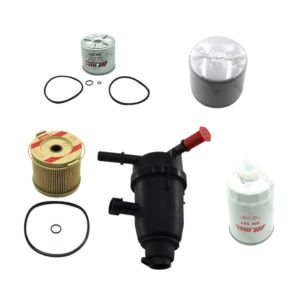


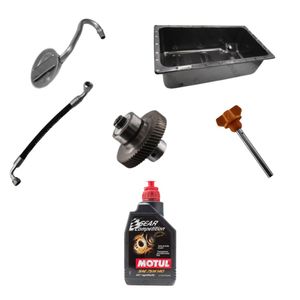
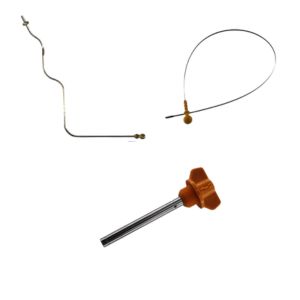
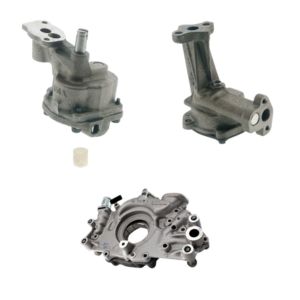


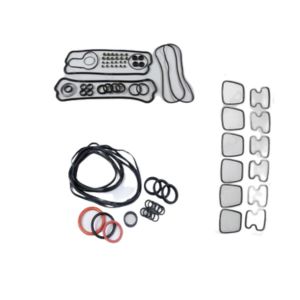
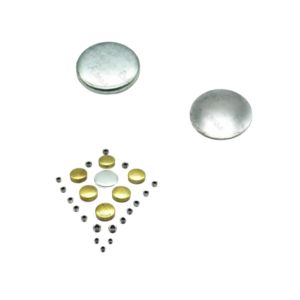
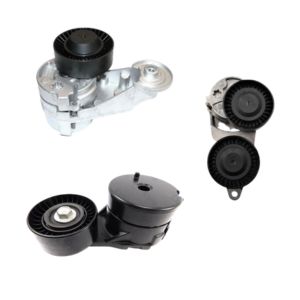
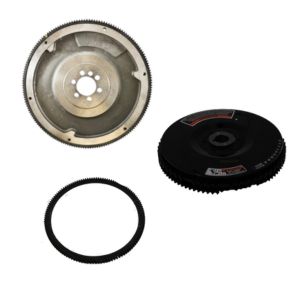
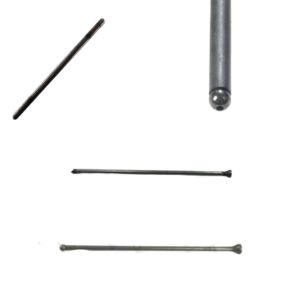

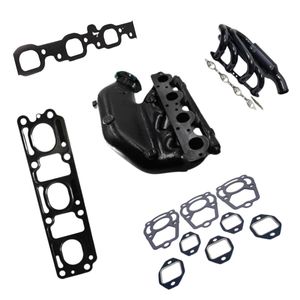
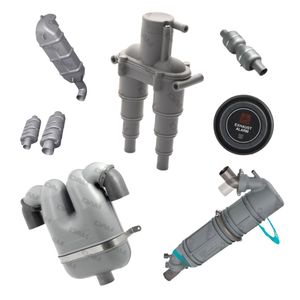
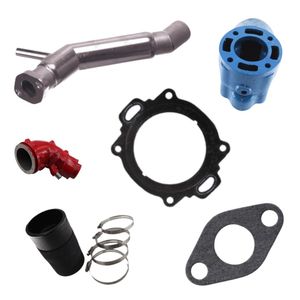
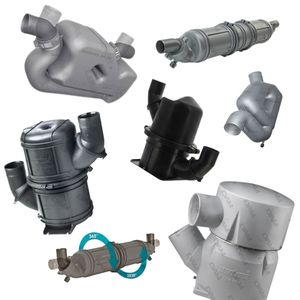
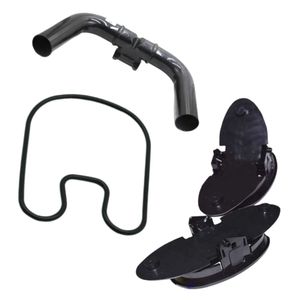
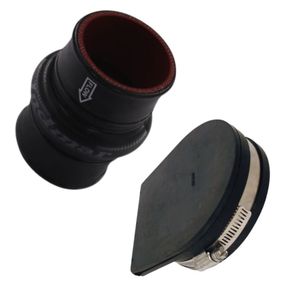
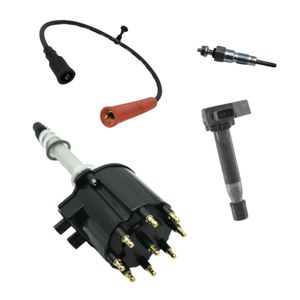
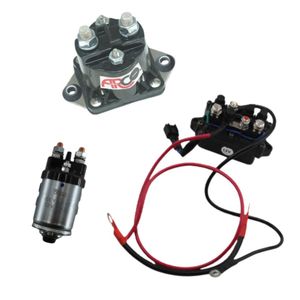
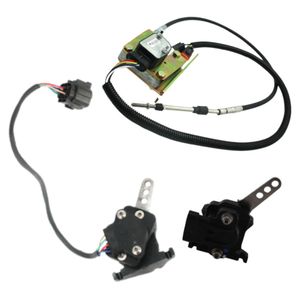
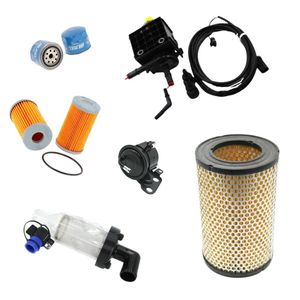
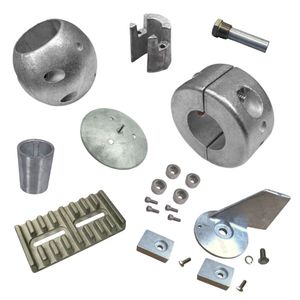
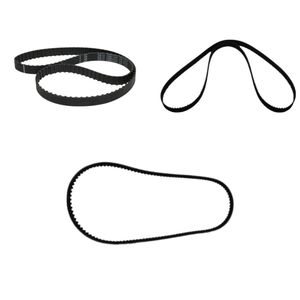
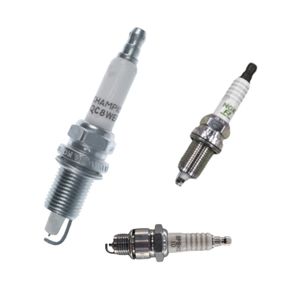
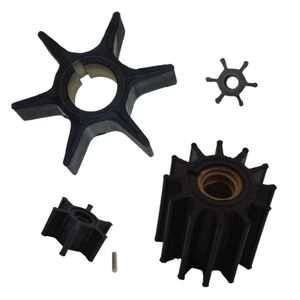
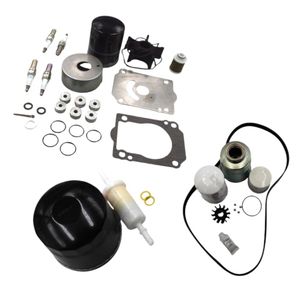
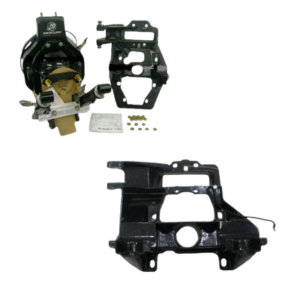
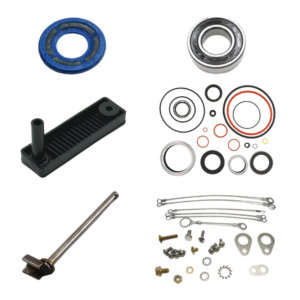
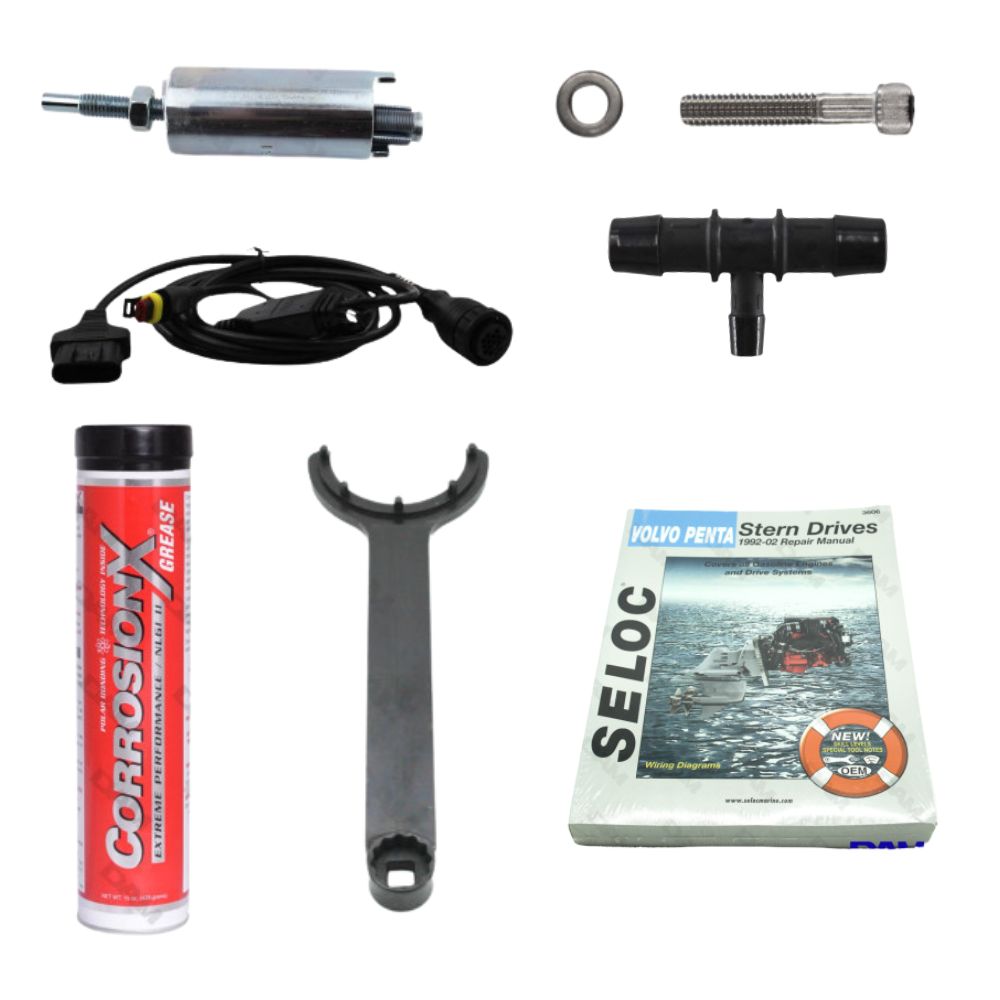
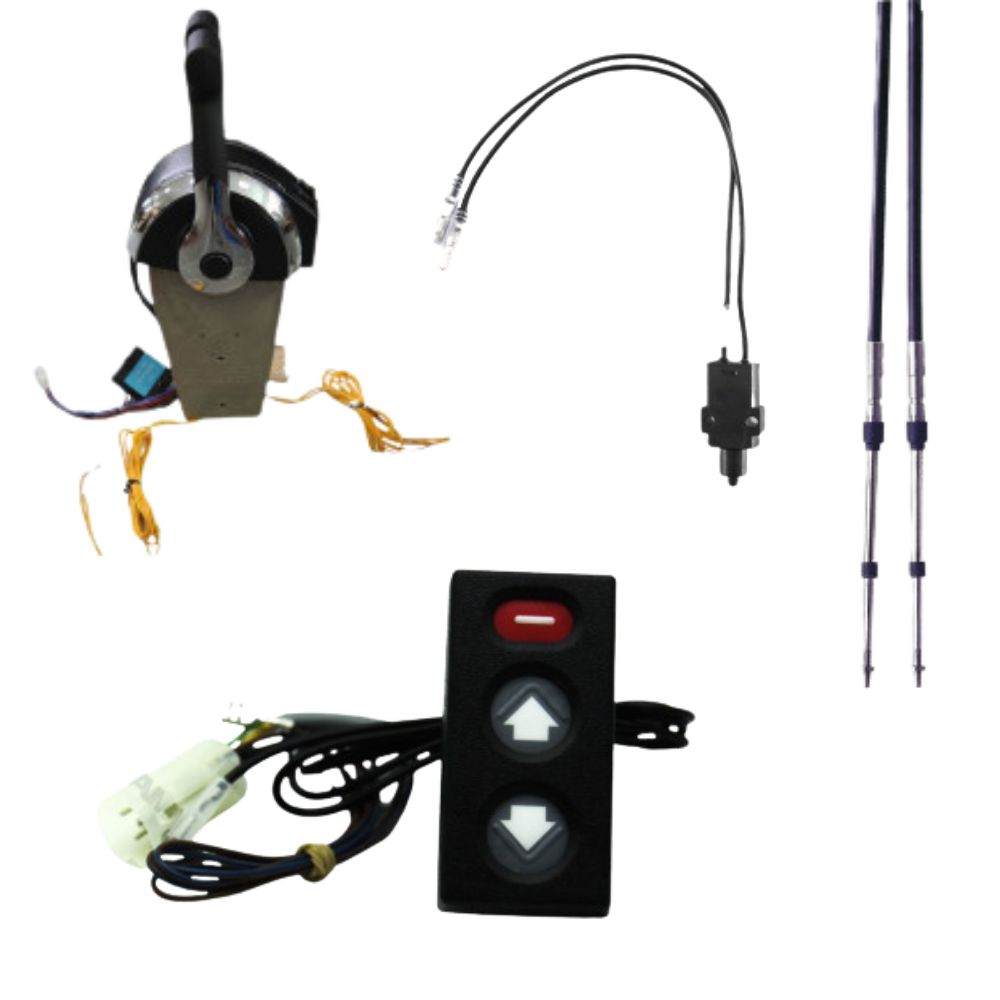

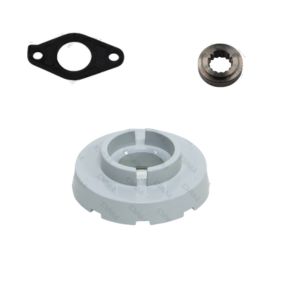
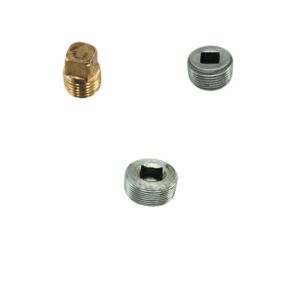
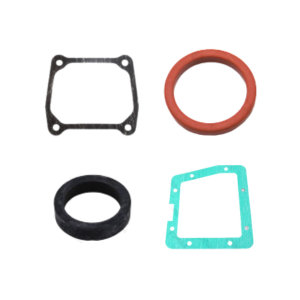
 Parts views
 Technical documents
 Ask for a quote
 Return request
DAM Marine supports you in choosing, replacing or maintaining your marine engine.
Choosing between an inboard and outboard motor mainly depends on the type of boat, your boating programme and your maintenance budget.
An outboard motor is an accessible, versatile and easy-to-maintain solution, especially for day trips, fishing or trailerable boats.
An inboard motor is better suited to cabin boats, longer trips and boaters looking for stability, comfort and endurance.
The right choice also depends on power, propulsion layout, mechanical access, fuel consumption and maintenance constraints.
- What is the difference between an inboard and an outboard motor?
- How do inboard and outboard propulsion systems work?
- What are the advantages of an outboard or inboard motor?
- Which engine should you choose for your boat and boating style?
- Which boat engine is the most reliable over time?
- What maintenance should you plan for an inboard or outboard motor?
- What warning signs should you check before choosing or replacing an engine?
- Should you repair, replace or upgrade your boat engine?
- What summary should you remember when comparing inboard and outboard motors?
- What additional questions should you ask before choosing?
What is the difference between an inboard and an outboard motor?
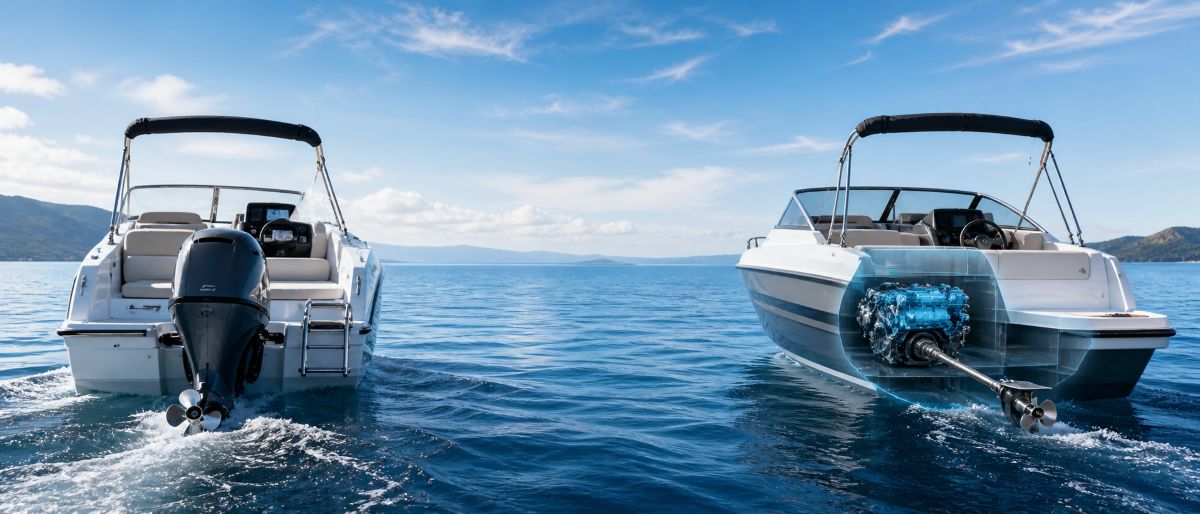
The difference between an inboard and an outboard motor mainly comes down to where the engine is installed and how it transfers power to the water. An outboard motor is mounted outside the boat, on the transom, while an inboard motor is installed inside the hull, in an engine compartment. To locate these elements clearly, the guide to boat parts helps place the transom, hull and appendages within the whole boat.
On an outboard, the engine block, transmission, lower unit and propeller form a compact assembly. The engine pivots to direct thrust, making harbour manoeuvres and low-speed course corrections easier.
On an inboard, the engine remains fixed inside the boat. Propulsion is transmitted to a propeller located under the hull through a shaft drive, V-drive or sterndrive depending on the configuration. Steering is often handled by a rudder, which gives a more settled feel, but can be less responsive in tight manoeuvres. On assisted installations, the guide to hydraulic boat steering usefully completes this point.
Key point: the outboard prioritises simplicity, accessibility and versatility. The inboard prioritises integration, stability and comfort on heavier or more habitable boats.
How do inboard and outboard propulsion systems work?
Boat propulsion converts engine power into thrust in the water. The principle remains the same in both cases, but the mechanical layout changes significantly: an outboard concentrates everything at the stern, while an inboard distributes components between the inside of the hull and the submerged propulsion parts.
How does an outboard motor work?
The outboard combines the powerhead, shaft housing, lower unit and propeller. It can be lifted using trim/tilt, which helps in shallow water, during storage or to reduce exposure to fouling. To protect the hull over a full season, choosing the right boat antifouling also matters.
How does a shaft-drive inboard work?
The engine is placed inside the hull and drives a propeller through a shaft. This layout is robust, efficient for pushing weight and valued on cruising boats or cabin boats.
How does a sterndrive work?
A sterndrive combines an engine installed inside the boat with a steerable drive unit outside. It offers handling close to an outboard, but with more components to monitor.
To better understand the full mechanical chain, you can read the DAM Marine guide to the boat propulsion system. It helps place the engine, transmission, propeller and steering within a complete system.
The propeller also plays a central role. Its diameter, pitch, number of blades and condition directly affect speed, acceleration, fuel consumption and vibration. To go further, the guide on how a boat propeller works naturally complements the choice of engine.
What are the advantages of an outboard or inboard motor?
An outboard motor is generally chosen for its easy access, simpler replacement and versatility. An inboard motor is more often chosen for cruising comfort, stability, quieter operation and endurance on heavier boats.
Why choose an outboard motor?
The outboard is practical for day trips, RIBs, fishing boats, trailerable hulls and boating in shallow areas. It also frees up space inside the boat.
Why choose an inboard motor?
The inboard suits cabin boats, cruising, longer trips and uses where comfort comes first. Its weight placed low in the hull promotes more stable navigation.
The outboard motor also has the advantage of being more visible and more accessible during routine checks. Oil changes, anodes, spark plugs, filters or water pump impellers are generally easier to reach than at the bottom of an engine bay.
The inboard offers more discreet integration. Noise can be better contained, weight distribution is often improved, and the boat tends to feel more stable in choppy seas. On some watersports boats, a propeller located under the hull can also be better suited to towing activities.
Which engine should you choose for your boat and boating style?
The right engine is the one that matches the boat’s weight, your real-world use and your maintenance constraints. Choosing between an inboard and outboard motor should therefore not be based only on advertised horsepower, but on the complete boating programme.
For day trips?
The outboard is often the most logical choice. It is simple to use, easy to tilt, more practical to maintain and suited to leisure boats, fishing cruisers and RIBs.
For cruising or cabin boats?
The inboard takes the advantage on heavier boats. It offers torque, good range, a low centre of gravity and valuable comfort on long passages.
For shallow-water boating?
The outboard is safer because it can be raised. The inboard exposes more appendages under the hull, including the shaft, propeller or drive unit depending on the setup.
Engine power should never be chosen at random. An underpowered engine will strain, consume more fuel and wear faster. An overpowered engine can unbalance the boat, exceed manufacturer recommendations or create insurance issues.
To frame this choice more broadly, the DAM Marine guide on how to choose an engine for your boat helps compare power levels, uses and the main engine families.
A good engine choice starts with your boat, your boating programme and your maintenance constraints.
Which boat engine is the most reliable over time?
The most reliable engine is the one that is correctly sized, properly installed and regularly maintained. An inboard can last a long time in a cruising programme, while a modern outboard can offer excellent reliability if flushing, anodes, oil, fuel and cooling are monitored carefully.
Is an inboard more robust?
A shaft-drive inboard is often appreciated for its mechanical robustness. It has few exposed steerable components, which makes it coherent for pushing a heavy boat over long distances.
Is an outboard easier to maintain?
Yes, its accessibility makes checks and interventions easier. This simplicity sometimes prevents a small fault from becoming a major failure due to poor access or lack of monitoring.
Does a sterndrive require more attention?
Yes. Bellows, universal joints, lower unit, seals and transmission must be monitored carefully. This layout is pleasant to drive, but less forgiving of neglected maintenance.
The type of fuel also matters. A marine diesel engine is often sought after for its torque and endurance on cabin boats. A gasoline boat engine can be lighter, more responsive and well suited to leisure boats, but requires particular attention to fuel, ignition and engine-room ventilation when installed as an inboard.
What maintenance should you plan for an inboard or outboard motor?
Maintaining an inboard or outboard motor relies on the same fundamentals: clean oil, effective cooling, healthy fuel, good anodes, a monitored propeller and regular checks. The real difference lies mainly in mechanical access, the complexity of peripheral systems and intervention time.
What maintenance for an outboard?
Oil changes, filters, spark plugs, impeller, lower unit, anodes and freshwater flushing must be monitored. Being able to lift the engine also helps limit certain types of fouling.
What maintenance for an inboard?
The engine, belts, filters, hoses, exhaust, ventilation, stuffing box, cooling system and bilge access must be checked. Maintenance can be more technical depending on the installation.
Which items should not be neglected?
Fuel, cooling and corrosion are three critical points. A small oversight on these elements can quickly lead to an expensive failure.
The boat fuel system must remain clean and airtight. An air leak, water in the fuel or a clogged filter can cause difficult starting, stalling or loss of power.
The cooling system is just as important. A worn impeller, blocked strainer, stuck thermostat or dirty heat exchanger can lead to overheating and seriously damage the engine.
Winterizing is also part of engine lifespan. Proper oil changes, water circuit protection, battery care and stabilised fuel prevent many bad surprises in spring. To start from the right base, the guide to choosing a boat battery completes this maintenance logic. The DAM Marine guide to boat winterizing details these steps.
Finally, to connect battery, charging and equipment autonomy, the guide to managing energy on board helps size the electrical installation more effectively.
What warning signs should you check before choosing or replacing an engine?
Before choosing a new engine or replacing an existing installation, recurring mechanical symptoms must be checked. An engine that starts poorly, stalls, overheats, smokes, vibrates or loses power may reveal a simple maintenance issue, but also deeper wear.
Does the engine start poorly or stall?
The issue may come from fuel, ignition, the battery, intake or idle speed. The cause must be identified before concluding that the engine needs replacing.
Does the engine overheat or lose power?
Overheating or power loss can come from cooling, the propeller, boat load, fuel or internal mechanical wear.
Does the engine smoke or vibrate?
Smoke and vibration are warning signs to take seriously. They can indicate a combustion, alignment, propeller, engine mount or exhaust issue.
A diagnosis must remain methodical. If your boat engine will not start, if your boat engine stalls, if you notice engine overheating or loss of power, it is better to isolate the cause before committing to a full replacement.
Likewise, engine vibration or a smoking boat engine do not always mean the block is finished. These symptoms can also come from peripheral components, poor adjustment or a damaged propeller.
Should you repair, replace or upgrade your boat engine?
A repair should be considered if the fault is isolated, identifiable and consistent with the age of the engine. Replacement or upgrading should be considered when failures become repetitive, parts are difficult to find or the cumulative cost of interventions exceeds the technical value of the engine.
The first step is to make a real diagnosis. Low compression, advanced corrosion, repeated overheating or high oil consumption can justify broader reflection. Conversely, a fuel supply, cooling or propeller issue can sometimes be corrected without replacing the whole engine.
When should you repair?
Repair remains logical if the engine is healthy, parts are available and the cost remains proportionate to how the boat is used.
When should you replace?
Replacement becomes relevant if failures keep happening, reliability drops or the engine no longer matches your boating programme.
When should you upgrade?
An upgrade can improve comfort, fuel consumption, starting, safety and parts availability for several years.
To compare your options, you can read the DAM Marine guide to boat engine repair. It helps you decide between diagnosis, repair, replacement and changing the base engine.
DAM Marine also offers several solutions depending on the project: new engine blocks, reconditioned engine blocks and boat engine packs.
Compare new bases, reconditioned blocks and complete packs according to your boat, budget and level of intervention.
What summary should you remember when comparing inboard and outboard motors?
The outboard motor is mainly suited to boaters looking for simplicity, mechanical access and versatility. The inboard motor is more suitable for heavy, cabin or long-distance boats, with better comfort and more integrated propulsion.
| Selection criterion | Outboard motor | Inboard motor |
|---|---|---|
| Location | Mounted outside the boat, on the transom. | Installed inside the hull, in an engine compartment. |
| Space on board | Frees up interior space, but adds more weight to the stern. | Takes up volume inside the hull, but lowers the centre of gravity. |
| Manoeuvring | Very responsive thanks to the engine’s steerable thrust. | More progressive with shaft drive, closer to an outboard with a sterndrive. |
| Shallow water | Clear advantage thanks to trim/tilt and the ability to lift the engine. | More exposed, with the propeller, shaft or drive unit under the hull. |
| Routine maintenance | Usually easy access and more direct interventions. | Sometimes tight access, with more technical maintenance depending on the installation. |
| Comfort | Can be noisier depending on power and insulation. | Often quieter, with better-integrated weight distribution. |
| Stability | Strongly depends on hull design, trim and load. | Often better on heavy boats thanks to low-mounted weight. |
| Fuel consumption | Highly variable depending on power, propeller, trim and load. | Often coherent for cruising, especially with a correctly sized diesel. |
| Replacement | Simpler to replace or upgrade on many boats. | More involved: alignment, integration and peripheral systems must be checked. |
| Ideal use | Day trips, fishing, RIBs, trailers and leisure boating. | Cruising, cabin boats, long distances, comfort and endurance. |
What additional questions should you ask before choosing?
Before definitively choosing between inboard and outboard, you should also look at the propeller, trim, fuel consumption, corrosion, engine documents and the overall condition of the propulsion system. These details directly affect comfort, budget and reliability.
Which propeller should you choose to improve speed, acceleration and fuel consumption?
The choice of propeller depends on pitch, diameter, number of blades, boat load and the engine speed range recommended by the manufacturer. A poorly matched propeller can increase fuel consumption, slow planing or cause vibration. The DAM Marine guide to boat propeller maintenance also helps identify visible defects.
Does trim really change the behaviour of an outboard?
Yes. Trim changes the engine angle and therefore the boat’s running attitude. Correct adjustment can improve speed, reduce fuel consumption and make navigation more comfortable. Poor adjustment can make the bow rise too much, cause ventilation or increase drag. The principle is explained in the DAM Marine guide to using boat trim.
How can you reduce fuel consumption with a boat engine?
Fuel consumption depends on engine speed, load, hull condition, propeller choice, trim and general maintenance. An overloaded boat, dirty hull or straining engine can increase consumption sharply. To act on the hull itself, the guide to how to antifoul a boat completes this approach. DAM Marine also offers a guide on how to use less fuel on board.
Why are anodes important on a marine engine?
Anodes protect submerged metal parts against galvanic corrosion. They are essential on drive units, shafts, propellers and metal parts exposed to water. Their condition must be checked regularly, especially in salt water. The DAM Marine guide to the different types of boat anodes helps you choose the right model.
Do you need the serial number before buying engine parts?
Yes. The serial number precisely identifies the engine, its generation, compatible references and certain installation details. It helps avoid parts errors during maintenance or repair. DAM Marine explains where to find it in its guide to finding your boat engine serial number.
Can an idle problem influence the decision to replace an engine?
Yes, but the cause must be diagnosed first. Unstable idle can come from fuel, intake, ignition, an injector, an air leak or an adjustment. Before replacing an engine, it is useful to understand why the boat engine does not hold idle.