


 Catalog
 Exploded views
















 Honda Marine
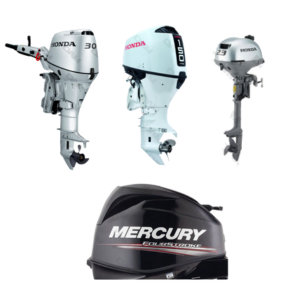


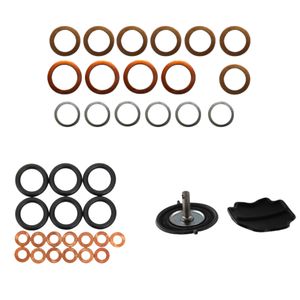
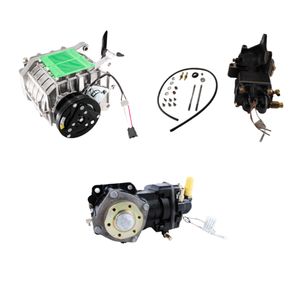
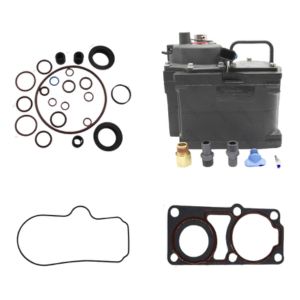
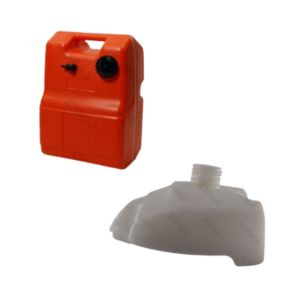
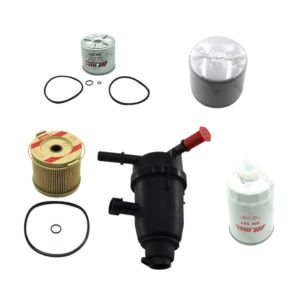


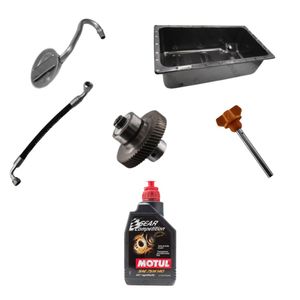
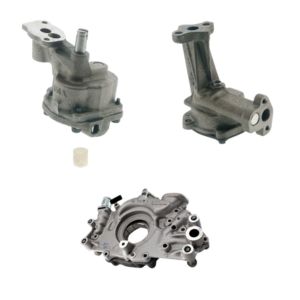



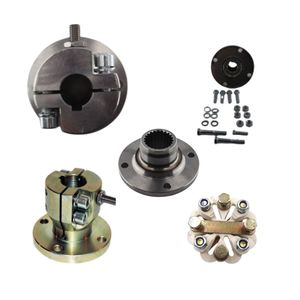
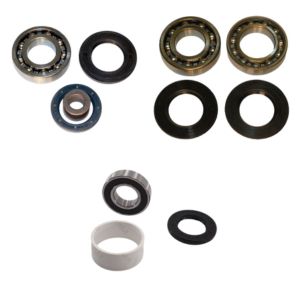
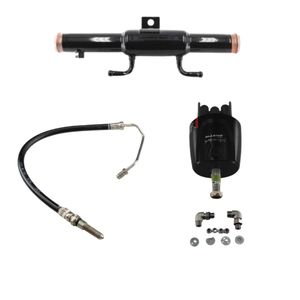
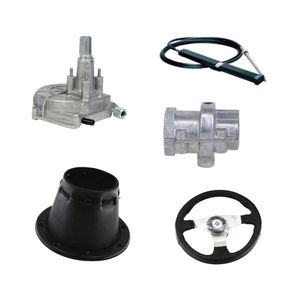

 Parts views
 Technical documents
 Ask for a quote
 Return request
Choosing a boat engine: the technical guide to making the right choice
DAM Marine helps you identify the right solution for your boat, your use and your engine setup.
Choosing a boat engine is a decision that first depends on the hull, real-life use and onboard load. Power alone is not enough: engine weight, torque, propeller, shaft length and maintenance matter just as much. A correctly sized engine improves planing, fuel consumption, comfort and safety. The right choice therefore means thinking in terms of a complete system, while also understanding the role of a boat’s propulsion system.
- Why does choosing the right engine matter so much?
- How can you choose a boat engine without making a mistake?
- What boat engine power should you plan for?
- Should you choose an outboard, inboard or sterndrive engine?
- Which engine should you choose for a 4 m, 5 m or 6 m boat?
- What is the most reliable boat engine?
- Should you buy a new, used or reconditioned engine?
- How do you assess the value for money of a boat engine?
- What questions should you ask before buying?
- Which criteria should you compare before confirming your choice?
- Frequently asked questions about choosing a boat engine
Why does choosing the right engine matter so much?
Choosing a boat engine directly affects safety, comfort, fuel consumption and the lifespan of the whole setup. An engine is not just a power rating in horsepower: it is a central component that must work with a hull, a load, a propeller, a navigation programme and maintenance constraints.
When the engine setup is coherent, the boat planes cleanly, keeps a good trim, responds better during manoeuvres and runs at a more comfortable rpm. Conversely, a poorly sized engine can lead to higher fuel consumption, vibrations, premature wear or less predictable handling at sea.
How can you choose a boat engine without making a mistake?
To choose a boat engine correctly, start with the boat itself, then compare the available engines. The right method is to check the maximum authorised power, the weight allowed on the transom, the transom height, the hull type and the real load carried on board. If terms such as transom, hull or bow are not yet fully clear, it may be useful to review the main parts of a boat before comparing technical sheets.
The choice then becomes more rational: you need a power rating that can maintain a comfortable cruising speed without forcing the engine to run constantly at high rpm. The engine must also suit your main use: cruising, fishing, coastal trips, towing sports, regular shuttles or heavier navigation.
What is the first check to make?
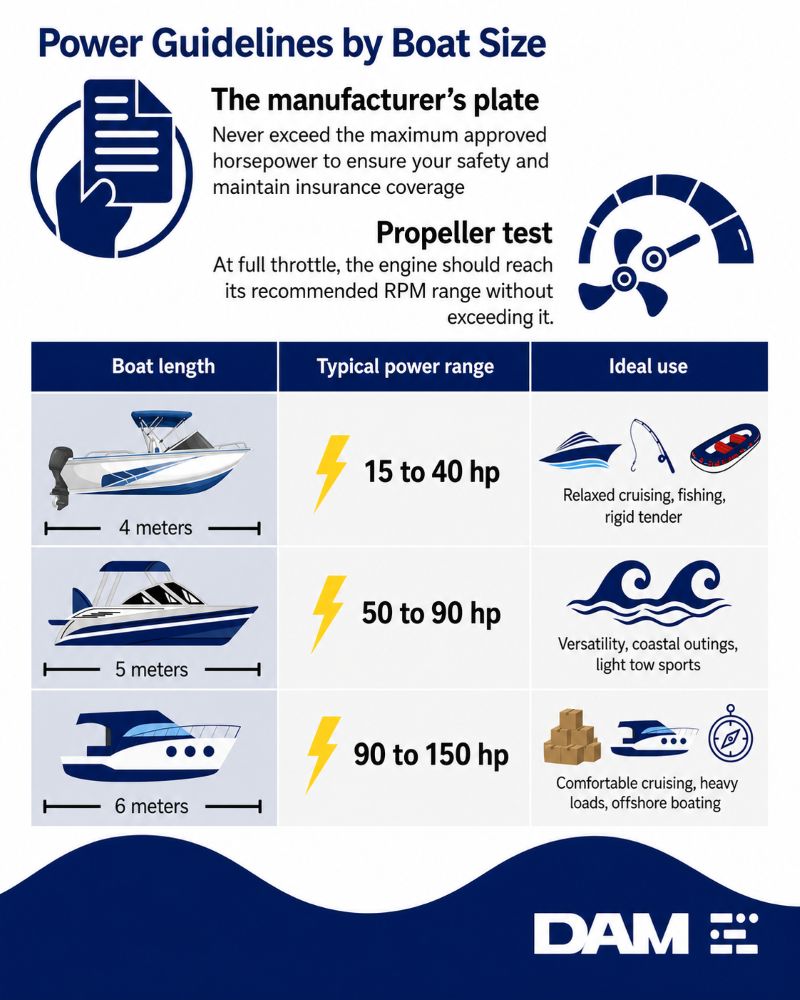
The boat builder’s plate comes first. It indicates the maximum authorised power and sets a limit that should not be exceeded to preserve safety, balance and insurance compliance.
Why should you think in terms of real load?
A boat almost never runs empty. Passengers, fuel, anchoring gear, coolers, fishing equipment and safety gear can significantly change its behaviour on the water.
What role does transom height play?
It determines the required shaft length. A shaft that is too short can cause propeller ventilation, while one that is too long adds drag and reduces performance.
What boat engine power should you plan for?
A boat engine must have enough power to get the boat on plane, maintain a comfortable cruising speed and keep a margin when the sea builds or the load increases. The right choice is not about taking “the most powerful engine possible”, but choosing a power rating that matches the builder’s range and real-life use.
Power gives potential, but torque, gear ratio, propeller and engine weight turn that potential into real handling. To go further, understanding how a boat propeller works helps explain why two engines with the same horsepower can feel very different on the water.
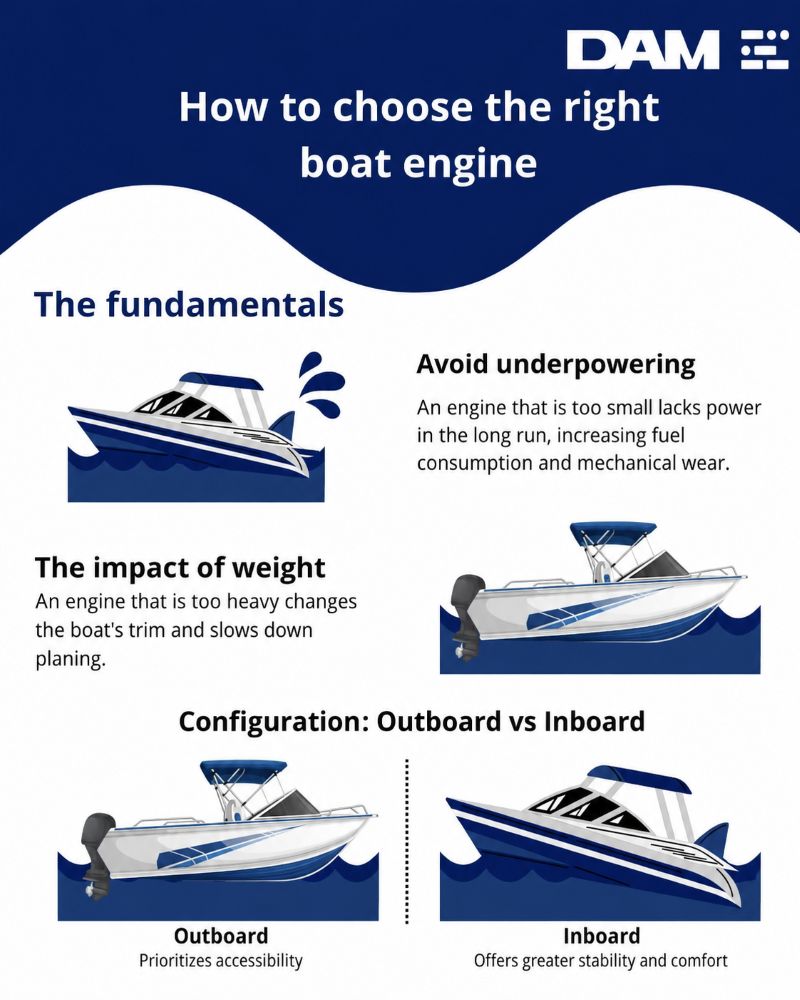
An underpowered engine often runs too high in the rev range. The result: more noise, higher fuel consumption, less comfort and more strain on the mechanics.
The classic mistake is underpowering the boat to save money at purchase. In practice, an engine that is too small can consume more fuel because it constantly has to compensate for drag and load. Conversely, a well-chosen power rating allows the engine to run more freely, with better efficiency.
Why is torque important?
Torque helps the boat move off properly, especially when loaded. It is essential for planing, acceleration and uses such as towing sports.
Why does engine weight matter so much?
On a small hull, a few dozen extra kilos at the stern can change the trim, delay planing and make the boat less pleasant to handle.
Why can the propeller change everything?
Pitch, diameter and number of blades influence acceleration, engine rpm, fuel consumption and the ability to hold a cruising speed.
Should you choose an outboard, inboard or sterndrive engine?
The outboard engine is often the simplest solution for small and medium-sized boats. It offers a good power-to-weight ratio, easy mechanical access and simpler replacement. It is widely used on RIBs, open boats, tenders and many pleasure boats.
The inboard engine, installed inside the engine compartment, becomes relevant when the boat is designed for this architecture or when the programme prioritises comfort, stability, continuous power or more discreet integration. If your hesitation is mainly about engine architecture, the dedicated guide to choosing between an inboard and an outboard engine goes into more detail.
The sterndrive combines an inboard engine with an external drive. This configuration can offer strong performance and interesting integration, but it requires careful monitoring of the drive, bellows, watertightness and corrosion.
The engine architecture also influences steering feel and manoeuvring precision. On some installations, understanding how hydraulic boat steering works helps anticipate handling and related maintenance.
When should you choose an outboard engine?
It is relevant when you want a simple, accessible and versatile solution, especially for lightweight boats, RIBs and coastal cruising.
When should you choose an inboard engine?
It suits boats designed for this architecture, higher power ratings or programmes where stability and integration are priorities.
When does a sterndrive make sense?
It can suit performance-oriented or well-fitted boats, provided you accept closer monitoring of the drive and watertightness.
Which engine should you choose for a 4 m, 5 m or 6 m boat?
The right engine for a 4 m, 5 m or 6 m boat depends first on the builder’s plate, the hull, the loaded weight and the intended use. Length-based guidelines are useful to frame an initial decision, but they never replace the manufacturer’s data or a proper installation check.
Two boats of the same length can require very different power ratings. A lightweight open boat, a heavier rigid hull, a loaded RIB or a fishing-equipped boat will not have the same needs, even with the same length.
Which engine for a 4 m boat?
For a 4 m boat, a range of around 15 to 40 hp covers many uses, depending on the hull and load. Engine weight and shaft length are especially sensitive on this size.
Which engine for a 5 m boat?
For a 5 m boat, a range of around 50 to 90 hp is common. For loaded outings or light towing sports, torque and good planing ability should be prioritised.
Which engine for a 6 m boat?
For a 6 m boat, a range of around 90 to 150 hp is common. Heavy, highly equipped boats or boats used in rougher seas may need more.
On more powerful boats, the way you use trim also becomes important. Proper adjustment can improve trim, reduce drag and make navigation more comfortable: our guide on using a boat trim usefully complements this topic.
What is the most reliable boat engine?
The most reliable boat engine is one that is correctly sized, properly installed, regularly maintained and used within its normal operating range. Reliability does not depend only on a brand: it also depends on flushing, anodes, the cooling system, fuel quality, storage and parts availability.
An engine with a strong reputation can become problematic if it is poorly maintained or incorrectly installed. Conversely, a simpler engine that is properly serviced and suited to the hull can last for a long time without unpleasant surprises. This is why it is worth understanding the role of the cooling system, as well as the role of boat anodes in corrosion protection.
Why does maintenance matter so much?
Salt, humidity, long periods of inactivity, degraded fuel or a faulty boat fuel system can quickly damage a marine engine if maintenance is neglected. Proper boat winterizing helps limit these risks during periods of inactivity. In spring, properly dewinterizing the boat helps check levels, battery, fuel and cooling before the first trips.
Why is parts availability important?
Easy-to-find parts reduce downtime. This is an essential criterion, especially before the season starts.
Why does installation affect reliability?
A coherent installation limits abnormal strain, cooling problems, vibrations and efficiency losses.
Explore DAM Marine categories to compare solutions suited to your engine setup.
Should you buy a new, used or reconditioned engine?
The choice between a new, used or reconditioned engine depends on your priority: peace of mind, budget or mechanical rebuild. A new engine provides a clean base and warranty, while a used engine can be worthwhile if the history is clear. A reconditioned engine becomes relevant when the goal is to restart from a serious mechanical base without necessarily buying a completely new unit.
Used engines require particular caution. An engine with few hours is not necessarily a good deal if it has been badly stored, rarely flushed or left for a long time with degraded fuel. Service invoices, general condition, sea trial and drive inspection are decisive. Before buying, it is also useful to know how to find the engine serial number, especially to identify compatible parts precisely.
When should you choose a new engine?
A new engine is suitable if you want peace of mind, a warranty, a clean base and a coherent engine setup for several seasons.
When should you choose a used engine?
A used engine is interesting if the price is consistent, the history is clear and maintenance is proven by invoices or serious follow-up.
When should you choose a reconditioned block?
A reconditioned block is relevant for a mechanical rebuild, especially on inboard engines. If the engine already shows costly symptoms, our guide to boat engine repair helps you decide whether to repair, replace or start again with a block.
How do you assess the value for money of a boat engine?
The value for money of a boat engine is not limited to the purchase price. You must also factor in fuel consumption at cruising speed, annual maintenance, parts availability, mechanical accessibility, compatibility with the hull and expected duration of use.
A cheaper engine that is too weak, badly propped or difficult to maintain can cost more over several seasons. Conversely, a more coherent engine setup can reduce mechanical strain, stabilise fuel consumption and improve comfort on board. Fuel consumption also depends on hull condition: an antifouling suited to the boat reduces fouling, while learning how to antifoul a boat and using good settings help you use less fuel on board.
To give a sense of scale, a small portable outboard such as the Honda 2.3 hp suits tender or small boat use. A model such as the Honda 50 hp is already aimed at more versatile boating, while a Honda 135 hp concerns more powerful and better-equipped boats.
For inboard engines, a reconditioned GM454 block can be a coherent solution when the project is about restarting from a solid mechanical base rather than replacing only peripheral components.
Which DAM Marine solutions should you compare according to your needs?
- New boat engine blocks: to restart from a new mechanical base compatible with major marine brands.
- Reconditioned boat engine blocks: for a serious rebuild with better budget control.
- Boat engine packs: for complete and coherent engine sets.
- Boat outboard engines: for tenders, RIBs, open boats and pleasure boats.
What questions should you ask before buying?
Before buying a boat engine, make sure the engine setup matches the boat, your use and the overall budget. This step prevents rushed decisions, often based on appealing horsepower or a tempting price, but not always suited to real navigation conditions.
What is your main use?
Coastal cruising, fishing, towing sports, loaded outings or regular shuttles do not require the same power level or engine behaviour.
What is the boat’s real load?
The weight of passengers, fuel, anchoring gear, equipment and onboard accessories must be included before confirming a power rating.
What maintenance can you realistically handle?
The budget should not stop at the purchase price. Oil changes, anodes, impeller, drive, filters, flushing and winterizing are part of the real cost.
The type of engine also matters: a petrol boat engine and a marine diesel engine do not respond to exactly the same constraints in terms of use, torque, maintenance and fuel consumption.
Which criteria should you compare before confirming your choice?
To confirm the choice of a boat engine, compare the criteria that directly affect behaviour on the water. The table below summarises the main decisions to make before buying.
| Decision to make | What to check | Simple rule | What it ensures | Typical mistake |
|---|---|---|---|---|
| Use | Cruising, fishing, towing sports, loaded navigation, professional use | Define a main use and a secondary use | An engine setup consistent with real needs | Choosing a “versatile” engine without clear priorities |
| Power | Builder’s range, real weight, hull, navigation conditions | Stay within the authorised range and think at full load | Clean planing, better margin and more stable fuel consumption | Underpowering to save money at purchase |
| Configuration | Outboard, inboard, sterndrive, original boat architecture | Respect the boat’s design or plan a proper conversion project | Mechanical compatibility and realistic maintenance | Changing architecture without measuring the constraints |
| Installation | Transom height, shaft length, drive position | Match shaft length to the boat | Good propeller grip and less unnecessary drag | Installing a shaft that is too short or too long |
| Adjustment | Propeller, pitch, diameter, engine rpm, trim | At full load, reach the recommended rpm range | Better acceleration, more comfortable cruising and better efficiency | Keeping a propeller that does not match the programme |
| Purchase | New, used, reconditioned, history, parts availability | Choose according to the priority: peace of mind, budget or rebuild | Better control of the overall budget | Buying a cheap used engine with poor maintenance history |
Frequently asked questions about choosing a boat engine
Can you install an engine more powerful than the maximum rating?
No. The maximum power indicated by the builder corresponds to the limits planned for the boat’s structure, stability and handling. Exceeding it can cause safety, insurance and compliance issues.
Should you choose a 4-stroke carburettor or fuel-injected engine?
Fuel injection generally brings more comfort: cleaner starts, steadier idle, smoother running and better-controlled fuel consumption. A carburettor remains simple, especially on small engines, but is more sensitive to clogging and long periods of inactivity. If the engine misbehaves at idle, the guide on a boat engine that does not hold idle can help identify possible causes.
When is twin-engine installation really useful?
Twin engines are mainly justified for safety, redundancy, more demanding navigation or certain practices such as offshore fishing. They also improve manoeuvring, but increase weight, purchase cost, maintenance and fuel consumption.
How do you know if the propeller is suitable?
At full load and wide-open throttle, the engine should reach its recommended rpm range without exceeding it. If it cannot rev high enough, the propeller is often too “long”. If it exceeds the recommended rpm, it is often too “short”. A damaged or fouled propeller can also create symptoms similar to engine power loss.
What checks should you make before buying a used engine?
Check corrosion, drive condition, oil, cooling system, maintenance invoices, wiring harness, engine hours and behaviour during a sea trial. An engine that produces unusual smoke should be assessed carefully: possible causes are detailed in our article on a smoking boat engine.
What is the normal lifespan of a marine engine?
There is no single lifespan. An engine that is properly flushed, maintained, protected against corrosion and used in the right rpm range can last a long time. Conversely, a neglected engine can cause problems even with few hours.
Is an electric engine suitable for every boat?
An electric engine is very interesting at low speed, over short distances or for quiet use. To cruise for a long time and at speed, you must precisely assess battery capacity, power draw and real autonomy at cruising speed. In this case, energy management on board becomes a central criterion, as does knowing how to choose the right boat battery.
Why is engine weight sometimes as important as horsepower?
On small hulls, an engine that is too heavy at the stern can alter trim, delay planing, increase fuel consumption and reduce comfort. The right engine must be powerful enough, but also compatible with the boat’s balance.
What minimum maintenance should never be neglected at sea?
Freshwater flushing, anodes, water pump impeller, gear oil, filters, fuel system and corrosion protection are essential. The boat fuel system must stay clean, because poor fuel delivery can cause difficult starts, stalling or rpm loss.
What should you do if the engine already shows symptoms before purchase?
An engine that stalls, overheats, vibrates or struggles to start must be checked before any decision. Depending on the symptom, you can consult our guides on a boat engine that will not start, a boat engine that stalls, engine overheating or engine vibrations.