


 Catalog
 Exploded views
















 Honda Marine
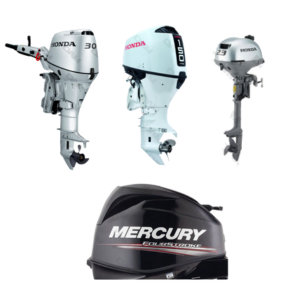


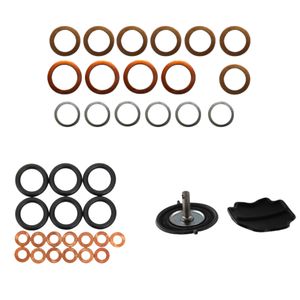
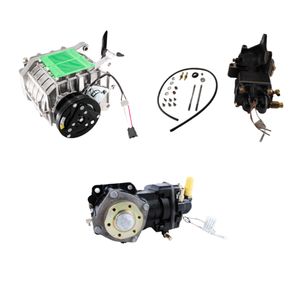
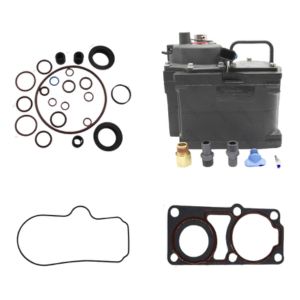
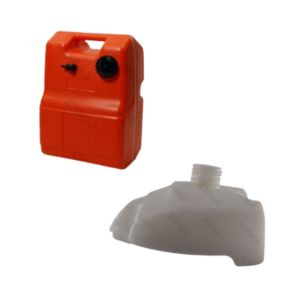




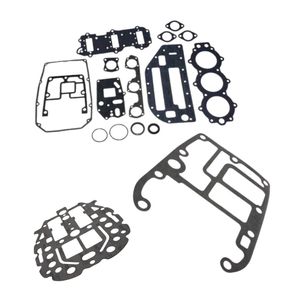
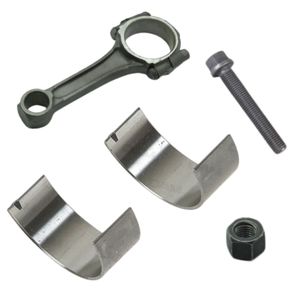
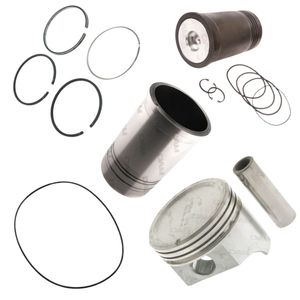
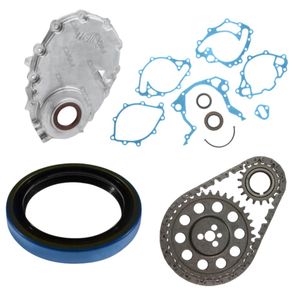


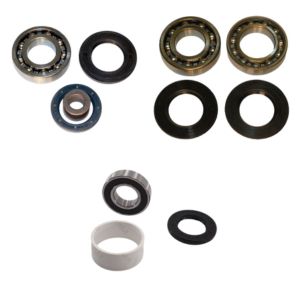
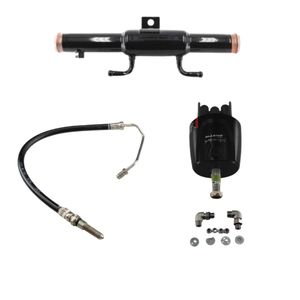
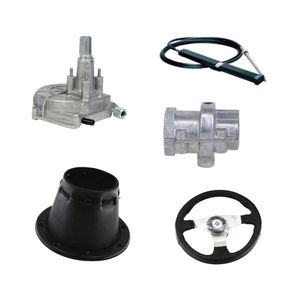
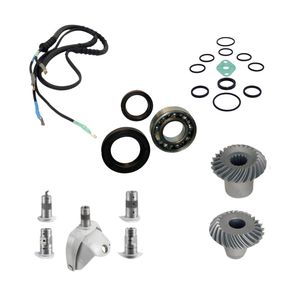
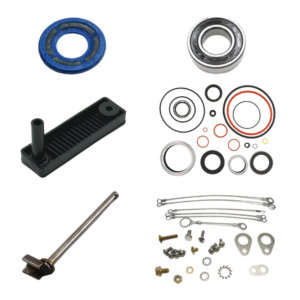
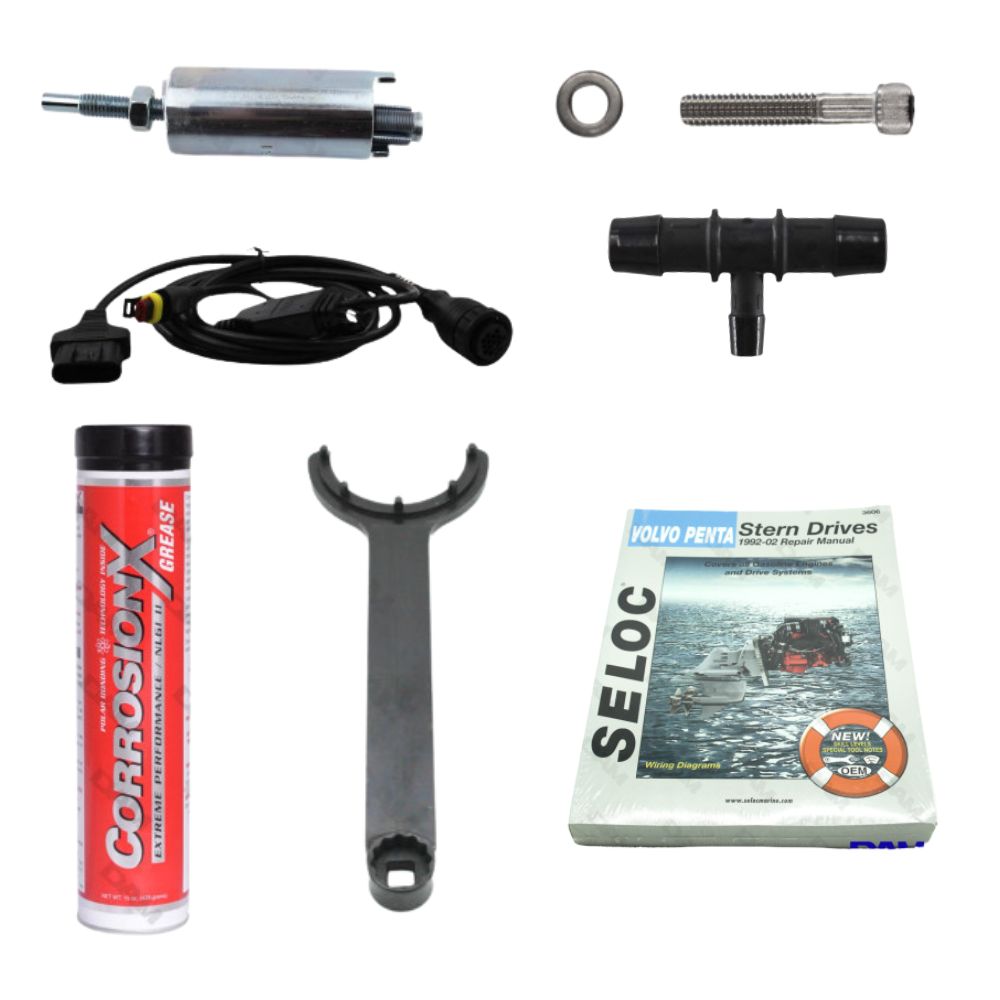
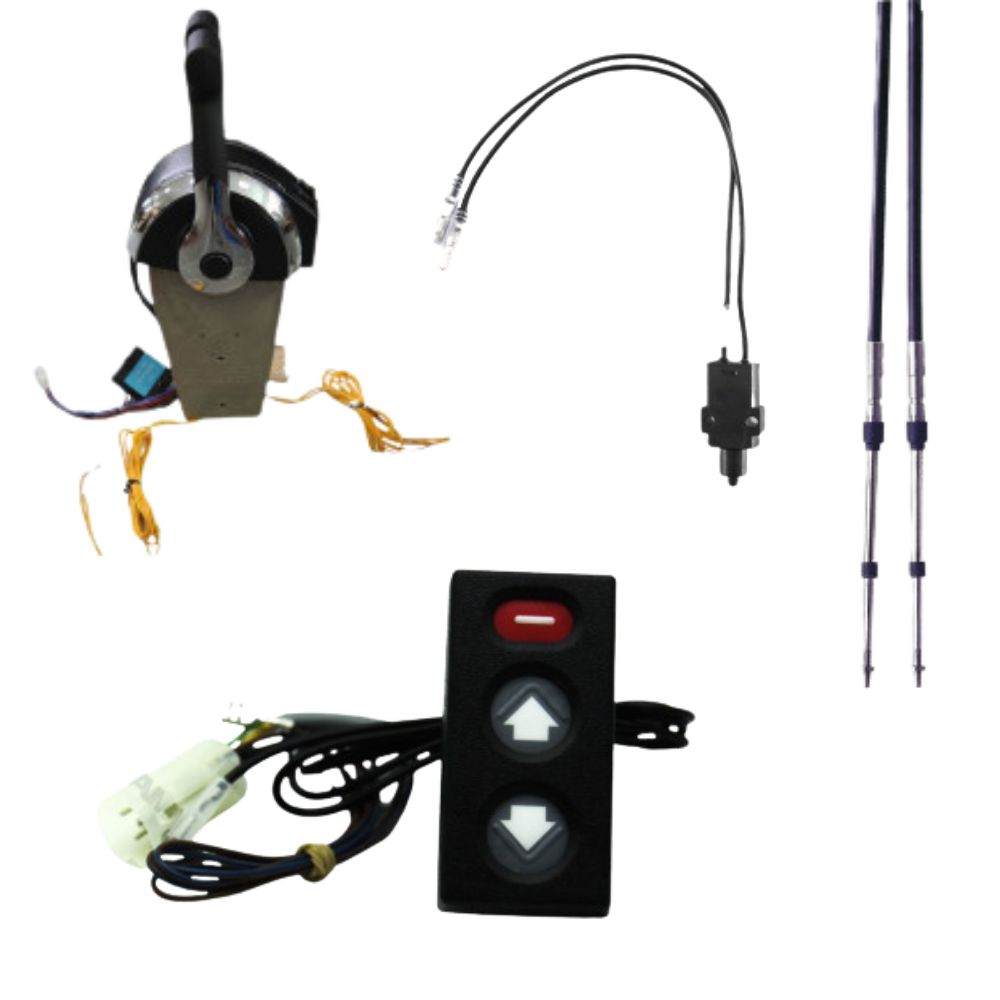
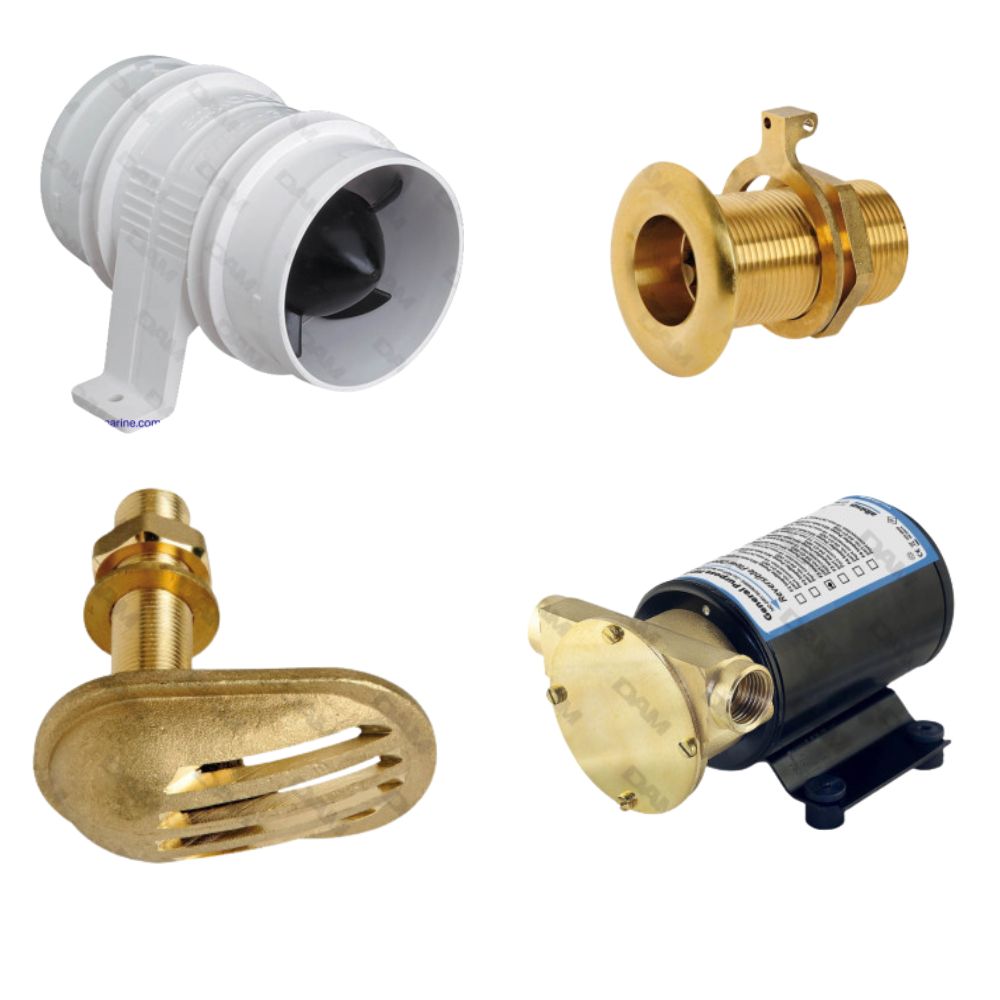


 Parts views
 Technical documents
 Ask for a quote
 Return request
How does a gasoline boat engine work?
Need parts to maintain a marine gasoline engine?
Filters, ignition parts, cooling parts, anodes and maintenance kits to start from a healthy base.
A gasoline boat engine is an internal combustion engine that burns an air/fuel mixture using a spark produced by the spark plugs. Its operation relies on three essential balances: clean fuel, reliable ignition and efficient cooling. Whether outboard or inboard, the basic principle remains similar, but installation, access to components, ventilation and transmission differ. The most common faults often come from the fuel circuit, ignition system, cooling system or seasonal maintenance.
- What is a gasoline boat engine?
- How does a gasoline boat engine work as an outboard or inboard?
- How do air, fuel and spark produce propulsion?
- What are the essential systems of a marine gasoline engine?
- Why is a gasoline boat engine not just a car engine?
- How should you start and use a gasoline boat engine without damaging it?
- Which symptoms help diagnose a boat engine fault?
- What maintenance should be planned to keep a marine gasoline engine reliable?
- What should you remember from this summary table?
- What common questions are asked about gasoline boat engines?
What is a gasoline boat engine?
A gasoline boat engine is an internal combustion engine adapted to the marine environment. It uses fuel, air and a spark to produce controlled combustion inside the cylinders, then converts this energy into rotation to drive the propeller.
In principle, it is similar to a car engine. But at sea, it operates in a much more demanding environment: constant humidity, salt water, corrosion, continuous load, vibrations, fuel stored on board and the need for water-based cooling. This marine adaptation explains the use of specific parts, corrosion protection and stricter safety rules, especially on gasoline inboard engines.
Is a marine gasoline engine always a 4-stroke engine?
Most recent gasoline engines are 4-stroke engines. They separate intake, compression, combustion and exhaust, making them more fuel-efficient, quieter and easier to use day to day.
Do 2-stroke engines still exist?
Yes, especially on older engines or for specific uses. A 2-stroke engine is simpler and responsive, but it requires particular attention to the fuel/oil mixture, lubrication and the overall condition of the fuel system.
Carburettor or fuel injection: what should you know?
A carburettor mechanically meters the air/fuel mixture. Fuel injection relies on sensors and an ECU to dose fuel more precisely. In both cases, fuel quality and proper filtration remain essential.
How does a gasoline boat engine work as an outboard or inboard?
The basic operation remains the same for outboards and inboards: the engine burns an air/fuel mixture, produces rotation, then this rotation is transmitted to the propeller. The real difference lies in engine location, transmission, maintenance access and safety constraints.
An outboard engine combines the engine block, transmission and propeller in a single unit mounted on the transom. An inboard engine is installed inside the boat and transmits power through a shaft line, stern drive or another setup depending on the boat. To compare the advantages and limits of each solution, the guide choosing between an inboard and an outboard engine is a useful complement.
What does an outboard change in everyday use?
An outboard is generally easier to access for routine checks. By opening the cowling, you can find the main components: ignition, fuel supply, pump, filters, hoses and controls.
What does a gasoline inboard change?
An inboard is located in an engine compartment. Access can be more restricted, heat is more present and ventilation becomes essential, because fuel vapours must never accumulate in an enclosed space.
How do you choose the right engine type?
The choice depends on the boat, boating programme, required power, maintenance budget and available space. The guide to choosing a boat engine helps define the right criteria before buying or replacing an engine.
How do air, fuel and spark produce propulsion?
A gasoline boat engine works through controlled combustion. Air enters the engine, fuel is metered and mixed with that air, and a spark plug triggers ignition at the right time. The combustion pushes the piston, the piston drives the crankshaft, and rotation is then transmitted to the propeller.
This chain may seem simple, but it requires precise timing. If fuel arrives poorly, if the spark is weak or if cooling is insufficient, the engine may lose power, stall, overheat or become unstable. This is why engine diagnosis often starts with three basics: fuel, ignition and cooling.
What happens during intake?
The piston moves down and the engine draws in air. Depending on the engine, fuel is added by a carburettor or injection system. The goal is to obtain a stable mixture that burns correctly.
Why is compression important?
The piston moves back up and compresses the air/fuel mixture. This compression makes combustion more efficient. Poor compression can cause hard starting, power loss or irregular engine operation.
What is the role of the spark?
The spark plug ignites the mixture at the right moment. A worn spark plug, weak coil or faulty lead can cause misfires, hesitation under acceleration or poor starting.
Once combustion has occurred, piston movement becomes rotation. This rotation then passes through the transmission before reaching the propeller. To understand the full chain between engine, transmission and thrust, you can read the guide on the operation of a boat propulsion system.
What are the essential systems of a marine gasoline engine?
A marine gasoline engine works thanks to several systems operating together. Fuel must arrive cleanly, air must circulate, ignition must provide a reliable spark, cooling must remove heat, oil must protect internal parts and electricity must power starting as well as modern components.
How does the fuel circuit work?
The fuel circuit carries gasoline from the tank to the engine. It usually includes hoses, a primer bulb on some outboards, a pump, filters and sometimes a water-separating filter. The guide on how a boat fuel circuit works explains this chain step by step.
Why filter fuel on board?
Fuel can contain water, deposits or impurities. A clogged filter or saturated separator can cause stalling, misfires or power loss. Fuel filters and water-separating filters are designed to reduce these risks.
What is the air intake for?
The intake allows the engine to breathe. If air does not flow correctly, combustion becomes less efficient. The engine may consume more fuel, lack response or run unevenly.
What is the role of ignition?
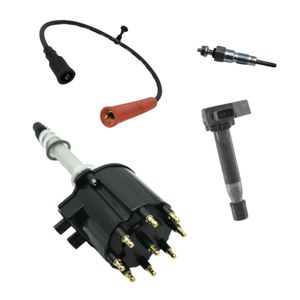
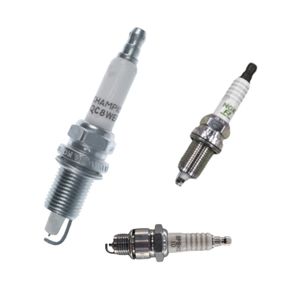
Ignition produces the spark required for combustion. It includes spark plugs, coils, leads, sensors and sometimes a distributor depending on the engine. The boat engine ignition category brings together the useful parts for maintaining this system.
How is the engine cooled?
Cooling removes the heat produced by combustion. On a boat, water is often drawn in and circulated by a pump and impeller. To go further, the guide on how a boat cooling circuit works explains the main components.
Why is the impeller so important?
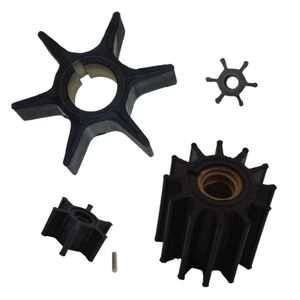
The water pump impeller provides the flow needed for cooling. If it is worn, cracked or destroyed, the engine can overheat quickly. Water pump impellers are parts that should be checked regularly.
What is lubrication for?
Oil protects moving internal parts, reduces friction and helps remove heat. Incorrect oil level, old oil or neglected oil changes can accelerate engine wear. If you notice suspicious traces, it is also useful to know what to do in case of a boat oil leak.
How does a wet exhaust work?
On many marine installations, exhaust gases are cooled with water. This system reduces temperatures, but it must prevent any water from flowing back into the engine, especially on some inboard setups.
Why is electricity essential?
The battery, starter motor, alternator, connections and kill switch determine starting reliability. On modern engines, low voltage can also disrupt injection, sensors or ignition. To place these elements within the whole onboard setup, the guide on how boat electricity works is a useful complement.
Unsure about your gasoline engine maintenance?
Identify your filters, ignition components, impeller and anodes before the season to avoid preventable failures.
Why is a gasoline boat engine not just a car engine?
A gasoline boat engine uses the same combustion principle as a car engine, but it faces very different constraints. It often runs for long periods under load, in a humid environment, with water-based cooling and much higher corrosion risks.
Why is corrosion such a central issue?
Salt water, humidity and different metals encourage corrosion. Anodes protect sensitive parts by corroding instead of them. To understand their role and choose the right material, you can also read the guide to types of boat anodes. You can find suitable parts in the engine and stern drive anodes or boat anode kits categories.
Why is engine load different at sea?
When boating, the engine works against the constant resistance of water. It may run for long periods at a steady rpm, unlike a car that alternates acceleration, deceleration and low-load phases.
Why does gasoline require extra care?
Gasoline produces flammable vapours. On a gasoline inboard engine, they can accumulate in the engine compartment if ventilation is insufficient. If you smell fuel, do not start the engine.
This difference in use also explains why symptoms should be taken seriously quickly. Slight overheating, vibration or loss of power can indicate a defect that worsens under load. If the engine behaves unusually, it is better to follow a diagnostic process rather than continue boating “to see what happens”.
How should you start and use a gasoline boat engine without damaging it?
A gasoline boat engine is preserved through a simple routine: check for the absence of fuel smell, verify the fuel supply, make sure the cooling system can operate, start without unnecessary revving, then monitor water flow, noise, vibrations and idle stability.
What should you check before starting?
Before starting the engine, check for any fuel smell, the visible condition of hoses, fuel level, battery, connections and cooling water intake. Regular checks also help with maintaining a boat battery and avoiding some false diagnoses. If the engine does not start, the boat engine will not start guide helps sort the causes.
What should you monitor just after starting?
Monitor idle, noise, smells, smoke and cooling. An unstable idle may come from fuel, an air leak, fouling or an ignition fault. The guide on a boat engine that does not hold idle details these possibilities.
How can you navigate without overloading the engine?
Allow the engine to warm up gradually, avoid harsh acceleration when cold and watch for any change in sound or behaviour. To reduce effort and fuel consumption, the guide using less fuel on board gives useful reference points.
Which symptoms help diagnose a boat engine fault?
The most useful symptoms for diagnosing a boat engine fault are hard starting, stalling, loss of power, overheating, smoke, vibration and unstable idle. Each sign points toward a family of causes: fuel, ignition, cooling, lubrication, transmission or propeller. If an alarm or dashboard light appears, the guide to understanding your boat warning lights helps prioritise checks.
Why does a gasoline engine stall?
An engine that stalls may lack fuel, draw air into the circuit, receive contaminated fuel or lose spark. For a clear method, read the boat engine stalls guide.
Why does the engine lose power?
Power loss can come from a clogged fuel filter, ignition fault, overheating, disturbed air intake or propeller issue. The boat engine power loss guide helps move forward step by step.
Why does the engine overheat?
Overheating often comes from insufficient water flow, a worn impeller, blocked water intake, stuck thermostat or clogged circuit. The boat engine overheating guide helps identify priority checks.
What does white, black or blue smoke mean?
White smoke may suggest steam or a cooling issue, black smoke may indicate a mixture that is too rich, and blue smoke may point to oil consumption. The boat engine smoking guide helps distinguish between cases.
Where can vibrations come from?
Vibrations can come from the engine, mounts, alignment, transmission or propeller. Propeller impact, imbalance or worn mounting can be enough. The boat engine vibration guide helps avoid confusing the possible causes.
How can you confirm a fuel problem?
Misfires, stalling or irregular power may come from contaminated fuel, a clogged filter or an air leak. The faulty boat fuel circuit checklist helps verify the logical points.
If the diagnosis goes beyond simple checks, especially in case of fuel leaks, repeated overheating, persistent smoke or recurring electrical faults, it is better to frame the intervention properly. The boat engine repair guide gives reference points on diagnosis, costs and the choice between repair and replacement.
What maintenance should be planned to keep a marine gasoline engine reliable?
Maintenance for a marine gasoline engine should focus on the parts most affected by the boating environment: fuel, filters, spark plugs, cooling, impeller, oil, anodes, hoses, electrical connections and checks before or after the season.
What checks should be done before the season?
Before returning to use, check the fuel, filters, battery, connections, ignition, visible hose condition, cooling system and anodes. The guide de-winterizing a boat helps you restart methodically.
Which parts should be replaced regularly?
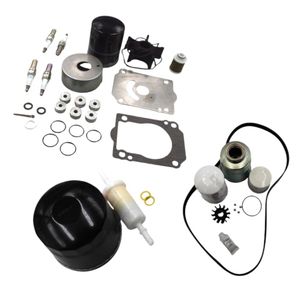
Spark plugs, filters, oils, seals, impellers and anodes depend on the engine and usage. Engine maintenance kits make it easier to bring everything up to standard depending on the model.
Why prepare for winterization?
Winterization protects the engine during storage: fuel, flushing, frost protection depending on the area, battery, corrosion and storage conditions. The boat winterization guide helps avoid unpleasant surprises in spring.
The propeller is not part of the engine itself, but it directly affects rpm, load and performance. A damaged, unsuitable or fouled propeller can make the engine feel weak even when the issue comes from propulsion. The guide on how a boat propeller works is a useful complement, as is the guide to boat propeller maintenance.
Finally, to order the right parts, you often need to identify the engine precisely. The serial number helps avoid reference errors, especially for ignition, cooling or maintenance parts. The guide finding your boat engine serial number helps locate it.
What should you remember from this summary table?
This table summarizes the main systems of a gasoline boat engine, their role, the symptoms to watch for and the first useful checks. It helps you reason simply before buying a part or dismantling unnecessarily.
| System | Role | Common symptoms | First useful check | DAM Marine selections |
|---|---|---|---|---|
| Fuel | Deliver clean and regular fuel to the engine. | Hard starting, stalling, misfires, loss of power. | Filters, separator, hoses, air leak, water presence. | Fuel filters |
| Ignition | Create the spark at the right time in the cylinders. | Misfires, hesitation under acceleration, irregular starting. | Spark plugs, leads, coils, connections. | Ignition |
| Cooling | Remove the heat produced by combustion. | Overheating, temperature alarm, steam, power loss. | Water flow, impeller, pump, water intake, thermostat. | Cooling |
| Lubrication | Reduce friction and protect internal parts. | Noises, heat, wear, possible blue smoke. | Oil level, oil condition, oil change interval. | Engine maintenance kits |
| Exhaust | Evacuate burnt gases, often with water cooling. | Abnormal smoke, smell, unusual noise. | Smoke colour, temperature, relation with cooling. | Depending on engine setup |
| Anodes | Limit corrosion on exposed metal parts. | Visible corrosion, rapid wear of submerged parts. | Condition, suitable material, replacement if too worn. | Engine & stern drive anodes |
| Propulsion | Turn engine rotation into thrust in the water. | Vibrations, abnormal rpm, boat struggling to plane. | Propeller condition, transmission, alignment, boat load. | Depending on propeller and engine |
What common questions are asked about gasoline boat engines?
The most common questions concern consumption, the difference with diesel, fuel problems, the impeller, smoke and the safety of gasoline inboard engines.
Does a gasoline boat engine always consume more than a diesel?
For comparable use, a diesel is often more fuel-efficient, especially on long passages under load. But consumption also depends on the hull, propeller, onboard weight, cruising rpm and engine maintenance condition.
What is the main difference between a gasoline and diesel marine engine?
A gasoline engine uses a spark plug to ignite the air/fuel mixture. A diesel engine ignites through compression, without a spark. Both share common needs, such as clean fuel, cooling and lubrication, but their combustion and injection systems differ. To compare them, read the guide how a diesel marine engine works.
Why does water in gasoline cause so many faults?
Water disrupts combustion, encourages misfires, can make the engine stall and accelerates corrosion in some parts. A well-maintained water-separating filter greatly reduces this risk, but it must be checked regularly.
When should a water pump impeller be replaced?
The interval depends on use, water conditions, impeller age and engine recommendations. Without reliable service history, it is often wise to start the season with a new impeller. Reduced water flow or overheating should always be taken seriously.
Is white smoke always serious on a gasoline boat engine?
Not always, but it should not be ignored. It may be linked to steam, a cooling issue or a specific exhaust setup. This symptom must be compared with engine temperature, power loss and any unusual smell.
Why must a gasoline inboard engine compartment be ventilated?
Because gasoline vapours are flammable and can accumulate in a closed compartment. Before starting, ventilate, check for suspicious odours and never start the engine if you suspect a fuel leak.
Prepare your gasoline engine before your next trip.
Filters, impellers, ignition parts, anodes and maintenance kits: DAM Marine helps you find the right parts.