


 Catalog
 Exploded views
















 Honda Marine
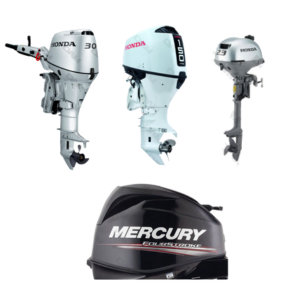


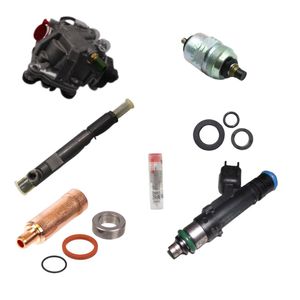
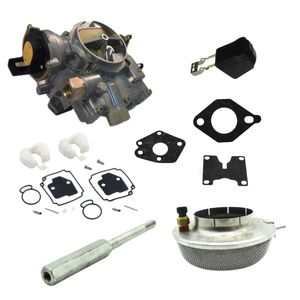
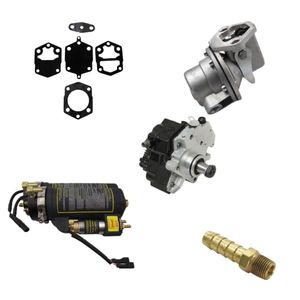
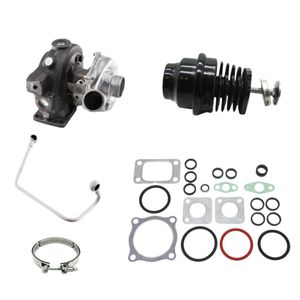
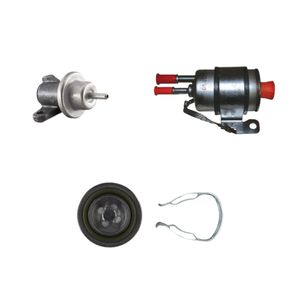
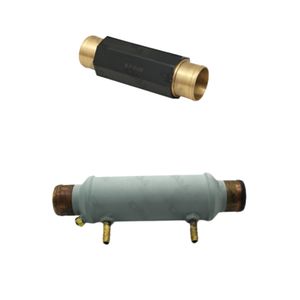
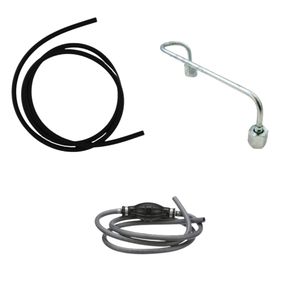
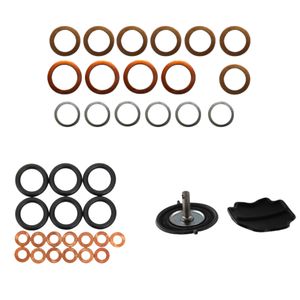
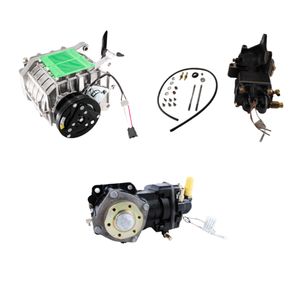
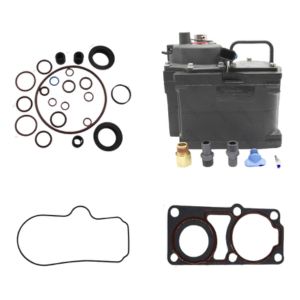
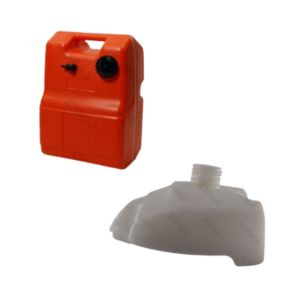




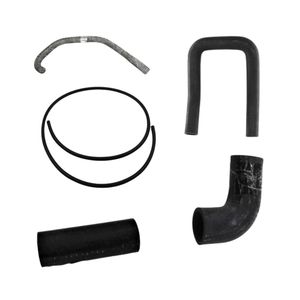
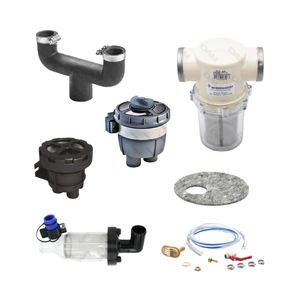
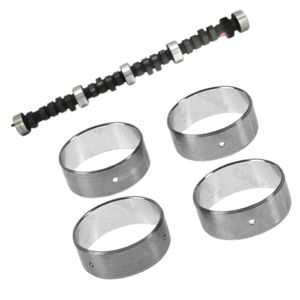
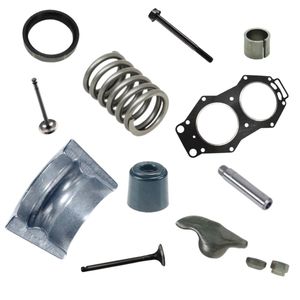
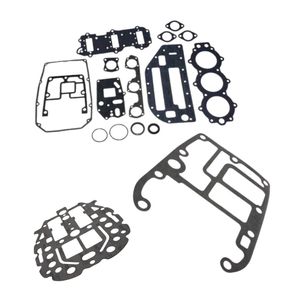
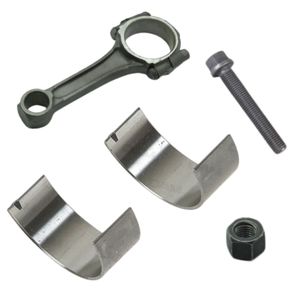
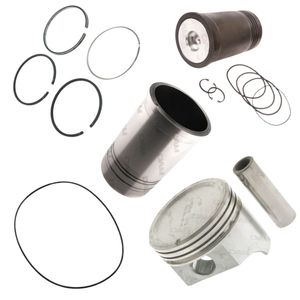
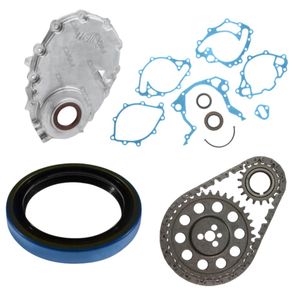

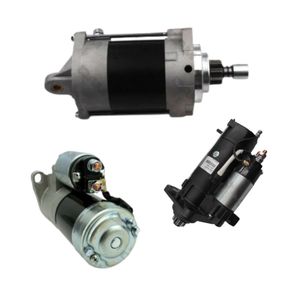
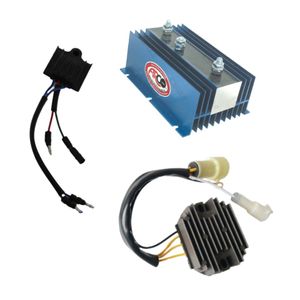
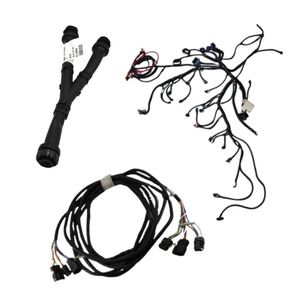
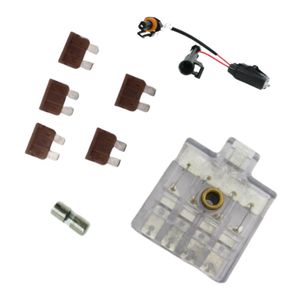
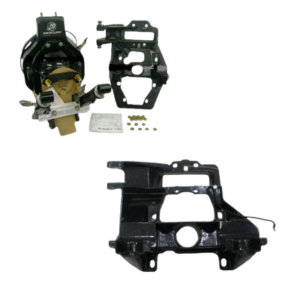
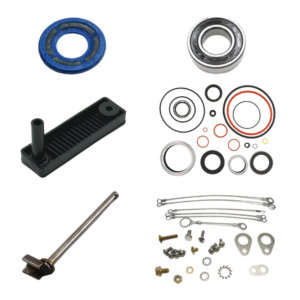
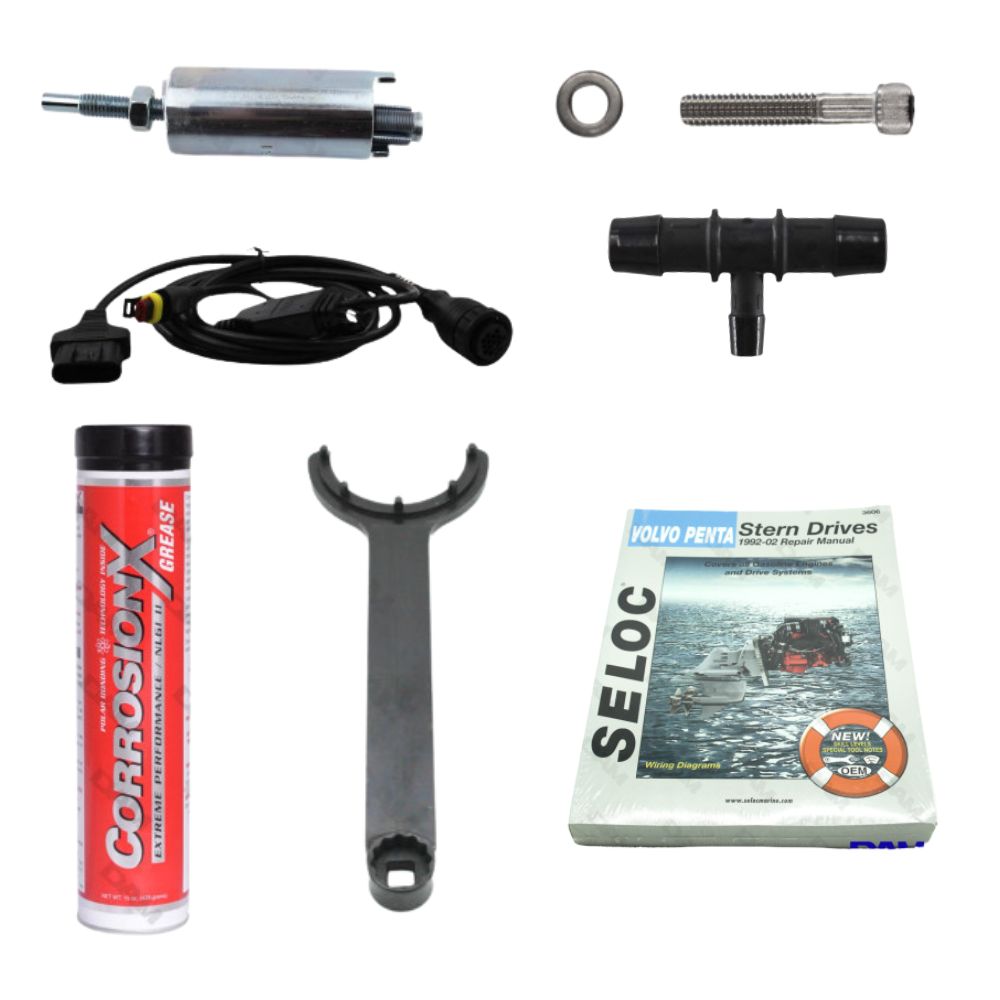
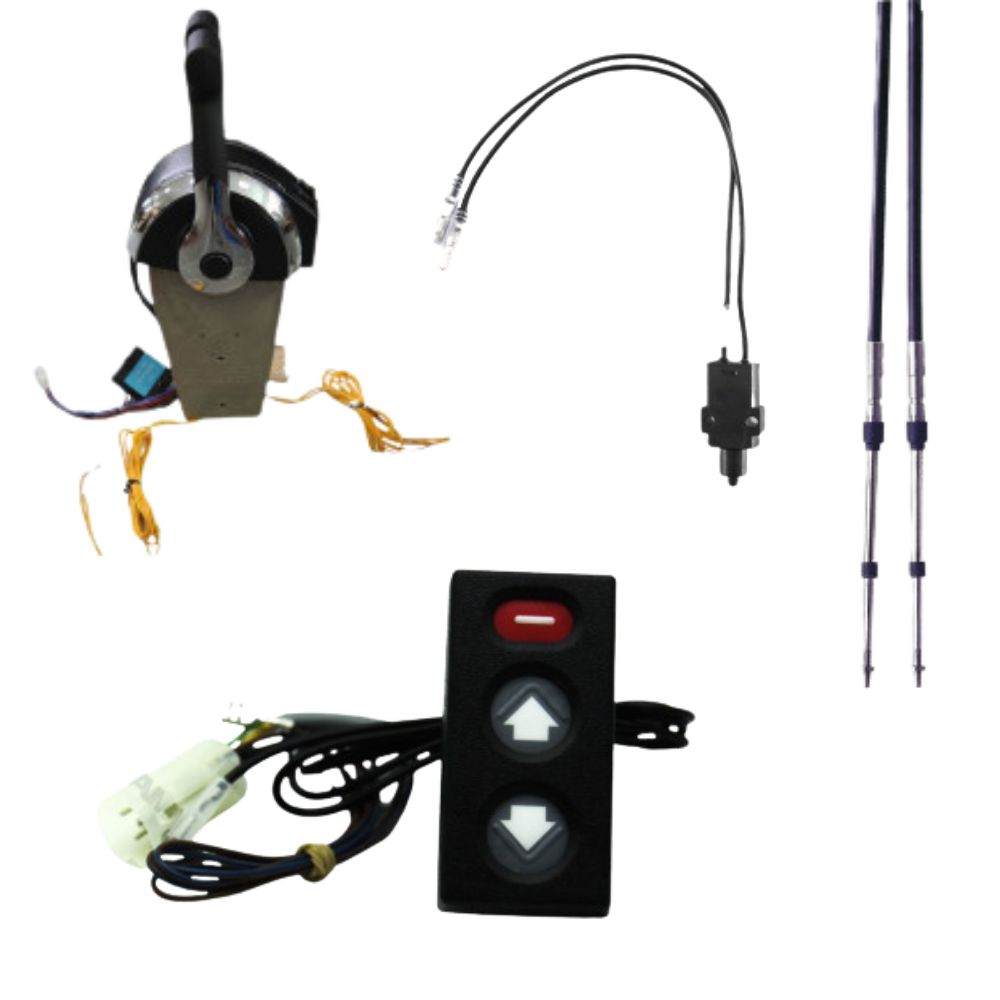



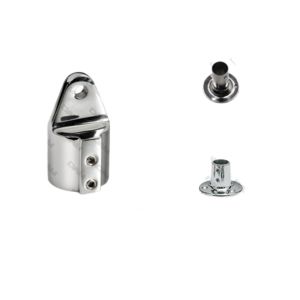
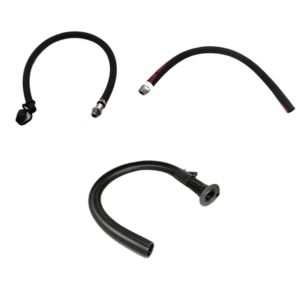
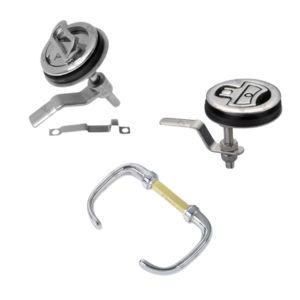
 Parts views
 Technical documents
 Ask for a quote
 Return request
How does a marine diesel engine work?
Need a part to maintain your marine diesel engine?Filters, impellers, oils, thermostats, hoses, batteries and engine parts are available from DAM Marine.
View engine partsA marine diesel engine works by compression ignition: air is compressed, heats up sharply, then the injected diesel fuel ignites without a spark plug. Its proper operation mainly depends on clean fuel, good air intake, efficient cooling, correct lubrication and a healthy exhaust system. On board, the most common faults often come from a clogged filter, an air leak, a worn raw-water pump impeller, a dirty heat exchanger or an electrical fault. Understanding these systems helps you use the engine properly, identify early symptoms and avoid costly damage.
Why does a marine diesel engine ignite without a spark plug?
A marine diesel engine ignites without a spark plug because it uses compression ignition. The piston strongly compresses the air inside the cylinder, which heats it, then the injector sprays diesel fuel into fine droplets; when this fuel meets the very hot air, it burns and pushes the piston down.
Most leisure marine diesel engines are four-stroke engines. The principle is easy to remember: the engine needs enough air, clean diesel fuel, precise injection and controlled temperature. When one of these elements is missing, the engine may become hard to start, smoke, overheat, vibrate or lose power.
What happens during the intake stroke?
The piston moves down and draws filtered air into the cylinder. On a turbocharged engine, the turbocharger increases the amount of intake air to improve cylinder filling and power.
Why is compression essential?
The piston moves back up and compresses the air. This compression raises the temperature sharply, allowing the diesel fuel to ignite without a spark when injection occurs.
How does combustion produce power?
The injector sprays fuel at the right moment. Combustion pushes the piston down, then the burnt gases are expelled during the exhaust stroke.
What makes a diesel engine truly marine?
A diesel engine becomes marine when it is adapted to the boat environment: humidity, salt, corrosion, a confined engine compartment, seawater cooling and transmission to a propeller. It is therefore not just an engine block: it is a complete assembly designed to work in a demanding environment.
The main adaptations concern cooling, exhaust, corrosion protection, especially boat anodes, and transmission. On many boats, the engine is cooled by an internal circuit and a seawater circuit, then the exhaust gases are cooled by water injection into the line.
Why is marine cooling so specific?
The engine often uses an internal coolant and a heat exchanger crossed by seawater. To go further on this topic, the operation of a boat cooling circuit deserves special attention.
What is a wet exhaust used for?
Seawater is mixed with the exhaust gases at the exhaust elbow. This cools the line, reduces thermal stress and makes the passage of gases through the boat safer.
What role does marine transmission play?
The transmission turns engine rotation into propulsion: gearbox, shaft line, saildrive or sterndrive depending on the boat. The boat propulsion system therefore directly completes the engine’s operation.
Which systems make up a marine diesel engine?
A marine diesel engine works thanks to several systems operating together: fuel, air, injection, lubrication, cooling, exhaust, electricity and propulsion. To understand a fault, you rarely need to look at just one isolated part; you need to follow the logical path of each system.
How does the fuel system work?
Diesel fuel leaves the tank, passes through a pre-filter or water separator, then through a fine filter before reaching the pump and injectors. A boat fuel circuit must remain clean, properly bled and perfectly airtight.
- Tank, vent and gauge.
- Pre-filter, water separator and fine filter.
- Lift pump, high-pressure pump and injectors.
- Hoses and fittings with no air leaks.
Why is injection the heart of a diesel engine?
Injection sends the right amount of diesel fuel, at the right time and under the right pressure. If it becomes dirty or if the fuel supply is poor, the engine may be hard to start, lack power, smoke or run unevenly.
Why does air intake matter so much?
Without air, combustion becomes poor. A clogged air filter, a poorly ventilated engine compartment or a tired turbo can cause smoke, poor acceleration and excessive fuel consumption. On a turbocharged engine, a turbocharger to replace must be diagnosed methodically.
What is lubrication used for?
Oil reduces friction, protects internal parts and helps control temperature. Oil level, the oil filter and oil pressure must be checked regularly; a pressure alarm means the engine must be stopped.
Why is cooling critical?
Cooling keeps the temperature stable. A closed seacock, blocked strainer, damaged impeller or fouled heat exchanger can quickly cause overheating.
What should you monitor on the exhaust side?
The exhaust elbow, hoses, clamps, waterlock and anti-siphon device must remain in good condition. A partially blocked exhaust can cause smoke, abnormal noise, overheating or loss of power.
Why does electricity remain essential?
Even without spark plugs, a diesel engine depends on the battery, battery switch, starter motor, alternator and instrument panel. Voltage that is too low can sometimes be enough to prevent starting. The guide to how boat electricity works is a useful complement here.
What is the link between engine, gearbox and propeller?
The engine produces rotation, but the gearbox, shaft, saildrive or sterndrive transmits it to the propeller. To understand the final step, read the guide to how a boat propeller works.
Unsure about fuel, cooling or exhaust?Start with consumables and wear parts: filters, separator, impeller, thermostat, hoses and clamps.
Find the partsHow should you start a boat diesel engine properly?
Starting a boat diesel engine properly means checking the essentials before turning the key, then allowing the engine to stabilize before applying load. This simple routine prevents many faults linked to cooling, fuel or electricity.
Before starting, check that the seacock is open, the strainer is not clogged, the oil level is correct and no leak or abnormal smell is visible in the engine compartment. Also check the battery, terminals and battery switch, while following the basics of boat battery maintenance, because a weak starter can feel like an engine fault.
When starting, avoid cranking the starter for too long. Use short attempts and allow preheating to work if your engine has it. As soon as the engine runs, monitor oil pressure, temperature and water flow at the exhaust when your installation allows it.
How should you use a marine diesel engine on board?
A marine diesel engine is used properly by warming it up gradually, avoiding unnecessarily long idling periods and regularly monitoring the gauges. It likes to operate in clean conditions: healthy fuel, maintained filters, proper ventilation and efficient cooling.
Let the engine reach its operating temperature before asking for high load. Once underway, keep an eye on temperature, oil pressure, electrical charge and unusual noises. If you also want to improve the boat’s overall efficiency, the guide on how to use less fuel on board complements this logic well.
During prolonged shutdowns, follow the manufacturer’s recommendations. An engine that runs briefly without reaching the right temperature can sometimes foul more than it preserves itself. For long-term immobilization, boat winterization remains the most reliable way to protect the engine and its circuits. When the season starts again, the guide to de-winterising a boat helps restart everything methodically.
Which warning signs should you monitor on a marine diesel engine?
The main warning signs are difficult starting, stalling, unstable idle, loss of power, overheating, abnormal smoke, vibration or an oil pressure alarm. The right reflex is to start with simple causes before assuming a major failure.
What should you check if the engine starts poorly or stalls?
Start with the fuel circuit: clogged filter, water-filled separator, air leak, porous hose or incomplete bleeding. If the boat engine will not start or if the boat engine stalls, these checks are priorities.
How should you react to a loss of power?
A boat engine power loss can come from lack of fuel, lack of air, a blocked exhaust, a fouled propeller or excessive temperature.
Why must overheating be handled quickly?
Boat engine overheating can damage the engine. Reduce load, secure navigation, then check the seacock, strainer, impeller, heat exchanger and thermostat.
What does abnormal smoke mean?
White, black or blue smoke often indicates an imbalance between air, fuel, temperature or oil. The guide on a smoking boat engine helps refine the diagnosis.
Why does the engine vibrate?
A boat engine vibration may come from the engine, mounts, shaft line, propeller, an injector or uneven running. You need to distinguish engine vibration from propulsion vibration.
When should you consider a repair?
If symptoms persist after simple checks, you need to move on to mechanical diagnosis. The guide to boat engine repair helps you reason between maintenance, repair and replacement.
What maintenance should you plan for a marine diesel engine?
Marine diesel engine maintenance must be regular, preventive and adapted to engine hours as well as the seasons. Frequent checks prevent unpleasant surprises, while replacing consumables protects injection, cooling and lubrication.
Before every trip, visually check the engine compartment, levels, belts, leaks, clamps, strainer and alarms. At regular intervals, replace fuel filters, the oil filter, engine oil, the raw-water pump impeller and the parts recommended by the manufacturer.
The fuel circuit deserves particular attention. If you suspect water in the diesel fuel, air in a hose, clogged filters or irregular supply, read the guide to identifying a faulty boat fuel circuit.
Which consumables should be replaced regularly?
Fuel filters, oil filter, engine oil, raw-water pump impeller, belts, possible anodes, tired hoses and seals depending on the installation.
What checks should you carry out in the engine compartment?
Look for leak traces, diesel smells, cracked hoses, oxidized clamps, oil seepage, corrosion around the exhaust elbow and unusual noises.
Why should you record engine hours?
Engine hours help plan oil changes, filters and wear parts. Maintenance recorded in a logbook avoids omissions and makes diagnosis easier in the event of a fault.
Which table should you remember to diagnose a marine diesel engine quickly?
The table below summarizes the main systems of a marine diesel engine, their role, common symptoms and the first checks to carry out. It does not replace the manufacturer’s manual, but it gives a simple method for reasoning before intervening.
Summary table| System | Role | Common symptoms | First checks | Useful parts |
|---|---|---|---|---|
| Fuel | Supply the engine with clean diesel fuel, without water or air. | Difficult starting, stalling, unstable idle, loss of power. | Separator, filters, bleeding, hoses, air leaks. | Diesel filters |
| Air intake | Provide enough clean air to ensure combustion. | Black smoke, poor acceleration, high consumption. | Air filter, engine compartment ventilation, turbo, hoses. | Air filters |
| Lubrication | Reduce friction and protect internal parts. | Oil pressure alarm, abnormal noise, heating. | Level, filter, leak, oil quality. | Engine oils |
| Cooling | Keep engine temperature within the right range. | Overheating, temperature alarm, very hot exhaust. | Seacock, strainer, impeller, heat exchanger, thermostat. | Impellers |
| Exhaust | Evacuate gases and cool the line on a wet exhaust. | Smoke, loss of power, noise, high temperature. | Elbow, hoses, clamps, waterlock, anti-siphon. | Exhaust hoses |
| Electricity | Start, recharge and transmit alarms. | Weak starter, low voltage, charging alarm. | Battery, terminals, battery switch, alternator, fuses. | Marine batteries |
Which additional questions should you ask about marine diesel engine operation?
These questions complete the points about operation, use and maintenance of a marine diesel engine. They clarify frequent cases without repeating the detailed diagnosis from the previous sections.
FAQWhat is the difference between an inboard diesel engine and an outboard?
An inboard diesel engine is installed inside the boat and transmits its power to a shaft line, saildrive or sterndrive. An outboard is mounted outside the transom. To compare these configurations, the inboard or outboard guide explains the main criteria.
Does a marine diesel engine last longer than a petrol engine?
A marine diesel can last a long time when properly maintained, correctly cooled and supplied with clean fuel. Comparing it with how a petrol boat engine works mainly shows that the technologies, constraints and maintenance are not identical.
Should you use an additive in marine diesel fuel?
An additive can be useful depending on storage, fuel quality and the manufacturer’s recommendations. It does not replace a healthy tank, an efficient separator and filters replaced at the right time.
Why does a marine diesel engine smoke on start-up?
When cold, combustion may be less clean, especially if the temperature is low or if the fuel vaporizes poorly. Light smoke may be normal, but dense, persistent smoke or smoke associated with power loss must be checked.
When should the raw-water pump impeller be replaced?
The impeller is a wear part. It should be replaced preventively according to engine hours, season and manufacturer recommendations. Reduced water flow at the exhaust or rising temperature are warning signs.
Which instruments should you monitor first on the dashboard?
The most important ones are engine temperature, oil pressure and voltage or electrical charging. An alarm on one of these points must be taken seriously: the guide to understanding your boat warning lights can help interpret the signal. It is better to reduce speed or stop than to continue hoping the warning light will disappear.
How can you find the exact references for your engine?
References depend on the brand, model and serial number. The guide to finding your boat engine serial number helps identify the right parts more easily.
DAM Marine supports you with your boat engine partsIdentify your setup, check the symptoms and find parts suited to your marine diesel engine.
Contact DAM Marine