


 Catalog
 Exploded views
















 Honda Marine
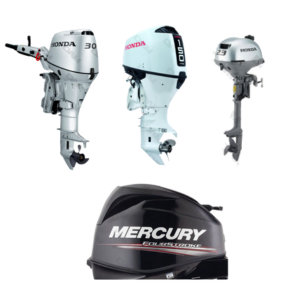


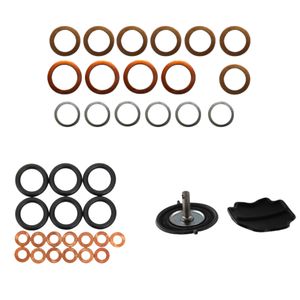
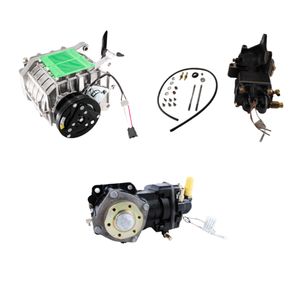
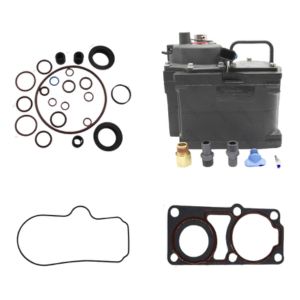
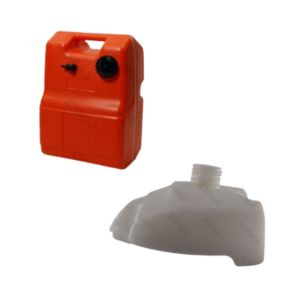
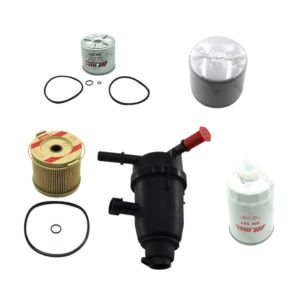


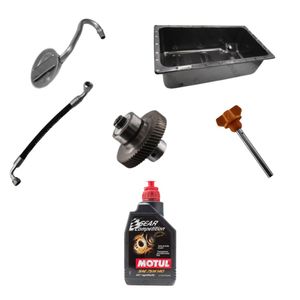
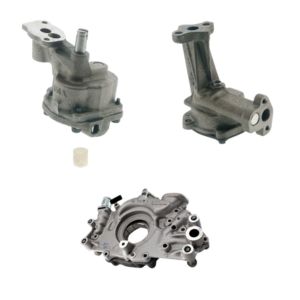



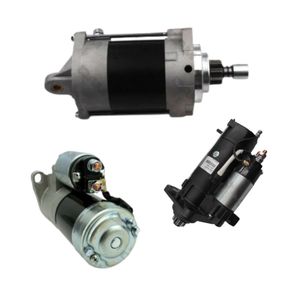
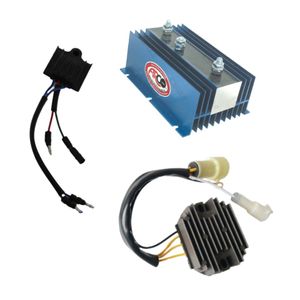
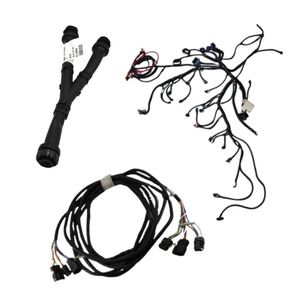
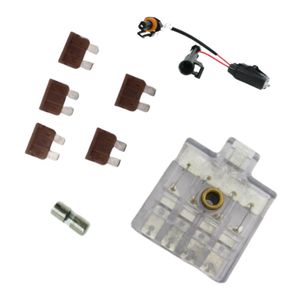

 Parts views
 Technical documents
 Ask for a quote
 Return request
Write down the brand, power, model and serial number: this information makes compatibility checks faster and more reliable.
A boat engine serial number is the identifier used to recognise an outboard, inboard or sterndrive engine precisely. It is most often found on a manufacturer’s plate, a label, the engine block, the transom bracket or the boat’s documents. It helps you order the right parts, avoid compatibility mistakes and make diagnosis easier. The right reflex is to record the whole plate, not just one isolated line.
Where can you quickly find a boat engine serial number?
A boat engine serial number is first found on the manufacturer’s plate or the engine identification label. If it is not visible, check the engine bracket, the block, the sterndrive unit if fitted, and the boat’s documents.
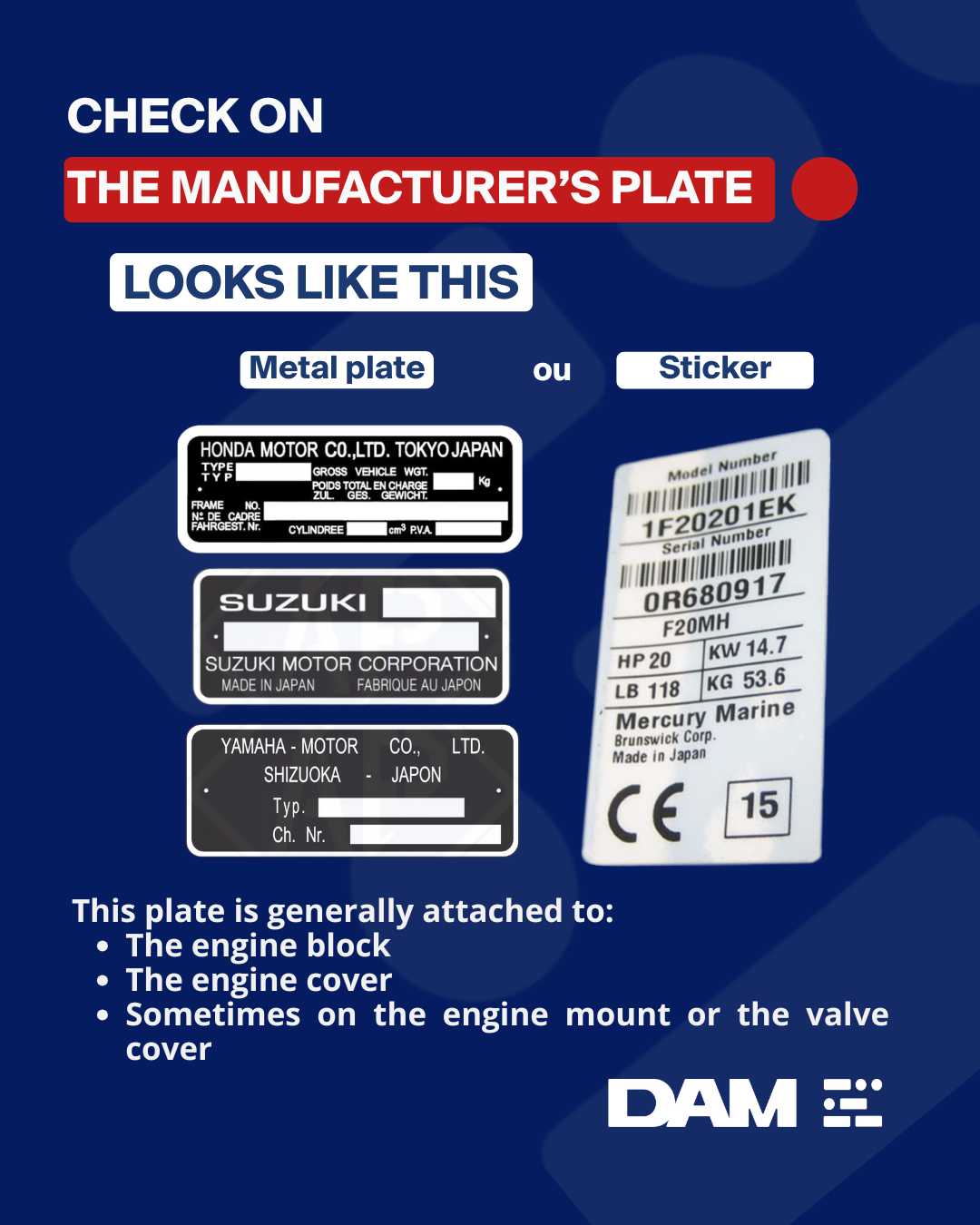
- Manufacturer’s plate: a metal plate or label, often the most reliable source.
- Mounting bracket: very common on outboard engines, near the transom.
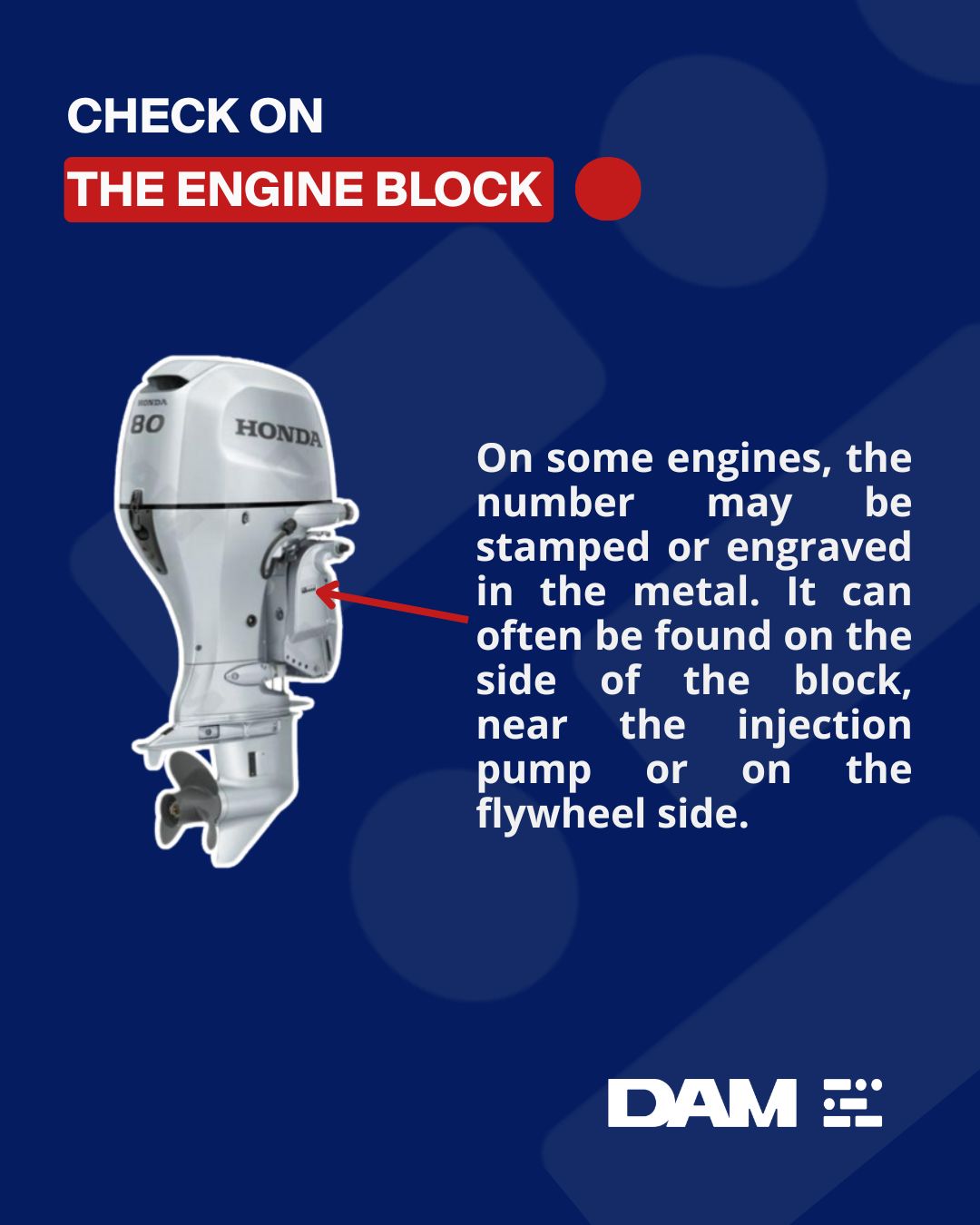
- Engine block: the number may be stamped, engraved or shown on an internal label.
- Sterndrive unit: useful on sterndrive installations, especially for identifying sterndrive parts.
- Documents: service log, invoice, manufacturer file or a previous parts order.
In practice, take a clear photo of every marking you find. An incomplete or wrongly copied number can be enough to point you towards the wrong reference.
Why is a boat engine serial number essential?
The serial number is essential because it distinguishes between two engines that may look identical, but use different parts depending on the year, series, sterndrive, fuel system or generation.
Two engines from the same brand and with the same power rating may have a different water pump, filtration system, ignition system or anode references. The serial number therefore greatly reduces the risk of error, especially when ordering a maintenance part or a technical component.
It is also valuable during diagnosis. If you are looking for a part after a failure, a boat engine that will not start, a boat engine power loss or a boat engine overheating issue, exact engine identification prevents you from following the wrong lead. The guide on a boat engine that will not idle also completes the symptoms worth reporting.
What is the difference between an engine serial number, model number and CIN/HIN?
The serial number identifies the engine, while the model number usually describes a family or configuration. The CIN/HIN relates to the boat hull: it does not replace the engine serial number.
What is the engine serial number used for?
It identifies the individual engine. It is the most useful information for checking part compatibility, finding an exploded view or confirming a generation.
What is the model number used for?
It indicates an engine family: power, version, shaft, fuel system or configuration. It is useful, but less precise than a serial number.
What is the CIN/HIN used for?
It identifies the boat hull. CIN is the common European term; HIN is widely used in North America. It is not an engine number.
The right reflex is simple: for an engine part, record the engine serial number. For a question linked to the hull, registration or boat history, the CIN/HIN may be useful as additional information.
Where should you look for the manufacturer’s plate on a boat engine?
The manufacturer’s plate should be searched for on fixed, visible and relatively protected areas of the engine. It may be riveted, glued, engraved or printed as a label.
Which areas should you check first?
Check the engine block, engine cover, engine bracket, valve cover and flat areas near accessories.
What does the plate usually contain?
It may show the brand, model, serial number, power rating and sometimes the year or a manufacturing code.
How can you make it easier to read?
Use a soft cloth, a lamp and a clear photo. Side lighting often reveals faded or raised characters.
Avoid sanding, scraping or using harsh products. A damaged plate can become completely unreadable, even though it still contained enough information to identify the engine.
Where is the serial number on an outboard engine?
On an outboard engine, the serial number is often found on the transom bracket, the pivot area or under the cowling. The exact location varies depending on the brand and generation.
Start by setting the engine straight, then inspect both sides of the bracket. The plate may be placed on a side face, on a vertical metal part or close to the rotation axis.
Note: if you are choosing between several types of propulsion, the article on choosing between an inboard and outboard engine helps explain the differences in installation and maintenance.
Where can you find the serial number on a diesel or petrol inboard engine?
On an inboard engine, the serial number is generally found on a plate attached to the engine block or on an area close to the accessories. Access may be less obvious than on an outboard, because the plate can be hidden by a hose, heat exchanger or wiring harness.
Inspect the side of the block, the front of the engine, the area near the starter motor, the valve cover and accessible flat parts. On some engines, a marking may also be stamped directly into the metal.
What about a marine diesel engine?
The plate is often on the block or near peripheral components. To better understand the technical reference points, read the guide on how a marine diesel engine works.
What about a petrol engine?
The plate may be located on the block, near the ignition system or accessories. The guide on how a petrol boat engine works helps locate the main components.
If you are looking for the number after an engine issue, also note the symptoms observed. A boat engine that stalls, a boat engine that vibrates or a smoking boat engine will not lead to the same checks.
Where can you find the identification on a sterndrive unit?
The identification of a sterndrive unit may be found on the rear, side or a flat area of the drive. It is useful when the part you are looking for depends as much on the transmission as on the engine.
On an inboard installation with a sterndrive, do not stop at the engine block. Some parts relate directly to the sterndrive: impeller, bellows, seals, anodes, boat propeller maintenance or transmission components. In this case, both the engine number and the sterndrive identification may be requested.
If you are working on the full transmission chain, the guide on how a boat propulsion system works gives a useful overview.
Which documents may contain the boat engine serial number?
The boat’s documents may contain the engine serial number if the plate is missing, damaged or inaccessible. This is often the best backup option before dismantling anything.
- Engine or boat purchase invoice: it may include the brand, power, model and serial number.
- Service log: professionals sometimes record the engine identification there.
- Manufacturer file: manuals, technical sheets, certificates or delivery documents.
- Old repair invoices: they may show the engine reference used for a previous order.
- Old photos: a photo of the engine taken before wear or repainting can sometimes save the identification.
If identification is being done when getting the boat back into service, the guide to dewinterising a boat also helps organise checks before ordering.
Still check that the document actually matches the engine currently installed. A boat may have been repowered, and the old file does not always reflect the real configuration.
How can you record a boat engine serial number without making a mistake?
To record the serial number correctly, photograph the entire plate, copy all visible lines and clearly separate the serial number from the model, power rating and other codes.
What exactly should you write down?
Record the brand, power, model, serial number, fuel type, year if shown, and any reference written on the sterndrive.
Why photograph the complete plate?
Because a professional may spot useful information you had not identified: model code, variant, generation or sterndrive indication.
Which mistakes should you avoid?
Avoid confusing 0 and O, 1 and I, 5 and S. Do not remove hyphens, spaces or prefixes if they appear on the plate.
Prepare a clear photo of the plate and the information recorded before making your request: identification will be faster and more reliable.
How can you use the serial number to order the right parts?
The serial number is used to check that the part matches the engine generation and configuration. It should be provided with the brand, power and model when you request a reference. You can also use spare parts by brand to start from the engine brand before narrowing down references.
This information is particularly useful for parts that change between series: impellers, pumps, filters, gaskets, ignition parts, types of boat anodes, heat exchangers, fuel system components or cooling parts.
To better understand the subassemblies involved, you can read the guides on how a boat fuel system works and how a boat cooling system works.
Also read, depending on your need: if engine identification is part of a broader overhaul, the guide on boat engine repair helps structure the diagnosis. And if you are preparing a complete repowering project, the guide to choosing a boat engine explains the main criteria to compare.
What should you do if the boat engine serial number is unreadable or missing?
If the serial number is unreadable or missing, combine several clues: partial plate, documents, photos, marking on the block, sterndrive identification, visible characteristics and maintenance history.
- Clean gently: damp cloth, side lighting, no aggressive scraping.
- Photograph what remains readable: even a partial line can guide identification.
- Look for documents: invoices, service log, old quote, previous parts order.
- List the visible characteristics: brand, power, fuel, number of cylinders, sterndrive type, accessories.
- Avoid guesswork: an “almost compatible” part can cause a failure, leak or premature wear.
If a warning light or alarm accompanies the fault, the guide to understanding your boat warning lights can complete the information to provide.
In some cases, the solution comes from cross-checking several pieces of information. The more elements you provide, the more reliable the identification will be.
What summary should you keep on hand to identify your boat engine?
The table below summarises the best places to look for a boat engine serial number, the information to record and the usefulness of each lead.
| Lead | Where to look | What to record | Usefulness |
|---|---|---|---|
| Manufacturer’s plate | Block, engine cover, bracket, valve cover | Serial number, model, power | The most reliable identification for parts |
| Outboard engine | Transom bracket, pivot, under the cowling | Serial number and model | Fast access, often without dismantling |
| Inboard engine | Side of the block, front of the engine, accessory area | Complete plate and visible references | Avoids confusion between variants |
| Sterndrive unit | Rear, side or flat area of the drive | Drive reference or number | Useful for transmission, anodes, bellows, impeller |
| Documents | Invoice, logbook, manufacturer file, old repairs | Copied number and history | Backup option if the plate is damaged |
| Engraved block | Side of the block or flat metal area | Stamped or engraved marking | Alternative if the label has disappeared |
FAQ about boat engine serial numbers
Can the serial number tell you the engine year?
Sometimes yes, but not always directly from reading it. Depending on the brand, the year may be deduced from the number, model or a manufacturer code. The most reliable option is still to provide the complete plate.
Is the engine serial number mandatory to order an impeller?
It is not always mandatory, but it is strongly recommended. Impellers can vary depending on the year, sterndrive unit or engine generation.
Can the boat CIN/HIN replace the engine serial number?
No. The CIN/HIN identifies the boat hull, not the engine. It can help document the boat, but it is generally not enough to choose an engine part.
Should you also record the sterndrive number?
Yes if the part concerns the transmission, propeller, bellows, anodes or the pump linked to the sterndrive. On a sterndrive installation, the engine and drive may have separate identifications.
What should you do if your engine has been repainted?
Paint can hide a plate or marking. Look for areas where the paint is thinner, old photos, maintenance documents and markings stamped directly into the metal.
Should you share your serial number publicly?
It is better not to post it on a forum or social network. Keep it for exchanges with a professional or a parts supplier.