


 Catalog
 Exploded views















 Honda Marine






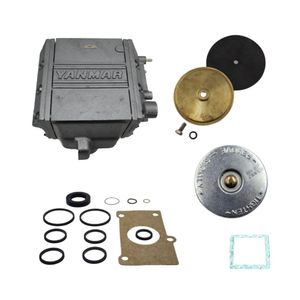
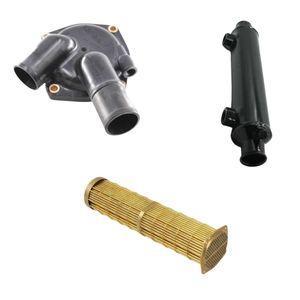
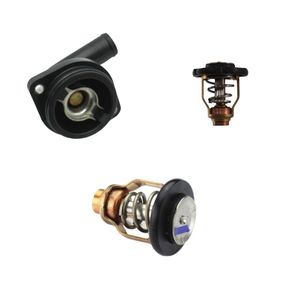
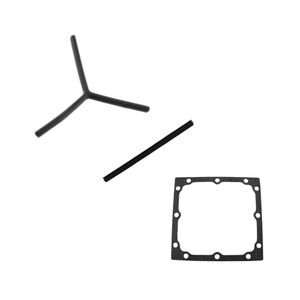




 Parts views
 Technical documents
 Ask for a quote
 Return request
Find manual, automatic and portable models, along with accessories suited to your installation.
A boat bilge pump is equipment used to remove water that collects in the bilge. To choose the right one, compare the pump type, useful flow rate, supply voltage and discharge height. A properly sized automatic pump suits most boats that remain afloat. A manual or portable solution is still useful as a backup.

What is a boat bilge pump and what is it really used for?
A boat bilge pump is used to remove water that seeps into or remains in the bilge, meaning the lower part of the boat. This water can come from spray, rain, rinsing, a locker draining into the bilge, a slightly leaking through-hull fitting or a small water ingress that needs monitoring.
A bilge pump is also part of broader onboard water management, alongside drainage lines, supply circuits and the various fittings. To place this equipment in a wider context, you can also read our guide to how the onboard water system works.
Its role is therefore easy to understand: keep the bilge as dry as possible and limit water accumulation on board. To locate this area more clearly within the hull as a whole, you can refer to our guide on boat anatomy.
However, expectations must remain realistic. A bilge pump is not designed to save a boat on its own in the event of major water ingress. It is used to drain water, slow down a moderate rise in water level, buy time and indirectly alert you when it starts unusually often.
How do you choose between a manual, electric, automatic or diaphragm bilge pump?
The right type of bilge pump mainly depends on your use: trailered boat, boat kept afloat, tender, cruising sailboat, motor cruiser or technical installation. Each technology answers a different need, from simplicity and autonomy to flow rate, safety and ease of installation.
What is a manual bilge pump?
A manual pump must be operated by the user. It is useful as a backup, especially if the electrical supply is cut, but it does not monitor the bilge autonomously.
How does an electric bilge pump work?
A submersible electric pump runs from the boat’s onboard electrical system. It is compact, common on small and medium-sized boats, and can be controlled by a switch or a separate float switch.
Why choose an automatic bilge pump?
An automatic pump starts by itself using a float switch or electronic sensor. It is particularly reassuring for a boat at the dock, at anchor or left unattended, especially if you have also taken the time to prepare a safe anchoring setup.
What is a diaphragm bilge pump used for?
A diaphragm pump can be installed out of the water and, depending on the model, draw water from a distance. It suits more technical installations, but usually requires a higher budget and more careful fitting.
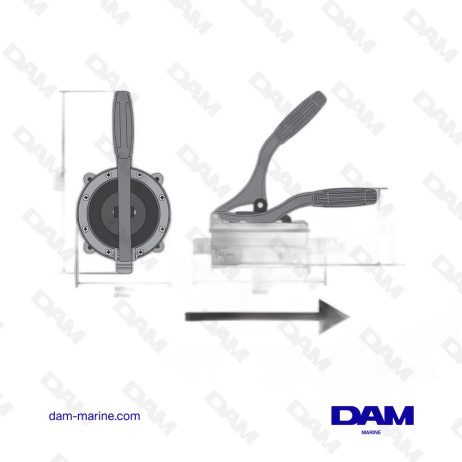
Compare bilge pumps by flow rate, power supply and activation mode.
What bilge pump flow rate should you choose according to boat size?
A boat bilge pump flow rate should be chosen with a safety margin, because the actual onboard flow is often lower than the advertised rating. Discharge height, hose length, bends, outlet diameter and pressure losses all reduce the pump’s real efficiency.
The table below gives practical reference points to start your selection. It does not replace reading the technical datasheet, but it helps avoid choosing a pump that is too weak for the size of the boat.
| Boat size | Estimated required flow rate | Practical interpretation |
|---|---|---|
| 3,5 à 5 m | 1 900 L/h minimum | Small hull, tender, compact open boat |
| 5 à 7 m | 3 000 L/h minimum | RIB, open boat, fishing/day boat |
| 7 à 9 m | 4 200 L/h minimum | Compact motor cruiser, cruising sailboat |
| 9 à 12 m | 6 000 L/h minimum | Cabin cruiser, larger sailboat |
| 12 à 15 m et plus | 7 500 L/h et plus | Heavier boats, redundancy recommended |

It is better to choose a slightly more generous pump than one that is barely sufficient. An undersized pump may run for longer, remove water more slowly and leave more water at the bottom of the bilge.
How do you choose between a 12V, 24V or portable bilge pump?
The pump voltage must match the boat’s electrical system. On most leisure boats, a 12V bilge pump is the most common choice. On some larger boats, a 24V pump may be relevant if the onboard system already uses that voltage.
The pump choice should therefore remain consistent with the available capacity, the way the boat is used and the other electrical consumers on board. If you are unsure about this point, our guide to choosing the right battery for your boat can help you size the installation more logically.
When should you choose a 12V bilge pump?
A 12V pump suits most leisure-boat installations. It connects to the onboard circuit with suitable electrical protection and clean wiring.
When should you choose a 24V bilge pump?
A 24V pump is mainly for boats equipped with a 24V network. Do not mix voltages without checking installation compatibility.
What is a portable pump used for?
A portable pump is an auxiliary or backup solution. It is practical on a tender, a small craft or when you need to act quickly without permanent installation.
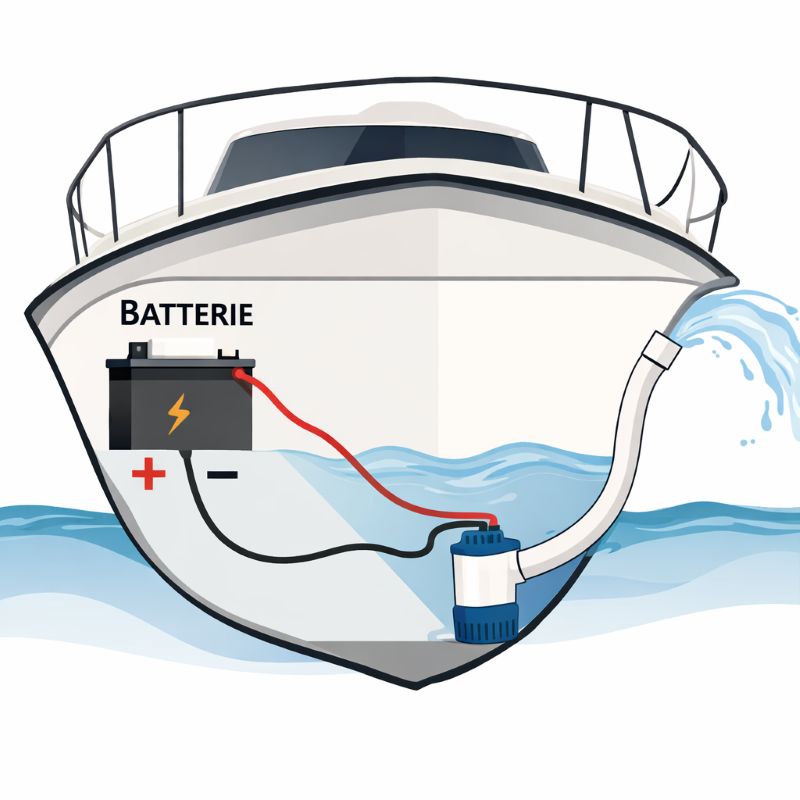
The connection must remain accessible, protected and consistent with the model’s power consumption. To better understand the basics of the onboard network, our guide on how electricity works on a boat is a useful complement to this topic.
If the boat remains unattended for long periods, battery autonomy must also be considered. An automatic pump that starts too often can eventually draw on the available energy. On this point, our guide to managing energy on board a boat helps you think more broadly about the installation.
In the same way, an automatic bilge pump is only truly reassuring if you also know how to recharge your boat batteries correctly, especially after a period of immobilisation or extended use at anchor.
How should you compare bilge pumps for a boat?
Comparing a bilge pump is not only about looking at flow rate. You should also check the pump type, voltage, activation mode, outlet diameter, overall size, possible discharge height and the actual intended use.
| Model | Type | Power supply | Indicative flow rate | Technical features | Indicative price excl. VAT | Recommended use |
|---|---|---|---|---|---|---|
| Attwood Portable 900L | Portable submersible | 3 D-cell batteries | 900 L/h | Max. discharge height 1 m, no connection to onboard system | 65,00 € | Occasional backup, small craft, tender |
| Albin 500 GPH / 1892 L | Automatic | 12V | 32 L/minute | Built-in switch, 19 mm outlet, low consumption | 45,00 € | Small boat, first automatic setup |
| Albin 750 GPH / 2839 L | Automatic | 12V | 50 L/minute | Built-in switch, 19 mm outlet, compact format | 55,00 € | Good price/flow compromise for small and medium-sized boats |
| Rule RM500B | Automatic | 12V | Maximum flow from 12V | Electronic sensor, thermal protection, non-return valve, built-in vent | 95,76 € | User looking for more advanced management |
| Attwood Sahara 1100 GPH | Automatic | 12V | 3 100 L/h | Float switch, protected motor, 29 mm outlet | 145,00 € | Boat kept afloat, need for higher flow |
| Rule 1100A-B | Automatic | 12V | Maximum flow from 12V | Electronic sensor, low-level activation, thermal protection, non-return valve, built-in vent | 137,80 € | Medium-sized boat needing a more capable pump |
| Attwood HD2000 12V | Manual | 12V | 6 840 L/h | Robust ABS construction, intensive use, 1-1/8" connection | 170,00 € | Need for high flow or more exposed boat |
.jpg)
These references provide useful orders of magnitude. The best choice remains the one that matches the boat, the time spent afloat, ease of access to the bilge and the desired safety level.
Where should you install a boat bilge pump and what mistakes should you avoid?
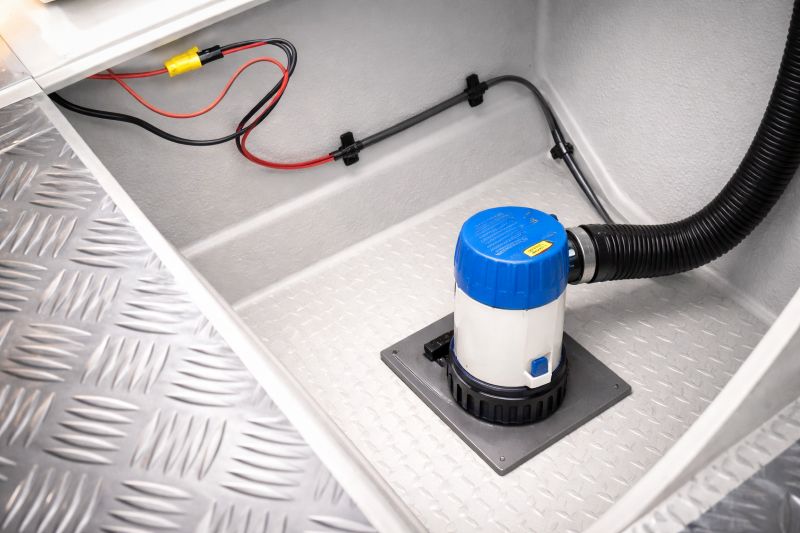
A boat bilge pump should be installed at the lowest point where water naturally collects. A pump placed too high will always leave a significant amount of water and lose part of its purpose.
Why aim for the lowest point of the bilge?
The lowest point concentrates the water. It is therefore the most logical place to draw from efficiently, provided the pump remains accessible for cleaning.
Why pay attention to the discharge route?
A hose that is too long, too narrow or too winding reduces the actual flow. Every unnecessary bend adds efficiency loss.
Why protect the wiring?
The electrical connection must be protected from moisture, correctly sized and easy to inspect in the event of a fault.
A serious installation is not just about fitting a pump. You also need a suitable hose, a consistent through-hull outlet, a float switch or sensor if needed, a protected line and enough access for maintenance.
What can a bilge pump really do in the event of a leak?
A bilge pump can slow a rise in water level, keep the bilge clean and give you time to react. It never replaces finding the source of the leak or following onboard safety procedures.
In the event of a failed hose, damaged through-hull fitting or serious water ingress, the priority is still to reduce or plug the incoming water. The pump then becomes a line of defence, but not an absolute guarantee.
This is why redundancy often makes sense: a main automatic pump for everyday use, a second pump or portable backup solution, and safety equipment ready to use. To go further on this point, see our guide to the safety equipment to have on board.
How do you maintain a boat bilge pump to avoid unpleasant surprises?
A reliable bilge pump is one that is tested and cleaned regularly. Check the strainer, make sure the impeller or mechanism turns freely, inspect the wiring condition and ensure the float switch or sensor triggers correctly.
A real test with water remains the best check. A pump that has not been used for months is not necessarily ready to work perfectly when you need it. Before a long period out of use, this check fits very well into properly prepared boat winterisation procedure.
When the boat goes back in the water, also remember to dewinterize your boat by checking the pump, float switch, hoses and electrical connections before the first trips.
It is also useful to monitor how often the pump starts. An automatic pump that switches on too often can reveal persistent seepage, backflow, a poorly designed sump or a battery that needs attention. To limit unpleasant surprises, also remember to maintain the boat battery.
Finally, always reread the technical datasheet before replacing a model. Two pumps that look similar can differ in flow rate, amperage, outlet diameter or activation mode. And if you continue going out in the low season, these checks remain important before winter boating.
Which bilge pump should you choose for your use?
The choice depends on the boat, how long it stays afloat, the required flow rate, the desired autonomy and the space available for installation. This table summarises the main situations encountered on board.
On a small boat or dinghy, a portable pump may be enough for occasional use. If you are also equipping your tender, our guide to choosing a dinghy can help you think through the whole setup.
| Your situation | Recommended choice | Suggested model | Why |
|---|---|---|---|
| Small craft or tender | Portable pump or small automatic model | Attwood Portable 900L | Controlled budget, simple installation, moderate need |
| 5 to 7 m boat sometimes kept in the water | Automatic pump around 3,000 L/h | Albin 750 GPH | Good balance between safety, compactness and cost |
| Cabin boat or boat kept afloat for longer | More advanced automatic pump with good flow rate | Rule 1100A-B | More margin, more autonomy, more reassuring management |
| Need for independent backup | Manual or portable pump as a complement | Attwood Portable 900L | Usable even in the event of electrical failure |
| Technical installation or intensive need | Diaphragm pump or self-priming service pump | Jabsco Maxi Puppy 3000 | Better suited to certain suction and discharge constraints |
This table is a practical guide. The right model always depends on discharge height, the actual volume of water to remove, time spent afloat and the level of safety you want to keep on board.
Additional FAQ
Does an automatic bilge pump use a lot of battery power?
Consumption depends on the power of the model and how often it starts. In normal use, it remains reasonable, but repeated starts can draw on the battery and signal an ingress that needs checking. A pump that starts often can also justify installing a battery monitor to track the state of charge more precisely on board.
Can two bilge pumps be installed on the same boat?
Yes. A first pump can handle routine draining, while a second one acts as a backup or reinforcement if the water level rises faster than expected.
Is an integrated float switch or separate float switch better?
An integrated float switch simplifies installation and reduces clutter. A separate float switch can offer more positioning freedom, especially when the shape of the bilge requires a specific layout.
Can a bilge pump run dry?
Some models tolerate short dry-running periods, but it is best not to run them unnecessarily. Repeated operation without water can accelerate wear depending on the technology used.
When should a bilge pump be replaced?
Replacement should be considered if the pump starts poorly, vibrates abnormally, loses a lot of flow, activates irregularly or has damaged wiring. A doubtful pump should be treated as safety equipment, not as a simple accessory.