


 Catalog
 Exploded views

















 Honda Marine
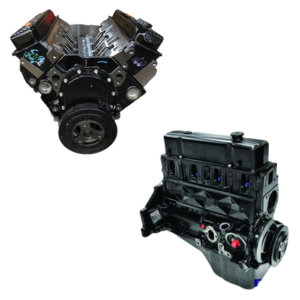
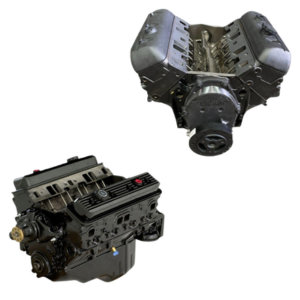
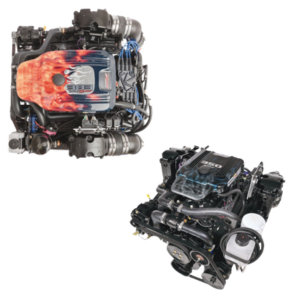
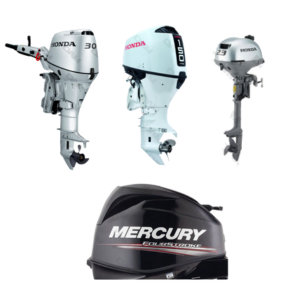


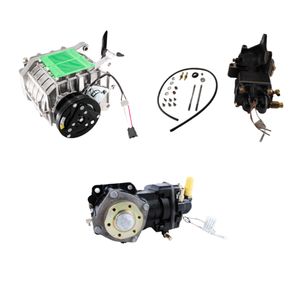
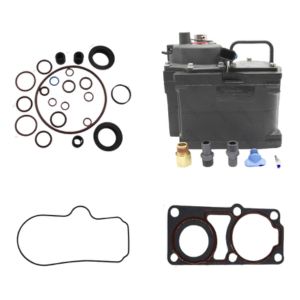
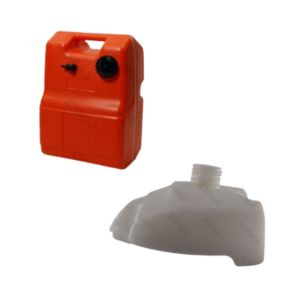
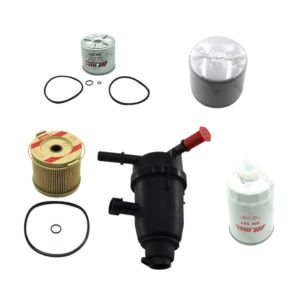




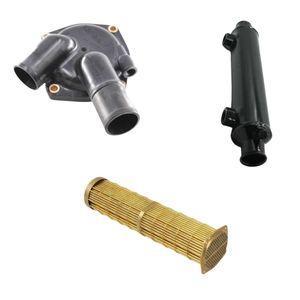
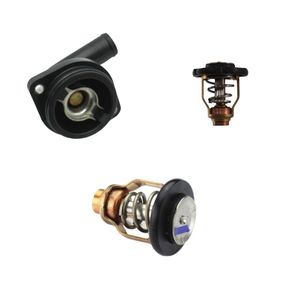
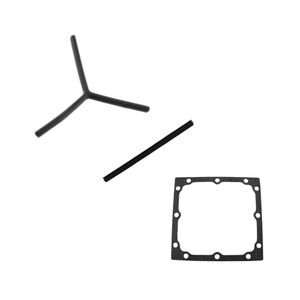
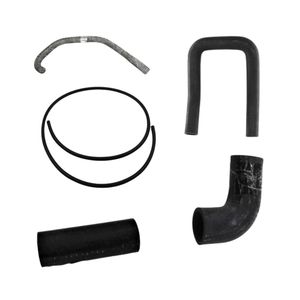
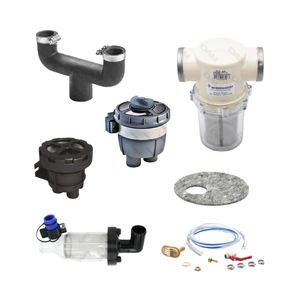
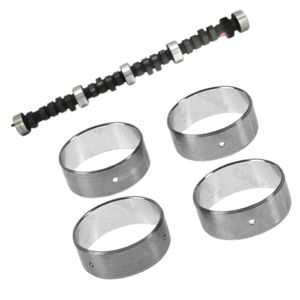
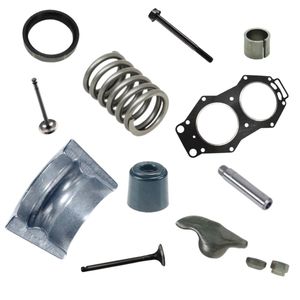
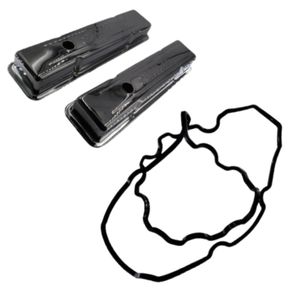


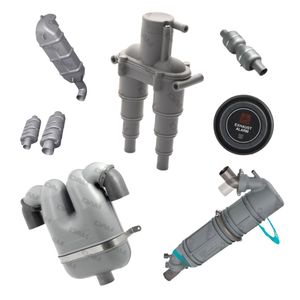
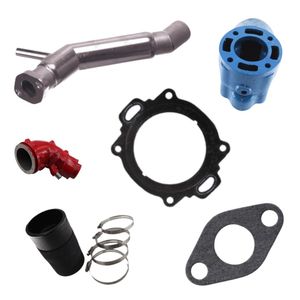
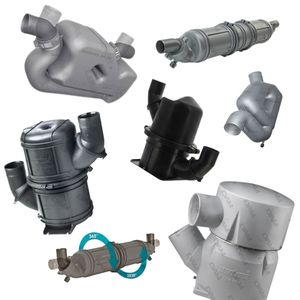
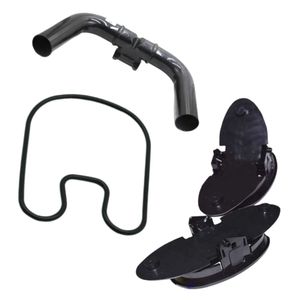
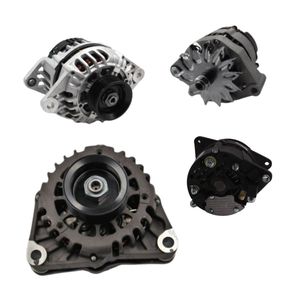
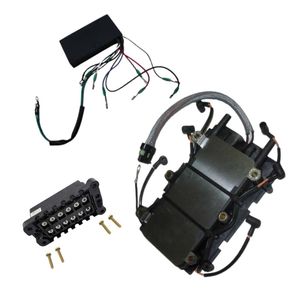
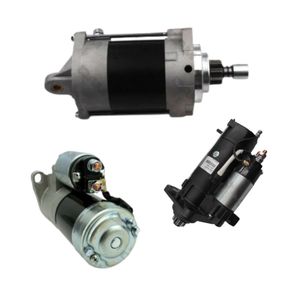
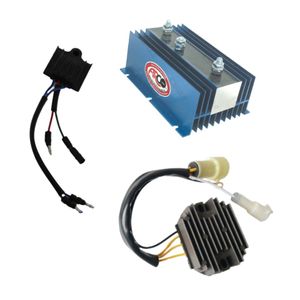
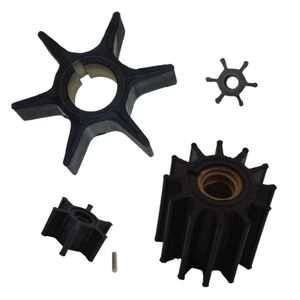
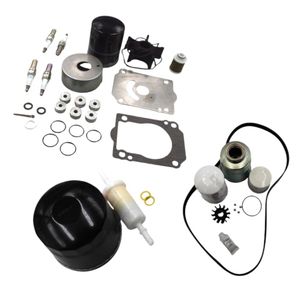
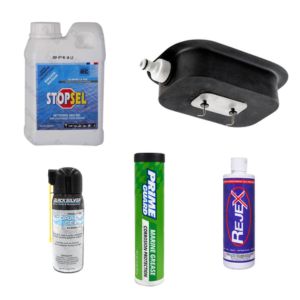
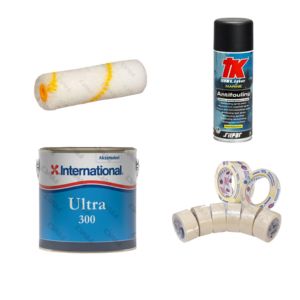
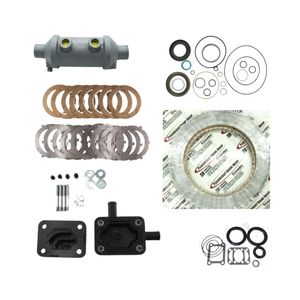
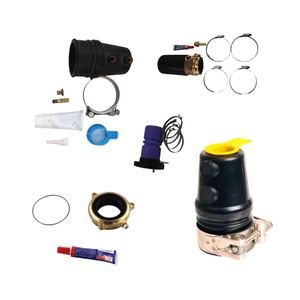
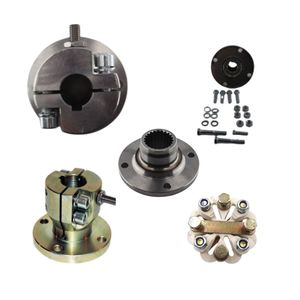
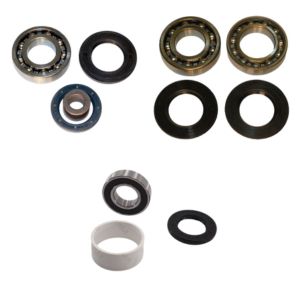
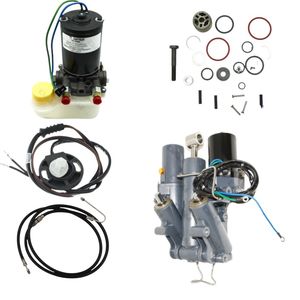
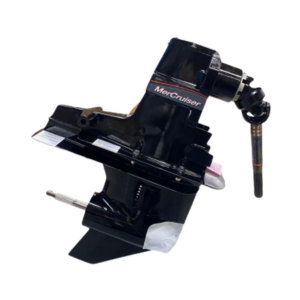
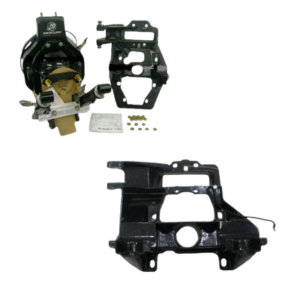
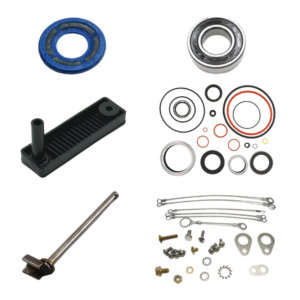



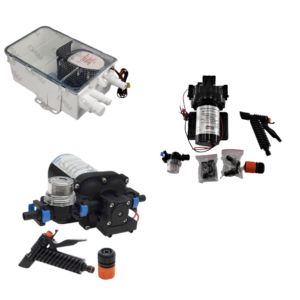
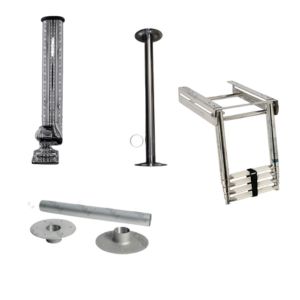
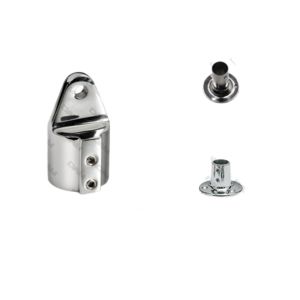
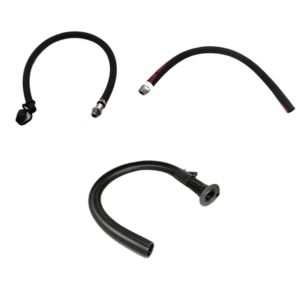
 Parts views
 Technical documents
 Ask for a quote
 Return request
How to go boating in winter: the right habits for a safe, relaxed trip
Safety equipment, engine check, battery, visibility: the goal is to leave with enough margin.
You want to go boating in winter, but you are hesitating because of the cold, humidity and more changeable weather? That is normal: winter does not forgive approximate preparation. Yet with a good weather window, a checked boat, a clear understanding of the general operation of a boat and a properly equipped crew, a winter trip can be very enjoyable: fewer people on the water, beautiful light, quieter harbours and often a more contemplative way of boating.
Boating in winter is possible if the trip remains short, sheltered and carefully prepared. The priority is to choose a stable weather window, wear safety equipment and keep the crew dry. The boat must be checked before departure: engine, fuel, battery, bilge pumps and navigation lights. On return, rinsing, drying and ventilation limit corrosion, humidity and unpleasant surprises on the next trip.
Can you go boating in winter without taking unnecessary risks?
Yes, you can go boating in winter, but the golden rule is simple: you must be able to cancel easily. In winter, small issues quickly become more serious: a wet crew member cools down faster, an engine failure leaves less room for manoeuvre, and a man overboard is harder to recover because of the cold, clothing and chop.
The right approach is therefore not to “brave winter”, but to reduce exposure: shorter trips, boating closer to shelter, a better equipped crew and a more reliable boat. If your boat stays at the dock for long periods or is used little during the cold season, the boat winterisation guide naturally completes this preparation.
Which checklist should you follow before boating in winter?
The best checklist for winter boating is a short, repeatable and safety-focused routine. It should help you decide quickly whether the trip is reasonable, then check the points that could genuinely put you in difficulty.
- Weather and decision: average wind, gusts, swell, chop, visibility, wind chill and nightfall time. If any parameter makes you uncomfortable, postpone.
- Navigation plan: short route, possible shelters, return time before dark and someone informed ashore.
- Safety: life jackets worn, kill switch if outboard, VHF charged, alert device ready and quick crew briefing.
- Boat: battery, bilge pumps, fuel level, engine start, cooling and navigation lights tested.
- Comfort: warm layers, waterproof clothing, gloves, hat, hot drink and dry bag with a spare layer.
Simple tip: in winter, always leave “one notch more cautious” than usual. It makes a big difference to peace of mind on board.
How do you choose a reliable weather window for winter boating?
A weather window is a time slot during which conditions remain compatible with your boat, crew and experience, from departure to return. In winter, the weather is not always bad, but it can become more changeable and more tiring.
How do you check the weather in 3 steps?
- At D-3 / D-2: identify the general trend: wind, sea state, rain, cold.
- The day before: prepare plan A, a more sheltered plan B and a no-trip plan C.
- On the morning: make the final decision. In case of fog, strong gusts or an uncomfortable sea, shorten the trip or postpone.
Which weather points should you check first?
- Average wind and gusts, often responsible for cold spray.
- Sea state, especially if the wind opposes the current.
- Visibility, rain, mist and early nightfall.
- Wind chill, because wind speeds up cooling.
Mini “Go / No-Go” rule: if you cannot name at least two shelters along your route and if you are not certain you can return before dark, shorten the trip or postpone.
To download weather files, charts or harbour information before departure, knowing how to connect to the Internet on a boat can also make preparation safer.
Which safety equipment is a priority for winter boating?
In winter, safety is first a matter of time. When someone falls overboard, when an engine stops or when visibility drops, the safety margin quickly shrinks. The priority is therefore to avoid the incident, then speed up the alert if something happens.
How do you prevent falls on board?
The life jacket must be worn, not stored away. In rough seas, a harness and tether can be useful, especially on a sailboat. A tether is a strap that connects you to the boat to reduce the risk of going overboard.
How do you raise the alert quickly?
A fixed VHF, a charged handheld VHF or a MOB beacon speeds up the alert. To understand the basics, read the guide on how a marine VHF radio works.
Why can AIS help?
AIS improves vessel identification and can also be used on some man overboard beacons. The guide what AIS technology is used for explains its value on board.
For a broader view of requirements and best practices, you can also use the guide to safety equipment to have on your boat.
Life jackets, VHF, lighting, bilge pump, battery: it is better to check at the harbour than improvise on the water.
How should you dress for winter boating without losing mobility?
The best strategy is the three-layer rule. It keeps you warm while wicking away perspiration and preserving enough freedom of movement to manoeuvre.
- Layer 1: a technical base layer that wicks away moisture. Avoid cotton, which dries poorly.
- Layer 2: a fleece or lightweight down jacket to retain warm air.
- Layer 3: a sailing jacket and bibs, or waterproof windproof clothing, to block rain, spray and wind.
Why do extremities make such a difference?
Hands, feet and head cool down quickly. Bring two pairs of gloves, a spare pair of socks and a hat or neck warmer. A spare layer in a dry bag is your best anti-humidity backup plan.
How do you fight humidity and cold on board while underway?
In winter, you mainly fight humidity. Dry cold is manageable; damp cold is much less so. Your goal is simple: stay dry, limit spray and break the wind.
How do you reduce spray?
Reduce speed if the boat is shipping spray, adjust course slightly and favour sheltered areas. On some motorboats, clearly understanding how to use a boat trim system also helps improve trim attitude and comfort.
How do you avoid an overly damp cabin?
Closing everything creates a feeling of warmth, but humidity builds up quickly. Keep minimal ventilation and use heating, if you have it, to dry gloves, jacket and mid-layer.
Comfort is not a luxury in winter boating. A freezing or wet crew member becomes less alert, reacts more slowly and tires faster.
Which boat checks should you carry out before a winter trip?
To go boating in winter with peace of mind, you need to make reliable the systems that would truly put you in difficulty if they failed: engine, fuel, electrics, bilge pumps, visibility and corrosion protection.
What should you check on the engine side?
Check starting, levels, alarms and cooling. On an outboard, check the cooling tell-tale; on an inboard, monitor the temperature. To go further, read the guide on how the cooling circuit works and the one about boat engine overheating.
Why monitor the fuel?
A boat that is used little can accumulate condensation in the tank. A clean fuel filter limits unpleasant surprises. To understand the subject, read the guide on how the fuel circuit works and the signs of a faulty fuel circuit.
What should you do for the electrical system?
Cold reduces battery performance. Check voltage, charge, connections and instruments. To avoid setting off with too little reserve, the guide on how to choose a boat battery usefully completes these checks. The guides onboat battery maintenance and the battery booster are useful if the boat stays in harbour for long periods.
Why test the bilge pump?
In winter, rain, runoff and condensation can increase water on board. Test the automatic pump and the manual pump if you have one. The guide how to choose your bilge pump helps you understand the important criteria.
How do you anticipate engine symptoms?
Difficult starting, stalling, unstable idle, smoke, vibrations or loss of power must be taken seriously before a cold-weather trip. The guides on a boat engine that will not start, a boat engine that stalls, unstable idle, a smoking engine, engine vibrations and loss of power can help you make an initial diagnosis.
Why check corrosion and anodes?
At sea, salt is always at work, even when the boat is used little. Anodes are sacrificial parts that protect the engine and some metal components. If they are too worn, corrosion attacks the expensive parts. To better understand their role, read the guide on the different types of boat anodes.
How do you go boating in winter when visibility is poor?
Visibility is often the most underestimated point in winter. Mist, fog, rain and early nightfall can turn a simple trip into demanding navigation. The key is to be seen, to see and to adapt your speed.
How do you make sure you are seen?
- Test the navigation lights before departure.
- Use a radar reflector if your boat is equipped with one.
- Keep a sound signal device accessible in case of fog.
How do you see better?
- Reduce speed as soon as visibility drops.
- Increase visual and auditory watchkeeping.
- Use instruments as support, without replacing human vigilance.
If you want to better understand useful electronics in these situations, the guide on how navigation instruments work provides useful additional information.
Which route should you choose in winter to stay relaxed?
In winter, a good route is one that leaves you options. The simplest strategy is to stay close to shelters, avoid exposed headlands and avoid crossing areas that deteriorate quickly if wind or current increases. In shallow or unfamiliar areas, a boat fish finder can also help you read the bottom and relief more clearly.
Which route-planning principles should you apply?
- Choose a short trip, especially if the crew is discovering winter boating.
- Choose a loop that is easy to shorten.
- Keep a real plan B that is quickly accessible.
How do you adapt depending on the boat?
An open boat or RIB requires you to limit spray. A wheelhouse boat offers more comfort, but should not encourage overconfidence. On a sailboat, watch out for a slippery deck, cold manoeuvres and fatigue.
To stay within a clear framework, also reread the rules for boating at sea, especially if your trip involves a busy area, a channel, a harbour entrance or navigation with reduced visibility.
What should you do on return to avoid corrosion, humidity and breakdowns?
Winter boating is also won on the return. A rinsed, ventilated and dried boat is easier to use again next time. Conversely, a closed, damp and salty boat can quickly accumulate oxidation, odours, mould and small electrical faults.
Which three-step routine should you apply after each trip?
- Rinse: cockpit, deck, deck hardware and engine according to the manufacturer’s recommendations, especially if you have taken spray.
- Dry: air out, remove damp textiles and let lockers breathe.
- Check: bilge level, abnormal odours, alarms, visible corrosion and general condition.
Winter also puts mooring equipment under strain: gusts, rubbing, level variations and working mooring lines. To secure the boat between two trips, read the guides how to moor a boat, how to choose your mooring lines and how to choose the right fender.
If you use the off-season to work on the hull, the guide how to choose the right antifouling for your boat will help you prepare maintenance. And when the season really starts again, the guide to de-winterising a boat helps you resume the checks in the right order.
Which recap should you keep at hand for winter boating?
The simplest approach is to think of your trip in three stages: before, during and after. This method avoids oversights and forces you to keep a safety margin.
| Stage | Goal | Concrete actions |
|---|---|---|
| Before | Decide, make reliable, stay dry | Weather window, plan B, someone informed ashore, life jackets worn, VHF ready, battery/pumps/lights OK, engine checked, three-layer clothing and spare dry bag. |
| During | Limit exposure and avoid fatigue | Short route close to shelters, adapted speed, course adjusted to reduce spray, warm breaks, reinforced watchkeeping and return before dark. |
| After | Preserve the boat and prepare the next trip | Fresh-water rinse, drying, ventilation, bilge check, quick corrosion/anode inspection and drying of textiles. |
Additional FAQ on winter boating
Should the fuel tank be left full or empty in winter?
On many boats, the main aim is to avoid prolonged half-full tanks that encourage condensation. The key is to have clean fuel, a filter in good condition and to follow the manufacturer’s recommendations. If the boat is used little, a suitable fuel treatment can be useful.
How much does boat winterisation cost?
The cost depends on the type of boat, the harbour or yard, the chosen package and the operations requested. Beyond storage, also budget for consumables: anodes, filters, oil, water pump impeller, coolant or maintenance products.
How can osmosis be avoided during winter?
Osmosis mainly concerns certain polyester hulls and depends on the condition of the gelcoat, microcracks and time exposed to water. A maintained, inspected and properly protected hull limits the risks. To go further, the dedicated guide explains how to protect the hull gelcoat in winter. If you see blisters, ask a boatyard for advice.
Where should you go boating in winter: sea, lake or inland waterways?
At sea, you mainly manage wind, swell, spray and visibility. On a lake, cold and rapid changes in conditions can surprise you. On inland waterways, check local constraints: locks, works, seasonal closures or water levels.
How can seasickness be reduced in winter?
Seasickness is often amplified by cold and fatigue. Choose a short trip, eat lightly, stay hydrated, keep warm and adapt speed and course to limit chop.
What small extra makes winter boating more enjoyable?
A ready hot drink, spare dry gloves, a simple route close to shelters and an early return before dark genuinely change the experience. When these details are handled, winter becomes a very pleasant season for boating.
DAM Marine helps you with maintenance, safety, engine consumables and useful onboard equipment.