

 Catalog
 Exploded views
















 Honda Marine


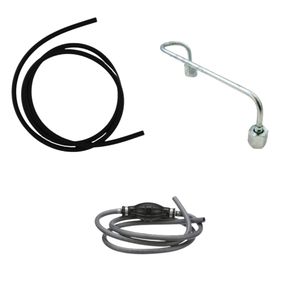
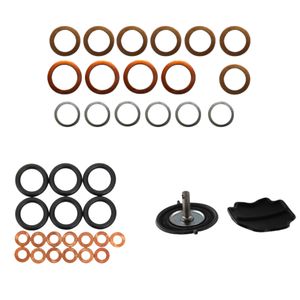
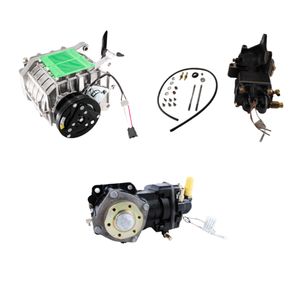
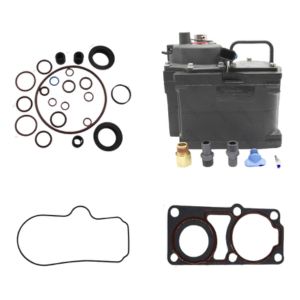




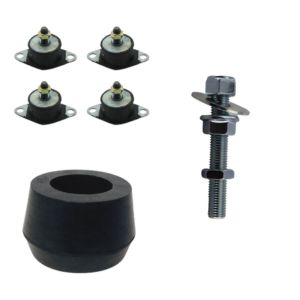
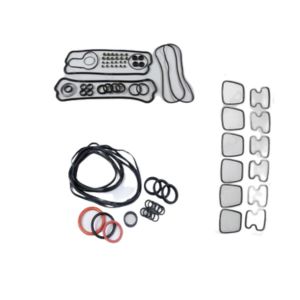
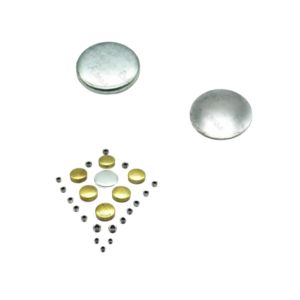
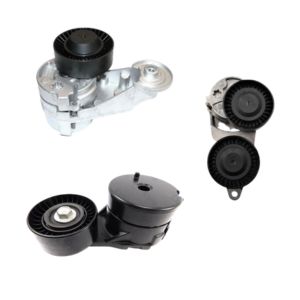

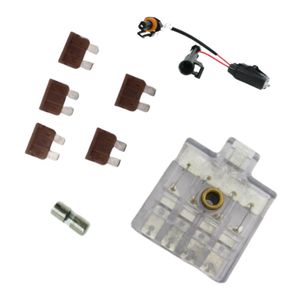
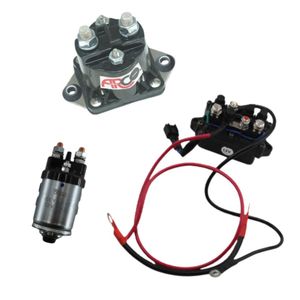
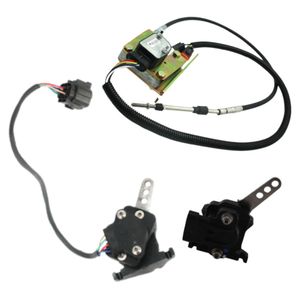
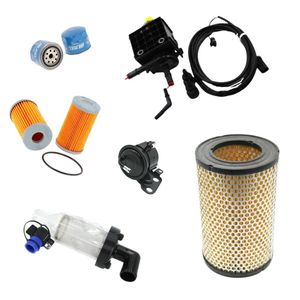
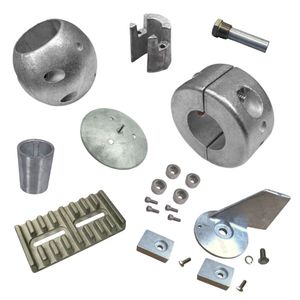
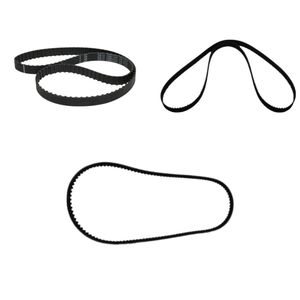
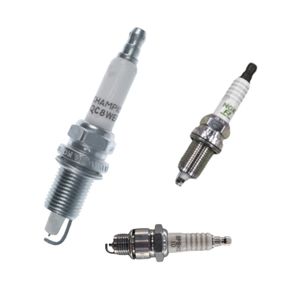
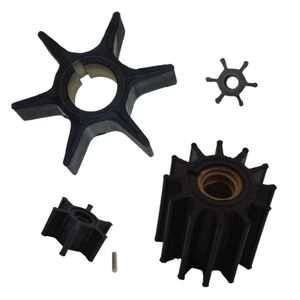
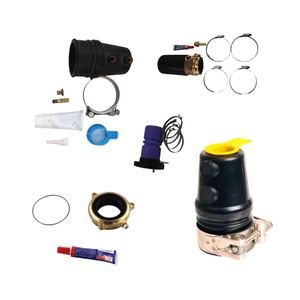
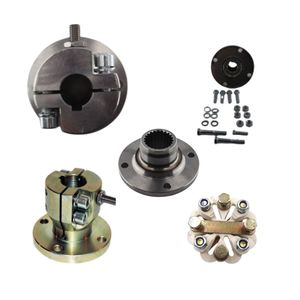
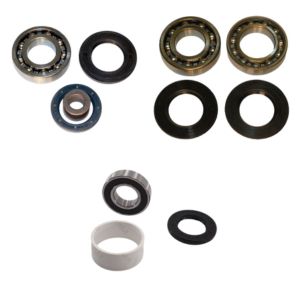
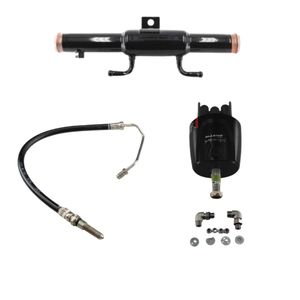
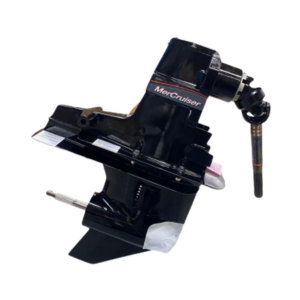
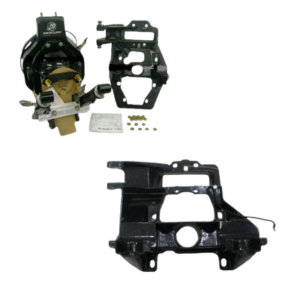
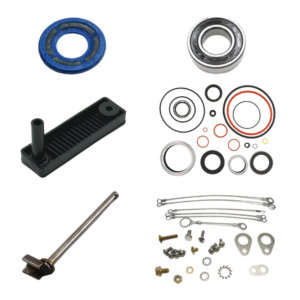
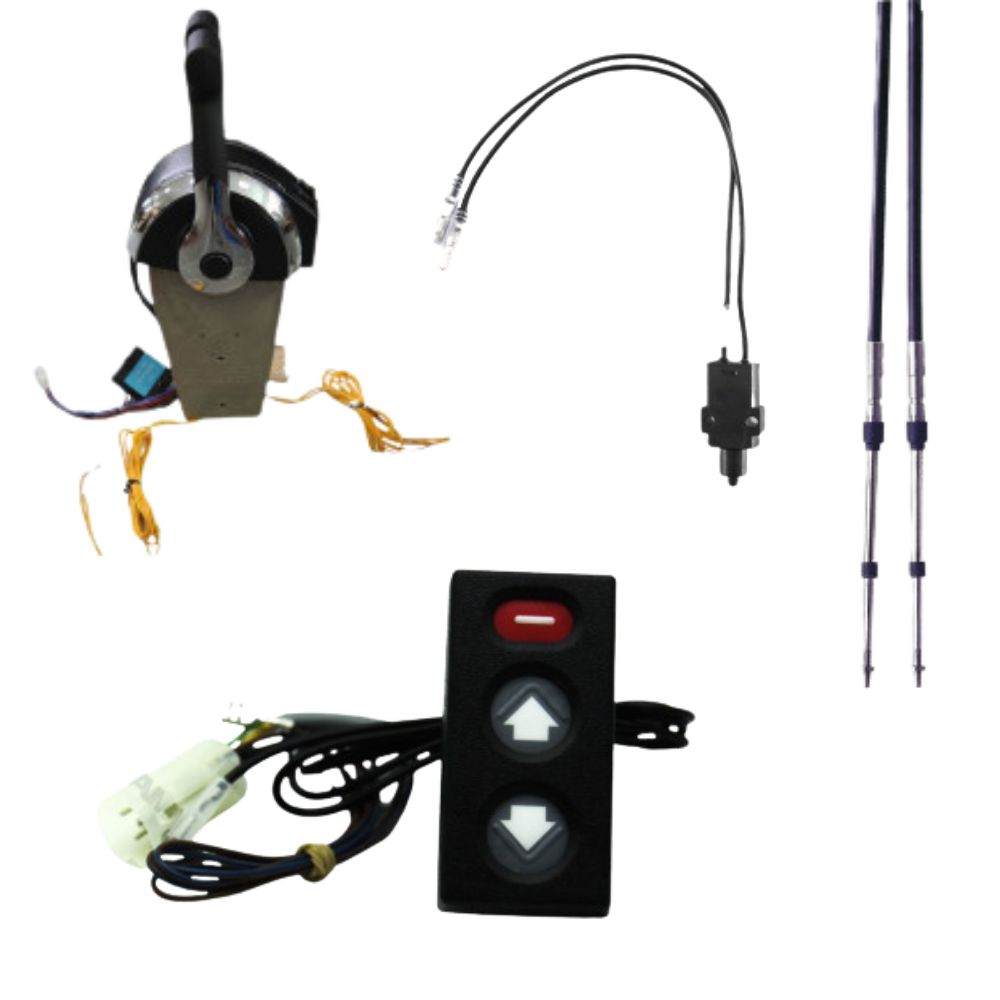
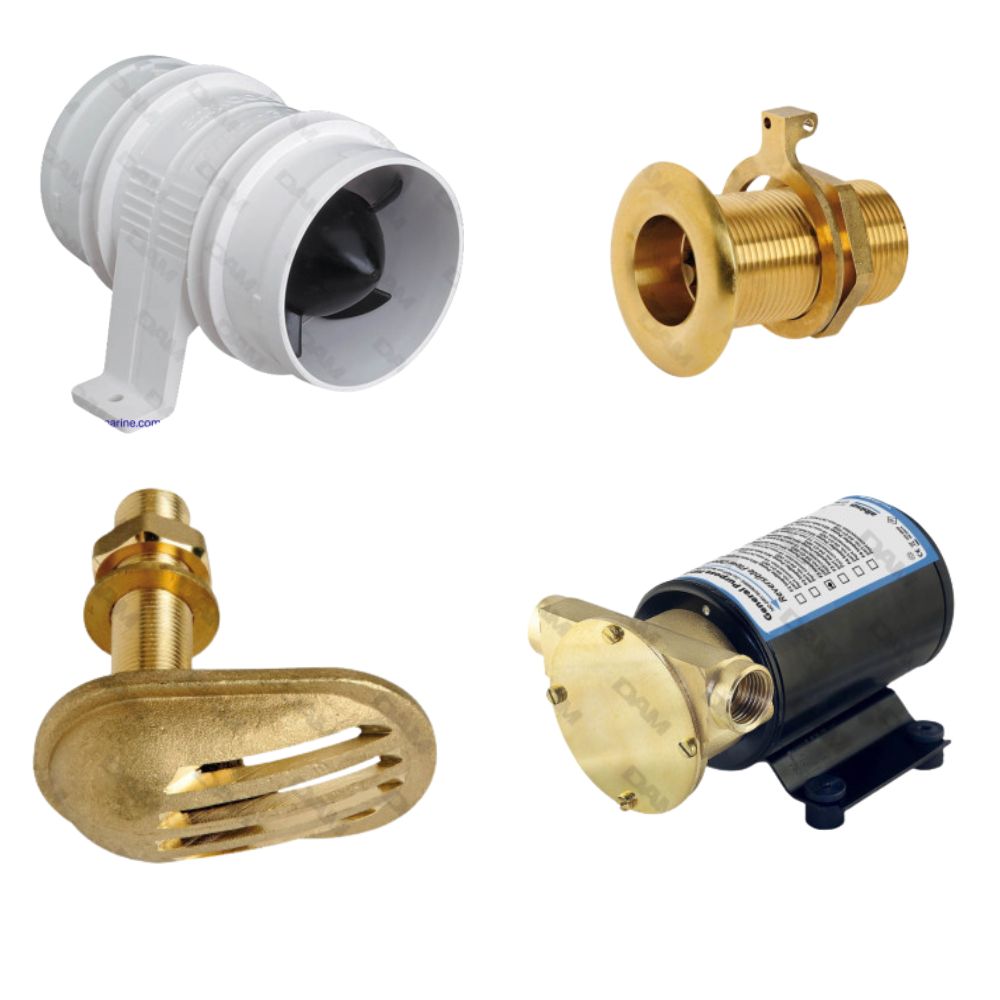
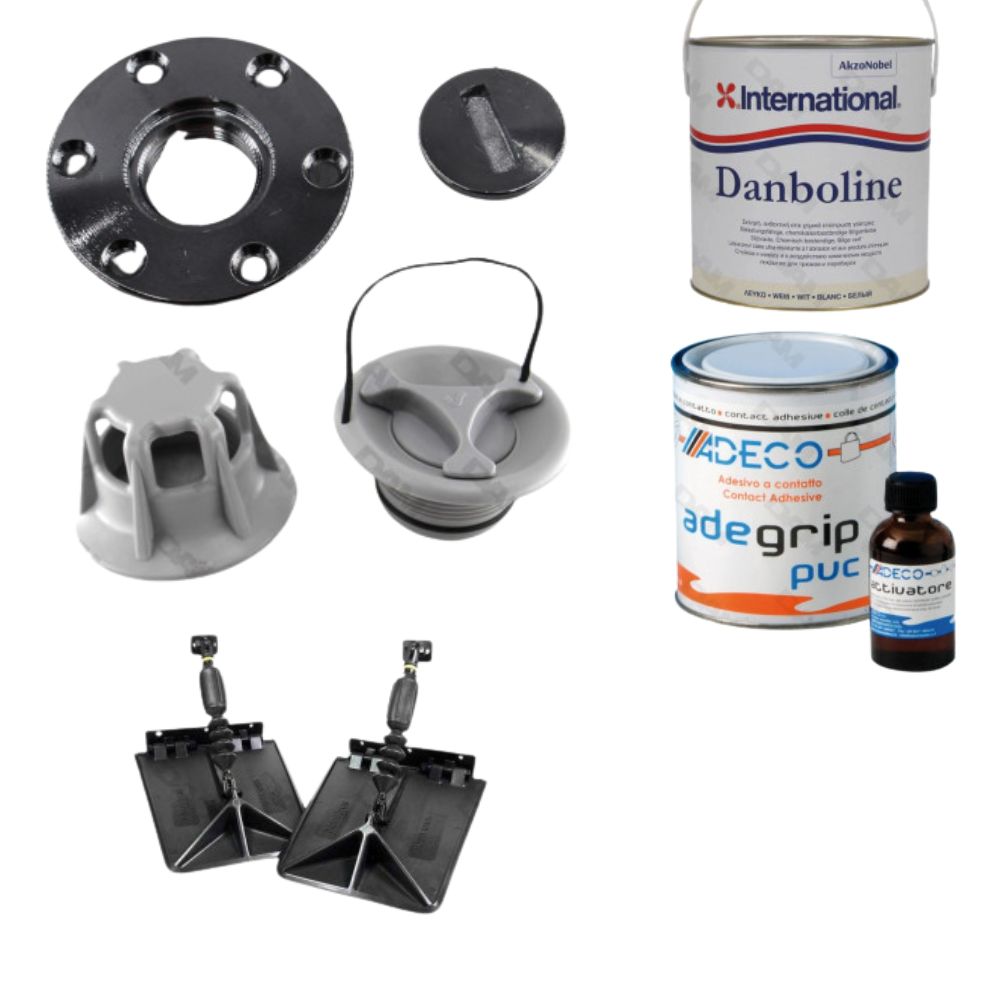
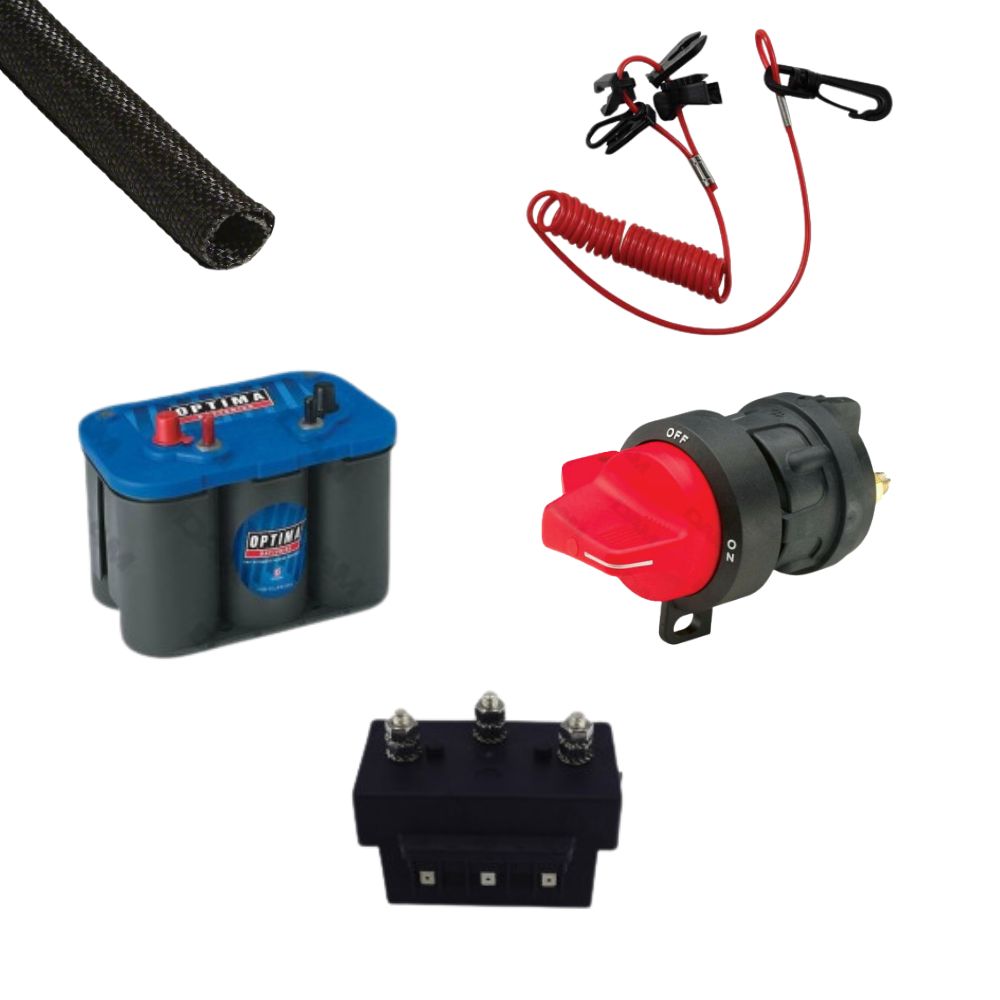

 Parts views
 Technical documents
 Ask for a quote
 Return request
Choosing boat mooring lines: diameter, length, material and mooring kit
Find the ropes, accessories and solutions you need to prepare reliable mooring at the marina.
A boat mooring line is a rope used to hold a boat alongside a quay, pontoon, buoy or another boat. Choosing boat mooring lines mainly means matching the diameter, length and material to the size of the boat, the type of berth and the exposure to wind or chop. A good mooring kit generally includes four main mooring lines, one or two longer lines, anti-chafe protection and sometimes mooring compensators. An effective mooring line must hold the boat without being too stiff, so it can absorb movement without overloading cleats or mooring points.
How do you choose boat mooring lines without making a mistake?
To choose boat mooring lines, start with the real use: the size of the boat, the type of mooring, how exposed the berth is and the level of comfort you want. A mooring line should not be selected only by diameter: it must also be long enough, easy to handle and protected at friction points.
The simplest method is to answer a few questions before buying. This helps you size the rope correctly and avoid two common mistakes: a line that is too thin and works too hard, or a line that is too thick, less practical to handle and sometimes too stiff for a small boat.
How long is the boat?
Boat length gives an initial indication of diameter. A longer, heavier or higher-sided boat generally needs a stronger mooring line.
Where is the boat moored?
A sheltered pontoon, an exposed quay, a lazy line, a buoy or mooring alongside another boat do not place the same loads on the lines.
Is the berth exposed?
Wind, chop, residual swell and tidal range increase the loads. In this case, pay close attention to length, spring lines, protection and shock absorption.
For the manoeuvring side, choosing mooring lines can be completed with a practical guide on how to moor a boat. The two subjects are linked: a good line makes mooring easier, but a good setup also prevents unnecessary loads. To place these loads within the general operation of a boat, it also helps to consider the hull, freeboard and windage.
What vocabulary should you know before choosing mooring lines?
Before choosing your mooring lines, it is useful to distinguish the main mooring lines. The vocabulary may sound technical, but it simply describes the position and role of each rope around the boat.
What is a bow or stern line?
A bow or stern line runs from the front or rear of the boat to a mooring point in the same general direction. It keeps the boat aligned in its berth.
What is a spring line used for?
A spring line is placed diagonally. It limits forward and backward movement and becomes very important when the boat pulls ahead or moves astern in its berth.
What is a breast line?
A breast line holds the boat laterally, close to the quay or pontoon. It helps control the gap, but it does not replace bow, stern and spring lines.
A lazy line is a line already installed in the marina, often used to hold the bow of the boat. A buoy requires a setup that pays particular attention to abrasion and repeated loads. To better locate cleats, fairleads, bollards and attachment areas, you can also read our guide to the anatomy of a boat. In some harbours, a marine VHF radio can also make communication with the harbour office or other users easier.
What mooring line diameter should you choose according to boat length?
The diameter of a mooring line is mainly chosen according to boat length, weight, windage and how exposed the berth is. For leisure boats, boat length remains the simplest reference for an initial choice, which can then be adjusted to the conditions.
Practical reference: if your boat is moored in a very sheltered marina, the standard diameter is often enough. If the berth is exposed to wind, chop or a significant tidal range, it is better to increase the diameter slightly or add suitable mooring compensators and protection.
| Boat length | Indicative diameter | Typical use | Advice for exposed berths |
|---|---|---|---|
| Up to 6 m | 10 mm | RIB, light open boat, small craft | Pay attention to anti-chafe protection |
| 6 to 8 m | 12 mm | Light motorboat, fishing/cruising boat, small sailboat | Plan at least one versatile long mooring line |
| 8 to 10 m | 14 mm | Cabin cruiser, coastal sailboat, heavier boat | Add well-adjusted spring lines and protection |
| 10 to 12 m | 16 mm | Motorboat or cruising sailboat | Check friction points regularly |
| 12 to 15 m | 18 mm | Large leisure boat | Use mooring compensators on working lines |
These values are only indicative: a light, low-sided boat does not create the same loads as a heavy, high-sided boat with strong windage. When in doubt, it is better to think in terms of real use rather than choosing only from a table.
What mooring line length should you plan for?
The length of a mooring line must allow the boat to be secured without creating a pull that is too direct. A line that is too short makes the mooring stiff, transmits shocks and complicates unexpected situations such as a high quay, a berth change or mooring alongside another boat.
What is the base length for main mooring lines?
For bow and stern lines, a practical base is to plan for about twice the boat length, especially to keep enough adjustment margin.
Why keep long mooring lines?
One or two long lines are useful for backup, berth changes, mooring alongside another boat or when you need to reach a more distant attachment point.
What should you do in a tidal area?
Tidal range requires mooring lines to work freely. Avoid lines that are too short and monitor friction points as the water level changes.
On a pontoon or finger berth, standard lengths are often enough, with one or two longer lines as a complement. Along a quay, spring lines become very important to limit forward and backward movement. On a buoy or organised mooring, the quality of the attachment and protection against abrasion become priorities; this connects directly with best practice for boat anchoring techniques. During approaches or manoeuvres in a busy area, navigation rules at sea also remain a useful reference.
Which material should you choose for a boat mooring line?
The material affects comfort, elasticity, UV resistance, durability and ease of handling. For a boat mooring line, the two most common materials are polyamide and polyester.
Why choose polyamide?
Polyamide, often called nylon, offers good elasticity. It absorbs shocks better and improves comfort when the boat moves in wind or chop.
Why choose polyester?
Polyester is more stable, less elastic and known for good durability, especially against UV exposure. It suits regular use well.
The best choice therefore depends on your priority. For comfort and shock absorption, polyamide is an interesting option. For a more stable and durable line, polyester is a solid choice. In all cases, maintenance and protection against chafe remain essential.
Should you choose a 3-strand or braided mooring line?
The choice between a 3-strand and a braided mooring line mainly depends on the feel in hand, how easy the rope is to coil and everyday comfort. Both constructions can be suitable for mooring, provided you choose the right diameter and a quality rope designed for the marine environment.
When should you choose a 3-strand line?
3-strand rope is classic, robust and easy to inspect. It coils properly and works well for simple, effective and durable use.
When should you choose a braided line?
A braided mooring line is often more flexible and pleasant to handle. It offers good user comfort, especially for frequent marina manoeuvres.
For a boat used regularly, handling comfort really matters. A mooring line that is easy to pick up, coil neatly and store without difficulty will be better maintained and better used.
Combine the right mooring line diameter with suitable accessories: protection, compensators and quality deck fittings.
What mooring kit should you keep on board?
A good mooring kit should allow you to secure the boat in its usual berth, but also handle unexpected situations. A comfortable minimum includes four main mooring lines and one or two longer lines. For a long stay or extended lay-up, boat winterization also helps prepare the necessary checks and protection.
- 2 bow lines to hold the bow or manage the line setup depending on the configuration.
- 2 stern lines to stabilise the stern and balance the boat in its berth.
- 1 to 2 long mooring lines for berth changes, high quays, mooring alongside another boat or backup use.
- Anti-chafe protection on areas that always rub in the same place.
- Mooring compensators if the boat often works in wind, chop or an exposed berth.
When mooring alongside another boat, fenders become just as important as mooring lines. They prevent direct contact between hulls and reduce marks during movement. To complete your equipment, read our guide on how to choose boat fenders.
Which accessories protect the lines and the boat?
Mooring accessories extend the service life of the lines, reduce shocks and secure connection points. A good mooring line can wear quickly if it always rubs in the same place or works without shock absorption.
What is a mooring compensator used for?
It absorbs part of the shock when the boat pulls on its lines. It is useful in an exposed berth, in chop or whenever the mooring often works hard.
Why use anti-chafe protection?
It limits wear at fairleads, rings, quay edges and repeated contact areas. It is a small accessory that can prevent replacing a mooring line too early.
When should you use shackles or snap hooks?
They can be useful on certain setups, especially on a buoy, lazy line or temporary line. They must always be sized according to possible loads.
What mistakes should you avoid with boat mooring lines?
Mooring mistakes rarely come from a single factor. They often combine a line that is too short, a poor angle, forgotten chafe or a line that is too tight. The right reflex is to look for a mooring that holds, but is not locked solid.
Why avoid lines that are too tight?
A line that is too tight transmits shocks directly to cleats, the pontoon and the boat. It tires the equipment and makes the mooring less comfortable.
Why monitor abrasion?
A properly sized mooring line can deteriorate quickly if it rubs against an edge, ring or fairlead. Marked areas must be protected.
Why keep a long mooring line?
It is useful in unexpected situations: high quay, berth change, mooring alongside another boat, backup use or a distant attachment point.
A regular visual check is often enough to avoid unpleasant surprises: crushed fibres, whitened areas, damaged cover, localised rubbing or knots left under tension should all draw your attention. When arriving late or manoeuvring in harbour at night, navigation lights also help make the boat more visible.
What summary should you remember when choosing mooring lines?
When choosing mooring lines, keep a simple logic in mind: a diameter suited to boat size, enough length to let the line work, a material suited to the use and protection where friction is likely.
| Boat | Recommended diameter | Recommended kit | Also plan for if exposed |
|---|---|---|---|
| ≤ 6 m | 10 mm | 4 mooring lines + 1 long line | Anti-chafe protection on sensitive areas |
| 6 to 8 m | 12 mm | 4 mooring lines + 1 to 2 long lines | Compensator if there is chop or an open berth |
| 8 to 10 m | 14 mm | 4 mooring lines + 2 long lines | Well-adjusted spring lines + protection |
| 10 to 12 m | 16 mm | 4 mooring lines + 2 long lines, including one very versatile line | Regular friction checks and shock absorption |
| 12 to 15 m | 18 mm | 6 mooring lines + 2 long lines | Reinforced compensators and protection |
FAQ: what should you ask before buying mooring lines?
What is the difference between a mooring line and a rope?
A rope is a general term for cordage on board. A mooring line is a rope used specifically to connect the boat to a quay, pontoon, buoy or another fixed point.
Should you always oversize your mooring lines?
No, not systematically. A line that is too thick can become less practical to handle and less pleasant in everyday use. In exposed areas, it is better to combine a coherent diameter, good length, mooring compensators and anti-chafe protection.
When should a boat mooring line be replaced?
A mooring line should be replaced if it has cut fibres, heavy fraying, a crushed area, a damaged cover or a deep chafe point. Regular inspection helps you act before failure.
How many mooring lines should you keep on board?
For typical leisure boating, four main mooring lines and one or two long lines form a comfortable base. Larger boats or exposed berths may require more lines and protective accessories.
Should a mooring line be very tight?
No. A mooring line must hold the boat, but it must also be able to work. A line that is too tight transmits shocks and tires mooring points. Adjustment depends on the quay, pontoon, tidal range and exposure.
Choose suitable mooring lines, add the necessary protection and regularly check friction points.