


 Catalog
 Exploded views

















 Honda Marine




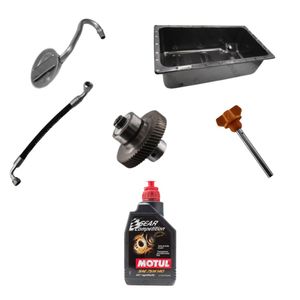



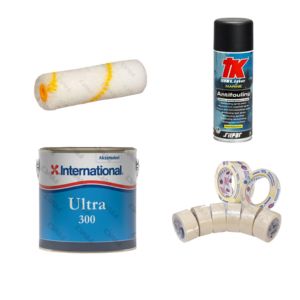
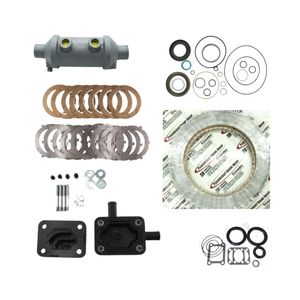
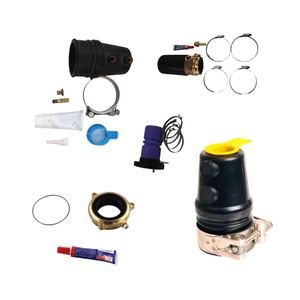
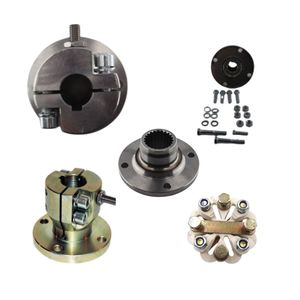
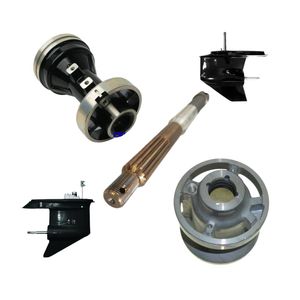
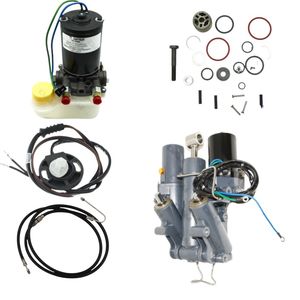
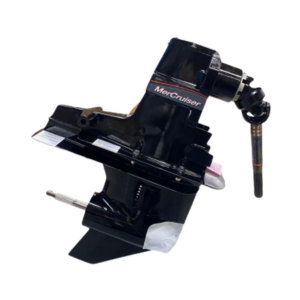
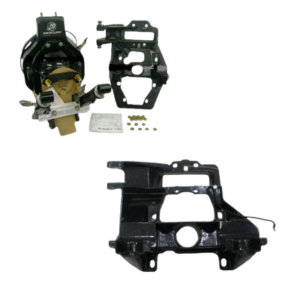

 Parts views
 Technical documents
 Ask for a quote
 Return request
DAM Marine helps you choose the right products to prepare your haul-out.
Boat antifouling is a paint applied to the underwater hull to reduce the build-up of algae, shellfish and marine fouling. The right choice depends on the water area, hull material, boat speed and how often the boat is used. A successful application mainly depends on a clean, matt, compatible and well-prepared surface. The interval between coats and launching must always follow the manufacturer’s instructions.
What is boat antifouling used for?
Boat antifouling is used to limit fouling, meaning the gradual build-up of a biological film, algae, shellfish or barnacles on the submerged part of the hull. A dirty hull becomes rougher, glides less efficiently and can increase the load placed on the engine. This extra resistance can even lead to boat engine power loss if fouling becomes significant.
The role of antifouling is therefore to keep the hull cleaner between two haul-outs. It does not repair a damaged hull, does not replace a primer when one is required, and cannot protect metals against corrosion on its own.
A fouled hull can also affect speed and fuel consumption. If you want to reduce your running costs on board, hull maintenance naturally complements good habits to use less fuel.
Is antifouling mandatory for a boat?
Antifouling is not always strictly mandatory, as it depends on the marina, sailing area, local rules and how the boat is stored. However, as soon as a boat stays in the water for long periods, antifouling often becomes the simplest solution for keeping the hull clean and reducing repeated cleaning.
The key point is not just to paint, but to do it properly: suitable preparation, environmental protection, safety equipment, respect for drying times and selection of a product compatible with the substrate.
How should you choose boat antifouling according to use?
To choose boat antifouling, you need to combine three criteria: the water area, the sailing programme and the substrate. The best antifouling is not universal: it is the one that matches your boat, your hull and your pace of use.
Does the boat often stay in the water?
A boat kept at the pontoon all season needs more regular protection than a boat stored ashore or frequently taken out on a trailer.
Do you sail in seawater, freshwater or brackish water?
Fouling varies depending on the area. Your choice must take account of the local fouling level and water temperature.
Is your boat fast or rather slow?
A fast or planing hull places more mechanical stress on the paint film than a displacement boat.
Which antifouling is already present?
Compatibility with the old coat is decisive. Poor overcoating can cause blistering, peeling or poor adhesion.
What is the hull material?
Polyester, epoxy, aluminium, sterndrives and propellers are not treated in the same way. Metals require particular care.
How often do you haul out?
An annual haul-out, a full strip-down after several seasons or reinforced protection do not lead to the same choice.
What is the difference between eroding, self-polishing and hard-matrix antifouling?
The difference mainly lies in how the paint wears over time. An eroding or self-polishing antifouling gradually renews itself, while a hard matrix forms a more mechanically resistant film.
When should you choose eroding or self-polishing antifouling?
It suits many regularly used pleasure boats. The film wears away gradually, which limits layer build-up over the seasons.
When should you choose hard-matrix antifouling?
It is useful when better mechanical resistance is required. However, layer build-up must be monitored over time.
What should you choose for a RIB or occasional-use boat?
If the boat is often taken out of the water, the need may be more limited. Regular cleaning or a lighter system may sometimes be enough.
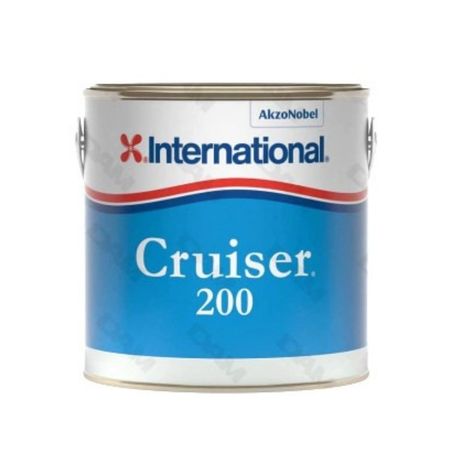
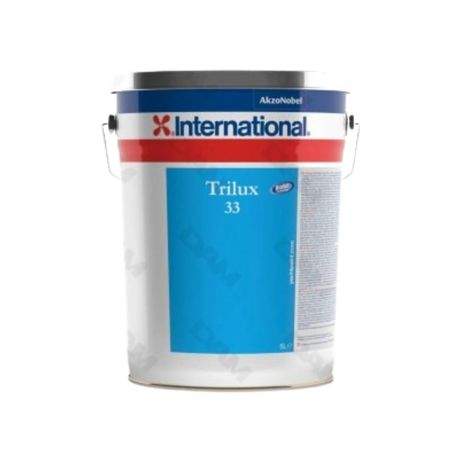
Start with your hull, your water area and how often you sail.
Which boat antifouling should you choose according to hull material?
The substrate determines adhesion and compatibility. A sound polyester hull does not require the same approach as an aluminium hull, sterndrive or propeller. In every case, the surface must be clean, matt, dry and free from peeling areas.
What should you do on a polyester or epoxy hull?
If the old antifouling is sound, renewal after cleaning and preparation may be enough. If the paint is flaking, the substrate must be corrected before repainting. During winter storage, also remember to protect the hull gelcoat in winter.
Why does aluminium require a compatible product?
Aluminium is sensitive to incompatibilities and galvanic corrosion. A suitable system must be used, often with an isolating primer and compatible antifouling.
Why check the anodes during haul-out?
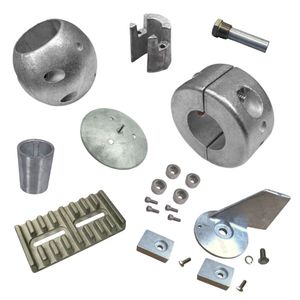
Anodes must not be painted. Use the haul-out to check their wear, tightness and suitability for the boat material.
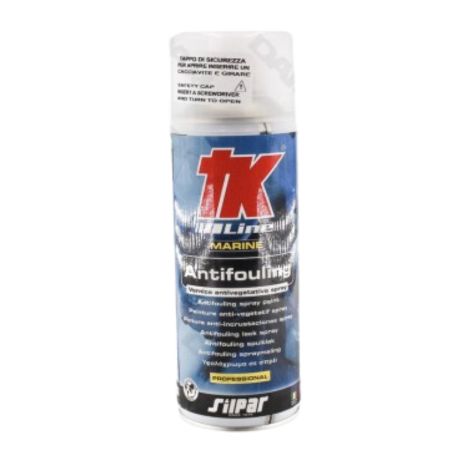
On metal areas, consistency between paint, primer and galvanic protection matters. To go further, also read our guide to the different types of boat anodes.
How much boat antifouling should you plan for and how many coats should you apply?
The amount of antifouling depends on the hull surface area, the coverage indicated by the manufacturer, the number of coats and the areas to reinforce. In practice, two coats are often applied, with local reinforcement on the most exposed areas. To avoid buying too much or too little product, you can also calculate the required amount of antifouling before ordering.
How do you estimate the quantity?
Multiply the area to be painted by the number of coats, then divide by the coverage in m²/L. Add a reasonable margin for touch-ups and reinforced areas.
How many coats should you apply?
Two coats are a solid basis in most cases. The waterline, bow and turbulence areas can receive an extra coat.
Does colour change performance?
Colour is mainly useful for monitoring wear. Alternating two shades from one season to the next lets you see when the previous coat reappears.
How do you apply boat antifouling during haul-out?
A good application relies on three basics: clean preparation, suitable conditions and an even coat. The product can be excellent, but it will not hold well if the surface is greasy, dusty, damp or incompatible. For the full process in the right order, see our guide on how to antifoul a boat. For coat application and roller work, also read the guide to apply antifouling to a boat hull.
How should you prepare the work area?
The boat must be safely supported. Mask the waterline, protect sensors and through-hulls, then prepare gloves, a mask and suitable clothing.
How should you clean and inspect the hull?
Remove fouling and inspect blisters, flakes and chalky areas. If the old film comes away in patches, do not paint directly over it.
How do you achieve good adhesion?
The surface must be matt, clean and grease-free. A primer may be required on a new, uncertain, stripped or metal substrate.
How do you apply it with a roller?
Mix thoroughly, work in sections and avoid stretching the paint too much. A coat that is too thin offers less protection.
How should you treat the propeller and sterndrive?
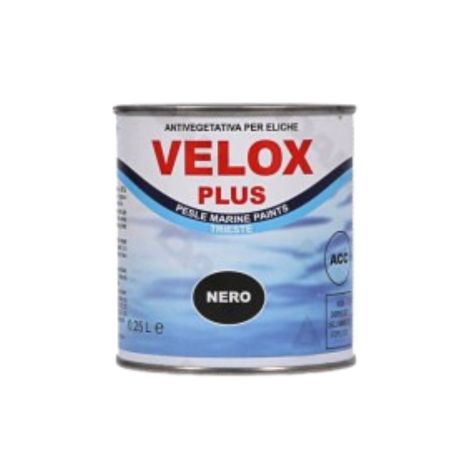
Use products designed for metals and highly stressed areas. Hull antifouling often performs poorly on a propeller or sterndrive.
Propulsion areas deserve special attention: a clean propeller limits vibrations, loss of efficiency and unnecessary strain. To go further, you can read our guide to boat propeller maintenance.
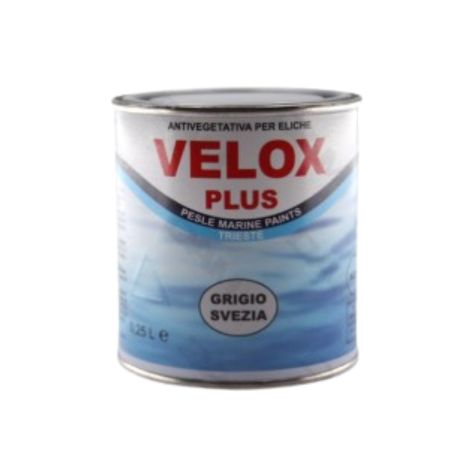
Can you repaint over old boat antifouling?
Yes, it is often possible to repaint over old antifouling if it is well adhered, clean, matt and compatible with the new system. This is the simplest case during regular maintenance.
However, if you see blisters, peeling patches, a significant build-up of coats or a known incompatibility, it is better to strip the substrate back. Painting over an unstable base usually only postpones the problem. In that case, it is better to remove antifouling from a boat hull before starting again with a clean system.
What drying times and launching delay should you respect after antifouling?
Drying times depend on the product, applied thickness, temperature, humidity and ventilation. The right reflex is simple: follow the instructions, especially the overcoating window and the minimum or maximum delay before immersion.
How long should you wait between two coats?
Some paints can be overcoated after a few hours, while others require longer. If the window is exceeded, light sanding may be required.
When should the boat be launched again?
Launching too quickly weakens the film. Launching too late can reduce the effectiveness of some products.
Is a pressure washer enough to remove boat antifouling?
A pressure washer is useful for cleaning the hull and removing what is already loose. It does not replace proper stripping if you need to remove an old complete system or return to a sound substrate after several seasons of build-up.
Use it methodically: if it is too aggressive, it can damage certain areas or create an uneven surface. The goal is to obtain a clean base, not to dig into the substrate.
When should boat antifouling be redone?
The lifespan of antifouling depends on the water area, time spent stationary, temperature, sailing frequency and type of paint. Many boats follow an annual rhythm, often at seasonal haul-out.
The signs to watch are simple: fouling returning quickly, polished areas, a much thinner film, the previous colour reappearing or paint flaking. The right timing also depends on your schedule: a haul-out can be part of boat winterisation or a pre-season recommissioning.
What alternatives can replace boat antifouling?
Alternatives to antifouling exist, but they often shift the constraint towards maintenance, logistics or budget. They are relevant in some cases, rarely universal.
Is dry storage an effective alternative?
Yes, because the boat does not remain submerged. It is very effective against fouling, but it requires suitable organisation and availability.
Can regular cleaning be enough?
Sometimes, especially for a boat that spends little time in the water. It must remain compatible with local rules and must not become too aggressive for the hull.
Are foul-release coatings worthwhile?
They can suit certain programmes, but their preparation and application are often more demanding.
If you are preparing to launch after several months ashore, antifouling can also be part of a broader checklist to recommission a boat after winter properly.
Which boat antifouling should you choose for your situation?
The table below summarises the main use cases. It does not replace the manufacturer’s instructions, but it helps guide your choice before buying.
| Type or case | Ideal for | Strengths | Points to watch | Practical advice |
|---|---|---|---|---|
| Eroding / self-polishing | Regularly used boat, seasonal haul-out | Self-renewing film, limited build-up | May be less suited to long periods stationary, depending on the product | A very good versatile choice for many pleasure boats |
| Hard matrix | Use cases requiring better mechanical resistance | Robust film, good durability | Risk of build-up if repainting every year without stripping back | Monitor the thickness of old coats |
| Aluminium-compatible | Aluminium hull, sterndrive or appendages | Reduces risks linked to incompatibilities | Requires a complete system: suitable primer + antifouling | Also check the anodes and substrate insulation |
| Propeller / sterndrive | Highly stressed metal areas | Better hold than hull antifouling on metal | Strict preparation required | Use a product dedicated to propellers/sterndrives |
| Freshwater | Lakes, rivers, canals | Solution adapted to local fouling | A product designed for the sea is not always the most relevant | Choose according to actual fouling and frequency of use |
Boat antifouling FAQ
Can antifouling be applied to a new hull?
Yes, but adhesion must be carefully prepared. A new hull may be very smooth or have mould-release residues. It must therefore be degreased, lightly sanded and primed if recommended by the paint.
Which sanding grit should you use before repainting?
The grit depends on the substrate and the condition of the old film. The goal is to obtain a clean, matt and even surface without unnecessarily attacking the substrate.
What should you do if the maximum time before launching has passed?
Refer to the instructions. Depending on the product, light sanding and a refresh coat may be needed to restore an active surface before immersion.
Can rain damage freshly applied antifouling?
Yes, if the paint is still fresh. Water can mark the film or disrupt drying. Let it dry, inspect it, then sand and repair the area if necessary.
Can the boat remain ashore for a long time after antifouling?
It depends on the range. Some paints tolerate a long wait, while others have a stricter immersion window. This criterion must be checked before purchase.
Why reinforce the waterline?
The waterline often suffers more friction, micro-waves, UV and cleaning. A local reinforcement coat improves durability without overloading the whole hull.
Should anodes be painted during haul-out?
No. Anodes must remain bare to work properly. If painted, they can no longer provide protection.
Can sensors or transducers be painted?
It is better to mask them unless using a specifically compatible product. Unsuitable paint can interfere with sonar, speedometer or other instrument readings.
How can you avoid roller runs?
Apply an even coat, do not overload the roller, do not stretch the paint too much and stir the pot often to keep the formulation homogeneous.
Can the hull be cleaned during the season without damaging the antifouling?
Yes, but gently. Cleaning that is too aggressive can polish or prematurely wear the coat. The method must be adapted to the type of antifouling applied.
What should you do with old “layer-cake” antifouling?
When old coats become too thick, cracked or uneven, stripping back is often the most durable solution before starting again with a clean system.
How should an opened pot of antifouling be stored?
Seal it very tightly, clean the rim of the pot and store it away from frost and heat. Before reuse, mix thoroughly because the fillers settle at the bottom.