


 Catalog
 Exploded views
















 Honda Marine
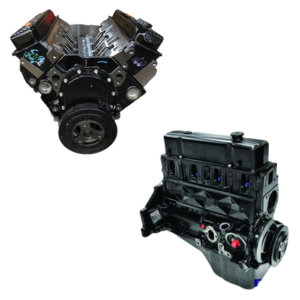
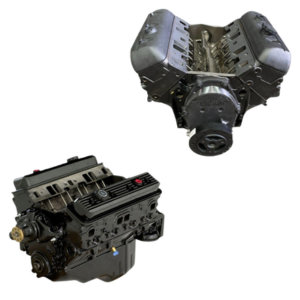
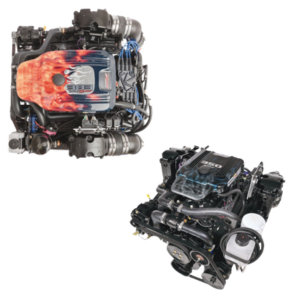
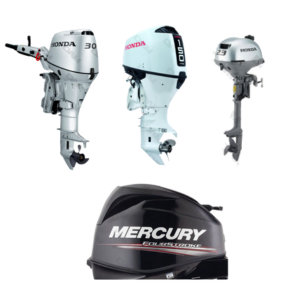


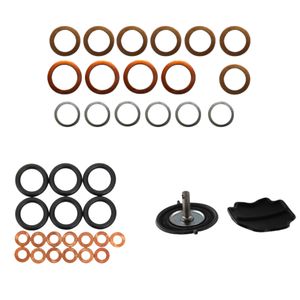
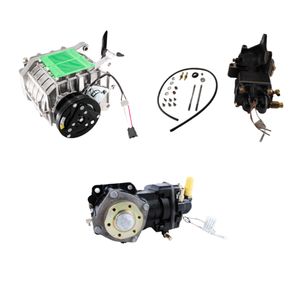
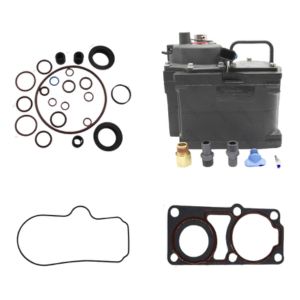
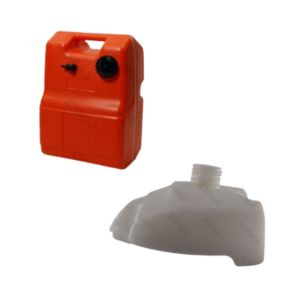




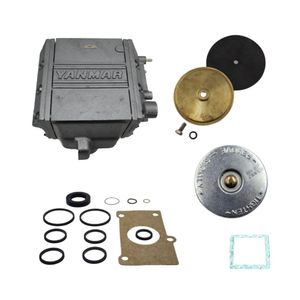
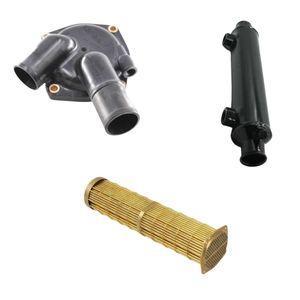
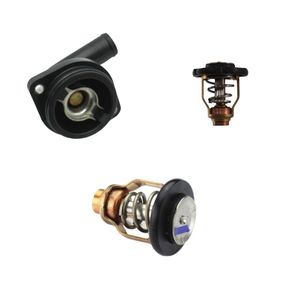
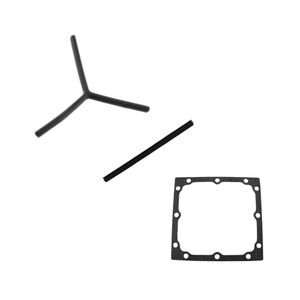

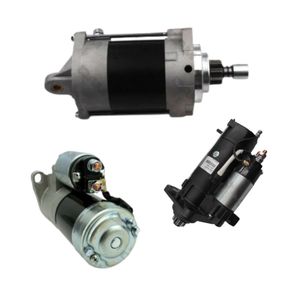
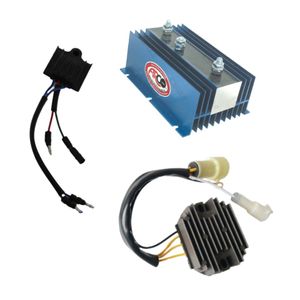
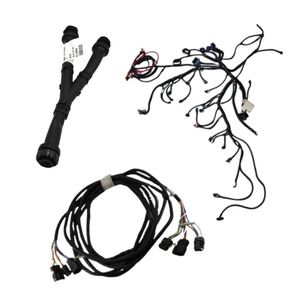
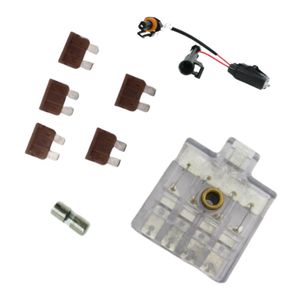
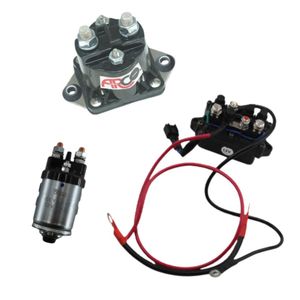
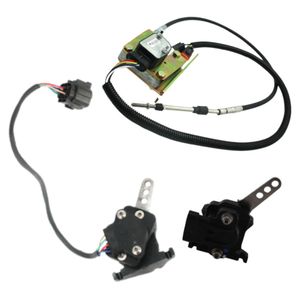
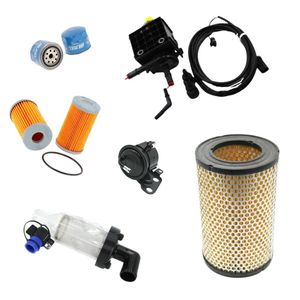
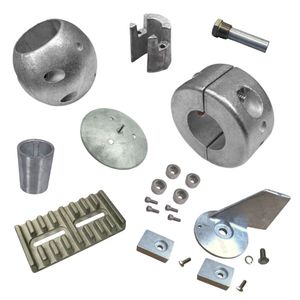
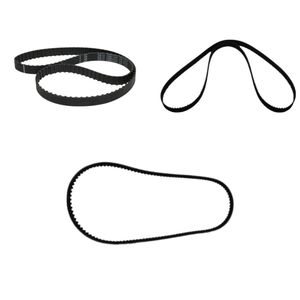
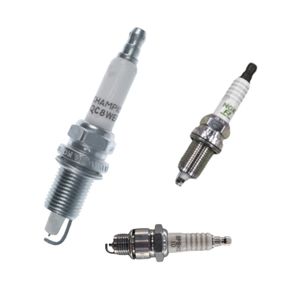
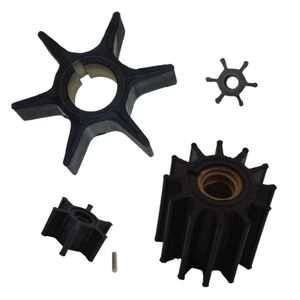
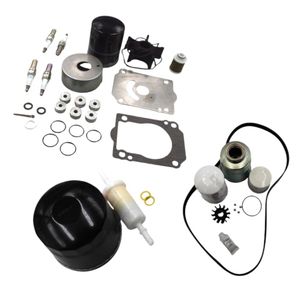
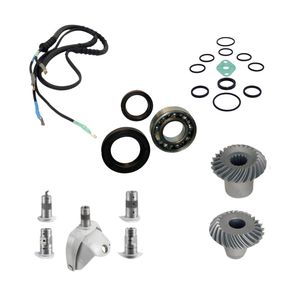
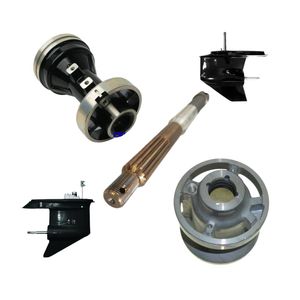
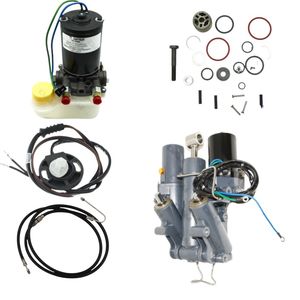
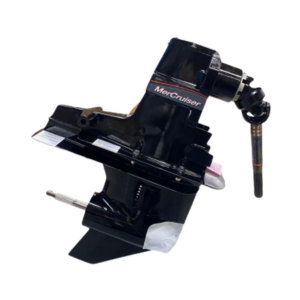

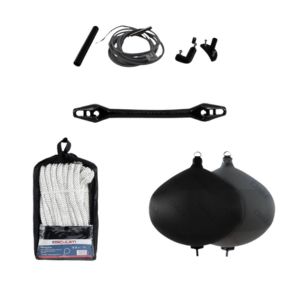
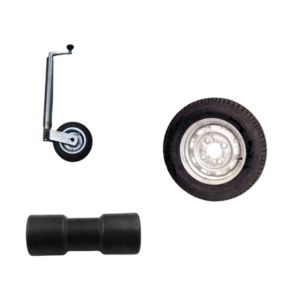
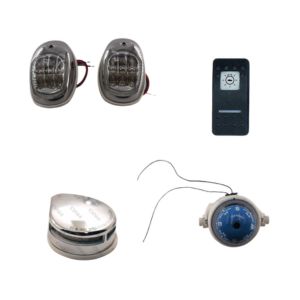
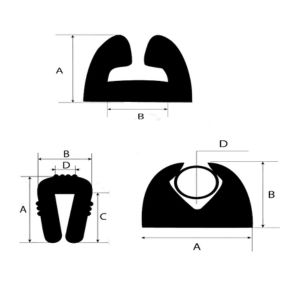
 Parts views
 Technical documents
 Ask for a quote
 Return request
How does a marine VHF radio work? Range, channels, DSC and settings
Need to equip your boat for communication at sea? Explore navigation equipment, accessories and useful solutions to improve safety on board.
View instrumentsA marine VHF radio is a communication device designed to exchange information quickly with harbours, nearby boats and rescue services. Its operation is based on line-of-sight radio transmission, with range mainly determined by antenna height and installation quality. VHF channels organise calls, safety messages and working conversations. DSC adds a digital alert linked to the boat’s MMSI, helping essential information reach responders faster.
What is a marine VHF radio used for on board?
A marine VHF radio is used to communicate quickly with other boats, harbour offices, ports and rescue services. It is designed for navigation: short calls, organised channels, safety monitoring and the ability to raise an alert in the event of a serious problem.
Unlike a mobile phone, a VHF radio allows several parties to hear the same message at the same time. In the event of a breakdown, uncertainty during a manoeuvre or an emergency, this shared broadcast can save valuable time. It therefore complements other safety equipment on board, without replacing it.
Day to day, it is also used to contact a harbour office before entering port, announce a manoeuvre, speak with a nearby boat or keep watch on the safety channel. For calm and controlled navigation, it fits into a wider approach alongside the rules of navigation at sea and navigation lights.
How does a marine VHF radio work in simple terms?
A marine VHF radio works like a walkie-talkie designed for the sea: you press the microphone button to speak, then release it to listen. The signal is transmitted by radio waves on dedicated maritime channels, generally around 156 to 162 MHz.
To place the VHF within the wider onboard systems, the guide to how a boat works gives a useful overview.
What parts make a VHF radio work?
A VHF setup relies on a fixed or handheld unit, a microphone with a PTT button, an antenna and a power supply. On a fixed VHF, the antenna and coaxial cable are just as important as the radio itself.
Why do users need to speak one at a time?
Most VHF exchanges are simplex: one person speaks while the other listens. If two people speak at the same time, messages overlap and become difficult to understand.
How is it different from CB or UHF?
A marine VHF radio does not use the same frequencies, channels or purposes as CB radio. It is regulated for nautical communications, which prevents navigation exchanges from being mixed with other radio networks.
On an equipped boat, a fixed VHF also depends on the quality of the electrical circuit. Unstable power, a tired battery or poor grounding can cause dropouts, electrical noise or irregular transmission. To understand this point, you can read the guide on how electricity works on a boat.
What is the real range of a marine VHF radio?
The range of a marine VHF radio mainly depends on line of sight between antennas. The higher and clearer the antenna, the farther the signal can travel. Transmitter power matters, but it cannot compensate for a badly positioned antenna or a damaged cable.
Why does antenna height make such a difference?
VHF waves mainly travel in straight lines. An antenna mounted higher up “sees” farther over the water, waves, landforms and boat obstacles.
Why is the coaxial cable important?
A damaged, overly long or poorly connected coaxial cable can absorb part of the signal. The radio may appear to work, while the real range remains poor.
Why do weather and surroundings affect reception?
Cliffs, harbour buildings, nearby masts, electrical interference and dense radio traffic can all reduce the clarity of a VHF exchange.
In practice, a handheld VHF often has a shorter range because its antenna is low and short. A well-installed fixed VHF, with a clean and high antenna, generally provides more stable communication for coastal navigation.
How do you set a marine VHF radio: squelch, power and watch?
A marine VHF radio is mainly adjusted through three functions: squelch, transmit power and watch mode. A poor setting can make the device seem faulty, even when a simple adjustment is enough.
How do you set the squelch?
The squelch cuts radio hiss when nobody is speaking. Open it until you hear noise, then close it gradually until silence returns. If it is set too high, weak messages may be hidden.
When should you use 1 W or 25 W?
Low power is suitable for nearby exchanges, especially in port. High power is used when distance increases or when a message needs to carry farther. It should not be used unnecessarily.
What is dual watch for?
Dual watch lets you monitor channel 16 while staying on another channel. It is useful for keeping an ear on safety communications without leaving a working channel.
Before going out, get into the habit of checking the volume, the safety channel, the battery level if the VHF is handheld, and the visible condition of connectors if it is fixed. A well-maintained battery also limits unpleasant surprises: see the guide to maintaining a boat battery. If you need to replace or size your battery bank, the guide to choosing a boat battery completes this point.
Which VHF channels should you use at sea and in port?
VHF channels organise communications: safety, calling, boat-to-boat exchanges, ports and digital functions. The aim is not to memorise every channel, but to know which one to use depending on the situation.
Why is channel 16 central?
Channel 16 is the calling and safety channel. It is used to contact, alert or keep watch at sea. Once contact is established, the conversation should generally move to a working channel.
What is channel 9 used for?
Channel 9 is often used for calls with ports or harbour offices, depending on the area. Always check local practices, as ports may specify their calling channel in their instructions.
Which channel is used for DSC?
DSC uses a dedicated digital channel, generally channel 70. This channel is not for voice conversations: it carries alerts and digital information.
A good habit is to note the useful channels for your navigation area: departure port, arrival port, safety channels and any working channels. This preparation avoids searching through menus when your attention should stay on the sea.
What are DSC, the DISTRESS button and MMSI used for?
DSC is a digital function that allows a structured alert to be sent from a compatible VHF radio. Combined with an MMSI and a GPS position, it helps rescue services identify the boat and its situation more quickly.
What exactly is MMSI?
MMSI is a 9-digit radio identifier assigned to an installation or a vessel. It identifies who is calling and helps process a DSC alert.
What does the DISTRESS button do?
The DISTRESS button triggers a digital distress alert. It must never be used for testing or curiosity: it is reserved for serious situations.
Why combine VHF and AIS?
AIS helps display or transmit position information between compatible vessels. To understand this technology, read the guide to AIS technology.
For DSC to be fully useful, the VHF must receive a reliable position, often via built-in GPS or a connection to another device. This belongs to the wider ecosystem of a boat’s navigation instruments.
How do you make a call with a marine VHF radio?
An effective VHF call is short, clear and structured. Identify the recipient, give your boat’s name, state the purpose of the call, then leave room for the reply.
How do you call a harbour office?
Example: “Harbour office of [port name], harbour office of [port name], this is [boat name], over.” After the reply, give your position, your request and your intentions.
How do you speak to another boat?
Call the boat by name, give your own, then suggest a working channel if the exchange needs to continue. Keep it brief to avoid congesting useful channels.
Which words should be reserved for emergencies?
“MAYDAY” is reserved for serious and immediate distress. It must never be used for a test. If in doubt, keep the message clear: who you are, where you are and what is happening.
VHF is very useful when approaching a port, but it does not replace manoeuvre preparation. Before entering, also think about your fenders, mooring lines and mooring points. DAM Marine’s guides on how to moor a boat and choosing mooring lines complement this practical section well.
Preparing your safety is not just about having a VHF. Also check your mandatory equipment, onboard energy and navigation tools before heading out to sea.
View the safety guideDo you need a licence or a restricted operator certificate to use a marine VHF?
The conditions for using a marine VHF radio depend on the type of device, the navigation area and the applicable regulations. In French coastal waters, the rules are not always the same as they are internationally, especially for DSC-equipped VHF radios.
A restricted radiotelephone operator certificate may be required in some cases, particularly outside French waters or depending on the equipment used. Before sailing abroad or installing a fixed unit with advanced functions, it is best to check the latest official regulations and the obligations linked to your boat.
In all cases, the most important thing is knowing how to use the device correctly: listen before transmitting, speak briefly, use the right channels and reserve emergency calls for situations that truly justify them.
Why is the VHF antenna so important for reception?
The VHF antenna is essential because it converts the radio’s signal into a radio wave and receives incoming messages. An excellent VHF with a poor antenna will often perform badly, while a clean installation greatly improves range and clarity.
Where should the VHF antenna be placed?
The antenna should be as high and clear as possible, away from metal obstacles and sources of interference. A low position naturally limits range.
Which cable mistakes should be avoided?
Avoid cables that are too long, pinched, damaged or of insufficient quality. Every loss in the cable reduces transmission and reception efficiency.
Why should connectors be monitored?
Oxidation, looseness or poor crimping can be enough to severely degrade communication. Connectors must remain clean, tight and protected from moisture.
After a long period with the boat out of use, the antenna, cables and power supply deserve careful checking. This follows the same logic as the checks recommended when recommissioning a boat after winter.
Why is my marine VHF radio not transmitting or receiving?
A marine VHF radio that does not transmit or receive correctly often has a simple issue: squelch setting, wrong channel, weak power supply, faulty microphone, damaged antenna or oxidised connection. Test step by step, from the most obvious cause to the most technical.
I can receive, but nobody hears me: what should I check?
- Power left in low-power mode.
- Faulty microphone or PTT button.
- Loose or oxidised antenna connector.
- Antenna damaged by impact or ageing.
I can barely hear anything: what should I check?
- Squelch set too high.
- Volume too low or silent mode active.
- Wrong channel selected.
- Tired antenna or coaxial cable.
My range is extremely poor: what should I check?
In most cases, check the antenna, cable and connectors. A small amount of oxidation can be enough to reduce range sharply, even with high transmit power.
If the problem appears after several devices have been switched on, also consider electrical interference. Good energy management on board prevents many electronic malfunctions: see the guide on managing energy on board a boat.
How do you choose between fixed, handheld and DSC VHF radios?
The choice between a fixed VHF, handheld VHF and DSC VHF depends on your navigation programme. A short trip near the coast does not create the same needs as regular cruising, night sailing, a more isolated area or conditions where you need to go boating in winter.
When should you choose a fixed VHF?
A fixed VHF suits boats that sail regularly and need stable range. It requires a good installation: reliable power, a suitable antenna and clean cabling.
When should you choose a handheld VHF?
A handheld VHF is practical as a backup, on a tender, on a small boat or at anchor. Its range is more limited, but it remains useful if it is charged, waterproof and accessible.
When should you choose a VHF with DSC?
DSC is a real advantage for regular navigation, short-handed trips or areas where a fast alert is essential. However, the MMSI and GPS position must be configured correctly.
For connected uses that are not immediate safety matters, such as checking the weather, speaking with family or using online services, VHF does not replace internet access. The guide how to connect to the internet on board a boat explains these complementary solutions.
What should you remember when using your marine VHF radio in practice?
Good marine VHF use is based on a few simple habits: switch the device on before departure, keep the volume audible, set the squelch correctly, know the safety channel, have battery power available and keep messages short.
| Situation | What to do | Useful setting or channel | Common mistake | Expected result |
|---|---|---|---|---|
| Before leaving port | Switch on the VHF, set the volume and check reception. | Channel 16 or dual watch | Leaving with the VHF switched off or too quiet. | Stay reachable and aware of safety messages. |
| Approaching a port | Contact the harbour office with a short message. | Local channel, often 9 depending on the port | Not knowing the port’s calling channel. | Receive entry or mooring instructions. |
| Boat-to-boat exchange | Call briefly, then switch to a working channel if needed. | Channel suitable for ship-to-ship exchanges | Staying too long on a calling channel. | Communicate without disturbing other users. |
| Poorly received message | Check squelch, volume, channel, antenna and connectors. | Gradually adjusted squelch | Blaming the radio without checking the installation. | Quickly identify the likely cause. |
| Distress situation | Give your identity, position, nature of the problem and number of people on board. | Channel 16 or DSC if available | Using emergency words for a simple test. | Transmit a clear, usable alert. |
Quick pre-departure checklist: audible volume, adjusted squelch, channel 16 accessible, charged battery for a handheld unit, clean antenna and connectors for a fixed unit. These few checks prevent most unpleasant surprises.
Additional FAQ about marine VHF radios
Can a marine VHF radio replace a mobile phone?
No. A mobile phone remains useful for private calls or certain information, but VHF is better suited to safety communications at sea. It allows several boats or stations to hear the same message, which a conventional phone call does not.
Can you test the DISTRESS button on a DSC VHF?
No, you must not press the DISTRESS button for a test. This function is reserved for serious alerts. To check the device, follow the manufacturer’s procedures or ask a professional for advice.
Where should a handheld VHF be stored on board?
A handheld VHF should remain accessible, charged and protected. Ideally, place it somewhere known to the crew, with a lanyard or waterproof case if needed, so it can be grabbed quickly.
Why does a VHF radio crackle constantly?
Constant crackling often comes from a squelch setting that is too open or from electrical interference on board. Start by adjusting the squelch, then check whether the noise appears only when certain devices are switched on.
Does a fixed VHF consume a lot of energy?
On standby, consumption generally remains moderate, but it increases during transmission, especially at high power. On a boat equipped with several electronic devices, the VHF must be included in overall energy management.
Is VHF also useful at anchor?
Yes, it can be useful at anchor to keep watch, contact a nearby boat or receive safety information. However, it does not replace proper anchoring preparation: see the guide to boat anchoring techniques.
A reliable VHF starts with a clean installation. Check your power supply, antenna, accessories and safety equipment before your next trip.
Prepare my navigation