

 Catalog
 Exploded views
















 Honda Marine
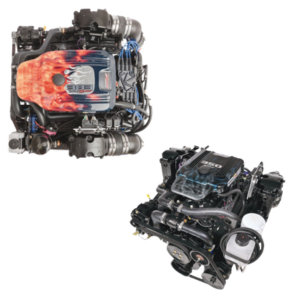
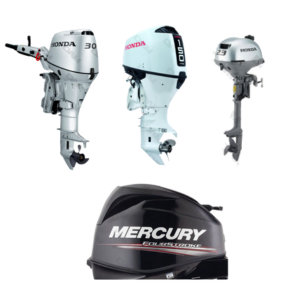


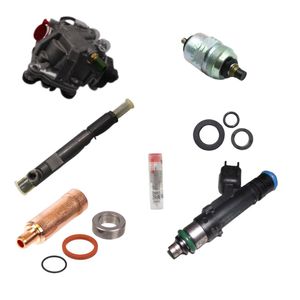
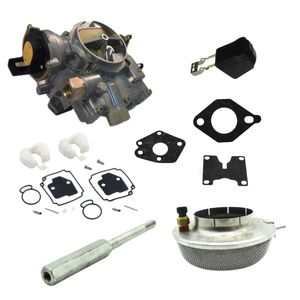
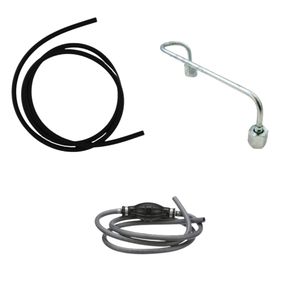
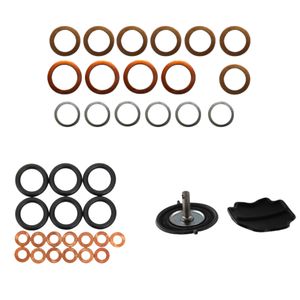
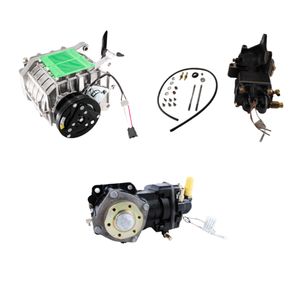
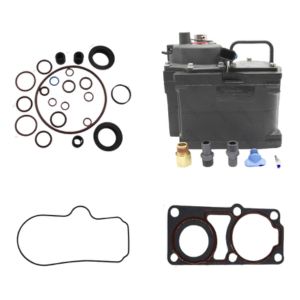




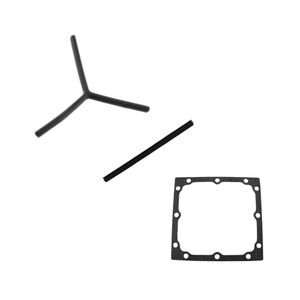
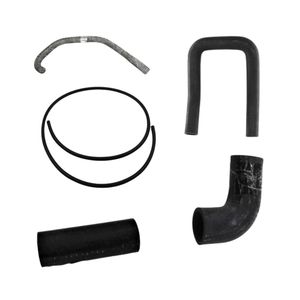
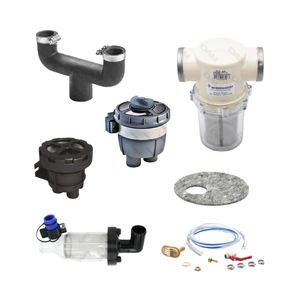
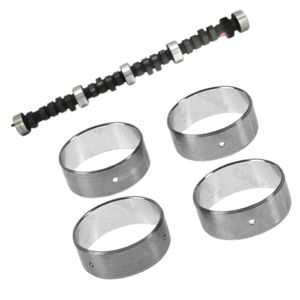
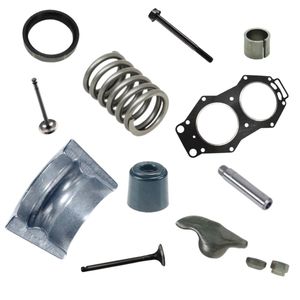
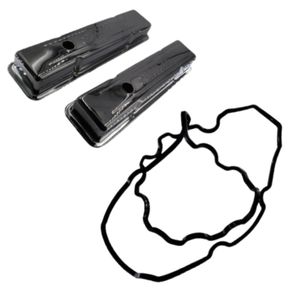
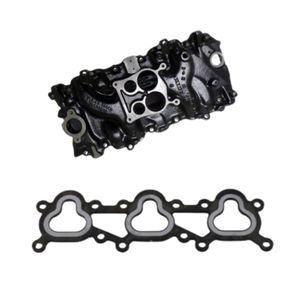
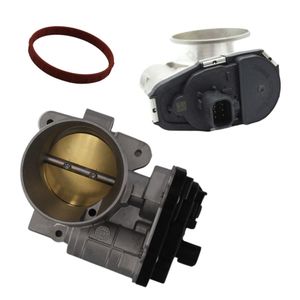
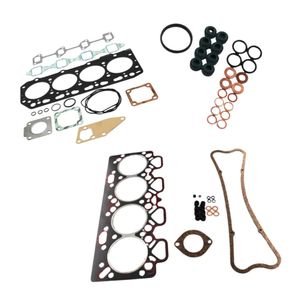
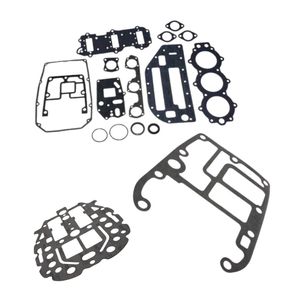
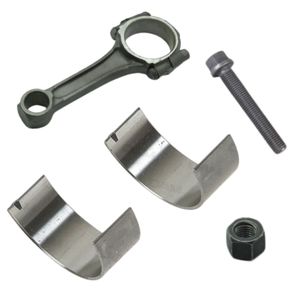
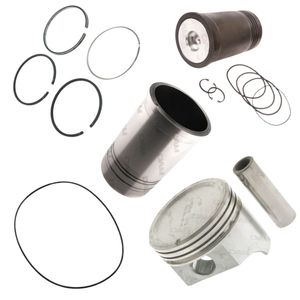

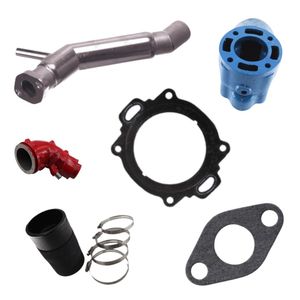
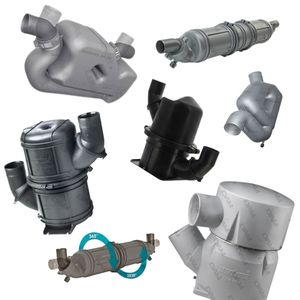
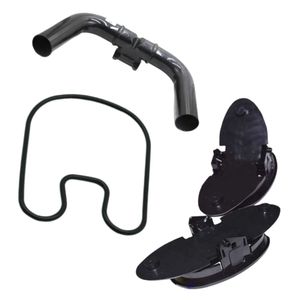
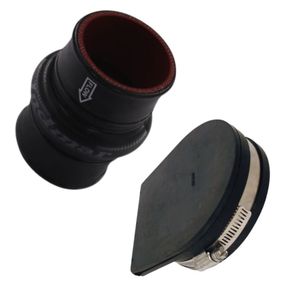
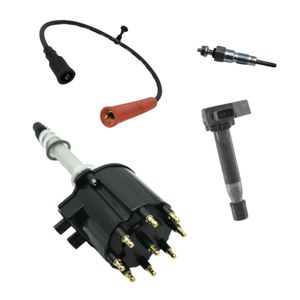
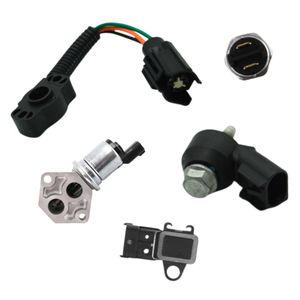
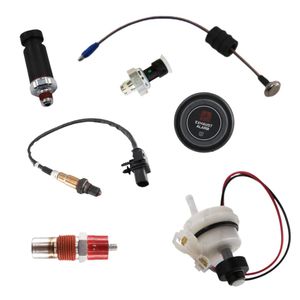
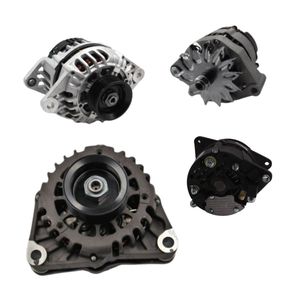
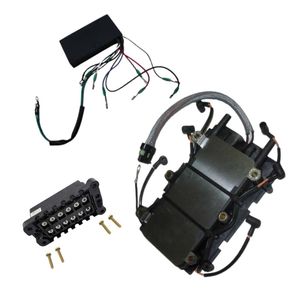
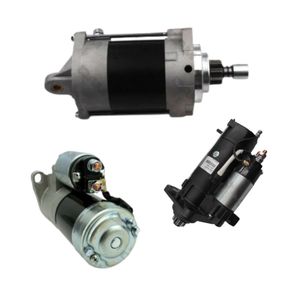
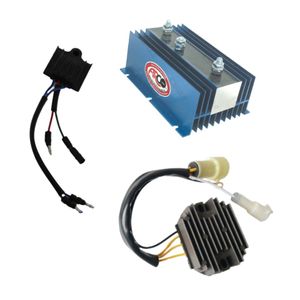
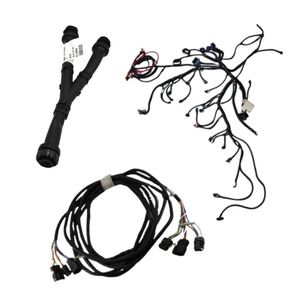
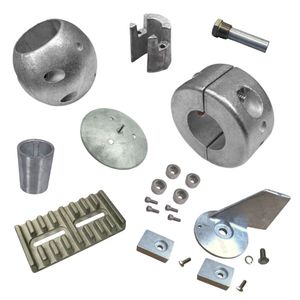
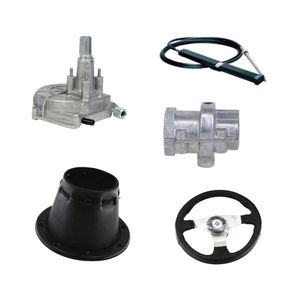
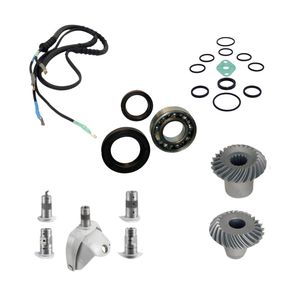
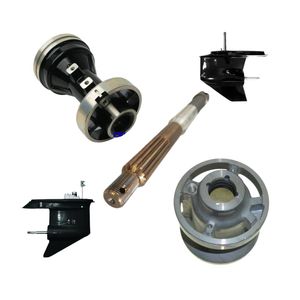
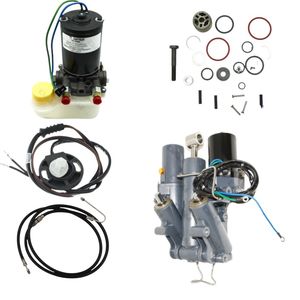

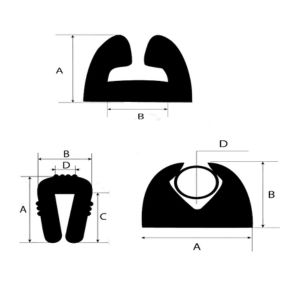
 Parts views
 Technical documents
 Ask for a quote
 Return request
Need to understand your boat better? Identify the key areas before maintenance, ordering a part or manoeuvring in harbour.
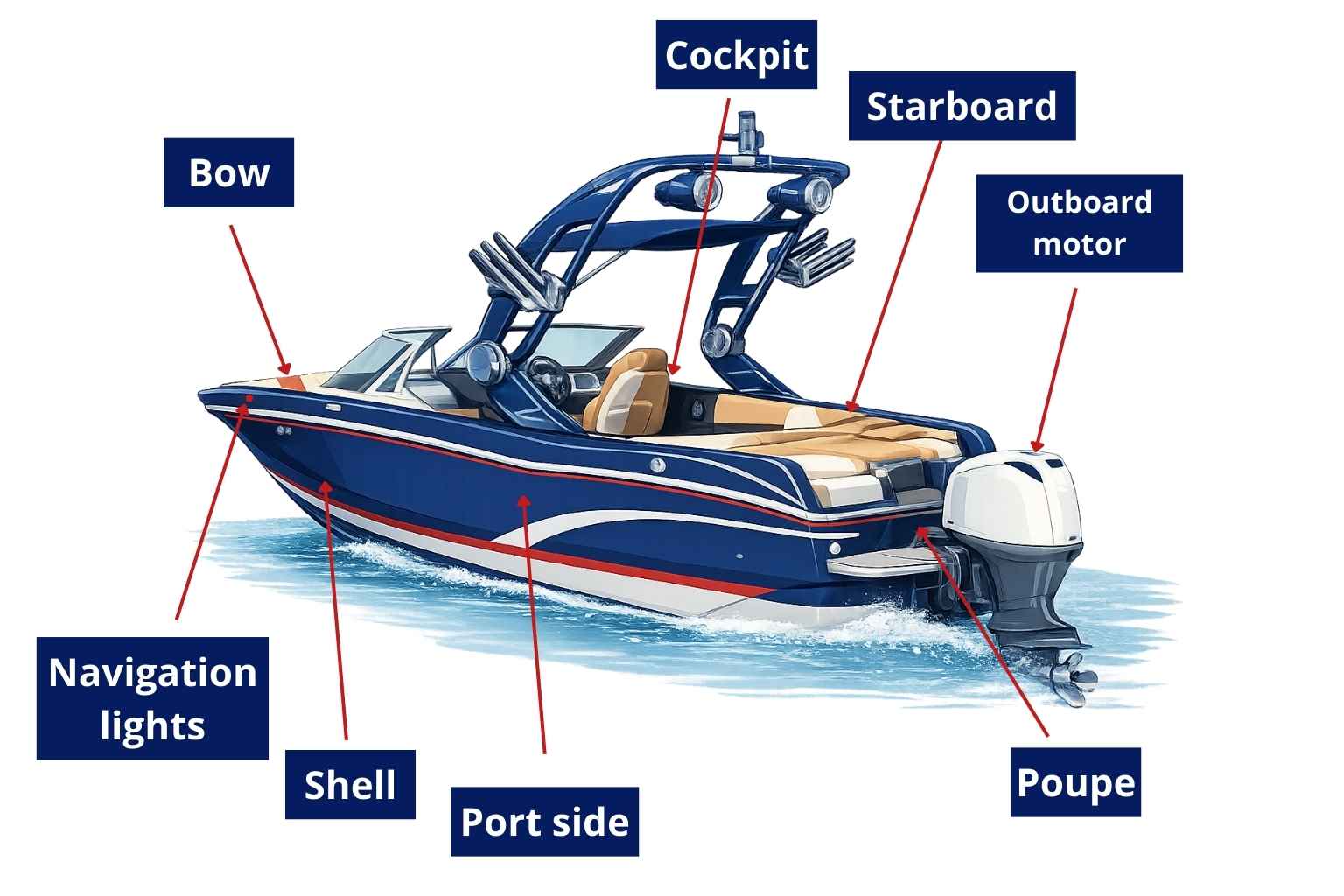
Understand how it worksBoat parts refer to the areas that make up its structure, movement around the deck, propulsion and equipment. The bow is the front, the stern is the rear, port is the left side when facing forward and starboard is the right side. The hull provides buoyancy, while the deck, cockpit, side decks and mooring equipment help you move around and manoeuvre. Knowing these reference points makes it easier to describe a fault, prepare maintenance or choose the right part.
Which boat parts should you know first?
The first boat parts to know are the bow, stern, port and starboard, because they are the reference points used to locate yourself clearly on board. They prevent confusion during a manoeuvre, a mooring operation or a technical discussion.
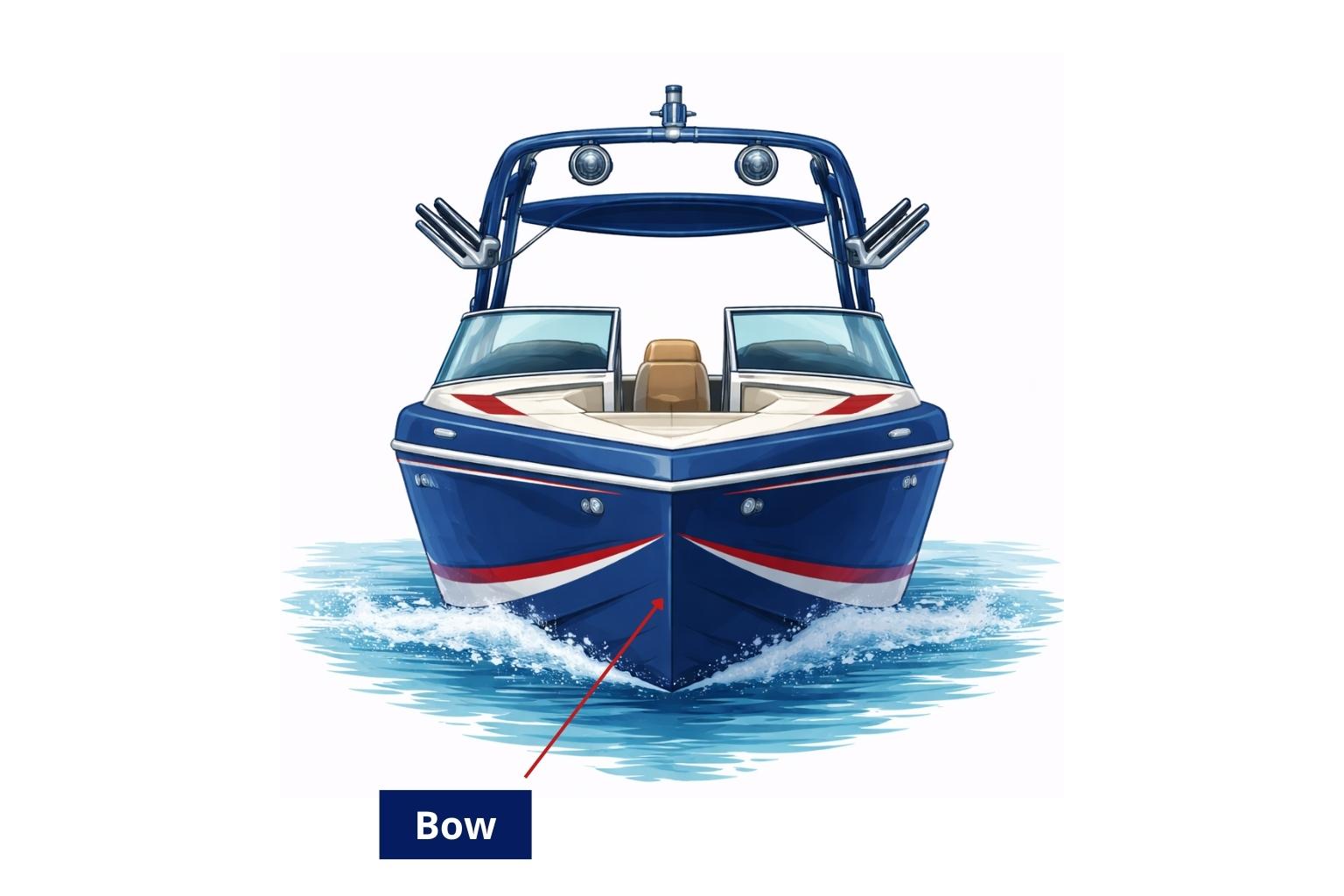
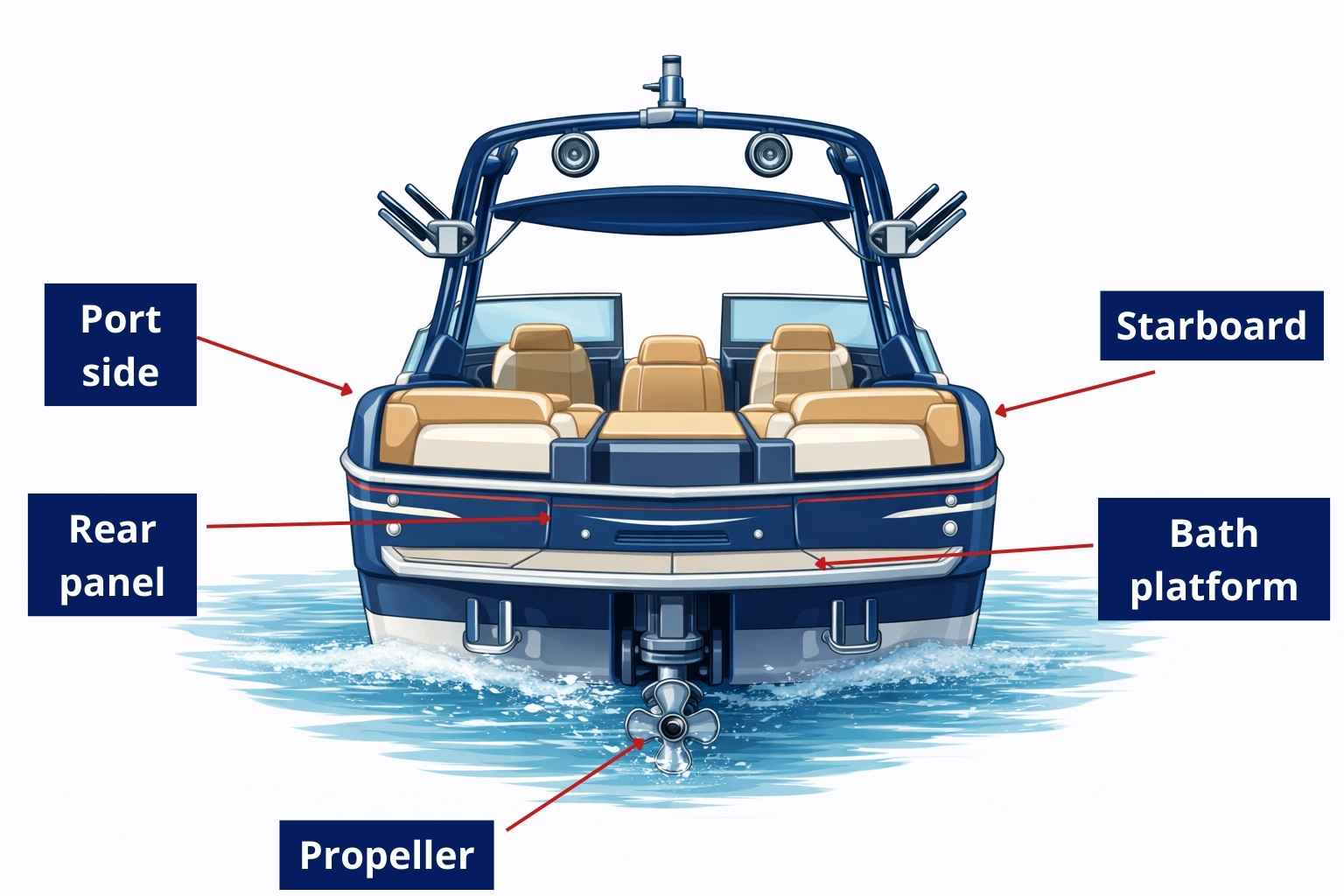
The bow is the front of the boat. It is the area that cuts through the water when the boat moves forward. The stern is the rear, where you often find the engine, transom, swim platform or access to the water.
For the sides, always face the bow: port is the left side and starboard is the right side. These words are used throughout boating because they remain valid wherever a person is standing on board.
What are the main hull areas of a boat?
A boat hull is divided into several areas: the topsides above the water, the underwater section below the water, the bottom shape below the waterline and the freeboard above that line. These areas directly affect buoyancy, stability and boat maintenance.
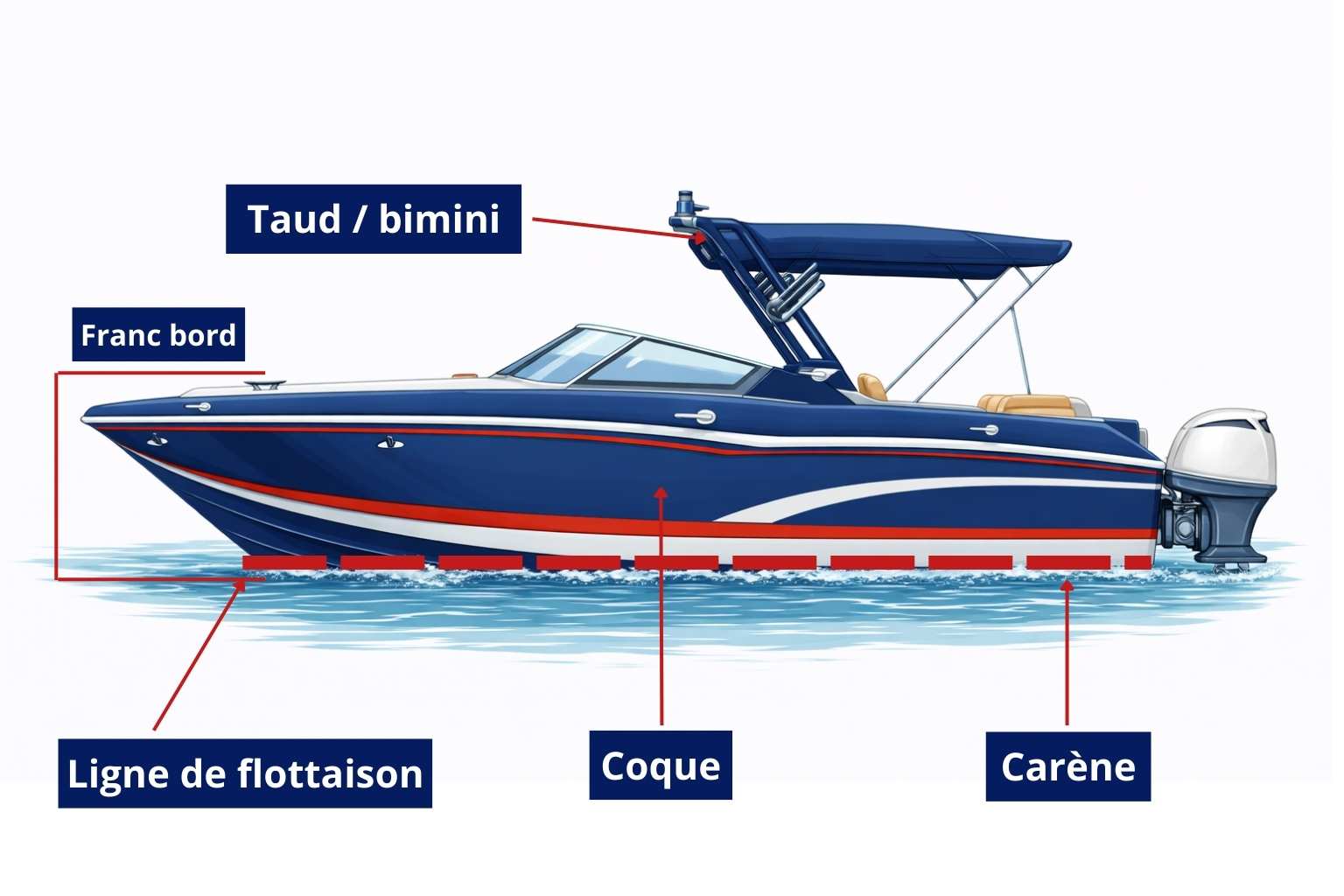
The hull is the main structure of the boat. It provides buoyancy, protects the interior volumes and gives the boat its overall shape. A sound hull helps prevent leaks, abnormal vibrations and loss of performance.
The topsides are the visible parts above the water. They are exposed to sun, salt, fender rubbing and contact with the quay; the DAM Marine guide to protecting hull gelcoat usefully complements this point. The underwater sections are immersed and more exposed to fouling, corrosion and impacts.
The bottom is the shape of the hull below the waterline. It influences stability, seakeeping, speed and fuel consumption. This is also the area concerned by boat antifouling, which helps limit the build-up of marine growth. To prepare this area, the DAM Marine guide also explains how to antifoul a boat.
Which parts should you identify at the bow and stern?
At the front, the main parts are the bow, stem and sometimes the forefoot. At the rear, you find the stern, transom, swim platform and often part of the propulsion system.
The stem is the forward part of the hull that cuts through the water. It affects how the boat enters waves. Lower down, the forefoot is a junction area between the stem and the underwater section; it may be exposed to rubbing and small impacts.
The transom is the vertical face at the rear of the boat. On an outboard boat, it usually supports the engine. On an inboard boat, it more often carries aft equipment, a swim platform or elements linked to the transmission.
How do you find your way around a boat deck?
The deck is the upper part of the boat: it includes circulation areas, the cockpit, helm station, side decks and many safety or manoeuvring fittings.
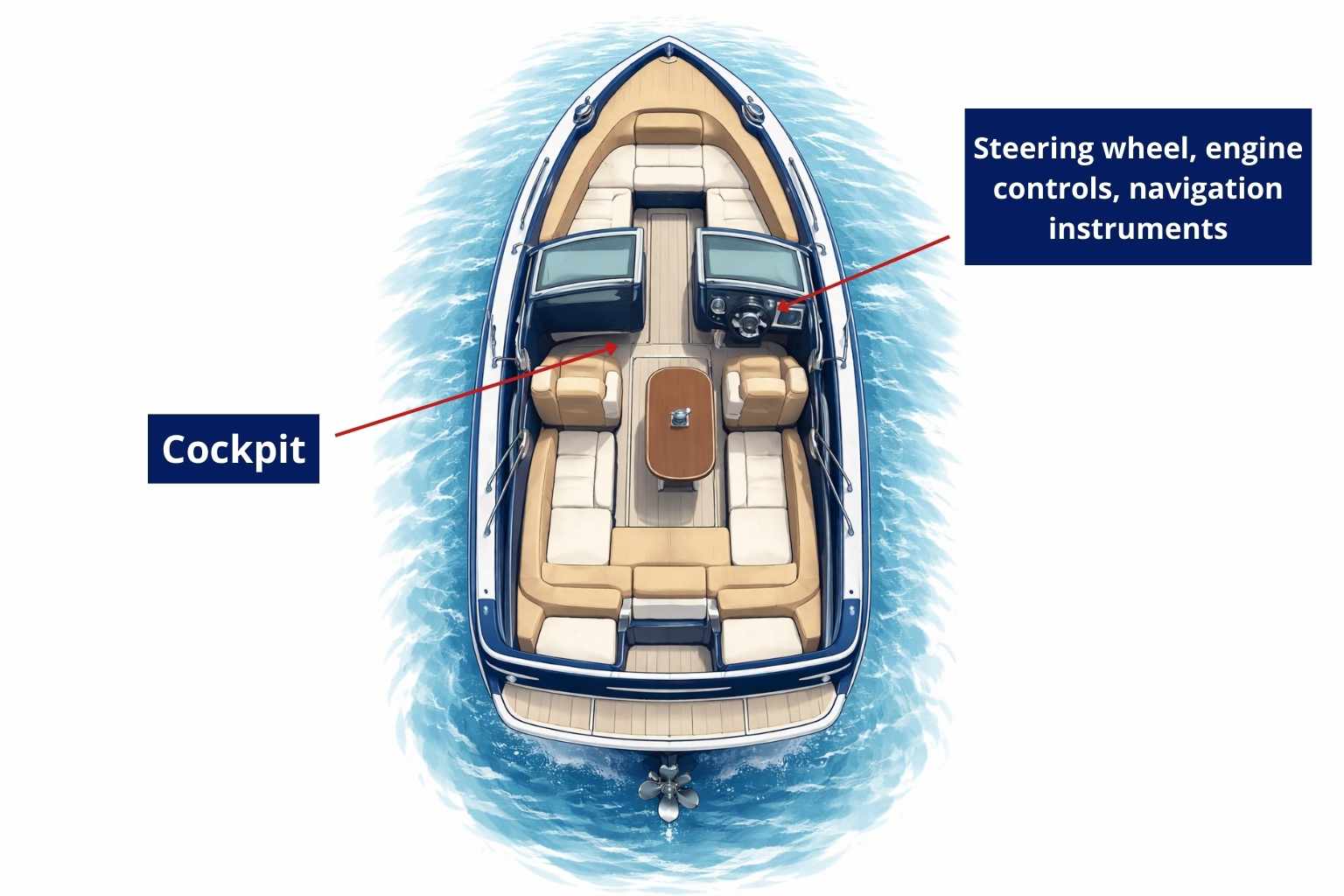
The cockpit is often the central living area on board. It may include seating, a table, storage and sometimes access to the cabin. The helm station brings together the wheel or tiller, engine controls and navigation instruments.
The side decks are the lateral passages used to reach the front of the boat. They must remain clear and non-slip, especially during manoeuvres. For safer cruising, they work together with other equipment such as handrails, guardrails, navigation lights and mandatory devices covered in the DAM Marine guide to safety equipment on board.
Which equipment is used to moor and protect a boat?
The most common mooring and protection equipment includes the rubbing strake, cleats, fairleads, mooring lines, fenders and handrails. They protect the hull, keep the boat secured to the quay and make movement on board safer.
The rubbing strake protects the joint between the hull and deck when the boat touches a quay or another boat. Cleats are used to secure mooring lines. Fairleads guide ropes to reduce rubbing and correctly direct loads.
To go further with harbour manoeuvres, you can read the DAM Marine guide to mooring a boat, choosing the right mooring lines or selecting the right fender.
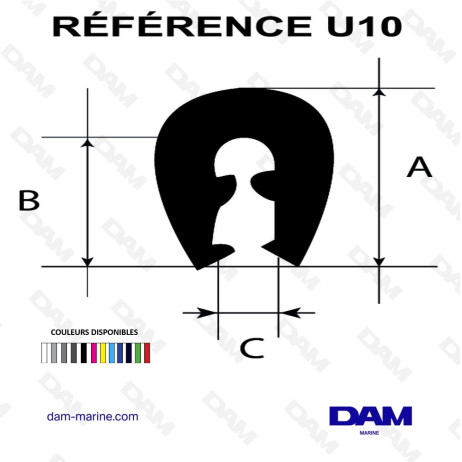
What is the rubbing strake for?
The rubbing strake protects the edge of the boat against light rubbing. DAM ref.: U10.
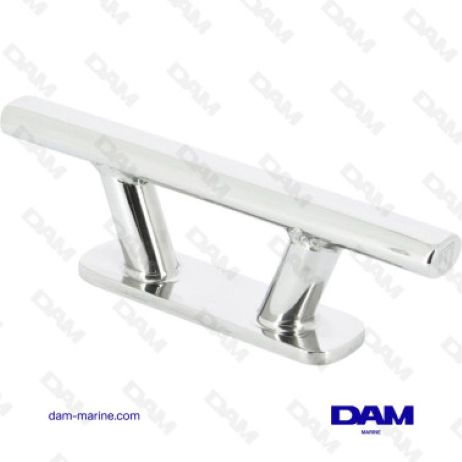
What is a cleat for?
The cleat takes the mooring lines and must withstand significant loads. DAM ref.: DM_VE_TAURUS01.

What is a handrail for?
A handrail provides a support point to move more safely around the deck. DAM ref.: DM_OS_41.907.12.
Which parts make up a boat’s propulsion system?
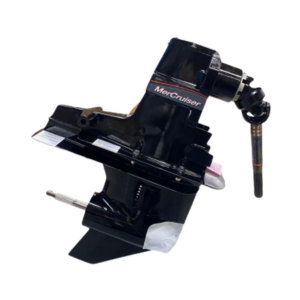
A boat propulsion system includes the engine, transmission, sterndrive or propeller shaft, propeller and sometimes the trim. These parts convert engine power into thrust to move the boat forward.
On an outboard engine, the engine, transmission and propeller assembly is mounted outside the boat, on the transom. This layout makes routine maintenance easier to access. On an inboard engine, the engine is installed inside the hull and sends power through a sterndrive or propeller shaft. To compare both layouts, DAM Marine offers a dedicated guide to choosing between an inboard and outboard engine.
The propeller turns engine rotation into thrust. A damaged, unsuitable or unbalanced propeller can cause loss of performance, vibrations and higher fuel consumption. To limit these problems, the DAM Marine guide explains boat propeller maintenance. The trim adjusts the angle of the engine or sterndrive to improve the boat’s running attitude.
To explore this area further, you can read the explanations on boat propulsion, how a propeller works and how to use a boat trim.
Which submerged parts should be monitored?
The submerged parts to monitor are the bottom, propeller, sterndrive, anodes, appendages and all areas below the waterline. These are the parts most exposed to fouling, corrosion and impacts.
The bottom must stay clean to limit loss of glide. A dirty hull can increase fuel consumption, reduce speed and make the engine feel as if it is working harder. Sacrificial anodes protect metal parts by wearing away instead of them, so they must be replaced when they are too worn.
The sterndrive and propeller also require regular checks. A bent blade, an impact on the sterndrive or an anode that is too consumed can cause vibrations and speed up wear. The DAM Marine guide to boat anodes helps explain their role.
What are the specific parts of a sailing boat?
The specific parts of a sailing boat are the mast, boom, sails, rigging, keel or centreboard, and rudder. They are added to the elements common to most boats, such as the hull, deck, cockpit and mooring equipment.
The mast is the vertical structure that supports the sails. The boom is the horizontal spar linked to the mainsail. The rigging includes the wires, ropes and fittings that support or adjust the sails.
Under the hull, the keel or centreboard provides part of the stability and helps the boat sail upwind. The rudder, located at the rear and underwater, is used to steer the sailing boat.
Which boat parts should be checked regularly?
The boat parts to check regularly are the bottom, anodes, propeller, sterndrive, transom, cleats, side decks, bilge and bilge pump. These areas concentrate mechanical loads, moisture, salt and wear risks. If the hull shows marks or loss of shine, the DAM Marine guide on how to polish a boat can also help.
The bilge should remain as clean and dry as possible. Unusual water presence may reveal a leak, a circuit issue or faulty drainage. The bilge pump should be tested periodically to check its activation and flow rate.
Mooring elements should be inspected before a boating season: a loose cleat, a tired mooring line or a poorly positioned fender can damage the boat. For this area, DAM Marine also explains how to choose a bilge pump.
Which boat parts should you remember first?
The priority parts to remember are navigation reference points, hull areas, the deck, mooring equipment and propulsion elements. The table below summarises their location, role and maintenance points to monitor.
| Boat part | Where is it located? | What is it for? | What to monitor |
|---|---|---|---|
| Bow | At the front | Cut through the water and serve as the main reference point | Impacts, bow roller, chain, boat anchoring techniques |
| Stern | At the rear | Water access and technical area | Fastenings, leaks |
| Port | Left side when facing the bow | Navigation reference point | Rubbing, rubbing strake |
| Starboard | Right side when facing the bow | Navigation reference point | Rubbing, rubbing strake |
| Hull | Boat envelope | Buoyancy and structure | Impacts, cracks, gelcoat |
| Bottom | Below the waterline | Glide, stability, performance | Fouling, antifouling |
| Waterline | Boundary between water and air | Load and maintenance reference point | Marks, dirt |
| Freeboard | Above the waterline | Protection against waves | Rubbing, impacts |
| Deck | Upper part | Movement and life on board | Non-slip surface, leaks |
| Cockpit | Central deck area | Life on board and steering | Water drainage, upholstery |
| Side decks | Sides of the deck | Access to the front | Handrails, non-slip surface |
| Rubbing strake | Hull/deck edge | Protection against rubbing | Wear, deformation |
| Cleat | On the deck | Mooring line attachment | Play, cracks, watertightness |
| Transom | Rear face of the hull | Engine support or access area | Fastenings, leaks |
| Sterndrive | At the rear, in the water | Transmission to the propeller | Oil, seals, anodes |
| Propeller | In the water, at the rear | Create thrust | Blades, vibrations |
| Trim | Engine or sterndrive | Adjust the boat’s running attitude | Leaks, responsiveness |
| Mast | Vertical, on a sailing boat | Support the sails | Shrouds, fastenings |
| Keel or centreboard | Under the hull | Sailing boat stability | Impacts, corrosion |
| Rudder | At the rear, underwater | Steering the sailing boat | Play, bearings, wear |
What questions are often asked about boat parts?
These answers complete the main reference points in the article and help you use nautical vocabulary more accurately in everyday situations.
Do you need to know every nautical term to go boating?
No. You mainly need to master the essential reference points: front, rear, port, starboard, hull, deck and propulsion areas. More precise vocabulary comes later with practice, maintenance and conversations with professionals.
What is the difference between the hull and the deck?
The hull is the structure that floats and gives the boat its shape. The deck is the upper part you walk on. On many boats, the joint between the two is protected by a rubbing strake.
Why can the waterline change?
The waterline varies according to load: fuel, water, passengers, gear or onboard equipment. The heavier the boat is loaded, the deeper it sits in the water.
Can a dirty bottom really reduce performance?
Yes. A fouled bottom increases resistance in the water, which can reduce speed, increase fuel consumption and make the engine feel like it is working harder.
Which parts wear fastest around the propulsion system?
The most exposed parts are the propeller, anodes, sterndrive seals, some submerged metal components and accessories subject to impacts or corrosion.
How do you protect the sides of a boat in harbour?
Use properly positioned fenders, suitable mooring lines and a coherent setup according to the quay. Repeated rubbing can quickly mark the rubbing strake, gelcoat or topsides.
When should a boat anode be replaced?
An anode should be replaced when it is heavily consumed, crumbly or too reduced to protect metal parts properly. Regular inspection prevents corrosion from attacking important components.
Does the vocabulary change between a motorboat and a sailing boat?
The basic reference points remain the same: bow, stern, port, starboard, hull and deck. A sailing boat mainly adds terms linked to sails, rigging, mast, boom, keel and rudder.