

 Catalog
 Exploded views















 Honda Marine
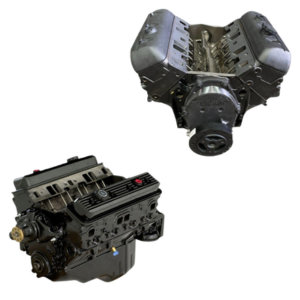
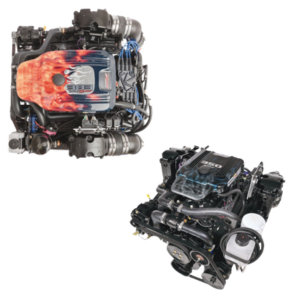
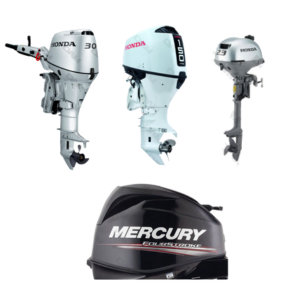

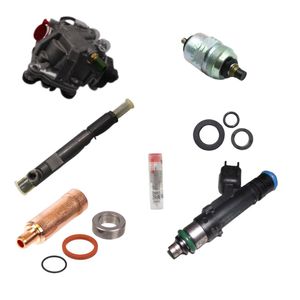
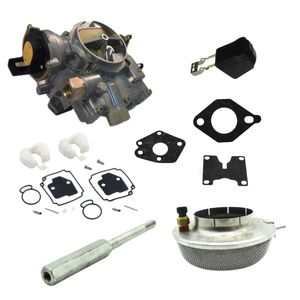
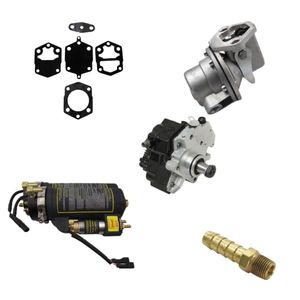
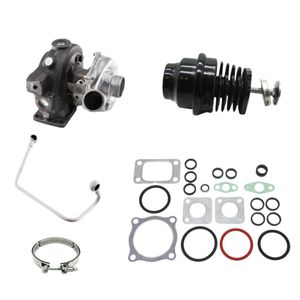
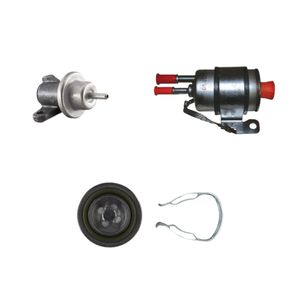
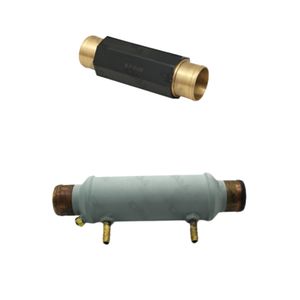
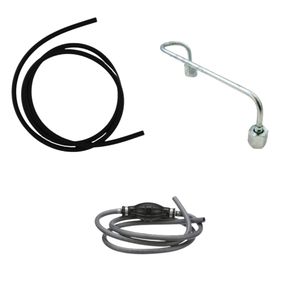
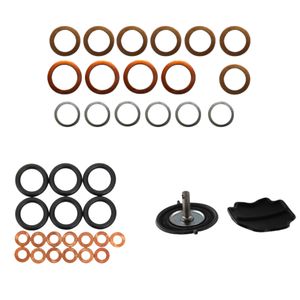
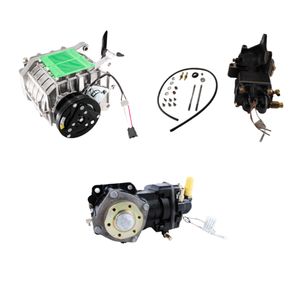
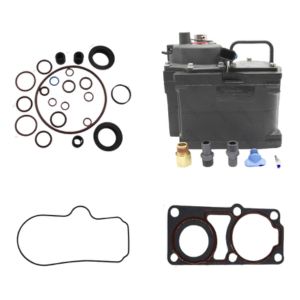
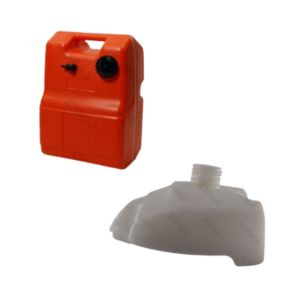
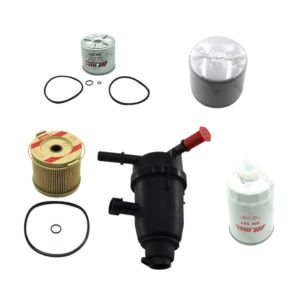

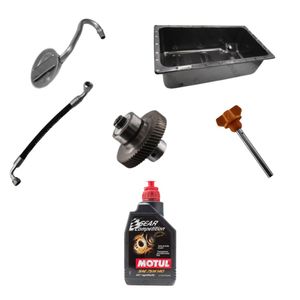
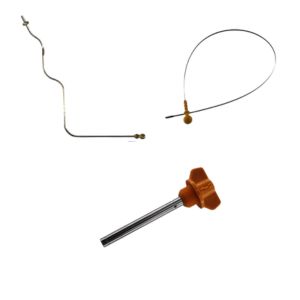
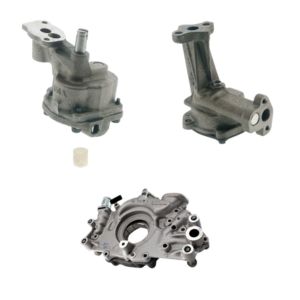
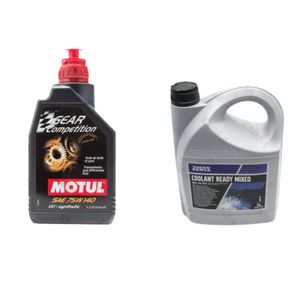
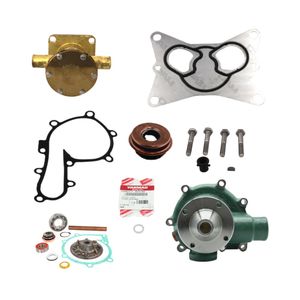
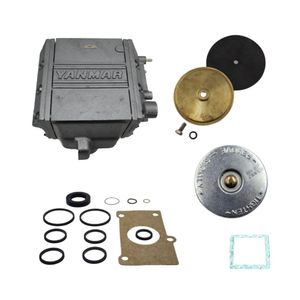
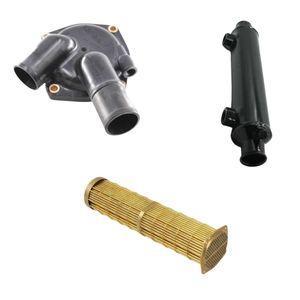
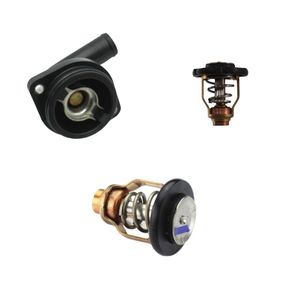

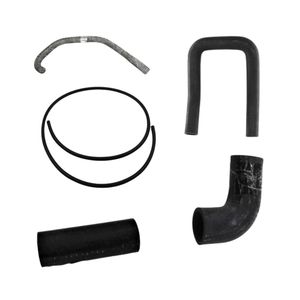
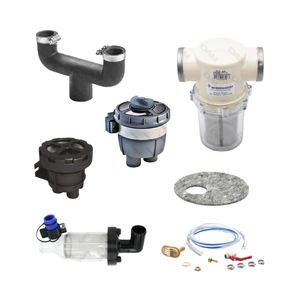
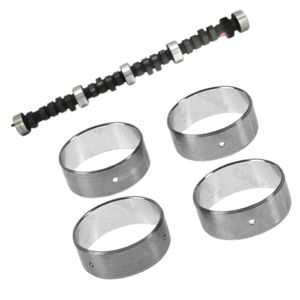
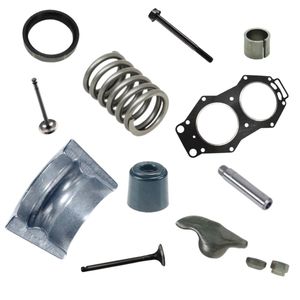
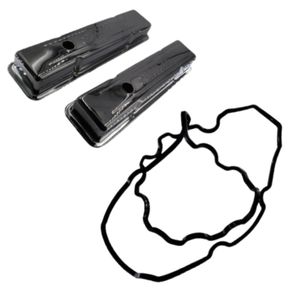
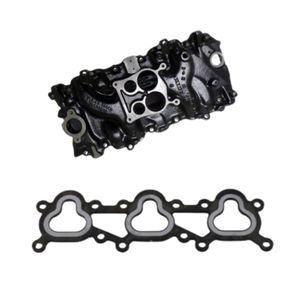
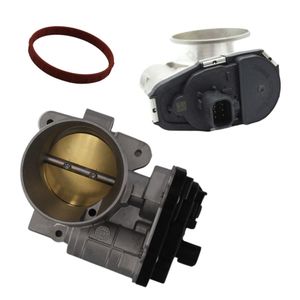
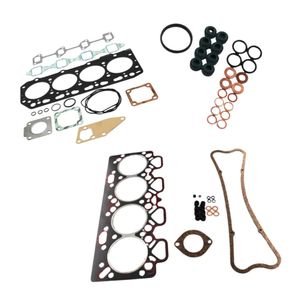
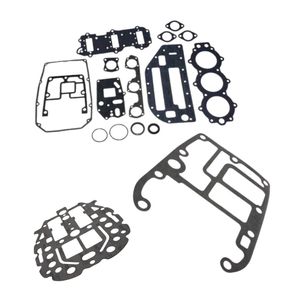
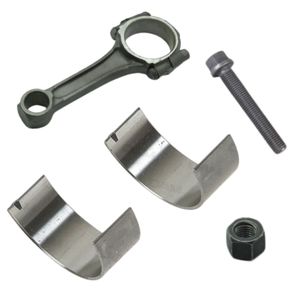
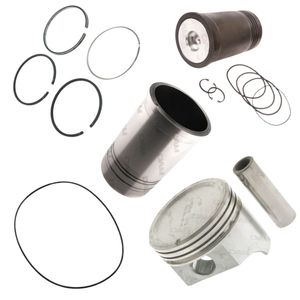
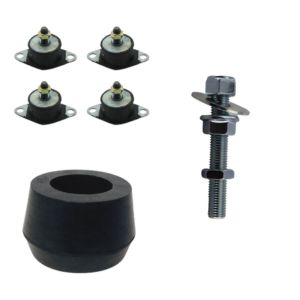
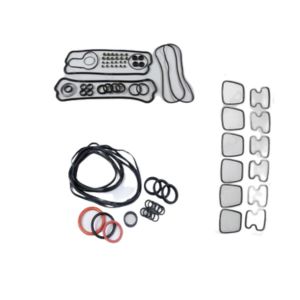

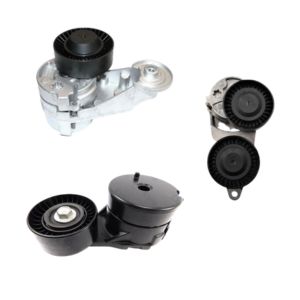
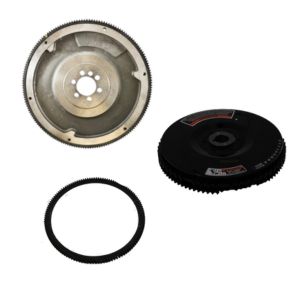
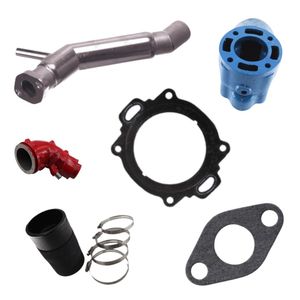
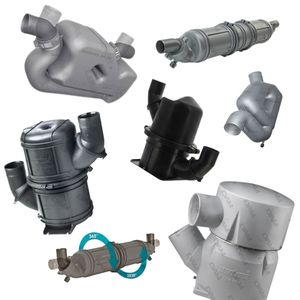
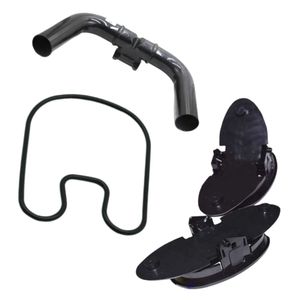
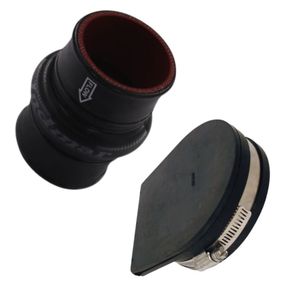
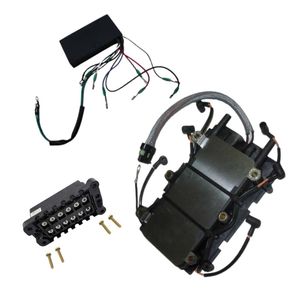
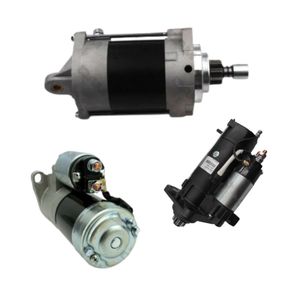
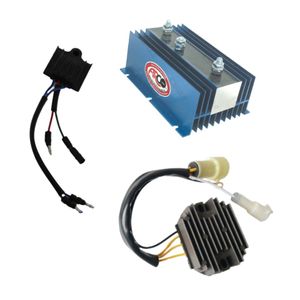
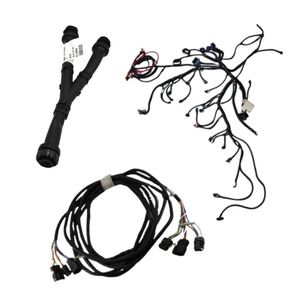
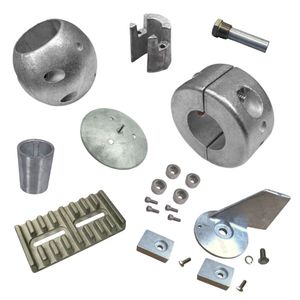
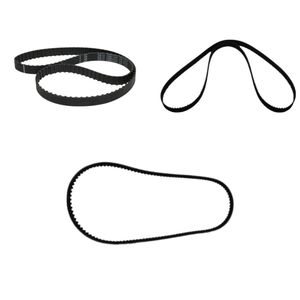
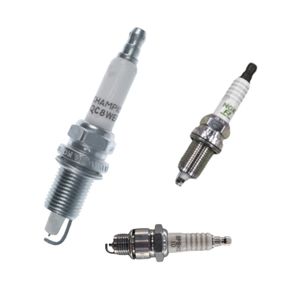
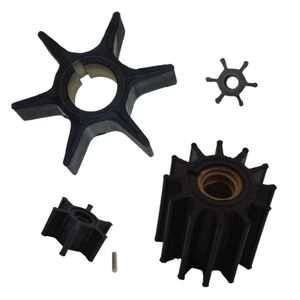
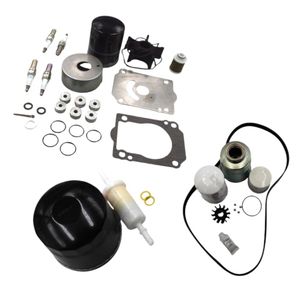
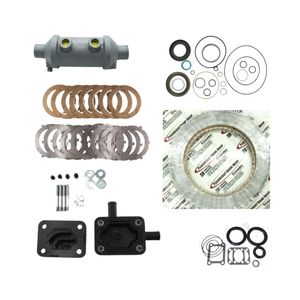
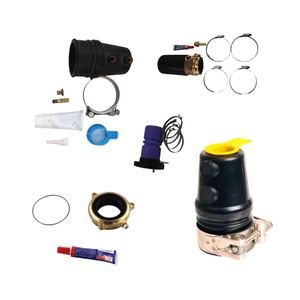
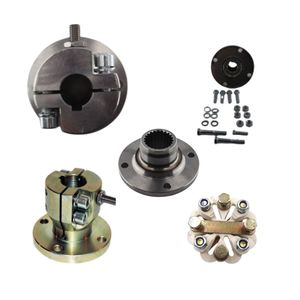
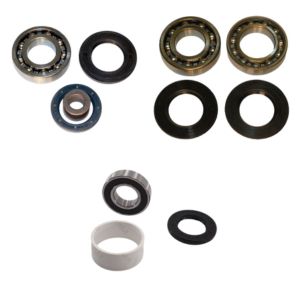
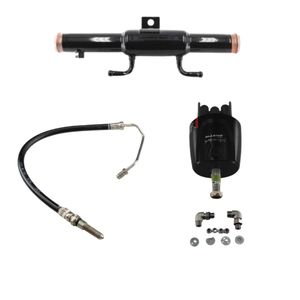
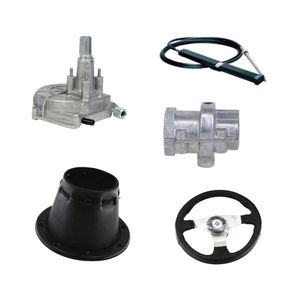
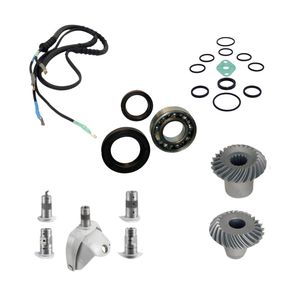
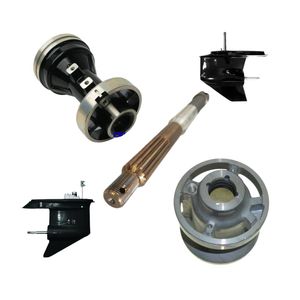
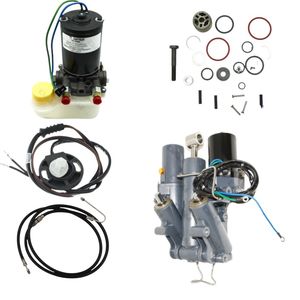
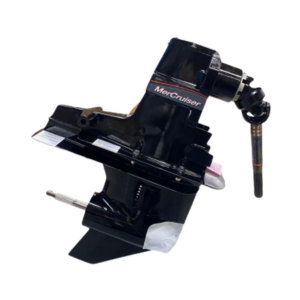
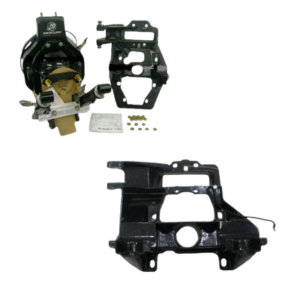
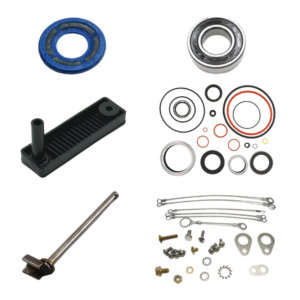
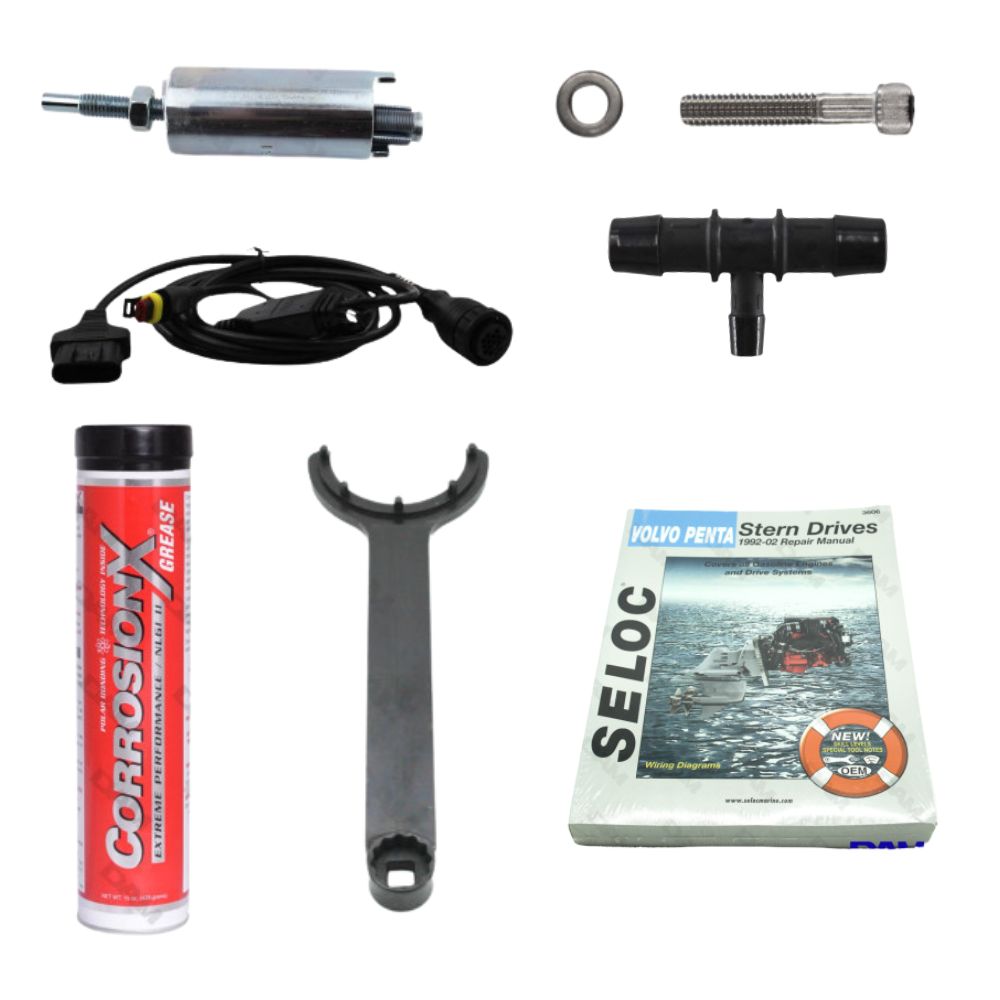

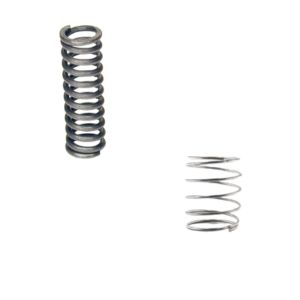
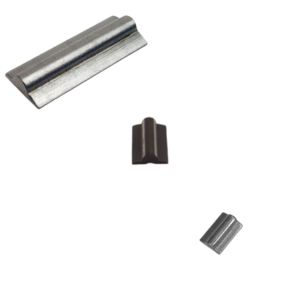


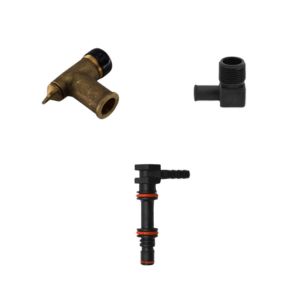
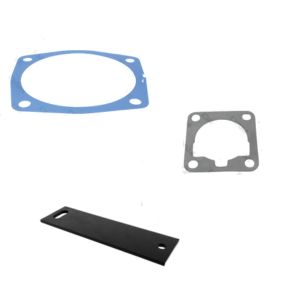

 Parts views
 Technical documents
 Ask for a quote
 Return request
Mandatory boat safety equipment: the official onboard list
Find the safety, signalling and navigation equipment suited to your boat.
Mandatory boat safety equipment depends on the distance from a safe haven. Division 240 defines four levels: basic, coastal, semi-offshore and offshore. Each level adds specific equipment, such as life jackets, hand flares, compass, VHF, liferaft or EPIRB. The regulatory list remains a minimum: the equipment must be accessible, in good condition and suited to your actual boating programme.
- What mandatory safety equipment should you have on board?
- How does the distance from a safe haven change the equipment list?
- What does the mandatory equipment really depend on?
- How can you check compliance before departure?
- What equipment should be added to the legal minimum?
- Which official sources should you check?
- What should you remember at a glance?
- Frequently asked questions
What mandatory safety equipment should you have on board?
Mandatory safety equipment on board a boat corresponds to the armament and safety equipment required by Division 240 for recreational boating at sea. For recreational craft used privately or for training, with a hull length of 24 metres or less, the list mainly depends on the distance from a safe haven.
The logic is progressive: the farther you sail from a safe haven, the more equipment you need. A trip close to the coast requires a simpler kit than semi-offshore or offshore navigation, where communication, survival and locating equipment become essential.
This progression is easier to understand if you also take time to understand how a boat works as a whole, because safety depends as much on the equipment carried as on how the boat is organised and used.
What should you carry for basic navigation?
Up to 2 nautical miles from a safe haven, the basic equipment list notably includes one personal flotation device per person, a light-signalling device, portable fire-fighting equipment, a manual dewatering device depending on the boat, a towing device, an anchoring line where required, tide information outside the Mediterranean and the national flag outside territorial waters.
What should be added for coastal navigation?
Up to 6 nautical miles from a safe haven, the coastal equipment list adds to the basic list a locating and assistance device for a person overboard, 3 red hand flares, a magnetic compass, official nautical charts, the COLREGs/RIPAM and a description of the buoyage system. The mandatory navigation lights and the rules of navigation at sea are useful additions to this preparation.
What should be planned for semi-offshore navigation?
Between 6 and 60 nautical miles from a safe haven, the semi-offshore list notably adds suitable personal flotation equipment, a fixed VHF, a liferaft, position-fixing equipment, the list of lights, a logbook, a way to receive marine weather forecasts, a harness with tether, a first-aid kit and a searchlight. To better understand its role, you can read the guide on how a marine VHF radio works.
What should be added for offshore navigation?
Beyond 60 nautical miles from a safe haven, the offshore list complements the semi-offshore kit with an emergency position-indicating radio beacon, a waterproof handheld VHF and requirements suited to survival equipment. At this distance, equipment must be considered as a coherent system: communication, locating, energy, weather and redundancy. AIS can also improve the boat’s visibility to other vessels.
Equip your boat with gear suited to your navigation area and cruising programme.
How does the distance from a safe haven change boat safety equipment?
The distance from a safe haven is the central criterion for boat safety equipment. A safe haven is a place on the coast where the boat and its crew can reach safety, taking into account the weather, sea state and the characteristics of the craft.
The skipper chooses the navigation limit according to the boat, the crew and the conditions at the time. This choice directly determines the equipment to carry: navigation beyond 2 nautical miles from a safe haven is no longer in the same category as a trip very close to the coast.
Why is basic navigation not “risk-free”?
Navigation up to 2 nautical miles remains close to a safe haven, but a person overboard, a fire, water ingress or a breakdown can happen very quickly. Basic equipment is designed precisely to handle the first incidents: flotation, signalling, dewatering, towing and fire-fighting.
Why does the coastal level add navigation tools?
Between 2 and 6 nautical miles, it is no longer enough to have only what is needed to float or signal your presence. The compass, charts, COLREGs/RIPAM and buoyage system help you position yourself, avoid collisions and navigate with reliable references. navigation instruments then become genuine safety items.
Why does the semi-offshore category require a fixed VHF?
From 6 nautical miles onward, the boat moves away from immediate shelter. A fixed VHF makes communication with rescue services and other vessels more effective. Once at sea, a fixed or handheld VHF should, whenever possible, keep watch on channel 16, in addition to visual and auditory watchkeeping.
What does mandatory safety equipment really depend on?
Mandatory safety equipment depends on the navigation area, but also on the type of craft, its design, its marking, its owner’s manual and its use. Two boats sailing in the same area may therefore have different points to watch, especially for fire-fighting, dewatering, anchoring or the kill switch.
To position equipment correctly and understand sensitive areas, it is useful to identify the main parts of the boat. And whenever dewatering, water ingress or fluid circulation is involved, the guide to understanding the onboard water system naturally completes this approach.
Does the type of boat change the requirements?
Yes. A sailing boat, motorboat, personal watercraft or tender is not prepared in exactly the same way. Tenders, for example, follow a specific logic when they remain close to the parent vessel. To go further, the guide to choosing a boat tender can help link use, stability and safety.
Does the owner’s manual really matter?
Yes. The owner’s manual may specify the number, location or type of fire extinguishers, as well as recommendations specific to the boat. On a CE-marked craft, it remains a practical reference and avoids relying only on a generic list.
Is anchoring part of safety?
Yes, because a suitable anchor line can allow you to wait, stabilise the boat or avoid dangerous drifting. It must be consistent with the size and weight of the boat. anchoring techniques help explain why this equipment is not just an accessory.
How can you check that safety equipment is compliant before departure?
Checking the compliance of safety equipment means verifying that it is present, in good condition, within its validity date where applicable, accessible and suited to the boat. Complete equipment that is inaccessible, expired or poorly stored does not properly protect the crew.
Where should mandatory equipment be stored?
Equipment must be quickly accessible. Life jackets, hand flares, light-signalling devices, handheld VHF, first-aid kit or harnesses must be found without emptying an entire locker. Before departure, everyone on board should know the key locations.
What should be checked systematically?
Check life jackets, lamps, batteries, distress flares, fire extinguishers, dewatering equipment, kill switch, nautical documents, VHF and locating equipment. For dewatering, a well-chosen bilge pump can usefully complement the manual system when the boat’s configuration justifies it.
Should you plan for onboard energy?
Yes, especially if you use a handheld VHF, lamp, GPS, tablet or electronic instruments. Planning batteries, spare cells or charging solutions prevents you from losing useful equipment at the worst time. To make this part more reliable, you can also understand boat electricity, choose a battery suited to your boat and read the guide to managing energy on board a boat.
What equipment should you add to the legal minimum for greater peace of mind?
Mandatory equipment is often only a minimum. To sail with greater peace of mind, it is useful to add simple but practical items: VHF with DSC depending on the programme, knife, basic tools, gloves, watch, spare parts, batteries, survival blanket, boat hook and additional dewatering device.
Which extra items are useful close to the coast?
Close to the coast, the most useful extras are often those that can be used immediately: life jackets actually worn, individual lamps, reliable dewatering system, first-aid kit, knife, gloves and suitable VHF. Storage matters as much as buying the equipment.
What should you plan for long trips?
For long trips, think redundancy: communication, weather, energy, locating and navigation. A handheld VHF, backup battery, additional light-signalling devices and clear onboard organisation can make the difference if something unexpected happens. Also remember to recharge the boat batteries properly before departure, especially if several items rely on electrical power.
Does the season change the preparation?
Yes. Boating out of season requires more attention to the weather, cold, boat condition and crew protection. The guide to boating in winter, the guide to boat winterization and the advice on how to dewinterize a boat complete this preparation.
Good habit: do not prepare only a list of items. Prepare an onboard organisation: who knows how to use the VHF, where the life jackets are, how to recover a person overboard, how to stop the engine, how to dewater and how to raise the alert. To monitor available autonomy, it may also be useful to install a battery monitor.
Which official sources should you check to verify mandatory boat safety equipment?
To verify mandatory boat safety equipment, the reference sources remain the official texts and documents. They help avoid outdated or oversimplified lists, especially for the fixed VHF in semi-offshore navigation, the kill switch, magnetic compass, personal flotation equipment and harness.
- the consolidated Division 240, which details the regulatory framework applicable at sea;
- the ministry fact sheet on recreational vessel safety equipment, very useful for a concise overview;
- the official page on armament and safety equipment, useful for understanding the general logic;
- the Légifrance version of Division 240, to be consulted for the legally authoritative texts.
What should you remember at a glance?
Mandatory boat safety equipment is read by navigation area. The table below summarises the key logic before preparing your kit.
| Navigation area | Equipment to remember | Point to watch |
|---|---|---|
| Basic Up to 2 nautical miles from a safe haven |
Personal flotation equipment, light-signalling device, kill switch depending on the boat, fire-fighting, manual dewatering, towing, anchoring where required, tides outside the Mediterranean, flag outside territorial waters. | Equipment must be suited to the boat, accessible and in good condition. |
| Coastal Up to 6 nautical miles from a safe haven |
Basic kit + man-overboard locating device, 3 red hand flares, magnetic compass, official charts, COLREGs/RIPAM and buoyage system. | Navigation documents and instruments are part of safety. |
| Semi-offshore From 6 to 60 nautical miles from a safe haven |
Coastal kit + fixed VHF, liferaft, position-fixing equipment, list of lights, logbook, weather, harness and tether, first-aid kit, searchlight. | The fixed VHF and onboard organisation become central. |
| Offshore Beyond 60 nautical miles from a safe haven |
Semi-offshore kit + emergency position-indicating radio beacon, waterproof handheld VHF and suitable survival equipment. | Redundancy in communication, locating and energy systems becomes essential. |
Frequently asked questions about mandatory boat safety equipment
Can you use an old safety list to equip your boat?
It is not recommended. Division 240 has changed, notably with the creation of the semi-offshore navigation category and clarifications on several items. It is better to start again from recent official sources before buying or renewing your equipment.
Are expired hand flares still valid on board?
No, they should not be considered compliant equipment. Their expiry date must be checked regularly and replacement planned in advance. For disposal, follow the collection scheme or the seller’s instructions.
Does a handheld VHF always replace a fixed VHF?
No. In semi-offshore navigation, the fixed VHF is one of the required items. A handheld VHF can be a very useful addition, and becomes particularly important offshore, but it does not automatically replace the equipment required for your area.
Must mandatory equipment be accessible to all passengers?
It must at least be quickly accessible and known to the crew. In practice, it is best to explain before departure where the life jackets, light-signalling devices, VHF, first-aid kit, extinguishers and locating devices are stored.
Does inland navigation follow exactly the same rules?
No. Inland navigation does not follow exactly the same logic as recreational boating at sea. If you also navigate on inland waters, check the official documents specific to inland navigation before preparing your equipment.
DAM Marine helps you choose safety equipment suited to your boating programme.