

 Catalog
 Exploded views
















 Honda Marine


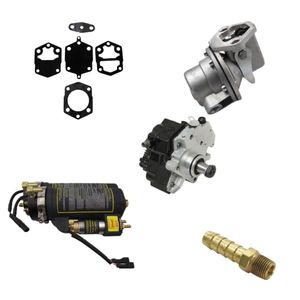
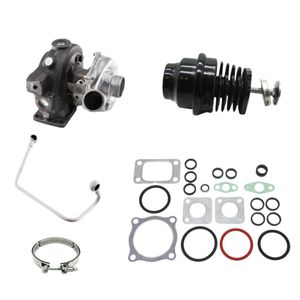
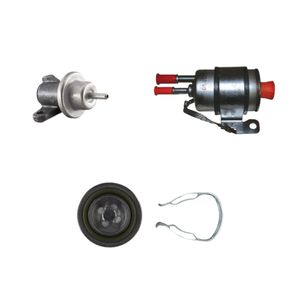
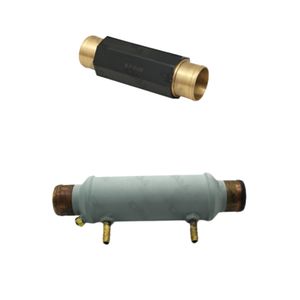



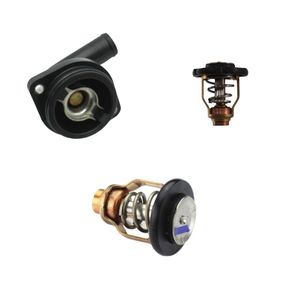
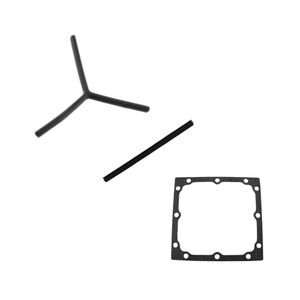
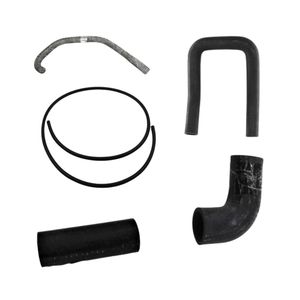
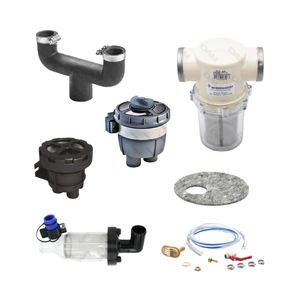
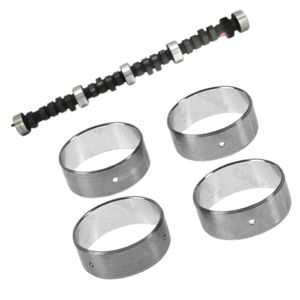
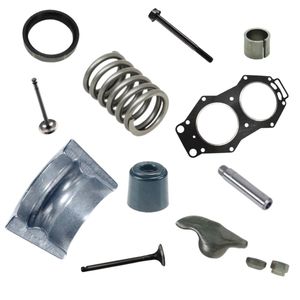
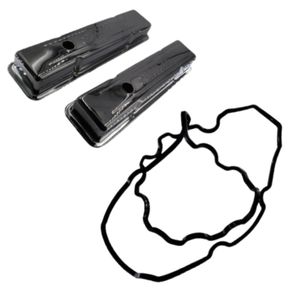
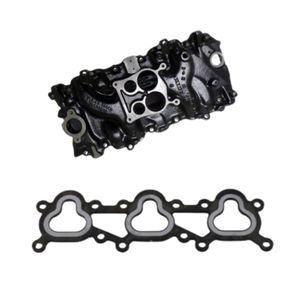
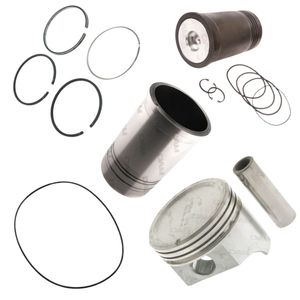
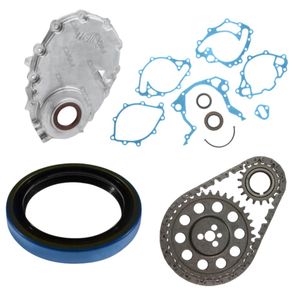
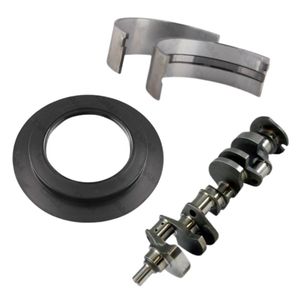
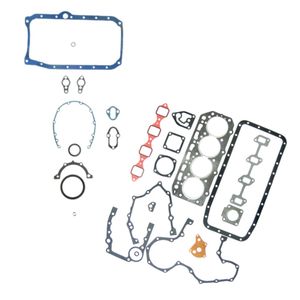
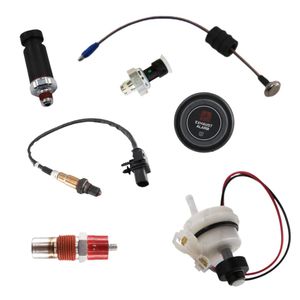
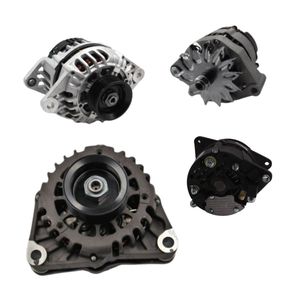
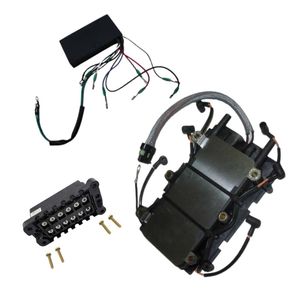
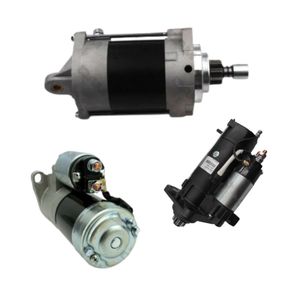
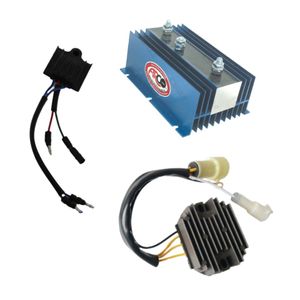
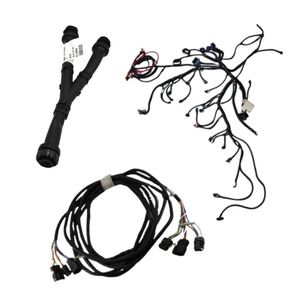
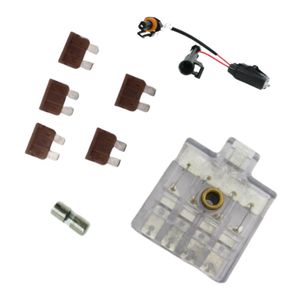
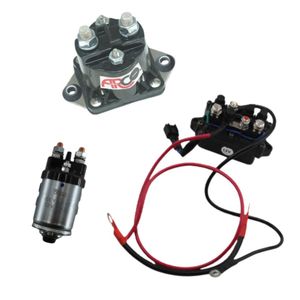
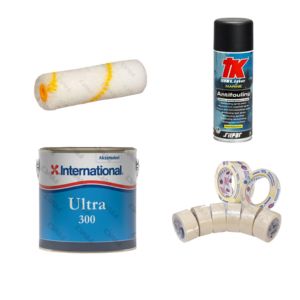
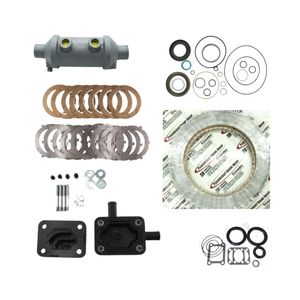
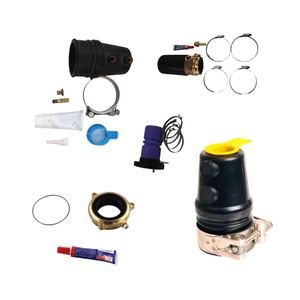
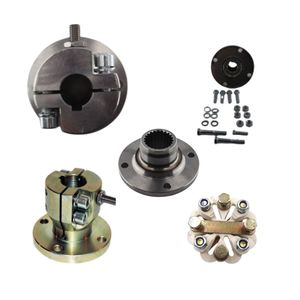
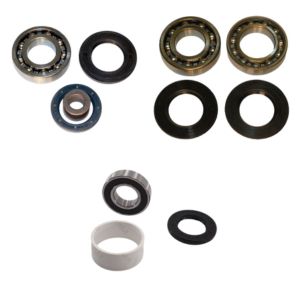
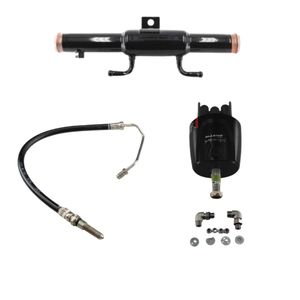
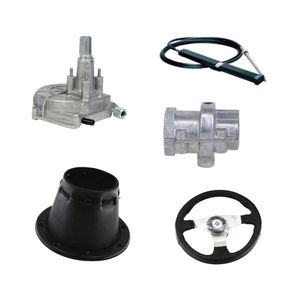
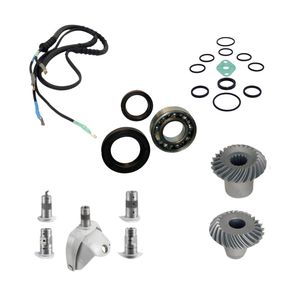
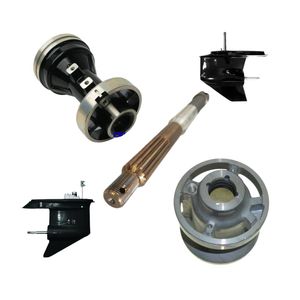
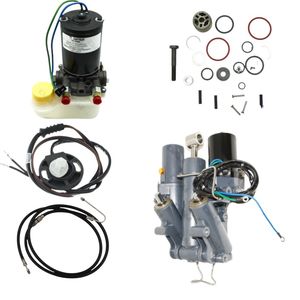
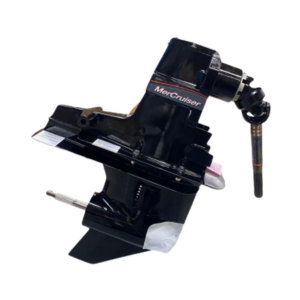
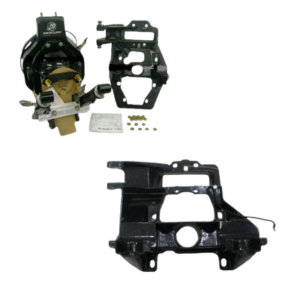

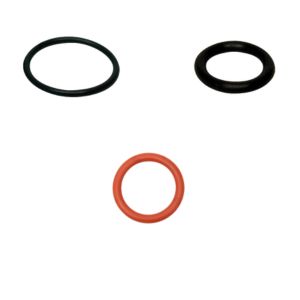
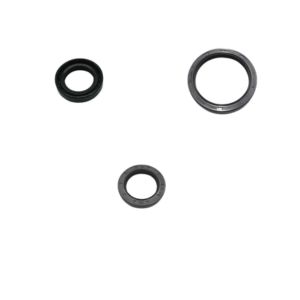
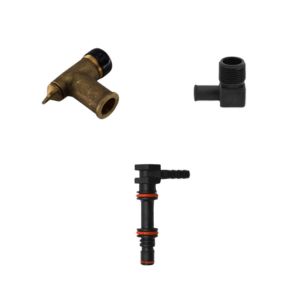
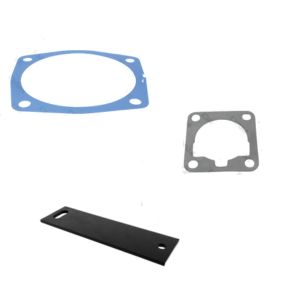
 Parts views
 Technical documents
 Ask for a quote
 Return request
Anchors, chains, bow rollers, windlasses and accessories: choose reliable equipment before you head out.
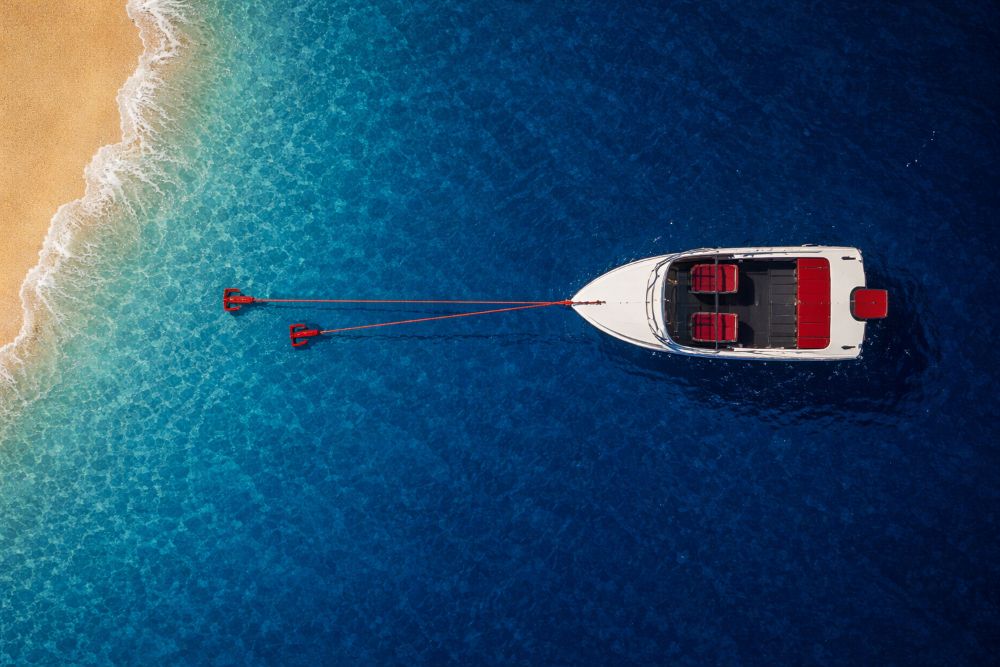
A boat anchoring technique is the method used to hold a boat safely in place with an anchor, an anchoring line or a fixed mooring system.
A good anchorage relies on a suitable area, enough chain length and an anchor suited to the seabed.
Single-anchor anchoring is the most common solution in leisure boating, but forked anchoring, tandem anchoring, buoy mooring or fore-and-aft anchoring can meet specific conditions.
Checking the hold is essential: an anchorage must always be monitored after the manoeuvre.
What are the main boat anchoring techniques?
The main boat anchoring techniques are single-anchor anchoring, buoy mooring, forked anchoring, tandem anchoring and fore-and-aft anchoring. Single-anchor anchoring is the most common method: the boat drops one anchor from the bow, pays out the anchoring line, then checks that the anchor has set properly in the seabed.
What is single-anchor anchoring?
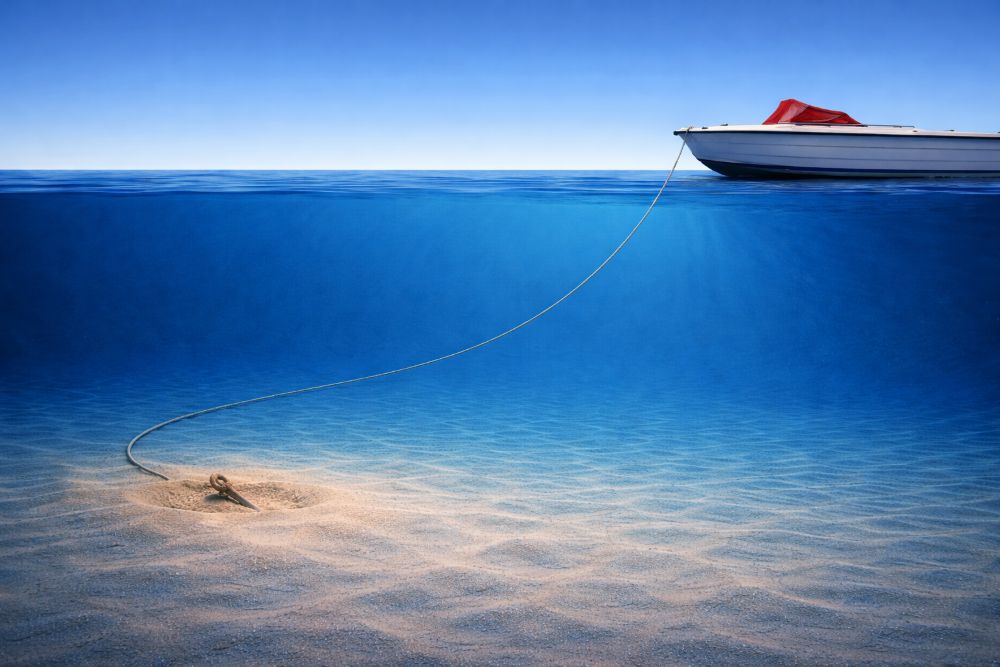
Single-anchor boat anchoring is the standard method for a swim stop, lunch on board or an overnight stay when conditions are favourable. It consists of lowering the anchor, paying out the chain or anchoring line, then reversing gently so the anchor works in the right direction.
This technique remains simple, but it requires method: the seabed must be suitable, enough line must be paid out and the hold must be checked before switching off the engine or leaving the helm.
What is buoy mooring?
Buoy mooring means securing the boat to an existing system, such as a mooring buoy or a permanent mooring block. It is common in organised areas, busy sectors or protected zones where using your own anchor is not always the best option.
You need to prepare the mooring lines, plan the approach and check that the system is an authorised mooring point. To go further, the guide on how to moor a boat helps explain the right line-handling habits.
If the approach takes place near a quay, pontoon or other boats, it is also useful to choose suitable boat fenders to protect the hull during the manoeuvre.
What is forked anchoring?
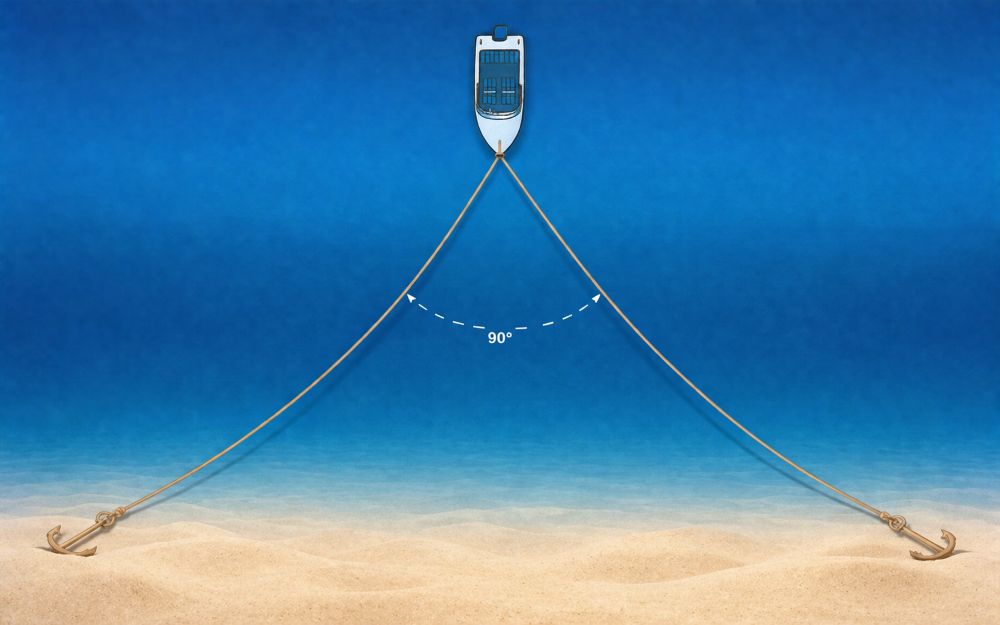
Forked anchoring uses two anchors, generally opened at an angle, to improve holding power and reduce the boat’s movement around the anchoring point. This technique can be useful in a crowded area or when conditions become less comfortable.
It does, however, require more experience than single-anchor anchoring. The two anchors must be positioned correctly, the lines must not cross, and recovery must be anticipated before leaving.
What is tandem anchoring?
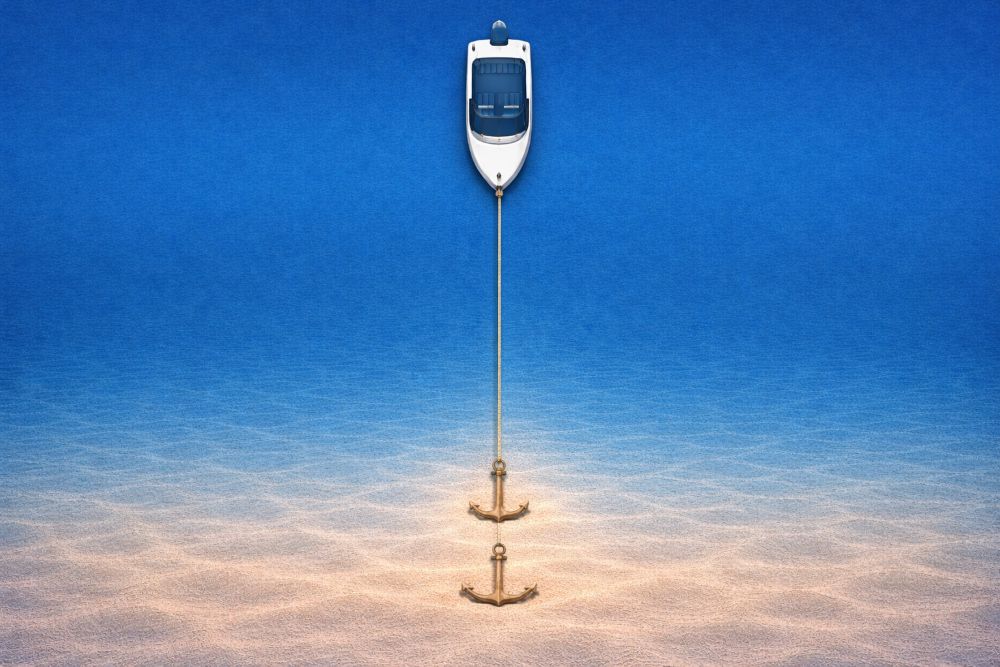
Tandem anchoring consists of adding a second anchor in line with the first to reinforce holding power. It is used when the seabed is average, when the wind may strengthen or when the boat needs to stay longer at anchor.
This method can be useful, but it requires the lines and the order of manoeuvres to be well organised. Poor preparation can make anchor recovery more complicated.
What is fore-and-aft anchoring?
Fore-and-aft anchoring keeps the boat in a precise alignment using several holding points. It can be useful in a confined space, in tight anchorages or when you want to limit movements caused by wind and current.
For everyday leisure boating, it is not the most common technique. It is still worth knowing because it is one of the possible methods when you need better control over the boat’s position.
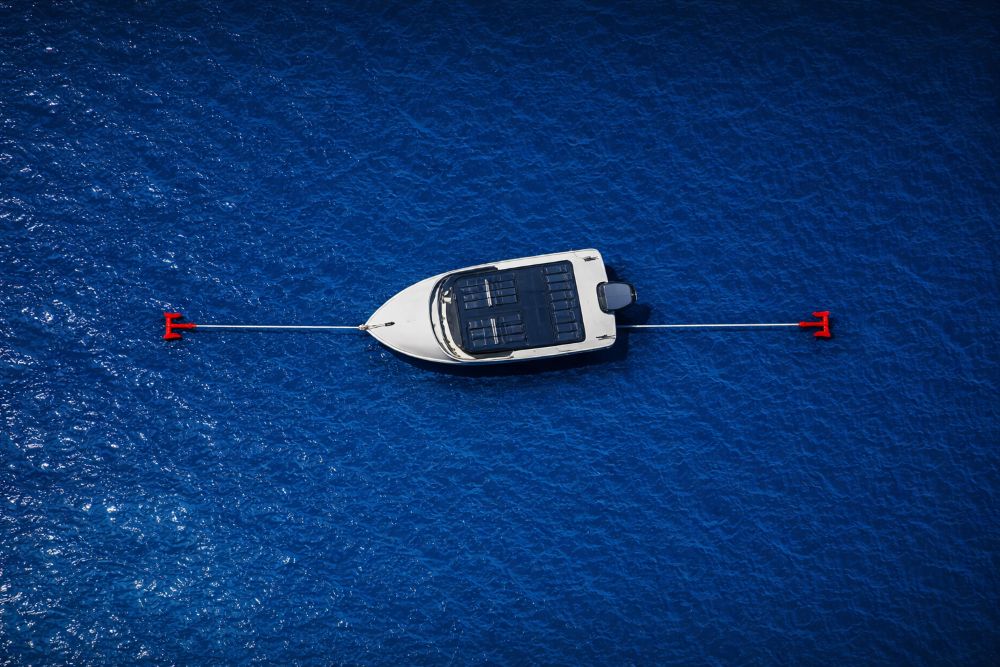
Key point: for most leisure boating outings, single-anchor anchoring is enough. The other techniques mainly respond to specific constraints: limited space, reduced swinging room, stronger holding power or use of an existing fixed system.
How do you anchor a boat properly?
To anchor a boat properly, you need to approach the chosen area slowly, prepare the anchor and line, anchor from the bow, pay out the chain progressively, then check that the anchor has set. Good anchoring is not one single gesture: it is a complete sequence in which every step matters.
How should you prepare the anchor and line before the manoeuvre?
Before entering the anchoring area, the anchor must be ready, the chain clear, the windlass operational if the boat has one and the crew informed of the manoeuvre. Many failed anchorages start with a poorly released anchor, a badly engaged chain or a line running the wrong way.
You also need to anticipate depth, seabed type and available space. The boat should approach slowly, into the wind or with the main current in mind.
How do you anchor while reversing without missing the set?
Once the spot is chosen, let the anchor descend to the seabed, then gradually pay out the chain while the boat reverses slowly. The aim is not to throw the anchor far away, but to lay it cleanly so it works at the right angle.
When enough line has been paid out, gentle reverse power helps test the hold. If the boat stops clearly, that is a good sign. If it keeps moving backwards, the anchor has probably not set.
How do you check that the anchor is really holding?
An anchorage is never validated the moment the anchor touches the bottom. You need to observe shore marks, check alignment with other boats, feel the tension in the line and make sure the boat is no longer moving back abnormally.
If in doubt, start again immediately. Repeating the manoeuvre takes a few minutes; dealing with a dragging boat at night or near other boats is much more delicate.
A good anchor is not enough: chain, bow roller, windlass and accessories must work together.
How much chain do you need for boat anchoring?
The anchor chain length must be sufficient so that the force applied to the anchor remains as horizontal as possible. The shorter the line, the more the anchor is pulled upwards, which greatly reduces its ability to hold.
What practical anchoring ratio should you use?
For a short stop in fine weather, a common guideline is to pay out around 3 to 5 times the water depth. For a long stop, a calm overnight stay or average holding ground, this length should be increased if space allows.
The useful depth is not always limited to the value shown on the depth sounder. You also need to factor in the bow height above the water and possible water-level variations.
Why does too little chain make the anchor drag?
A chain that is too short steepens the pull angle. The anchor is no longer truly pulled along the seabed: it may break free, plough without digging in or partially lift at the slightest wind shift.
By contrast, enough length improves holding power, absorbs part of the load and provides more margin if conditions change.
All-chain or mixed chain-and-rope anchoring?
An anchoring line can be all-chain or mixed, with a chain section and a rope section. Chain adds weight, improves the pull angle and resists abrasion well. Rope is lighter and easier to stow.
The key is to know your setup and never overestimate a line that is too short, whatever its material.
How do you choose a safe anchoring area?
Choosing a safe anchoring area is just as important as the manoeuvre itself. A very good technique used in the wrong place still results in a poor anchorage. You need to assess the seabed, available space, exposure to wind, proximity of other boats and the swinging circle.
To refine this assessment, boat navigation instruments help cross-check depth, position, distance from hazards and anchor alarm information.
Which seabeds offer the best holding?
Sand or compact mud bottoms are generally the most reassuring for classic anchoring, because many anchors can dig in well. Rocky, cluttered or seagrass-covered areas make setting or recovery more difficult.
A careful boater avoids anchoring randomly. They look for a readable bottom, consistent with their anchor and suited to the planned duration of the stop.
Depending on the equipment installed, depth sounder display technologies can also help interpret the seabed before dropping the anchor.
How should you account for wind, current and swinging room?
A boat does not stay fixed at anchor. It pivots with wind, current and line tension. You therefore need to anticipate the swinging circle, meaning the area in which the boat may move around its anchor.
The longer the line, the better the holding may be, but the more space is required. Successful anchoring is therefore a balance between holding power, safety and available room.
Where is it better to avoid anchoring?
It is better to avoid overly crowded areas, poorly identified seabeds, narrow passages, swimming areas and zones that are regulated or reserved for another use.
Before anchoring, observe signage, check local instructions and remain attentive to any existing systems.
Which anchor and accessories should you choose for anchoring?
The choice of anchor and accessories directly affects anchoring quality. A good technique cannot fully compensate for an unsuitable anchor, undersized chain or poorly designed bow roller.
Which anchor should you choose according to seabed and use?
There are several anchor families, each behaving differently depending on seabed type, boat weight and cruising programme. Some are versatile, others dig better into soft bottoms, while others focus on compactness or easy storage.
The right approach is to think of the whole setup: anchor, chain, bow roller, windlass and navigation habits. A high-performance anchor reaches its full potential only if the entire line is coherent.
Which accessories make anchoring easier?
A windlass makes lowering and retrieving easier, especially with a heavy anchor and chain. A suitable bow roller guides the anchor and limits chafing on the bow. A chain counter helps you know exactly how much length has been paid out.
These accessories are not just comfort items when you anchor often. They make the manoeuvre more consistent, easier to read and safer.
Because the windlass, chain counter and some instruments rely on the electrical network, it is also useful to understand how boat electricity works before adding more equipment.
Why are mooring lines still useful at anchor?
Mooring lines are not only useful in port. They can be useful on a mooring buoy, as a complement to a holding system or during a manoeuvre close to a quay or pontoon.
To choose the right diameter, length and use, you can consult the DAM Marine guide on choosing boat mooring lines.
How can you tell if an anchor is dragging?
A dragging anchor means the anchor is no longer holding correctly and is moving along the seabed. The boat gradually moves backwards or changes position without any clear logic. This situation must be detected early, before it creates a risk with another boat, an obstacle or the shore.
What signs show that an anchor is dragging?
Shore marks shift, the boat does not settle, line tension remains abnormal or the anchor never sets clearly. Sometimes the boat seems to hold for a few minutes, then starts drifting again as soon as a gust arrives or the wind shifts.
This behaviour must be taken seriously. An uncertain anchorage does not become more reliable simply because you wait.
What should you do if the anchor does not hold?
The first solution is often to start again properly: recover the anchor, reposition the boat, choose a slightly different spot and pay out a more suitable length of line.
If the seabed is poor or there is not enough room, do not insist. Moving to another area is sometimes the most sensible decision.
How can you avoid damaging equipment during recovery?
The windlass should not pull the boat onto its anchor as if it were towing the vessel. It is used to take in the line while the boat gradually moves toward the anchoring point.
Poor recovery strains equipment, increases shock loads and makes retrieval more difficult when the anchor is deeply set.
Can you leave your boat at anchor and anchor anywhere?
You cannot assume that every area is freely usable or that all anchorages are equal. Some areas are organised, others protected, and others subject to specific uses. Before staying at anchor, especially for a long time, you need to check local rules and existing systems.
Is it possible to anchor anywhere?
No, it is not reasonable to assume that you can anchor anywhere. Some areas may ban or regulate anchoring for safety, crowding, environmental protection or harbour organisation reasons.
This caution is especially important near the coast, in sensitive areas and in sectors where mooring buoys or regulated systems are installed.
Can you leave a boat at anchor without supervision?
Leaving a boat at anchor requires caution and judgement. The answer depends on conditions, anchorage reliability, expected weather, local regulations and the length of absence.
For a short time in good conditions, some boaters do it. But if the area is exposed or the anchorage is average, the risk increases significantly.
If you need to reach the shore or move around the boat, it is also better to choose a suitable dinghy for the intended use and anchoring conditions.
What is the difference between a mooring buoy and a black anchor ball?
A mooring buoy is an already installed mooring support. A black anchor ball is a day shape associated with a boat at anchor. These two elements do not have the same role or the same use.
This distinction avoids many misunderstandings, especially for beginner boaters.
At night or in reduced visibility, visibility becomes even more important: the guide to mandatory navigation lights is a useful complement here.
To complete this approach, the guide on rules for navigating at sea places anchoring in a broader framework: priorities, signage, caution and good habits on board.
What precautions should you take to respect the area and environment?
A good anchorage is not only one that holds. It is also one chosen carefully, avoiding sensitive areas, existing systems and places where the boat’s presence may obstruct or damage the environment. In busy areas, checking information before arrival remains one of the best habits for relaxed navigation.
This caution becomes even more important out of season: before boating in winter, you need to anticipate weather, cold, reduced light and more demanding anchoring conditions.
What key points should you remember to master boat anchoring techniques?
To succeed with a boat anchoring technique, remember a simple logic: choose a safe area, pay out enough line, match the anchor to the seabed and check the hold. The table below summarises the points to check before considering the boat truly secured.
| Point to check | What to remember | Why it matters |
|---|---|---|
| Chosen technique | Single-anchor anchoring is enough in most cases. | It is quick, clear to perform and suited to everyday leisure boating. |
| Anchoring area | Choose a readable seabed, good protection and enough room. | Good equipment cannot compensate for a poor location. |
| Line length | Pay out a length consistent with depth and conditions. | A line that is too short makes the anchor drag much more easily. |
| Holding check | Observe marks, boat stop and line tension. | An anchorage is confirmed after the manoeuvre; it cannot be assumed. |
| Equipment | Anchor, chain, bow roller and windlass must work together. | Reliability depends on the whole anchoring line, not only the anchor. |
| Safety on board | Plan suitable watchkeeping, ready equipment and simple reactions. | A weather change or a dragging anchor requires a quick response. |
For a broader view of safety on board, you can also consult the DAM Marine guide on safety equipment to have on your boat.
FAQ about boat anchoring techniques
Should you rinse the chain and anchor after every outing?
Yes, it is a good habit, especially in salt water. Rinsing the anchor, chain and bow roller limits the build-up of salt, sand and mud, which helps preserve the equipment and keeps the anchoring line cleaner to handle.
Can you use only rope for a small boat?
On some small boats, this may exist, but a chain section remains very useful for improving the pull angle and holding power. The choice depends on the boat, the navigation programme and the anchoring areas used.
Does a windlass replace a good anchoring manoeuvre?
No. The windlass improves comfort and handling safety, but it does not replace choosing the right area, paying out the correct line length or checking the anchor’s hold.
How can you reduce chain noise on board overnight?
A well-guided installation, properly tensioned chain and, depending on the equipment, a snubber or damping system can improve comfort. The most important point, however, is that the anchorage remains sound and stable.
When should you give up anchoring and look for another solution?
When the area is too crowded, the seabed seems poor, the weather becomes uncertain or the boat does not hold despite a correctly repeated manoeuvre, it is better to move elsewhere or choose a mooring buoy or a more suitable shelter.