
 Catalog
 Exploded views
















 Honda Marine

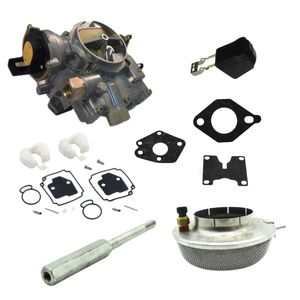
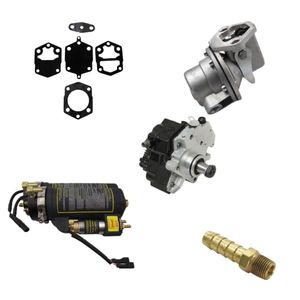
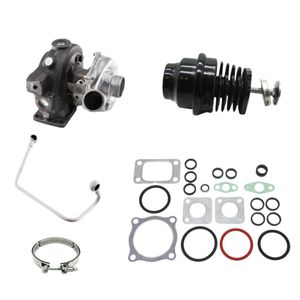
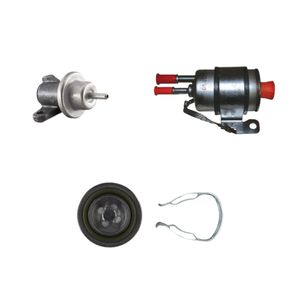
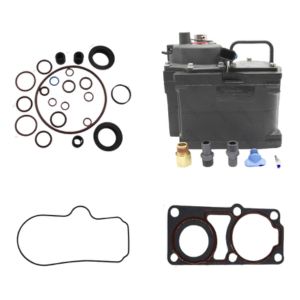
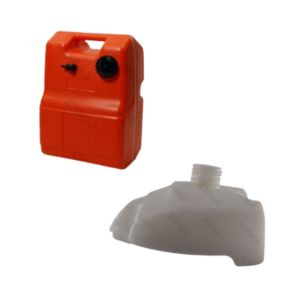
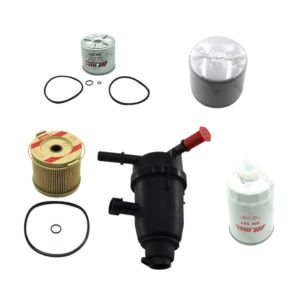

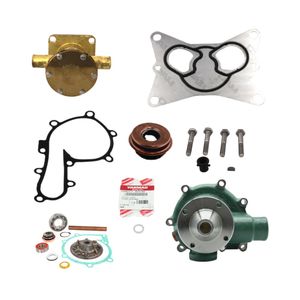
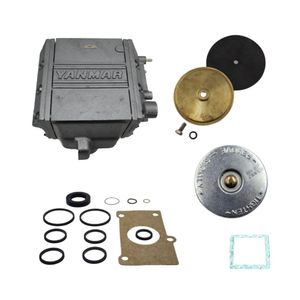
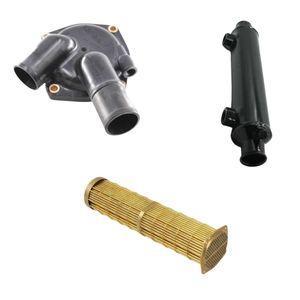
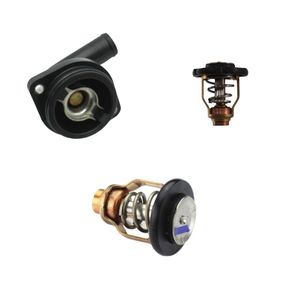

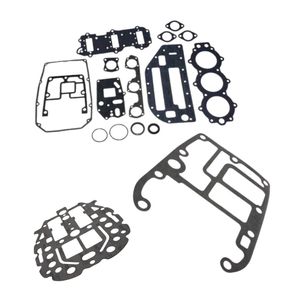
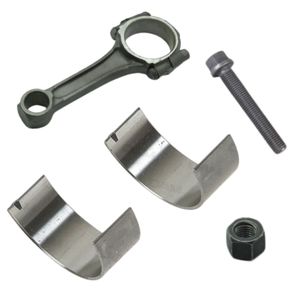
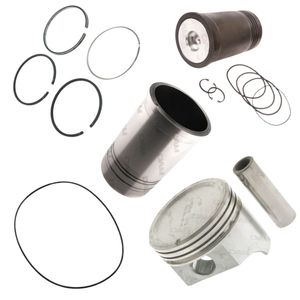
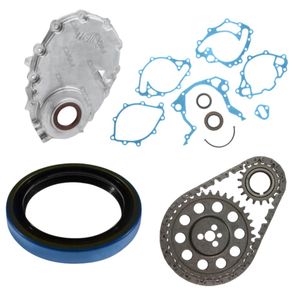

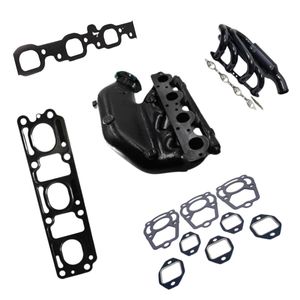
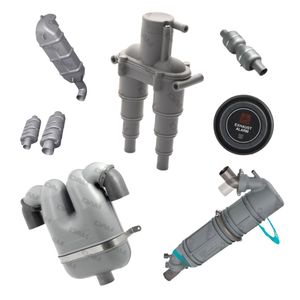
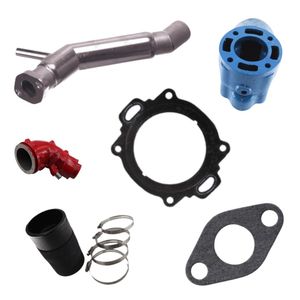
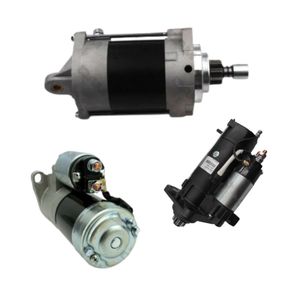

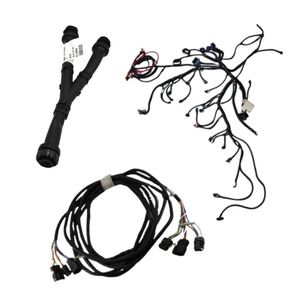
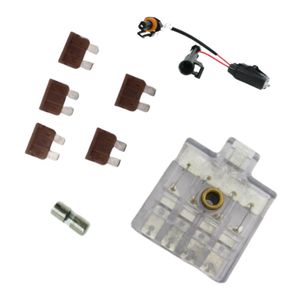
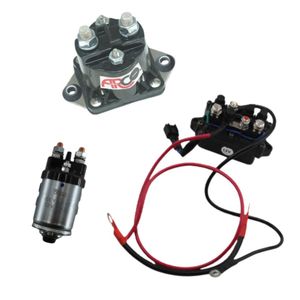
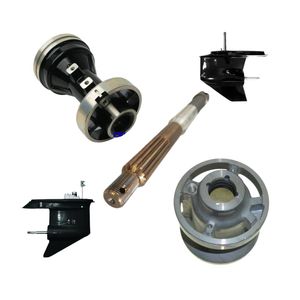
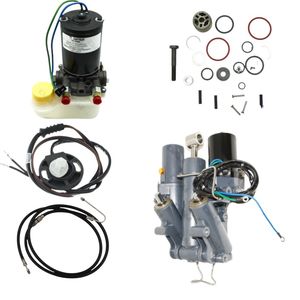
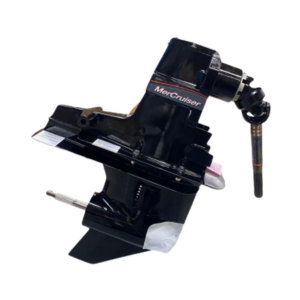
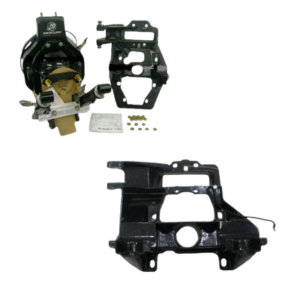











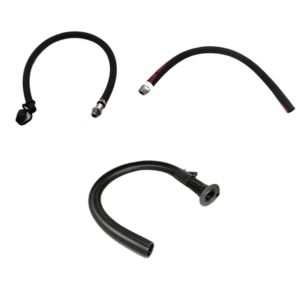
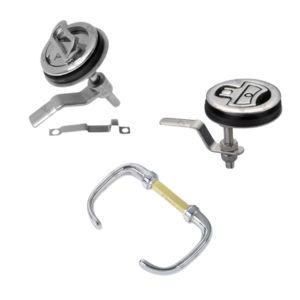
 Parts views
 Technical documents
 Ask for a quote
 Return request
Sea navigation rules: the regulations you need to know to sail legally
Preparing a trip at sea starts with a simple check. Documents, safety equipment, lights, VHF, markers: it is better to check everything before leaving the dock.
See mandatory equipmentDo you want to sail at sea and understand which rules to follow in practice, without spending hours reading regulatory texts? Between COLREG priorities, boat documents, mandatory equipment, coastal rules and local restrictions, it is easy to miss an important requirement. Here is a clear guide to help you understand the essentials and leave with a compliant, well-equipped boat used in the right conditions.
For a broader view of the basics, you can also read our guide to understanding how a boat works before going into the details of navigation rules.
Sea navigation rules cover priorities between vessels, boat documents, CE marking, the WIN number and safety equipment. They also require compliance with buoyage, speed near the shore and local orders. COLREGs refer to the international rules designed to prevent collisions. A compliant boat is identifiable, properly equipped and used in an area suited to its navigation programme.
Which documents must be carried on a boat to sail legally?
Even before discussing priority or buoyage, a boat must be administratively and technically compliant. This affects the vessel’s conformity, identification and certain procedures such as purchase, sale or registration. In practical terms, a boater should not only have a boat that floats and starts: they must also be able to prove what the boat is, where it comes from and under which framework it was placed on the market.
Which documents prove that a boat is compliant?
For a pleasure craft covered by European regulations, the most important documents are the EU declaration of conformity, the owner’s manual, the builder’s plate and the WIN number. The declaration of conformity states that the boat meets the requirements applicable when it was placed on the market.
The owner’s manual provides useful information for safe use: load limits, recommended number of people, starting precautions, maintenance instructions and points to watch in the event of an incident. To better understand the technical reference points on board, you can also read our guide to the anatomy of a boat.
What is the WIN number and how is it structured?
The WIN, or Watercraft Identification Number, is the boat’s identification number. It is permanently affixed to the hull, often on the starboard side of the transom or as close as possible to the stern depending on the configuration.
Its structure is standardised over 14 characters. In the example FR-BEY41000C303, FR indicates the country, BEY the manufacturer, 41000 the serial number, C the production month, 3 the last digit of the year of construction and 03 the model year.
This number should not be confused with the engine serial number. On this point, you can read our guide to finding your boat engine serial number.
What does CE marking on a pleasure craft include?
In general, CE marking applies to pleasure craft from 2.50 m to 24 m placed on the market or put into service in the European Union under the regulatory framework. It refers to a set of design, safety and information requirements.
The builder’s plate notably indicates the manufacturer’s identity, the boat’s design category, the maximum load and the maximum number of people. This category does not tell you where you can go in all circumstances, but it provides information on the sea and wind conditions for which the boat was designed.
Which papers are needed to register, buy or sell a boat?
When buying or selling, the documents usually expected are the bill of sale or invoice, the registration certificate when available, the pleasure craft form for certain procedures and the new owner’s identity documents. Depending on the situation, other documents may be required, especially in the case of importation.
A well-documented boat is easier to resell and helps avoid unpleasant surprises. Inconsistencies between the plate, WIN, engine and papers should therefore be checked before finalising a transaction.
Which priority rules do the COLREGs impose at sea?
The COLREGs, known in French as RIPAM, set the rules for routes, priority, watchkeeping and signalling at sea. They are the foundation of maritime traffic. Even an occasional boater should know their main principles, because a poor reaction during a crossing or overtaking situation can quickly create danger.
Who has priority between a motorboat, a sailing boat and a constrained vessel?
The general principle is as follows: a power-driven vessel should, in principle, keep clear of a sailing vessel. But this simple rule is not enough, as some vessels have a particular status: fishing in operation, restricted ability to manoeuvre or constrained draught.
Priority therefore depends on the type of vessel, but also on its real ability to alter course. This is what separates a rule learned quickly from a genuinely good decision at sea.
What should you do in a collision course situation?
When there is a risk of collision, the right reflex is to act early. The COLREGs require a constant lookout and a manoeuvre that is clear, early and understandable to the other vessel. A small late correction often maintains uncertainty.
In a crossing situation, the vessel required to keep clear must do so clearly. When overtaking, the overtaking vessel must leave sufficient room. To go further on communication at sea, read our article on how a marine VHF radio works.
Which lights and signals should you know at minimum?
A boater should at least recognise port and starboard sidelights, the stern light, the masthead light on a power-driven vessel and the common combinations depending on vessel type. At night or in reduced visibility, these lights help identify another boat’s probable course.
Sound signals are also used to announce a manoeuvring intention or indicate presence. They do not replace watchkeeping, but they make navigation more understandable.
Unsure about your navigation lights? Before a night trip or in reduced visibility, check the lights required according to your boat and navigation programme.
Read the lights guideWhich rules apply near the coast, in marked areas and under local regulations?
Coastal navigation concentrates many activities, crossings and mistakes. It is also the area where swimming, paddleboarding, diving, jet skis, tenders, sailing boats, RIBs and motorboats all mix. Coastal and local rules are therefore designed to prevent accidents in the busiest areas.
If you use a tender in these busy areas, our guide to choosing a suitable dinghy also helps you think about size, stability and real use.
What speed should you observe near the shore and in channels?
In the immediate vicinity of the shore, speed must remain low. Within the 300-metre band and in marked channels, the commonly stated reference is a speed under 5 knots, or about 9 km/h. The boat must not plane.
This is not just about a number displayed on a screen. A boat travelling too fast near the coast creates wake, surprises other users and reduces reaction time.
Can you navigate in a marked swimming area?
A marked swimming area is not a free navigation space for motorboats. When an area is strictly reserved for swimming, it must remain protected from vessel traffic.
The skipper must identify the markers, locate authorised channels and avoid any improvised course through the area. It is a simple point, but one that causes many incidents during the summer season.
What should you check in ports, anchorages, protected areas and regulated zones?
In a port or when approaching one, the priority is to be predictable, cautious and able to stop quickly. Port entrances, narrow passages and anchorage areas often require short manoeuvres, with little space and heavy traffic.
You should also check maritime prefectural orders, port regulations, anchoring restrictions, protected environmental areas and temporary prohibitions. To secure these phases, you can read our guides on mooring a boat, le choosing mooring lines, le choosing fenders, les anchoring techniques et le guide pour choosing the right antifouling for your boat.
In these sensitive areas, good practice is not only about speed or anchoring: it also involves the way you manage water on board and empty black water properly when the boat is equipped for it.
When you go out in the low season, the same rules still apply, but visibility, cold and weather require more anticipation: our guide to boating in winter complements this point.
Which regulations apply according to your navigation area?
French safety regulations for recreational boating at sea distinguish several navigation levels according to the distance from a place of shelter. A shelter is a place where the boat and crew can get to safety, taking into account the weather, sea state and vessel characteristics. This logic directly determines the equipment to carry on board.
What are the obligations when navigating close to a shelter?
When navigating close to a shelter, the required equipment remains the lightest. The idea is that, in the event of difficulty, the boat can reach a place of refuge relatively quickly.
This does not mean you can set off carelessly. You still need basic equipment, a boat in good condition and a reasonable assessment of the conditions.
What changes in coastal navigation?
In coastal navigation, the level of requirement increases. The crew must be able to manage a longer incident, a delayed return or a situation where the coast remains accessible, but not immediately.
At this stage, nautical documents become more important: charts, COLREGs/RIPAM, buoyage references and information specific to the area visited.
What additional requirements apply offshore and deep-sea?
For offshore and then deep-sea navigation, the obligations increase. The boat must be able to cope with a more serious incident without immediate assistance, with more robust communication, survival and autonomy equipment.
At this level, electronic watchkeeping becomes more useful. You can read our article on AIS technology to better understand its value for detection and safety while navigating.
Which safety equipment is mandatory on board?
Safety equipment is not just about having a few items somewhere in a locker. The equipment must be present, suited to the navigation actually undertaken, in working order and accessible. This is a central point of the regulations, but also of practical safety on board.
Some of this equipment also depends on a reliable power supply. To avoid unpleasant surprises with lights, instruments or VHF, it is useful to understand electricity on board and know how to manage energy on board.
Which equipment should be on board in all cases?
Whatever the navigation programme, there is a common base: one personal flotation device per person, a light-signalling device, a means of towing and a device for dewatering the boat where applicable.
These items respond to very practical scenarios: falling overboard, water ingress, breakdown or need for assistance. For the dewatering system, also read our article on choosing your bilge pump.
What equipment is added when you go farther away?
As you move farther from shelter, regulations add further requirements. The boater must be able to position themselves more accurately, report a difficulty, manage a longer wait and maintain a margin for action.
In practice, omissions often appear here: no compass, no VHF planned, incomplete documentation or equipment present but difficult to access.
Are the kill switch, VHF and liferaft mandatory in some cases?
Yes, some items become particularly important, or even mandatory depending on the type of boat and navigation area. The engine kill switch should not be underestimated on many motorboats, especially if the device must stop the engine when the skipper leaves the helm.
VHF becomes more important as you move away from shelter. The liferaft belongs to the equipment required for more committed navigation.
What are the risks if navigation rules are not followed?
Failure to comply with navigation rules can lead to administrative, financial and sometimes criminal consequences. It all depends on the nature of the breach, its consequences and the text applied. An apparently minor oversight can therefore become a real problem during an inspection or after an accident.
What are the most common breaches?
Common breaches include missing or insufficient safety equipment, improper use of the coastal band, inappropriate speed near the shore, faulty lights, incomplete documentation or an overly approximate understanding of priority rules.
Many problems do not come from a wish to cheat, but from a boat that is “more or less ready” when it should be genuinely compliant.
What are the consequences if equipment or documents are missing?
An inspection can reveal equipment or document non-compliance. Even without an accident, this can complicate the situation for the owner or operator. Depending on the offence applied, sanctions can become significant.
In other words, navigating without being fully in order with the rules, documents or signalling can cost much more than a simple warning.
- €3,750 fine for external identification marks that are missing, altered, covered or hidden on the vessel;
- €7,500 fine and 6 months’ imprisonment for failure to comply with certain COLREG/RIPAM rules relating to lights, fog signals, the course to follow, lookout or safe speed;
- €15,000 fine and 6 months’ imprisonment if this type of breach causes a collision, grounding, serious damage or minor injuries;
- €30,000 fine and 2 years’ imprisonment for misuse of international distress signals;
- up to €150,000 fine and 1 year’s imprisonment for failure to comply with certain navigation bans, anchoring bans, prohibited periods or maritime navigation police orders.
What summary should you remember before going to sea?
| Topic | What to remember | Watch point |
|---|---|---|
| Boat documents | Declaration of conformity, manual, builder’s plate, WIN and registration papers must be consistent. | An incomplete file complicates purchase, sale and certain administrative procedures. |
| COLREGs / RIPAM | Priorities, crossing situations, overtaking, lights and signals follow precise rules. | Having priority never removes the duty to avoid collision. |
| Coast and local rules | Near the shore, in channels, ports, anchorages and protected areas, navigation must comply with buoyage and local orders. | A habit learned elsewhere is not necessarily valid in the area you are using today. |
| Navigation area | The farther you go from shelter, the more complete the safety equipment must be. | The actual navigation programme should guide the equipment carried on board. |
| Mandatory equipment | Flotation, light signalling, towing, dewatering and additional equipment depending on navigation. | Equipment must be present, suitable, in good condition and quickly accessible. |
| Sanctions | Offences can range from fines to heavier penalties in the event of an accident or serious breach. | Lights, speed, signals, documents and prohibited areas are sensitive inspection points. |
FAQ on sea navigation rules
Does the WIN number replace the registration certificate?
No. The WIN physically identifies the boat on the hull, while the registration certificate relates to the vessel’s administrative status. The two do not serve the same purpose.
Can you buy an older boat without CE marking?
Yes, if the boat was placed on the market or put into service in the European Union before 16 June 1998, it does not fall under the same regime as newer units subject to CE marking. In that case, you need to be more rigorous with the purchase file: bill of sale, registration certificate, available old papers, consistency of the numbers on the boat and ownership history.
Is a faulty navigation light just a minor detail?
No. A faulty light can make your boat difficult to identify at night or in reduced visibility. It is both a safety issue and a point not to overlook from a regulatory perspective.
Should you keep a copy of boat documents separate from the originals?
Yes, it is good practice. Keeping a digital or paper copy separate from the originals can help in case of loss, damp or a file that needs to be reconstructed.
Do local rules change often?
They may change depending on the season, uses, works, nautical events or environmental protection measures. A recent check is always preferable before setting off.
Need to make your navigation more reliable? Understanding on-board instruments helps you better anticipate the route, distances, alarms and useful information at sea.
Understand the instruments