


 Catalog
 Exploded views
















 Honda Marine
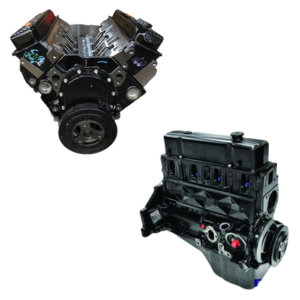
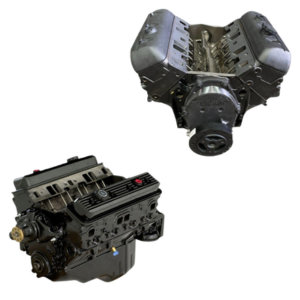
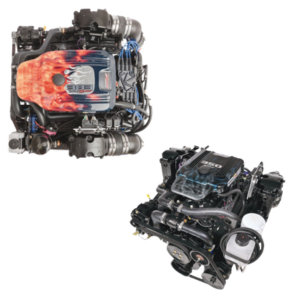
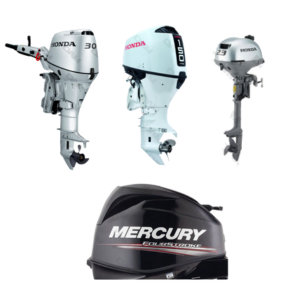
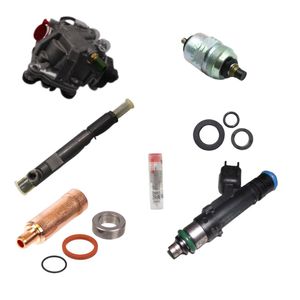
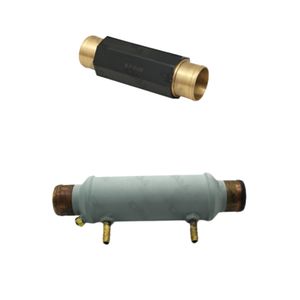
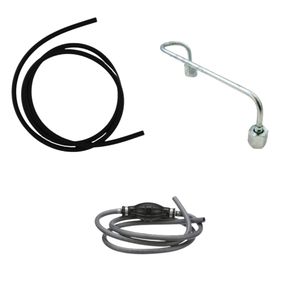
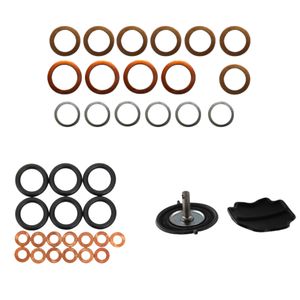
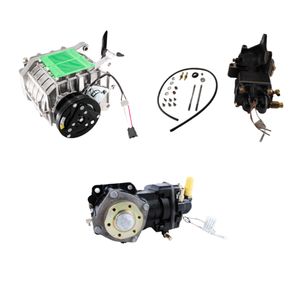
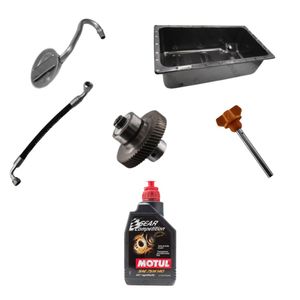
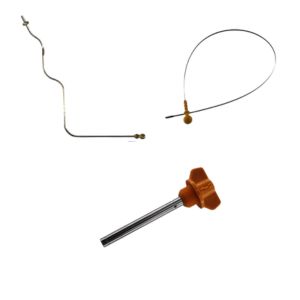
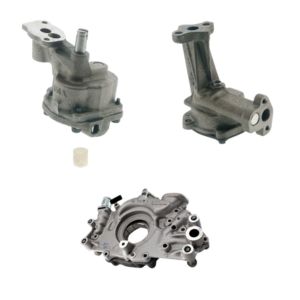
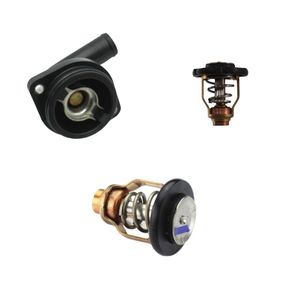
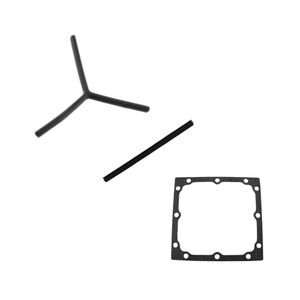
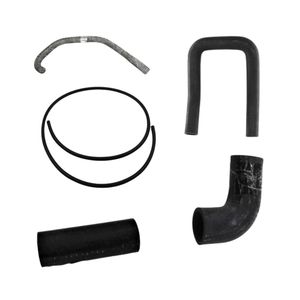
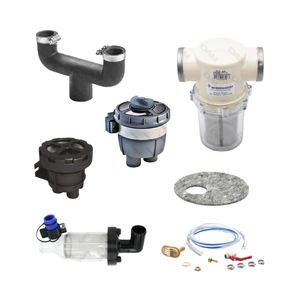
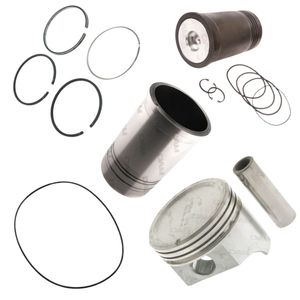
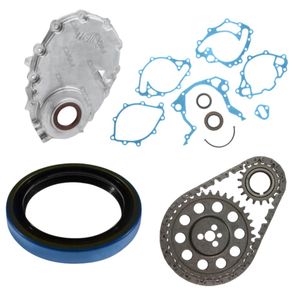
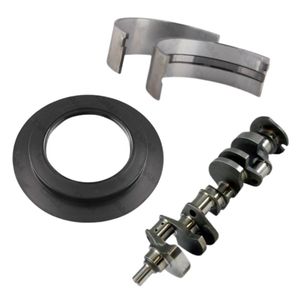
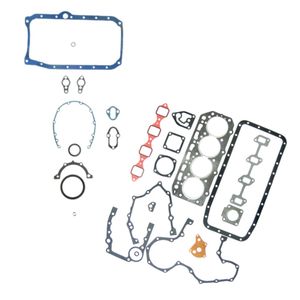

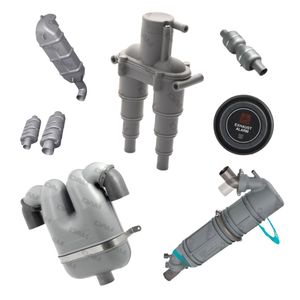
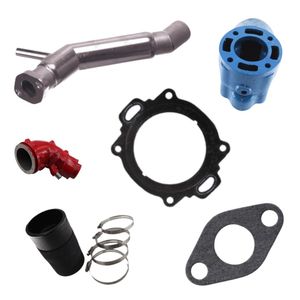
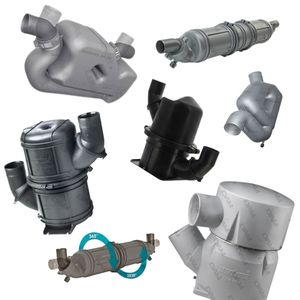
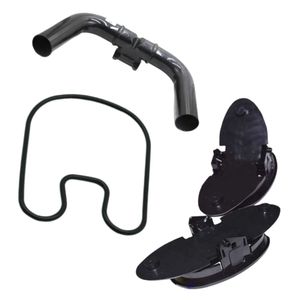
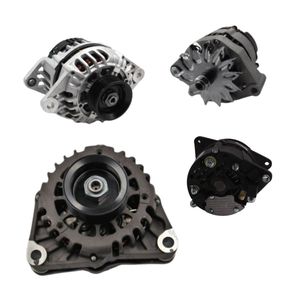
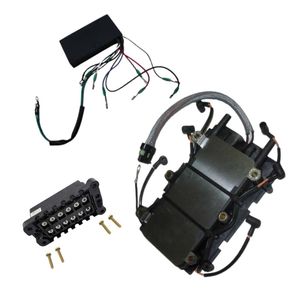
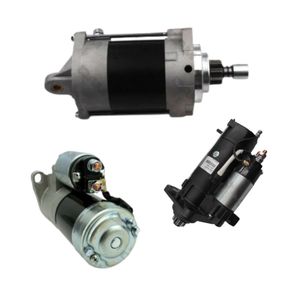
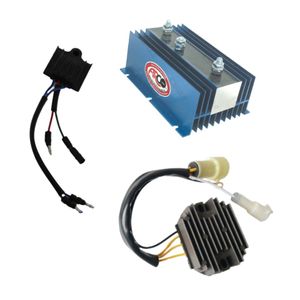
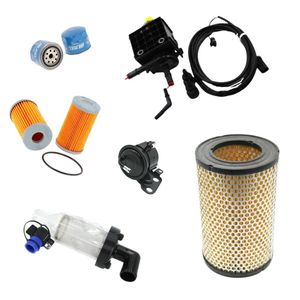
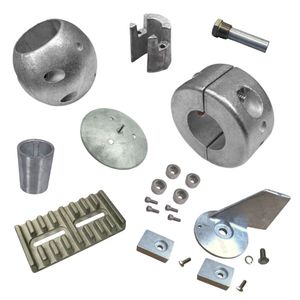
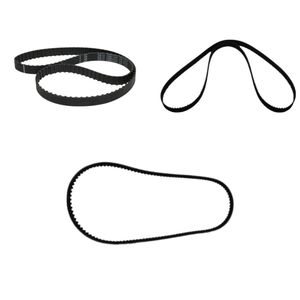
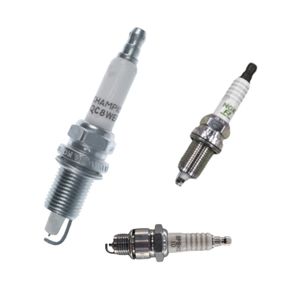
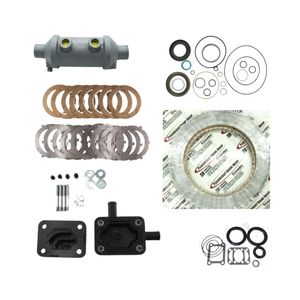
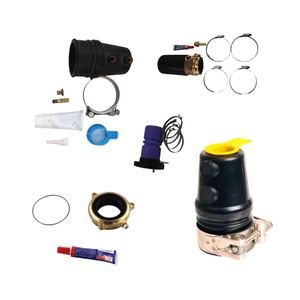
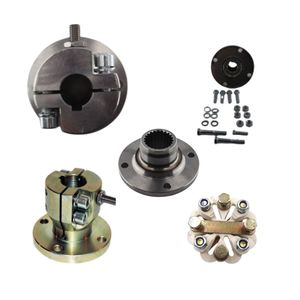
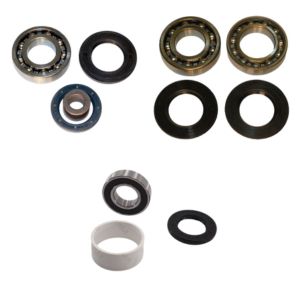

 Parts views
 Technical documents
 Ask for a quote
 Return request
How to choose a boat tender? The guide to finding the right model
Compare inflatable and RIB models according to your use, available space on board and navigation plans.
Choosing a boat tender starts with defining how you will really use it: short shuttle trips, cruising, carrying equipment, fishing or diving. An inflatable tender is often the most practical choice when space on board is limited. A rigid or RIB tender becomes more relevant when stability, payload and comfort matter more. The right model also depends on size, floor type, weight, storage and the planned engine.
- How to choose a boat tender based on your use?
- What tender size do you need for your boat and crew?
- Should you choose an inflatable, rigid or RIB tender?
- What technical criteria should you check before buying?
- What rules should you know before using a boat tender?
- What mistakes should you avoid when choosing your tender?
- Which tender model should you choose for your profile?
- FAQ about choosing a boat tender
How to choose a boat tender based on your use?
A boat tender should first be chosen according to its real use, even before comparing materials or brands. The need is not the same when you simply want to reach the shore from a sheltered anchorage, carry groceries every day, load fishing gear or support several weeks of cruising.
The more often the tender is used, the more you should prioritise stability, payload, floor rigidity and ease of boarding. If your programme revolves around stopovers, shore access and anchoring manoeuvres, you can also complete your thinking with our guide to boat anchoring techniques, because a tender is always part of the wider organisation on board. If the tender is also used to reach a quay or pontoon, it is worth keeping in mind the right habits for mooring your boat properly.
Which tender should you choose for a simple shuttle?
For occasional use between the boat and the shore, a compact inflatable tender is often enough. It folds easily, can be stored in a locker or on deck, and suits short trips with light loads.
Which tender should you choose for regular cruising?
For daily use, comfort becomes more important. A well-structured inflatable tender with a stable floor, or a RIB tender, offers better behaviour on the water and a more reassuring boarding experience.
Which tender should you choose to carry equipment?
For fishing, diving, groceries or heavy bags, check the carrying capacity, internal width and floor rigidity. A tender that is too short or too flexible quickly becomes uncomfortable.
What tender size do you need for your boat and crew?
The right tender size depends on the number of people actually carried, the onboard load and the space available on the main boat. It is better to think in real-use conditions rather than theoretical maximum capacity, because a tender advertised for several people can quickly become cramped once the engine, bags, fuel cans or equipment are added.
How many people should you plan for?
Two adults without bags do not have the same needs as a crew with a child, dog, jerrycan or diving gear. If the tender is only used for quick landings, a compact size may be enough. If it becomes a small service boat, extra margin is preferable.
What length should you choose depending on the programme?
A small tender suits short shuttle trips and occasional outings. A larger model becomes useful as soon as use becomes frequent, loads increase or comfort becomes a priority.
Why does storage change the choice?
A tender can be folded into a locker, stored on deck, hung on davits or kept ready for use more often. The less space your boat has, the more decisive weight, folded volume and ease of handling become. If the tender often stays alongside, on a pontoon or close to the main boat, also think about choosing suitable boat fenders to limit rubbing and impacts.
In practice, the aim is not to choose the largest possible tender, but to avoid a model that is too small. A 2.67 m inflatable tender with V-floor can suit a simple cruising programme, while a 270 RIB tender with folding transom will make more sense if you want more rigidity and better behaviour on the water.
Should you choose an inflatable, rigid or RIB tender?
The choice between an inflatable, rigid or RIB tender depends on the compromise you want between storage, weight, stability and comfort. There is no single ideal model for every boat: a practical tender on a small sailboat may be too limited for a larger boat used for cruising.
Why choose an inflatable tender?
An inflatable tender is light, easy to store and suited to boaters looking for a simple solution. It works well for small spaces, occasional outings and boating programmes where compactness matters more than performance.
When should you prefer a rigid tender?
A rigid tender offers good robustness and better overall handling, but it requires more space on board. It is mainly suited to regular use when storage is not a problem.
What is a RIB tender used for?
A RIB tender offers a good compromise between stability, water behaviour and comfort. It is useful when the tender becomes a genuine everyday tool rather than a simple backup solution.
What technical criteria should you check before buying?
Technical criteria help you move from a general choice to a model that is truly suited to your needs. The floor, material, weight, transom, authorised engine power and ease of storage all have a direct impact on the daily use of your boat tender.
Which floor should you choose for a tender?
A simple, light floor is suitable for occasional use. An inflatable floor improves comfort while keeping storage easy. A more rigid bottom becomes preferable if you board often or carry equipment.
Should you choose PVC or a more durable material?
PVC remains common for many leisure boating uses. If the tender is often exposed to sun or used intensively, resistance to ageing, UV and abrasion becomes more important than purchase price alone.
What engine should you plan for a boat tender?
For very short distances, oars may be enough. When distance, load or current increase, a small outboard engine adds comfort. It must remain suited to the transom, the tender’s weight and your ability to handle it. To better understand the thrust of a small outboard, the guide on how a boat propeller works can be useful. If you are considering an electric motor or electrical accessories, our article on how boat electricity works also complements this choice.
If you need to restore a tender rather than replace it, some parts can also extend its service life, such as a Yamaha tender inflatable floor. To go further on engines, you can read our guide to choosing a boat engine or our article about how to choose between an inboard and outboard engine. For a tender, the logic is generally to use a small, light outboard that is easy to install and remove. If the tender uses an outboard, also remember to maintain the engine propeller, which is often exposed to sand, weeds or small impacts.
Start with your real use: frequency, load, distance to travel, storage and planned engine.
What rules should you know before using a boat tender?
The rules for using a boat tender depend in particular on its status, its link with the mother ship and the area where it is used. A tender is not always considered a fully independent boat: depending on the case, it may be linked to the main boat or registered separately.
Before leaving, you should therefore check the tender’s compliance, markings, minimum equipment and applicable limits of use. To keep a consistent approach to onboard safety, you can also read our guide to safety equipment to have on board and our article about the rules for navigating at sea.
The tender’s attachment also needs to be thought through simply: alongside, on a pontoon or behind the boat, it is better to choose suitable mooring lines to avoid rubbing, snatching and unpleasant surprises.
Why should you check the tender’s status?
The tender’s status influences conditions of use, marking and required equipment. A tender used as a dependent craft of the mother ship does not always have the same constraints as a separately registered craft. In case of doubt, it is better to check official information before use, especially if the tender is motorised or used far from the main boat.
What mistakes should you avoid when choosing your tender?
The main mistake is choosing a tender that is too small in order to save space. On paper, the idea seems logical, but an undersized model quickly becomes less comfortable, less stable and less practical. The second mistake is underestimating storage: a good tender that is too heavy or too awkward to store often ends up unused.
You should also avoid choosing only by price. A more robust tender, better suited to your frequency of use, may be more worthwhile in the long term than a cheaper but overly limited model. Finally, maintenance should not be neglected: rinsing, drying, checking valves, UV protection and clean storage extend the equipment’s life. If your boat remains unused for several months, remember to include the tender in your maintenance routine with our winterisation guide. When you dewinterize a boat, also take the opportunity to reinflate the tender, check the valves, inspect the floor and assess its general condition.
Which tender model should you choose for your profile?
The right boat tender model depends on how you use it. A short shuttle mainly requires lightness and simple storage, while frequent use requires more stability, rigidity and comfort. The table below lets you quickly compare the main situations.
| Your profile | Recommended tender type | What to prioritise | Point to watch |
|---|---|---|---|
| Occasional use, short trips, little space on board | Compact inflatable tender | Lightness, folding, simple storage | More limited comfort and payload |
| Regular cruising, frequent shuttle trips | Structured inflatable tender or RIB | Stability, easy boarding, storage/handling compromise | Weight and bulk to anticipate |
| Carrying equipment, fishing, diving | More rigid or larger tender | Payload, stability, firmer bottom | More demanding handling and storage |
| Large boat, intensive use, comfort-focused | RIB tender | Good behaviour on the water, robustness, healthier handling | Required space on board and higher budget |
FAQ about choosing a boat tender
Can you leave a tender in the water permanently?
It is possible depending on the context, but it is not always ideal. A tender left in the water for a long time fouls faster, suffers more UV exposure and requires more monitoring. It is better to plan a routine for rinsing, checking and storage.
Should you protect a tender from UV?
Yes, especially if it is often exposed. UV accelerates material ageing and can reduce the tender’s lifespan. A cover, good storage and regular maintenance limit this ageing.
Can an inflatable tender be repaired easily?
Many small leaks can be repaired with the right products on a clean, dry surface. However, repeated repairs, a badly located leak or very tired fabric should make you question the tender’s overall condition.
Are launching wheels useful on a tender?
They are useful if you often handle the tender from a slipway, beach or awkward launching area. They reduce effort and limit uncomfortable handling, especially with a heavier tender.
How do you know whether a tender will be pleasant day to day?
A pleasant tender is one you can take out, use, store and maintain without excessive constraints. The best indicator remains consistency between use, weight, space on board, payload and ease of operation.
The right choice depends less on a universal model than on your real use, your space on board and the way you navigate.