


 Catalog
 Exploded views

















 Honda Marine


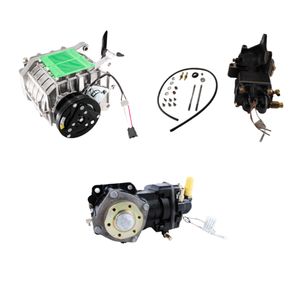
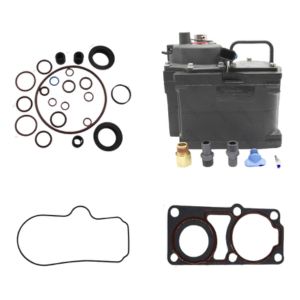
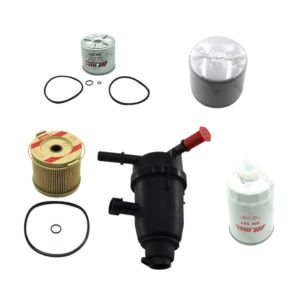


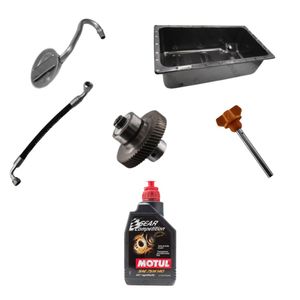
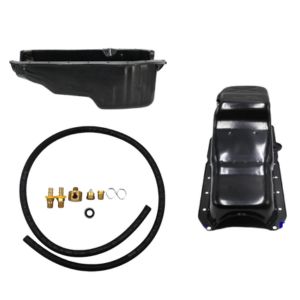
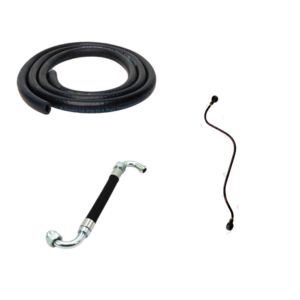
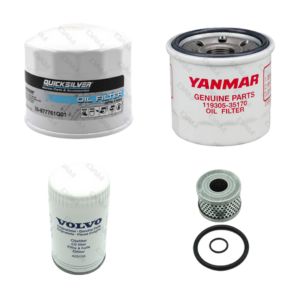
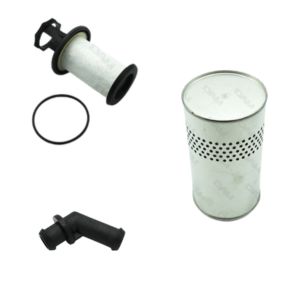
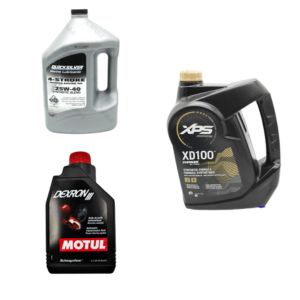


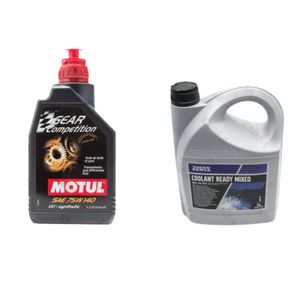
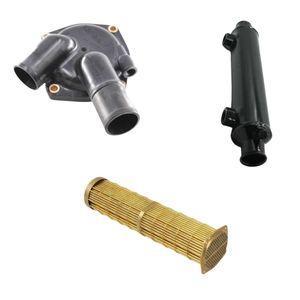
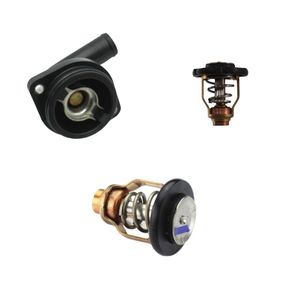
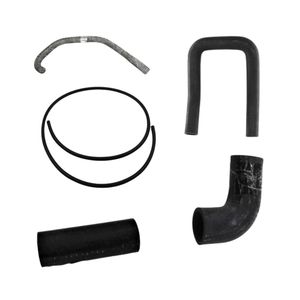
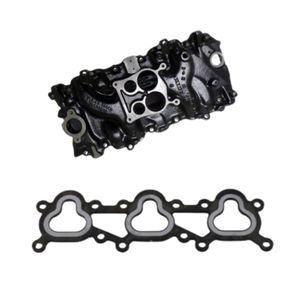
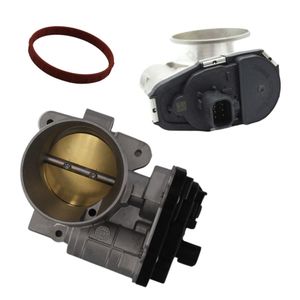
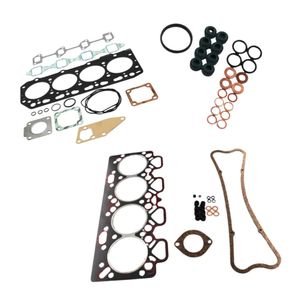
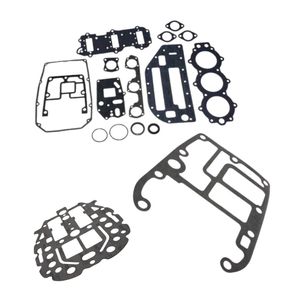


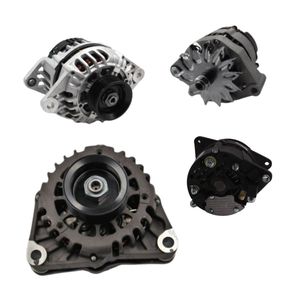
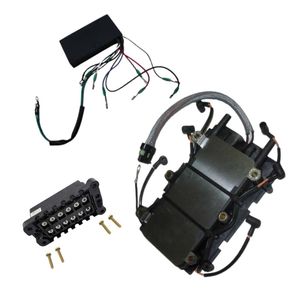
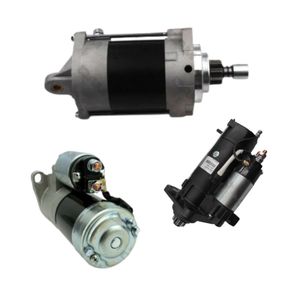
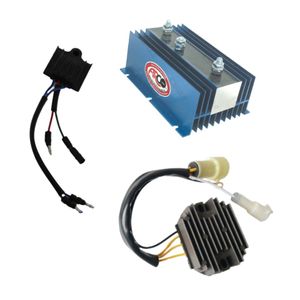
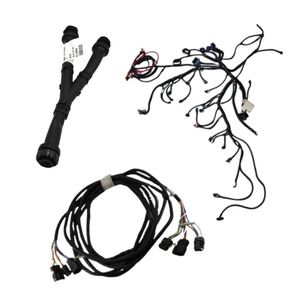
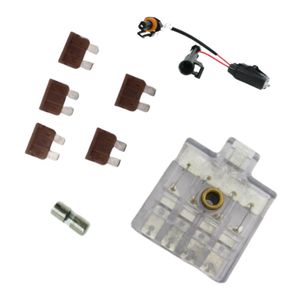
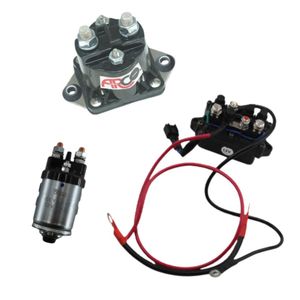
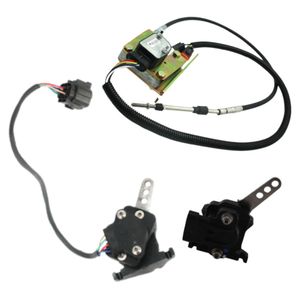

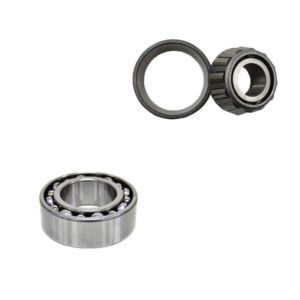
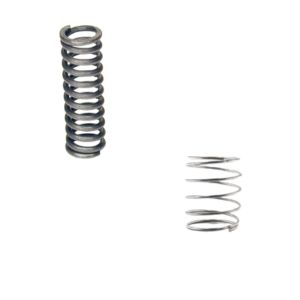
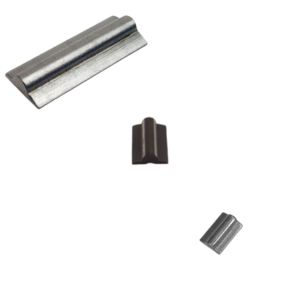

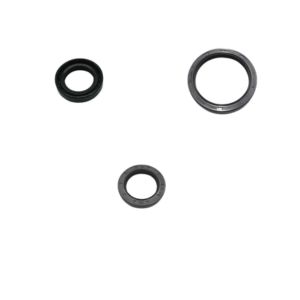

 Parts views
 Technical documents
 Ask for a quote
 Return request
How to replace a boat turbocharger?
Need a complete turbo or fitting consumables?
Find the right parts to secure the replacement of your marine turbocharger.
Replacing a boat turbocharger means removing the old turbo, installing the new one with new gaskets, then checking the oil supply at the first start-up. The replacement should never be limited to the part itself: the oil, air and exhaust circuits must also be inspected. A new turbo can fail quickly if a hose is blocked, if the oil return is restricted or if the exhaust is clogged. This guide covers boat turbochargers excluding DV6 engines.
How do you replace a boat turbocharger step by step?
To replace a boat turbocharger, secure the engine area, remove the old turbo, drain the engine oil and replace the oil filter, install the new turbo with suitable gaskets, then check for leaks at the first start-up. The goal is simple: protect the new turbo from the very first seconds of operation.
Main part to plan for:
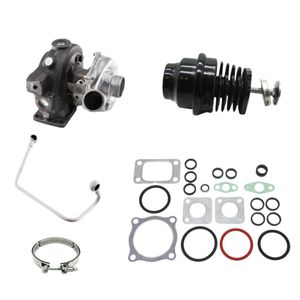
a complete turbo compatible with your engine, together with the required gaskets and consumables.
What equipment should you prepare before starting?
Prepare the right spanners and sockets, screwdrivers, pliers, a lamp, cloths, a drain pan, new oil, a new oil filter and new turbo gaskets.
Which parts should you keep close at hand?
Plan for turbo gaskets, hose clamps and hoses if the existing parts are cracked, pinched or worn.
What precaution should you take before dismantling?
Let the engine cool down, cut the power supply if needed, ventilate the engine compartment and mark the orientation of the oil, air and exhaust connections before removing anything.
Step 1 — How should you prepare the engine area?
Stop the engine, wait until it has fully cooled and protect the work area. Identify the oil feed, oil return, intake ducts, exhaust connections and turbo fasteners. This preparation helps avoid reassembly mistakes, especially in a tight engine compartment.
Step 2 — How do you remove the old turbo without damaging the surrounding parts?
Gradually disconnect the air ducts, exhaust connections and then the oil fittings. Remove the old gaskets and never reuse them. If a bolt is stuck, take the time to free it rather than forcing the manifold or the fittings.
Step 3 — Why should you drain the oil and replace the oil filter?
The turbo depends directly on oil quality. Perform a clean oil change, replace the oil filter, then refill with marine oil that meets the engine manufacturer’s recommendations. Degraded oil or oil loaded with impurities can damage the new turbo very quickly.
Step 4 — How should you handle the new turbo before installation?
Hold the turbocharger by its housings, never by the actuator rod or regulator. Do not change the factory settings, do not loosen the housings to reorient them and simply check that the rotor turns freely, with no hard spot.
Step 5 — How do you install the new turbocharger?
Install the turbo with new gaskets on the air, oil and gas circuits. Check that the gaskets are correctly positioned and do not block any passage. Avoid sealant on these fittings: it can migrate, detach and disturb lubrication or gas flow.
Step 6 — What checks should be done before starting?
Check the oil level, clamp tightening, hose positioning, that no tool has been left behind and that the ducts are clear. If a hose is crushed, an oil line is bent or a fitting seems doubtful, correct the issue before the first start.
What should you check just after replacing the turbocharger?
Immediately after replacement, let the engine idle and check at once that oil reaches the turbo, that no leak appears and that no abnormal noise occurs. The first start-up is the stage that confirms whether the installation has been done correctly. If there is any doubt, the guide on a boat oil leak helps identify the first checks before continuing.
What should you watch at idle?
Watch for oil leaks, air leaks, exhaust gas leaks, unusual whistling and engine speed variations. A visual and acoustic check is essential.
When should you shut down immediately?
Shut down if an oil pressure alarm appears, if oil is not circulating correctly, if a major leak develops or if you hear a rubbing noise.
Why should you avoid revving the engine too soon?
The new turbo must first be properly lubricated. Increasing rpm too quickly can cause premature wear if the oil supply is not perfectly established.
What should you inspect before fitting a new turbo on a boat?
Before fitting a new turbo, inspect the oil, air and exhaust circuits. These three circuits directly affect the turbocharger’s lifespan: if the cause of the previous failure is still present, the new turbo may fail in turn. On some engines, it is also useful to check the boat cooling system, because poorly controlled temperature can increase stress around the turbo.
What should you check on the oil circuit?
Check that the oil feed is not blocked, that the return to the sump is clear and that the oil pump delivers correctly. The oil circuit must be clean, unobstructed and leak-free.
What should you check on the air intake?
Check the air filter, air box, hoses, clamps and intercooler if the engine has one. No foreign body, oil deposit or piece of the old turbo should remain in the circuit.
What should you check on the exhaust side?
Check the manifold, gasket faces, leak marks, absence of clogging and proper gas flow. A restriction on the exhaust side can cause poor boost pressure and tire the turbo.
Important point: if the nut at the end of the old turbo shaft has disappeared, you must find it. A fragment swallowed into the intake can cause serious engine damage.
How much does it cost to replace a boat turbo?
The cost of replacing a boat turbo depends on the price of the turbocharger, the required consumables and the labour time. Engine access matters a lot: a very accessible turbo will cost less to replace than one located in a narrow engine compartment with hard-to-reach fittings.
The budget usually includes the complete turbo, gaskets, oil, oil filter, sometimes hoses or clamps, and labour if the job is carried out by a professional. To compare with other engine interventions, you can read the DAM Marine guide on boat engine repair.
What should be replaced at the same time as a boat turbocharger?
When you replace a boat turbocharger, you should replace at least the gaskets, engine oil and oil filter. Depending on the engine condition, it may also be necessary to replace some hoses, clamps, oil lines or clogged exhaust parts.
Are gaskets mandatory?
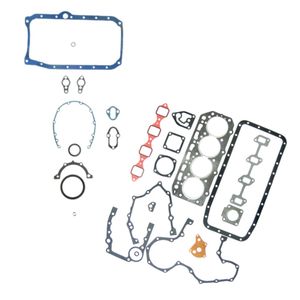
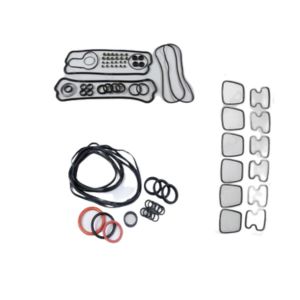
Yes. The gaskets on the air, oil and gas circuits must be new. Turbo gasket kits allow you to start again on a clean basis.
Are oil and filter essential?
Yes. A new turbo fitted with dirty oil or a saturated filter is exposed to rapid wear, or even very early failure.
When should hoses and clamps be replaced?
Replace them as soon as they show cracks, hardening, pinching, leak marks or uncertain tightening. Intake sealing is essential.
How can you tell if a boat turbocharger is dead?
A turbocharger can be considered out of service when it has excessive play, a damaged wheel, a major oil leak, a rubbing noise or a clear loss of pressure. The most common symptoms are loss of power, abnormal smoke, oil consumption and a whistle that suddenly changes.
Be careful, though: a turbo may seem responsible when the fault actually comes from an air leak, a punctured hose, a clogged exhaust or a wider engine issue. If the main symptom is a clear drop in rpm or acceleration, the guide on boat engine power loss can help broaden the diagnosis.
What noise does a failing boat turbo make?
A failing turbo can produce an unusual high-pitched whistle, irregular blowing or a metallic rubbing noise. If the noise appears suddenly, do not insist: an internal failure can send fragments into the intake and worsen the damage. Engine vibrations associated with the noise can also point to a wider mechanical issue.
When should a marine turbocharger be replaced?
A marine turbocharger should be replaced when it is physically damaged, leaks heavily, no longer supplies enough air or when its internal condition no longer allows reliable repair. The decision should always be accompanied by a diagnosis of the causes: lubrication, intake, exhaust, fouling or corrosion. Boat engine overheating should also be taken seriously before concluding that the turbo alone needs replacing.
Black, blue or white smoke can also guide the diagnosis, but it does not always prove that the turbo is the only cause. To go further on this symptom, read the dedicated article on a boat engine that smokes.
What is a boat turbocharger used for?
A boat turbocharger compresses the air entering the engine using the energy from the exhaust gases. The engine receives more air, combustion becomes more efficient and available power increases, especially on many marine diesel engines.
To better understand the turbo’s role within the whole engine, you can continue with the guide on how a boat diesel engine works.
Can a boat turbocharger be repaired?
Yes, a turbocharger can sometimes be repaired or reconditioned, especially if the main structure is sound. Reconditioning can include cleaning, replacing internal components, checking play and balancing. However, if the damage is significant, complete replacement often remains safer.
In all cases, repairing the turbo without correcting the original cause does not provide a durable solution. Poor lubrication, a restricted oil return, dirty intake or clogged exhaust can destroy a repaired turbo as quickly as a new one.
What is the average lifespan of a marine turbocharger?
The lifespan of a marine turbocharger mainly depends on oil quality, intake cleanliness, exhaust condition and operating conditions. A well-lubricated turbo, supplied with clean air and protected from excessive humidity, can last a long time. Conversely, it can deteriorate quickly if engine maintenance is neglected.
How do you clean a turbo on a boat?
Cleaning a boat turbo mainly means restoring the surrounding circuits to good condition: clean air filter, cleaned air box, leak-free hoses, checked intercooler, clean oil, new filter and unclogged exhaust. It is not a miracle solution if the turbo is mechanically damaged.
If the oil is badly degraded, cleaning the circuit with an oil change, new filter and suitable oil may be necessary. On the intake side, any oil deposit or impurity must be removed before loading the engine again.
What summary helps diagnose and act before or after a turbo replacement?
The right reflex is to connect each symptom to a specific circuit. This avoids replacing a turbo when the real cause is an air leak, poor lubrication or a blocked exhaust.
| Symptom | Probable cause | Priority check | Recommended action |
|---|---|---|---|
| Loss of power | Air leak, fouled intercooler, clogged exhaust or tired turbo | Hoses, clamps, air filter, intercooler, exhaust | Repair the leak, clean, then check the turbo |
| Blue smoke and oil consumption | Restricted oil return, faulty breather or internal leak | Oil feed and return, breather, oil condition | Treat the oil circuit before reassembly |
| Abnormal whistling | Air leak, loose clamp, punctured hose or worn turbo | Intake sealing and clamp tightening | Retighten, replace the hose or diagnose the turbo |
| Rubbing noise | Rotor contact, lack of lubrication or internal failure | Rotor rotation and oil supply | Shut down the engine, check and do not insist |
| New turbo leaks quickly | Incorrectly positioned gasket, blocked oil return or crankcase overpressure | Gaskets, oil return, breather, tightening | Correct the installation and find the cause before sailing |
What questions should you ask after replacing a turbocharger?
After replacing a turbo, the important questions mainly concern installation reliability, the first tests and the signs to watch during the following trips.
Can you sail slowly if you suspect a turbo problem?
In case of abnormal noise, heavy smoke or sudden loss of power, the safest approach is to reduce load and return without forcing. Continuing to load the engine can worsen the failure.
Is a reconditioned turbo reliable on a marine engine?
Yes, if the reconditioning is serious and if the original cause of the failure has been corrected. A reconditioned turbo fitted with poor lubrication or dirty intake will not last.
What damages a turbo most on a boat?
Common causes are degraded oil, disturbed oil feed or return, dirty intake, punctured hoses, a fouled intercooler, clogged exhaust, humidity and corrosion.
Should the air-to-air intercooler be replaced at every turbo replacement?
Not systematically. However, if it contains oil, impurities or fragments, it must be cleaned very carefully before restarting.
How can corrosion around the turbo be limited?
Ensure good engine compartment ventilation, quickly address oil or gas leaks, monitor humidity and regularly check the fasteners and fittings near the exhaust. During long periods of inactivity, boat winterization also helps limit stagnant humidity and corrosion effects.
Unsure about the part or installation?
Compare your engine reference and prepare the consumables before working on the turbocharger.