


 Catalog
 Exploded views
















 Honda Marine


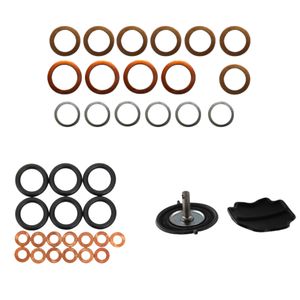
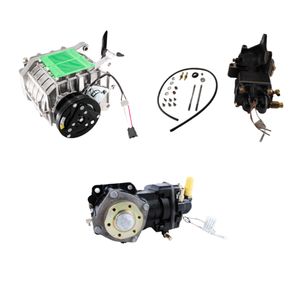
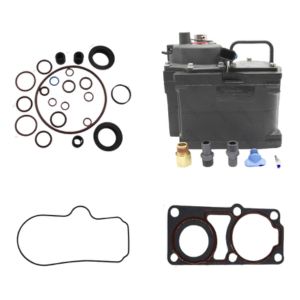
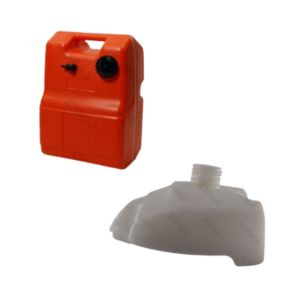





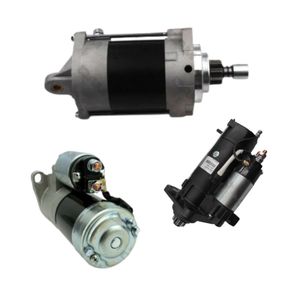
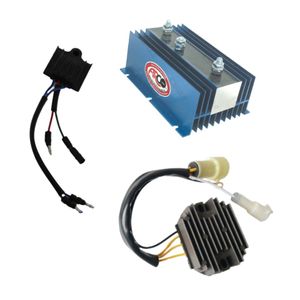
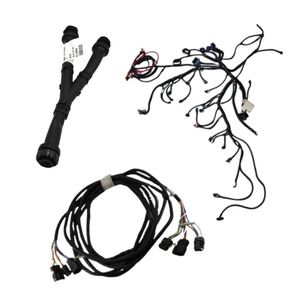
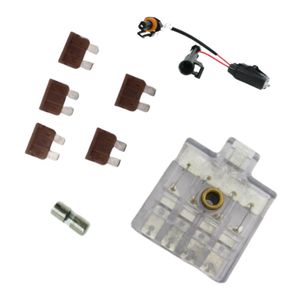
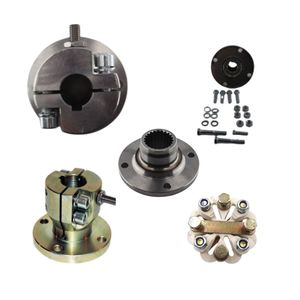
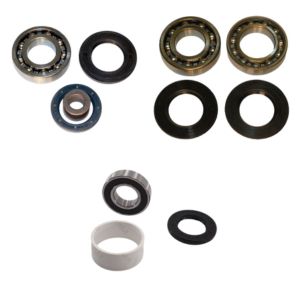
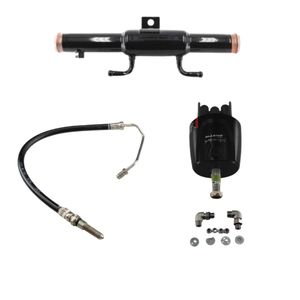
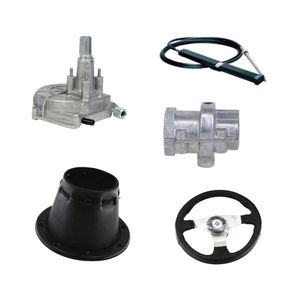

 Parts views
 Technical documents
 Ask for a quote
 Return request
Browse boat anodes, engine anodes, hull anodes and ready-to-fit kits.
A boat anode, also called a sacrificial anode, is a small metal part designed to corrode instead of the important parts of your boat. Its role is simple: it concentrates corrosion on itself, rather than on the propeller, sterndrive, shaft, rudder or metal hull. This guide explains how an anode works, which types of anodes to choose, where they are fitted and when to replace them. To place these protections within how a boat works, it helps to connect them with submerged parts and propulsion.
A boat anode is a deliberately less noble metal that corrodes first to protect submerged parts. It must have metal-to-metal contact and be in contact with water to work. Zinc is mainly suited to seawater, aluminium to seawater and brackish water, and magnesium to freshwater. An anode must wear down: if it remains intact after a season, it is probably not protecting correctly.
- What is an anode on a boat?
- What is a boat anode used for?
- How does a sacrificial boat anode work?
- What are the main types of boat anodes?
- How do you choose an anode for your boat?
- Where are anodes located on a boat?
- Which mistakes stop an anode from protecting?
- When should boat anodes be changed?
- How often should anodes be replaced?
- Why do my anodes wear too quickly or not at all?
- Are anodes polluting?
- What should you remember about boat anodes?
- FAQ about boat anodes
What is an anode on a boat?
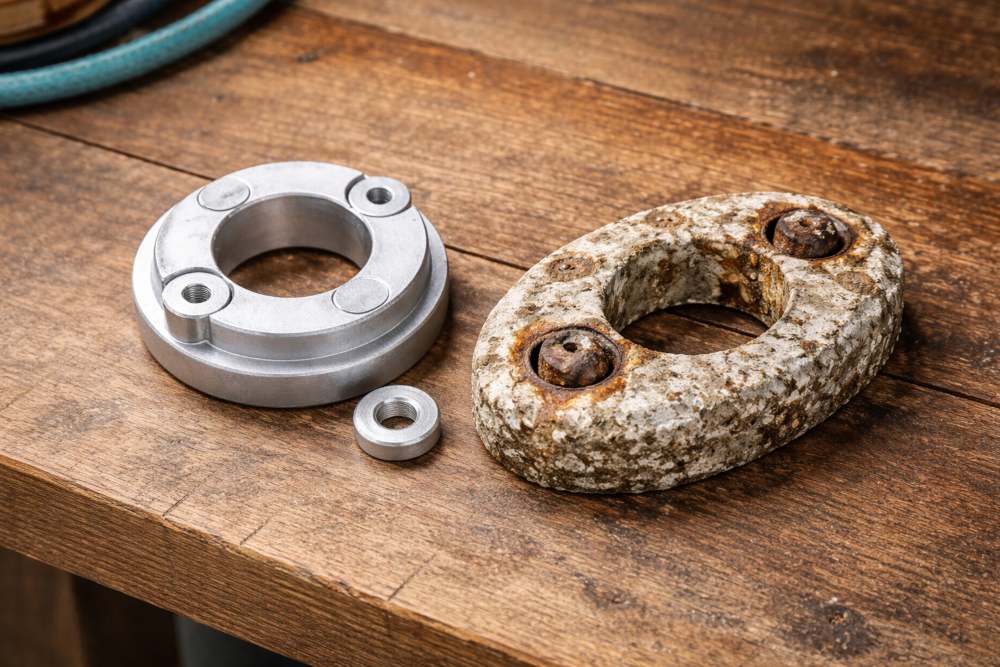
A boat anode is a metal part fixed on, or very close to, the submerged parts that need protection: sterndrive, propeller, shaft, rudder, trim tabs, metal hull, and so on. It is also called a galvanic anode or sacrificial anode because it is designed to dissolve gradually and take corrosion in place of expensive parts. In practice, the anode acts as a shield that attracts electrochemical corrosion.
Why is it called a sacrificial anode?
Because its role is to corrode first. It loses material over time, which is normal, while the protected part keeps its integrity. This is intentional: it is better to replace an anode than repair a perforated sterndrive, a damaged propeller or a weakened shaft.
Which parts can an anode protect on a boat?
Anodes mainly protect submerged metal parts that are electrically connected: aluminium sterndrives, propellers, transmission shafts, rudders, centreboards, trim tabs and sometimes a metal hull. To better understand how sensitive the propulsion system can be, you can also read the guide about how a boat propulsion system works.
What is a boat anode used for?
The main role of an anode is to limit electrochemical corrosion, often called galvanic corrosion. This phenomenon appears when different metals are present in a conductive environment, such as seawater. The anode channels this reaction onto a metal designed for that purpose, rather than onto essential boat parts.
What are the risks if corrosion is not controlled?
Uncontrolled corrosion can cause serious damage: gradual perforation of a sterndrive, imbalance and material loss on the propeller, weakening of a propeller shaft, degradation of fittings and rudder pins, or attack on a metal hull. A damaged propeller can also cause engine vibration and lower efficiency; the guide about how a boat propeller works explains why. To go further on maintenance, also read the guide to boat propeller maintenance.
Why is it more critical in seawater?
The saltier the water, the better it conducts electricity. As a result, electrochemical exchanges are more active and corrosion accelerates. This is also why anodes generally wear faster at sea than in freshwater.
How does a sacrificial boat anode work?
To understand it simply, imagine a natural battery: water acts as the electrolyte, meaning a conductive medium, and two different metals form a pair. The more electrically active metal corrodes first: this is the role given to the anode.
What is the potential difference between metals?
When two different metals, for example aluminium and bronze, are connected and immersed in a conductive medium, a potential difference appears. A microscopic current is created and corrosion focuses on the less noble metal. The anode is precisely chosen to be less noble than the parts it protects.
What is the galvanic series used for?
The galvanic series ranks metals according to their tendency to corrode in a given environment. The key idea is simple: the less noble metal sacrifices itself. Choosing the right anode material means choosing a metal that will corrode at the right pace in your water, without under-protecting the boat or dissolving unnecessarily fast.
Why is metal-to-metal contact essential?
An anode only protects if it is electrically connected to the part to be protected, usually through direct metal-to-metal contact. If paint, antifouling, oxidation or grease insulates the anode, the protective current passes poorly and the anode becomes a useless piece of metal.
What are the main types of boat anodes?
There are mainly three materials for a boat anode: zinc, aluminium and magnesium. The right choice depends mainly on the water you sail in, then on the materials present on the boat: aluminium sterndrive, steel or aluminium hull, bronze propeller, shaft, trim tabs, and so on.
When should a zinc anode be used on a boat?
The zinc boat anode has historically been the most common choice in seawater. It is often chosen because it is widely available and affordable. However, in freshwater, and sometimes in brackish water depending on conditions, zinc can oxidise and become less effective.
When should an aluminium anode be used on a boat?
The aluminium boat anode is often the most versatile option: it generally works well in seawater and brackish water. It can be an efficient alternative to zinc. In many modern configurations, especially with aluminium sterndrives and parts, aluminium is a frequent and logical choice.
When should a magnesium anode be used on a boat?
The magnesium boat anode is the reference for freshwater. Freshwater conducts electricity less effectively, so a more active anode is needed to provide efficient protection. Magnesium performs this role very well.
Why can an aluminium anode protect aluminium parts?
It may seem counter-intuitive, but aluminium anodes are made from specific alloys designed to be more active than the structural aluminium of a hull or sterndrive. As a result, the anode corrodes first while protecting the aluminium part.
Can zinc, aluminium and magnesium be mixed on the same boat?
As a general rule, it is better to avoid mixing several anode materials on the same protected assembly. The risk is that the most reactive anode dissolves too quickly, while another oxidises or becomes ineffective. The goal is to have coherent and stable protection.
Go directly to the main anode families for hulls, engines, sterndrives or shafts.
How do you choose an anode for your boat?
The choice is made in two steps: first according to the type of water, then according to the materials and configuration of the boat: hull, sterndrive, shaft, propeller. A good choice avoids two extremes: an anode that dissolves too quickly, or an anode that does not wear and therefore does not protect enough.
Which anode should you choose according to the water?
In seawater, zinc or aluminium is generally used depending on the configuration. In brackish water, aluminium is often an excellent choice. In freshwater, magnesium is usually the most suitable material.
Which anode should you choose according to the metals?
Steel, brass or bronze parts can be protected at sea with zinc or aluminium, in brackish water preferably with aluminium, and in freshwater preferably with magnesium. Aluminium boats and aluminium parts are generally protected in seawater or brackish water with aluminium, and in freshwater with magnesium.
Where are anodes located on a boat?
The location depends on your boat and propulsion setup: outboard, inboard, sterndrive or saildrive. If you are comparing an inboard or outboard engine, the areas to check will not be exactly the same. Many boats have factory mounting points, which are a good indication of where anodes should be fitted. The anode must be positioned so it effectively protects the area, without being insulated by a coating.
Where should a hull anode be fitted?
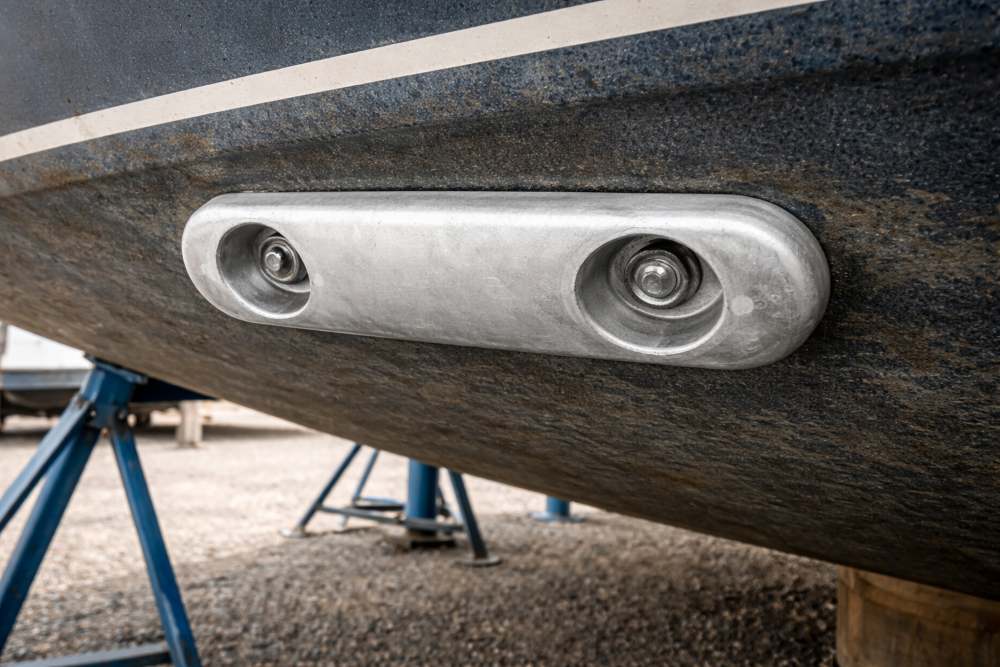
Hull anodes are often fitted along the keel or on areas specified by the builder. On a metal hull, several anodes may be needed depending on boat length and the surface to protect. The idea is to distribute the protection rather than rely on a single anode. View hull anodes.
Where can you find an engine or sterndrive anode?
On engines and sterndrives, anodes are often integrated into the sterndrive, around the anti-ventilation plate, near the propeller, or on specific points depending on the brand and model. The engine serial number can help identify the correct reference. Aluminium sterndrives are very sensitive areas, so anodes are often essential. View engine and sterndrive anodes.
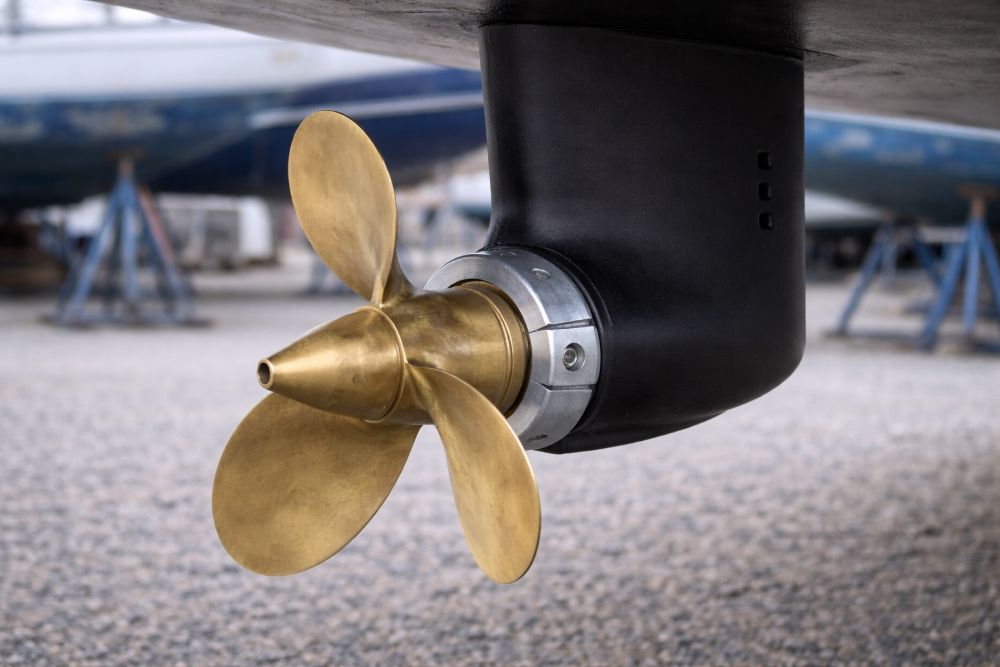
What is a pencil anode and where is it located?
A pencil anode is a rod-shaped anode, often used in certain circuits, depending on engines and heat exchangers. It protects internal metal parts exposed to water in areas where a flat anode cannot be installed. Its role is often linked to the boat cooling circuit.
Which anodes are found on the transmission side?
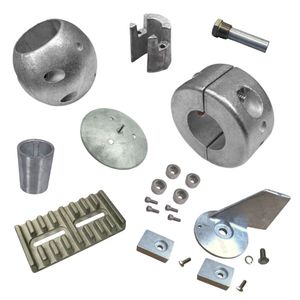
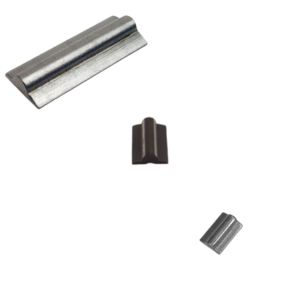
Depending on the configuration, you may find a shaft collar anode, shaft end anode, shaft nut anode or kits designed for a complete assembly. These anodes protect the shaft and nearby parts, which are particularly exposed. View shaft nut anodes.
What other categories of anodes can be found?
You may also find disc anodes, centreboard anodes, trim tab anodes, anode seals or complete kits. The important point is to choose an anode designed for your part, with the right shape and fastening. Discover anode kits.
Which mistakes stop an anode from protecting?
The most common mistakes are not minor details: they can completely cancel the protection. Remember one idea: the anode must be conductive and in contact with the part to be protected, while also remaining in contact with water.
Why should an anode never be painted?
Paint, varnish, resin, antifouling… all of these create an insulating barrier. If the anode is insulated, it no longer works: it does not corrode and the protected part becomes the target of corrosion. Anodes must remain bare metal. For the rest of the hull, read the guide to choosing the right antifouling for your boat.
Why should grease and oil be avoided on an anode?
Grease and oil also insulate. If you want to make future removal easier, avoid putting them on contact surfaces. If you lubricate a thread, do so carefully without contaminating the area that must remain in metal-to-metal contact.
What should you do if an oxidation layer appears?
Some anodes can develop an oxidation layer that reduces efficiency. A wire brush can help restore an active surface without over-polishing: the aim is simply to bring the metal back into contact.
Why should anodes not be undersized?
Undersizing means risking insufficient protection. There are sizing guidelines, but the environment changes the situation a lot: salinity, pollution, temperature and currents. When in doubt, it is better to use generous protection and inspect it regularly than to wait for corrosion on an expensive part.
When should boat anodes be changed?
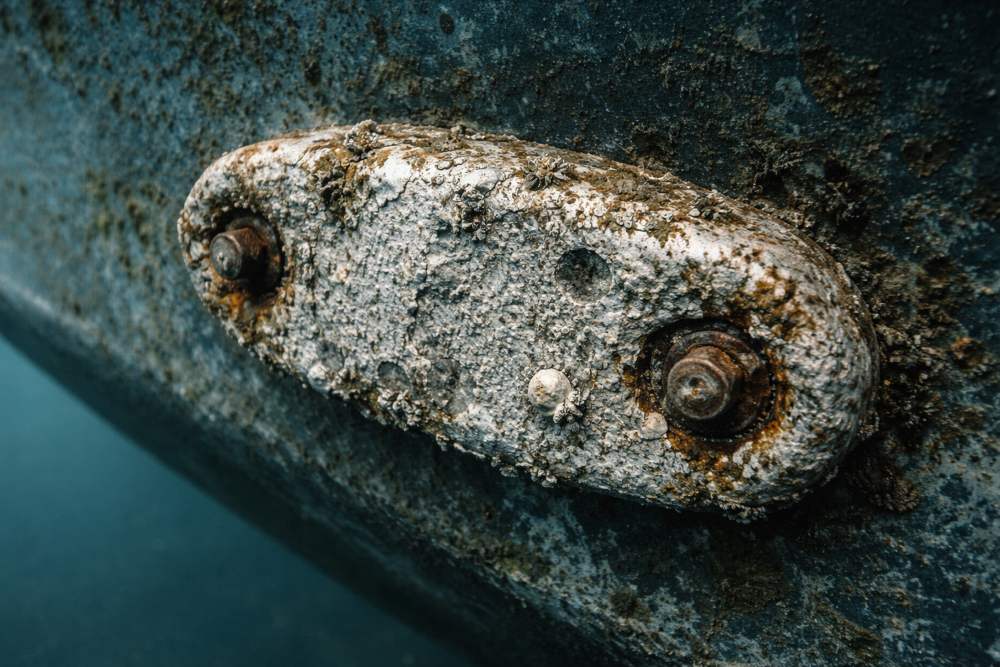
There is no universal date: the right indicator is the actual condition of the anode. The simplest rule is this: if the anode has lost more than 50% of its mass, it should be replaced. Other visual signs can also alert you earlier.
What signs show that an anode is at the end of its life?
The most reliable signs are significant material loss, an irregular shape with craters or deep hollows, swelling, a crumbly anode, a loose or detached anode, or visible corrosion on the part it is supposed to protect: propeller, sterndrive or rudder.
Use haul-out time to check the condition of the anodes, the contact points and whether the material is consistent with your sailing area.
How often should boat anodes be replaced?
The frequency mainly depends on your water, the time spent afloat and how harsh the environment is: pollution, currents, temperature and harbour conditions. A serious approach is to visually check anodes at least once per season, and more often if the boat stays in the water for long periods. This inspection fits naturally into boat winterisation and de-winterisation steps.
How often in seawater?
At sea, wear is often the fastest. For a boat that stays afloat all year round, annual replacement is common, and some boats need more frequent checks depending on use and harbour environment.
How often in brackish water?
Brackish water, such as estuaries, river mouths or coastal zones, can be very aggressive. More frequent inspection is often relevant because wear can vary greatly from one place to another.
How often in freshwater?
In freshwater, corrosion is generally slower, but it still exists. Many boats only need replacement during the season, especially with suitable magnesium anodes. In strong currents or loaded water, wear can accelerate.
Why do my anodes wear too quickly or not at all?
Both extremes are useful warning signs. An anode that disappears very quickly can indicate a very aggressive environment or an electrical problem. An anode that does not wear may mean it is not protecting.
What does very fast anode wear mean?
If your anodes melt away abnormally fast, several causes are possible: a highly conductive environment, poor sizing or stray currents. Stray currents can come from your installation or sometimes from a neighbouring boat. The guide about how electricity works on a boat can help you identify the main points to check.
What does an intact anode after a season mean?
An anode is supposed to wear down: if it remains almost new after a long period in the water, it is often a bad sign. It may indicate poor electrical contact, insufficient tightening or an unsuitable material. In this case, inspect the protected parts too.
Are anodes polluting?
This is a real topic, and it is normal to ask the question: an anode works by dissolving, so it releases metal particles and ions. The aim is not to create guilt, but to choose intelligently and apply good practices.
Why is zinc often criticised?
Zinc anodes release zinc ions as they dissolve. At high concentration, these releases can be considered polluting in certain environments. This explains why many boaters and professionals look at alternatives depending on the area.
Why are aluminium and magnesium seen as alternatives?
In some practices and field feedback, aluminium anodes are often considered an alternative to zinc in seawater and brackish water, while magnesium is a coherent solution in freshwater. The essential point is still to use a suitable and effective anode.
What good practices limit the impact?
Check and replace anodes at the right time, replace them cleanly during haul-out, and follow your marina or boatyard rules for waste management and cleaning. Properly sized protection also limits unnecessary consumption.
What should you remember about boat anodes?
A boat anode protects effectively only if it is well chosen, correctly fitted and inspected regularly. The table below summarises the most common choices according to water type, but the manufacturer’s recommendations remain the priority.
| Water type | Most common anode material | What to monitor |
|---|---|---|
| Seawater | Zinc or aluminium | Fast wear if the harbour is highly conductive or if the boat stays in the water all year round. |
| Brackish water | Aluminium | Strong variations depending on the area: estuaries, river mouths and coastal zones. |
| Freshwater | Magnesium | Check electrical contact and avoid zinc anodes that have become unsuitable. |
Which checklist should you follow before relaunching the boat?
- Metal-to-metal contact: no paint, antifouling or insulating layer under the anode.
- Clean surface: remove excessive oxidation if it insulates the anode.
- Correct tightening: anode securely fixed, with no play.
- Right material: consistent with your sailing water: seawater, brackish water or freshwater.
- Visual inspection: replacement if the anode is more than 50% worn or has an abnormal shape.
FAQ about boat anodes
Is a hanging anode useful in a marina?
A hanging anode can help in some cases, especially in a marina, but it does not replace anodes correctly mounted on the parts to be protected. The key point is protection as close as possible to sensitive areas, with good contact and the right material.
Do you need anodes on a fibreglass boat?
Yes, if the boat has submerged metal parts: sterndrive, propeller, shaft, rudder or trim tabs. The hull material alone is not what decides it; the presence of metals in contact with water is what matters.
Can shore power accelerate anode wear?
It can, especially if the installation has a grounding fault, electrical leakage or faulty equipment. In case of abnormally fast wear, a marine electrical inspection is recommended.
If I move from seawater to freshwater, should I change my anodes?
Often yes: the optimal material is not the same. An anode suited to seawater is not always effective in freshwater, and the opposite is also true. The goal is to have an anode that is active at the right level in the water where the boat stays the longest.
Why can a new anode foul or oxidise quickly?
Some waters encourage surface oxidation, and some materials are more sensitive to it. As long as the layer does not become insulating, it is not always serious. If the anode does not wear at all when it should, check the contact, tightening and absence of coating.