


 Catalog
 Exploded views
















 Honda Marine
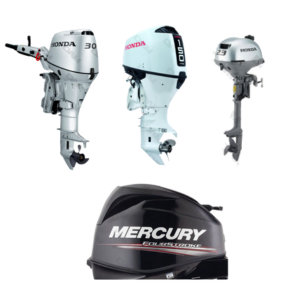

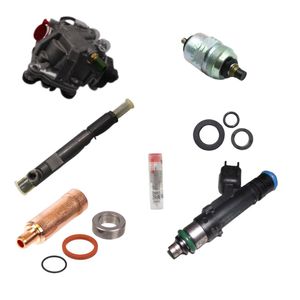
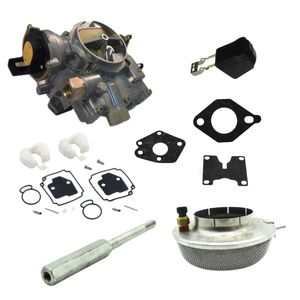
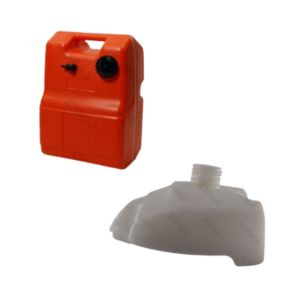
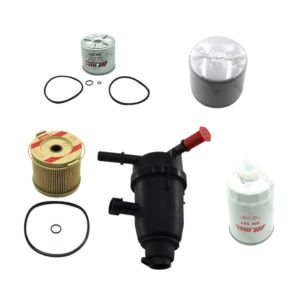


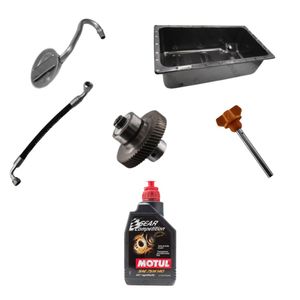
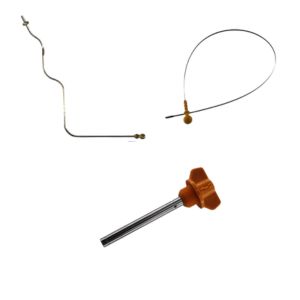


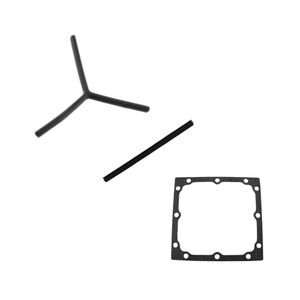
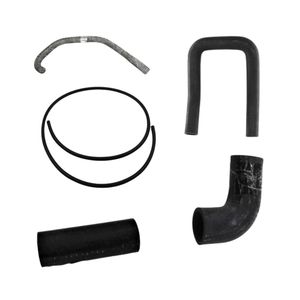
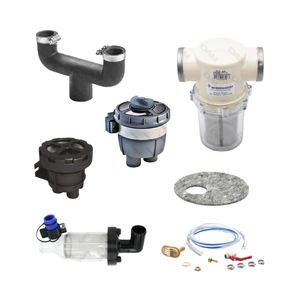
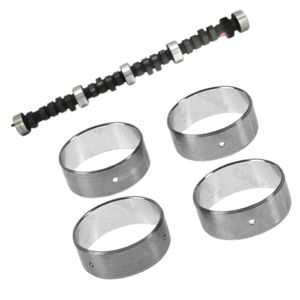
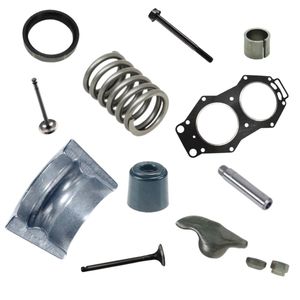
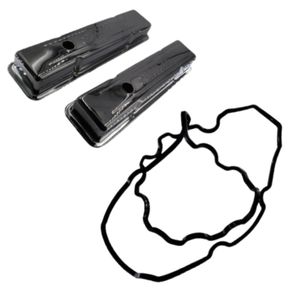
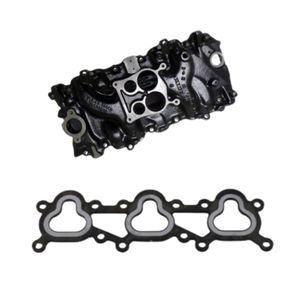
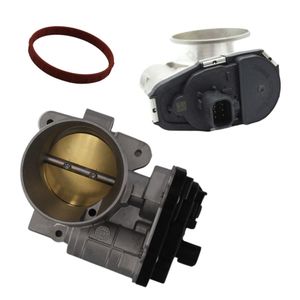
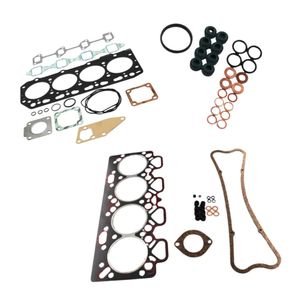
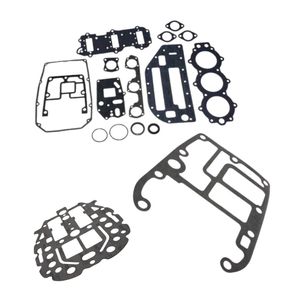
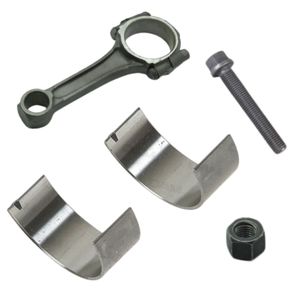
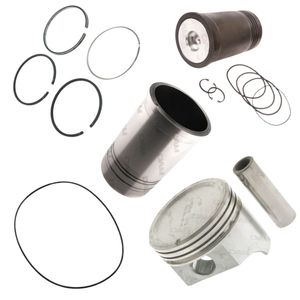

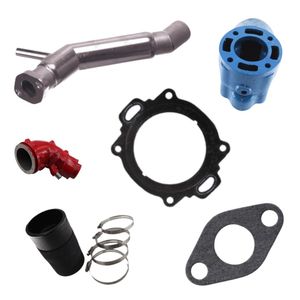
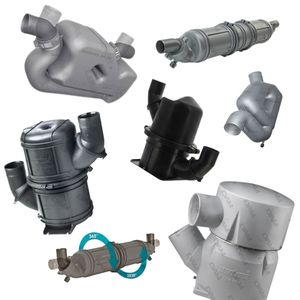
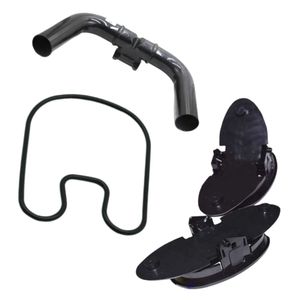
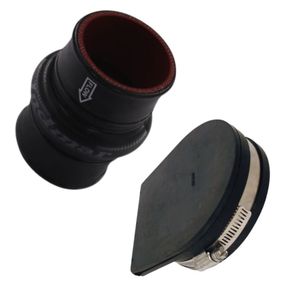
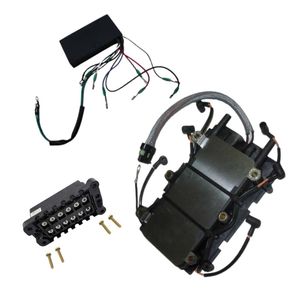
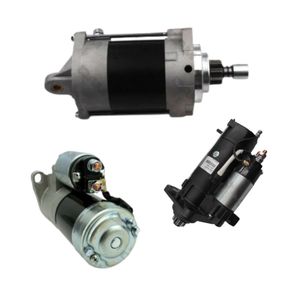
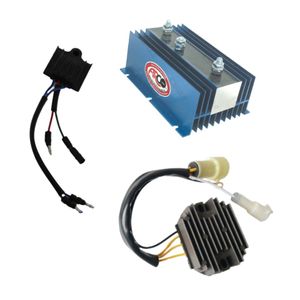
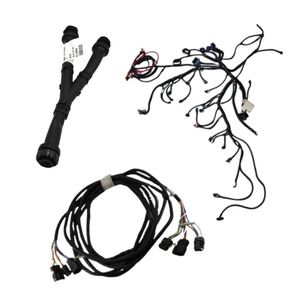
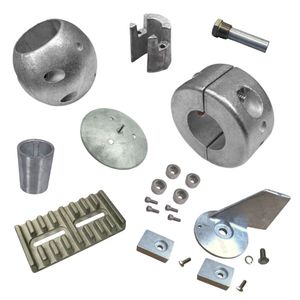
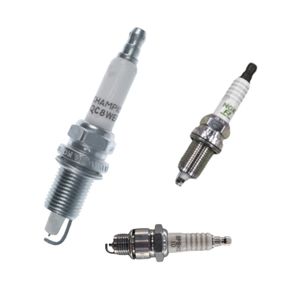
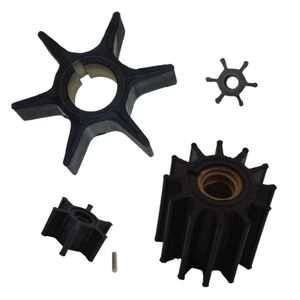
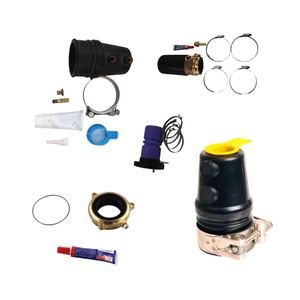
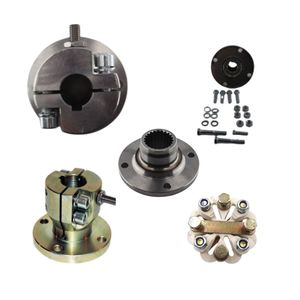
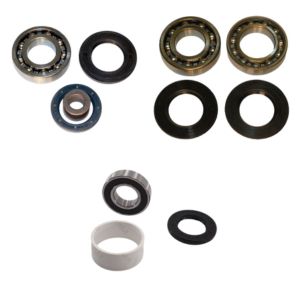
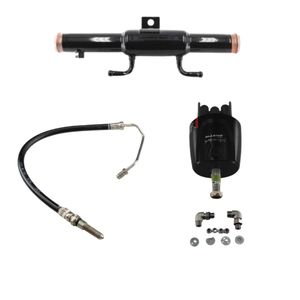
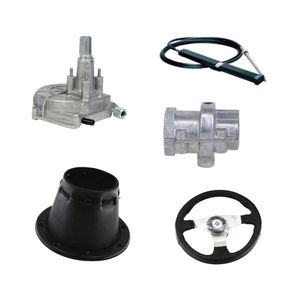
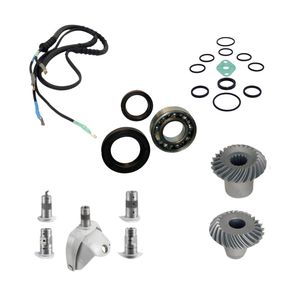
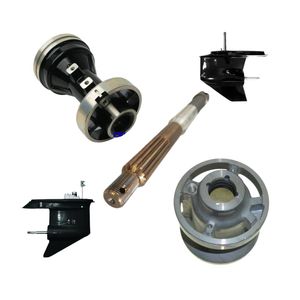
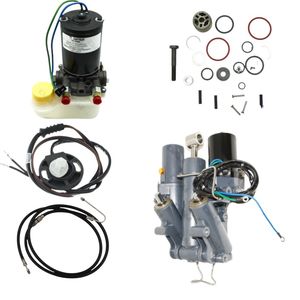

 Parts views
 Technical documents
 Ask for a quote
 Return request
Need to reduce your boat’s fuel consumption? Propeller, antifouling, filters or spark plugs: start with the points that directly affect efficiency.
Using less fuel on a boat is first a matter of speed, engine rpm and adjustment. Trim, propeller choice, hull cleanliness and engine maintenance then play a decisive role. Smooth driving and well-distributed load often improve range without changing the engine. Before buying a new engine, it is therefore worth correcting the simplest efficiency losses.
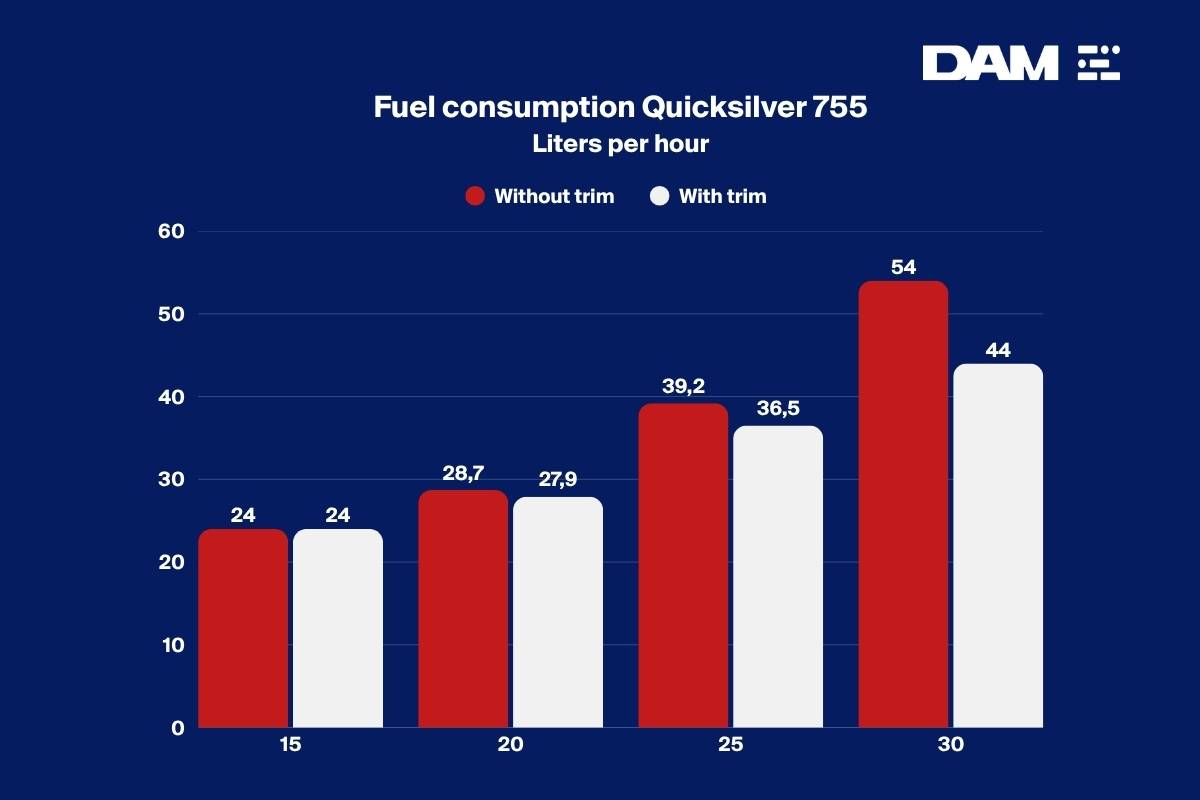
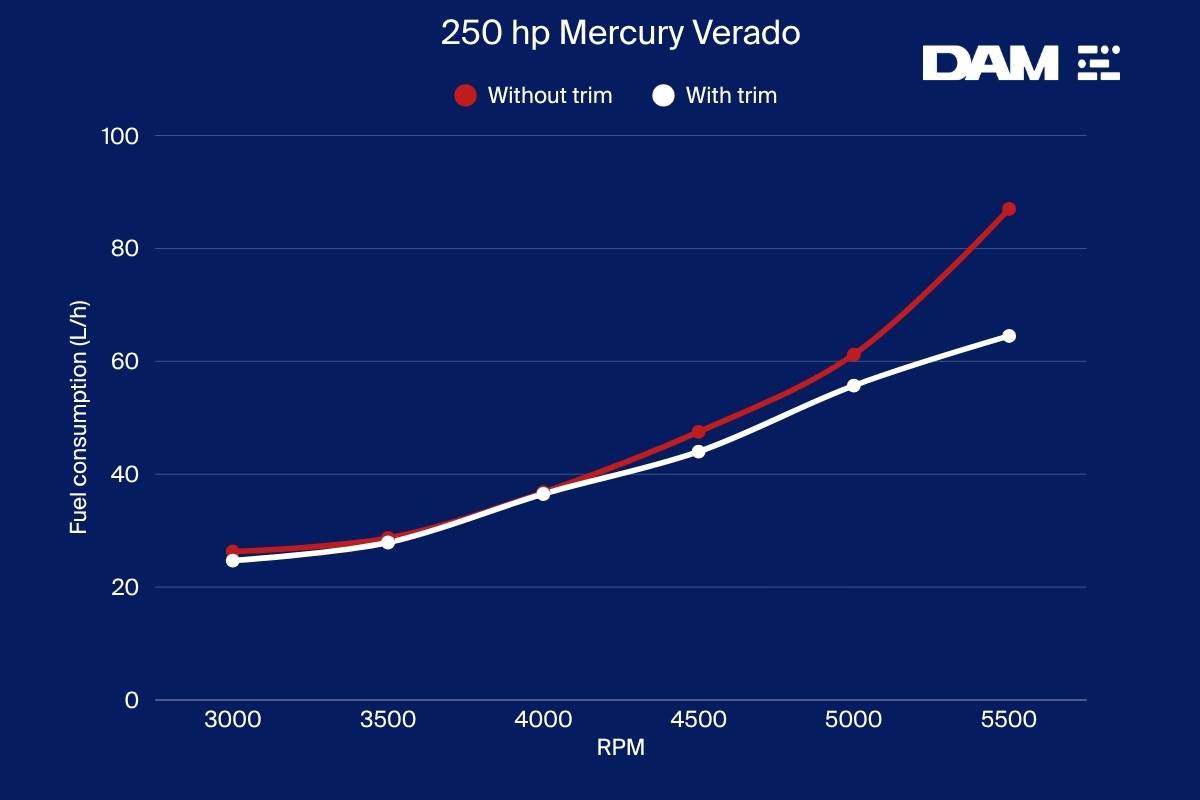
Example chart from the original HTML: the influence of trim on boat fuel consumption.
- What makes a boat consume the most fuel?
- Petrol or diesel: which boat engine uses less fuel?
- How can you estimate the fuel consumption of a petrol or diesel boat engine?
- How can you use less fuel if you already own your boat?
- Which settings and parts have the biggest impact on fuel consumption?
- What does a fuel consumption comparison with or without trim show?
- What does a dirty/clean hull comparison show about fuel consumption?
- Why is my boat using too much fuel?
- How is fuel used by the engine?
- What should you check before buying to use less fuel?
- Do fuel type, biofuels and additives really make a difference?
- Why is reducing fuel consumption also useful for the environment?
- Which levers should you remember to use less fuel on a boat?
- FAQ
What makes a boat consume the most fuel?
The main factors behind a boat’s fuel consumption are excessive speed, repeated acceleration, incorrect engine rpm, poor trim adjustment, an unsuitable propeller, a fouled hull, excessive onboard weight and a poorly maintained engine. Fuel consumption therefore does not depend only on installed power: it mainly depends on how efficiently the boat turns engine energy into useful movement.
To better understand the mechanical basics depending on your engine type, you can read our guide to how a marine diesel engine works or our article on how a petrol boat engine works.
Why does the skipper’s behaviour matter so much?
A well-driven boat generally uses less fuel than the same boat driven irregularly. Unnecessary acceleration, time spent idling, constant rpm changes or poor trim management create immediate losses.
Why does speed have such a strong impact on consumption?
The faster a boat travels, the more it has to fight water resistance. A small speed gain can require much more fuel, especially on a planing or heavily loaded hull.
Petrol or diesel: which boat engine uses less fuel?
A marine diesel engine often uses less fuel than a petrol engine with comparable power and use, especially on heavier boats or longer passages. Diesel usually offers better efficiency and more torque at low rpm, while petrol remains very common on small boats, outboards and lighter leisure use.
The real answer depends on hull type, onboard weight, cruising speed, trim setting, propeller and maintenance. A well-adjusted petrol engine can be more suitable in real use than a poorly operated diesel. For a broader view, you can also read the DAM Marine guide to choosing an engine for your boat.
How can you estimate the fuel consumption of a petrol or diesel boat engine?
Boat engine fuel consumption can be estimated with rough benchmarks, but these figures never replace real onboard measurements. Under heavy load, a petrol engine can approach roughly one third of its power in litres per hour, while a diesel is often estimated lower, around one fifth of its power. At cruising speed, real consumption is generally lower than at full throttle.
What benchmarks should you use for a petrol outboard?
The values below give a rough idea for a petrol outboard engine. Real consumption varies depending on the hull, load, trim, sea state, propeller and maintenance.
What benchmarks should you use for a marine diesel engine?
Diesel values are also indicative. They mainly help you plan a trip or compare behaviours, but your own boat remains the only true reference.
| Petrol engine power | Indicative rpm | Approximate consumption |
|---|---|---|
| 25 hp | 2,000 rpm | About 1 L/h |
| 25 hp | 3,000 rpm | About 2 L/h |
| 25 hp | 4,000 rpm | About 4 L/h |
| 25 hp | 5,000 rpm | About 6 L/h |
| 90 hp | 2,000 rpm | About 5 L/h |
| 90 hp | 3,000 rpm | About 10 L/h |
| 90 hp | 4,000 rpm | About 15 L/h |
| 90 hp | 5,000 rpm | About 20 L/h |
| 250 hp | 2,000 rpm | About 12 L/h |
| 250 hp | 3,000 rpm | About 20 L/h |
| 250 hp | 4,000 rpm | About 40 L/h |
| 250 hp | 5,000 rpm | About 60 L/h |
| Diesel engine power | Indicative rpm | Approximate consumption |
|---|---|---|
| 30 hp | 1,000 rpm | About 0.7 L/h |
| 30 hp | 2,000 rpm | About 2 L/h |
| 30 hp | 3,000 rpm | About 5 L/h |
| 75 hp | 1,000 rpm | About 1.1 L/h |
| 75 hp | 2,000 rpm | About 5 L/h |
| 75 hp | 3,000 rpm | About 18 L/h |
| 260 hp | 1,000 rpm | About 2.5 L/h |
| 260 hp | 2,000 rpm | About 13 L/h |
| 260 hp | 3,000 rpm | About 24 L/h |
How can you use less fuel if you already own your boat?
If you already own your boat, the quickest savings often come from the way you navigate. Before changing the propeller, engine or fuel, stabilise your speed, find the best rpm range, avoid harsh acceleration, reduce unnecessary idling and monitor onboard weight.
How can you adopt a more economical cruising speed?
The right method is to look for a constant, moderate speed. The best efficiency is not always achieved at very low speed, but at a speed where the boat runs cleanly without unnecessary effort.
How can you find the best engine rpm?
Record speed and instant consumption at several rpm levels, then divide speed by consumption. The highest result indicates the best efficiency. For example, 16 knots for 20 L/h gives 0.80, which may be better than 20 knots for 30 L/h.
Why avoid harsh acceleration?
Strong acceleration forces the engine to overcome the boat’s inertia and water resistance. Repeating these accelerations logically increases consumption over a full trip.
Why limit idling?
The engine uses fuel even when the boat is moving little or not at all. Over a season, minutes spent idling unnecessarily add up. If the engine lacks stability at low rpm, read our article on a boat engine that will not hold idle.
Why does onboard weight affect consumption so much?
The heavier the boat, the more energy it takes to accelerate, get on plane and maintain speed. Weight must also be distributed correctly to avoid excessive bow rise. If you suspect water in the bilge, also review your bilge pump choice.
Why prepare your route?
A better-prepared route helps avoid detours, current zones or stretches exposed to wind. The boat then works in better conditions, limiting the effort required from the engine.
Which settings and parts have the biggest impact on fuel consumption?
After driving behaviour, the most important technical elements are trim, propeller, hull condition, antifouling and overall engine condition. These are the first points to check when a boat is using abnormally high amounts of fuel.
How should you use trim to consume less fuel?
Trim adjusts the engine angle relative to the hull. When getting on plane, it should stay rather low to limit bow rise. Once planing, it is raised gradually to reduce drag. To go further, read the guide on using boat trim.
Why does an unsuitable propeller increase fuel consumption?
If pitch or diameter is not suitable, the engine works in the wrong range. A boat that struggles to get on plane, does not reach the right rpm or lacks speed may have an unsuitable propeller. See our article on how a boat propeller works and our guide to maintaining a boat propeller.
Why does a dirty hull increase consumption so much?
The hull bottom is the immersed part of the boat. When it accumulates algae, shells or fouling, it creates more resistance and requires more engine effort to maintain the same speed. To preserve this efficiency, our guide on how to antifoul a boat is a direct complement.
Why does antifouling also help reduce consumption?
Antifouling limits the adhesion of marine organisms to the hull. It therefore preserves performance, especially for boats that stay afloat for long periods. You can browse the boat antifouling category or the guide to choosing the right antifouling, then our method to apply antifouling to the hull.
Why is engine maintenance still essential?
A poorly maintained engine burns fuel less efficiently and may consume more. Oil changes, filters, spark plugs and fuel system checks remain essential. To keep the engine at the right operating temperature, our guide to how the boat cooling system works also completes this logic. To prepare for the off-season, think about the boat winterisation guide, then the guide to dewinterise your boat.
Is your engine using more fuel than expected? Start by checking fuel supply, ignition and filtration before assuming a more serious fault.
What does a fuel consumption comparison with or without trim show?
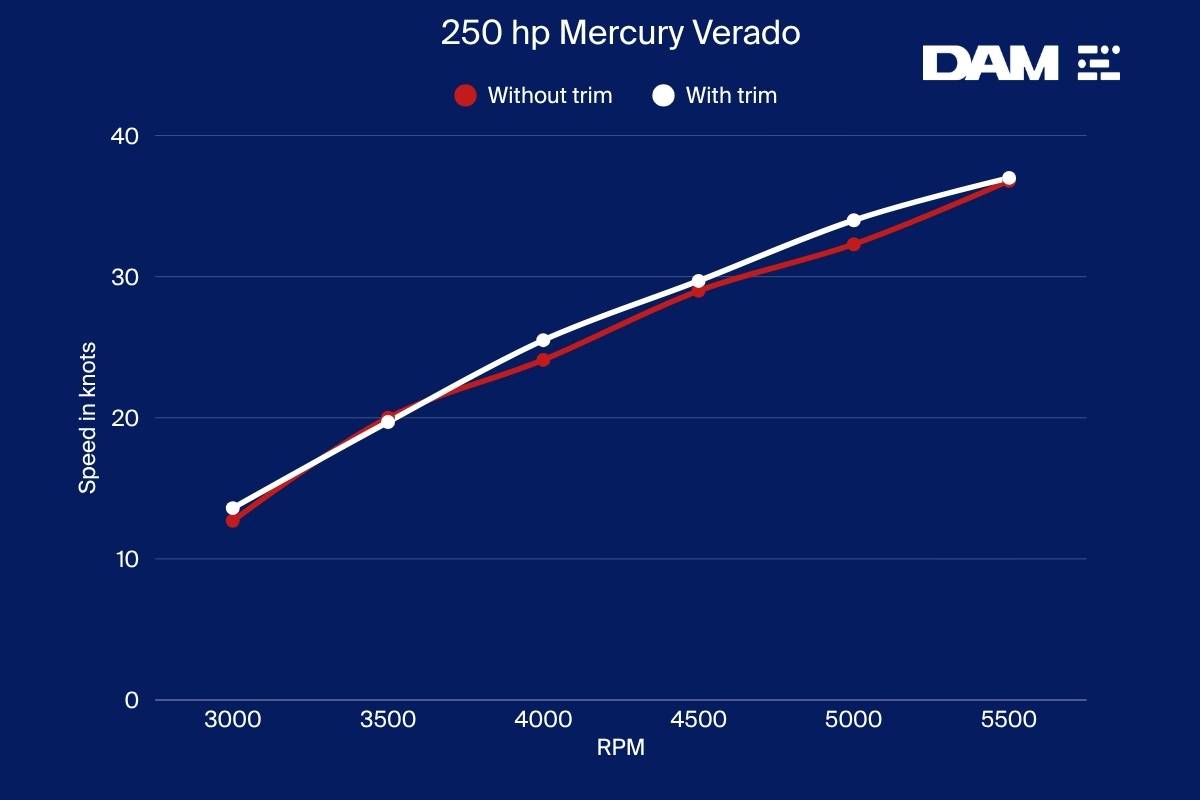
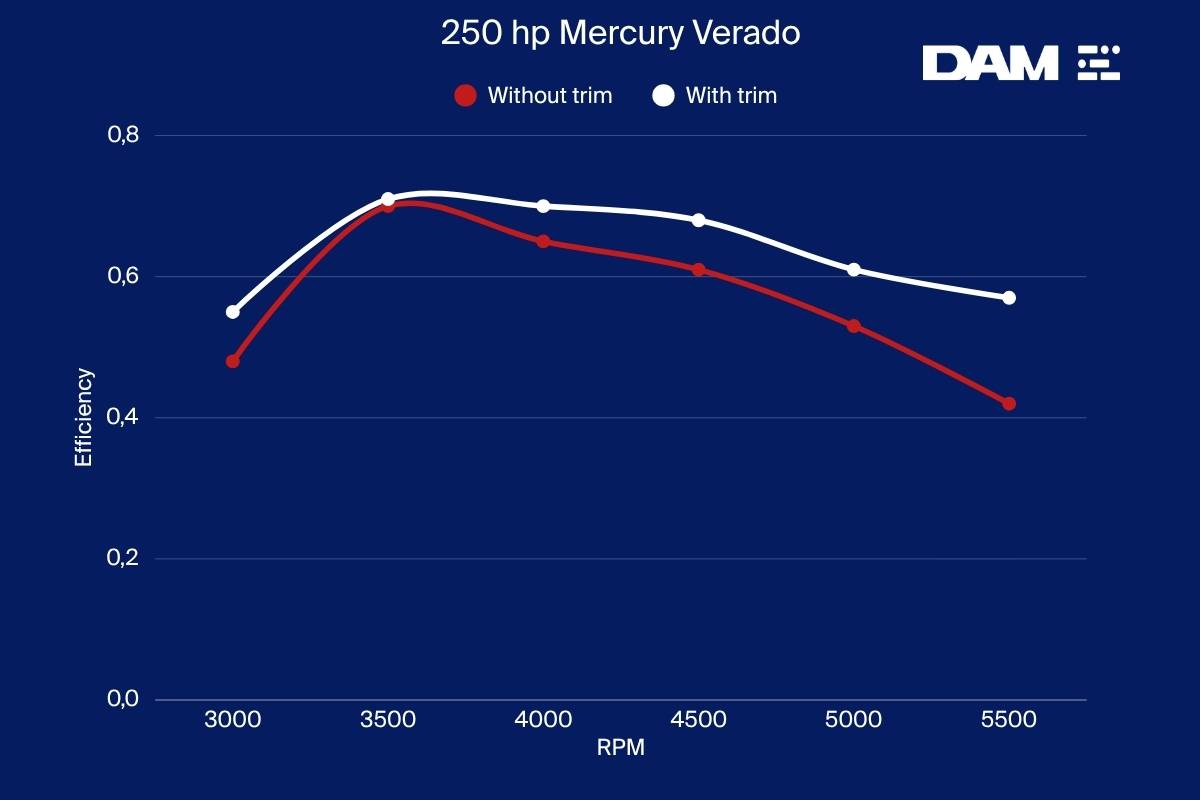
A comparison with and without trim shows that boat attitude can affect speed, hourly fuel consumption and efficiency. Correctly adjusted trim reduces drag and helps the boat maintain a more efficient speed, provided it remains within a stable range.
RPM / speed with or without trim?
RPM / fuel consumption with or without trim?
RPM / efficiency with or without trim?
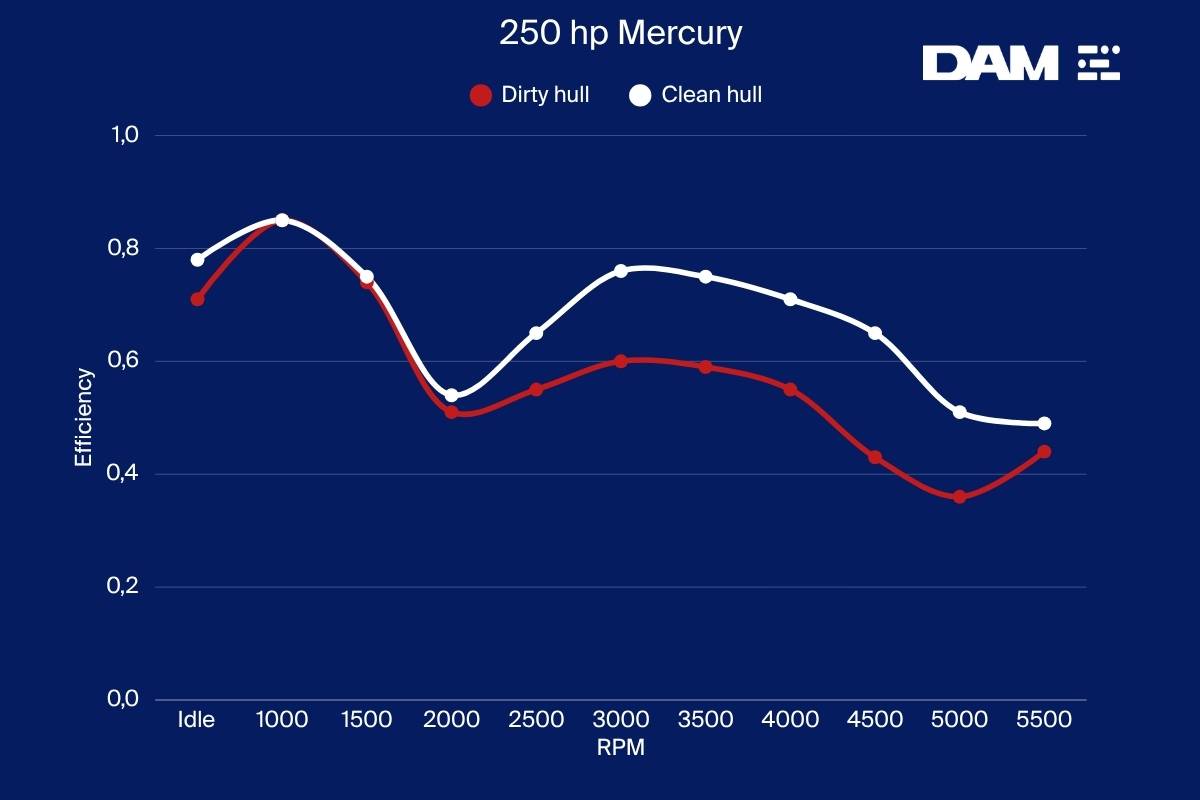
What does a dirty/clean hull comparison show about fuel consumption?
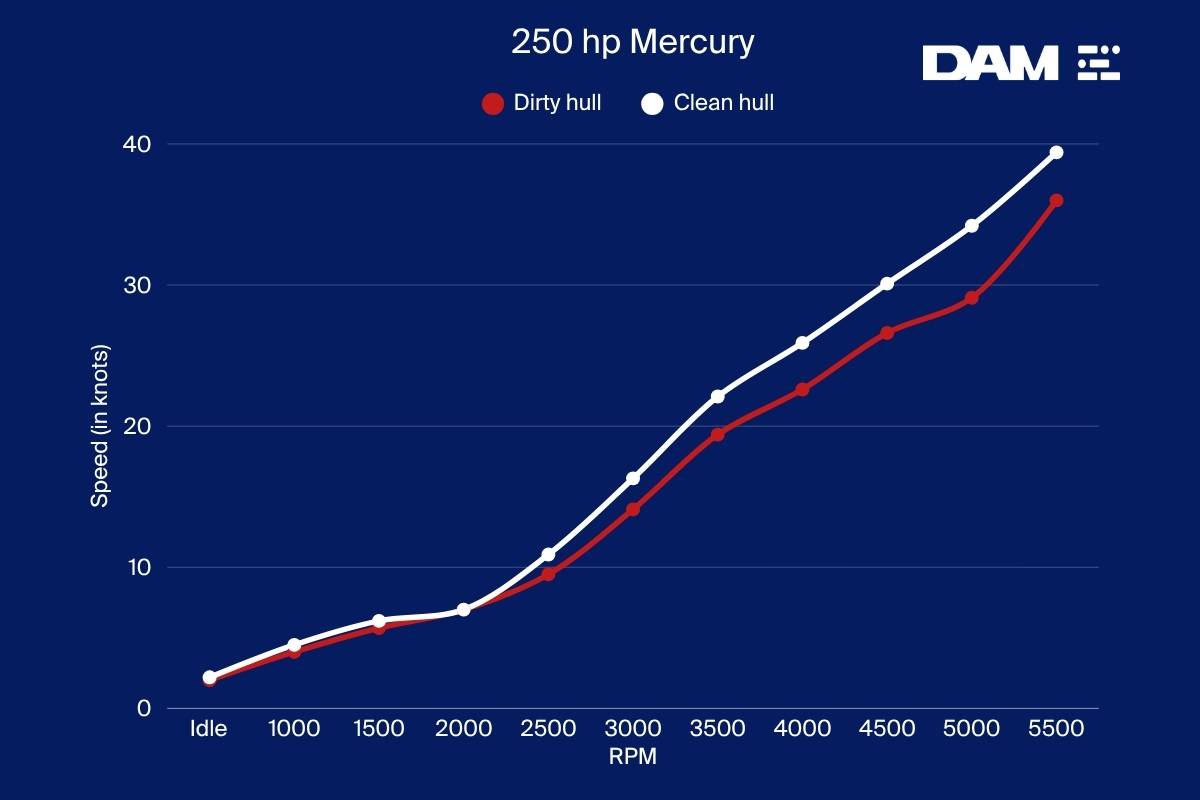
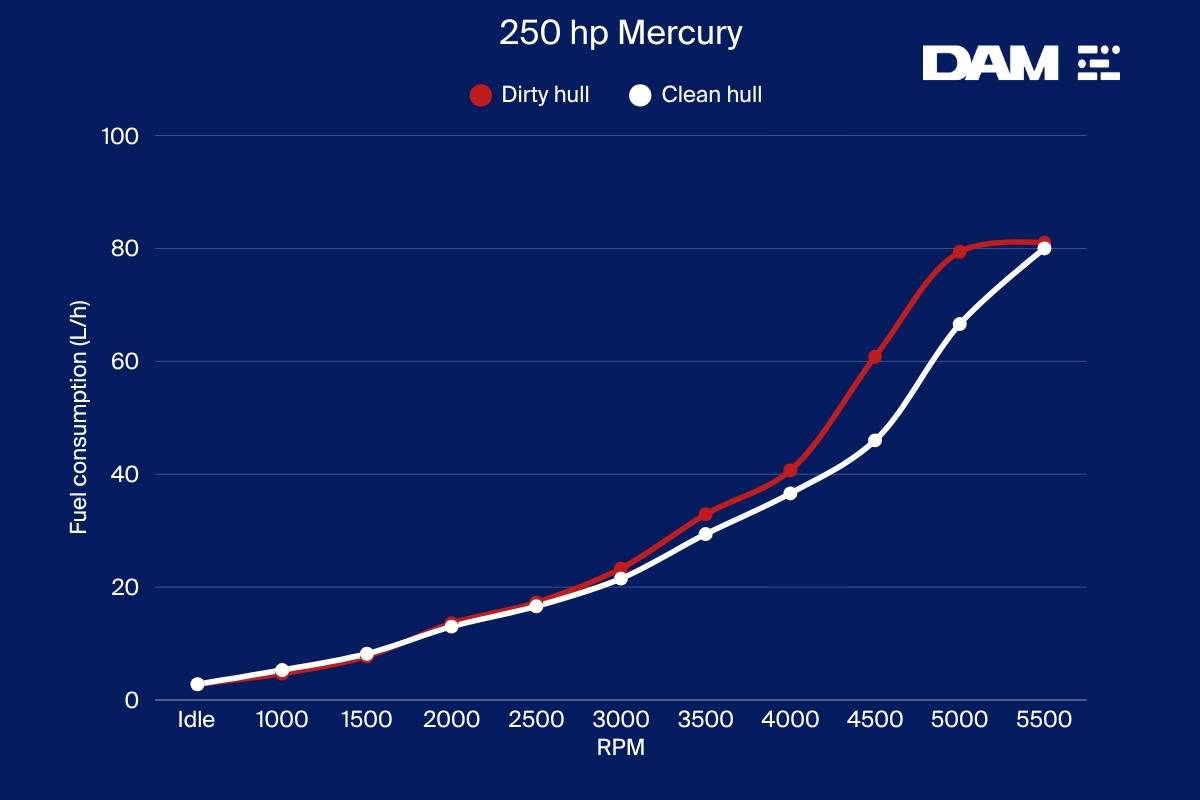
A comparison between a dirty hull and a clean hull shows the direct impact of fouling on speed, fuel consumption and efficiency. A fouled hull increases resistance in the water: at the same speed, the engine has to work harder.
RPM / speed with a dirty or clean hull?
RPM / consumption with a dirty or clean hull?
RPM / efficiency with a dirty or clean hull?
Why is my boat using too much fuel?
A boat that uses too much fuel often combines several small issues: poorly chosen speed, dirty hull, excessive load, approximate trim, unsuitable propeller or an engine that needs inspection. This accumulation, more than one isolated cause, is what pushes the fuel bill up.
What signs point to an unsuitable propeller or setting?
A boat that takes too long to get on plane, lacks acceleration, does not reach the correct rpm or works hard without reaching the expected speed should have its propeller and trim checked.
What signs point to a maintenance issue?
Irregular idle, harder starting, loss of smoothness or gradually increasing consumption can indicate an engine that needs checking. You can go further with our guides on boat engine power loss, a smoking boat engine, diagnosing engine overheating or engine vibration on a boat.
Why should you measure before concluding?
An impression of excessive consumption is not always true overconsumption. Record your data over several comparable trips. If the doubt comes from the fuel supply, read our article on boat fuel system problems.
How is fuel used by the engine?
Fuel does not move the boat directly. It burns in the engine, produces mechanical energy, and this energy is then transmitted to the propeller. The propeller turns that energy into thrust. The goal is therefore to limit losses between combustion and useful thrust in the water.
To understand the full chain between engine, transmission and propeller, you can also read our guide to how boat propulsion works.
To go further, the article on how a boat fuel system works is a good complement to this guide.
Why is efficiency never perfect?
Because part of the energy is always lost as heat, mechanical friction and hydrodynamic resistance. A clean hull, good trim, a suitable propeller and consistent speed do not add energy: they mainly prevent wasting it.
What should you check before buying to use less fuel?
Before buying a boat or engine, check the consistency between hull, power, weight, real use and ease of maintenance. The boat that uses the least fuel is not necessarily the least powerful: it is the one whose hull/engine/propeller combination matches the navigation programme.
Which type of boat generally uses the least fuel?
For comparable use, boats designed to travel at moderate speed often use less fuel than units built to go fast. Displacement hulls generally favour range and sobriety.
Why does an engine that is too small not always use less fuel?
An undersized engine too often works near its limit. A properly sized engine, with a consistent propeller, often delivers better overall efficiency.
What should you look at before buying?
Look at the hull type, real weight, installed power, usual load and navigation programme. To refine the choice, also read our comparison to choose between an inboard and an outboard engine.
Do fuel type, biofuels and additives really make a difference?
Fuel, biofuels and additives can be useful, but they remain secondary compared with the main levers: speed, engine rpm, trim, propeller, hull and maintenance. A poorly adjusted boat will not become economical only because of an additive or a different fuel.
Why follow the fuel recommended by the manufacturer?
The engine is designed to operate with precise fuel characteristics. Using the recommended fuel avoids degraded combustion and protects engine operation.
Can biofuels be useful?
They may be of interest in some cases, especially from an environmental or economic point of view, but only if the engine is compatible. Manufacturer recommendations remain the priority.
Do additives really save fuel?
Some additives help stabilise fuel or protect the system, but they should not be considered the main lever. They come after driving, adjustments and maintenance.
Why is reducing fuel consumption also useful for the environment?
Reducing fuel consumption on a boat lowers the cost of navigation, but also limits emissions linked to trips at sea. Smoother driving, a clean hull, a well-maintained engine and a better-adjusted boat make navigation more sober.
Which levers should you remember to use less fuel on a boat?
The key levers are the simplest to check regularly: speed, engine rpm, trim, propeller, hull condition, onboard weight and maintenance. The table below helps prioritise actions according to their potential impact.
| Lever | Potential impact | What to do | When to act |
|---|---|---|---|
| Cruising speed | Very high | Stabilise a moderate speed and avoid unnecessary bursts | On every trip |
| Engine rpm | Very high | Compare speed and consumption to find the best efficiency | As soon as you can collect data |
| Trim | High | Adjust the engine correctly when getting on plane and then while cruising | Whenever speed changes |
| Propeller | High | Check pitch, diameter and compatibility with the boat | If the boat struggles to plane or does not reach the right rpm |
| Hull | High | Clean regularly and apply a suitable antifouling | Depending on time spent afloat |
| Onboard weight | Medium to high | Remove unnecessary equipment and monitor real load | Before each departure |
| Engine maintenance | Medium to high | Carry out oil changes, filters, spark plugs and fuel system checks | According to the maintenance schedule |
| Idle | Medium | Reduce unnecessary running time | In harbour and during manoeuvres |
| Boat or engine choice | Very high in the long term | Choose a hull and engine package consistent with real use | Before buying |
FAQ
Does a boat use more fuel in rough seas?
Yes, generally. Choppy seas increase forces on the hull and often require more adjustments to speed, rpm and trim. The engine therefore works in less favourable conditions than in calm water.
Does towing a tender really increase consumption?
Yes, it can create additional drag. Over a short distance the effect may remain limited, but over a long or fast trip it becomes more noticeable. To choose a suitable model, read our guide to choosing your boat tender.
Can you navigate too slowly to save fuel?
Yes. The goal is not to go as slowly as possible, but to find the range where the boat runs cleanly with the best efficiency. On some configurations, navigating too low in the engine range is not ideal.
Can automatic trim help reduce consumption?
Yes, it can help maintain a more consistent setting depending on load and sea state. It does not replace understanding the boat’s behaviour or controlling its attitude.
Can you reduce consumption without changing engine?
Yes, and it is often the first thing to do. A better cruising speed, more accurate trim, a suitable propeller, a clean hull and serious maintenance can already deliver noticeable gains. If doubts remain, read our guide to boat engine repair.
How often should the hull be cleaned?
It depends on the time spent afloat, the navigation area and the season. The longer the boat stays in the water, the more you need to watch for fouling and act before performance drops noticeably.