


 Catalog
 Exploded views

















 Honda Marine
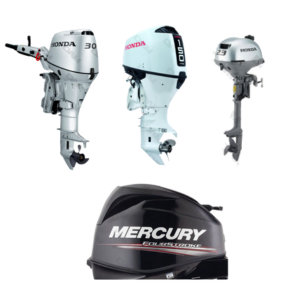


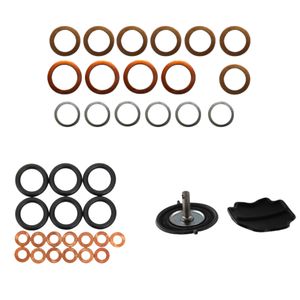
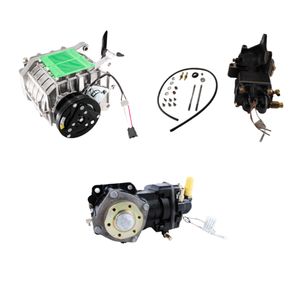
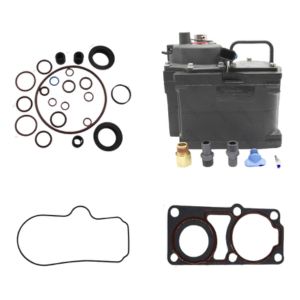
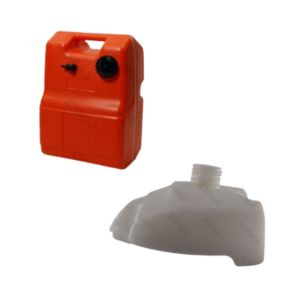




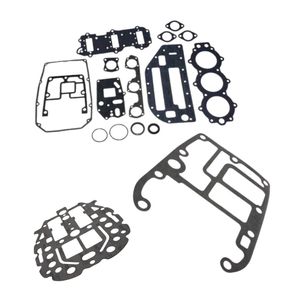
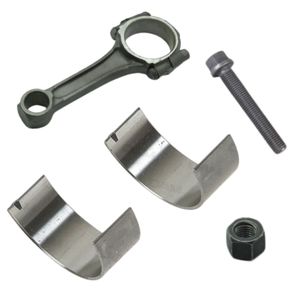
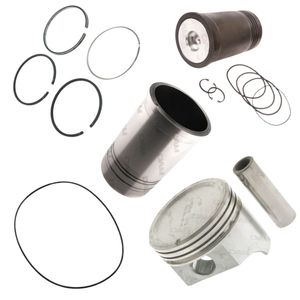
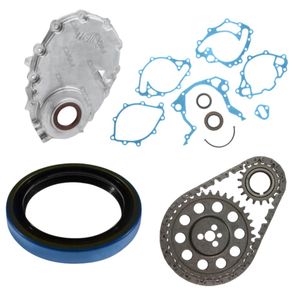
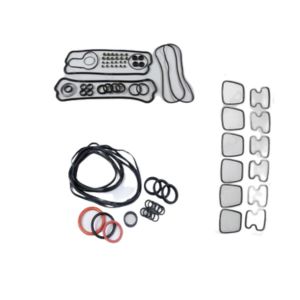
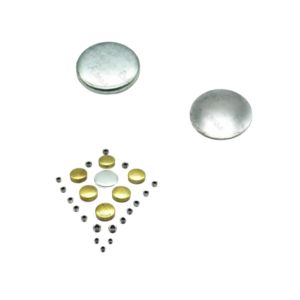
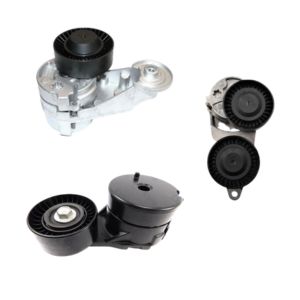
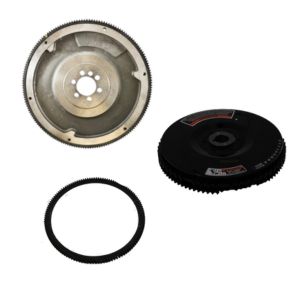

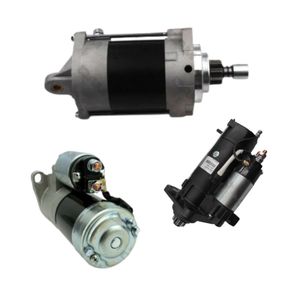
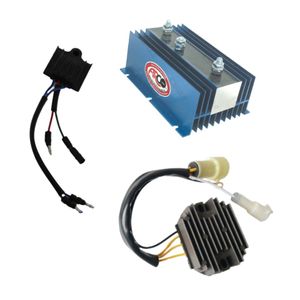
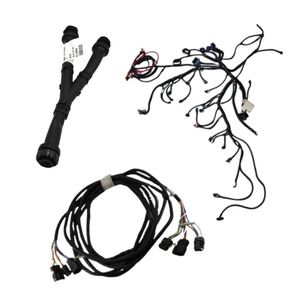
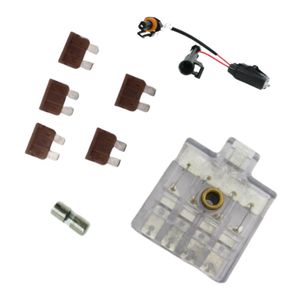
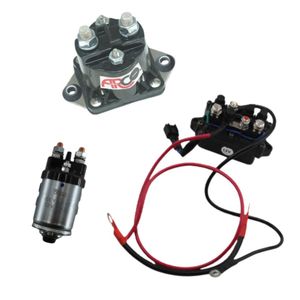
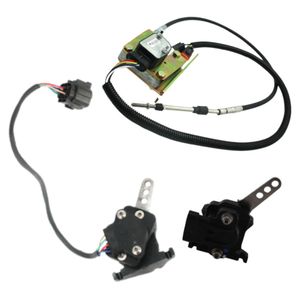
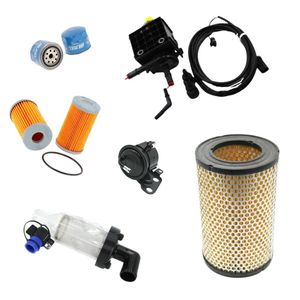
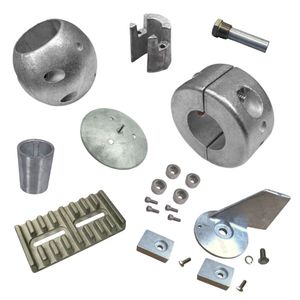
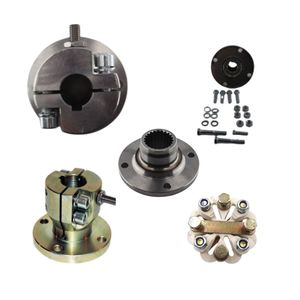
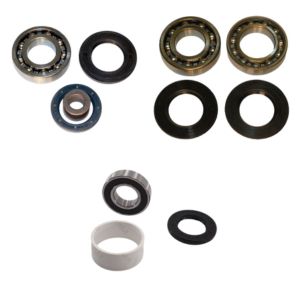
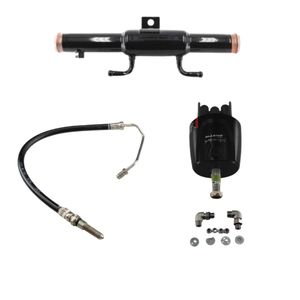
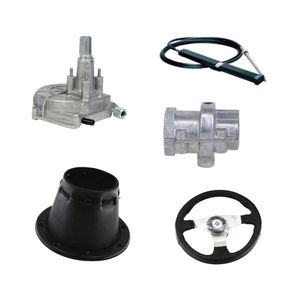

 Parts views
 Technical documents
 Ask for a quote
 Return request
Need to find a suitable propeller or mounting part?
Diameter, pitch, rotation, hub, anodes: DAM Marine helps you choose and install safely.
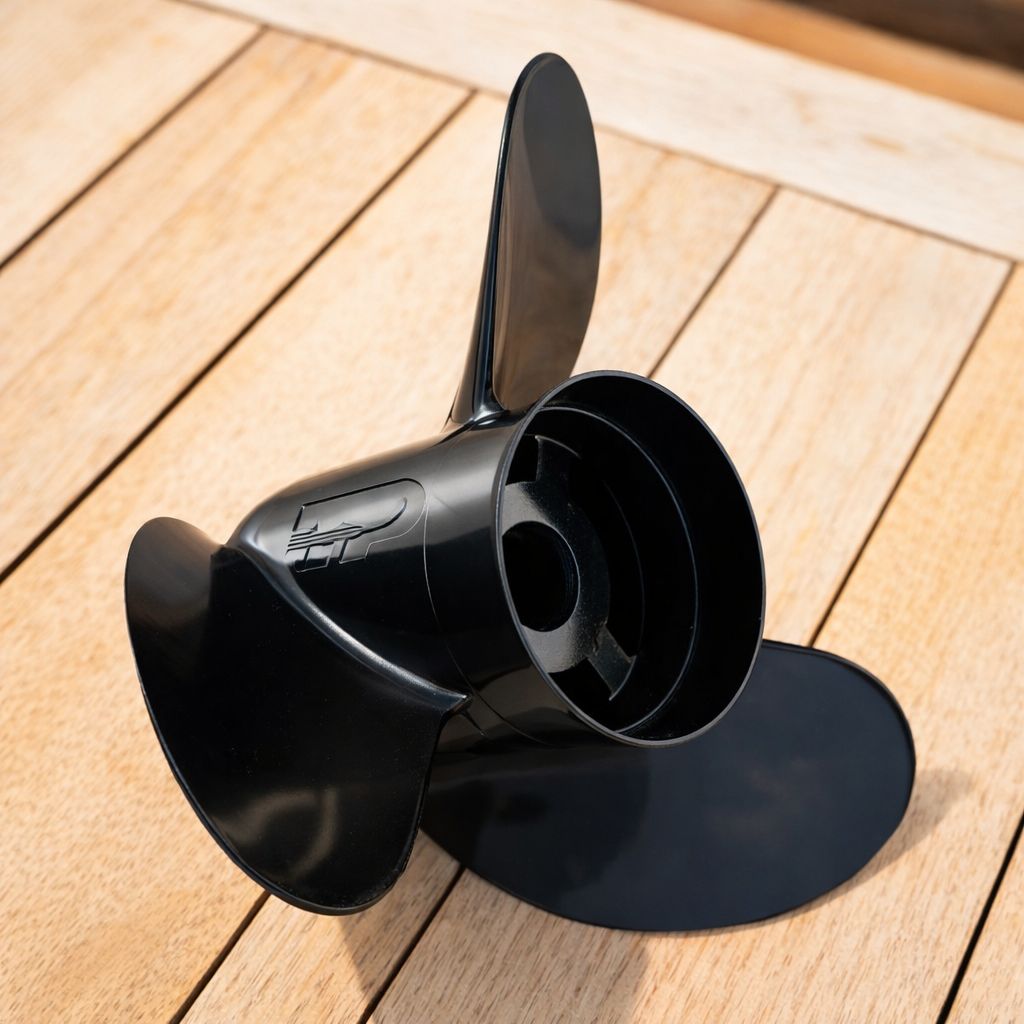
Do you want to understand how a boat propeller works without getting lost in overly technical explanations? A propeller does not simply “screw” through the water: it accelerates a mass of water backwards and creates thrust that moves the boat forwards. In this guide, you will see the principle, key settings, rotation direction and the main phenomena that influence efficiency.
How a boat propeller works is based on rotation being converted into thrust. The propeller accelerates water backwards, which pushes the boat forwards. Pitch, diameter and the number of blades influence traction, speed and engine RPM. Ventilation, cavitation, slip and vibrations explain a large part of performance losses.
What is the principle behind how a boat propeller works?
The principle is simple: a propeller converts rotation, supplied by the engine through a sterndrive, saildrive or shaft line, into thrust. To do this, it “grabs” the water and accelerates it backwards. In reaction, the boat receives a forward force.
This is why a propeller is not only used to move the boat forward. It also contributes to manoeuvring, reverse gear, planing on some planing boats and maintaining a stable speed despite sea state, load or current. To place the propeller within the engine-transmission-hull system, you can read the guide on how a boat propulsion system works. For a broader view, the guide on how a boat works also helps link the hull, engine, transmission and onboard equipment.
To visualise the main areas of a boat, from the hull to the propulsion components, the guide Boat anatomy is a useful complement to this article.
How does a propeller create thrust?
A propeller creates thrust because each blade acts like a hydrodynamic profile. As it rotates, the blade gives the water a path and a speed. This action creates a pressure difference between the two sides of the blade, generating a useful force to propel the boat.
It can also be explained by action and reaction: if the propeller accelerates a mass of water backwards, the boat receives a forward force. The two explanations complement each other: pressure explains how the blade creates the force, while action-reaction explains why the boat moves forward.
Which diagram helps visualise how a propeller works?
A useful diagram should show three ideas: the propeller rotates, water is accelerated backwards, then the boat receives forward thrust. This visual also helps explain why a propeller can churn water without moving the boat properly when the flow is disturbed or slip becomes too high.
Which settings change the behaviour of a boat propeller?
A propeller’s behaviour mainly depends on diameter, pitch and the number of blades. These three settings directly influence traction, the ability to reach RPM, target speed and thrust regularity.
What is diameter used for?
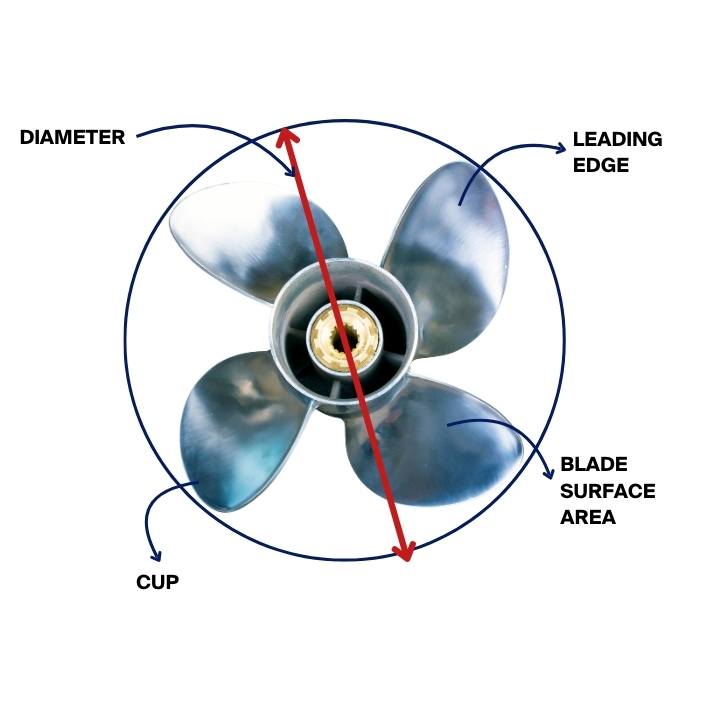
Diameter is the overall size of the propeller, from one blade tip to the other. The larger it is, the more water the propeller works, often with stronger thrust at the same RPM.
What does pitch mean?
Pitch is the theoretical distance travelled in one revolution, as if the propeller were moving through a solid. A higher pitch targets more speed, but also requires more power to be driven properly. Propeller choice is therefore closely linked to how you choose an engine for your boat, so power, load and use stay consistent.
Why does the number of blades matter?
The number of blades affects grip, thrust regularity and behaviour under load. A 3-blade propeller is often versatile, while a 4-blade propeller can improve traction and hold in certain conditions.
Other elements also play a role: rake, meaning the backward angle of the blades, the cup, a small lip on the trailing edge, and blade area. These details explain why two propellers that look similar on paper can feel different on the water.
Conversely, a propeller with too much pitch can make the engine labour at low or mid RPM. If your engine stalls under load or drops out at idle after acceleration, the issue does not always come from the propeller alone: the guide Boat engine stalling: diagnosis and solutions can help broaden the diagnosis.
How do you read a propeller marking?
The most common marking indicates diameter x pitch. For example, a propeller marked 13 3/4 x 15 has a diameter of 13.75 inches and a pitch of 15 inches. This already gives a useful indication of how it works: a higher pitch aims for speed, while a larger diameter favours the amount of water being worked.
Depending on the model, the marking may also specify rotation, material, compatible hub or certain blade characteristics. If you are choosing between several references, always check compatibility with your engine, drive and use. The engine serial number can also help you find compatible references.
Need to identify a propeller or mounting configuration?
Find propellers, mounting kits and accessories compatible with your installation.
Which way does a boat propeller rotate?
A propeller may be right-hand or left-hand rotation. This difference mainly influences low-speed handling, reverse gear and twin-engine installations. On a boat with two engines, counter-rotating propellers can reduce some unwanted effects and improve directional stability.
In forward gear, the propeller is designed to push water backwards efficiently. In reverse, it produces opposite thrust, but with more turbulence and often lower efficiency. This is one reason why a boat can be less precise when reversing than when moving forward.
The type of propulsion also affects where the propeller is installed and how thrust is transmitted. To compare the most common layouts, you can read the guide choosing between an inboard and an outboard engine.
Why does a boat kick sideways in reverse?
A boat can kick sideways in reverse because of propeller walk, also known as prop walk. This phenomenon is a sideways tendency generated by the propeller, especially at low RPM and when the water flow around the propeller is disturbed by the hull, keel, rudder or shaft angle.
It is not necessarily a defect. When manoeuvring, an experienced boater can even use this effect to position the stern during docking or reversing in a tight space. To make each docking manoeuvre safer, understanding propeller walk naturally complements good mooring habits.
How can propeller efficiency be estimated using slip?
Propeller efficiency is not just about whether the boat moves forward. Between theory and reality, there is always a gap: this is slip. It is the difference between the theoretical distance travelled thanks to the propeller pitch and the actual distance measured on the water.
- Note the engine RPM and reduction ratio.
- Calculate propeller shaft speed: propeller RPM = engine RPM / ratio.
- Estimate theoretical speed from pitch.
- Compare this speed with the actual GPS speed.
- Slip (%) = (theoretical speed − GPS speed) / theoretical speed × 100.
If GPS speed is far below the theoretical value, look for a cause: damaged propeller, wrong pitch, ventilation, cavitation, incorrect trim setting, excessive load or fouled hull. A suitable propeller can also contribute to more efficient boating; to broaden the topic, read the guide how to consume less fuel on board.
If you mainly feel that the boat no longer moves as it used to at a comparable RPM, the diagnosis should not stop at the propeller. The guide Boat engine power loss: causes and solutions details other possible causes.
Why does a propeller ventilate?
Ventilation occurs when the propeller draws in air or exhaust gases instead of working in dense, continuous water. The symptom is often clear: the engine revs up, but the boat does not accelerate properly. The propeller loses its grip in the water.
Common causes include mounting height that is too high, too much trim out, a tight turn at high speed, rough seas or disturbed flow around the propeller. On an outboard or sterndrive, the anti-ventilation plate helps maintain a cleaner water flow towards the propeller.
Trim adjustment therefore has a direct role in grip and performance. To explore this point further, you can read the guide how to use a boat’s trim.
Are you removing or refitting a propeller?
Remember the peripheral parts: hub, spacers, nuts, washers, marine grease and anti-corrosion protection.
What does propeller cavitation cause?
Cavitation is different from ventilation. Here, the propeller creates pressure zones so low that the water forms vapour bubbles. These bubbles then implode, which can cause noise, vibrations, loss of efficiency and progressive blade erosion.
A blade affected by cavitation may look pitted, as if its surface had been attacked. Possible causes include unsuitable pitch, a damaged blade, excessive load or irregular flow. Solutions include using a propeller in good condition, choosing a more suitable pitch and diameter, or improving water flow around the blades.
At what depth should the propeller work?
There is no universal depth. The aim is for the propeller to work in continuous water, without drawing in air, while avoiding an unnecessarily low installation that would increase drag. On outboards and sterndrives, the position of the anti-ventilation plate is often checked. On a shaft line, attention focuses more on flow quality between the hull, shaft and propeller.
If the boat loses grip in a turn, suddenly revs up or struggles to maintain a steady speed, the propeller may be receiving flow that is too disturbed. Check trim, mounting height, load, propeller condition and the hydrodynamic environment around the propulsion system.
Why can a boat propeller vibrate?
A propeller can vibrate because it is damaged, unbalanced or poorly fitted, but not only for those reasons. It can also receive irregular water, disturbed by the hull, an appendage, a rudder or nearby structures. The blades then undergo load variations that are felt in the boat.
In this case, changing the propeller is not always enough. You need to understand whether the vibration comes from the blade, shaft, drive, engine or water flow. To distinguish a propulsion-related vibration from an engine vibration, you can read the guide Boat engine vibration: causes, diagnosis and solutions.
What are the main types of propellers and how do they differ?
The principle remains the same for all propellers: accelerate water to generate thrust. What changes is how the propeller adapts to speed, load, drag or the boat’s use.
What is a fixed propeller?
It is the most common type. It is simple, robust and mainly depends on the right choice of diameter, pitch, number of blades and material.
What is a variable-pitch propeller used for?
Its pitch can change to better adapt to RPM, load or speed. It aims to maintain a more efficient operating range.
Why choose a folding or feathering propeller?
It mainly concerns sailing boats. Its benefit is to reduce drag under sail when the propeller is not providing thrust.
How does a ducted propeller work?
It works inside a nozzle that channels the flow. This configuration can improve low-speed thrust, with trade-offs depending on the boat.
When should you reconsider your propeller choice?
When the engine does not reach RPM, labours too much, vibrates, ventilates or consumes abnormally, the engine-propeller pairing should be checked.
What should you remember before choosing or diagnosing a propeller?
Before choosing or diagnosing a propeller, remember that the visible issue on the water may come from the propeller itself, but also from the installation, engine, hull, trim or the general condition of the propulsion system.
| Element | What it changes | Warning sign to watch |
|---|---|---|
| Pitch | Target speed and engine’s ability to reach RPM | RPM too low or too high at full load |
| Diameter | Amount of water worked and available thrust | Lack of traction or difficult take-off |
| Number of blades | Thrust regularity and hold under load | Irregular grip or unstable behaviour |
| Rotation direction | Manoeuvring, reverse gear and twin-engine installation | Boat kicking sideways in reverse |
| Ventilation | Loss of grip caused by air intake | Engine revs up without acceleration |
| Cavitation | Loss of efficiency, noise and blade erosion | Pitted blades, vibrations, unusual noise |
| Slip | Gap between theory and actual speed | GPS speed much lower than expected speed |
- A propeller works by accelerating water backwards: rearward jet = forward thrust.
- Pitch influences target speed, diameter affects traction, and the number of blades affects regularity.
- Ventilation = air intake; cavitation = vapour bubbles created by low pressure.
- A good diagnosis always cross-checks the propeller, engine, installation and boating conditions.
To continue on the maintenance side, the guide how to maintain a boat propeller details the right habits for inspection, cleaning and replacement. For anti-corrosion protection, also read the guide on the different types of boat anodes. When putting the boat back into service, remember to de-winterise a boat by checking the propeller, anodes and fastening parts.
FAQ on how a boat propeller works
Should anything be greased when refitting a propeller?
Yes. Depending on the installation, it is common to apply suitable grease to certain areas to limit seizure and make future removal easier. The aim is to avoid corrosion-related blocking, especially in marine environments. If in doubt, follow the manufacturer’s instructions and the configuration of your shaft or drive.
Why install anodes near the propeller?
Anodes help protect against galvanic corrosion. They sacrifice themselves instead of certain exposed metal parts. They must be checked regularly, because an anode that is too worn no longer protects properly.
What should be checked if the propeller loosens?
Check the condition of the thread, the presence of the required washers or spacers, the nut, cotter pin or locking system, and the recommended tightening torque. Incomplete assembly can lead to progressive loosening.
What is a propeller cone used for?
On some installations, the cone helps hold and protect the assembly. It should be replaced if it is deformed, heavily marked, or during a rebuild when you want to secure the installation.
Is it useful to keep a spare propeller on board?
Yes, especially when boating in remote areas, cruising or fishing. A spare propeller can prevent immobilisation after an impact. You should also carry the right fastening parts and the tools needed for clean removal.
What is the difference between a propulsion propeller and a bow thruster propeller?
The propulsion propeller moves the boat forward or backward. A bow or stern thruster propeller mainly produces lateral thrust at low speed to make manoeuvring easier.