

 Catalog
 Exploded views
















 Honda Marine


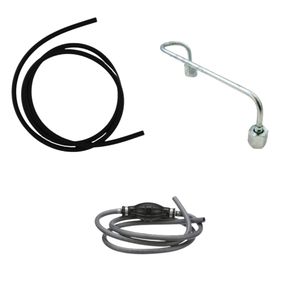
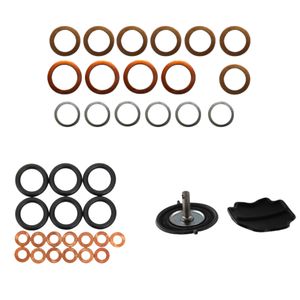
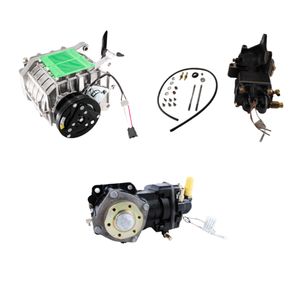
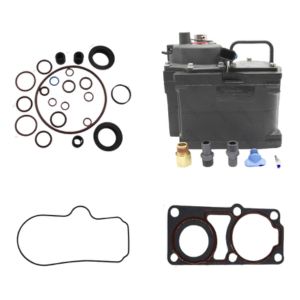





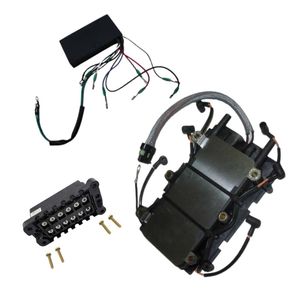
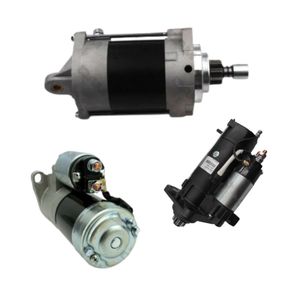
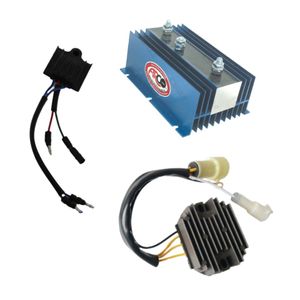
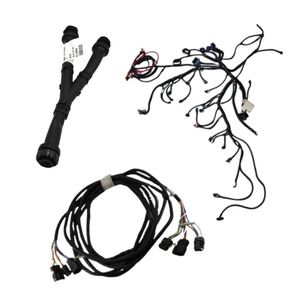
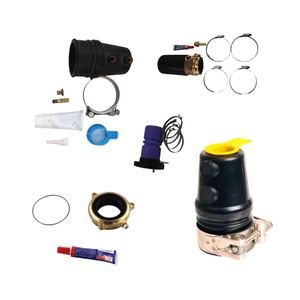
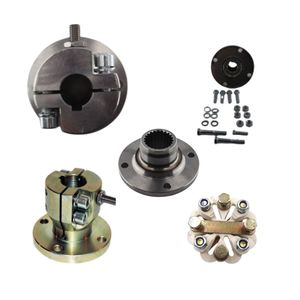
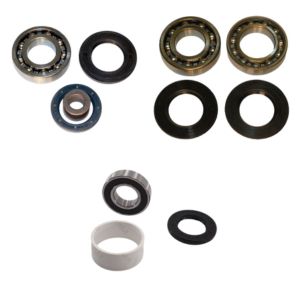
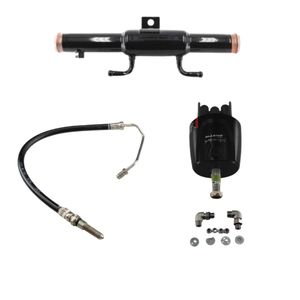
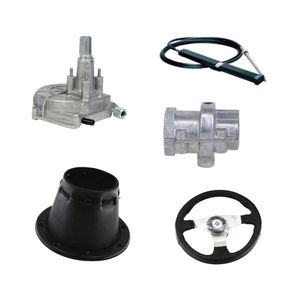
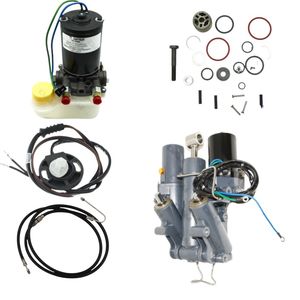

 Parts views
 Technical documents
 Ask for a quote
 Return request
Need parts for hydraulic boat steering? Find pumps, cylinders, hoses and kits suited to your installation.
View partsYou turn the wheel, the outboard engine pivots or the rudder changes angle, and the boat responds. Between these two actions, hydraulic boat steering uses a pressurised oil circuit to transmit the steering effort more smoothly than a mechanical cable. Here is how the system works, the parts to know, the symptoms to watch for and the right maintenance habits.
To place steering within how a boat works, it should be distinguished from propulsion: steering controls the trajectory, while the engine and propeller create thrust.
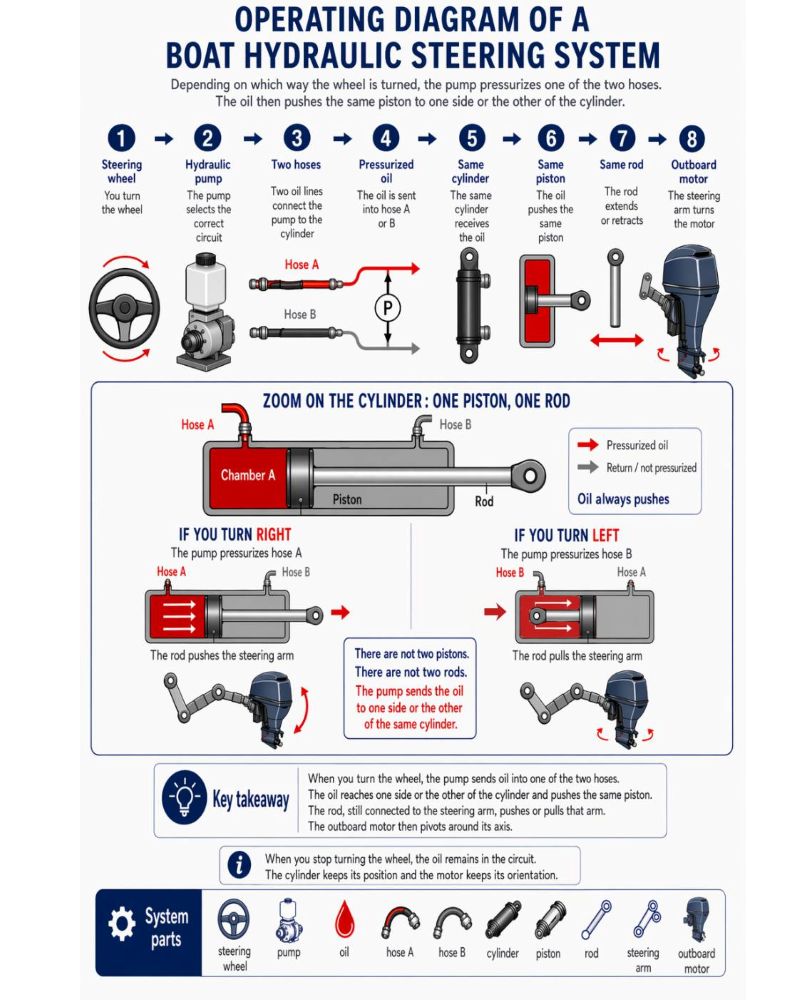
Hydraulic boat steering is a closed oil-filled circuit that connects the wheel to a cylinder. The pump sends oil into one hose or the other depending on the direction in which the wheel is turned. The cylinder converts this pressure into mechanical movement through a piston and rod. The rod then pushes or pulls a steering arm to orient the outboard engine or the rudder.
- How does hydraulic boat steering work?
- What are the parts of hydraulic boat steering?
- What are the different types of steering on a boat?
- Is hydraulic boat steering suitable for an outboard?
- Is hydraulic boat steering also suitable for an inboard?
- What are the advantages of hydraulic boat steering?
- What are the limits of hydraulic boat steering?
- What problems can affect hydraulic boat steering?
- How do you bleed hydraulic boat steering?
- How do you maintain hydraulic boat steering?
- What summary should you keep in mind before working on it?
- What questions should you ask before replacing a part?
How does hydraulic boat steering work?
Hydraulic boat steering works with an oil-filled circuit. The wheel does not act directly on the engine: it operates a pump, which moves the oil towards the cylinder. The cylinder receives this pressure, moves a piston, then a rod transmits the movement to the steering arm.
The principle is simple: the pump does not pivot the engine itself. It sends oil to one side or the other of the cylinder. The piston moves, the rod extends or retracts, then the outboard engine or rudder changes direction. To clearly distinguish this role from the thrust supplied by the engine, you can also read our guide to how a boat propulsion system works.
What happens when you turn the wheel?
The wheel operates the hydraulic pump located behind the helm station. Depending on the direction of rotation, the pump pressurises one hose and circulates oil to a specific side of the cylinder.
Why are there two hydraulic hoses?
The two hoses send oil to either side of the piston. When one pushes the piston in one direction, the other allows the oil to return through the circuit.
Why does oil transmit the effort?
Oil compresses very little. It therefore transmits pressure efficiently to the cylinder. This is also why the presence of air makes steering soft or imprecise.
Why does the oil always push the same piston?
The cylinder contains a single piston. Oil can arrive on the left or right side of this piston, but it always pushes from the side pressurised by the pump.
How does the cylinder rod pivot the engine?
The rod is connected to a steering arm. When it extends, it pushes this arm. When it retracts, it pulls it. The outboard engine then pivots around its axis.
What is the role of the number of wheel turns?
The pump moves a volume of oil with each turn of the wheel. The number of turns therefore depends on the pump flow rate, the cylinder volume and the sizing of the whole system.
Key point: there are not two pistons or two rods. There is one cylinder, one piston and one rod. The change in direction comes only from the side to which the oil is sent.
What are the parts of hydraulic boat steering?
A hydraulic boat steering system relies on several complementary parts. The wheel gives the input, the pump moves the oil, the hoses carry this oil, the cylinder converts pressure into movement, then the rod and steering arm transmit that movement.
What is the hydraulic pump for?
The hydraulic pump is located behind the steering wheel or helm. It sends oil into the correct hose according to the direction of rotation. For replacement, see our boat steering pumps.
What is the steering cylinder for?
The cylinder receives pressurised oil and converts this pressure into movement. The piston moves inside, then the rod acts on the mechanical linkage. Browse our hydraulic steering cylinders.
What are hydraulic hoses for?
The hoses carry oil between the pump and the cylinder. They must withstand pressure, remain leak-tight and follow a route without kinks. You can view our boat hydraulic hoses.
What are the piston and cylinder rod for?
The piston is pushed by the oil. The rod, connected to the piston, extends or retracts to transmit movement to the steering arm. A marked, oxidised or seized rod should be checked quickly.
Why use a suitable hydraulic oil?
The oil transmits pressure, protects components and ensures consistent response. Unsuitable or contaminated oil can make steering stiff and accelerate seal wear.
What is the steering arm?
The steering arm receives movement from the rod. On an outboard, it pivots the engine. On an inboard, the linkage acts instead on the tiller arm or rudder.
What are the different types of steering on a boat?
Hydraulic boat steering is one of the most comfortable systems, but it is not the only possible setup. Depending on the size of the boat, engine power, use and budget, you may also find mechanical cable steering, a tiller, wheel steering or electro-hydraulic assistance.
When should you choose hydraulic boat steering?
It is relevant on powerful motor boats, medium- or high-power outboards, heavy craft and installations where the effort at the wheel becomes significant.
How does mechanical cable steering work?
The wheel operates a helm unit that pushes or pulls a cable. The system is simple and economical, but it can become stiff with wear, tight bends or engine power.
How does electro-hydraulic steering work?
Electric assistance or an electric pump supports the hydraulic circuit. This setup is found on some better-equipped boats or on installations with multiple helm stations. With this type of equipment, it is useful to understand how electricity works on a boat and to think about managing energy on board.
The difference between mechanical, hydraulic and electric steering mainly comes down to comfort, precision, cost and installation complexity. To locate parts such as the rudder, transom, drive leg or helm station, our article on boat anatomy can also be a useful reference.
Is hydraulic boat steering suitable for an outboard?
Yes, hydraulic steering is very common on outboard engines, especially as power increases. On this type of setup, the engine pivots left or right around its axis, and the cylinder acts on a steering arm attached to the engine.
Why does engine power influence the choice?
The more powerful an engine is, the greater the forces transmitted to the steering can be. Mechanical steering can then become tiring, especially at sustained speed or with a pronounced trim setting. For this setting, see our guide to using a boat trim system. Before choosing or sizing a steering system, it may therefore be useful to read about choosing an engine suited to your boat.
What role does propeller torque play?
The propeller is not part of the hydraulic circuit, but its rotation can create forces felt in the steering. This is useful to understand with our guide to how a boat propeller works.
Does the outboard engine pivot with the propeller?
Yes. On an outboard, the steering orients the whole engine. The propeller continues to produce thrust, but that thrust is directed differently when the engine pivots.
Is hydraulic boat steering also suitable for an inboard?
Yes, hydraulic steering can also be fitted to an inboard boat. In this case, the engine does not pivot like an outboard: the cylinder acts instead on a steering linkage connected to the rudder. The rudder deflects the water flow to steer the boat.
How does the steering act on a rudder?
The cylinder moves a mechanical linkage that pivots the rudder. By changing angle, the rudder deflects the water passing over it and changes the boat’s course.
Which criteria matter on an inboard?
Sizing depends on the rudder area, boat speed, weight, hull type and intended use. A heavy craft generally requires a more robust system.
Why distinguish between outboard and inboard?
On an outboard, you steer the engine. On an inboard, you act on the rudder. To compare the two architectures, you can read our guide to choosing between an inboard and an outboard engine.
Are you replacing a steering part? Always check the installation type, engine power, hose length and manufacturer recommendations.
View a complete kitWhat are the advantages of hydraulic boat steering?
Hydraulic boat steering mainly provides comfort, smoother control and a better ability to transmit effort on powerful installations. It reduces fatigue at the wheel and makes installations easier where a mechanical cable would be too stiff or too restrictive to fit.
Why does it require less effort?
Pressurised oil transmits effort more efficiently than a cable subject to friction. The helmsperson uses less force, especially at low speed, while manoeuvring or with a powerful engine.
Why does it make installation easier?
Hydraulic hoses can follow a more flexible route than a mechanical cable. This helps when the helm station, engine or rudder are far apart.
Why can it allow several helm stations?
A hydraulic installation can be designed for several helm stations, for example on a cruiser with a flybridge. The setup must then be correctly sized.
What are the limits of hydraulic boat steering?
Hydraulic steering is comfortable, but it requires clean installation and regular maintenance. Like any pressurised circuit, it can be affected by a leak, air ingress, a damaged hose, unsuitable oil or a seized cylinder.
Because steering directly affects control of the boat, it should also be considered alongside safety equipment on board before any trip.
Why does it cost more than mechanical steering?
It includes more components: pump, cylinder, hoses, fittings, oil and sometimes a complete kit. The initial cost is therefore higher than simple mechanical steering.
Why is bleeding important?
If air remains in the circuit, the effort at the wheel first compresses this air. Steering then becomes soft, irregular or delayed.
Why can the steering feel change?
Some hydraulic systems filter feedback more strongly. On certain boats, the helmsperson therefore feels the reactions of the hull or rudder less directly.
What problems can affect hydraulic boat steering?
Stiff, soft, imprecise hydraulic boat steering, or a wheel that turns without effect, often indicates that pressure is no longer being transmitted correctly. The most common causes are low oil level, air in the circuit, a leak, a seized cylinder or a loose fitting.
If a warning appears on the dashboard at the same time as a steering or assistance issue, also take the time to review understanding your boat warning lights before continuing the diagnosis.
Why does hydraulic steering become stiff?
Stiff steering can be caused by a low oil level, a dirty cylinder, a damaged rod, a dry pin, a kinked hose or a seized joint.
Why does the wheel turn without effect?
This symptom often indicates a lack of effective pressure. It may be linked to air ingress, a leak, incomplete bleeding or a pump that no longer moves oil correctly.
When should fittings and hoses be checked?
They should be checked as soon as steering becomes imprecise, stiff, soft or a dead spot appears at the wheel. Any trace of oil around a fitting deserves inspection.
If the boat also shows shaking or abnormal movement while underway, it can be useful to distinguish a steering problem from an engine problem. Our guide to boat engine vibrations helps make that distinction.
How do you bleed hydraulic boat steering?
Bleeding hydraulic boat steering means removing air from the circuit to restore consistent pressure transmission. It is important after installation, hose replacement, work on the cylinder or oil loss.
Why do air bubbles need to be removed?
Air compresses, unlike oil. If bubbles remain, the pressure transmitted to the cylinder decreases and steering may become soft or irregular.
Where is the circuit filled?
Filling is generally done at the pump, near the steering wheel or helm. The oil then circulates through the hoses to the cylinder.
When should you call a professional?
A professional inspection is recommended if the circuit leaks, if steering responds poorly, if the engine is powerful or if the setup includes several helm stations.
How do you maintain hydraulic boat steering?
Maintaining hydraulic steering mainly means monitoring the condition of the circuit: oil level, leaks, hoses, fittings, cylinder rod, play at the wheel and response quality. Regular checks prevent a small sealing issue from turning into steering failure.
Before ordering a pump, cylinder or kit compatible with the engine, also remember the importance of finding the engine serial number to avoid reference mistakes.
What checks should be made regularly?
Check the oil level, signs of leaks, hose condition, fittings, cylinder movement, rod, pins, play at the wheel and consistency of response.
When should a system part be replaced?
A cracked hose, a weeping fitting, a seized cylinder, a tired pump, contaminated oil or worn seals may justify replacement.
What should be checked before relaunching?
After a long period ashore, check that the wheel responds normally and that no leaks appear. This is part of the checks to plan when de-winterising a boat.
What summary should you keep in mind before working on it?
Before replacing a part or bleeding the circuit, identify the type of installation, observe the symptoms and check the most accessible components. The table below summarises roles, possible symptoms and useful checks.
| Component | Role in hydraulic steering | Possible symptoms | Recommended check |
|---|---|---|---|
| Steering pump | Moves oil from the wheel | Soft wheel, dead spot, lack of pressure | Oil level, leak around the pump, wheel response |
| Hydraulic hoses | Carry oil between pump and cylinder | Leak, stiff steering, irregular response | Cracks, kinks, fittings, oil traces |
| Hydraulic cylinder | Converts pressure into mechanical movement | Stiff spot, leak, slow or blocked rod | Rod, seals, pins, extension and retraction movement |
| Piston and rod | Move the steering arm | Play, seizure, irregular movement | Surface condition, alignment, pin lubrication |
| Hydraulic oil | Transmits pressure in the circuit | Soft steering, noise, delayed response | Level, cleanliness, recommended oil type |
| Air in the circuit | Should not be present | Spongy wheel, imprecise steering | Complete bleeding according to the manufacturer’s procedure |
What questions should you ask before replacing a part?
Before buying a pump, cylinder, hose or complete kit, check compatibility with the boat, engine and existing installation. The questions below complement the technical points covered in the article.
Can parts from different brands be mixed?
It is better to avoid doing so without technical validation. Pressures, pump volumes, fittings, threads and recommended oils can vary between manufacturers.
Can hydraulic steering leak slightly without danger?
No. Even a small leak can let air in, lower the oil level and reduce steering precision. Any trace of oil should be checked.
Should both hoses be replaced at the same time?
It is not always mandatory, but it is often sensible if the hoses are the same age, show cracks or if the installation is hard to access.
Is bleeding enough if the wheel turns without effect?
Not always. Bleeding can solve an air problem, but the oil level, leaks, pump, cylinder and fittings must also be checked.
How can you tell if the cylinder is at fault?
A cylinder may be suspect if the rod leaks, moves poorly, sticks, shows corrosion or if stiff spots remain after checking the oil and hoses.