


 Catalog
 Exploded views
















 Honda Marine


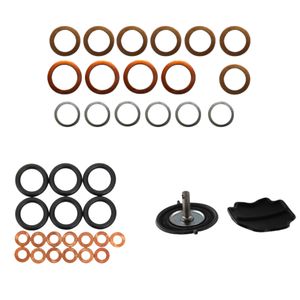
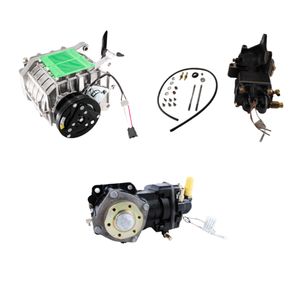
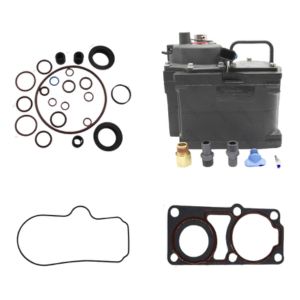
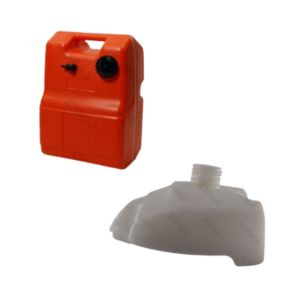
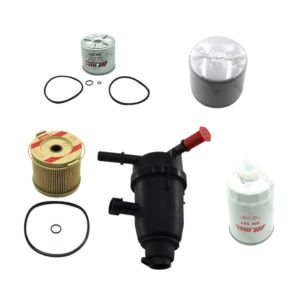


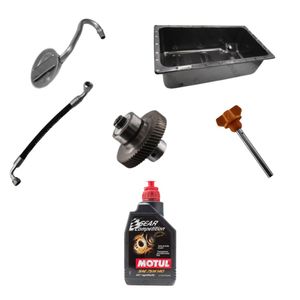
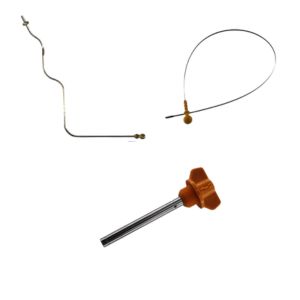
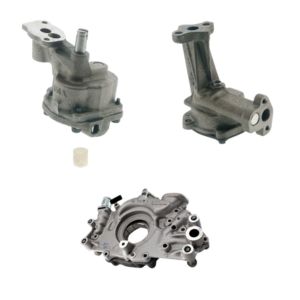


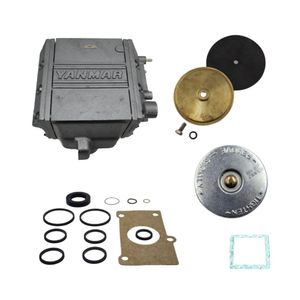
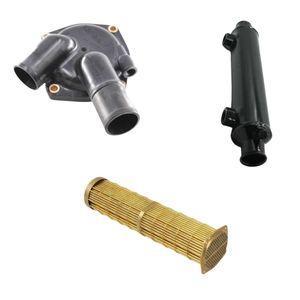
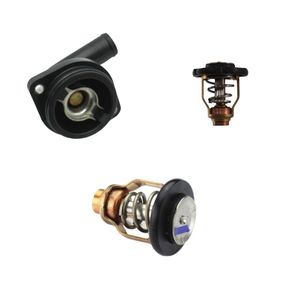
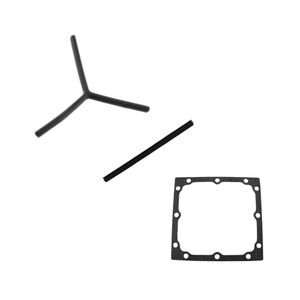

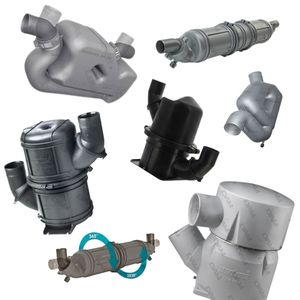
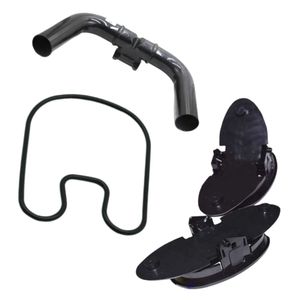
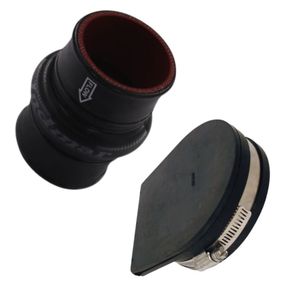
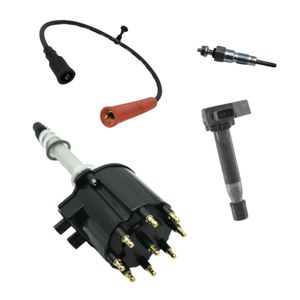
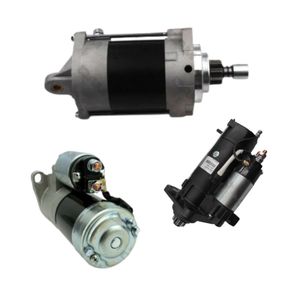
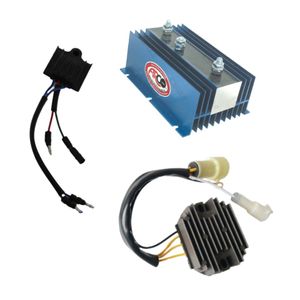
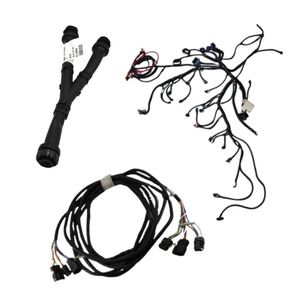
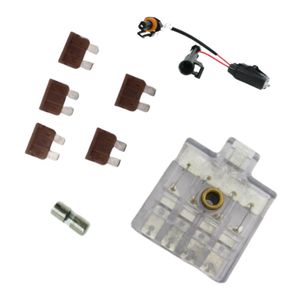
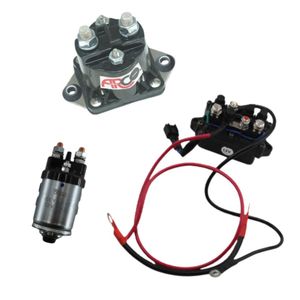
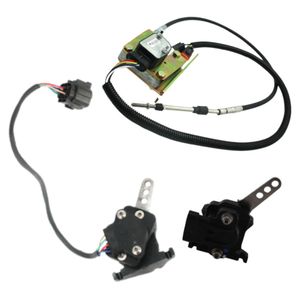
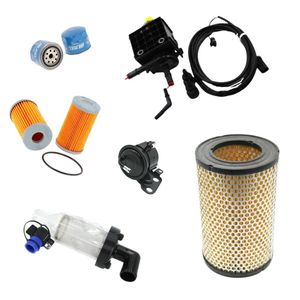
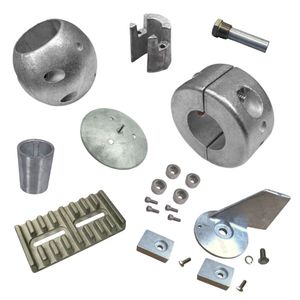
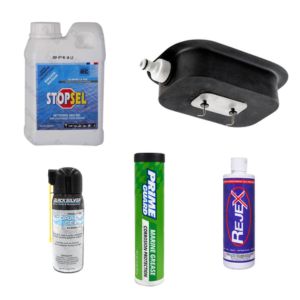
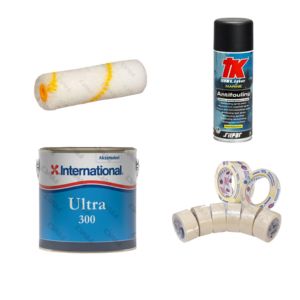
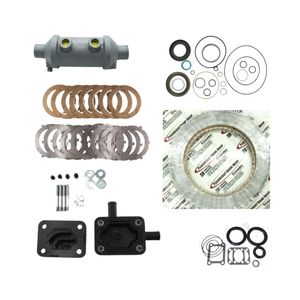
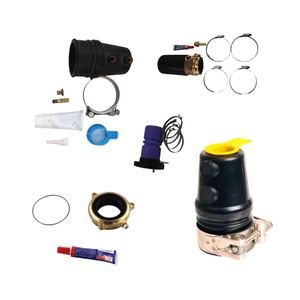
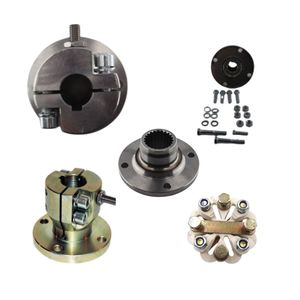
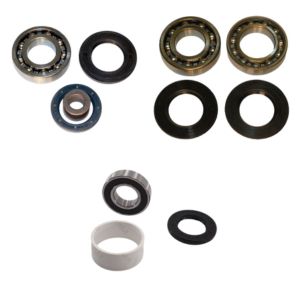
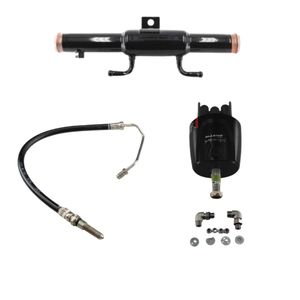
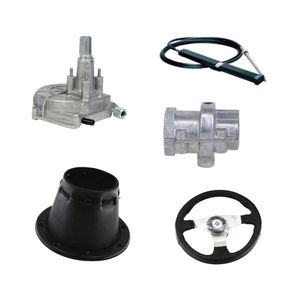
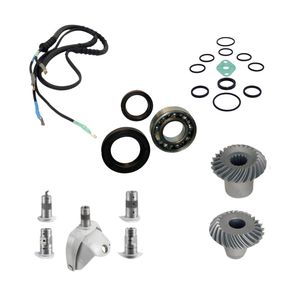
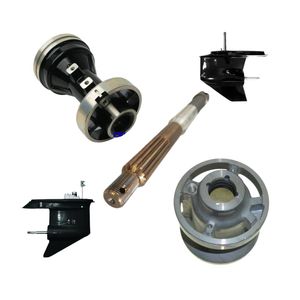
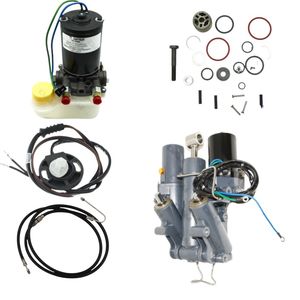
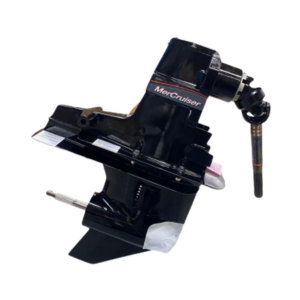

 Parts views
 Technical documents
 Ask for a quote
 Return request
Propeller, sterndrive, shaft, trim, stuffing box or cutless bearing: find the parts suited to your installation.
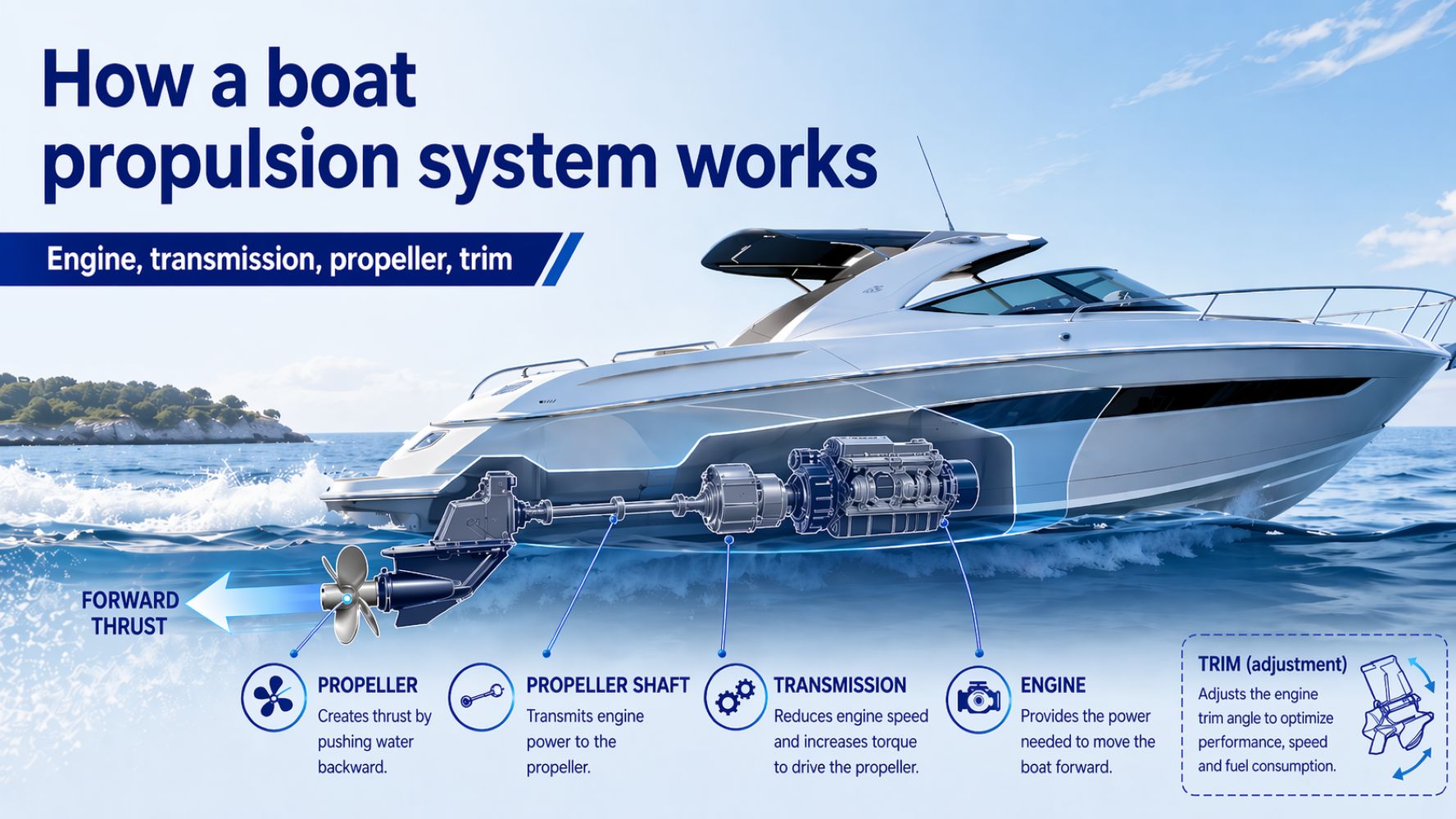
Boat propulsion is the system that converts engine power into thrust in the water. It relies on a chain made up of the engine, transmission, propeller and, depending on the installation, a sterndrive or shaft line. Trim, hull condition, alignment and maintenance directly affect efficiency. A propulsion issue can also come from an upstream engine, fuel or cooling problem.
- What is boat propulsion?
- How does a boat actually move forward?
- What parts make up a boat propulsion system?
- What are the main boat propulsion systems?
- What role do the propeller, trim and alignment play in performance?
- What signs show that a propulsion system is not working properly?
- Which DAM Marine parts and resources should you consult?
- What should you remember before checking your propulsion system?
- What additional questions should you ask about boat propulsion?
What is boat propulsion?
Boat propulsion refers to all the components that allow a craft to move through the water. In practice, a power source, most often an internal-combustion or electric engine, produces mechanical energy. This energy is then transmitted to a propulsive device, usually a propeller, which pushes water backwards to create forward thrust.
This definition seems simple, but it varies depending on the boat’s architecture. On an outboard engine, the engine block, transmission and lower unit are combined in one compact assembly. On an inboard shaft-drive installation, the engine is installed inside the hull and power passes through several parts before reaching the propeller. The principle remains the same, but the components and maintenance requirements change.
To place propulsion within the boat as a whole, you can also read our guide to how a boat works or boat anatomy.
How does a boat actually move forward?
A boat moves forward when its propulsion system creates a forward force by accelerating water backwards. On most motor pleasure boats, the propeller performs this conversion. As it rotates, its blades grip the water and convert rotation into useful thrust.
The quality of this thrust depends on several parameters: engine speed, propeller diameter, pitch, number of blades, surface condition, transmission, boat trim and hull cleanliness. A powerful engine is therefore not enough if the propeller is poorly matched, if the sterndrive has play, if a shaft line is misaligned or if the hull is heavily fouled.
To understand the part that turns rotation into thrust in more detail, read our guide to how a boat propeller works.
What parts make up a boat propulsion system?
A boat propulsion system is easier to understand when it is broken down by function. The engine produces energy, the transmission carries torque, the propeller generates thrust, while sealing, guiding and trim components ensure reliability and good overall efficiency.
Does the engine produce all the useful power?
The engine is the starting point. It supplies the mechanical energy required to drive the propeller or propulsion unit. Depending on the boat, it may be an outboard, an inboard diesel engine, an inboard petrol engine or an electric drive.
To better understand how power is produced, you can read our article on the marine diesel engine or our guide to the petrol boat engine.
Is the transmission only there to connect the engine to the propeller?
The transmission carries engine torque to the propeller while limiting losses and withstanding mechanical loads. Depending on the installation, it may use a drive shaft, a sterndrive, a reversing gearbox, a propeller shaft or an integrated unit.
The most useful parts to check are often transmission shafts and propeller shafts.
Why is the propeller central to boat propulsion?
The propeller converts rotation into thrust. Its material, diameter, pitch, number of blades and condition affect acceleration, planing, cruising speed and fuel consumption.
You can browse the boat propellers category.
What are sealing and guiding components used for?
On a shaft-drive propulsion system, the stuffing box seals around the shaft as it passes through the hull. The cutless bearing guides the shaft, limits friction and reduces vibration.
These parts do not add power, but they determine reliability. DAM Marine offers stuffing boxes and cutless bearings for these installations.
Is trim part of the propulsion system?
Trim does not directly create thrust, but it influences how the boat uses it. By changing the angle of the engine or sterndrive, it affects boat attitude, water flow, engine revs and fuel consumption.
To understand this adjustment in more detail, read our guide to using trim and the boat trim category.
Start by identifying the propeller, shaft, sterndrive, trim and sealing parts before replacing any component.
What are the main boat propulsion systems?
The main boat propulsion systems all follow the same logic: produce power, transmit it, then convert it into thrust. What changes is the mechanical architecture. The right choice depends on the type of boat, cruising programme, budget, desired maintenance level and space available on board.
How does outboard propulsion work?
On an outboard, the engine is mounted outside the boat, usually on the transom. The assembly combines the engine, transmission and lower unit. The propeller, located in the water at the lower end, produces thrust.
This setup is appreciated for its compactness and relatively easy access. If you are comparing architectures, read our comparison of inboard and outboard engines.
How does sterndrive propulsion work?
Sterndrive propulsion combines an engine installed inside the boat with a drive unit at the stern. Power leaves the engine, passes through the transmission, then is redirected to the propeller.
This system requires monitoring of seals, gears, shafts, bellows and hydraulic components. For the parts involved, view boat sterndrives.
How does shaft-drive propulsion work?
On a shaft-drive installation, the engine is installed inside the boat and transmits power aft through a shaft that passes through the hull. The propeller is mounted outside, while steering is generally handled by an independent rudder.
Propulsion and steering remain separate functions, but they are linked in the way the boat behaves: the guide on how hydraulic boat steering works completes this reading.
How does jet propulsion work?
Jet propulsion does not use an exposed external propeller. Water is drawn in, accelerated and expelled at high speed to create thrust. For everyday pleasure boating, the three most important architectures to understand remain outboard, sterndrive and shaft drive.
What role do the propeller, trim and alignment play in performance?
The propeller, trim and alignment have a direct impact on performance because they determine how effectively engine power is transferred into the water. Two boats with similar engines can therefore behave very differently if the propeller is poorly selected, if trim is used incorrectly or if the transmission is working with play.
Why is the propeller so decisive?
A damaged, bent or incorrectly sized propeller can cause acceleration flat spots, abnormal engine speed, poor cruising speed or excessive fuel consumption. It is one of the first parts to check when a boat feels unresponsive.
To extend its service life, read our propeller maintenance guide.
Why does trim change handling so much?
Trim affects the angle at which thrust is used. Poor adjustment can make the bow rise, slow planing or push the bow too deeply into the water. A consistent setting also helps stabilise cruising speed and reduce the load placed on the engine.
Why do alignment and transmission condition matter?
A bent shaft, marked sterndrive, loose coupling, worn bearing or poorly maintained stuffing box reduces efficiency and stresses components. To connect efficiency with running costs, you can read our guide to using less fuel on board.
What signs show that a propulsion system is not working properly?
A propulsion system is not working properly when the boat loses response, vibrates more, consumes more fuel, struggles to plane or feels as if it is forcing. These signs may come from the propulsion system itself, but also from an upstream engine, fuel, cooling or idle problem.
What symptoms should you watch for while underway?
The most common warning signs are unusual vibration in the hull, loss of thrust, engine speed rising without proportional acceleration, increased fuel consumption, mechanical noise near the sterndrive or less stable course keeping.
If vibration becomes noticeable, the diagnosis can be completed with our article on boat engine vibration.
When does the problem come from the engine rather than propulsion?
If the engine is not feeding the propulsion chain correctly, the result on the water will be poor even with a good propeller and transmission. Irregular fuel supply, overheating, unstable idle or an ignition fault can make it feel as if the propulsion no longer pushes.
What checks should you not overlook before replacing a part?
Before replacing a propeller, sterndrive or transmission part, check that the engine runs correctly, that the fuel circuit is healthy and that cooling is not limiting power. Engine overheating, a faulty fuel circuit or an engine that smokes can point the diagnosis towards the engine rather than the propulsion system.
To understand these systems before working on them, you can also read about how the fuel circuit works and how the cooling circuit works. If you have a broader doubt about whether to repair or replace, our boat engine repair guide can help frame the decision.
Which DAM Marine parts and resources should you consult?
The parts to consult depend on your boat’s setup and the symptom observed. The aim is not to replace parts at random, but to identify the area involved: propeller, sterndrive, shaft, sealing, guiding, trim, hull or engine.
Which categories should you check for propeller propulsion?
- Boat propellers for choosing or replacing the propulsive device.
- Boat sterndrives for rear transmission assemblies.
- Transmission shafts and propeller shafts for transmitting rotation.
- Boat trim for attitude adjustment.
Which guides will complete the diagnosis?
When choosing, maintaining or restarting an installation, you can read our guide to choosing a boat engine, our article on antifouling, the winterizing guide or the guide to de-winterizing a boat.
To choose the right engine or transmission parts, the serial number can also be essential. If you do not know where to find it, read our guide to finding the engine serial number. Corrosion must also be monitored on submerged parts: our article on boat anodes is a useful complement.
What should you remember before checking your boat propulsion system?
Before working on the system, think by function: produce power, transmit torque, convert rotation into thrust, guide the shaft line and use trim correctly. This table links each area to its role and priority checks.
| Component | Main role | What to monitor | Useful links |
|---|---|---|---|
| Engine | Produce mechanical power | Starting, fuel supply, cooling, idle | Engine guide |
| Transmission / sterndrive | Carry torque from the engine to the propeller | Noise, play, leaks, corrosion, efficiency | Sterndrives |
| Propeller | Convert rotation into thrust | Impacts, deformation, unsuitable pitch, loss of efficiency | Propellers |
| Trim | Optimise attitude and how thrust is used | Adjustment, ram, behaviour on the water | Trim |
What additional questions should you ask about boat propulsion?
These questions complete the diagnostic and maintenance points without repeating the main propulsion families already covered.
Can a dirty hull make it feel as if the propulsion system is faulty?
Yes. A fouled hull increases drag and can make you think thrust has been lost, whereas the issue may mainly come from resistance in the water. This is one reason why hull maintenance and antifouling remain important for keeping the boat’s behaviour healthy.
To limit this risk, the guide to antifoul a boat, the article on how to remove old antifouling and the method to apply antifouling to the hull are useful complements.
Is a stainless-steel propeller always better than an aluminium propeller?
Not necessarily. Stainless steel can be useful for certain uses, but the right choice depends on the boat, power, usage, budget and transmission type. Aluminium remains relevant on many pleasure-boat configurations.
Can propulsion be improved without changing the engine?
Yes. A better-matched propeller, better trim use, a healthy sterndrive, a well-maintained shaft line or a clean hull can already noticeably improve the boat’s behaviour without changing the engine.
Can a battery problem be confused with a propulsion problem?
Indirectly, yes. If the battery is weak, the engine may start poorly or associated equipment may operate irregularly. The feeling underway can then be misleading, especially if diagnosis is limited to the propeller or sterndrive.
To avoid this false diagnosis, also read the guide on how boat electricity works, the article on how to choose a suitable battery and the page about the battery booster.
Should several parts always be replaced at the same time on a shaft line?
Not systematically. However, when a shaft, bearing or stuffing box shows signs of wear, the rest of the line generally deserves a complete inspection to avoid an incomplete repair.