


 Catalog
 Exploded views
















 Honda Marine


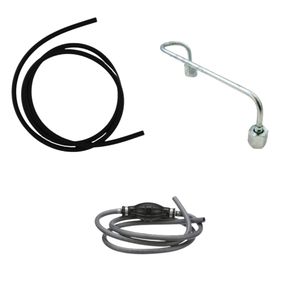
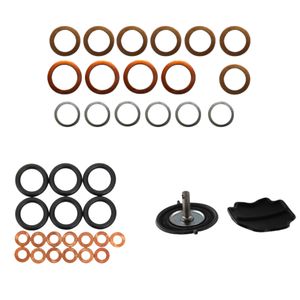
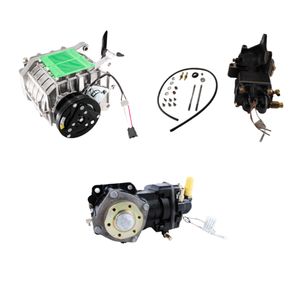
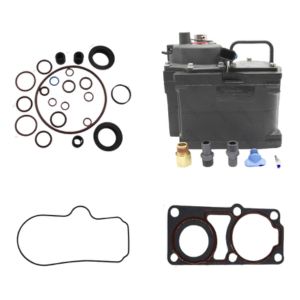





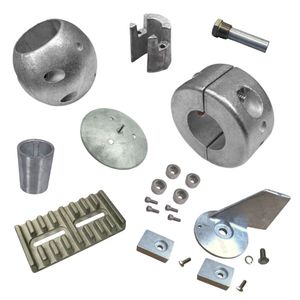
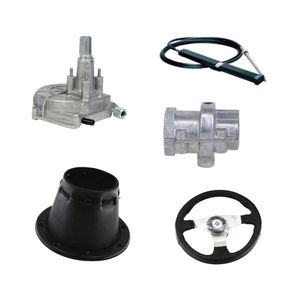
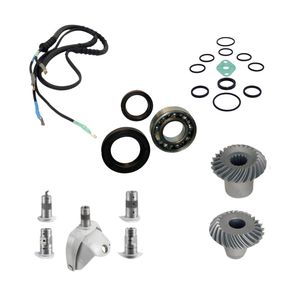
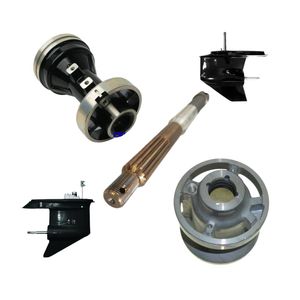
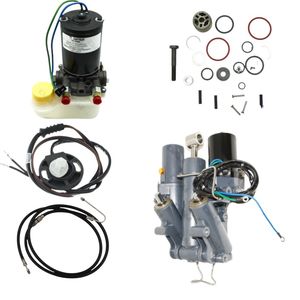
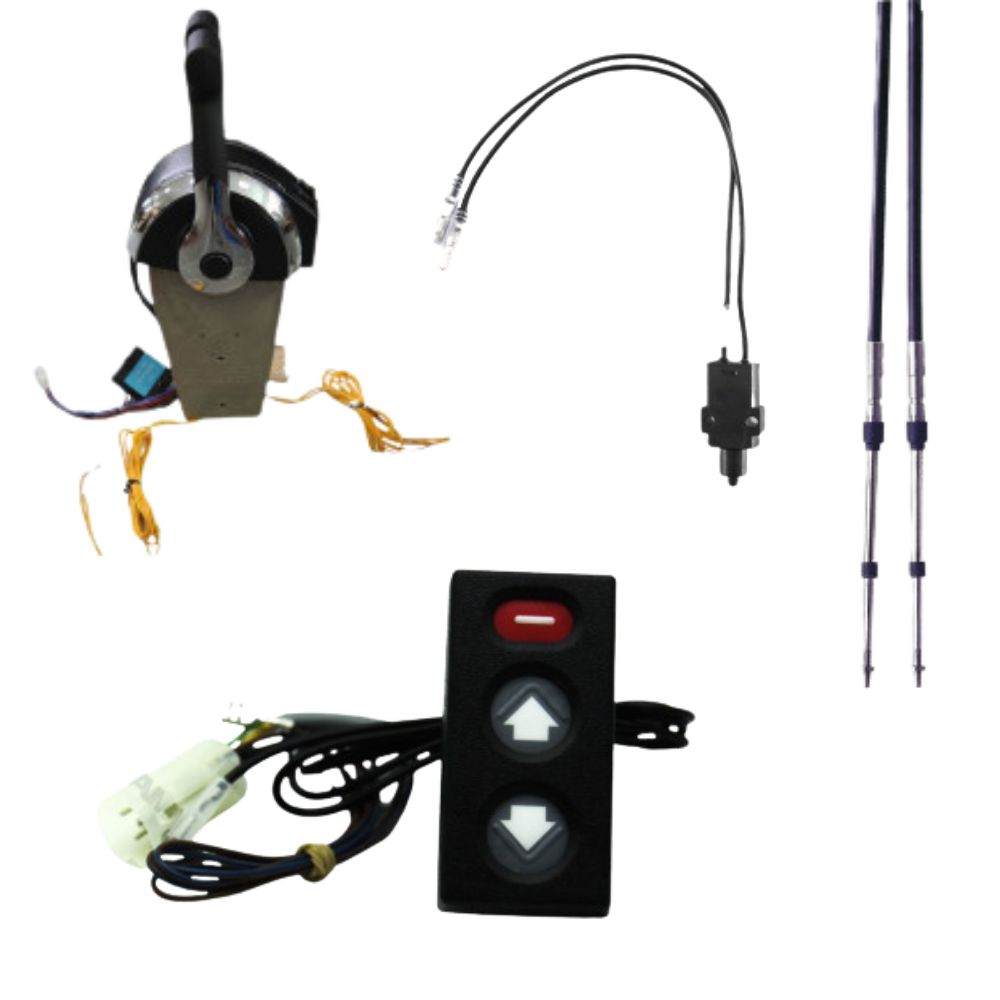

 Parts views
 Technical documents
 Ask for a quote
 Return request
Find suitable parts to adjust, maintain or replace your boat attitude correction equipment.
Boat trim is an adjustment that changes the angle of the engine to act on the hull attitude. When starting off, a slightly negative trim often helps the boat get on plane more cleanly. Once underway, the setting is raised progressively toward a neutral or slightly positive position. Used correctly, trim improves comfort, efficiency and sometimes fuel consumption, while poor adjustment can cause bow rise, an over-planted hull or propeller ventilation.
- What is boat trim?
- How does trim work on an outboard engine?
- What does positive or negative trim mean?
- How do you use trim when starting off?
- How do you adjust trim once the boat is on plane?
- How do you recognise incorrect trim adjustment?
- How do you adjust trim for sea state and load?
- What is the difference between trim and tilt?
- How do you use trim tabs with trim?
- How do you maintain a boat trim system?
- What faults can affect trim or trim tabs?
- Which settings should you remember?
- FAQ
What is boat trim and what is it used for?
Boat trim is used to change the angle of the engine in order to adjust the hull attitude, meaning its position on the water. It helps the boat get on plane, improves glide, reduces some uncomfortable behaviours and adapts handling to speed, sea state and load.
Does trim really change boat attitude?
Yes. By changing the angle of the outboard engine or stern drive, you change the way thrust is applied to the transom. The bow can rise, drop or stabilise depending on the setting used.
Why does trim affect efficiency?
A correctly angled engine transfers thrust more efficiently. Poor adjustment can increase hull drag, make the engine work harder and reduce comfort. This is also why understanding boat anatomy helps you understand how attitude changes on the water.
How does trim work on an outboard engine?
On an outboard engine, trim usually works through an electric control that operates a hydraulic system. When you press the control, the engine tilts slightly in or out, which changes the thrust angle of the propeller and the way the hull sits on the water. Because this control relies on onboard power, knowing how to manage energy on board also helps keep trim operation reliable.
What does the trim control do?
The trim control is often located on the throttle control or directly on the handle. It operates a hydraulic ram that varies the engine angle. Pressing down generally brings the engine closer to the transom, while pressing up moves it away.
Does operation vary by engine type?
Yes. Some small engines use manual lifting, mainly at standstill. More powerful units often use electro-hydraulic trim. To understand the differences between installations, see our guide on choosing between an inboard and an outboard engine. If you are still comparing engines, the guide to choose an engine suited to your boat also helps connect engine type, trim, tilt and propulsion.
Why does trim affect the propeller?
Trim changes the angle at which the propeller pushes water. It therefore works directly with propulsion. To go further, you can read our guide on how a boat propeller works and on the boat propulsion system.
What does positive or negative trim mean on a boat?
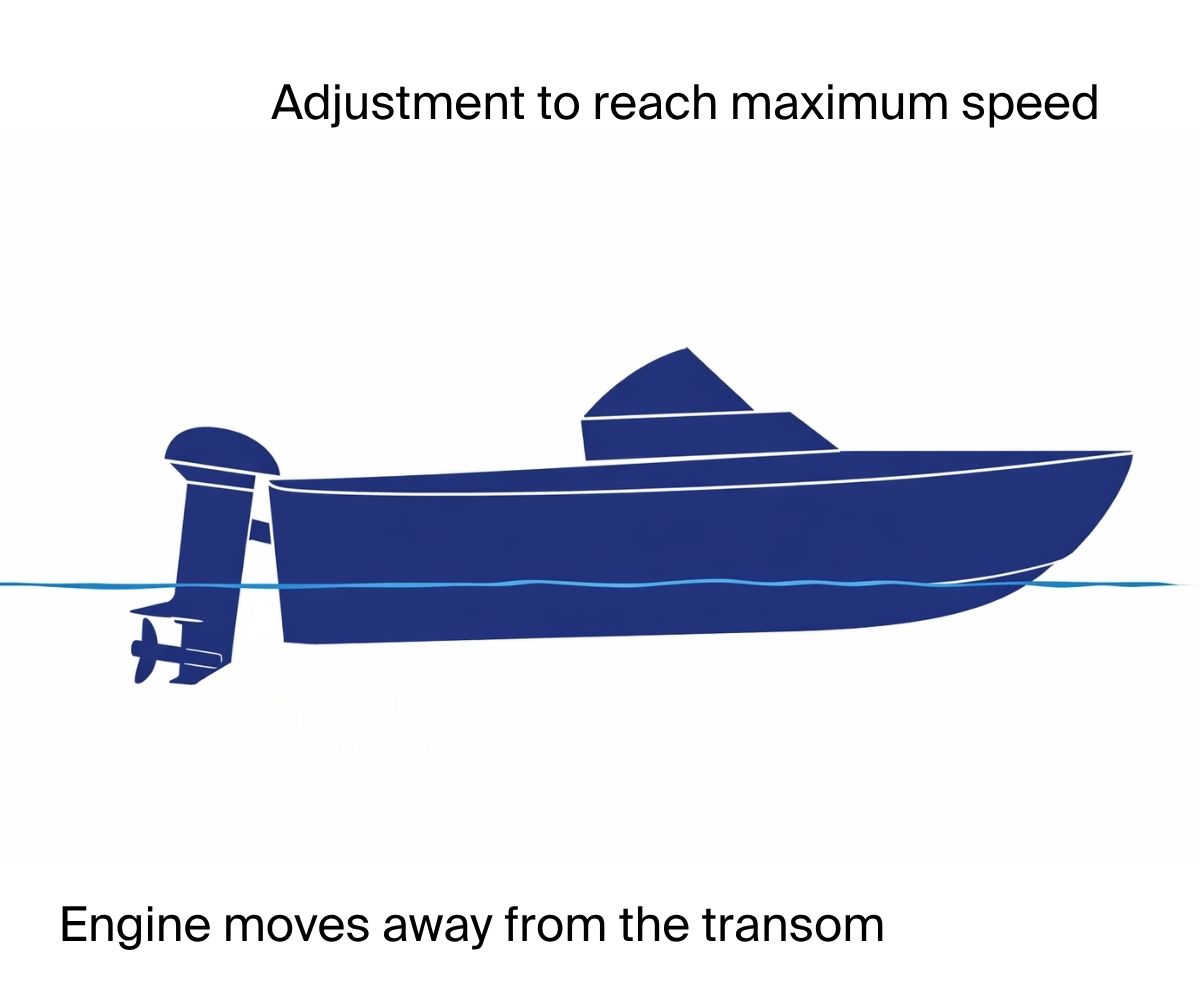
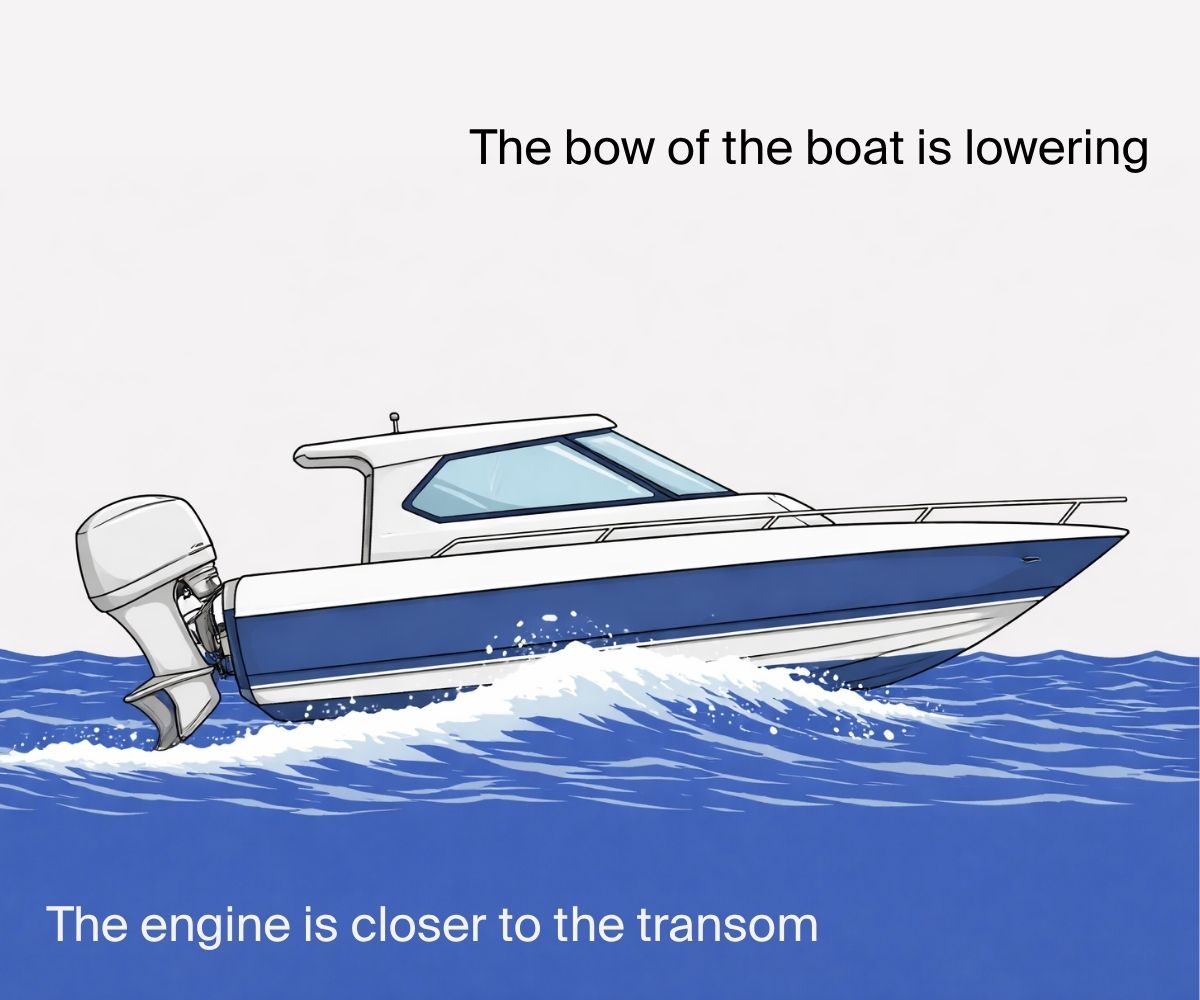
Positive trim means raising the engine, while negative trim means lowering it and bringing it closer to the transom. Positive trim tends to lift the bow, whereas negative trim tends to push it down.
What is positive trim used for?
Positive trim raises the engine, often with the + or up control. It tends to lift the bow and reduce the hull surface in contact with the water once the boat is properly launched.
What is negative trim used for?
Negative trim lowers the engine, often with the - or down control. It tends to lower the bow, which can help when starting off or when the hull needs to regain more grip on the water.
Is there one permanent ideal position?
No. The right setting always depends on the navigation phase. The aim is not to choose one fixed position for the whole trip, but to adjust trim gradually according to the boat’s behaviour.
How do you use trim on a boat when starting off?
When starting off, it is generally better to begin with the trim slightly negative or tucked in. This setting helps limit bow rise, makes thrust work more horizontally and helps the boat get on plane more cleanly, especially when loaded.
Why tuck the trim in at the start?
During acceleration, a motorboat often tends to lift its bow. Lowering the engine closes the angle between the engine axis and the water surface, which helps the hull climb onto the plane more quickly.
What should you watch during acceleration?
Watch the bow rise, the time needed to get on plane and the feeling of thrust. If the boat rises excessively and struggles to lift out of the water, the trim is often too positive for this phase.
Can trim help reduce fuel use?
Yes, indirectly. A boat that gets on plane cleanly works less against unnecessary drag. This logic is linked to the advice in our guide on using less fuel on board.
How do you adjust trim once the boat is on plane?
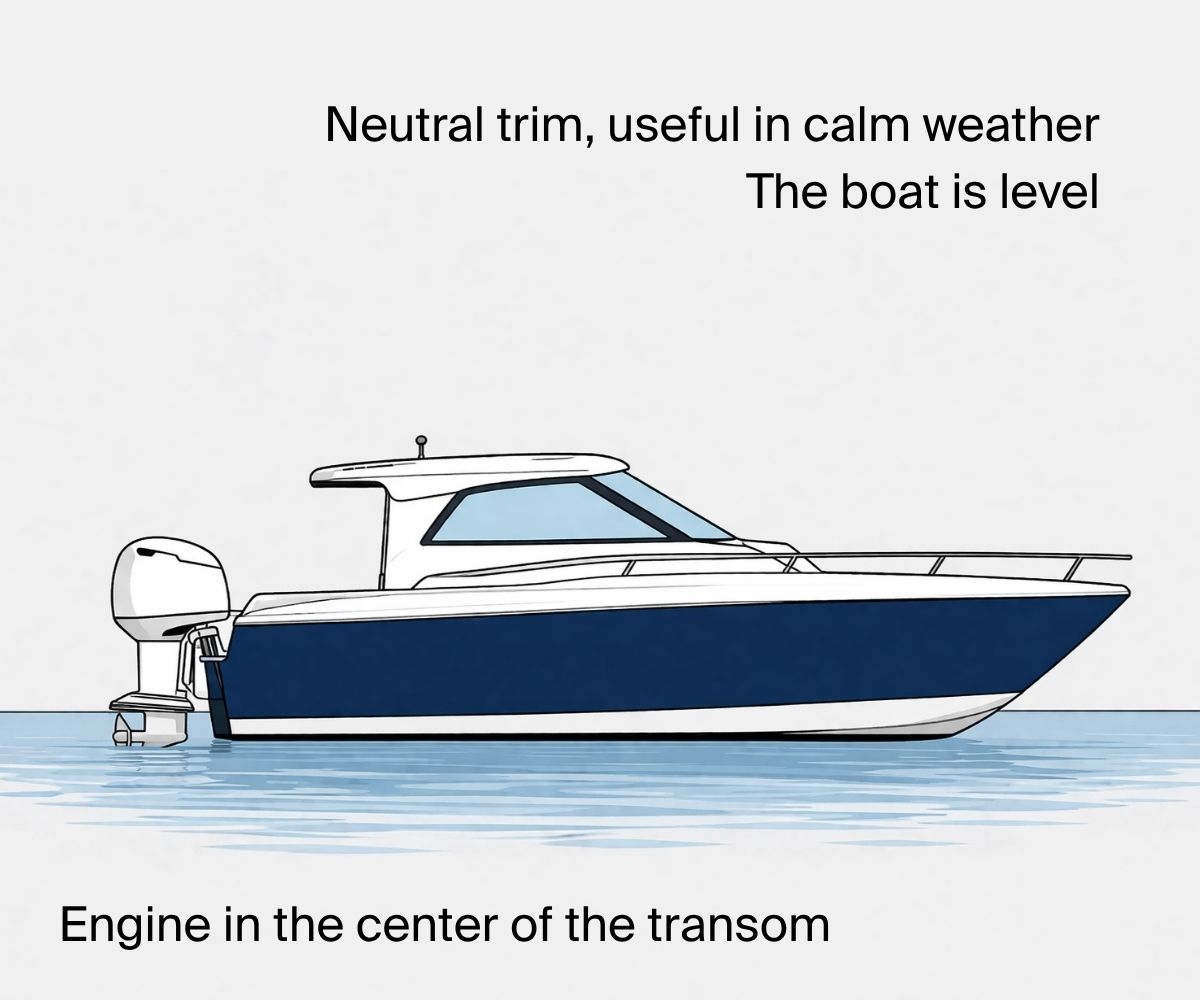
Once the boat is on plane, raise the trim progressively toward a more neutral position, then possibly slightly positive. The correct setting is found by observing engine rpm, speed, comfort, steering feel and propeller grip.
Why return toward neutral after planing?
After the boat gets on plane, the attitude balances out and the bow drops. You then need to move away from the starting setting to free the hull, without going so far that it becomes unstable.
How do you find the right compromise?
Raise the trim with short presses, then observe glide, engine rpm, straight-line stability, behaviour in turns and steering response. If the boat feels freer without losing grip, the setting is moving in the right direction.
Should you trim fully up to go fast?
No. Even at higher speed, the best setting is not necessarily maximum trim. You need to reduce the hull surface in contact with the water without making the propeller ventilate or the bow become too light.
Check the condition of parts before replacing anything at random: a loss of efficiency may come from adjustment, but also from propulsion.
How do you know if the trim is badly adjusted?
Incorrect trim adjustment is noticeable when the boat feels too planted, too bow-up, unstable, noisy or less efficient. It can also cause propeller ventilation, a loss of grip, higher fuel consumption or less precise steering.
What signs indicate too much negative trim?
Excessive negative trim plants the boat into the water. The bow feels too low, the hull pushes more water, the engine works harder and comfort deteriorates, especially in chop.
What signs indicate too much positive trim?
Excessive positive trim can make the boat too bow-up and less stable. The propeller may partially leave its water flow, especially in turns: the engine revs up but thrust drops.
What if the symptoms come from something else?
Some signs resemble other propulsion problems. In case of shaking or a clear drop in performance, compare with our articles on boat engine vibrations and boat engine power loss.
How do you use trim according to sea state and load?
Trim should be adapted to sea state, speed, onboard weight and weight distribution. A pleasant setting on flat water can become uncomfortable in choppy water, and a lightly loaded boat will not react like a boat carrying several passengers or equipment.
Which setting works best in calm water?
In calm water, once the boat is launched, you can often look for a freer hull with slightly positive trim. The idea is to improve glide without making the bow too light.
Which setting should you choose in choppy water?
When the sea is rough, more negative trim often improves comfort. It helps lower the bow to reduce impacts, without overloading the hull with drag. In cold or difficult conditions, also see our guide to winter navigation.
Why does load change the setting?
A loaded or unbalanced boat does not behave like a light hull. If weight is concentrated aft, you may need to help the attitude more when starting off. If weight is forward, the boat may already be too planted.
What is the difference between trim and tilt?
Trim is used to fine-tune engine angle during navigation. Tilt is mainly used to lift the engine high out of the water, at standstill or at very low speed, for beaching, shallow water, mooring or maintenance.
When should you use trim?
Trim is used underway to adjust the boat’s behaviour according to speed, sea state and load. It is a performance, comfort and handling adjustment.
When should you use tilt?
Tilt is mainly used to lift the engine out of the water at standstill, at mooring, when approaching a beach, in shallow areas or during maintenance.
Why should the two not be confused?
Because tilt is not a normal navigation setting. It is useful for clearing the propeller and drive unit, but fine control of the boat’s behaviour is done with trim.
How do you use trim tabs with boat trim?
Trim tabs complement trim by acting directly on the hull. Trim mainly adjusts engine angle and thrust direction, while trim tabs correct hull attitude, help bring the bow down or compensate for side lean.
Do trim tabs replace trim?
No. The two systems do not act in the same place. Trim changes thrust through the engine, whereas trim tabs create lift at the stern. They should be seen as complementary tools.
When should both tabs be lowered together?
In choppy water, lowering both trim tabs can help bring the bow down to reduce impacts. In calm water, they are often raised to avoid adding unnecessary drag.
Can trim tabs correct side lean?
Yes. In wind or beam swell, trim tabs can be used asymmetrically to correct side lean. Make this correction gradually, as a small input can already have a noticeable effect.
How do you maintain a boat trim system?
Boat trim maintenance involves checking corrosion, anodes, electrical connections, the trim motor, seals and hydraulic oil. Like any system exposed to salt water, it should be inspected regularly to prevent gradual failures.
Why check the anodes?
Sacrificial anodes protect metal parts exposed to water and limit galvanic corrosion. To go further, read our guide to the different types of boat anodes.
When should trim oil be checked?
Changing or checking trim oil is a useful operation. The engine should be raised and secured, old oil recovered, the recommended oil added, then the trim operated several times to help bleed the circuit.
When should this maintenance be included?
Trim maintenance naturally fits into broader boat preparation. It can be combined with the winterizing guide or with boat battery maintenance, especially before or after a long lay-up. After the lay-up, it is also worth knowing how to recharge the boat batteries correctly and how to dewinterize your boat before using trim and trim tabs again.
What faults can affect trim or trim tabs?
Trim or trim-tab faults can come from the electrics, hydraulics, a tired trim motor, a faulty switch, a relay, a fuse or a leak. Before replacing a part, the cause should be isolated methodically. To go back to basics, learning how to understand onboard electricity helps check power supply, protections and connections. Knowing how to read your boat warning lights can also help interpret dashboard alerts.
Which electrical faults are common?
A faulty relay, blown fuse, worn control or poor power supply can prevent the trim from responding. A weak or unsuitable battery can also make the system react slowly or irregularly, so the guide to choose a suitable battery can help restart the diagnosis from the power supply. Simple elements should therefore be checked before dismantling the hydraulic system.
When should you suspect the trim motor?
If power is reaching the system but the trim motor no longer operates, it may be tired or seized. Replacement involves lifting and supporting the engine, identifying the wiring and checking seals during reassembly.
What if the problem comes from propulsion?
Abnormal behaviour is not always caused by trim. A damaged propeller, an overheating engine or an engine that stalls can produce similar symptoms. You can complete your checks with our guides on boat propeller maintenance, boat engine overheating or diagnosing a stalling boat engine.
If diagnosis goes beyond a simple visual check, it is better to proceed step by step. Our guide on boat engine repair can help structure your thinking before incurring costs.
Which settings should you remember when using trim on a boat?
To use trim correctly, remember one simple rule: the setting always depends on the navigation phase. Start with slightly negative trim, return gradually toward neutral once on plane, then apply a small positive correction only if the boat remains stable and the propeller keeps its grip.
| Situation | Usual setting | Expected effect | Point to watch |
|---|---|---|---|
| Starting off | Slightly negative trim | Help the boat get on plane and limit bow rise | Do not stay too planted once underway |
| Steady cruising | Back toward neutral, then slightly positive if possible | Free the hull and improve glide | Raise in small steps |
| Efficiency search | Progressive adjustment to the best compromise | Improve speed, comfort and consumption | Watch propeller grip |
| Choppy water | Slightly more negative trim | Lower the bow and reduce impacts | Do not overload the hull with drag |
| Loaded boat | Setting adapted to weight distribution | Recover a balanced attitude | Observe the boat’s real behaviour |
| Propeller ventilation | Lower the trim slightly | Regain thrust | Also check propeller condition |
FAQ about using boat trim
These answers complete the main settings and clarify common questions about trim, trim tabs, tilt and the first checks to carry out in case of a problem.
Can you navigate without using trim?
Yes, the boat will move, but you may not make full use of its behaviour. Without trim adjustment, planing can be less clean, fuel consumption may be worse and comfort may vary more with sea state and load.
Does trim really reduce fuel consumption?
It can help, because a properly adjusted boat creates less unnecessary resistance. The gain depends on the hull, engine, propeller, load and navigation style. Trim is not a miracle on its own, but good adjustment often improves overall efficiency.
Do trim tabs replace trim?
No. Trim acts by changing engine angle, whereas trim tabs act directly on the hull. The two systems complement each other, especially when you want to adjust overall attitude and correct side lean.
Is tilt used for navigation?
Not really. Tilt mainly refers to raising the engine high to lift the propeller out of the water, protect the drive in shallow areas or make maintenance easier. In normal navigation, trim is used for fine adjustment.
Should trim be adjusted differently with a loaded boat?
Yes, because weight distribution changes attitude. A loaded or unbalanced boat will often need a different setting from a light outing. Observe the real behaviour of the hull and adjust accordingly.
What should you do if the trim control no longer responds?
First check the power supply, fuse, relay, switch and hydraulic circuit. If the problem persists, it is better to deepen the diagnosis before replacing parts at random.