

 Catalog
 Exploded views















 Honda Marine
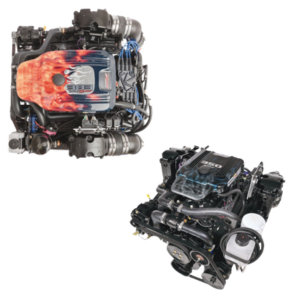
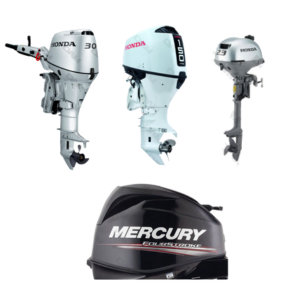


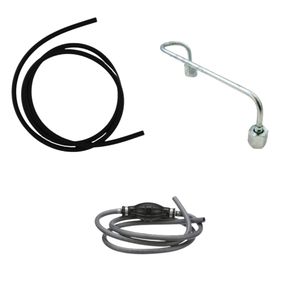
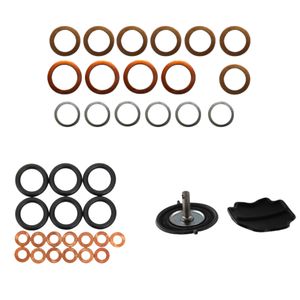
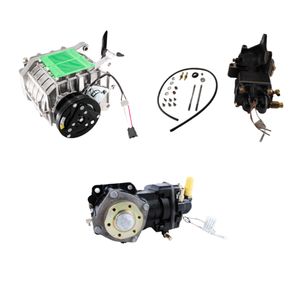
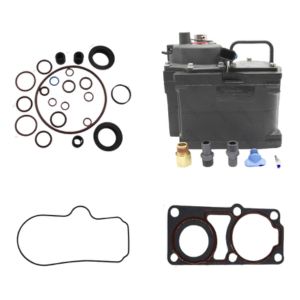







 Parts views
 Technical documents
 Ask for a quote
 Return request
How does a boat plumbing system work?
Find pumps, hoses, fittings, valves, tanks and marine plumbing accessories.
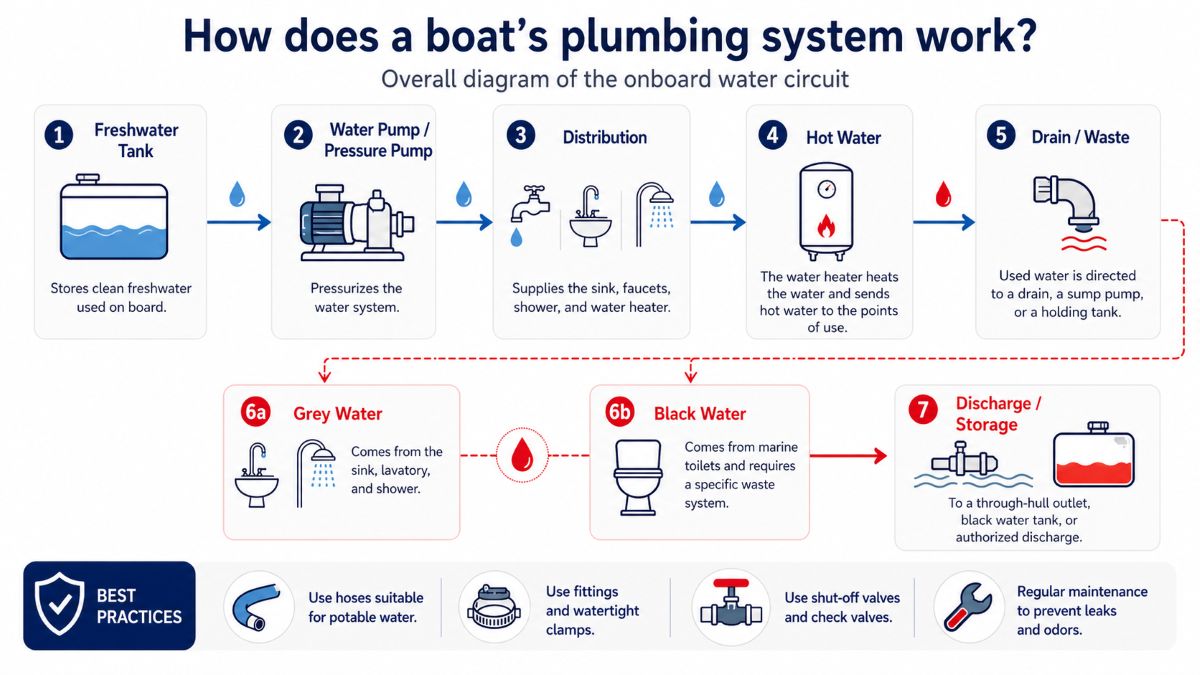
Boat plumbing is the set of systems used to store, distribute, heat and drain water onboard. It includes the fresh water tank, pump, hoses, fittings, taps, drains and grey or black water systems. A marine plumbing installation works under pressure, with parts designed for vibration, humidity and saltwater environments. Keeping it in good condition helps prevent leaks, bad smells and water supply failures onboard.
What is boat plumbing?
Boat plumbing, also known as marine plumbing, includes all the equipment used to manage water onboard: filling, storage, pressurisation, distribution, heating, drainage and sometimes wastewater treatment. It is not limited to a few hoses: it is a technical network connecting the tank, pump, taps, shower, toilets, drains and hull outlets.
On a boat, this system must remain reliable in a much more demanding environment than at home. The installation is exposed to engine vibrations, hull movement, permanent humidity, salt, pressure variations and limited space. This is why boat plumbing equipment must be chosen carefully, taking into account fittings, valves, hoses, clamps and through-hulls.
Plumbing is one of the main technical systems onboard, just like the engine, electricity or navigation. To understand the wider organisation of onboard equipment, you can also read the guide on how electricity works on a boat, because pumps, gauges and water heaters often rely on the electrical system.
Which systems make up a marine plumbing installation?
A complete installation usually includes a fresh water system, a hot water system, drains, a grey water system and a black water system for marine toilets.
Why is it different from domestic plumbing?
Boat plumbing must withstand corrosion, vibration, movement, tight spaces and safety constraints linked to through-hulls.
What are the risks of poor installation?
Poor installation can cause leaks, pressure loss, bad smells, a struggling pump, water backflow or water entering through a hull fitting.
Boat plumbing equipment
Boat plumbing
Hoses, fittings, valves and accessories for creating or maintaining an onboard water system.
View plumbing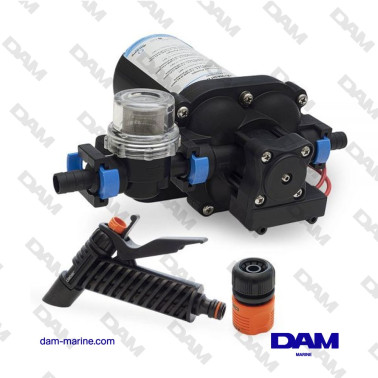
Water onboard
Equipment for water supply, distribution, drainage and onboard comfort.
View water onboardHow does the fresh water system work on a boat?
The boat fresh water system works in a few simple steps: water is stored in a tank, drawn by a pump, pressurised, then sent to taps, the sink, the shower or the water heater. When you open a tap, pressure drops in the system; the pump then starts to restore the flow.
On most common installations, a boat water pressure pump provides this pressure automatically. It can supply several outlets, as long as pump flow, hose diameter and fittings match the needs onboard.
Water storage also depends on the tank type. A boat tank can be used for fresh water, wastewater or other fluids depending on its design. It should be sized according to required autonomy, available space and onboard use.
To go further on autonomy, filling, consumption and good habits at anchor, you can also read our guide to managing water onboard.
What is the fresh water tank used for?
The tank stores the water used for the sink, washbasin, shower or certain sanitary equipment. It can be rigid, flexible or integrated depending on the space available onboard.
What is the role of the boat water pump?
The pump draws water from the tank and sends it through the system. It provides usable flow at the taps, even when the tank is far from the outlet.
How does a pressure water pump work?
The pressure pump combines a pump with an automatic trigger system. It starts when pressure drops and stops when system pressure is restored.
Boat fresh water system
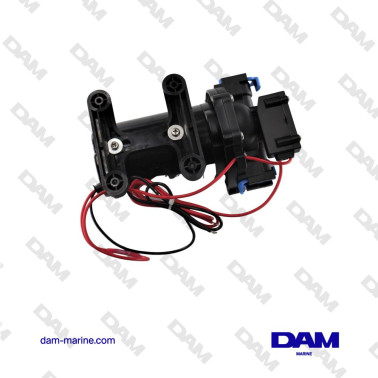
Boat water pressure pumps
To automatically supply taps, showers and onboard water outlets.
View water pumps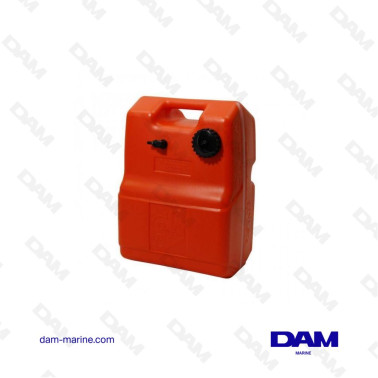
Boat tanks
For storing fresh water, wastewater or other fluids depending on the installation.
View tanksHow is water distributed to taps, the sink and the shower?
Water is distributed onboard through a network of hoses connected by fittings. These fittings may be straight, angled, T-shaped, Y-shaped, male, female or barbed depending on the installation. Their role is to extend a line, change direction, split a circuit or connect a hose to a pump, tank, valve or tap.
In a boat plumbing installation, every detail matters: hose diameter, fitting compatibility, clamp tightening, access for maintenance and resistance to vibration. To connect the system properly, boat fittings and boat water fittings must be selected according to diameter, material and the fluid being carried.
Water distribution must also match the boat layout. The more water outlets there are, the more important it becomes to watch pressure losses, connection quality and pump capacity. This logic is similar to other onboard systems: each part must match the whole, as seen in how a boat propulsion system works, where engine, transmission and propeller work together.
Why is hose diameter important?
Diameter affects flow, pressure and fitting compatibility. A hose that is too small limits flow; a poorly connected hose increases the risk of leaks.
What is a boat plumbing fitting used for?
A fitting connects the different parts of the system: hose, pump, valve, tank, water heater, tap or through-hull.
Why use suitable hose clamps?
Clamps hold the hose on the tailpiece. In a marine environment, corrosion-resistant and correctly sized clamps are preferable.
Boat plumbing fittings and mounting accessories
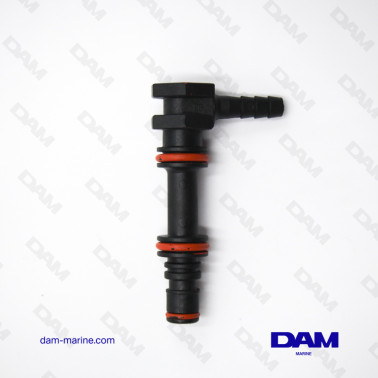
Boat fittings
Straight, angled, threaded, barbed or T fittings for organising the water system.
View fittings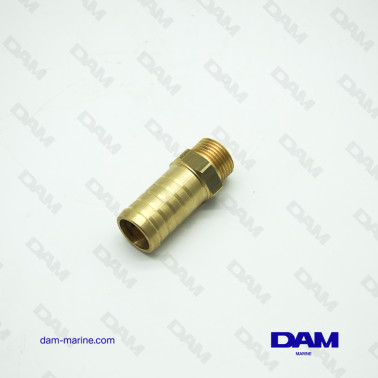
Boat water fittings
Fittings suitable for fresh water, hot water or drainage systems.
View water fittings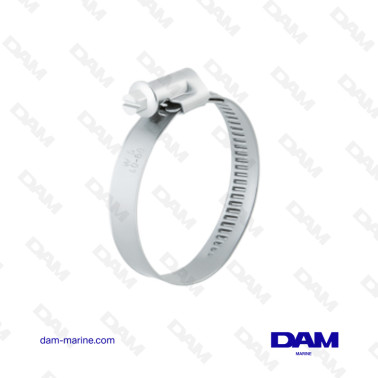
Which hoses should you choose for marine plumbing?
The choice of hose depends on the fluid being carried. A boat drinking water hose does not face the same constraints as a drainage hose, sanitary hose or hot water hose. You need to consider diameter, pressure, temperature, flexibility, bend radius, odour resistance and food-grade compatibility.
For fresh water, you need a clean hose suitable for drinking water and compatible with pump pressure. For grey water or black water, odour resistance, deposits, bacteria and loaded water become the priority. This is one of the most important points in marine plumbing.
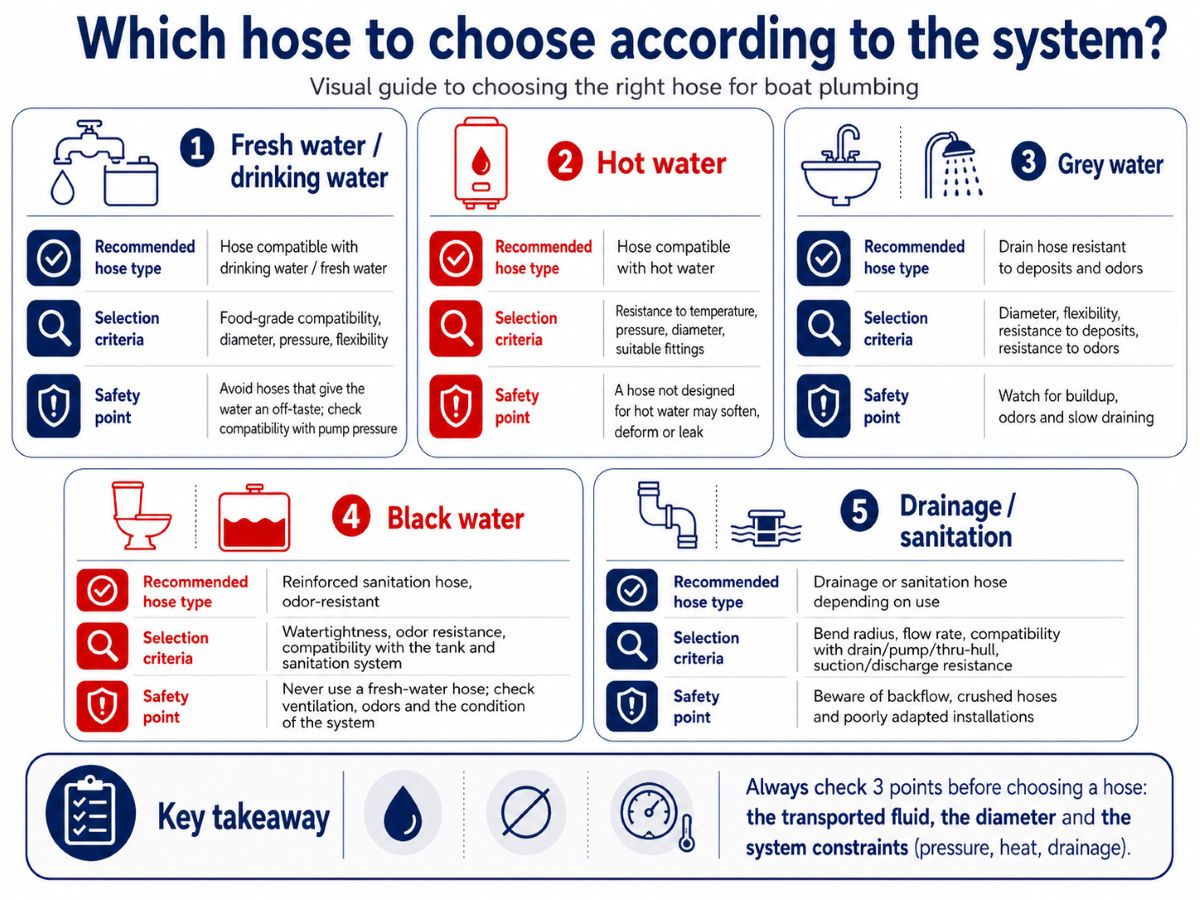
Which hose should be used for drinking water?
Choose a hose compatible with fresh or drinking water, with no strong taste, suitable pressure rating and the correct diameter for the fittings.
Which hose should be used for grey water?
Grey water comes from sinks, washbasins and showers. The hose must handle drainage, reduce odours and resist deposits.
Which hose should be used for black water?
Black water from toilets requires a reinforced sanitary hose, odour resistant and suitable for black water tank systems.
Always check diameter, fluid type and compatibility with system pressure.
How does the hot water system work onboard?
The hot water system works from the fresh water system. Cold water is sent to a water heater, then redistributed to hot water outlets such as the sink or shower. Depending on the installation, the water heater may run on electricity, engine heat or a mixed system.
This circuit requires hoses and fittings capable of withstanding temperature. Pressure, valves, connections and the general condition of the tank must also be monitored. A leak on a hot water circuit can develop faster if the materials are not suitable. For this kind of installation, the water onboard category gathers equipment linked to comfort, distribution and water heating.
Some water heaters may also be connected to the engine or the onboard electrical system. To understand these interactions better, it can be useful to read the guide on how a boat engine cooling system works, especially when domestic hot water partly depends on engine heat.
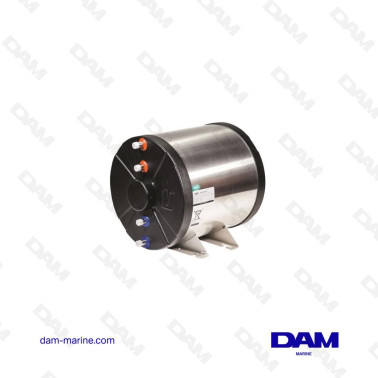
What is the role of a boat water heater?
The water heater provides hot water onboard for showering, washing dishes or comfort during longer trips.
Why are hot-water-rated hoses needed?
Heat can soften, deform or weaken a hose not designed for this use. A hose compatible with circuit temperature is therefore required.
Which fittings should be used on a hot water system?
Fittings must be compatible with temperature, pressure and hose diameter, while remaining reliable despite vibrations.
Boat hot water system
How does water drainage work on a boat?
Boat water drainage can work by gravity or with a pump, depending on the position of the outlet and the type of boat. Used water passes through a drain, a hose, sometimes a non-return valve, then reaches a through-hull, tank or drainage pump.
Drainage must be planned carefully, especially when it passes through the hull. A poorly maintained through-hull, blocked valve or worn hose can become a sensitive point. Boat valves can isolate a water inlet or outlet, while through-hulls provide the hull passage.
When water reaches the bilge or drainage cannot occur naturally by gravity, a suitable pump may become essential. In that case, the guide how to choose a bilge pump helps explain the flow, automation and safety criteria to consider.
How is sink water drained?
It passes through a drain, reaches a drainage hose, then goes to an outlet, tank or dedicated system depending on the boat layout.
How is shower water drained?
It can reach a tray, sump or drainage pump, especially when gravity alone is not enough to discharge water correctly.
What is a non-return valve used for?
A non-return valve limits backflow in the system. It helps prevent water return, odours or unwanted backflow.
What is the difference between grey water and black water on a boat?
Boat grey water mainly comes from sinks, washbasins and showers. It contains soapy water, residues and sometimes deposits. Boat black water comes from marine toilets and contains organic matter: it therefore requires a more specific system, with sanitary hoses, a tank, venting and sometimes a gauge or emptying system.
This distinction matters when choosing the right hose, tank and accessories. A hose designed for fresh water should not be used for black water. It may let odours through, deteriorate faster or create sanitary problems onboard. Wastewater equipment is generally found among boat tanks, sanitary hoses, fittings, vents and drainage accessories.
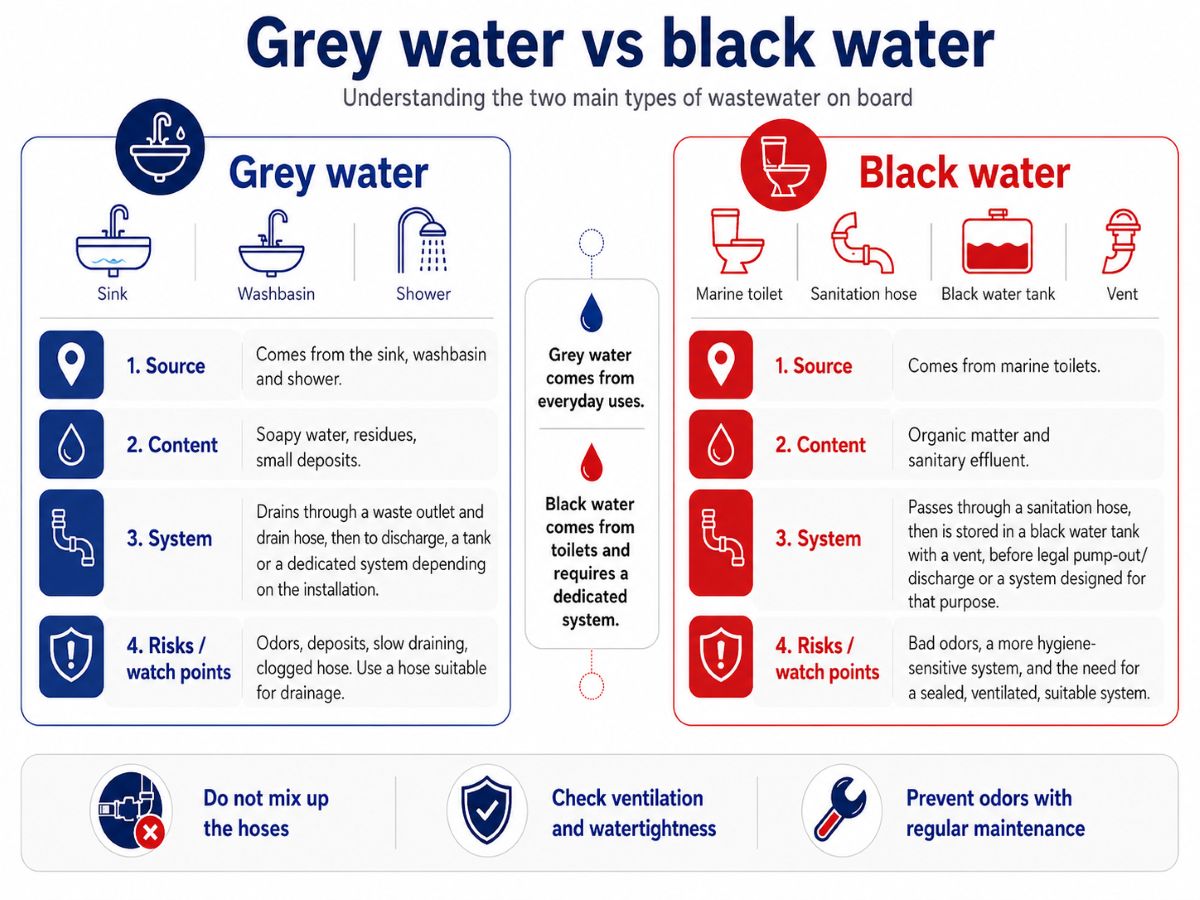
What is grey water?
Water from the shower, sink or washbasin. It must be drained or stored depending on the boat installation.
What is black water?
Water from marine toilets. It requires a sealed, ventilated system designed to control odours.
Why does black water need a specific system?
Because it is more loaded, more odorous and more sensitive from a sanitary standpoint. Tank, hoses and vents must be suitable.
Boat grey water and black water
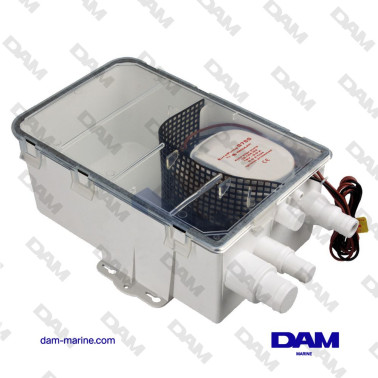
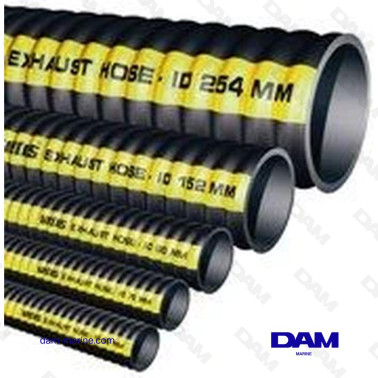
Wastewater equipment
Useful accessories for managing grey water, black water, gauges, filters and drains.
View water onboardHow do marine toilets and black water tanks work?
Marine toilets discharge black water to a tank or to a dedicated discharge circuit. The system may be manual or electric. With a boat black water tank, effluent is stored temporarily before being emptied in an authorised area or via suitable equipment.
The circuit generally includes a bowl, pump or flushing mechanism, sanitary hoses, valve, tank, air vent and sometimes a deck pump-out fitting. Tank ventilation is essential to prevent overpressure and limit persistent odours.
What is the role of the black water tank?
It temporarily stores wastewater from marine toilets when direct discharge is not possible or not desired.
Why is a vent needed?
The vent allows the tank to breathe. It limits pressure problems, makes filling easier and reduces persistent odour risks.
Where do bad smells come from?
They can come from a porous hose, poor ventilation, stagnant water, a poorly rinsed tank or insufficiently sealed fittings.
What are valves, through-hulls and deck fittings used for in boat plumbing?
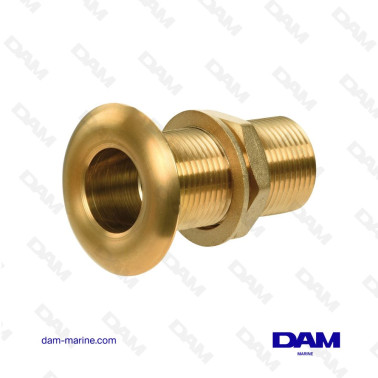
Valves, through-hulls and deck fittings handle the inlets, outlets, filling points and drains of the system. They are essential because some pass directly through the hull. A boat through-hull allows a fluid to pass between the inside and outside of the boat. A valve opens or closes this passage. A deck fitting is more often used for filling or emptying from the deck.
These parts must be easy to check, accessible and suitable for the marine environment. A seized valve or weakened through-hull should never be ignored, especially if it is below or close to the waterline. For outlets, filling points or drains, boat drain fittings are also accessories to monitor.
Because these parts can directly affect watertightness and water ingress, they should also be considered alongside onboard safety equipment.
What is a through-hull used for?
It allows a hose to pass through the hull for a water inlet, drain, emptying point or certain technical systems.
What is a boat valve used for?
The valve opens or closes the flow of water. It is essential for securing a water inlet or outlet.
What is a deck fitting used for?
A deck fitting is used to fill or empty a tank, for example fresh water, fuel or black water depending on the model.
Boat valves, through-hulls and deck fittings
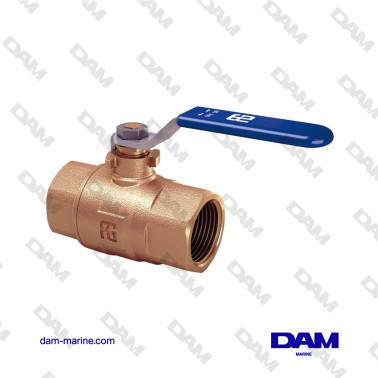
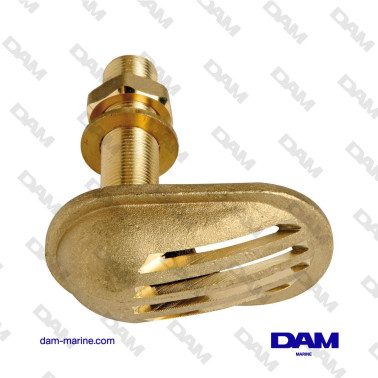
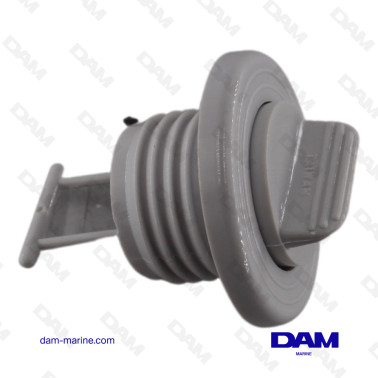
Deck fittings and plugs
For filling, draining or closing certain tank and system access points.
View fittingsWhat is the difference between plastic, stainless steel, bronze and brass plumbing?
Material choice depends on location, fluid, pressure, budget and exposure to corrosion. Plastic boat plumbing is light, easy to install and practical for many fresh water systems. Stainless steel, bronze or brass are used for fittings, valves or exposed parts, with better mechanical resistance depending on the use.
In a marine environment, material should not be chosen on price alone. Salt, mechanical stress, water contact, threads, compatibility between metals and access for replacement all matter. Boat hose clamps must also be suitable, because a good connection depends as much on the hose as on mechanical holding.
On metal parts exposed to water, corrosion remains a major point to watch. To better understand protection for submerged or water-adjacent components, the guide on the different types of boat anodes is a useful complement.
When should plastic boat plumbing be chosen?
It works well for fresh water systems or some interior assemblies, because it is light, easy to install and corrosion-proof.
When should stainless steel boat plumbing be chosen?
Stainless steel is useful for strong, durable parts, especially when corrosion resistance and mechanical strength matter.
When should bronze or brass be chosen?
These materials are common on marine plumbing valves, fittings and parts. The choice depends on use, location and compatibility.
What common problems affect boat plumbing?
The most common problems are leaks, pressure loss, bad smells, hardened hoses, loose fittings, noisy pumps, slow drains and faulty non-return valves. These signs often appear gradually, especially when the boat has been unused for a long time.
A pump that starts without a tap being opened may indicate a leak or loss of pressure. A persistent smell may point to a tired sanitary hose, poor ventilation or stagnant water. A slow drain may come from deposits, a crushed hose or a clogged valve. As with an engine, diagnosis is done step by step: start from the symptom and work back to the likely cause, a logic also found in the guides on how a boat fuel system works, the marine diesel engine or the boat petrol engine.
Why does a water pump start by itself?
The system is probably losing pressure. The cause may be a micro-leak, poorly tightened fitting, tired valve or pressure switch to check.
Why does the water smell bad onboard?
Odours can come from the tank, an unsuitable hose, stagnant water, a poorly rinsed system or insufficient ventilation.
Why does a hose become deformed?
It may be unsuitable for pressure, suction, temperature or the bend radius imposed by the installation.
How should boat plumbing be maintained?
Maintaining boat plumbing means regularly checking hoses, fittings, clamps, valves, through-hulls, tanks, pumps and drains. Before the season, it is advisable to refill the system gradually, check for leaks, listen to the pump and test every water outlet.
The systems should also be rinsed, tanks cleaned, odours monitored and worn hoses replaced. A hose that has hardened, cracked, flattened, become porous or smelly should be considered due for replacement. In marine plumbing, prevention often costs less than repairing a badly located leak.
Plumbing should also be included in major seasonal operations. Before a long lay-up, the boat wintering guide helps prepare the boat to limit risks from frost, humidity or stagnation. Conversely, when the season returns, the guide on de-winterising a boat helps organise checks in the right order before putting the boat back into service.
During a haul-out, it is also a good time to antifoul the boat and inspect outlets, through-hulls and exposed areas below the hull more easily.
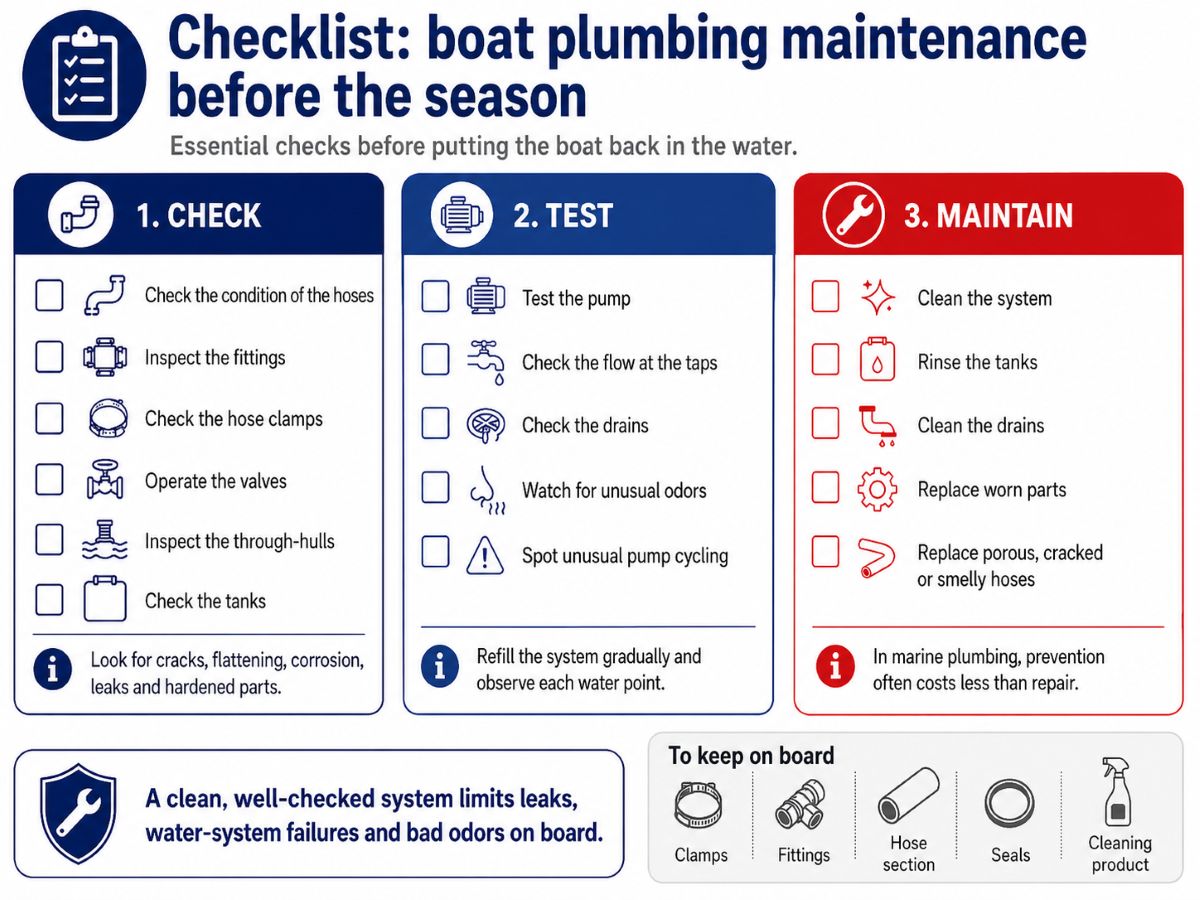
What checks should be made before the season?
Check the pump, hoses, fittings, clamps, valves, tanks, through-hulls, deck fittings and drainage points.
When should a hose be replaced?
Replace it if it becomes hard, cracked, porous, smelly, crushed or no longer suitable for the fluid it carries.
How can bad smells be avoided?
Use suitable sanitary hoses, vent tanks, avoid stagnant water and clean the systems regularly.
Pumps, fittings, tanks, valves, clamps and accessories are available for maintaining your water system.
Which other boat systems should you understand as well?
Boat plumbing rarely works alone. It is part of a wider system where electricity, the engine, propulsion, steering, navigation and safety are indirectly connected. A water pump relies on the electrical system, a water heater may be linked to the engine, and drainage must remain compatible with hull and navigation constraints.
To place these interactions in a broader view, the guide on how a boat works helps connect plumbing, engine, electricity, safety and navigation.
Because pumps, gauges, water heaters and comfort equipment consume electricity, onboard energy management has a direct impact on water system reliability. To go further, the guide on how to manage energy onboard a boat naturally complements this article.
If pumps or indicators become unstable, it can also help to understand the boat’s warning lights, choose a suitable battery and know how to recharge the boat batteries correctly.
To understand the general logic of onboard equipment, it can also be useful to read the guide on how a boat propeller works, the one on boat hydraulic steering, or the guide to boat navigation instruments, which explains how GPS, compass, depth sounder, radar and other equipment help the skipper find their way.
Communication and safety equipment complete this overall picture. The marine VHF radio allows communication onboard and with rescue services, while AIS technology helps identify nearby vessels. Finally, when an electrical device or battery lacks power, the guide on the battery booster explains its role in restarting or assisting onboard electrical systems.
What should you remember about boat plumbing?
Boat plumbing works like a chain: the tank stores water, the pump pressurises it, hoses distribute it, fittings make the connections, then drains send wastewater to an outlet or tank. Every part must suit the fluid, pressure, vibrations and marine environment.
| Component | Role in the system | Point to watch |
|---|---|---|
| Fresh water tank | Stores the water used onboard | Cleaning, filling, water quality |
| Pump or pressure pump | Pressurises the system | Flow, noise, abnormal starts |
| Hoses | Carry fresh, hot or waste water | Diameter, pressure, odours, temperature |
| Fittings | Connect system parts | Compatibility, watertightness, tightening |
| Valves | Open or close water flow | Access, corrosion, regular operation |
| Through-hulls | Allow inlet or outlet through the hull | Inspection, sealing, safety |
| Black water tank | Stores wastewater from marine toilets | Odours, ventilation, emptying |
| Non-return valves | Limit water backflow | Clogging, blockage, installation direction |
FAQ about boat plumbing
How long does a marine plumbing hose last?
It depends on material, fluid carried, heat exposure, vibration and maintenance. A hose should be replaced as soon as it becomes hard, porous, cracked, smelly or crushed.
Can a domestic hose be used on a boat?
It is not recommended. A boat imposes specific constraints: humidity, salt, vibration, variable pressure and confined spaces. It is better to use a hose designed for marine plumbing.
Why is my boat water pump noisy?
A pump may become noisy because of a lack of water, air intake, poor mounting, a clogged filter or overly frequent operation caused by a leak.
How can I tell if a fitting is leaking?
Inspect the fitting visually, pass a dry cloth around the connection, check the clamp and see whether the pump starts without water being used. Persistent dampness should be dealt with quickly.
Should valves be closed when the boat stays in port?
On systems passing through the hull, it is generally wise to close valves when the boat is left unattended, especially if the installation is old or hard to check.
Why do black water tanks smell despite the tank?
Odours can come from a porous sanitary hose, poor ventilation, a poorly rinsed tank, a blocked vent or prolonged stagnation of black water.