
 Catalog
 Exploded views
















 Honda Marine




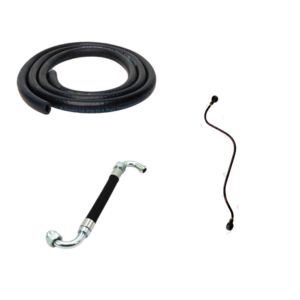
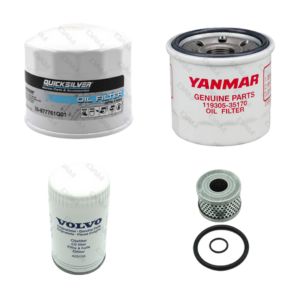
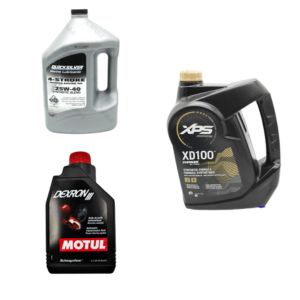


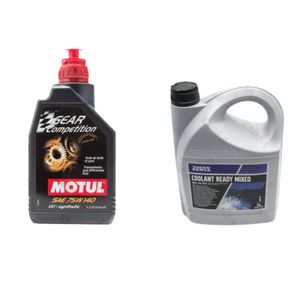
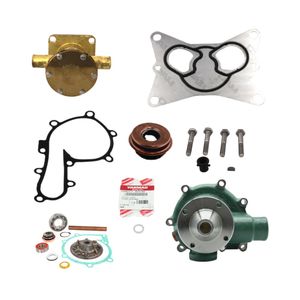
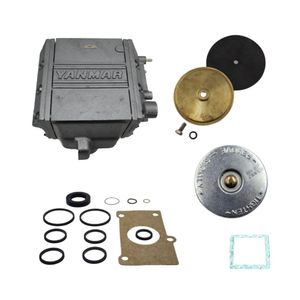
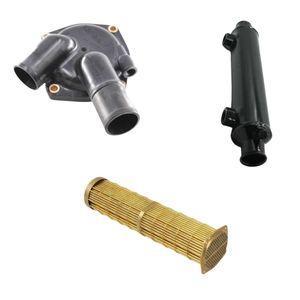
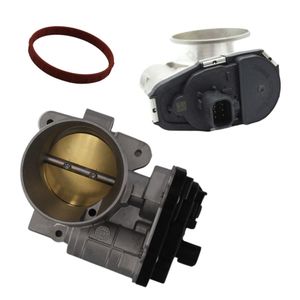
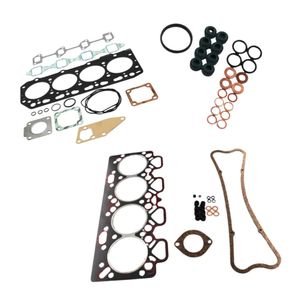
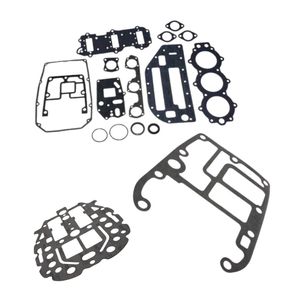
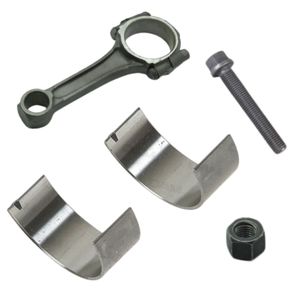
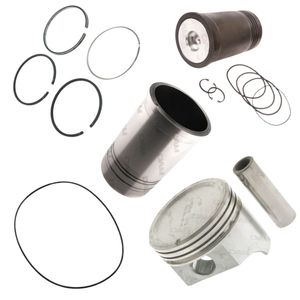
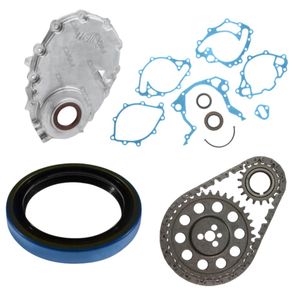
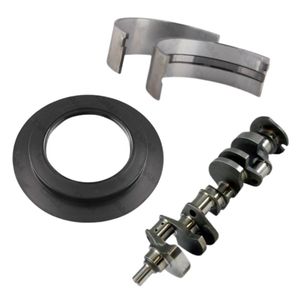
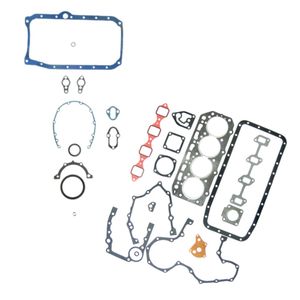
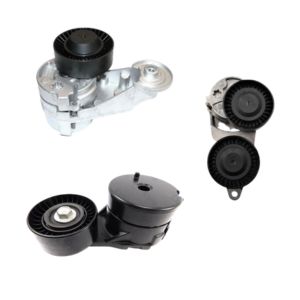
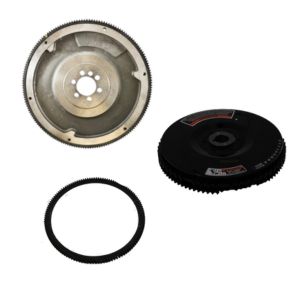

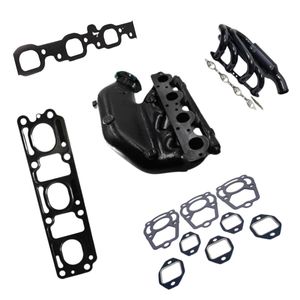
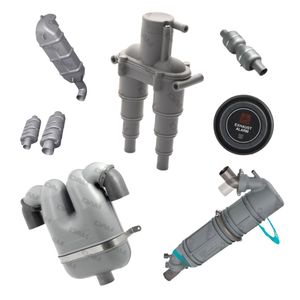
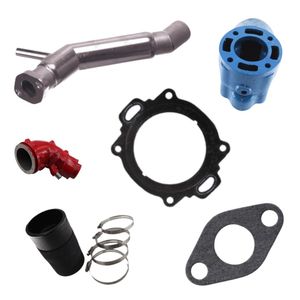
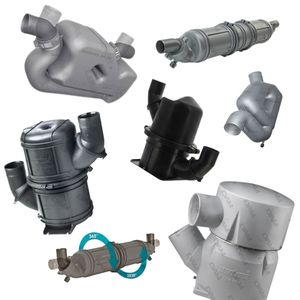
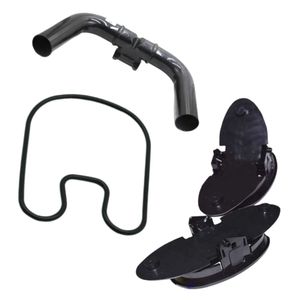
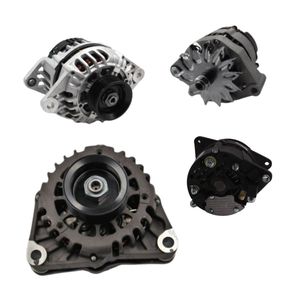
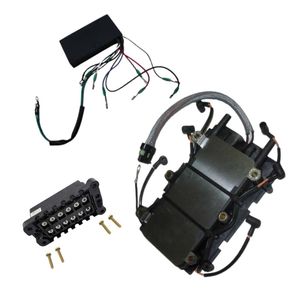
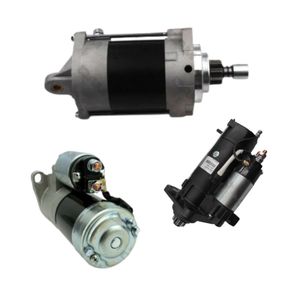
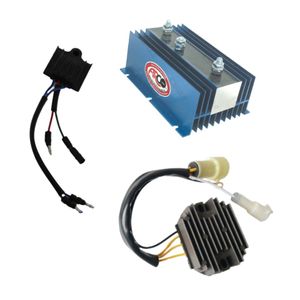
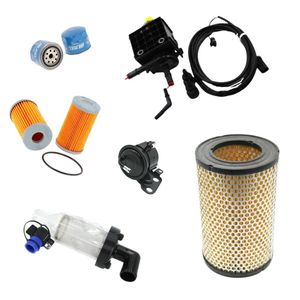
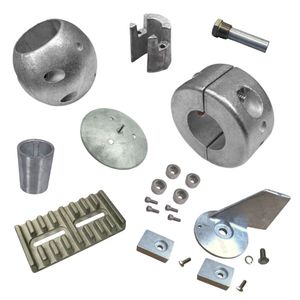
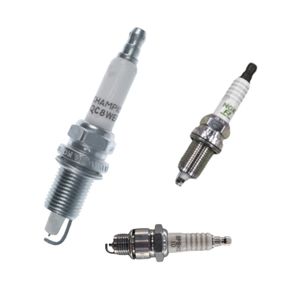
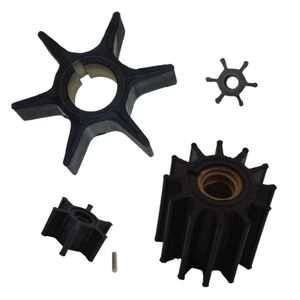
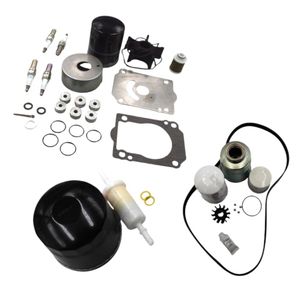
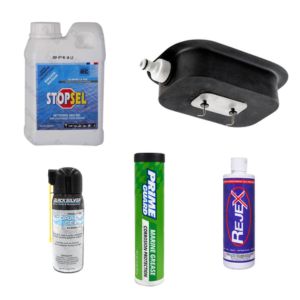
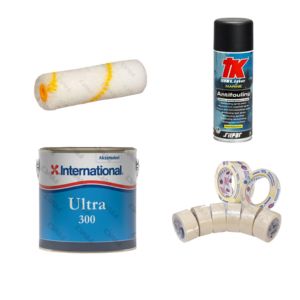
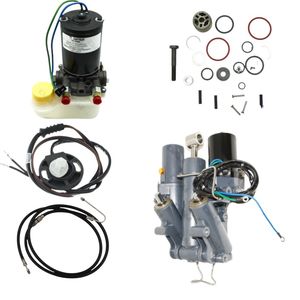
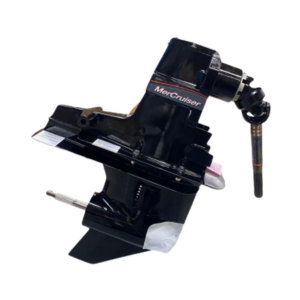

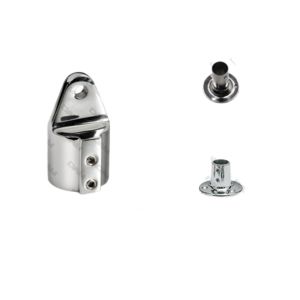
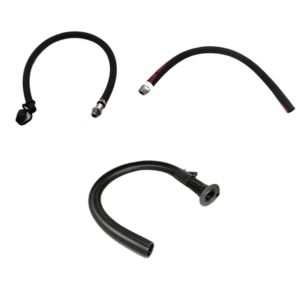
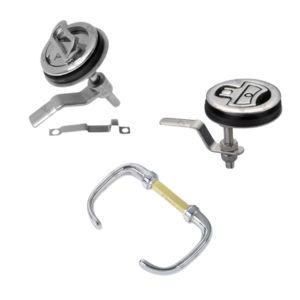
 Parts views
 Technical documents
 Ask for a quote
 Return request
How a boat works: how does a boat float, move forward and steer?
Need parts to maintain your boat?
DAM Marine helps you find the right engine, electrical, cooling, steering and navigation parts for your boat.
How a boat works is based on three essentials: floating, moving forward and steering. The hull allows the boat to stay on the water thanks to Archimedes’ principle. The engine, fuel, cooling system, transmission and propeller create movement. Electricity, steering, instruments, VHF, AIS and plumbing then make the boat usable while underway.
How does a boat work as a whole?
A boat works through a combination of systems: a hull that floats, an energy source that produces movement, a propulsion system that turns that energy into thrust, and steering that controls the course. Around this foundation, several circuits make navigation possible: fuel, cooling, electricity, instruments, communication and plumbing.
What is needed to float?
A watertight hull, enough volume and proper weight distribution are needed so that the upward force from the water balances the boat’s weight.
What is needed to move forward?
Energy is needed, usually supplied by an engine, along with a transmission and a propeller capable of converting that energy into motion.
What is needed to navigate?
The boat must be able to steer, monitor onboard information, communicate and power its electrical and comfort equipment.
To understand how a boat works, you need to think in terms of a chain: if one link performs poorly, the whole behaviour of the boat can change. An engine may run properly, but a damaged propeller, dirty hull, weak battery or insufficient cooling can reduce performance. To identify the main parts involved, the guide to boat parts is a useful complement.
Engine spare parts
For maintaining, repairing or replacing the mechanical components of a marine engine.
View categorySterndrive parts
For transmissions, sterndrives and components involved in boat propulsion.
View categoryWhy does a boat float on water?
A boat floats because its hull displaces enough water to create an upward force: buoyancy, based on Archimedes’ principle. As long as this upward force balances the weight of the boat, the vessel remains on the surface. This is the basic principle behind how a boat works, even before considering the engine or equipment.
What is Archimedes’ principle?
Archimedes’ principle describes the upward force exerted by water on a submerged body. The more water a boat displaces, the greater this upward force becomes. A boat hull is therefore designed to displace enough water without filling up, allowing it to float despite its weight.
Why must the hull be watertight?
Because if too much water enters, the boat loses buoyant volume and becomes heavier. The bilge pump, thru-hulls, seals and valves therefore contribute to safety.
What is the waterline for?
It marks the area where the hull meets the water. It changes depending on load, fuel, passengers and equipment onboard.
Why does load matter?
Overloading or poor weight distribution changes trim, increases draft and can reduce stability.
How does the hull affect boat behaviour?
The hull is not only there to float. Its shape determines stability, speed, fuel consumption, comfort in waves and the boat’s ability to plane. Two boats with the same power can therefore behave very differently depending on hull shape, weight and weight distribution.
What is a displacement boat?
A displacement boat is mainly supported by Archimedes’ principle. It moves by pushing water aside, with speed limited by hull length and resistance.
What is a planing boat?
A planing boat rises with speed. Part of the hull lifts further out of the water, reducing the wetted surface and improving efficiency.
Why is trim important?
A bow that is too high, a stern that sits too low or a poorly distributed load can increase fuel consumption, make the boat unstable or delay planing.
Trim, trim tabs, hull condition, antifouling a boat and propeller choice directly affect this part of how a boat works. This is why a performance issue should never be reduced only to engine power.
What is needed to start a boat?
To start a boat, you need a sufficiently charged battery, a reliable electrical system, clean fuel, the control in neutral, a properly fitted kill switch and an engine that can be supplied, lubricated and cooled. Starting is the first moment when several systems work together.
What role does the battery play?
The battery supplies the current needed by the starter motor. Without enough voltage, the engine may crank slowly, fail to start or cause equipment cut-outs.
What is the kill switch for?
It secures the engine power supply and can interrupt operation if the operator falls or if an abnormal situation occurs, depending on the installation.
What role does fuel play?
Fuel must reach the engine cleanly and in sufficient quantity. A porous hose, clogged filter or water in the fuel can prevent starting.
To learn more about the electrical side, read our guide to how electricity works on a boat. If the battery is too weak, the dedicated guide to how a boat battery booster works explains its role and usage precautions. If the engine still refuses to start, our guide to a boat engine that won’t start helps widen the diagnosis.
Batteries, kill switches and electrical equipment
Starting depends on reliable power, clean connections and protection designed for the marine environment.
How does fuel reach the engine?
Fuel leaves the tank, travels through hoses, passes through filters and then reaches the engine’s fuel supply system. Depending on the engine type, it is then sent to a carburettor, injection system or injectors. This route may seem simple, but it is essential for boat reliability.
What is the typical fuel path?
The path can be summarised as follows: tank, hose, fittings, filter, fuel pump, then carburettor or injection. On a boat, this chain must withstand vibration, temperature changes, hydrocarbons and the saltwater environment.
Why filter the fuel?
Filtration traps impurities and limits the risks linked to water in the fuel. It protects injection, injectors and combustion.
What is the difference between petrol and diesel?
A petrol engine needs an air-fuel mixture and a spark. A diesel engine compresses air, then injects diesel fuel, which ignites under heat.
Which symptoms should you monitor?
Difficult starting, stalling, loss of power, fuel smell, a soft primer bulb or a clogged filter may indicate a fuel supply problem.
For more detail, DAM Marine explains the boat fuel system, from the tank to the engine.
Fuel hoses
To secure fuel transfer between the tank, filters and engine.
View hosesPetrol filters
To protect petrol engine fuel supply against impurities and water.
View filtersHow does a boat engine work?
A boat engine turns the energy in fuel into mechanical movement. This movement is then transmitted to a propulsion system, usually a sterndrive, shaft line, saildrive or another mechanical assembly. The process differs depending on whether the engine runs on petrol or diesel.
How does a petrol engine work?
A petrol engine mixes air and fuel, then a spark plug creates the spark that starts combustion. This combustion pushes the pistons and creates rotation.
How does a marine diesel engine work?
A diesel engine strongly compresses air. Diesel fuel is then injected into the hot air, causing self-ignition and producing engine torque.
What is the difference between outboard and inboard?
An outboard combines the engine and lower unit at the stern. An inboard is installed inside the boat and transmits power to a shaft line or sterndrive. To go further, read our guide to choosing between an inboard and outboard engine.
To understand the two main types of motorisation, read our guide to how a boat petrol engine works and our guide to how a marine diesel engine works. To move from the general principle to a practical choice, you can also read our guide to choosing the right engine for your boat.
Engine parts for maintenance and repair
Filters, gaskets, pumps, alternators, starters and peripheral parts all contribute to proper marine engine operation.
How does the engine avoid overheating?
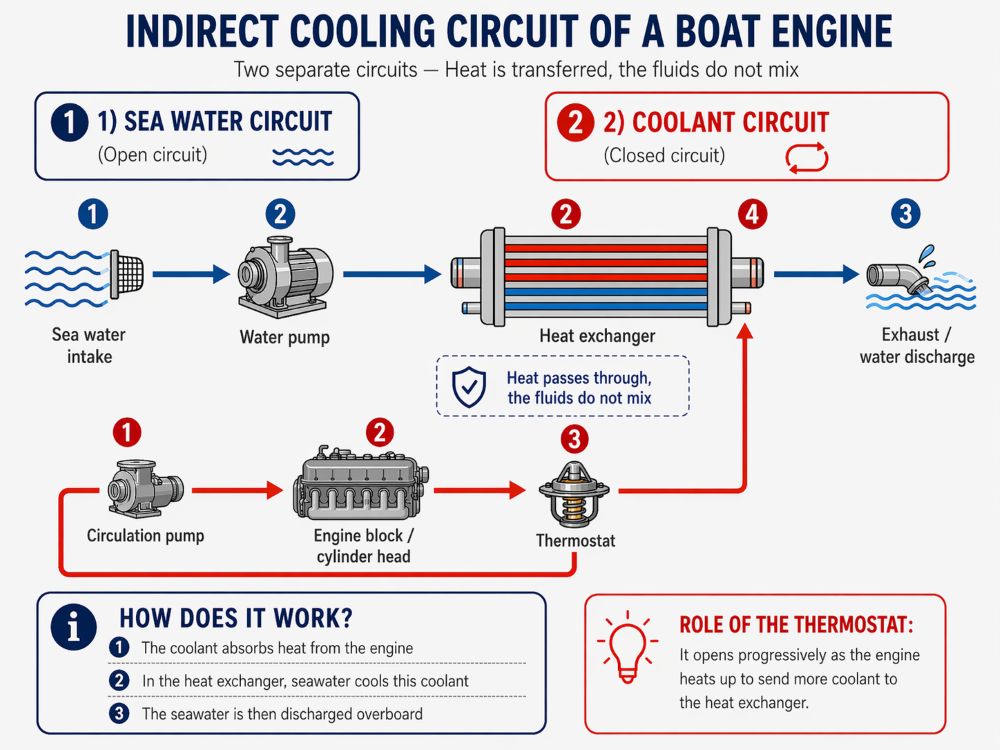
The engine avoids overheating thanks to a cooling system. This system circulates water or coolant around hot areas, then removes heat. Without effective cooling, the engine can go into protection mode, lose power or suffer serious damage.
What role does the water pump play?
It circulates water through the system. A worn impeller, blocked intake or faulty pump can cause overheating.
Direct or indirect cooling?
Direct cooling uses seawater in the circuit. Indirect cooling uses an internal coolant and a heat exchanger.
Which signs should you monitor?
Temperature alarm, no tell-tale water flow, steam, hot smell, loss of power or abnormal temperature rise should alert you.
The details of the parts, water paths and symptoms are presented in our guide to the boat cooling system.
Engine cooling
Pumps, heat exchangers, hoses and accessories to maintain the correct engine temperature.
View coolingWater pumps
Key components that ensure water circulation and help prevent engine overheating.
View pumpsImpellers
Wear parts that should be checked regularly in seawater pumps.
View impellersHow does propulsion turn power into movement?
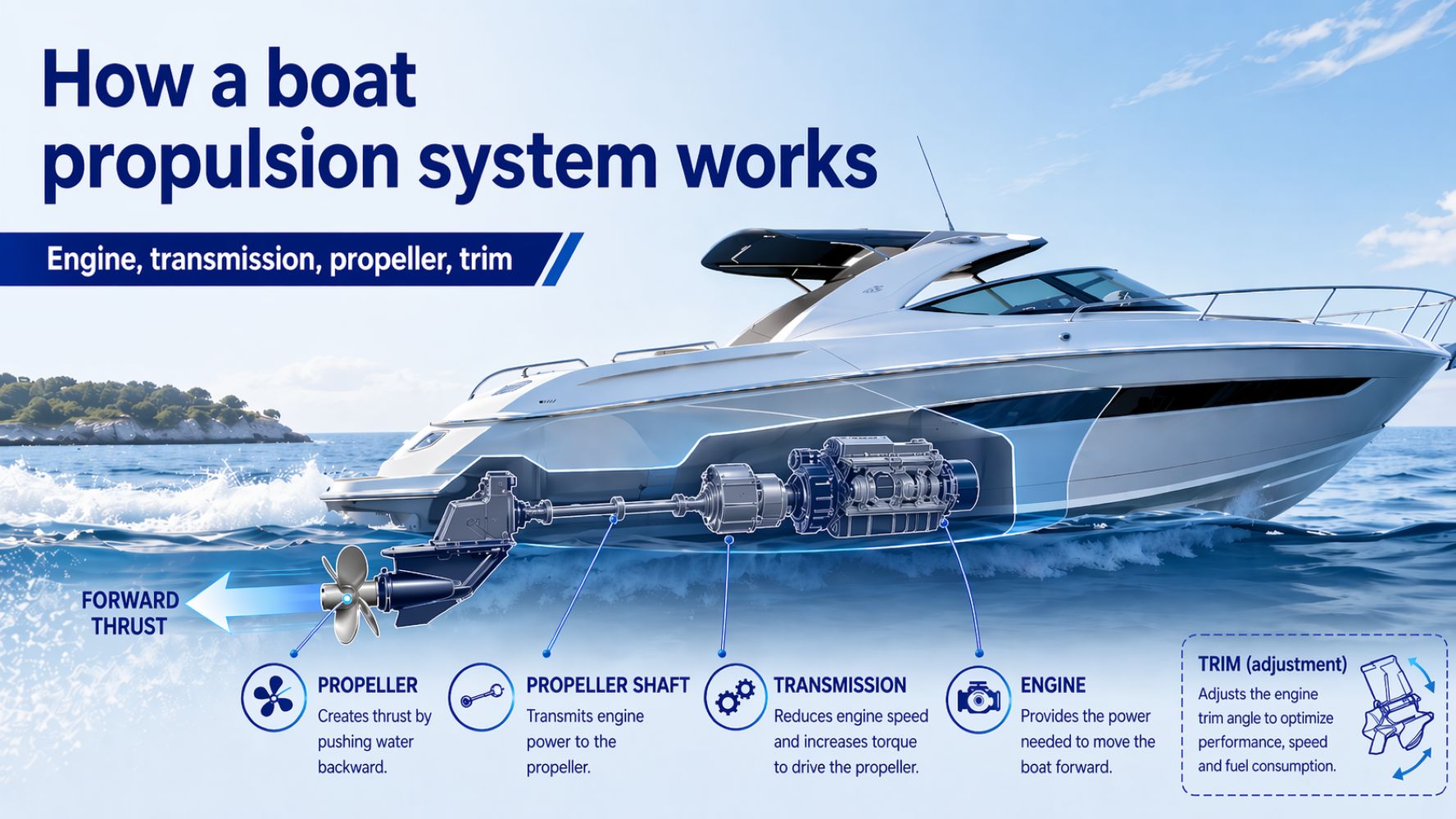
Propulsion turns engine power into movement through the water. The engine creates rotation, the transmission carries it, then the propeller, jet drive or another propulsion system converts that energy into thrust. It is one of the core parts of how a boat works.
Why is the engine alone not enough?
An engine can produce power without moving the boat if that power is not properly transmitted to the water.
Which components are involved?
Transmission, reverse gear, sterndrive, shaft line, shaft seal, propeller shaft, saildrive, trim and propeller can all be involved depending on the boat.
Why do vibrations matter?
Vibrations may indicate a damaged propeller, bent shaft, poor alignment or worn transmission component.
To understand the complete chain, read our guide to how a boat propulsion system works.
Unsure about a propulsion part?
Shaft, sterndrive, propeller, shaft seal or coupling: always check compatibility with your engine and transmission.
How does the propeller move a boat forward?
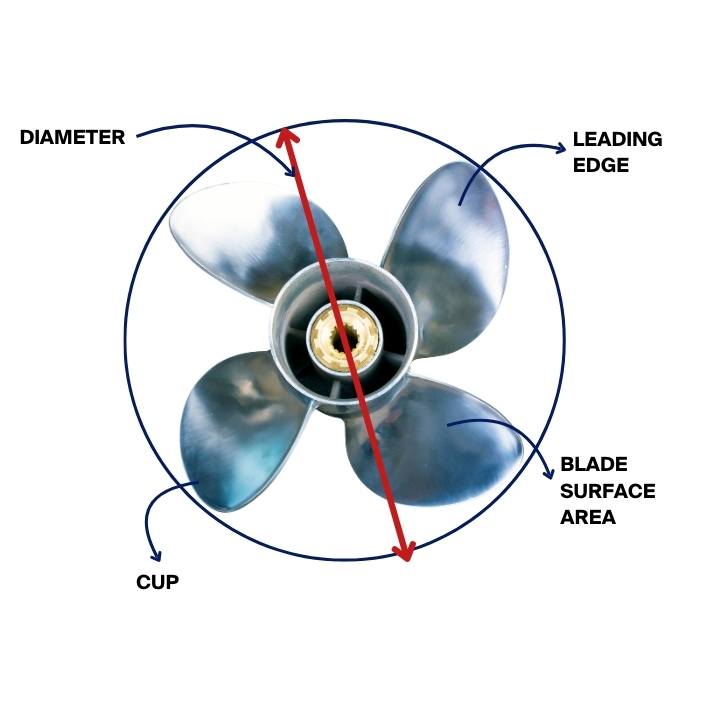
The propeller turns rotation into thrust. As it spins, its blades accelerate a mass of water backwards. In response, the boat receives a forward force. Efficiency depends on diameter, pitch, number of blades, rotation direction, propeller condition and how well it suits the engine.
What is propeller pitch for?
Pitch corresponds to the theoretical distance travelled in one revolution. An unsuitable pitch can prevent the engine from reaching the correct RPM.
What is diameter for?
Diameter indicates the amount of water worked by the propeller. It affects thrust, grip and behaviour under load.
What problems can occur?
Cavitation, ventilation, slip, damaged blades or incorrect fitting can reduce speed and increase vibration.
The topic is covered in detail in our guide to how a boat propeller works.
Boat propellers
To replace a damaged propeller or adapt the boat’s behaviour to its use.
View propellersPropeller shafts
To transmit power to the propeller on shaft-line installations.
View shaftsHow does a boat steer?
A boat steers by changing the direction of thrust or the flow of water. Depending on the installation, the operator acts on a steerable engine, sterndrive, rudder or skeg. Unlike a car, a boat slides on water and is strongly affected by inertia, wind, current and propeller effect.
What role does the steering wheel play?
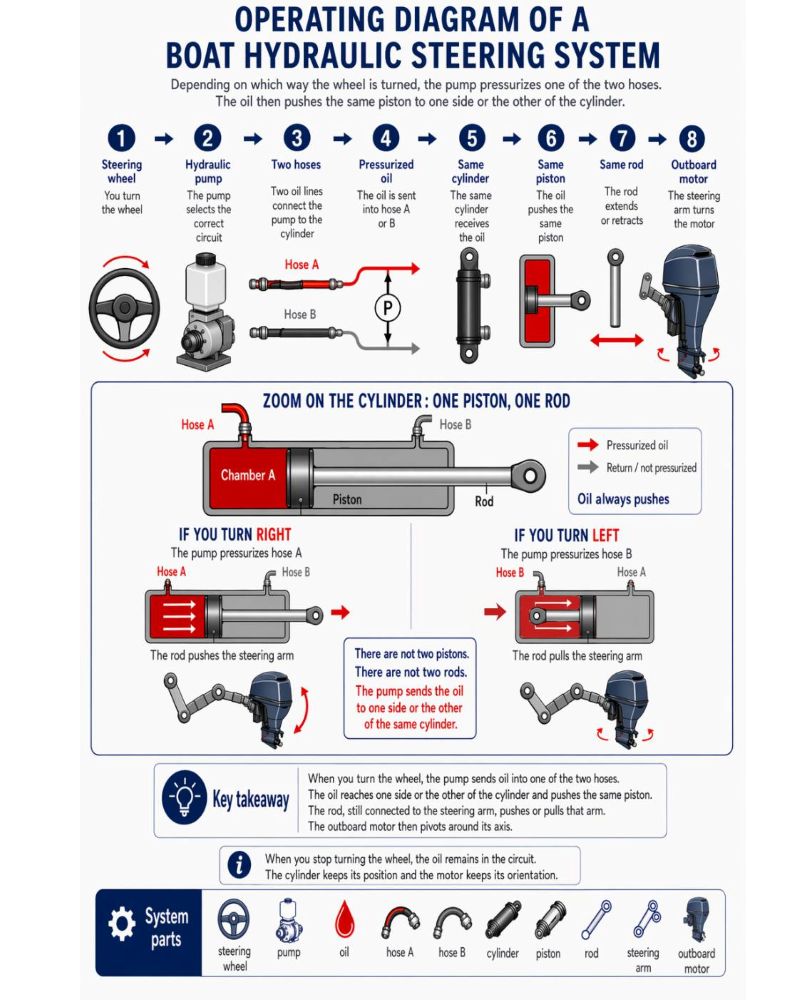
The steering wheel sends the steering command. Depending on the boat, this action goes through a cable, hydraulic circuit or assisted system.
How does hydraulic steering work?
The steering wheel operates a pump. Pressurised oil flows through the hoses and moves a cylinder that turns the engine or rudder.
Why anticipate manoeuvres?
At low speed, wind and current become more important. In reverse, propeller effect can also alter the boat’s path.
To learn more, read our guide to how hydraulic boat steering works.
Power steering
Pumps, cylinders, hoses and parts for smoother and more precise handling.
View steeringHydraulic hoses
To transfer pressure through hydraulic steering systems.
View hosesHow does electricity power onboard systems?
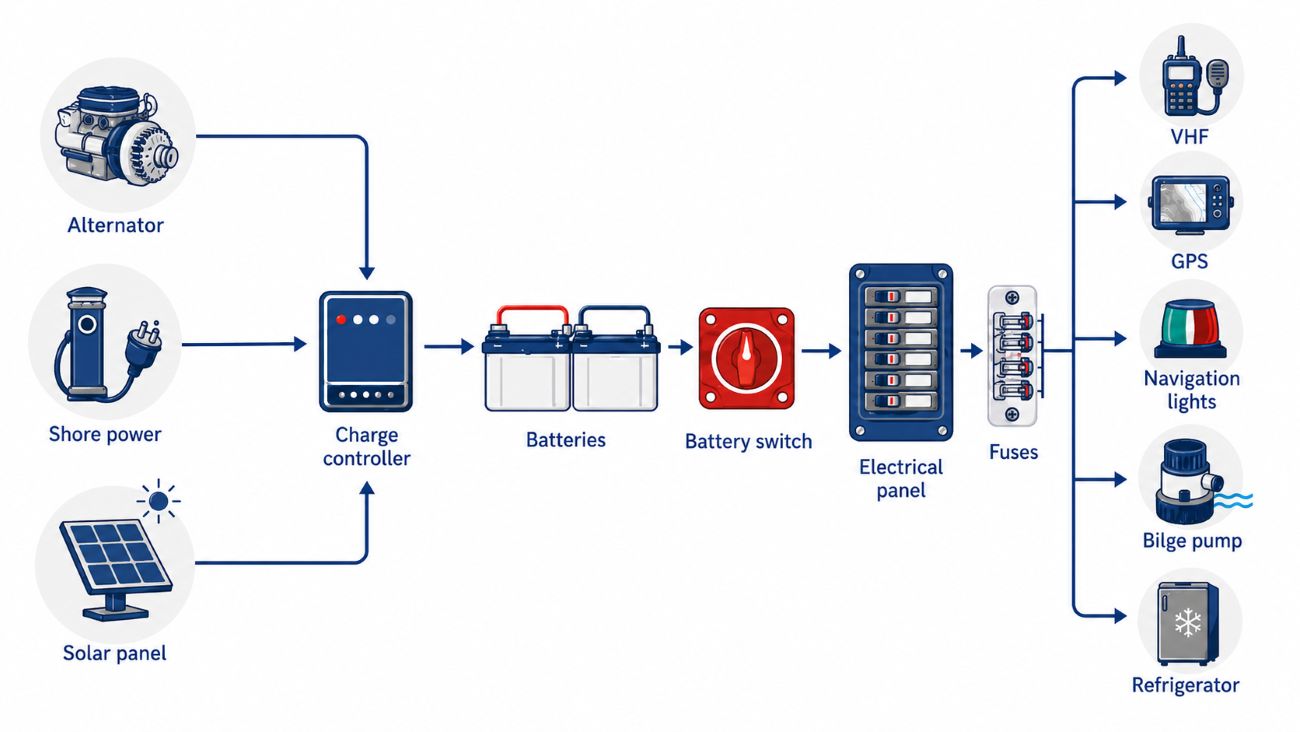
Electricity on a boat is used to start the engine, power instruments, run pumps, lights, VHF, AIS, windlass, lighting and comfort equipment. It relies on batteries, charging, an electrical panel, protections and wiring suited to the marine environment.
Which energy sources are found onboard?
Engine battery, service battery, alternator, shore charger, solar panel or inverter can all contribute to power supply.
How is energy distributed?
Current passes through isolator switches, fuses, circuit breakers, panels and cables that protect the installation.
Why is the marine environment demanding?
Humidity, salt, vibration and corrosion require clean connections, suitable cables and reliable protection.
The full operation is explained in our guide to how electricity works on a boat.
Boat electricity
Wiring, connectors, protections and accessories to make onboard circuits more reliable.
View electricityMarine batteries
Starting or service batteries to power the engine and equipment.
View batteriesHow do instruments help with navigation?
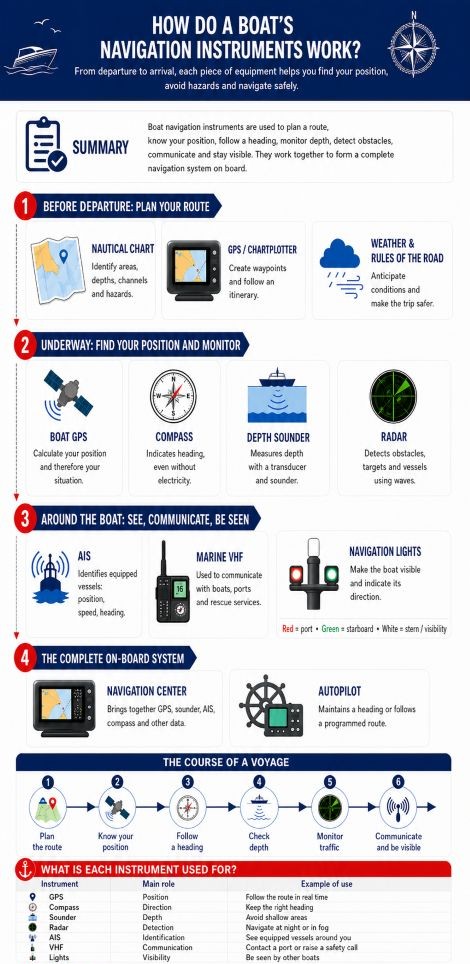
Navigation instruments help the operator know the boat’s position, hold a course, monitor depth, anticipate obstacles, monitor the engine and understand the surroundings. They do not replace human watchkeeping, but they provide essential information for making decisions at the right time.
Which instruments are common?
GPS, compass, depth sounder, radar, AIS, VHF, navigation lights, tachometer, engine indicators and multifunction display.
What is a depth sounder for?
It helps determine the depth beneath the hull and avoid areas that are too shallow.
What is GPS for?
It provides position, course, speed over ground and helps follow a route on an electronic chart.
To explore this information chain in detail, read our guide to how boat navigation instruments work.
Navigation instruments and accessories
Compasses, GPS, depth sounders, lights, tachometers and accessories for equipping the helm station.
How do AIS and VHF improve safety?
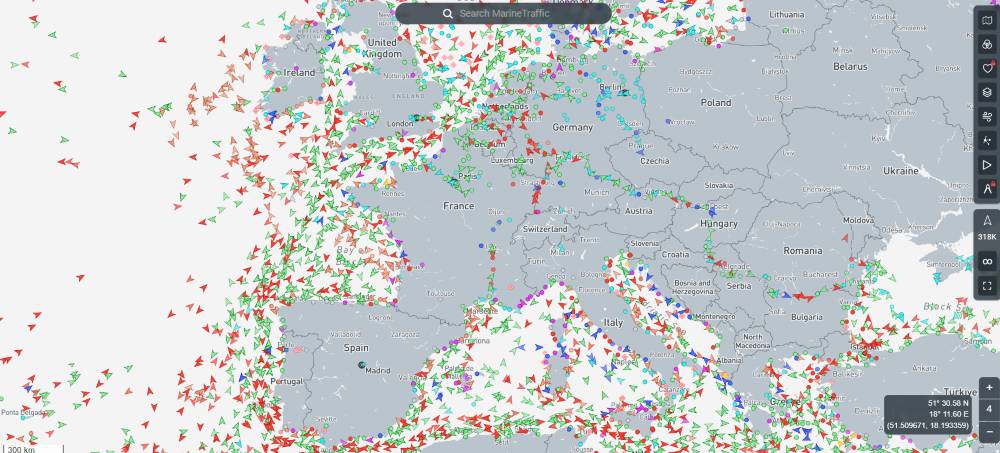
AIS and VHF improve safety by providing two complementary functions. AIS helps identify equipped vessels around the boat, while VHF allows communication with ports, other boats and rescue services. Together, they improve anticipation while underway.
What is AIS used for?
It transmits and receives information such as the identity, position, speed and course of equipped vessels.
What is marine VHF used for?
It allows calls, safety message reception and contact with rescue services or other vessels.
Why are they complementary?
AIS provides traffic information, VHF enables communication. GPS gives your position, but it does not replace communication.
To learn more about these two pieces of equipment, read our guide to AIS technology and our guide to how a marine VHF radio works. To complete that safety logic, also check the safety equipment to keep onboard.
How do onboard water systems work?
Water systems handle storage, pressurisation, distribution and drainage onboard. They contribute to comfort, but also to safety when valves, thru-hulls, pumps or tanks are involved.
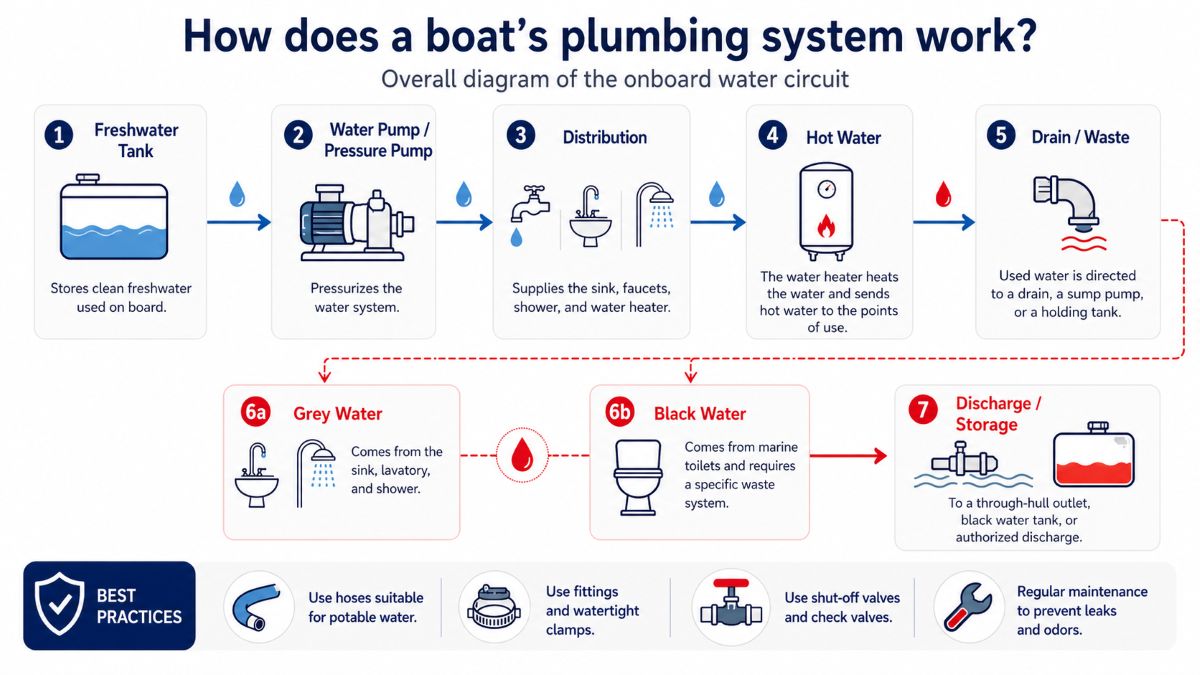
How does fresh water circulate?
Water is stored in a tank, then sent to taps, showers or equipment using a pump.
How is wastewater drained?
Grey water and black water follow separate circuits depending on the installation, with tanks, valves and suitable drainage.
Why monitor thru-hulls?
They pass through the hull. Their condition, sealing and closure are essential to prevent water ingress.
To understand the full system, read our guide to how boat plumbing works.
Water onboard
Pumps, hoses, tanks and accessories for managing freshwater and onboard circuits.
View water onboardBoat tanks
Tanks for fuel, freshwater or wastewater depending on the boat installation.
View tanksWhich systems should be monitored while using the boat?
While using the boat, you should watch for any signs that a system is not working properly: difficult starting, loss of power, overheating, vibration, stiff steering, weak battery, instrument failure, engine alarm, water leak or fuel smell.
On the engine side, what should you monitor?
Temperature, smoke, noise, engine speed, fuel supply, smells, alarms and electrical charge level.
On the propulsion side, what should you monitor?
Vibrations, loss of speed, cavitation, ventilation, damaged propeller, bent shaft or unusual behaviour during acceleration.
Onboard, what should you monitor?
Batteries, fuses, VHF, GPS, bilge pump, water pump, valves, tanks and dashboard warning lights. To interpret an alert more clearly, read our guide to understanding your boat warning lights.
Understanding how a boat works helps interpret symptoms more effectively. A fault does not always appear where it originates: loss of speed may come from the engine, but also from the propeller, fuel, cooling, onboard load or hull.
What should you remember about how a boat works?
A boat works through the balance between several systems. The hull provides buoyancy, the engine produces power, fuel feeds combustion, cooling protects the mechanics, the transmission and propeller create thrust, steering controls the course, and electrical, navigation, communication and plumbing systems make the boat usable.
The chain to remember is simple: hull → buoyancy → battery → starting → fuel → engine → cooling → propulsion → propeller → steering → instruments → safety → onboard comfort.
Which systems make up how a boat works?
| System | Role on the boat | Point to monitor |
|---|---|---|
| Hull | Allows the boat to float and affects its stability. | Watertightness, load, waterline, hull condition. |
| Battery | Supplies the energy required for starting and equipment. | Voltage, terminals, corrosion, charging. |
| Fuel system | Delivers clean fuel to the engine. | Filters, hoses, fittings, water in fuel. |
| Engine | Turns fuel into mechanical movement. | Starting, temperature, noise, smoke, engine speed. |
| Cooling | Removes heat produced by the engine. | Pump, impeller, thermostat, exchanger, water intake. |
| Propulsion | Transmits engine power to the water. | Transmission, sterndrive, shaft, alignment, vibrations. |
| Propeller | Turns rotation into thrust. | Pitch, diameter, blades, cavitation, ventilation. |
| Steering | Controls the boat’s course. | Hydraulics, hoses, cylinder, play, stiffness. |
| Navigation | Helps determine position, depth and surroundings. | GPS, sounder, compass, radar, electrical supply. |
| Onboard comfort | Manages water, drainage and certain living equipment onboard. | Pumps, tanks, valves, thru-hulls, leaks. |
What additional questions should you ask about how a boat works?
Do all boats work the same way?
No. A motorboat, sailboat, RIB, inboard cruiser or outboard boat all rely on the same broad principles, but their propulsion, steering, energy and comfort systems can vary.
Why can a boat move forward even though it is heavy?
The boat floats because water exerts an upward force. To move forward, it does not need to lift all its weight out of the water: it needs to create enough thrust to overcome water resistance.
Which system is the most important onboard?
No system truly works alone. The hull, engine, fuel, cooling, propulsion, steering and electricity are connected. A weakness in one system can affect the whole boat.
Why does a boat engine overheat more easily than a land engine?
A marine engine often works for long periods under constant load. It also depends on a cooling system exposed to salt, impurities, shellfish and blocked water intakes.
Can a damaged propeller really change the way a boat behaves?
Yes. A bent blade, incorrect pitch, unsuitable diameter or fouled propeller can cause vibration, loss of speed, higher fuel consumption or abnormal engine RPM.
Do you need to know all these systems to navigate?
You do not need to be a mechanic, but understanding the basics helps you react faster, maintain the boat better and identify warning signs before a fault becomes serious.