


 Catalog
 Exploded views
















 Honda Marine
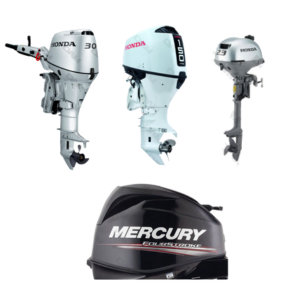


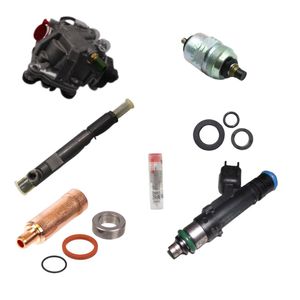
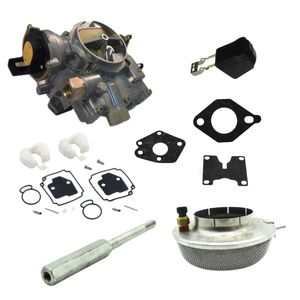
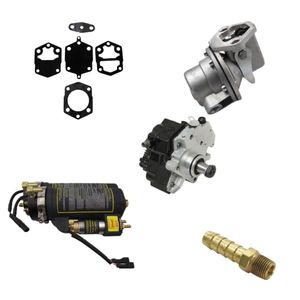




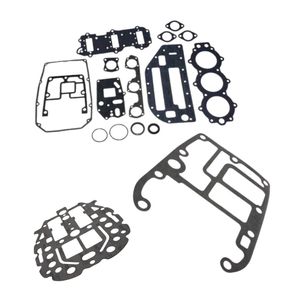
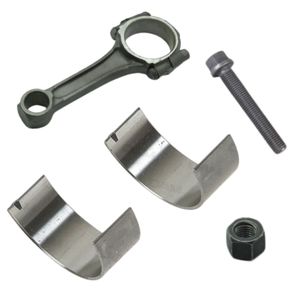
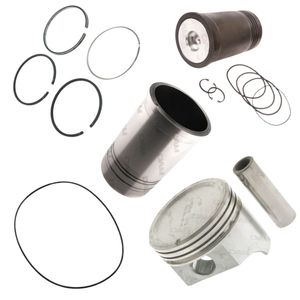
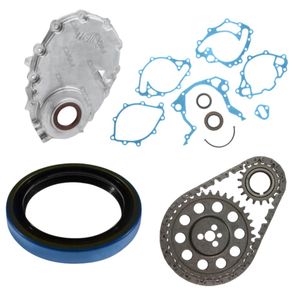

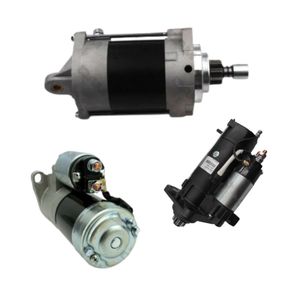
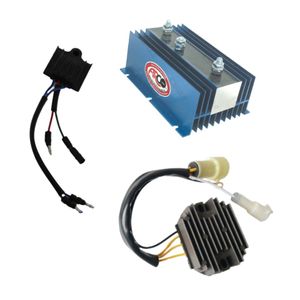
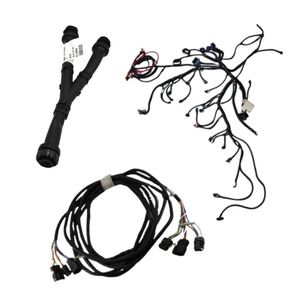
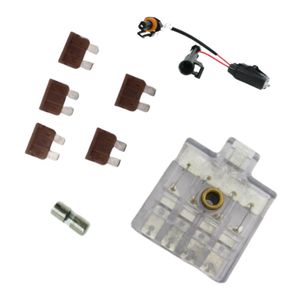

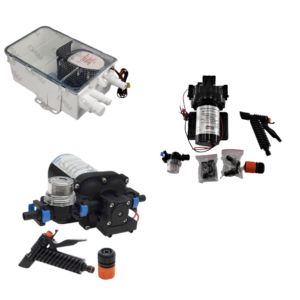
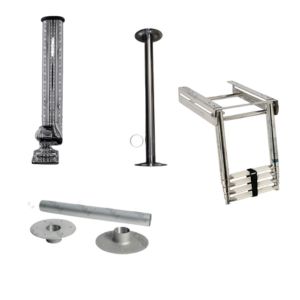
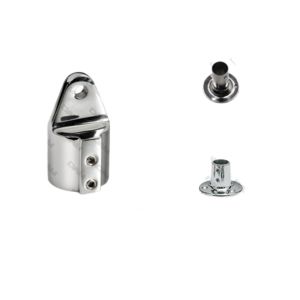
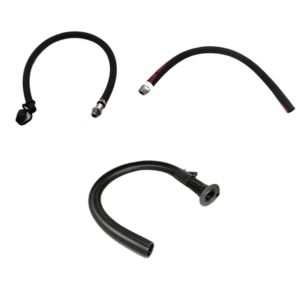
 Parts views
 Technical documents
 Ask for a quote
 Return request
Fuel use increasing? Start by checking the fuel system, engine maintenance and propulsion efficiency.
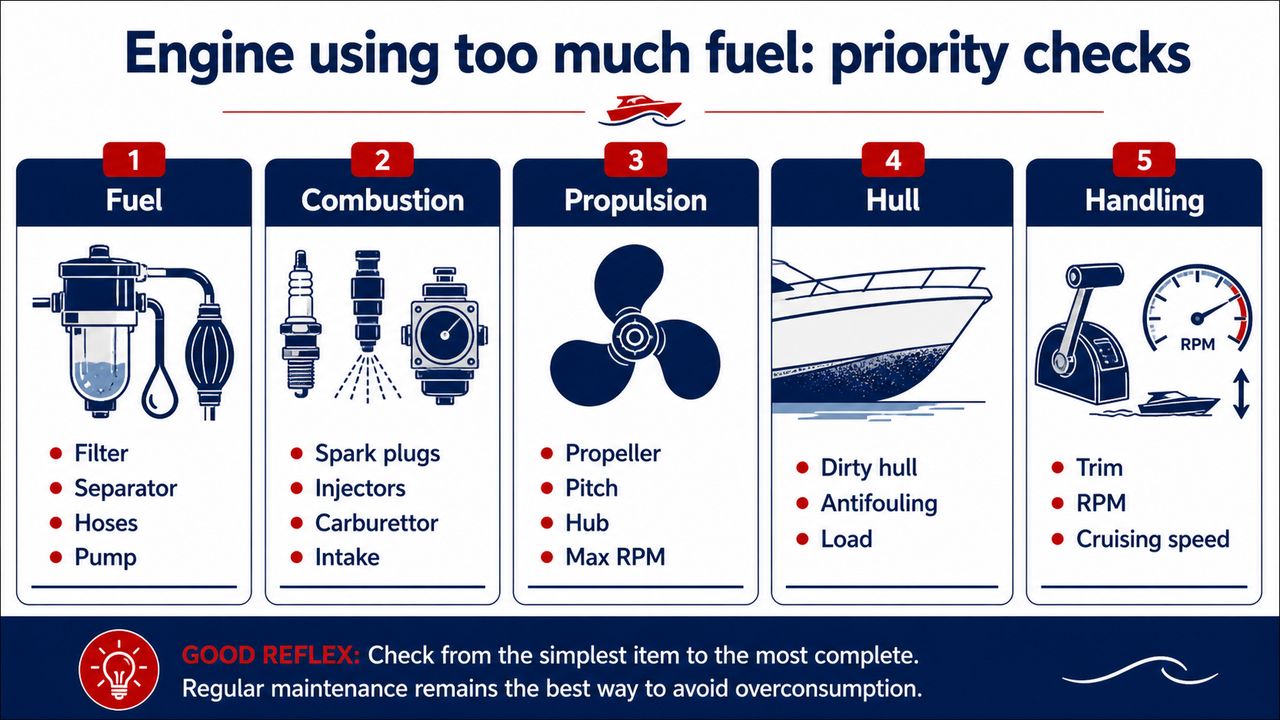
View fuel filtersA boat engine using too much fuel may simply be running at an inefficient RPM, with an overloaded boat, rough sea conditions or poorly adjusted trim. Overconsumption becomes suspicious if it appears suddenly, if range drops for no clear reason, or if the engine smokes, loses power or no longer reaches its normal RPM. The first checks should cover fuel, filters, hoses, propeller, hull and engine maintenance. If the issue persists, a more precise diagnosis of injection, ignition or sensors is required.
Why does a boat engine use so much fuel?
A boat engine uses a lot of fuel when the power demand is high, when the boat is pushing hard through the water, or when an engine component reduces combustion efficiency. Unlike a car, a boat has to overcome significant resistance: carried weight, sea state, hull, propeller and trim all have a major influence on fuel consumption.
High fuel consumption is therefore not always a fault. It can be normal at high RPM, with a loaded boat, a dirty hull or a headwind. However, if consumption rises while navigation conditions have not changed, you should look for a mechanical cause or a maintenance issue.
Is the boat more heavily loaded than usual?
Passengers, water tanks, equipment, tender and fuel all increase the load on the engine. The heavier the boat, the more torque the engine must provide to reach and maintain speed.
Are sea or wind conditions unfavourable?
Short chop, adverse current or a headwind can increase fuel consumption without any part being faulty.
Is the engine running outside its efficient range?
Running too low under load, or too high for too long, can reduce efficiency. The right cruising speed depends on the boat, the engine and the propeller.
For a broader approach to onboard optimisation, you can also read DAM Marine's guide on using less fuel on board.
How can you tell if fuel consumption is abnormal?
Fuel consumption becomes abnormal when it rises significantly under comparable use: same boat, same load, same route, same sea state and same RPM. Reduced range, a tank that empties faster than usual, or a fuel smell should raise concern.
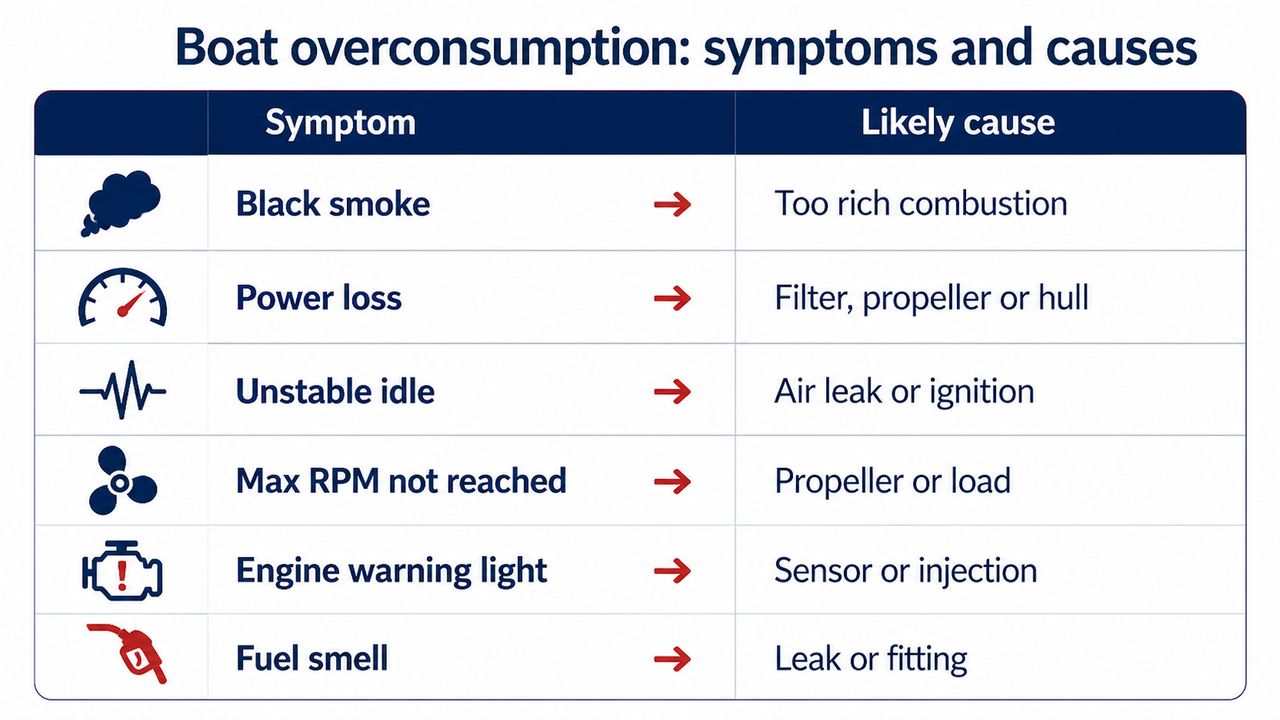
You should also observe how the engine behaves. Overconsumption combined with boat engine power loss, unusual smoke or unstable idle points to a more specific fault.
Does the engine smoke?
Black smoke can indicate an overly rich mixture, poor combustion, lack of air, a dirty injector or a poorly adjusted carburettor.
Is maximum RPM reached?
If the engine no longer reaches its RPM, the propeller, load, hull or fuel supply may be involved.
Has a warning light appeared?
An engine, temperature or injection warning light must be considered before continuing normal navigation.
If overconsumption comes with white, black or blue smoke, also read our guide on boat engine smoking. If a warning light appears on the dashboard, our article about boat warning lights can help you prioritise the checks.
Can engine RPM and trim make all the difference?
Yes. Engine RPM and trim directly influence consumption. A boat running too bow-up, too bow-down or outside its correct attitude asks more from the engine. The result is often higher fuel use for the same speed.
On an outboard or sterndrive, trim adjusts the thrust angle. Used incorrectly, it can increase drag, reduce speed and make the engine work unnecessarily. Used correctly, it helps the boat stabilise and find better efficiency.
A consistent trim setting can reduce engine load. Find parts related to trim and engine position adjustment.
View trim partsTo go further, DAM Marine offers a guide about using a boat's trim.
Can the propeller or hull increase fuel consumption?
A poorly matched, damaged or fouled propeller can cause overconsumption. If propeller pitch does not suit the engine and boat, the engine may labour, over-rev or fail to reach its normal RPM.
The hull also plays a major role. A dirty hull, tired antifouling or fouled appendages increase resistance in the water. In that case, the engine simply uses more fuel to maintain the same speed.
Is the propeller damaged?
A bent blade, tired hub or marked propeller can reduce efficiency and increase vibration.
Is the propeller pitch suitable?
Incorrect pitch can prevent the engine from reaching its RPM range. Consumption rises, but performance does not follow.
Is the hull clean?
A fouled hull increases drag. Before blaming the engine, check the hull and antifouling condition.
To understand the effect of propulsion, read our guide on how a boat propeller works. You can also browse the propeller and propeller hub kit categories.
If the hull is involved, DAM Marine's guide on how to antifoul a boat can complete the diagnosis.
Which fuel system parts should be checked?
The fuel system is one of the first areas to check when a boat engine uses too much fuel. A clogged filter, porous hose, air leak, tired pump or water in the fuel can disrupt supply and reduce combustion quality.
Start with accessible items: the condition of the fuel filters, the presence of water in the separator filter, condition of the fuel hoses and fittings. Contaminated fuel or unstable flow can cause smoke, misfires, stalling and excessive consumption.
Is the fuel filter clogged?
A saturated filter restricts flow and can cause irregular running. It should be replaced according to the maintenance schedule or whenever contamination is suspected.
Is the hose letting air in?
An ageing, porous or poorly tightened hose can disrupt supply, especially on engines sensitive to pressure variations.
Is the pump supplying correctly?
A fuel pump can create flow variations and make diagnosis more difficult.
To understand each component's role, read DAM Marine's article on the boat fuel system operation. If you suspect a supply fault, the guide on a faulty fuel system details the symptoms to watch.
What should you check on a petrol or diesel engine?
Causes vary depending on engine type. On a petrol engine, poor combustion can come from ignition, spark plugs, carburettor, injection or intake. On a diesel engine, you should mainly check diesel quality, filters, pump, injectors and operating temperature.
On a petrol engine?
Check the spark plugs, the ignition system, the air filter, the carburettor or the petrol injectors.
On a diesel engine?
Check the diesel filters, the diesel fuel pump, the injectors and the general condition of the injection system.
On a recent engine?
A pressure, temperature, throttle position or trim sensor can distort engine management. Electronic diagnosis then becomes useful.
The categories injection, injector, petrol pump and diesel fuel pumps can guide the parts search according to the engine type.
To place these checks in the wider operating context, you can also read our guides on the petrol boat engine and the marine diesel engine.
How can you reduce a boat engine's fuel consumption?
To reduce fuel consumption, act on three levers: limit the boat's resistance, keep the engine in good condition and navigate within a coherent RPM range. A clean hull, suitable propeller, well-adjusted trim and regular maintenance often have more effect than replacing one isolated part.
- Clean the hull and monitor antifouling condition.
- Avoid running at full throttle for too long.
- Adjust trim to obtain a stable attitude.
- Limit unnecessary load on board.
- Replace filters and check the fuel.
- Check that the engine reaches its normal RPM with the installed propeller.
- Monitor smoke, warning lights and RPM variations.
Regular engine maintenance remains the best starting point to limit overconsumption and preserve reliability at sea.
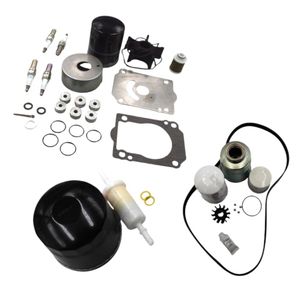
View engine service kitsWhen should the engine be diagnosed?
Diagnosis becomes necessary if consumption rises suddenly, if the engine smokes, stalls, overheats, loses power or triggers an alert. In these cases, continuing without checks can worsen the fault and complicate repair.
On recent engines, a diagnostic tool can help read faults linked to injection, sensors or engine management. On an older engine, mechanical inspection remains essential: carburettor, ignition, pump, compression, cooling and exhaust.
If overconsumption comes with stalling, read the guide on a boat engine that stalls. If temperature is abnormal, also check the causes of boat engine overheating.
Which check should you perform for each symptom?
| Symptom | Possible cause | Priority check | Useful category |
|---|---|---|---|
| Consumption rising with no other symptom | Load, sea state, hull, trim or unfavourable RPM | Compare under identical conditions and check trim attitude | Trim |
| Black smoke | Mixture too rich, lack of air, injection or carburettor | Air filter, spark plugs, injectors, carburettor | Injection |
| Maximum RPM not reached | Unsuitable propeller, dirty hull, engine under strain | Propeller condition, propeller pitch, hull condition | Propeller |
| Misfires or stalling | Clogged filter, air leak, contaminated fuel | Filter, separator, hoses and fittings | Fuel water separator |
| Engine stays cold too long | Stuck thermostat or incorrect operating temperature | Thermostat and cooling system | Thermostat |
| Engine or injection warning light | Sensor, injection, electronic management | Fault reading and targeted check | Diagnostic tool |
What are the common questions about a boat engine using too much fuel?
Why does a boat engine use a lot of fuel?
A boat engine uses a lot of fuel because it has to move a hull through water, against significant resistance. Weight, sea state, wind, engine RPM, trim, propeller and hull condition strongly influence consumption.
Why do boat engines use so much fuel?
Boat engines often operate under heavy load. Unlike a road vehicle, a boat does not run on a solid surface: it must push water, lift or hold the hull in the right position and compensate for navigation conditions.
How can you reduce a boat engine's fuel consumption?
Navigate at a suitable RPM, adjust trim correctly, keep the hull clean, limit unnecessary load, maintain filters, check fuel and make sure the propeller matches the engine and boat.
Can a propeller make the engine use more fuel?
Yes. A damaged, fouled or unsuitable propeller can make the engine work harder and increase consumption. Incorrect pitch can also prevent the engine from reaching its normal RPM range.
Can a clogged fuel filter increase consumption?
A clogged fuel filter disrupts supply and can cause misfires, power loss or irregular running. Consumption can rise if the engine compensates poorly or combustion becomes less efficient.
Should you worry if consumption suddenly increases?
Yes, especially if navigation conditions have not changed. A sudden rise can come from contaminated fuel, a filter issue, pump, injector, propeller or electronic fault.