


 Catalog
 Exploded views
















 Honda Marine
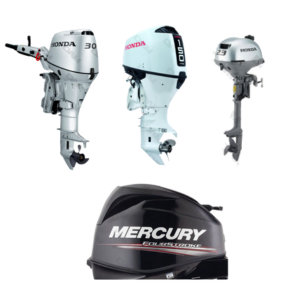


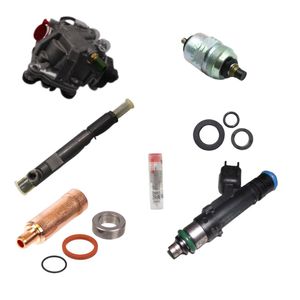
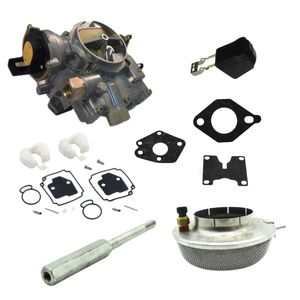
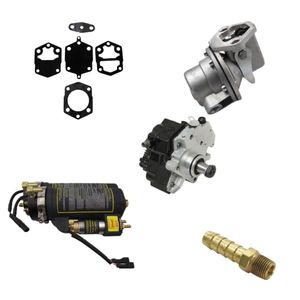
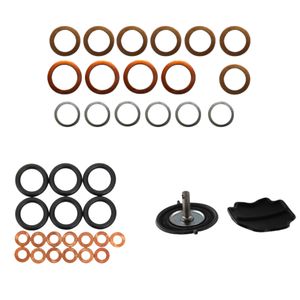
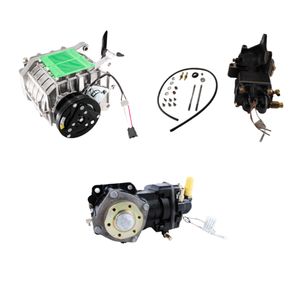
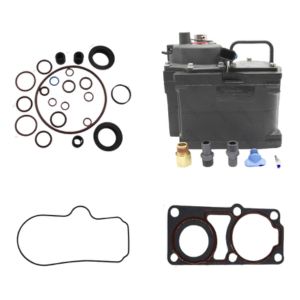
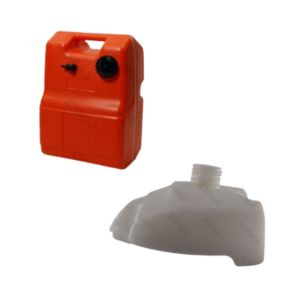




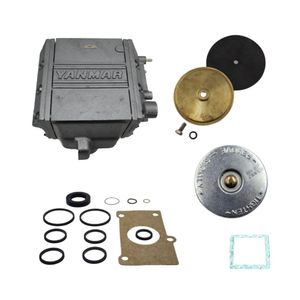
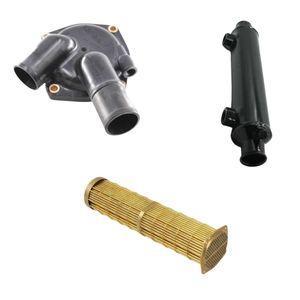
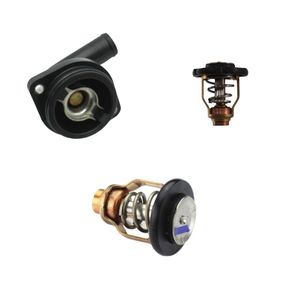
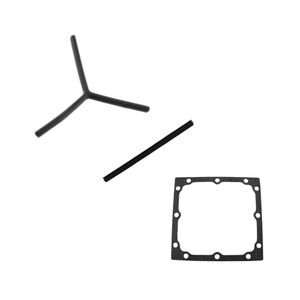

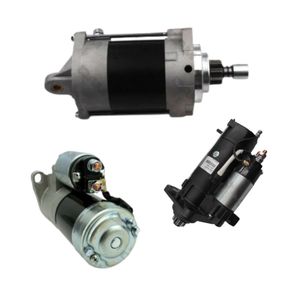
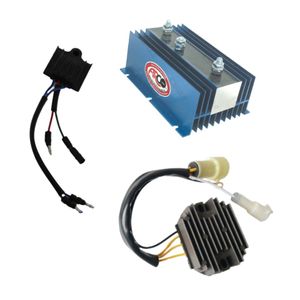
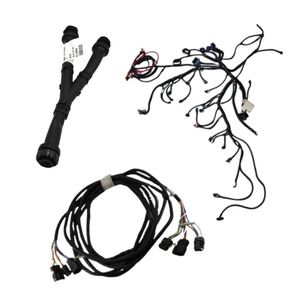
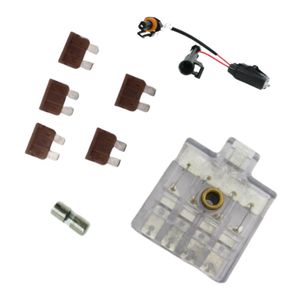
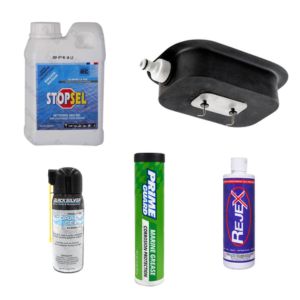
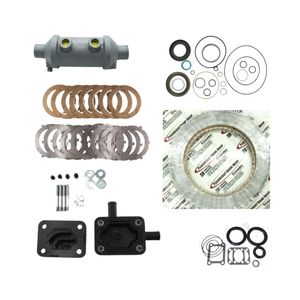
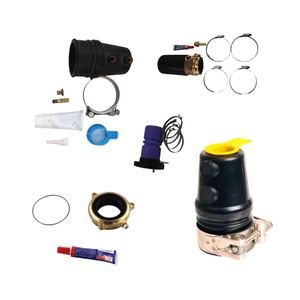
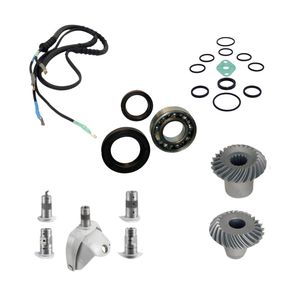
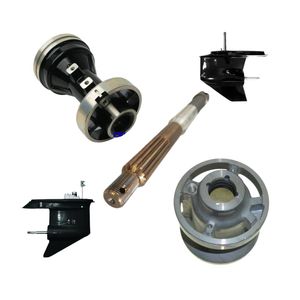
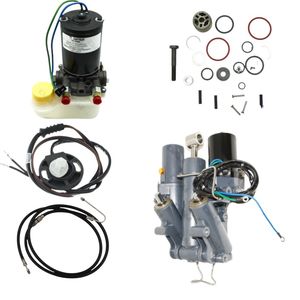
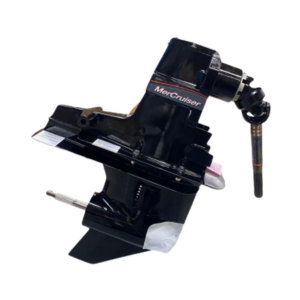
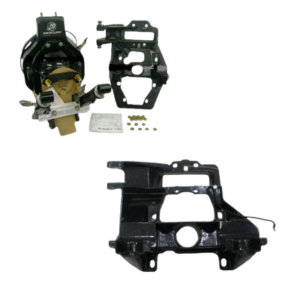
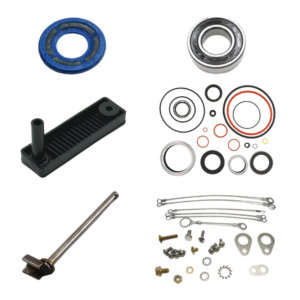
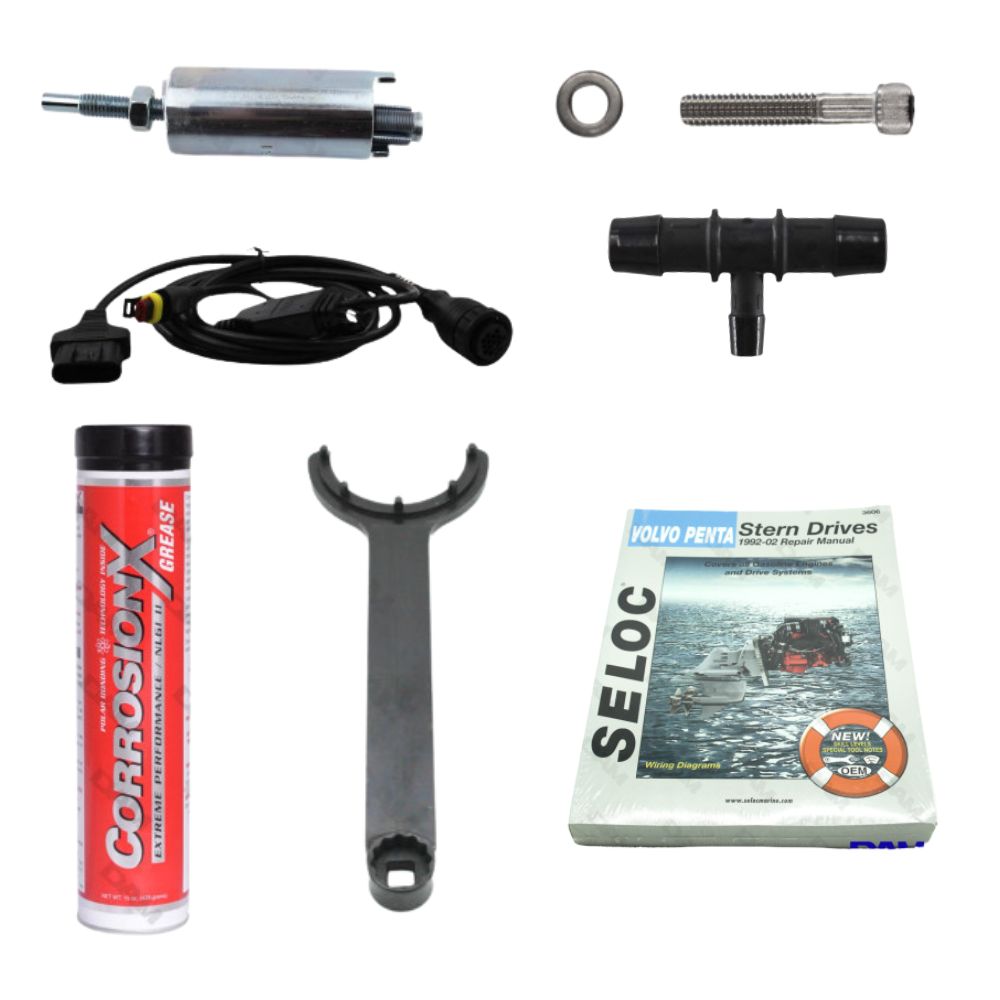
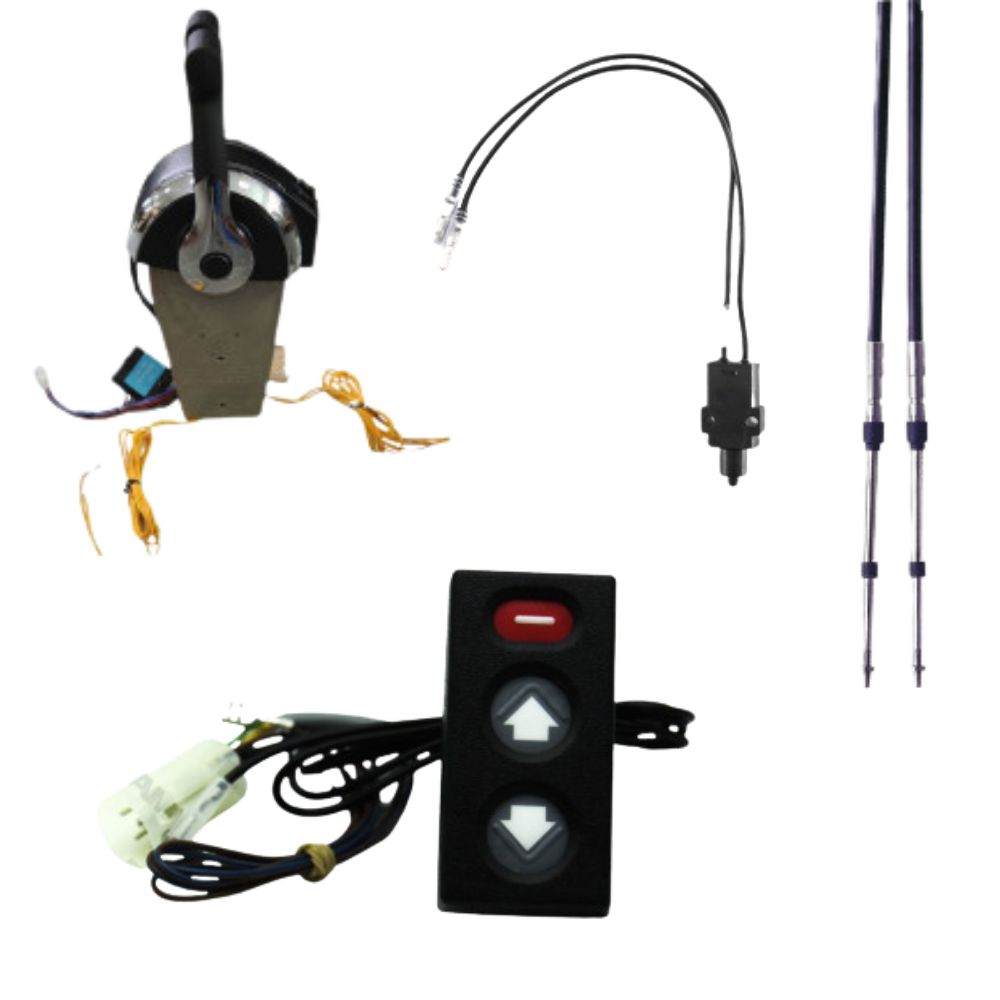

 Parts views
 Technical documents
 Ask for a quote
 Return request
Prepare your hull maintenance with products suited to the hull, anodes and underwater protection.
View hull maintenanceAntifouling a boat means lifting it out of the water, cleaning the underwater hull, inspecting the surface and renewing the antifouling protection when required. The work must be carried out in a suitable yard or careening area with recovery of wash water and residues. It is also the right time to check anodes, propeller, drive, seacocks and signs of osmosis. A well-prepared hull limits fouling, protects the boat and helps maintain performance.
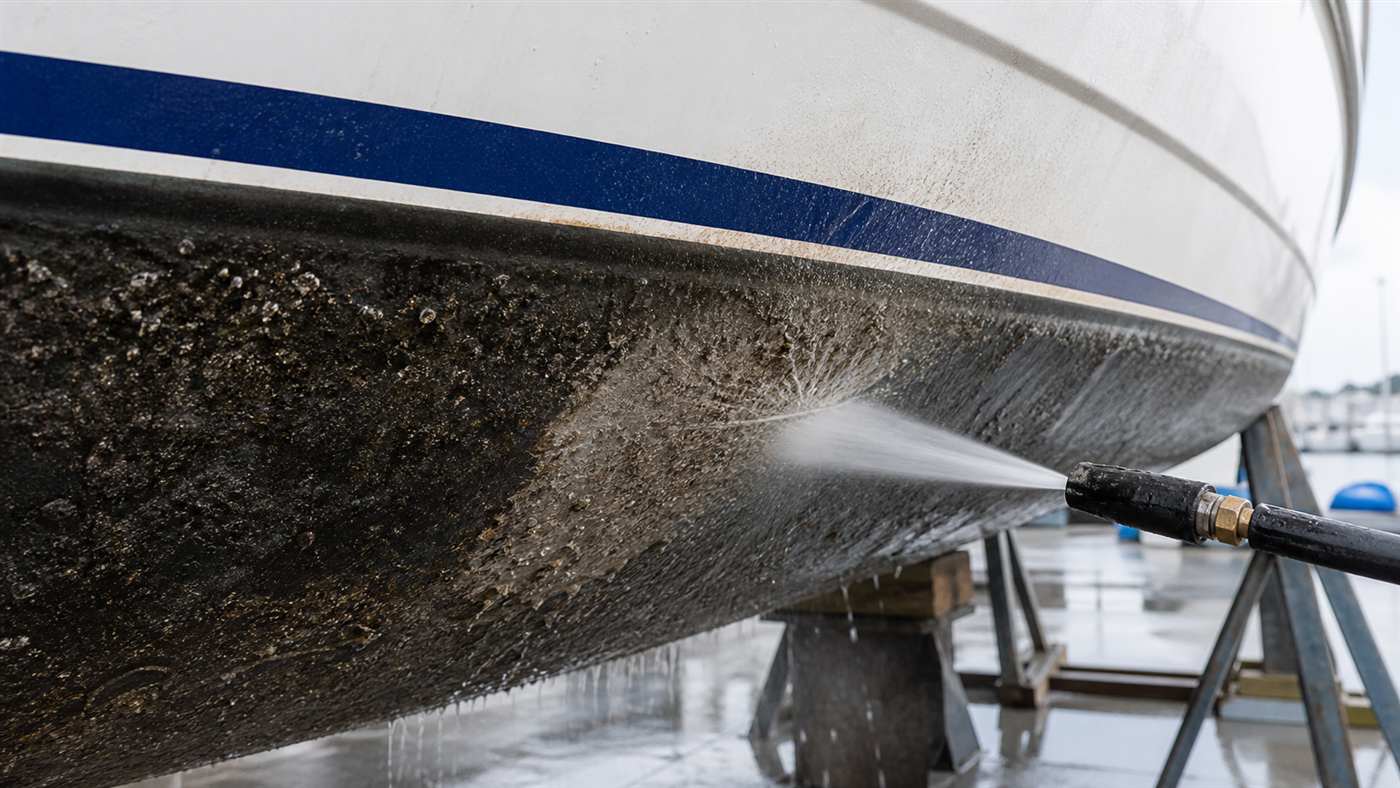
What is boat careening?
Boat careening is the maintenance of the underwater part of the hull. It includes removing marine fouling, inspecting the hull, carrying out small repairs where needed and applying antifouling protection when the surface and sailing programme require it.
It is not only a cosmetic operation. A fouled hull creates drag, increases fuel consumption and reduces performance. To limit this loss of efficiency, you can also read our guide on how to use less fuel. Careening also makes it easier to detect cracks, gelcoat damage, early osmosis or an anode that is too worn.
When should you careen a boat?
Most boats are careened once a year, often before the sailing season or before a long period afloat. The right frequency depends on the sailing area, time spent in the water, water type, antifouling condition and the amount of fouling observed.
In warm or heavily fouling waters, the hull can get dirty faster. A boat wintered ashore or used occasionally may require lighter work, but checking the hull, anodes and appendages remains important before returning to the water. This step naturally fits into boat winterization.
Where can a boat be careened?
Careening must be carried out in an area designed for this purpose, usually in a marina, boatyard or technical area. Wash water, sanding dust and antifouling residues must be collected to avoid polluting the environment.
A slipway, beach or unprepared area is therefore not suitable. Before lifting the boat, check the marina rules, lifting options, working times, water access and specific instructions for sanding or painting.
What equipment is needed to careen a boat?
You need cleaning tools, surface preparation equipment, personal protection and application accessories. Good preparation prevents delays while the boat is immobilised ashore.
Which cleaning tools should be used?
A pressure washer, scraper, suitable hand tools, technical sponges and cloths help remove algae, mud and shell growth without damaging the hull.
Which products should be prepared?
Depending on hull condition, prepare compatible antifouling, primer if required, degreaser, epoxy filler for local repairs and suitable maintenance products.
Which protective equipment is required?
Gloves, goggles, a filtering mask and coveralls are recommended, especially for scraping, sanding or applying antifouling.
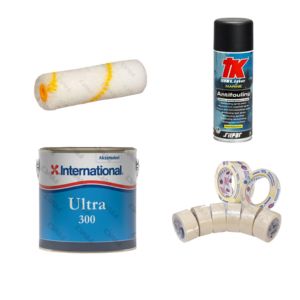
For application consumables, marine paint brushes, rollers and masking tapes should be selected according to the surface and product used.
How do you clean the hull before antifouling?
Cleaning should start as soon as the boat is lifted, while fouling is still wet and easier to remove. Pressure-wash the full hull, paying attention to the waterline, rudder, keel, drive, propeller and areas where shell growth gathers.
Keep enough distance to avoid damaging the gelcoat or a sound existing antifouling layer. Remaining organisms can be removed carefully with a scraper. If the old layer flakes, powders or creates heavy build-up, plan more thorough preparation before repainting.
What should be checked while the boat is ashore?
Careening is the best time to inspect parts that are normally underwater. A clean hull helps reveal surface defects, corrosion points, abnormal play and wear parts to replace before relaunching.
How should anodes be checked?
A heavily consumed anode must be replaced. It must not be painted, otherwise it can no longer protect against galvanic corrosion.
What should be checked on the propeller and drive?
Look for impact marks, play, corrosion, fishing line around the shaft and the general condition of exposed components.
Why inspect seacocks and through-hulls?
Through-hulls, valves, transducers and water intakes must be clean, accessible and free from visible cracks, blockage or corrosion.
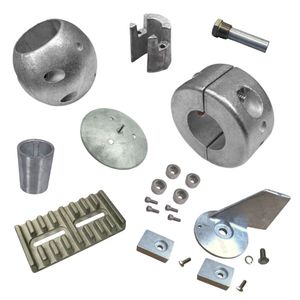
The marine anodes and hull anodes categories help you prepare replacements when wear is advanced. To choose the right protection, also read our guide to the different types of boat anodes.
How do you prepare the hull before painting?
The hull must be clean, dry, stable and properly degreased before a new coat is applied. If the old antifouling adheres well, light wet sanding may be enough. If it flakes or forms unstable layers, remove the affected areas first.
Impacts, deep scratches and chips should be repaired before painting. Marine-grade filler or resin may be required for local defects. If the hull mainly needs a finish restoration, our guide on how to polish a boat can complement the preparation. During long periods ashore, remember to protect the hull gelcoat. The waterline is then masked cleanly to obtain a neat finish.
If you need to remove an old coating, the DAM Marine guide removing boat antifouling explains which methods to use according to the condition of the surface.
How do you apply antifouling after careening?
Antifouling is applied to a dry, prepared hull that is compatible with the selected product. Always follow the manufacturer's instructions for temperature, number of coats, possible thinning, time between coats and maximum time before launch. For detailed steps, read our guide to applying antifouling to the hull.
Use a roller on large areas and a brush around through-hulls, rudder, keel or drive. Areas hidden by supports or lifting pads must be finished when the boat is moved slightly or just before launch, depending on the yard organisation.
To choose the right product, see the boat antifouling category and the DAM Marine guide how to choose the right antifouling for your boat.
Need to prepare a complete careening job? Find antifouling paints, marine coatings, technical products and hull accessories designed for the marine environment.
View marine paintsWhat mistakes should be avoided during careening?
The most common mistakes come from rushed preparation, poor product compatibility or insufficient checks before launch. Careening should be methodical, not just a coat of paint over a dirty hull.
Do not paint anodes, incompatible transducers or parts that require specific products. Do not dry-sand without suitable protection. Do not relaunch before the manufacturer's drying time. Do not forget areas hidden by supports.
How much does boat careening cost?
The cost depends on boat size, marina, lift-out, storage ashore, hull condition, products used and whether you do the work yourself or use a professional. There is no single price for every boat.
Main cost items include lift-out and relaunch, yard space, cleaning, abrasives, antifouling, application accessories, anodes and repairs. To estimate paint quantity, use the DAM Marine guide calculating the required antifouling quantity.
What should be checked before relaunching?
Before relaunching, check that anodes are fitted, support areas have been finished, masking tape has been removed and drying times have been respected. Also check seacocks, valves, transducer, shaft seal, drive and propeller. This is also part of the checks to dewinterize a boat.
Once afloat, stay alert during the first minutes: no water ingress, correct valve operation, normal engine behaviour, no unusual vibration or noise around the shaft line or drive.
What checklist should you follow to careen a boat?
| Step | Objective | Watch point |
|---|---|---|
| Lift-out | Access the full hull | Use an equipped careening area |
| Cleaning | Remove algae, mud and shell growth | Avoid damaging the gelcoat |
| Inspection | Identify wear, corrosion and defects | Check anodes, propeller, through-hulls and drive |
| Preparation | Obtain a clean, sound surface | Use personal protection |
| Antifouling | Protect the underwater hull | Respect compatibility and drying times |
| Relaunch | Return with a checked hull | Monitor the first minutes afloat |
Boat careening FAQ
Can you careen a boat yourself?
Yes, provided you use an authorised careening area, follow marina rules and wear suitable protection. For major repairs, suspected osmosis or a heavily damaged hull, professional advice is recommended.
Should a boat be careened every year?
Annual careening is common for boats that remain afloat for long periods. Frequency varies according to sailing area, fouling, antifouling type and time in the water.
Can you careen on a slipway?
A slipway is not suitable unless it is equipped for this work. Wash water, sanding dust and antifouling waste must be collected and treated.
Do you have to sand all old antifouling?
Not always. If the old antifouling is sound, adherent and compatible, light preparation may be enough. If it flakes or is unstable, the affected areas must be removed.
Can antifouling be applied to a propeller?
A propeller usually requires a specific product and preparation. Do not apply standard hull antifouling to propellers, shafts or metal parts without checking compatibility.
What is the difference between careening and antifouling?
Careening is the full hull maintenance process: lift-out, cleaning, inspection, preparation and protection. Antifouling is the protective coating applied to the underwater hull.
Which antifouling should you choose?
The choice depends on boat type, speed, sailing area, previous antifouling and substrate. Products in the DAM Marine antifouling category help adapt the protection to your use.