


 Catalog
 Exploded views

















 Honda Marine
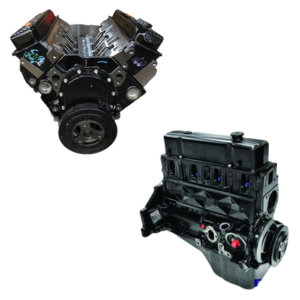
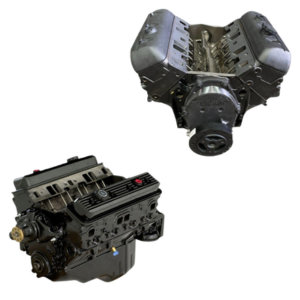
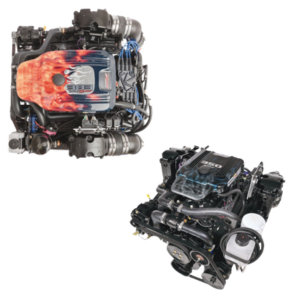
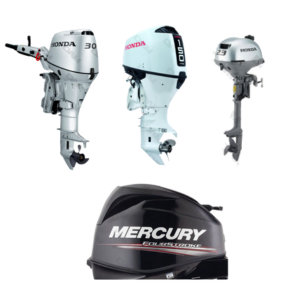




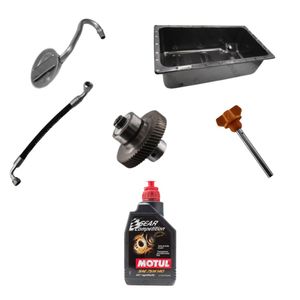
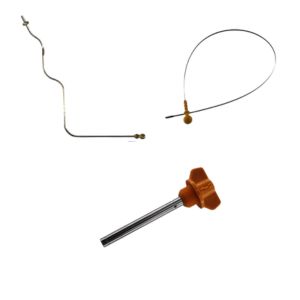
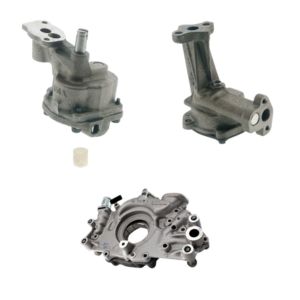
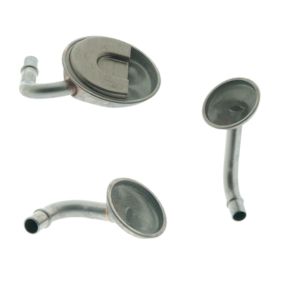


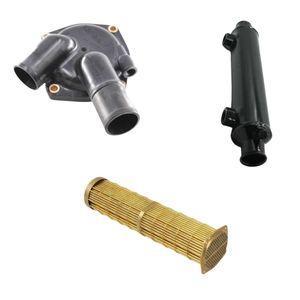
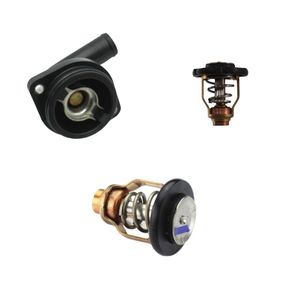
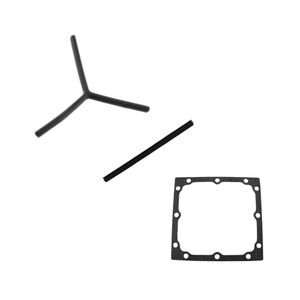
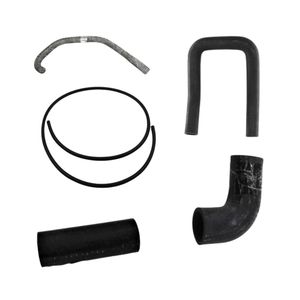

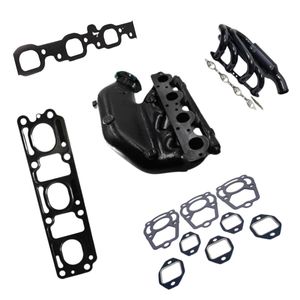
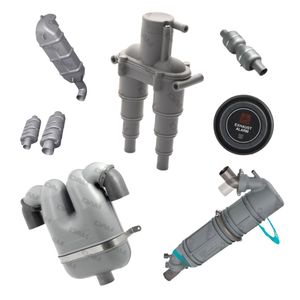
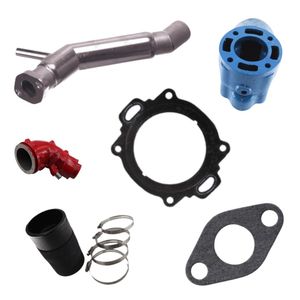
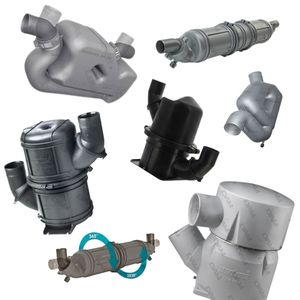
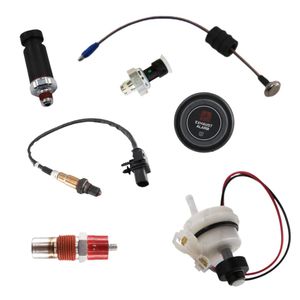
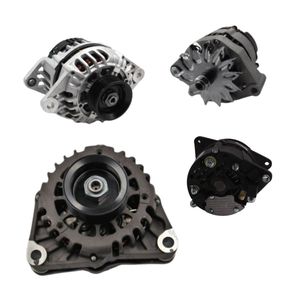
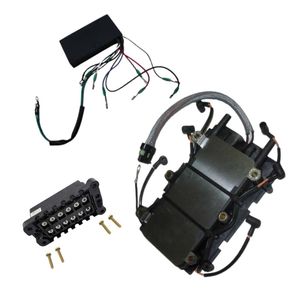
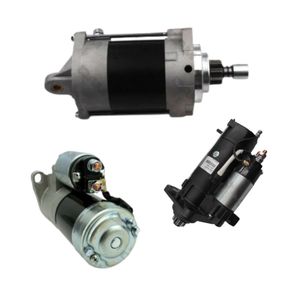
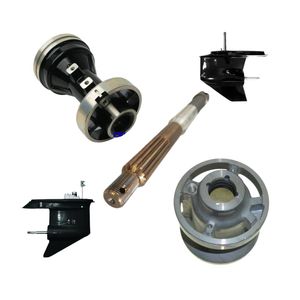
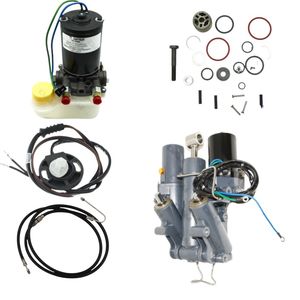
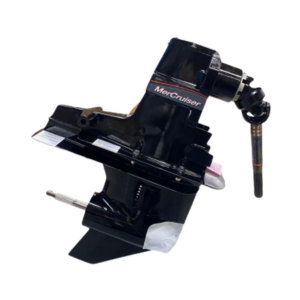
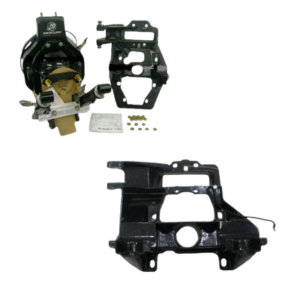

 Parts views
 Technical documents
 Ask for a quote
 Return request
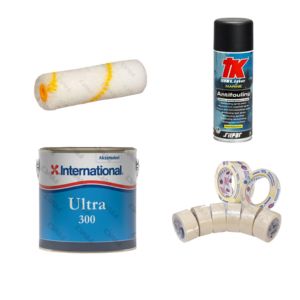
Preparing for haul-out maintenance? Find the right products to protect your hull.
View antifouling paintsThe amount of antifouling depends on the underwater surface area, the number of coats and the coverage stated on the tin. For a reliable estimate, first calculate the hull area from waterline length, beam, draft and hull type. Then divide this area by the product coverage and multiply by the number of coats. Finally, add a safety margin because roller losses, touch-ups and reinforced areas always use a little more product.
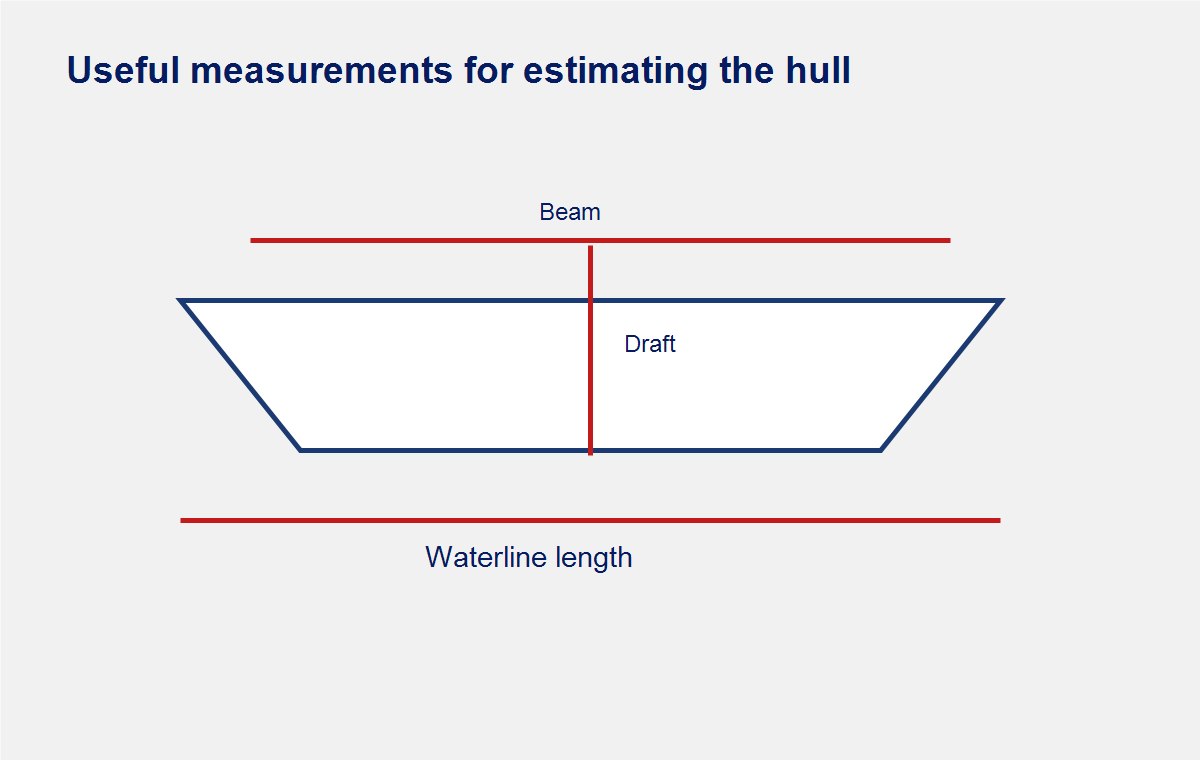
Which formula should you use to calculate boat antifouling quantity?
The most practical formula is to estimate the area to paint, then divide it by the coverage of the antifouling selected. The full calculation is: quantity in litres = hull area x number of coats / coverage, with a 10 to 20% margin depending on hull condition and application method.
Coverage is normally given in m² per litre and per coat on the technical sheet or tin. If an antifouling covers 10 m²/L and your hull area is 22 m², one coat requires about 2.2 L before margin. If you still need to select the right product, read the DAM Marine guide to choose the right antifouling for your boat.
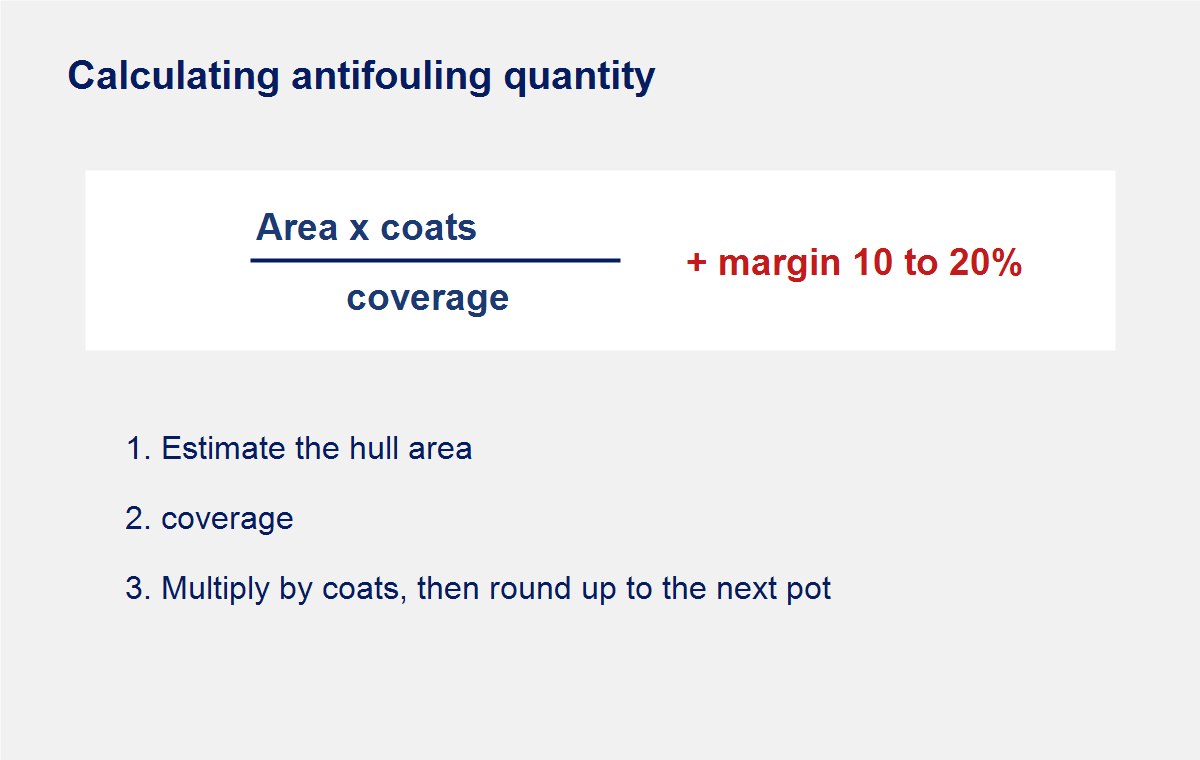
How do you calculate the hull area to paint?
Hull area is estimated from waterline length, maximum beam and draft. The formula changes with the boat type because a motor boat, a long-keel yacht and a modern fin-keel yacht do not have the same underwater area.
For a motor boat?
Use: waterline length x (beam + draft). This estimate suits fuller underwater hull shapes.
For a long-keel sailing yacht?
Use: 0.75 x waterline length x (beam + draft). The coefficient adjusts the estimate for the hull shape.
For a modern sailing yacht?
Use: 0.50 x waterline length x (beam + draft). This basis suits finer hulls with a narrow fin keel.
If you do not know the waterline length, use the boat builder data or measure as closely as possible when the boat is out of the water. Do not confuse overall length with waterline length.
How do you use the antifouling quantity calculator?
The calculator below applies the formula for your hull type. Enter the boat measurements, product coverage, number of coats and the tin size you plan to buy.
How many coats of antifouling should you allow for?
In most cases, two coats are recommended for even protection across the hull. Pay particular attention to the bow, rudder, keel, transom, waterline and high-flow areas. For cleaner application, also prepare suitable marine paint brushes.
This calculation is part of the wider boat careening process: once the quantity is estimated, you still need the right method to apply antifouling to the boat hull without wasting product.
One coat may be enough for local touch-ups if the existing coating is compatible. For a full annual application, always follow the manufacturer’s instructions on thickness, overcoating time and launch window.
For haul-out maintenance, group together antifouling, marine paint and hull-care products.
Prepare hull maintenanceWhat safety margin should you add?
A 10 to 20% safety margin is sensible to avoid running out at the end of the job. It covers tray losses, roller loading, touch-ups, a rougher surface and reinforced exposed areas. If the old coating is too thick, blistered or incompatible, first read the DAM Marine guide to remove antifouling from a boat hull.
On a smooth, well-prepared hull, 10% may be enough. On a rougher hull or when reinforcing the waterline, 15 to 20% gives more comfort.
A well-prepared underwater hull reduces excess thickness, improves glide and can also help you use less fuel when the boat is regularly kept afloat.
How do you convert litres into antifouling tins?
Once the total quantity is calculated, divide the volume by the tin size and always round up to the next full tin. If the calculation gives 3.1 L and tins are 2.5 L, allow for two tins.
Also check the available sizes for the selected antifouling. Depending on the range, tins are often around 0.75 L, 2.5 L or larger.
If some hull areas remain visible or are not intended to receive antifouling, learning how to polish a boat can complete the finish without replacing underwater protection.
What is an example calculation for an 11 m boat?
For an 11 m motor boat with 3.4 m beam and 1 m draft, the estimated area is 11 x (3.4 + 1), or 48.4 m². With coverage of 10 m²/L and two coats, this requires 9.7 L before margin.
With a 15% margin, the quantity is about 11.1 L. With 2.5 L tins, allow for 5 tins. A modern yacht with the same dimensions would use the 0.50 coefficient and would need about 5.6 L with two coats and 15% margin.
What should you check before buying antifouling?
Before buying, check compatibility with the old coating, hull material, sailing area and planned application method. The quantity calculation gives a volume, but product choice depends on how the boat is used. For extra consumables, the marine technical products.
Surface preparation should also preserve the substrate: if the hull is stripped back or gelcoat is exposed, follow good practices to protect hull gelcoat in winter.
Hard antifoulings are often suited to faster boats or hulls exposed to regular friction. Eroding antifoulings suit many leisure programmes, but performance depends on use, current, mooring and manufacturer recommendations. During haul-out, also check the boat anodes.
To complete preparation, also see the marine paints.
What should you remember when calculating antifouling quantity?
The right calculation relies on four figures: underwater area, coverage, number of coats and safety margin. If one figure is approximate, round up carefully.
| Item to check | Value to use | Practical advice |
|---|---|---|
| Hull area | Formula by boat type | Use waterline length rather than overall length. |
| Coverage | m²/L stated by the manufacturer | Do not confuse theoretical coverage with real use without margin. |
| Number of coats | Often 2 coats | Reinforce exposed areas if the technical sheet recommends it. |
| Margin | 10 to 20% | Increase the margin on rough or heavily exposed hulls. |
| Tin size | 0.75 L, 2.5 L or other size | Always round up to the next tin. |
FAQ
How many litres of antifouling are needed for a 5-metre boat?
For a 5 m boat, the amount mainly depends on beam, draft and number of coats. As a guide, a small hull may need around 1 to 3 L depending on shape and product coverage.
Should antifouling be renewed every year?
Many boats kept afloat receive antifouling during annual haul-out. Frequency depends on sailing area, product type, time in the water and hull condition.
This yearly check is often part of boat winterization or of the inspections carried out before you dewinterize a boat.
Can you keep leftover antifouling?
Leftover product may be used for touch-ups if it has been properly closed and stored according to the manufacturer’s instructions.
Is the coverage stated on the tin always exact?
Coverage is a useful reference, but real consumption varies with surface roughness, roller loading, dilution, film thickness and the applicator’s method.
Should the propeller be included in the antifouling quantity?
No. Propellers usually require a specific product compatible with metal and mechanical constraints.