


 Catalog
 Exploded views
















 Honda Marine






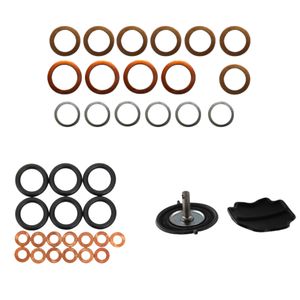
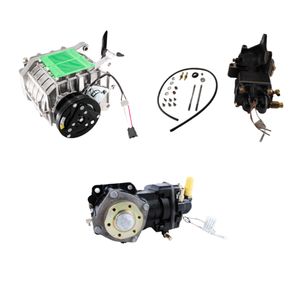
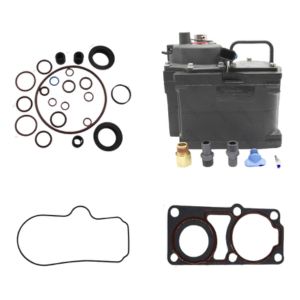
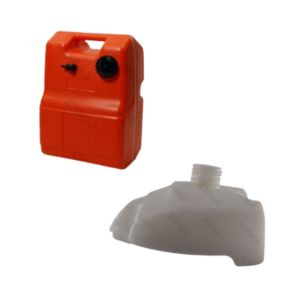
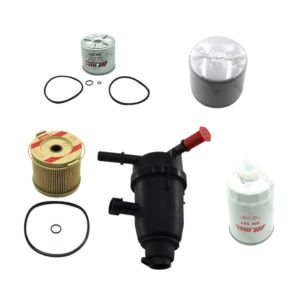


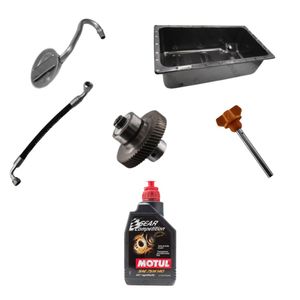










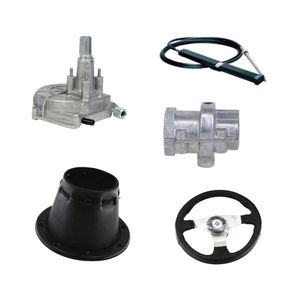
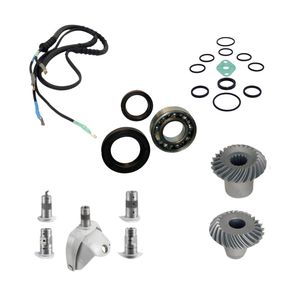
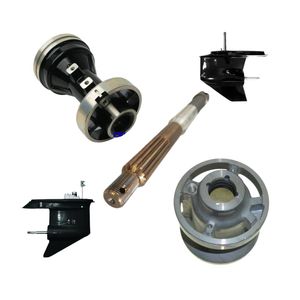
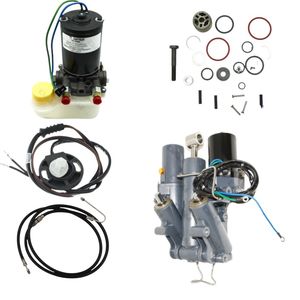







 Parts views
 Technical documents
 Ask for a quote
 Return request
Prepare the job with the right products, tools and consumables for hull maintenance.
See hull maintenanceTo polish a boat, first wash and degrease the hull, check the condition of the gelcoat, then work in small areas with a suitable polish. Polish removes a very fine oxidised layer to restore shine, but it does not replace gelcoat repair if there is a deep chip. A wax or finishing protection is recommended after polishing to extend the result. The method should remain progressive, especially on an old, coloured or heavily dulled hull.
Why polish a boat?
Polishing a boat revives gelcoat dulled by UV rays, salt, airborne deposits and repeated washing. Polish works as a very fine abrasive: it removes surface oxidation and restores depth to the colour, provided the gelcoat is still in good enough condition to respond.
This operation also has a practical purpose. A clean, glossy and protected hull holds less dirt, is easier to inspect and improves the boat's appearance when reselling. It complements other seasonal tasks, such as antifouling preparation, checking anodes or applying antifouling on submerged areas. More generally, a clean and well-maintained hull can also help you use less fuel, especially when underwater sections stay clean and smooth.
Does polish repair gelcoat?
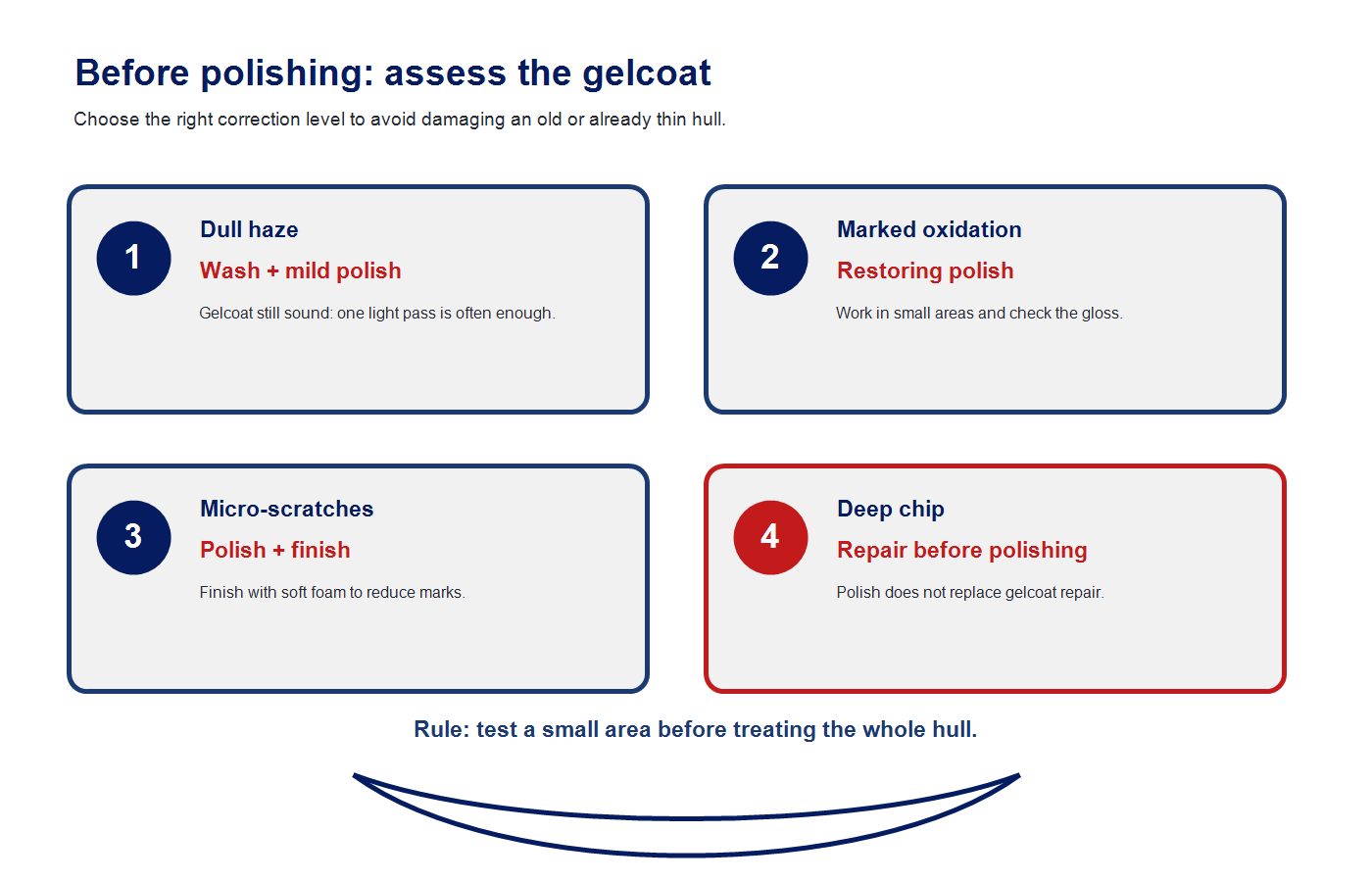
No. It mainly corrects superficial oxidation, dull haze and some micro-scratches. A crack, chip or deep scratch needs a suitable repair before finishing.
Does polish provide lasting protection?
Not sufficiently on its own. It prepares the shine, but a wax or finishing protection helps preserve the result against sun, salt and washing.
When should you polish a boat hull?
The best time to polish a hull is often in spring, after post-winter cleaning or during seasonal preparation. You can also do it after a haul-out, when the boat is dry, stable and easy to access. This job can therefore fit into boat winterization, then into the checks planned to dewinterize a boat before the season starts.
The frequency depends on the boat's exposure, the gelcoat colour and its maintenance. A white hull hides visual defects more easily, while a dark hull reveals marks, holograms and dull areas more quickly. In all cases, work on a cool surface, in the shade if possible, and avoid periods of strong heat.
What equipment do you need to polish a boat?
For a clean result, prepare a suitable cleaner or degreaser, clean microfibres, masking tape, a polish chosen according to the hull condition, polishing pads or wool pads, then a wax or final protection. A polishing machine makes work easier on large surfaces, but it must be used methodically.
Rotary or orbital polisher?
A rotary polisher is effective but requires more control. An orbital or dual-action polisher limits circular marks and is better suited to finishing or less experienced users.
Which pad should you choose?
A firmer pad or wool pad works faster on an oxidised hull. Softer foam is suitable for finishing passes and gelcoats that are still glossy.
Should you sand before polishing?
Only if the gelcoat is very oxidised or scratched. Sanding must remain progressive, be tested locally, and only be done when there is enough gelcoat thickness.
How should you prepare the hull before polishing?
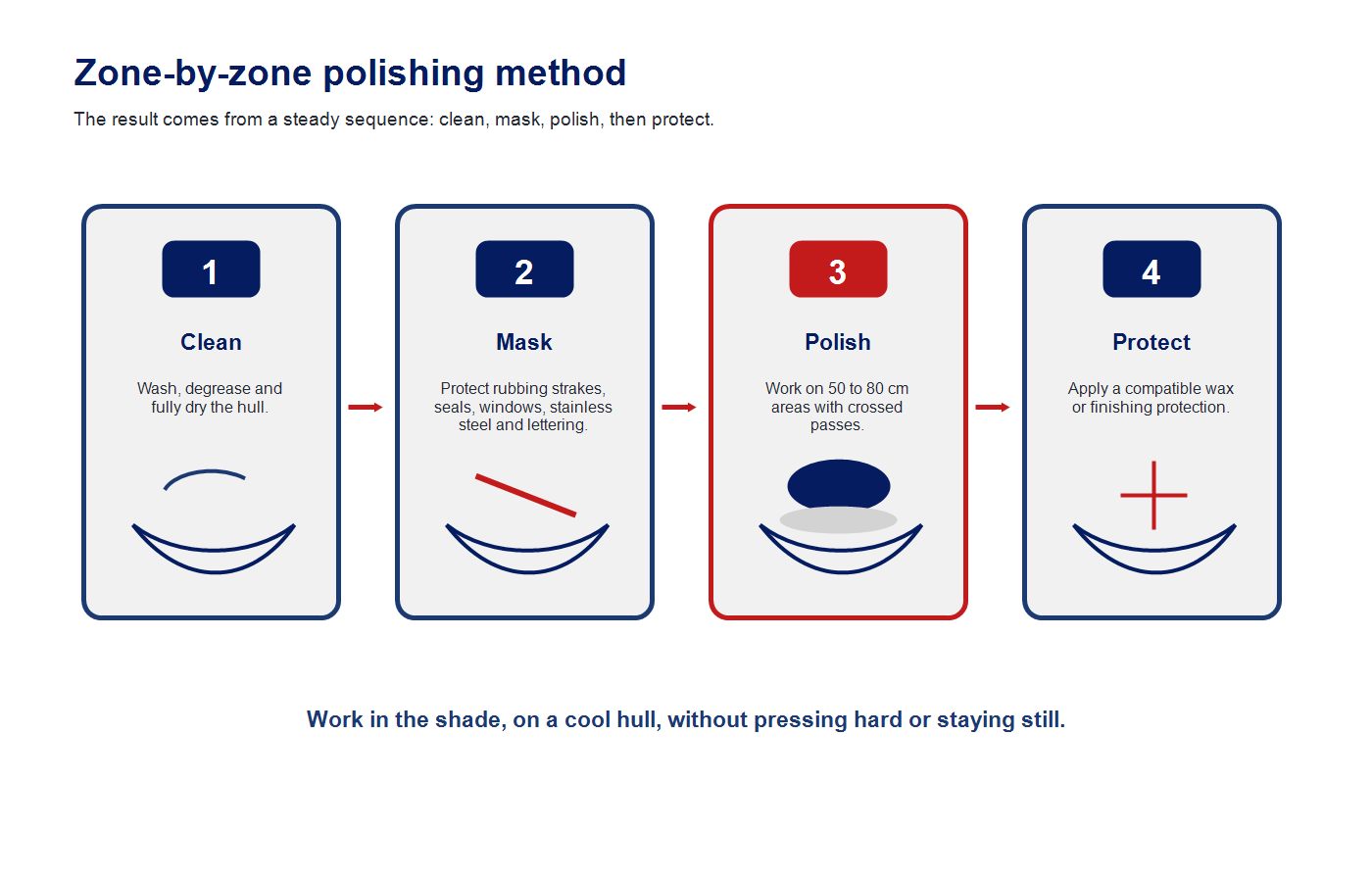
Preparation determines the result. Start by washing the hull with fresh water and a suitable product, then degrease areas marked by old wax, black streaks, runs or salt residue. Rinse carefully and let the surface dry before polishing.
Then mask sensitive areas: rubbing strakes, seals, windows, stainless steel, plastics, lettering, through-hulls and any parts that polish could whiten or soil. Use this step to inspect hull defects and protection accessories, especially hull anodes if the boat is ashore. To go further with corrosion protection, also read our article on the different types of boat anodes.
How do you apply polish to a boat hull?
Apply the polish in small areas, without trying to treat the whole hull in one pass. Put a small amount of product on the pad or surface, spread it before starting the machine, then work flat with crossed movements. The machine must keep moving to avoid heating the gelcoat.
Increase speed gradually if the product and machine allow it, without pressing hard. Controlled abrasion from the polish, combined with the right pad, does the work. When shine returns, wipe off residues with a clean microfibre and inspect the area from several angles before moving on.
To complete your preparation, DAM Marine groups together technical products, consumables and equipment for routine boat maintenance.
See technical productsWhich zone-by-zone method should you follow?
- Work on a small, clean area, ideally around 50 to 80 cm wide.
- Spread the polish before rotation to avoid splatter.
- Keep the pad flat and cross the passes vertically then horizontally.
- Reduce pressure when the shine returns, then wipe off residues.
- Check the result before choosing a second finer pass or protection.
How do you protect gelcoat after polishing?
After polishing, apply a marine wax or protection compatible with the polish used. This finish helps limit dirt adhesion, slows oxidation and gives the hull a smoother feel. It does not make the hull new, but it clearly extends the visual result. For cold weather or periods of inactivity, our guide also explains how to protect hull gelcoat during winter.
If you are carrying out a complete seasonal preparation, distinguish the areas clearly: polish is generally for topsides and visible gelcoat surfaces, while submerged sections relate more to hull maintenance and boat antifouling. If the underwater sections carry an unstable old coating, you should first remove boat antifouling before starting again on a sound base. If a new coating is planned, remember to calculate the required antifouling quantity before buying.
What mistakes should you avoid when polishing a boat?
The most common mistakes are working on a dirty hull, using too much product, staying too long in the same place or choosing a polish that is too aggressive for the first pass. On old gelcoat, the risk is not only visual: excessive correction can unnecessarily thin the surface.
Do not neglect safety either. A boat ashore must be reached with a stable step ladder or suitable platform, electrical extensions must remain protected, and safety glasses or gloves are recommended. For more complete hull work, also read our guides on how to prepare and antifoul a boat and applying antifouling to a hull.
| Step | Objective | Point to watch |
|---|---|---|
| Washing | Remove salt, dust, runs and old dirt. | Never polish a still-contaminated surface. |
| Degreasing | Remove old wax or previous product residue. | Let the surface dry completely before polishing. |
| Polishing | Revive gelcoat and correct light oxidation. | Work in small areas without overheating the surface. |
| Finishing | Increase shine and protect the result. | Check compatibility between polish, wax and protection. |
FAQ about boat polish
What is the best way to polish a boat?
The best method is to clean, degrease, test a small area, then polish progressively with a product suited to the gelcoat condition. The finish should be protected with wax or a compatible product.
What is the best boat polish?
The best polish depends on the hull condition. Slightly dull gelcoat needs a finishing or mild restoring polish, while a very oxidised hull may require a more abrasive first pass followed by finishing.
How much does boat polishing cost?
The cost varies according to boat length, gelcoat condition, hull access, number of passes and requested finish. A heavily oxidised or dark hull often requires more time than one maintained regularly.
How can you polish gelcoat without leaving marks?
Use a clean pad, a moderate amount of product, work flat and wipe residues with a clean microfibre. Marks often come from excess product, heat build-up or a saturated pad.
Can you polish a boat by hand?
Yes, on small areas or for light finishing. On a full hull, a polisher gives a more even result and reduces effort, provided it is used carefully.