


 Catalog
 Exploded views
















 Honda Marine
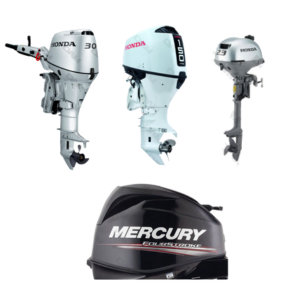


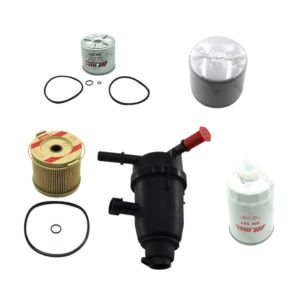


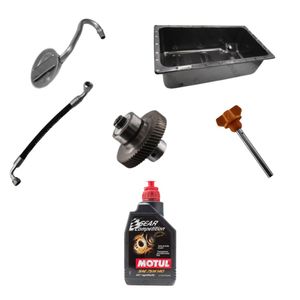
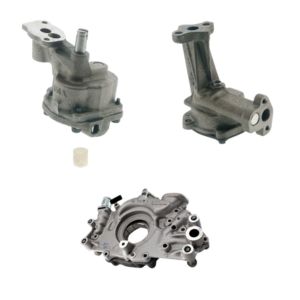


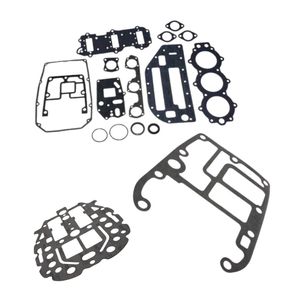
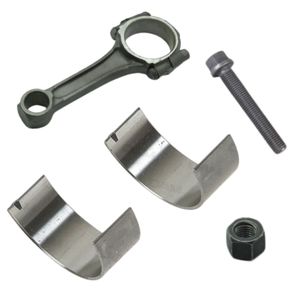
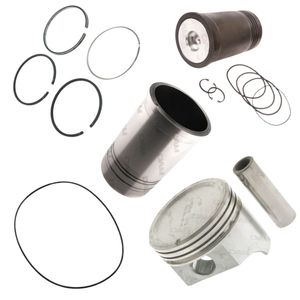
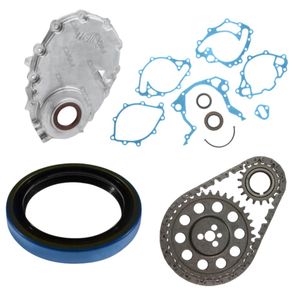

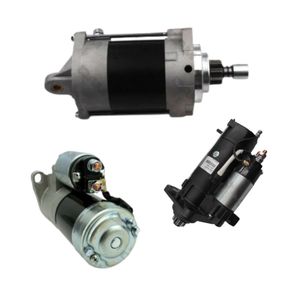
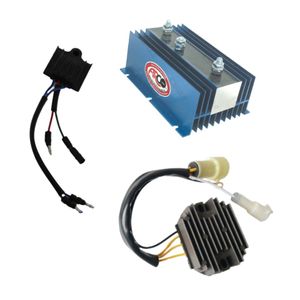
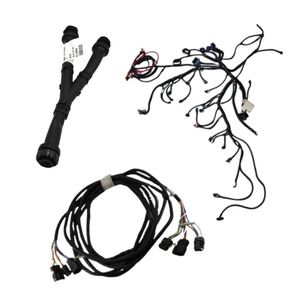
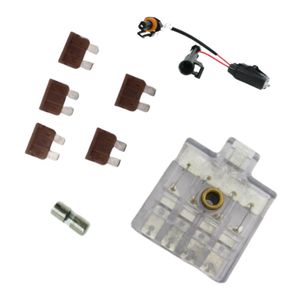
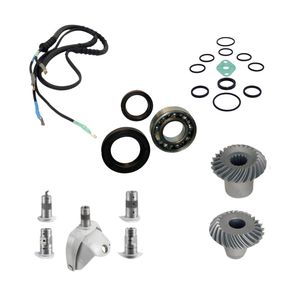
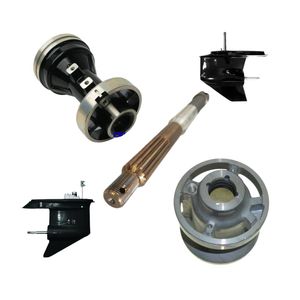
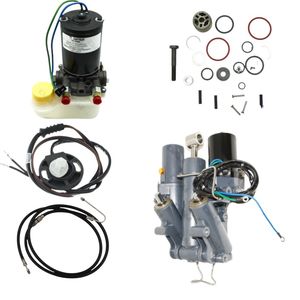
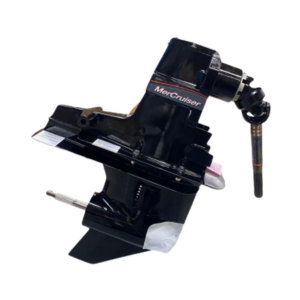

 Parts views
 Technical documents
 Ask for a quote
 Return request
Prepare your careening work with products and accessories suited to your boat hull.
View hull maintenanceTo remove antifouling from a boat, you can scrape, sand, use a suitable stripper or call a professional for abrasive blasting. The right method depends on the number of layers, the condition of the gelcoat, the time available and the finish expected. The priority is to protect the hull, collect the waste and work with a mask, goggles, gloves and coveralls. After removal, the surface must be checked, rinsed, dried and prepared before primer or new antifouling paint.
When should boat antifouling be removed?
Antifouling should be removed when old coats build up, flake, blister, hide the true condition of the hull or prevent a clean new application. If the existing antifouling is sound, compatible and well bonded, cleaning, light wet sanding and a new coat may be enough.
This step is part of a broader boat careening process, including hull cleaning, surface preparation, inspection and protection renewal.
Full stripping becomes useful after several seasons of overcoating, before changing paint system, when hull performance drops or when you want a bare hull to inspect the gelcoat. It is also an opportunity to spot defects, cracks, older repairs or early signs of osmosis. For this work, the boat hull accessories category can complete your careening equipment.
A rough or heavily coated hull also increases drag: proper stripping and a clean new coating can help you use less fuel over the season.
Which method should you choose to remove antifouling?
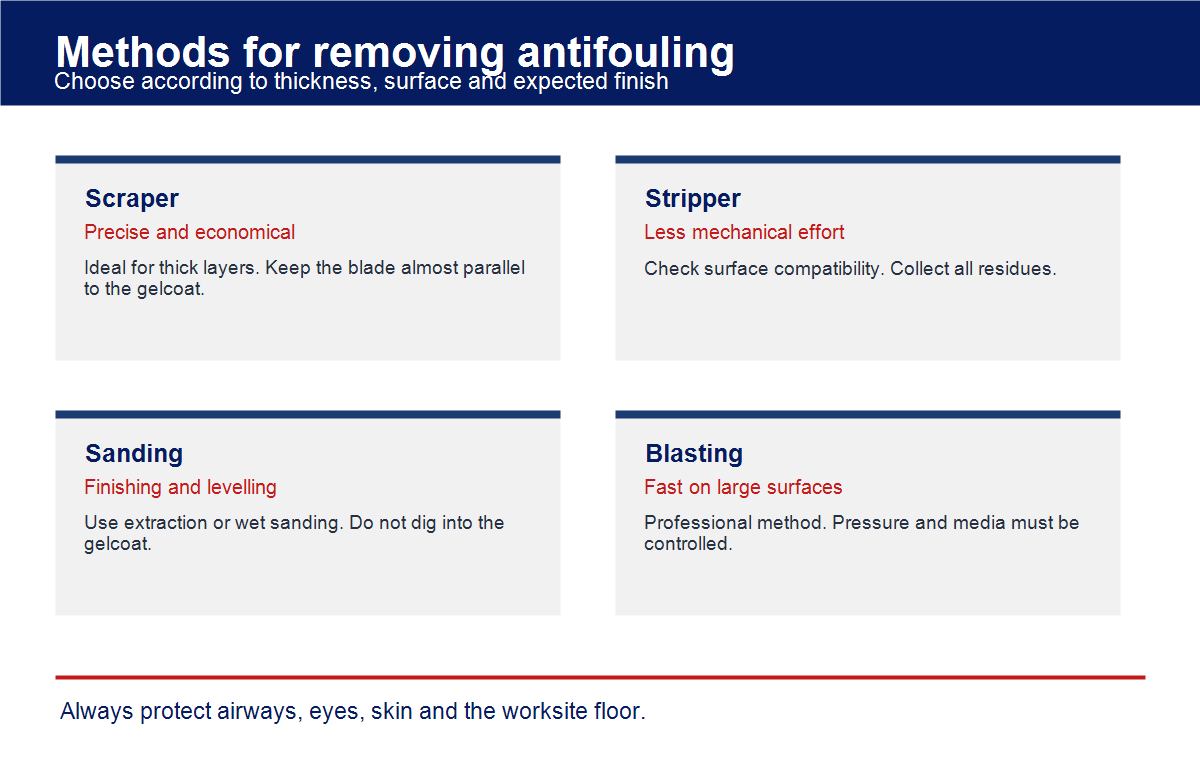
The method depends mainly on the thickness to remove and the level of risk acceptable for the gelcoat. A scraper is economical and precise, a stripper reduces mechanical effort but creates chemical residues, sanding must remain cautious, and abrasive blasting suits heavily coated hulls when performed by a professional.
Is a scraper suitable?
Yes, for thick or weakened layers without producing as much dust as sanding. Keep the blade almost parallel to the hull and control its edges to limit scratches.
Is stripper easier?
It makes removal easier when the product is compatible with the surface. Respect the dwell time, work in sections and collect the antifouling-loaded paste.
Is sanding recommended?
It is mainly useful for finishing or levelling. For full removal, it creates harmful dust and can damage gelcoat if grit, pressure or extraction are poorly controlled.
Low-pressure abrasive blasting or wet blasting can save time on a heavily coated hull. It requires real expertise: pressure, media, distance and protection of sensitive areas must be carefully adjusted.
Before repainting, choose antifouling and primer compatible with your sailing programme.
View antifouling paintsHow do you remove antifouling step by step?
Start by hauling the boat out, supporting it correctly and washing the hull with fresh water to remove salt, mud and marine growth. Then work on a dry or lightly damp surface depending on the method, protecting the ground with a sheet to collect waste.
How should the work area be prepared?
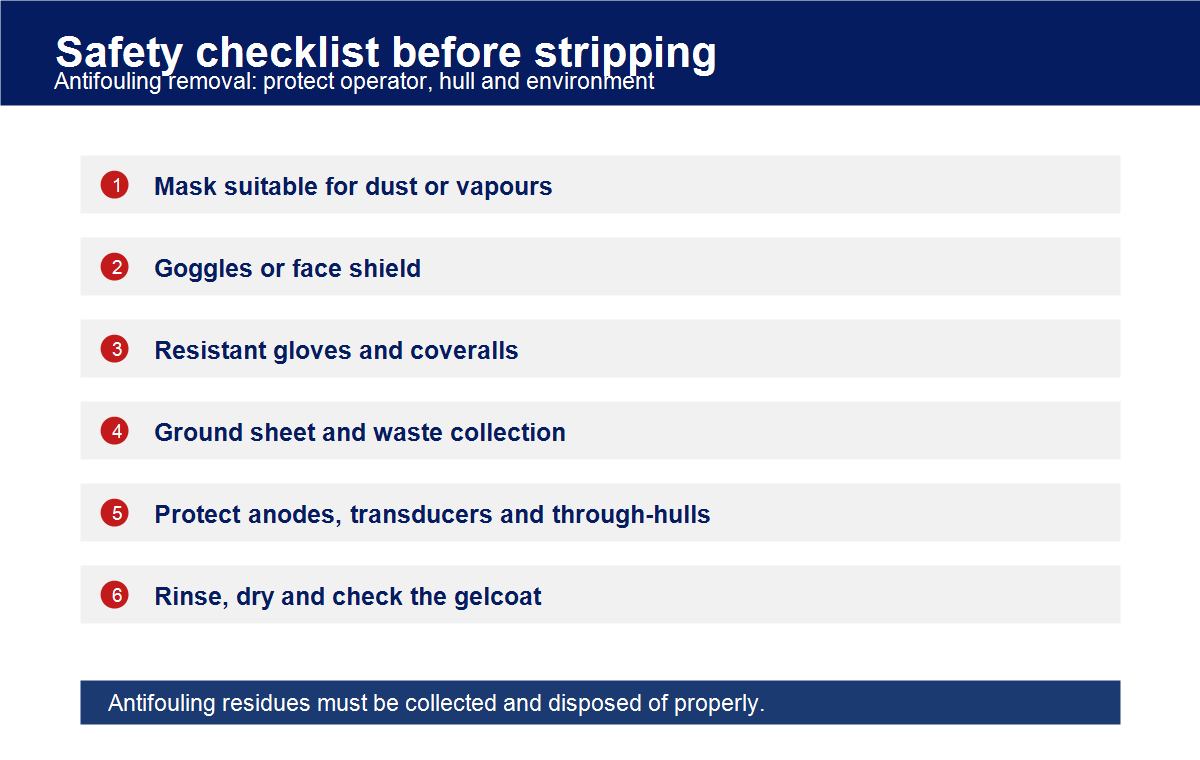
Set the boat on a stable cradle, stands or trailer, with enough room to work under the hull. Protect anodes, transducers, through-hulls, propeller, shaft, drive and RIB tubes. Antifouling residues must not run into the ground or wash water. If corrosion protection needs replacing after the job, also check the condition of the boat anodes.
If corrosion protection needs replacing, our guide to the different types of boat anodes will help you understand which parts to check.
How can you scrape without damaging the gelcoat?
Use a good scraper, sharp but controlled, keeping the blade almost parallel to the hull. Work in regular strips and do not insist on an area already stripped. If the blade catches, reduce the angle or change direction rather than forcing it.
How should antifouling stripper be used?
Apply a stripper designed for antifouling and compatible with polyester hulls or gelcoat. Let it work according to the product sheet, then remove the softened material with a spatula or scraper. Repeat if required rather than attacking the hull mechanically. marine technical products include consumables for preparing and protecting surfaces.
How do you finish the surface?
Once the layers are removed, level the surface with fine wet sanding or a suitable abrasive without digging into it. Rinse thoroughly, allow to dry, then inspect the hull in raking light before painting.
If the exposed areas need a cleaner cosmetic finish after the job, you can also review how to polish a boat outside the zones intended for antifouling.
What precautions protect the hull?
Protect your health and the environment first, because antifouling dust and residues can be harmful. Wear at least a suitable mask, goggles, gloves and coveralls, then collect the waste for proper disposal.
On a polyester hull, the gelcoat is an essential barrier. Deep scratches, aggressive sanding or poorly adjusted blasting can create more work than they solve. On a RIB, avoid aggressive products on the tubes and protect them carefully.
When the gelcoat is exposed or weakened, good practices to protect hull gelcoat in winter help avoid leaving the surface vulnerable for too long.
If you see blisters, soft areas, very thin gelcoat or old repairs, stop stripping and seek professional advice. Removing antifouling should not hide a hull diagnosis.
What should you do after removing antifouling?
After removal, the hull must be clean, sound, dry and lightly prepared before any new protection. Depending on the system chosen, you may need an adhesion primer, an epoxy barrier coat or a compatible antifouling directly over the remaining substrate.
Before repainting, remember to calculate the amount of antifouling needed and then follow a clean method to apply antifouling to the boat hull.
If you apply antifouling again, follow the manufacturer's overcoating times and prepare the right accessories: rollers, marine paint brushes, masking tape, compatible thinners and protective equipment. High-wear areas such as the bow, waterline, rudder or drive may need extra attention.
To choose the right product, you can also read the DAM Marine guide How to choose the right antifouling for your boat?.
How much does antifouling removal cost?
The cost varies widely according to boat size, number of layers, method and expected finish. If you do it yourself, the budget mainly covers protective gear, abrasives, scrapers, strippers and consumables. A professional blasting service costs more but can greatly reduce workshop time.
The real cost to anticipate is often time: removing years of antifouling from a 6 to 8 metre hull can take many hours of manual work. A professional quote should include support, site protection, finishing, waste treatment and any touch-ups.
What should you remember before starting?
| Method | Advantages | Watch points |
|---|---|---|
| Scraper | Economical, precise, limited dust | Physical work, scratch risk if the blade angle is wrong |
| Stripper | Softens layers, reduces mechanical effort | Surface compatibility, dwell time, sticky residues to collect |
| Sanding | Useful for finishing and levelling | Harmful dust, extraction required, gelcoat risk |
| Abrasive blasting | Fast on large surfaces and thick layers | Professional adjustment required, finish to inspect |
FAQ about boat antifouling removal
How can you remove boat antifouling without sanding the entire hull?
A scraper and antifouling stripper are the two main options. Sanding remains useful for finishing, but it is not always necessary to sand the whole hull if the layers come away cleanly.
Can antifouling be completely removed?
Yes, but the result depends on the number of coats, the paint type and the condition of the surface. Pigment traces may remain in pores or micro-scratches on older systems.
Can you sail without antifouling?
Yes, if the boat spends little time in the water or is stored ashore, on a trailer or in a rack. A boat kept afloat for weeks is exposed to algae, barnacles and performance loss without antifouling.
Must all old antifouling be removed before applying a new one?
Not always. If the existing antifouling is compatible, stable and well bonded, it can be cleaned, keyed and overcoated. Remove it fully when it flakes, is too thick, incompatible or prevents proper preparation.
Can a heat gun be used on a polyester hull?
This requires great care. Heat may soften some paints, but it can also damage the substrate if poorly controlled. On polyester and gelcoat, prefer methods designed for marine use.