


 Catalog
 Exploded views

















 Honda Marine




















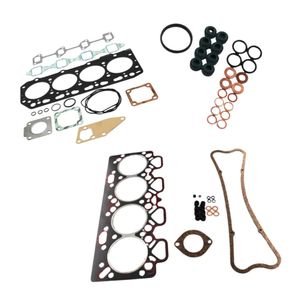
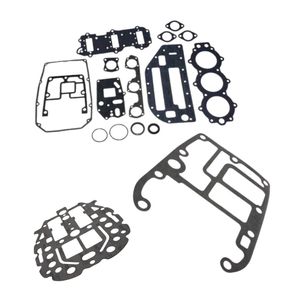
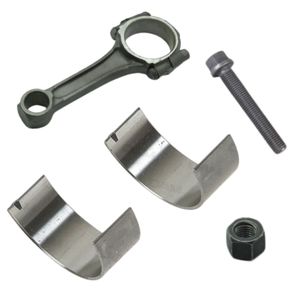
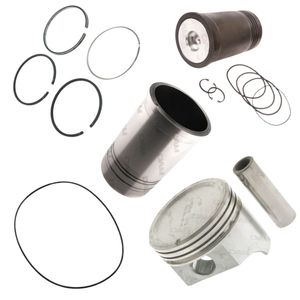














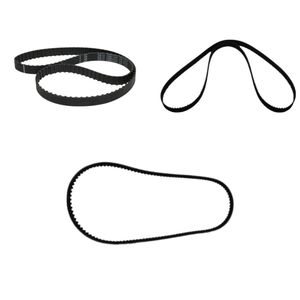
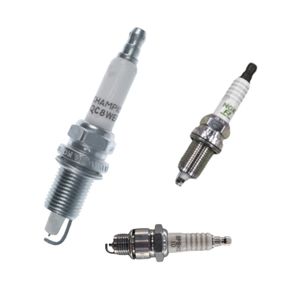
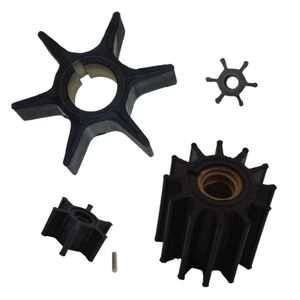
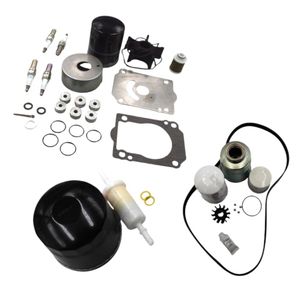



















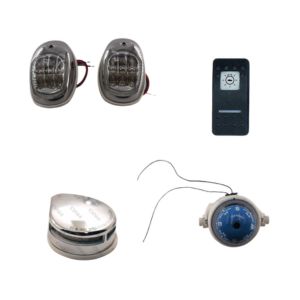
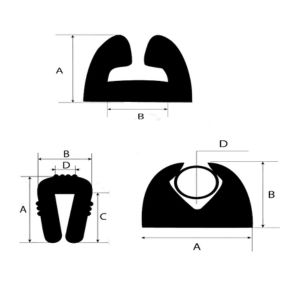


 Parts views
 Technical documents
 Ask for a quote
 Return request
Prepare your hull before winter with products and accessories suited to marine maintenance.
See hull maintenanceGelcoat protects a polyester hull against water, UV exposure, dirt and minor surface aggression. Before winter, it should be cleaned, dried, inspected and any visible defects should be dealt with before moisture remains on the hull for several months. Sound gelcoat can be protected with polish or marine wax, while a chip, crack or blister needs closer diagnosis. Winter lay-up is therefore the right time to distinguish routine care, local repair and heavier renovation.
Why protect hull gelcoat before winter?
Protecting hull gelcoat before winter helps prevent dirt, moisture and small surface defects from settling in for several months. Gelcoat is the finishing layer that protects the polyester laminate: when it becomes porous, dull or cracked, it holds black streaks, salt, atmospheric deposits and standing water more easily.
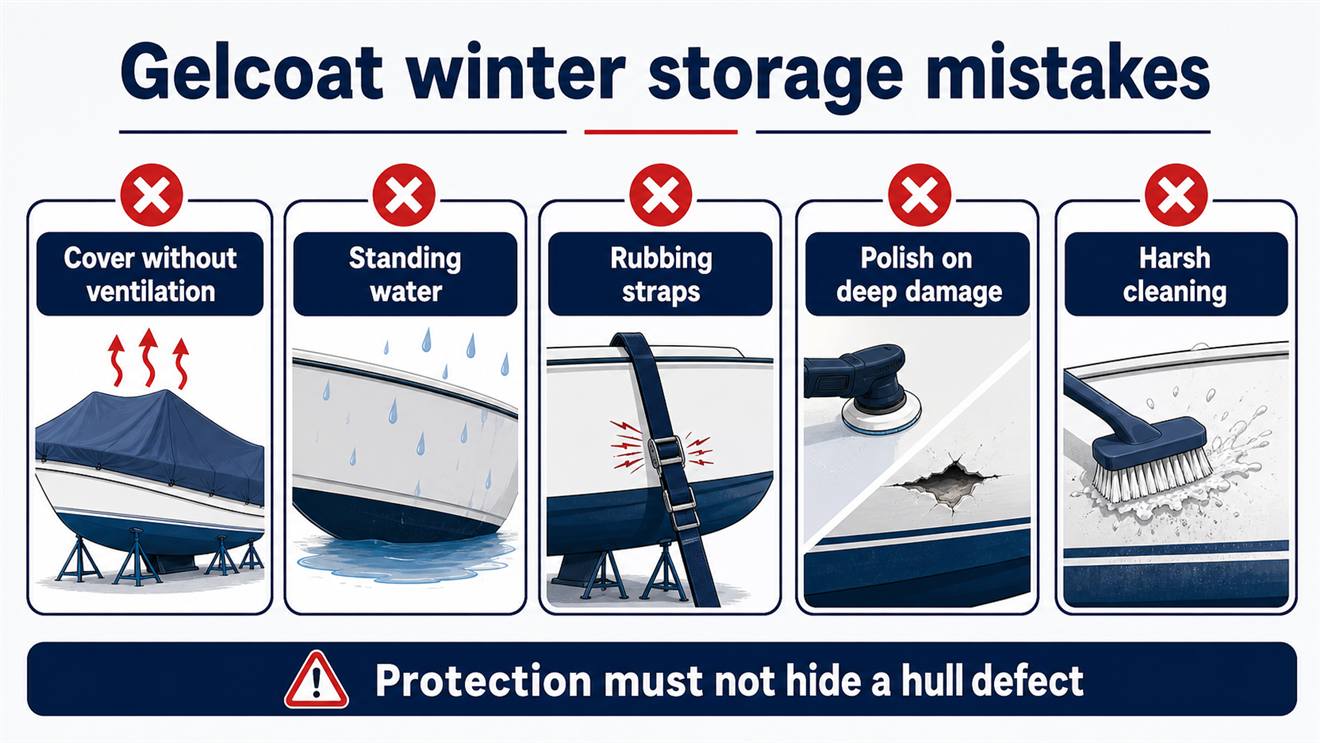
Winter does not automatically damage a hull, but it often reveals defects that were already present. A boat left dirty, poorly rinsed or covered without ventilation can come out in spring with more marked gelcoat, embedded streaks or areas that are difficult to recover. For a broader preparation, you can also read the DAM Marine guide to prepare full boat winterisation.
Which gelcoat defects should be inspected before winter lay-up?
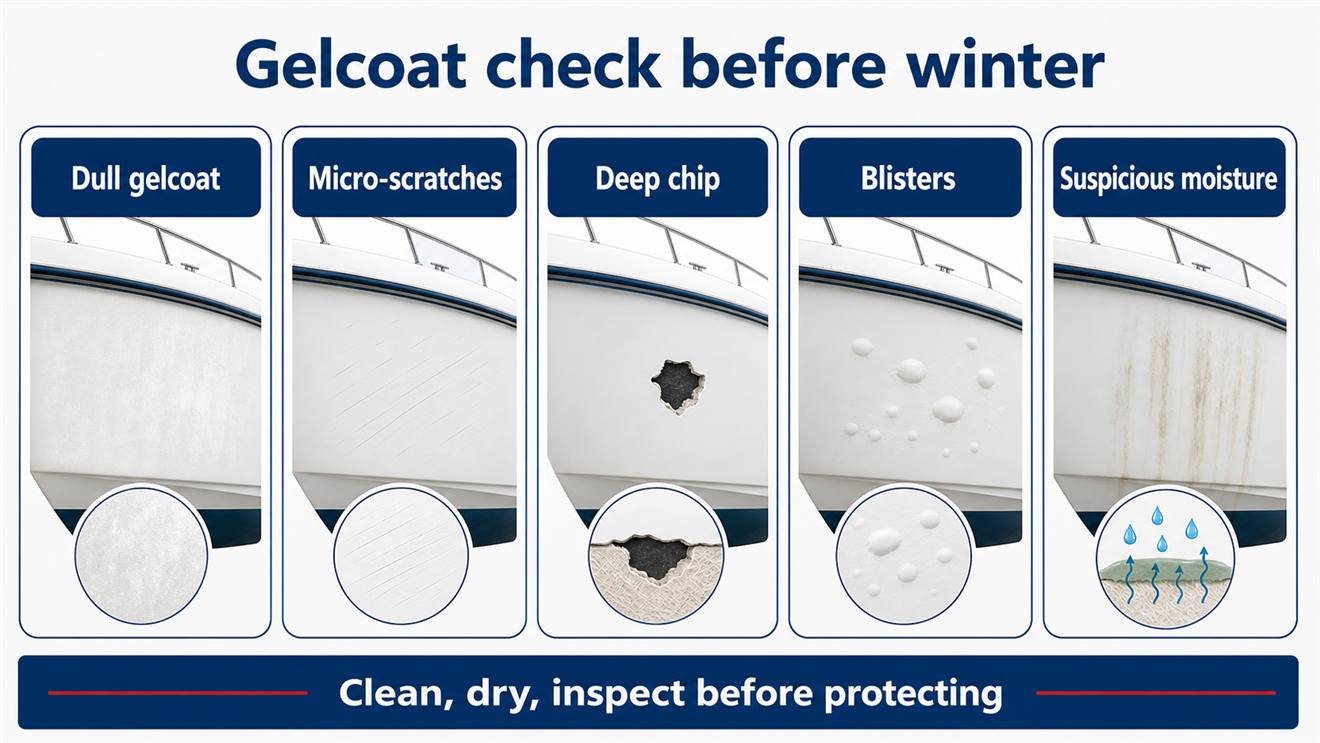
Before winter lay-up, inspect the gelcoat once the hull is clean and dry. Important defects are not always visible immediately after washing: grazing light helps reveal dull areas, micro-scratches, chips, cracks around fittings and suspicious marks close to the waterline.
How do you recognise dull or oxidised gelcoat?
Oxidised gelcoat loses its shine, feels chalky or marks quickly after cleaning. It can often be recovered with a progressive polishing method, then protected with suitable wax.
When does a scratch become a concern?
A fine surface scratch is mainly cosmetic. A deep scratch, chip or exposed substrate should be repaired before winter to avoid water ingress and worsening damage.
What should you do if blisters appear?
Blisters, an acidic smell when opened or soft areas can indicate a more serious issue, including possible osmosis. In that case, avoid hiding the defect with a quick finish.
Use haul-out to check appendages, through-hulls, anodes and areas close to the antifouling. The DAM Marine guide to boat anodes is a useful complement to this inspection.
How do you clean gelcoat before winter without damaging it?
To clean gelcoat before winter, start with a thorough fresh-water rinse to remove salt, dust and surface deposits. Then use a cleaner suitable for marine use, a sponge or a soft brush, rinse again and allow the hull to dry completely.
Avoid overly aggressive cleaning as a first step. Acidic or abrasive products can be useful in specific cases, but they must remain compatible with the surface and be followed by careful rinsing. A hull cleaned too harshly may lose protection and become more sensitive to dirt during storage.
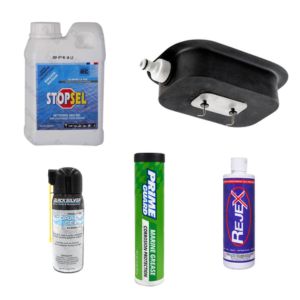
To prepare the hull before winter lay-up, find technical products, accessories and maintenance consumables.
See technical productsShould you polish or wax gelcoat before winter lay-up?
Polish or wax can be useful before winter lay-up if the gelcoat is sound but dull or slightly oxidised. Polish restores the surface by controlled abrasion; wax or a finishing protection then helps reduce dirt adhesion and makes spring cleaning easier. For a more detailed method, you can also read the DAM Marine guide on how to polish a boat without overworking the surface.
However, polish does not repair a chip, deep crack or weakened area. On a heavily damaged hull, it is better to diagnose and repair before looking for shine. If you are working as part of a fuller seasonal preparation, the DAM Marine article on how to careen a boat puts gelcoat checks back into overall hull maintenance.
When should gelcoat be applied or a damaged area repaired?
Gelcoat repair should be considered when a scratch, chip or sanding mark has gone deeper than the finish layer. The aim is to close the surface, restore coherent protection and prevent water or dirt entering the defect during winter.
A local repair requires a clean, degreased, dry and properly prepared surface. On a large area, a structural zone or whenever the origin of the defect is unclear, it is better to seek professional advice. Winter is often a good time for this kind of work, because the boat is immobilised and drying times can be respected more easily.
If the area concerns the underwater hull or an old paint system, also check compatibility with the existing antifouling. Before rebuilding a full coating system, it is better to choose the right antifouling according to the surface, cruising area and boat use. The DAM Marine guides to removing antifouling from a boat hull and applying antifouling to the hull cover these complementary steps.
Should you paint over gelcoat?
Painting over gelcoat is not the first solution for a hull that is simply dull or dirty. In many cases, cleaning, light renovation, local repair and finishing protection are enough to extend the life of the gelcoat.
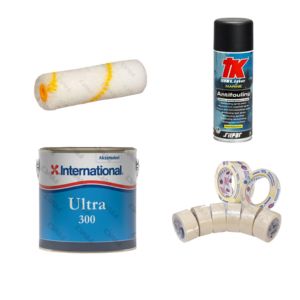
Paint becomes relevant when gelcoat renovation is no longer realistic, when the surface has already been repaired or when a full coating system is planned. It then requires rigorous preparation: suitable sanding, degreasing, compatible primer and respect for overcoating times. DAM Marine categories for marine paints, paint brushes and boat antifouling may be useful depending on the area concerned.
Which checklist should you follow to protect the hull in winter?
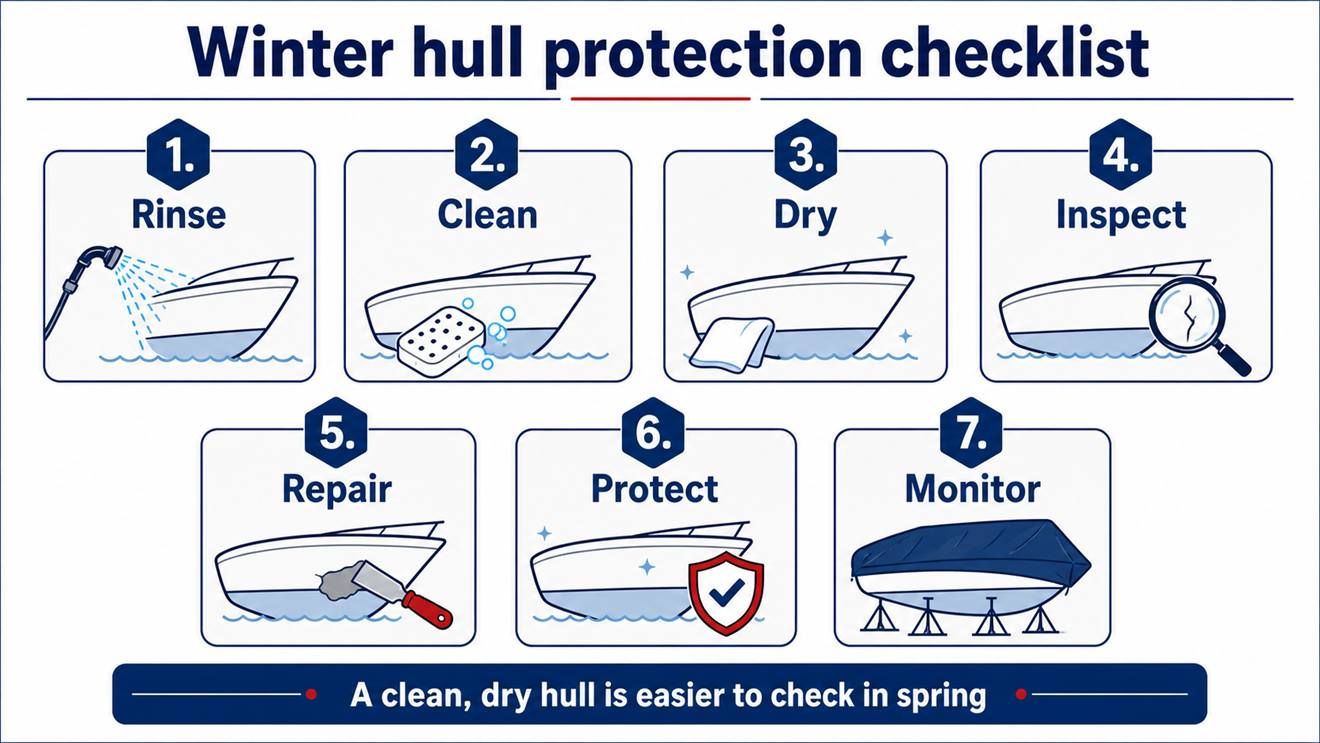
The right method is to prepare the hull before storage, then check the boat occasionally during winter. A poorly ventilated cover, standing water or a rubbing point can mark gelcoat even after careful cleaning. Contact areas deserve the same attention: properly chosen boat fenders also help reduce rubbing when the boat is moored alongside.
| Step | Objective | Watch point |
|---|---|---|
| Rinse | Remove salt, dust and surface deposits. | Focus on the waterline, transom and streak areas. |
| Clean | Remove dirt before storage. | Use a product compatible with gelcoat. |
| Dry | Avoid trapping moisture under protection. | Wait for real drying before covering or applying finish. |
| Inspect | Spot cracks, chips, blisters and dull areas. | Do not hide a suspicious defect with polish. |
| Protect | Limit dirt adhesion during winter. | Choose protection suited to sound gelcoat. |
| Monitor | Check cover, ventilation and rubbing points. | Avoid standing water and straps marking the hull. |
If you plan to renew the antifouling in spring, anticipate your needs too. The DAM Marine guide to calculating the quantity of antifouling required can help you prepare purchases before relaunch. When the season starts again, remember to de-winterize the boat methodically before the first trips.
FAQ about hull gelcoat in winter
How long does gelcoat last?
Gelcoat life depends on UV exposure, salt, washing, maintenance quality and the age of the boat. Regularly maintained gelcoat can remain protective for a long time, but it often becomes dull, oxidised or more porous over the years.
Does gelcoat yellow faster in winter?
Winter is not always the direct cause of yellowing. Marks mostly appear when the hull remains dirty, damp, poorly ventilated or in prolonged contact with streaks. Cleaning before storage greatly reduces this risk.
Can a gelcoat scratch be left over winter?
A fine surface scratch can wait if it has not gone through the finish. A deep scratch, chip or area where the substrate is visible should be repaired or at least protected before long storage.
Does polish really protect gelcoat?
Polish mainly restores the surface and corrects light oxidation. Protection comes more from the wax or finishing product applied afterwards. Correction, shine and protection should therefore be distinguished.
Are gelcoat and topcoat the same thing?
The two products are close, but their use differs depending on the system. Gelcoat is linked to laminate finishing, while topcoat is generally formulated to finish a surface exposed to air. For repair, choose a product suited to the intended use.
Should osmosis be treated before or after winter?
Suspected osmosis should be diagnosed before covering or hiding the area. Treatment may immobilise the boat for a long time; winter can therefore be a suitable period, but improvised repairs should be avoided.