


 Catalog
 Exploded views














 Honda Marine






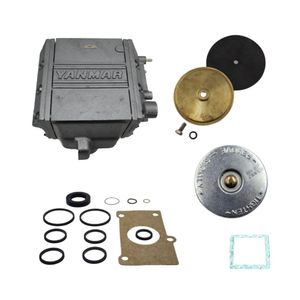
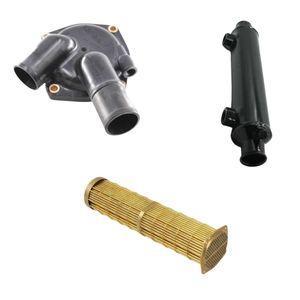
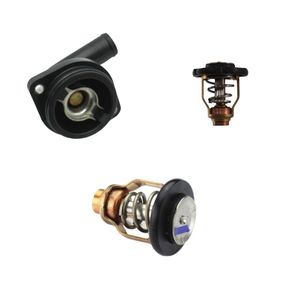
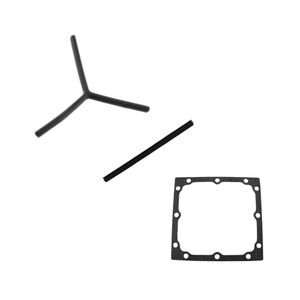
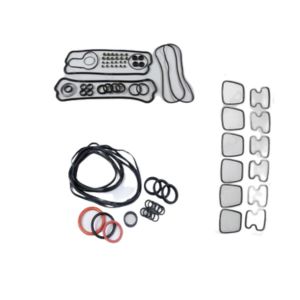
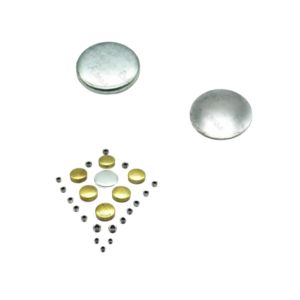
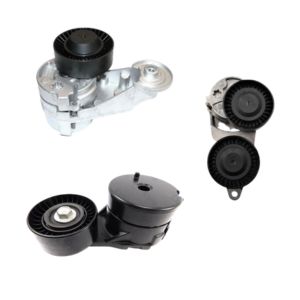
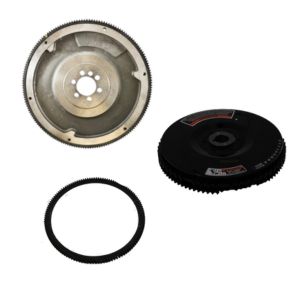


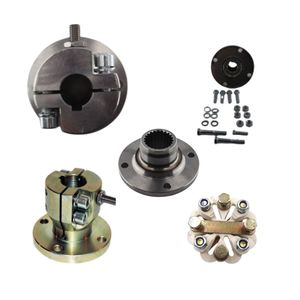
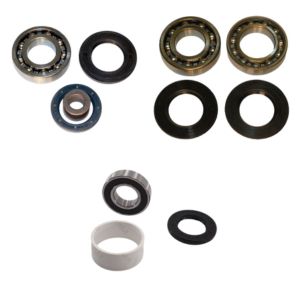
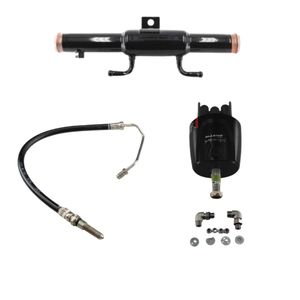
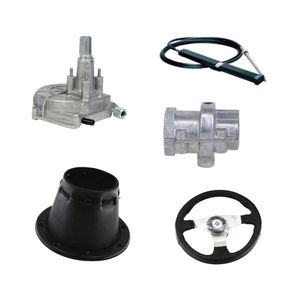
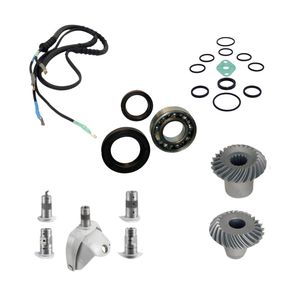
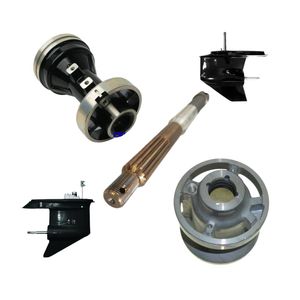
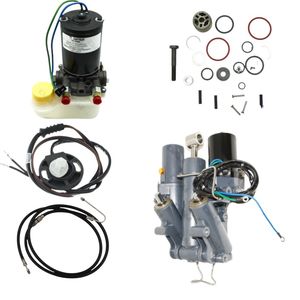
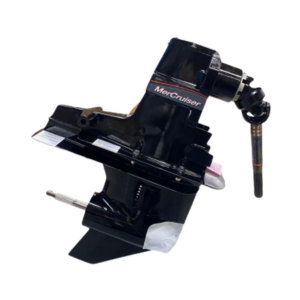

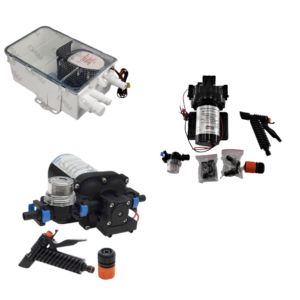
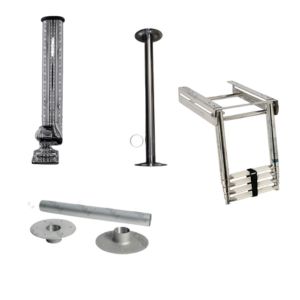
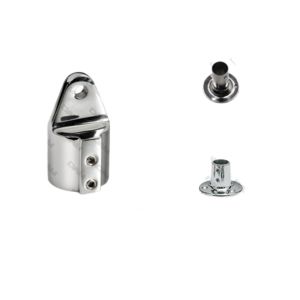
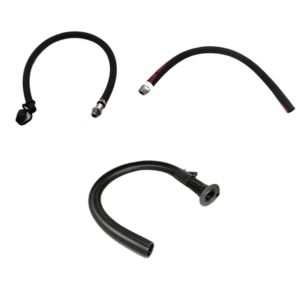
 Parts views
 Technical documents
 Ask for a quote
 Return request
Outboard lower unit propeller shaft: short or long shaft, how do you choose?
DAM Marine helps you identify the right part according to your engine, lower unit and serial number.
A lower unit propeller shaft is the part that transmits rotation from the lower unit to the propeller. The shaft length of an outboard refers instead to the engine height, as a short, long, XL or XXL shaft. The right choice mainly depends on the transom height and the position of the anti-ventilation plate. Incorrect installation can cause ventilation, loss of power, vibrations or excessive fuel consumption.
What is a lower unit propeller shaft?
A lower unit propeller shaft is the mechanical shaft that transmits torque from the lower unit to the propeller. On an outboard engine or sterndrive lower unit, it sits inside the gearcase and connects the internal gears to the propeller mounted outside.
You may also see it called a prop shaft, propeller shaft, or, on inboard boats, a shaft line. In every case, its role is simple: to rotate the propeller smoothly, in alignment, and with enough strength to transmit propulsion effort.
To better understand the whole mechanical chain, you can also read DAM Marine’s guide to the operation of a boat propulsion system.
How do you choose between a short shaft and a long shaft?
The choice between a short shaft, long shaft, XL or XXL shaft primarily depends on transom height. It does not depend only on the boat’s size or the engine power. The aim is to position the propeller and anti-ventilation plate correctly in relation to the bottom of the hull.
| Common name | Engine shaft length | Typical transom height | Common use |
|---|---|---|---|
| Short shaft | 15 inches, approx. 381 mm | Approx. 380 mm | Tenders, small boats, low transoms |
| Long shaft | 20 inches, approx. 508 mm | Approx. 510 mm | RIBs, V-hulls, versatile boats |
| XL shaft | 25 inches, approx. 635 mm | Approx. 635 mm | Sailboats, high transoms, rough-water use |
| XXL shaft | 30 inches, approx. 762 mm | Approx. 760 mm | Very high transoms, specific boat setups |
These values are indicative: the boat and engine manufacturer’s recommendations should always be checked.
When should you choose a short shaft?
A short shaft is mainly suited to low transoms, often found on tenders, small lightweight boats or simple hulls. It allows the propeller to work at the right depth without adding unnecessary drag.
When should you choose a long shaft?
A long shaft is suited to higher transoms, especially on many RIBs and V-hulls. It keeps the propeller properly immersed, including during acceleration or turns.
When should you use XL or XXL?
XL and XXL shafts are used for very high transoms, sailboats or configurations where the stern may lift out of the water. They reduce the risk of ventilation in rough seas.
How do you measure transom height?
To know whether your engine should be a short or long shaft model, measure the vertical distance between the top of the transom, where the engine rests, and the bottom of the keel at the centreline of the hull. This measurement gives the real height to compare with standard shaft lengths.
- Place the boat as level as possible, on a trailer or ashore.
- Locate the engine support area on the top of the transom.
- Measure vertically down to the lowest point of the keel, in the boat’s centreline.
- Compare the measurement: around 380 mm for a short shaft, 510 mm for a long shaft, 635 mm for XL.
The anti-ventilation plate should generally sit close to the hull bottom line. If it is too high, the propeller draws in air. If it is too low, the engine drags too much water and the boat loses efficiency.
This measurement is also useful when replacing an engine or comparing several configurations. If you are changing the whole engine setup, DAM Marine’s guide to choosing a boat engine can help complete your decision.
What happens if the shaft is too short or too long?
An unsuitable shaft directly changes the boat’s behaviour. Engine height affects propeller grip, fuel consumption, speed, engine RPM and sometimes even cooling if the water intakes do not work correctly.
What does a shaft that is too short cause?
The propeller sits too close to the surface. It may ventilate, lose thrust, make the engine over-rev and give the impression that the boat is slipping.
What does a shaft that is too long cause?
The lower unit sits too deep in the water. Drag increases, the boat feels heavier, fuel consumption rises and trim adjustment becomes less effective.
Why does trim also matter?
Trim adjusts the engine attitude and therefore the thrust angle. Even with the correct shaft length, poor trim can reduce efficiency and comfort underway.
If you notice a clear drop in efficiency, the shaft is not always the cause. A damaged propeller, incorrect pitch, poorly tuned engine or fouled hull can also create a boat engine power loss. To fine-tune boat attitude, you can also read the guide on using boat trim.
Which shaft length should you choose for each type of boat?
Each hull has its own constraints. A light tender, a RIB, a fishing boat or a sailboat do not have the same transom height or the same behaviour in chop.
For a tender or small boat?
Tenders often use a short shaft because their transom is low. However, the builder’s plate should be checked, especially on rigid models or tenders with reinforced transoms.
For a RIB?
A RIB is often fitted with a long shaft, especially when it has a V-shaped hull. The installation must preserve grip in turns and avoid ventilation during acceleration.
For a sailboat?
A sailboat often requires an XL or even XXL shaft. The stern can move significantly up and down in waves, so the propeller must remain immersed.
When replacing an engine, the type of propulsion may also be part of the decision. Choosing between an inboard and an outboard engine depends on the intended use, the boat, the desired maintenance level and the available space on board.
What are the different types of propeller shafts?
The term propeller shaft does not refer to exactly the same part depending on the propulsion system. On an outboard, it is located in the lower unit. On an inboard, it is usually called a shaft line, with a long shaft passing through the hull to the propeller.
Outboard propeller shaft
It is built into the lower unit. It receives motion from the gearcase gears and carries the propeller outside, with splines, taper, thread, nut and split pin.
Sterndrive propeller shaft
It equips MerCruiser or Volvo Penta type lower units. Compatibility depends on the exact lower unit model, generation and propeller setup.
Inboard shaft line
It connects the gearbox to the propeller via a shaft generally made of stainless steel or a specific alloy. It works with a coupling, stuffing box, bearings and shaft bracket.
The propeller is inseparable from this assembly. Its pitch, diameter, condition and balance strongly affect propulsion. To go further, read DAM Marine’s guide to how a boat propeller works.
How do you identify a damaged propeller shaft?
A damaged propeller shaft is often detected after an impact, rope entanglement, damaged propeller or unusual vibration. Even slight bending can fatigue seals, bearings and gearcase gears.
Which symptoms should alert you?
Vibrations, scraping noise, abnormal play, loss of propulsion or a propeller that does not turn smoothly by hand should lead to a quick inspection.
What should you check first?
Remove the propeller and inspect the splines, taper, nut, split pin, seals and visible condition of the shaft. A lower unit oil change can also reveal water or metal particles.
When should you avoid setting off again?
After a major impact or rope entanglement, it is better not to force the engine. A bent shaft can worsen internal lower unit damage.
Vibrations do not always come from the shaft, but they should never be ignored. The guide on boat engine vibration details other possible causes: propeller, mounts, alignment, transmission or engine fastening.
Prepare a photo of the lower unit, propeller and engine plate to make part identification easier.
What should you check before installation?
Before replacing a lower unit propeller shaft, you need to identify the engine, lower unit and original reference precisely. A part that looks similar may be incompatible if the spline count, diameter, length or thread is different.
- Record the engine or lower unit serial number.
- Compare the manufacturer reference with the part being replaced.
- Check the associated oil seals, bearings, bushings, washers and nuts.
- Grease the specified areas according to manufacturer recommendations.
- Respect the required tightening torques and clearances.
If you do not know where to find engine identification, DAM Marine’s guide explains how to find your boat engine serial number. For a wider repair, especially after lower unit impact, also read the guide on boat engine repair.
Which propeller shaft references should you check?
Propeller shaft references vary according to brand, lower unit, generation and setup. Compatibility should therefore always be checked using the serial number and the engine exploded view.
- MerCruiser Alpha: Alpha lower unit propeller shaft, depending on generation and setup.
- MerCruiser Bravo One: Bravo One compatible propeller shafts, depending on lower unit model.
- Volvo Penta: references depending on DP, SX, SX-A or DP-SM lower units.
- Suzuki outboards: references vary according to power, year and lower unit.
- Yamaha: specific propeller shafts depending on engine series and lower unit.
- Yanmar Saildrive: shafts dedicated to compatible saildrive units.
What should you remember before choosing?
The right choice is based on two separate checks: the outboard shaft length, which depends on the transom, and the exact lower unit propeller shaft reference, which depends on the gearcase model.
| Point to check | Why it matters | Recommended action |
|---|---|---|
| Transom height | It determines the choice between short, long, XL or XXL shaft. | Measure vertically from the top of the transom to the bottom of the keel. |
| Anti-ventilation plate | It shows whether the engine is working at the correct height. | Check its alignment with the bottom of the hull. |
| Propeller condition | A damaged propeller can cause vibrations and loss of efficiency. | Inspect the blades, hub, nut and splines. |
| Engine reference | It avoids compatibility errors between two similar-looking shafts. | Use the serial number and manufacturer exploded view. |
| Symptoms underway | Vibration, slipping or loss of thrust can indicate a problem. | Check the lower unit before continuing to navigate. |
FAQ about lower unit propeller shafts
What is another name for a propeller shaft?
It may also be called a prop shaft, propeller shaft, or shaft line on inboard boats. The exact term depends on the type of propulsion.
Can a damaged propeller damage the shaft?
Yes. A bent, unbalanced or heavily impacted propeller can transmit abnormal loads to the shaft, bearings and lower unit seals. An inspection is recommended after an impact.
Should the seals be replaced at the same time as the shaft?
In many cases, it is wise to check or replace the oil seals, especially if the shaft is marked, bent or if the lower unit oil shows signs of water contamination.
Why does lower unit oil turn milky?
Milky oil generally indicates water ingress into the lower unit. This may come from a faulty seal, a marked shaft or a sealing issue after impact.
How can you extend the lifespan of a propeller shaft?
Maintain the propeller, remove any fishing line or rope caught around the shaft, change lower unit oil according to recommendations and quickly check any unusual vibration. The guide on boat propeller maintenance completes these best practices.
Contact DAM Marine with the brand, model, serial number and a few photos of your lower unit.