


 Catalog
 Exploded views
















 Honda Marine




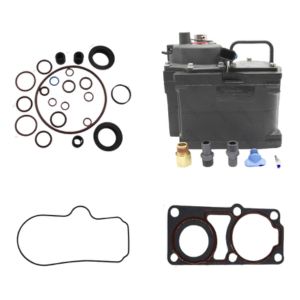

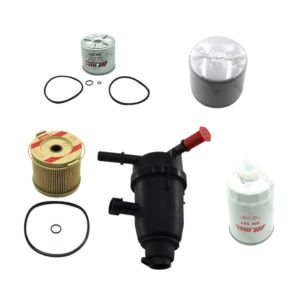



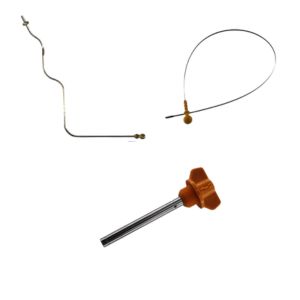
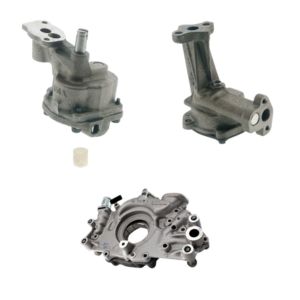

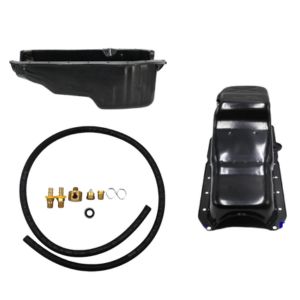
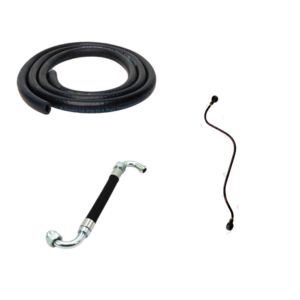


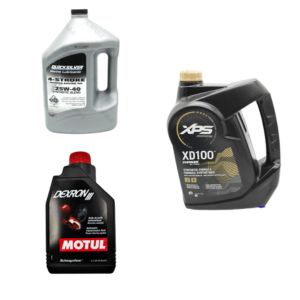




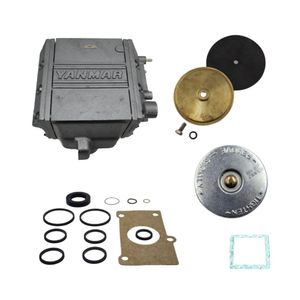









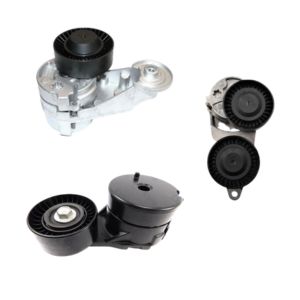

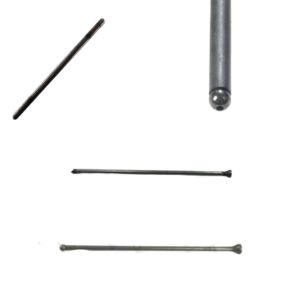

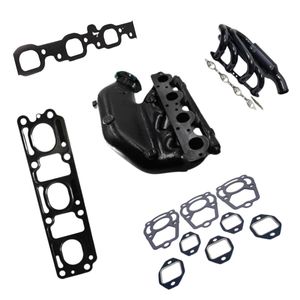
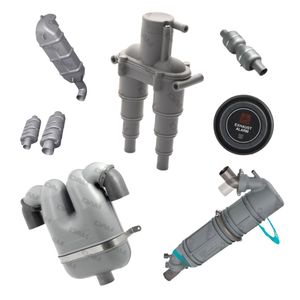


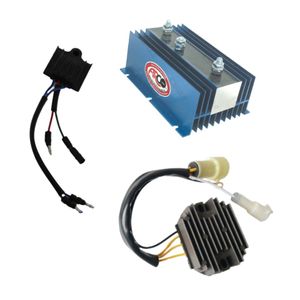
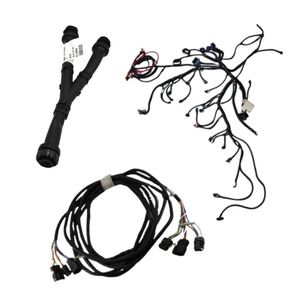
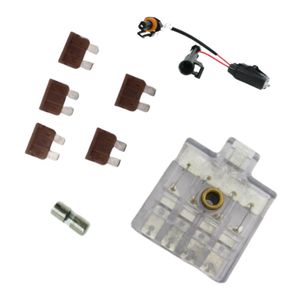
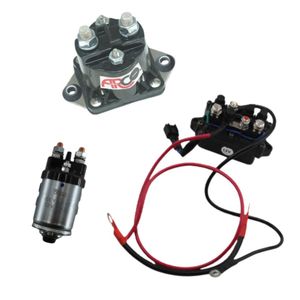





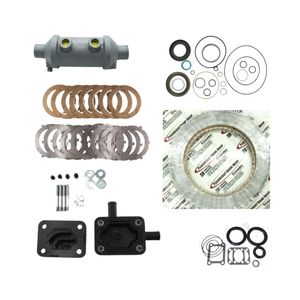
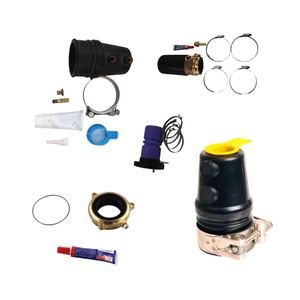
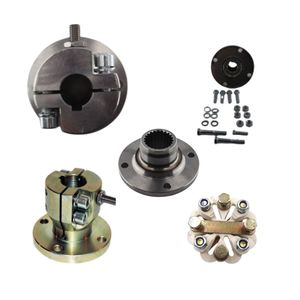

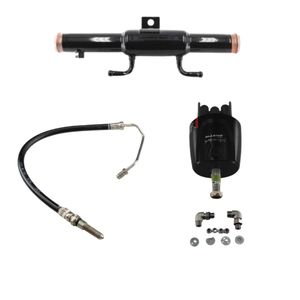
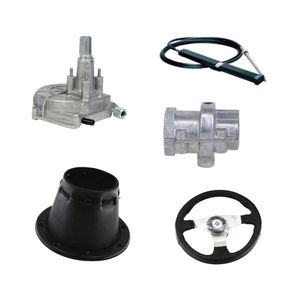
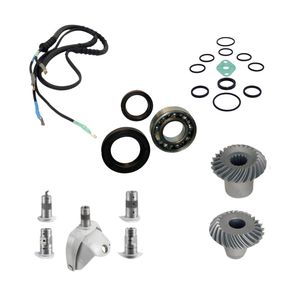
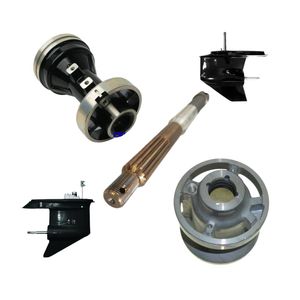
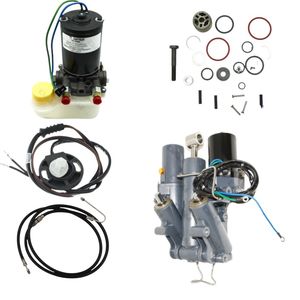































 Parts views
 Technical documents
 Ask for a quote
 Return request
How do you recharge your boat batteries?
Need equipment to make your battery charging system more reliable?
DAM Marine helps you find the right batteries, accessories, charge isolators, regulators and electrical equipment for your onboard installation.
A boat battery can be recharged with a suitable marine charger, the engine alternator, shore power or a solar source depending on the installation. The right charging method depends on the battery voltage, capacity and technology: lead-acid, AGM, gel or lithium. Undercharging, overcharging or using the wrong charging profile can shorten battery life. For safe charging, use a compatible charger and regularly monitor the condition of the battery bank.
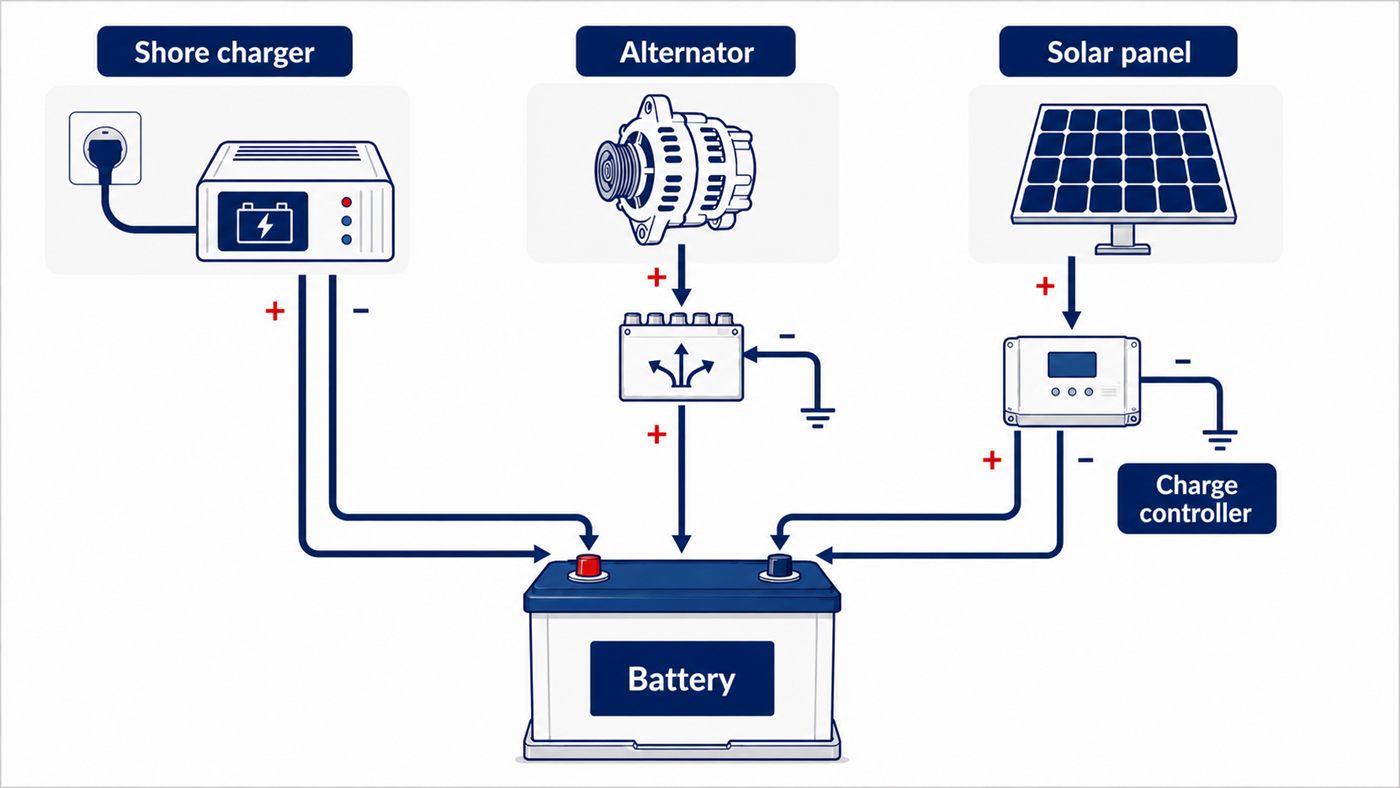
How do you recharge a boat battery correctly?
To recharge a boat battery correctly, use a charging source compatible with its voltage, capacity and technology. A 12 V, 24 V or 48 V battery does not require the same settings, and AGM, gel, lead-acid and lithium batteries do not always accept the same charging profile.
The safest solution is an intelligent marine charger. It manages charging stages, limits overcharging and maintains the battery in better condition at the dock or during winter storage.
What should you check before connecting?
Check voltage, battery technology, terminal condition, ventilation and charger compatibility.
Why does battery type matter?
Each technology needs a suitable charging profile to avoid incomplete charging or premature wear.
Why monitor the terminals?
Loose, damp or oxidised terminals can restrict charging and cause heating.
For battery condition checks, read our guide on maintaining a boat battery. It complements the charging section with useful maintenance checks.
What are the different onboard charging methods?
Boat batteries can be charged with a shore-power charger, the engine alternator, a solar panel, a wind generator or a more complete onboard charging system.
To size the charging sources according to real consumption, our guide to manage energy onboard is a useful next step.
How does shore-power charging work?
Shore power supplies a battery charger, which converts AC current into DC current suitable for the batteries.
Does the alternator charge the batteries?
Yes, mainly the starter battery, and sometimes the service bank via a charge isolator.
Is solar power enough onboard?
Solar can maintain or supplement charge if paired with a suitable regulator.
Can several sources be combined?
Yes, provided voltage, priority and distribution are properly managed.
To understand the full installation, read our guide on how boat electricity works.
Marine electrical systems
To complete, protect or improve onboard electrical reliability.
See marine electrical systemsBattery charge regulators
To manage charging from solar or another production source.
See charge regulatorsWhich charger should you choose for a boat battery?
Choose a charger according to voltage, amp-hour capacity, battery technology, required outputs and the marine environment.
The charger choice depends directly on the battery installed onboard. If you are hesitating between lead-acid, AGM, gel or lithium, our guide on choosing a boat battery helps you start from the right basis before sizing the charging system.
For a 100 Ah service battery, a charger around 10 to 20 A is often a useful starting point, subject to manufacturer recommendations.
Why choose a multi-output charger?
It can manage starter and service batteries without directly mixing them.
Why is lithium compatibility important?
Lithium batteries require specific voltage and charging stages.
Why does marine use change the choice?
Salt, moisture and vibration require robust equipment.
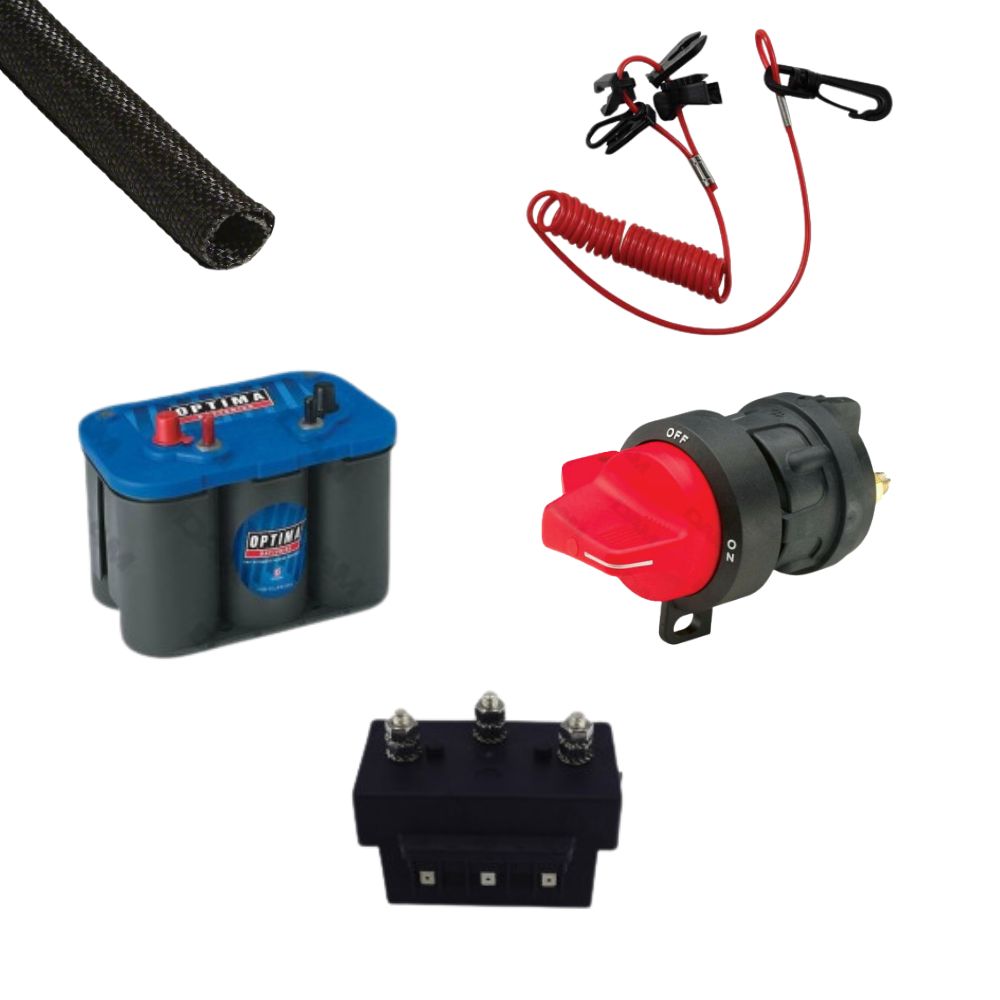
Marine batteries and battery accessories
Useful parts for a clean and reliable installation.
Can you recharge a boat battery without disconnecting it?
Yes, many boat batteries can be recharged without disconnecting them if the installation is sound and the charger is suitable.
Check for abnormal smells, damaged cables, hot terminals, heavy oxidation or a swollen battery before charging.
When should the battery be disconnected?
Disconnect it if there is a leak, deformation, heating or suspicious smell.
What is the role of a battery switch?
It isolates part of the installation and helps secure maintenance.
Why respect polarity?
Reverse polarity can damage the charger, battery or onboard equipment.
Are you securing your charging circuit?
Battery switches, fuses, circuit breakers and accessories help make the installation safer.
How do you know if a boat battery is fully charged?
A battery is charged when stabilised voltage, the charger or a monitoring system confirms the end of the cycle.
Why is voltage not always enough?
Voltage can remain temporarily high just after charging and should be interpreted after stabilisation.
What is a voltmeter used for?
It gives a simple voltage indication.
What is a battery monitor used for?
It follows charge, consumption and battery-bank condition more precisely.
Why does the battery not return to 100%?
It may be worn, sulphated, deeply discharged or charged with the wrong profile.
DAM Marine offers boat battery voltmeters.
For more precise tracking of consumption, autonomy and battery-bank condition, you can also read the guide to connect a boat battery monitor.
What mistakes should you avoid while charging?
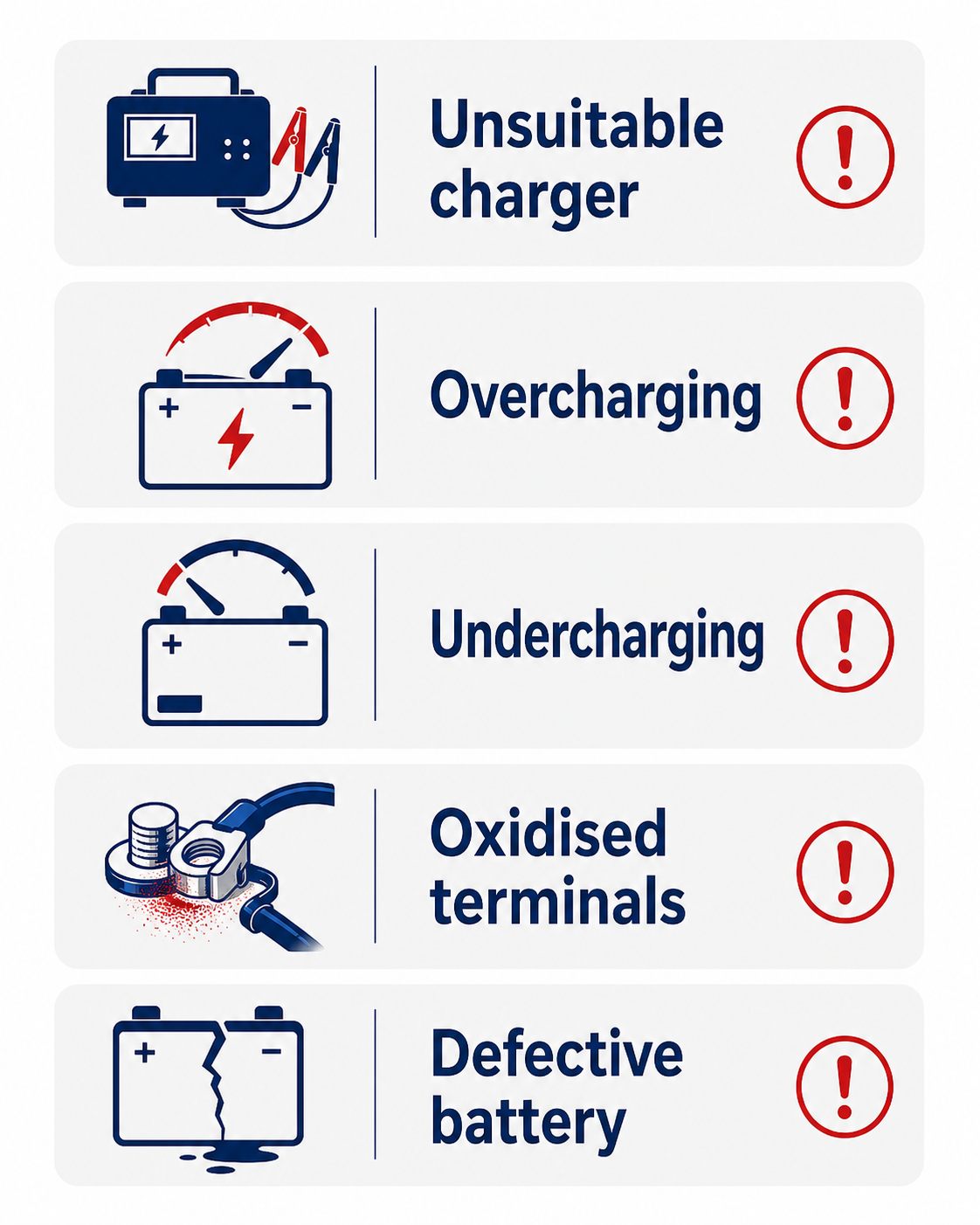
Avoid unsuitable chargers, overcharging, undercharging, poor terminals and charging a defective battery.
Why avoid overcharging?
It can cause heat and irreversible internal damage.
Why avoid undercharging?
A battery left too low for too long loses capacity.
Why avoid unsuitable chargers?
They may deliver the wrong voltage or current.
Charging also requires ventilation and clean, accessible equipment.
How should batteries be charged during winter storage?
During winter storage, batteries should be recharged regularly or maintained with a suitable charger.
To include the battery in the full seasonal preparation, the boat winterization guide details the other checks to plan before a long stop.
If batteries are removed, store them dry, ventilated and protected from frost.
Should the battery be charged before storage?
Yes, it should generally be stored charged.
Should the charger stay connected?
Only with an intelligent maintenance charger.
Should batteries be checked in spring?
Yes, check voltage, terminals and starting behaviour.
In spring, recommissioning should also be gradual: the guide to dewinterize a boat helps you restart checks in the right order.
When should you replace a battery that no longer holds charge?
Replace a battery if it discharges quickly, no longer charges correctly or shows abnormal signs.
If the issue is mainly an occasional starting failure, the boat battery booster guide can also help you understand the role of an emergency solution.
Before replacing it, check charger, cables, terminals, fuses, battery switch and alternator.
If the battery seems fine but the engine still refuses to start, check the other possible causes in the boat engine won’t start guide.
Which equipment helps manage charging?
Shore charger, isolator, regulator, alternator, voltmeter, battery switch and fuses all help manage charging.
If an alert appears on the dashboard during charging or use, our guide to understanding your boat warning lights helps interpret electrical and engine signals.
What is a charge isolator used for?
It distributes charge between several batteries or banks.
What is a charge regulator used for?
It controls charging from a source such as solar power.
What are electrical protections used for?
They reduce risk in case of short circuit, overload or maintenance.
Battery charge isolators
To organise charging between battery banks.
See charge isolatorsWhat should you remember about recharging a boat battery?
To recharge a boat battery, choose a suitable source, respect the technology and monitor the installation.
The chain to remember is: suitable battery, compatible charger, clean connections, protection, monitoring and regular maintenance.
How do boat battery charging solutions compare?
| Solution | Main use | Point to monitor |
|---|---|---|
| Shore charger | Full charge at dock. | Voltage, capacity and technology. |
| Alternator | Charging with engine running. | Distribution and belt condition. |
| Solar panel | Maintenance or additional energy. | Regulator and power. |
| Charge isolator | Distribution between batteries. | Current compatibility. |
| Voltmeter | Simple monitoring. | Stabilised voltage reading. |
| Intelligent charger | Regulated charging and storage. | Correct profile selected. |
What further questions should you ask about charging a boat battery?
How long does it take to recharge a boat battery?
It depends on battery capacity, discharge level and charger output.
Can a marine battery be left connected permanently?
Yes, only with an intelligent maintenance charger.
Is an alternator enough to recharge a service battery?
Not always; shore or solar charging may still be required.
Should an AGM battery be charged like a lithium battery?
No, each technology needs its own profile.
Why does my boat battery not return to 100%?
It may be worn, deeply discharged, badly charged or connected to an unsuitable charger.