


 Catalog
 Exploded views















 Honda Marine
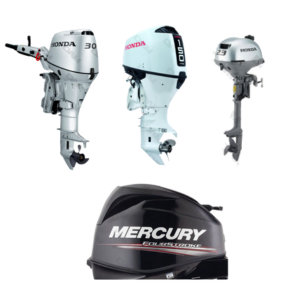


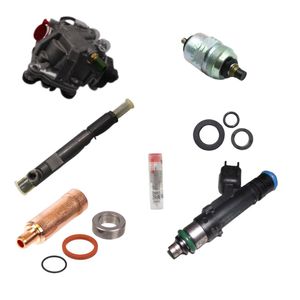
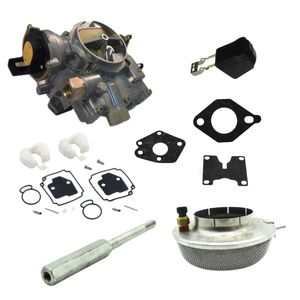
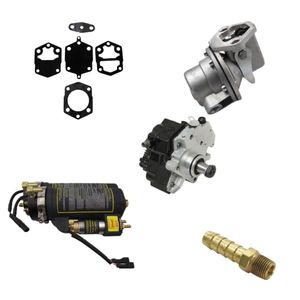
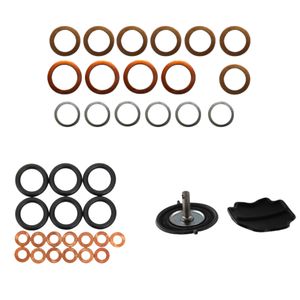
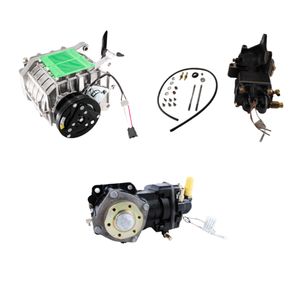
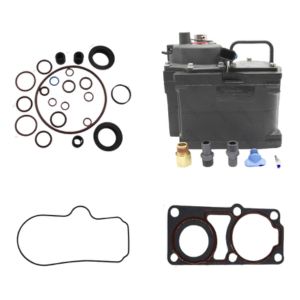
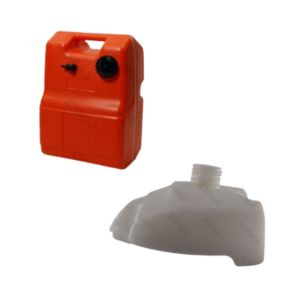







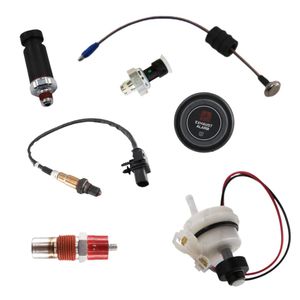
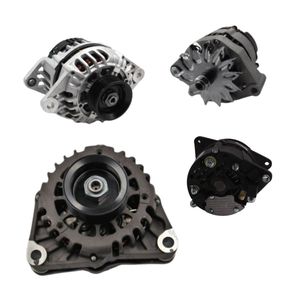
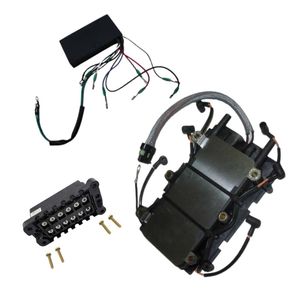
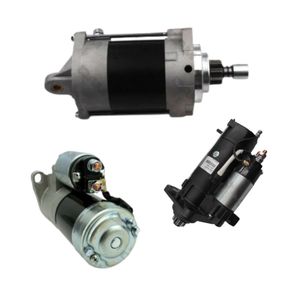

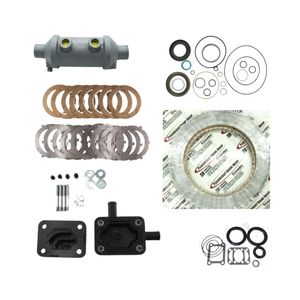
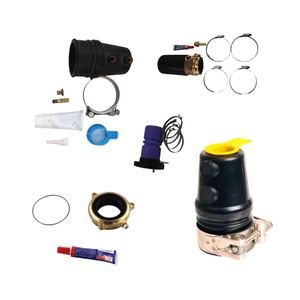
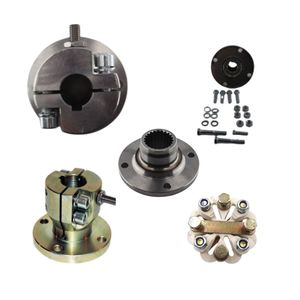
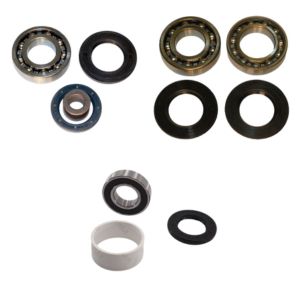
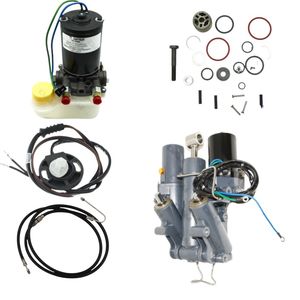
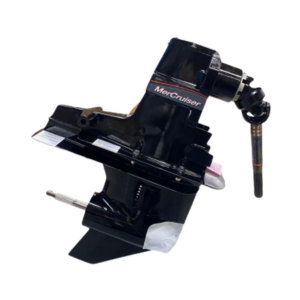
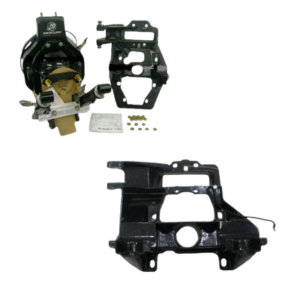
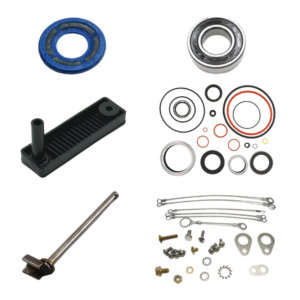





 Parts views
 Technical documents
 Ask for a quote
 Return request
How to Choose a Battery for a Boat?
Need a battery suited to your boat? Discover starting, service and dual-purpose marine batteries available from DAM Marine.
View boat batteriesA boat battery should first be chosen according to its use: engine starting, service power or supplying an electric motor. The Ah capacity indicates the available energy reserve, but it must be considered alongside the battery technology and the acceptable depth of discharge. An AGM battery offers a good compromise, a gel battery is well suited to regular service use, and a lithium battery meets autonomy needs with reduced weight. The right choice also depends on voltage, charger, cables, battery switch and how the boat is used.
How to choose a battery for a boat according to on-board use?
To choose a battery for a boat, you first need to identify its exact role on board. A marine battery does not always serve the same purpose: some are designed to start a combustion engine, others to power electrical equipment, and others to support electric propulsion or mixed use.
To place this choice within the whole onboard network, our guide to how electricity works on a boat explains the role of batteries, protections, cables and powered equipment.
This distinction helps avoid most mistakes. A battery capable of starting an outboard motor is not necessarily suitable for powering a refrigerator, windlass or lighting for several hours. Conversely, a service battery can be highly effective over time without being ideal for delivering a strong current at start-up.
A battery to start the engine?
The starting battery delivers a high current for a few seconds. It is used to start the engine, then recharged by the alternator while the engine is running.
A battery for on-board equipment?
The service battery, also known as a deep-cycle battery, powers electrical devices: lighting, pump, GPS, VHF, refrigerator, windlass or autopilot.
A battery for mixed use?
The dual-purpose battery combines both uses. It may suit some small boats, but it generally performs better for starting than for deep discharge.
Which starting battery should you choose for a boat?
A boat starting battery is mainly chosen according to engine power, fuel type and the current required for starting. It must deliver a high current over a very short period, then accept fast recharging from the engine.
If starting becomes weak or the battery is temporarily flat, a boat battery booster can also be used as a backup solution, provided the right precautions are followed.
For this use, you should look at Ah capacity, but also at starting power ratings. CCA and MCA values indicate the battery’s ability to deliver a high current, especially in more demanding conditions. The more powerful the engine, the greater the starting requirement.
Why look at CCA or MCA?
CCA and MCA indicate the battery’s ability to deliver a high current when starting. They are useful reference values for a combustion engine, especially if the boat is used in cold weather.
Is Ah capacity enough?
No. Ah indicates an energy reserve, but a starting battery must above all be able to deliver a high current immediately. Capacity, CCA/MCA and engine recommendations must therefore be considered together.
Do you need one battery per engine?
On a multi-engine installation, it is often preferable to provide a dedicated battery per engine or a capacity suited to the whole setup. Manufacturer recommendations remain the priority.
The table below provides indicative reference values. It does not replace the engine manual, but it helps understand the approximate capacity needed according to engine type.
| Engine power | Engine type | Indicative capacity | Advice |
|---|---|---|---|
| 50 to 75 hp | Petrol | Around 45 Ah | Suitable for a small engine, to be checked with the required CCA/MCA. |
| 100 to 150 hp | Petrol | Around 75 Ah | Choose a robust marine battery, properly secured and wired. |
| 200 to 250 hp | Petrol | Around 150 Ah | Refer to the engine manufacturer’s recommendations. |
| 10 to 20 hp | Diesel | Around 45 Ah | Diesel engines often require greater starting effort. |
| 30 to 50 hp | Diesel | Around 75 Ah | Also check the condition of cables and connections. |
| 75 to 150 hp | Diesel | Around 105 Ah | Choose a battery with sufficient starting power. |
| 200 to 300 hp | Diesel | Around 150 Ah | A properly sized installation prevents weak starts. |
Which service battery should you choose to power equipment?
A boat service battery should be chosen according to the actual consumption of the equipment and the time spent between two recharges. It powers the boat when the engine is stopped or when devices operate over a long period.
To go further on autonomy, consumption and charging sources, the guide to manage energy on board directly complements the choice of a service battery.
This includes the refrigerator, lighting, VHF, GPS, bilge pump, windlass, autopilot or other comfort equipment. Here, the priority is not instant power, but the ability to supply energy steadily without wearing out too quickly.
How to estimate consumption?
Add up the consumption of each device. Equipment that consumes 4 A for 3 hours represents 12 Ah. This calculation should be repeated for every device used on board.
Why allow a safety margin?
A margin prevents the battery from dropping too low in charge. It compensates for forgotten devices, longer-than-expected nights at anchor and equipment that consumes more in real conditions.
What is depth of discharge?
Depth of discharge refers to the share of capacity used before recharging. The higher it is, the harder the battery works, which can reduce its lifespan.
For a deep-cycle battery, it is therefore better not to choose only the minimum capacity. A battery that is too small will be discharged deeply more often, which accelerates ageing. Conversely, a more comfortable capacity improves autonomy and reduces electrical stress.
When should you choose a dual-purpose boat battery?
A dual-purpose boat battery is chosen when you want a versatile solution capable of starting the engine and powering part of the on-board electrical system. It is mainly suitable for simple installations, small boats or boats with limited service power needs.
It can be useful for starting the engine and powering a few low-consumption devices. However, it is not the best choice if the boat has a refrigerator, windlass, autopilot or a real need for autonomy at anchor. In that case, it is safer to separate the starting battery from the service battery.
Unsure whether to choose starting, service or dual-purpose? Find marine batteries available to compare capacities, voltages and uses according to your boat.
Compare batteriesWhich type of battery is best suited to boats?
The type of battery best suited to boats depends on use, budget, acceptable weight and the level of autonomy required. The main technologies are flooded lead-acid, AGM, gel, lead carbon and lithium.
There is no single best technology for every boat. An AGM battery can be an excellent compromise for many boaters. A gel battery is useful for regular service use. A lithium battery is more efficient and lighter, but requires a higher budget and compatible installation.
Is a flooded lead-acid battery still useful?
It remains economical, but it is more demanding. It requires good ventilation, secure mounting and is less tolerant of repeated deep discharges.
Is an AGM battery a good compromise?
Yes, because it is sealed, maintenance-free, vibration-resistant and capable of delivering good performance. It may suit service use and sometimes starting, depending on the model.
Is a gel battery suitable for service use?
Yes, especially for gradual and regular consumption. It is less suitable for very strong current demands, but offers good endurance for on-board equipment.
Is a lead carbon battery interesting?
It is a compromise between traditional lead-acid and lithium. It better tolerates deep discharges and partial recharges than a conventional lead battery.
Is a lithium battery the best choice?
It is light, compact, efficient and accepts deeper discharge. It suits autonomy needs, but requires a suitable charger and compatible management system.
What battery capacity should you plan for a boat?
To choose the right battery capacity for a boat, you mainly need to think in terms of usable capacity, expressed in Ah, and voltage, expressed in volts. The word “power” is often used by boaters, but the right approach is to assess actual consumption and the necessary energy reserve.
A 100 Ah battery does not always mean that 100 Ah will be usable in all conditions. Technology, discharge rate, temperature, battery age and acceptable depth of discharge all influence real autonomy.
How to understand Ah?
Amp-hours indicate a quantity of available energy. The higher the value, the longer the battery can power equipment at equivalent consumption.
Why is the C20 rating important?
Capacity is often stated based on a regular discharge over 20 hours. If consumption is higher, real autonomy may be lower than the displayed value.
How to make a simple calculation?
Multiply consumption in amps by the number of hours of use. A device consuming 5 A for 4 hours requires around 20 Ah.
Example: if your lighting consumes 2 Ah, your electronics 8 Ah, your pump 5 Ah and your refrigerator 35 Ah over a given period, your total need reaches around 50 Ah. In this case, choosing a 50 Ah battery would be too limited. You should plan for a higher capacity to keep a margin and avoid excessive discharge.
To monitor this consumption in real conditions, it can be useful to connect a boat battery monitor and track voltage, amps used and remaining autonomy.
Which battery should you choose for an electric boat motor?
For an electric boat motor, the battery must be chosen according to motor voltage, current consumption and desired autonomy. Electric motors can operate in 12V, 24V or 36V depending on their power and use.
The longer or harder the motor is used, the greater the required capacity. The choice therefore depends on three criteria: compatible voltage, sufficient capacity and technology suited to the weight the boat can carry.
Should you choose 12V, 24V or 36V?
Voltage depends on the motor. You must respect the manufacturer’s indicated voltage, because an unsuitable voltage can cause poor performance or damage the installation.
How to increase autonomy?
Autonomy increases with Ah capacity, but also with reasonable use of power. Constantly running at full speed greatly reduces available operating time.
AGM or lithium for an electric motor?
AGM is more affordable, but heavier. Lithium is lighter, more efficient and more durable, but requires a higher budget and suitable charging.
How to properly recharge a boat battery?
A boat battery is recharged with a charger compatible with its voltage, capacity and technology. An AGM, gel or lithium battery should not be treated like a simple flooded lead-acid battery, as charging curves may differ.
For more detail on this step, the dedicated guide explains how to recharge boat batteries properly according to available sources and the type of installation.
Charging can be done by the engine, shore charger, solar panel or another on-board energy source. The essential point is to control charging quality to avoid undercharging, overcharging and premature ageing.
Which charger should you use?
Choose a charger suited to the battery technology and bank voltage. A poorly adjusted charger can reduce battery lifespan.
What is a charge splitter used for?
It manages the charging of several batteries from the same source, for example between an engine battery and a service battery.
How should winter storage be handled?
It is advisable to store a clean, charged battery protected from parasitic consumption. Periodic checks help avoid unpleasant surprises when restarting. The guide to boat winterization also helps prepare the whole boat before a long period of storage.
To extend the lifespan of the electrical bank, remember to check boat battery maintenance with regular inspections of charge level, connections and overall condition.
To secure charging and connections, DAM Marine also offers boat battery accessories, charge splitters and charge regulators suited to marine installations.
What accessories should you plan with a marine battery?
A marine battery should be fitted with suitable accessories to ensure a reliable installation. Choosing the battery is important, but cable quality, terminals, protection and the battery switch also play a key role in electrical safety.
A high-performance battery can lose part of its efficiency if the connections are oxidised, if the cables are undersized or if it is not properly secured. In a marine environment, humidity, salt and vibration require a clean and controlled installation.
Why secure the battery?
A battery must remain stable even when the boat moves. A suitable tray or support limits the risk of impact, tipping and connection damage.
Why pay attention to cables and terminals?
Properly sized cables and clean terminals reduce electrical losses, overheating and weak starts.
What is a battery switch used for?
The battery switch isolates the power supply when the boat is stopped or during maintenance. It also helps limit parasitic consumption.
To complete your installation, you can view boat battery switches, terminals and battery accessories, as well as the boat electrical equipment category.
What is the best battery for a boat?
The best battery for a boat is the one that matches the boat’s real use. For a combustion engine, starting power remains the priority. For equipment, choose a service battery capable of supporting charge and discharge cycles. For an electric motor, voltage, weight and autonomy become essential.
In practice, an AGM battery suits many installations thanks to its versatility. A gel battery is relevant for regular and gradual service use. A lithium battery becomes interesting when weight saving, autonomy and number of cycles justify the investment.
| On-board use | Recommended battery | Main criterion | What to watch |
|---|---|---|---|
| Combustion engine starting | Suitable AGM or lead-acid starting battery | CCA/MCA and Ah capacity | Engine recommendations, cables, terminal condition |
| Light service use | AGM or dual-purpose battery depending on installation | Daily consumption | Safety margin and regular recharge |
| Regular service use | Gel, AGM or lithium | Number of cycles and depth of discharge | Compatible charger and ventilation |
| Electric motor | Lithium or AGM | 12V, 24V or 36V voltage and Ah capacity | Weight, autonomy and current consumption |
| Occasional small boat | AGM or dual-purpose | Versatility | Do not undersize capacity |
| Cruising or anchoring | Gel, high-end AGM or lithium | Autonomy and cycles | Energy production, recharge and voltage monitoring |
FAQ about choosing a boat battery
How long does a boat battery last?
Lifespan depends on technology, depth of discharge, charging quality and storage conditions. A properly sized battery that is correctly recharged and protected from deep discharge will always last longer than an overworked battery.
How do you know if a boat battery is dead?
A tired battery can show several signs: difficult starting, voltage dropping quickly, charge not holding, swelling, leakage or heavy oxidation. If in doubt, check resting voltage and test the battery under load.
Should you disconnect a boat battery in winter?
Yes, it is often better to isolate the battery during winter storage, especially if the boat is unused. A battery switch helps limit parasitic consumption. The battery should remain charged and be checked periodically.
Can you put a car battery on a boat?
It is not recommended. A marine battery is designed to better withstand vibration, humidity, inclination and the electrical constraints of a boat. A car battery may help temporarily, but it is not the safest or most durable choice.
Can AGM, gel and lithium be mixed on a boat?
It is better to avoid mixing several technologies in the same battery bank without suitable management equipment. Charging voltages, behaviour and regulation needs can vary. A mixed installation must be designed with a compatible charger, splitter or regulator.
Which voltage should you choose for a boat battery?
Most small installations operate in 12V, but some electric motors or more powerful battery banks use 24V or 36V. Voltage must always match the installed equipment and manufacturer recommendations.
Why does my battery discharge even when the boat is stopped?
A battery can discharge because of parasitic consumption, a device left connected, faulty wiring or natural self-discharge. A battery switch, voltage monitoring and clean connections help limit this issue.
Prepare a reliable electrical installation on board Marine batteries, accessories, battery switches, cables and electrical equipment: DAM Marine helps you choose the right parts for your boat.
Choose a marine battery