


 Catalog
 Exploded views














 Honda Marine
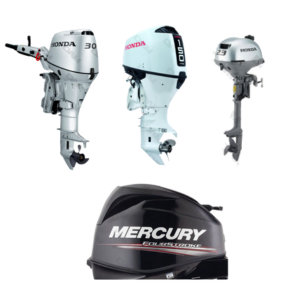


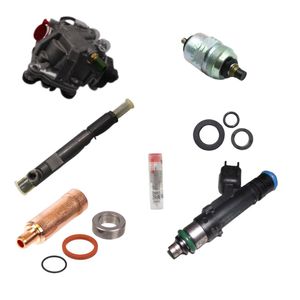
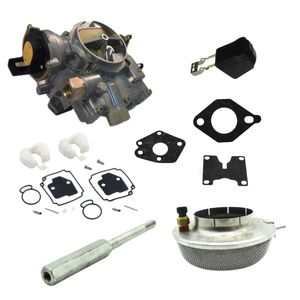
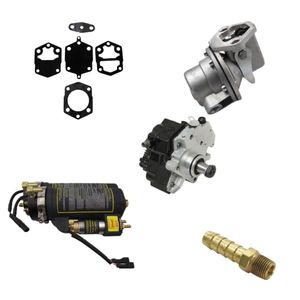
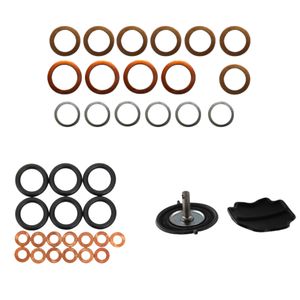
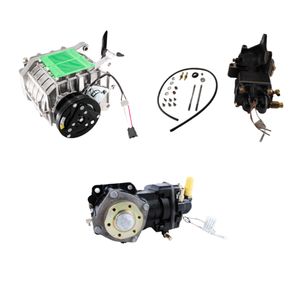
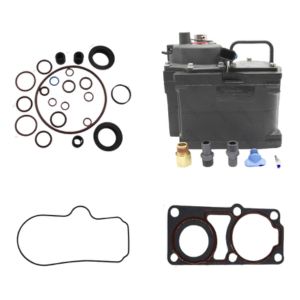
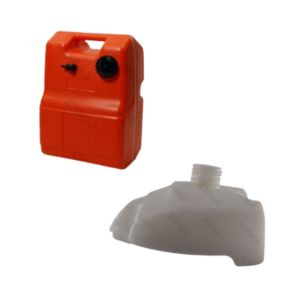
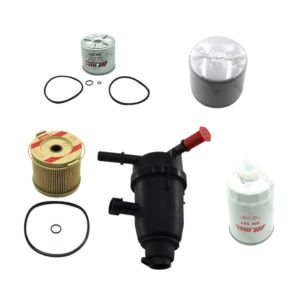






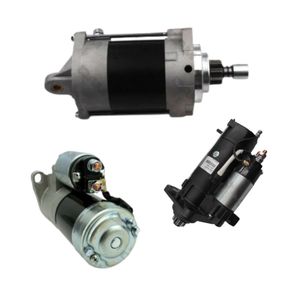
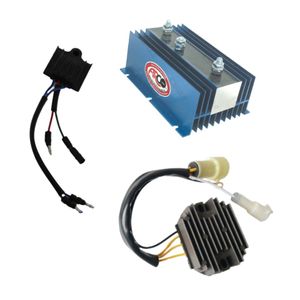
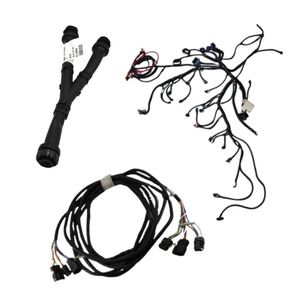
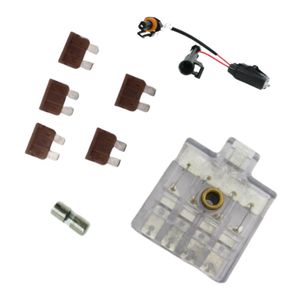


 Parts views
 Technical documents
 Ask for a quote
 Return request
An engine fault is easier to handle when the symptoms are linked to the right circuit: fuel, air, cooling, oil or electrics.
View engine partsA boat diesel engine fault most often comes from poor diesel supply, an air leak, a clogged filter, a cooling problem or weak electrical power. The right first step is to observe the main symptom before dismantling anything: starting issue, stalling, smoke, overheating, power loss or alarm. The first checks concern fuel, battery, oil level, seawater flow and filter condition. If there is metallic noise, persistent overheating, a major leak or engine runaway, stop the engine and call a professional.
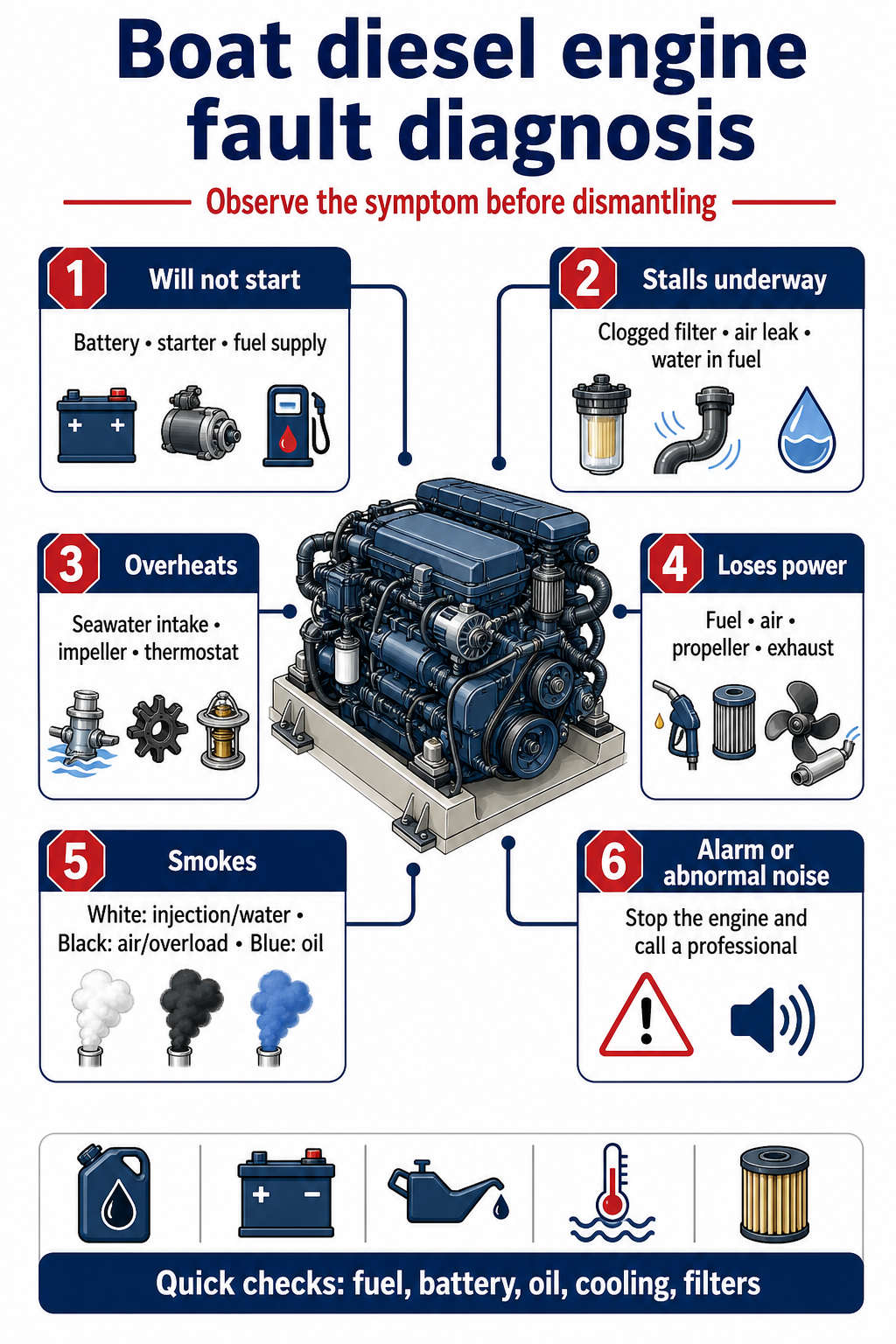
What are the signs of a boat diesel engine fault?
A marine diesel engine almost always gives a clue before a complete failure. It may refuse to start, stall at idle, stop underway, lose revs, smoke abnormally, overheat, vibrate or trigger a dashboard warning light. Diagnosis means starting from the visible symptom, then tracing it back to the relevant circuit.
If you want to review the general principle before looking for the cause, also read our guide to how a marine diesel engine works.
Engine will not start?
First direct the check towards the battery, starter motor, diesel supply, preheating system depending on the engine, and stop solenoid.
Engine stalls?
The most frequent route is the fuel circuit: low tank level, saturated filter, air leak, water in the diesel or a tired lift pump.
Engine overheats?
Check seawater intake, impeller, belt, thermostat, heat exchanger and coolant level.
What checks should you do first in case of a boat diesel engine fault?
Before replacing a part, start with simple visible checks. They often prevent an overly broad search and help keep the boat safe.
- Check the real fuel level and that the fuel valve is open.
- Observe the water-separating prefilter: water, deposits, dark diesel or air bubbles.
- Check battery voltage, terminals, earths and battery switch.
- Look at the oil level and any leak around the engine.
- Check that seawater exits properly at the exhaust after starting.
- Note the smoke color and when the fault appears.
For a more precise reading of onboard alerts, you can also read our article about boat warning lights and alarms.
Why does a boat diesel engine no longer start?
A diesel engine that will not start may lack electrical power, compression, air or fuel. In practice, the easiest causes to check are the battery, connections, starter motor, diesel arrival and a fuel circuit that has lost its prime.
If the starter turns slowly, look at the battery, cables, terminals, battery switch or earth. If the starter turns normally but the engine does not fire, look instead at the fuel supply: clogged filter, air leak, lift pump or solenoid. For this exact case, our dedicated guide on a boat engine that will not start details the checks step by step.
Why does the diesel engine stall while underway?
A diesel engine that stops while underway is often linked to diesel supply. A real dry tank is possible, but a false fuel starvation issue is just as common: fuel is present in the tank, but it no longer reaches the engine correctly.
Common causes include a clogged fuel filter, an air leak on a hose, water in the prefilter, a blocked tank vent, a dirty tank or a faulty lift pump. Stalling under load, in rough seas or after a change of revs often reinforces this route. You can go further with our article on a boat engine that stalls.
How can you recognize a fuel-related fault on a boat diesel engine?
A fuel fault often appears as unstable idle, power loss, rough running, bubbles in a transparent line, stalling after a few minutes or difficulty restarting after a filter change. Diesel must arrive clean, without water and without air.
The circuit includes the tank, hoses, water-separating prefilter, engine filter, lift pump and injection. To understand this path, see our guide to the boat fuel system. Useful parts can be found in fuel filters, diesel fuel pumps and boat fuel hoses.
Clogged filter?
A saturated filter limits diesel flow. The engine may idle, then run short of fuel as soon as you ask for power.
Air leak?
A porous hose, loose clamp or tired seal can unprime the circuit and cause repeated stalling.
Water in the diesel?
Water at the bottom of the separator or tank disrupts combustion and can damage the injection system.
What does power loss on a boat diesel engine mean?
Power loss may come from fuel, air, exhaust, cooling, the propeller or the mechanical condition of the engine. If the engine struggles to rev, start with filters, air intake, diesel flow and the absence of water in the fuel.
A heavily fouled propeller, a rope caught in the shaft line or a dirty hull can also make it feel like an engine fault. Read our boat engine power loss guide, and also consider air filters and marine diesel injectors.
What should you do if the boat diesel engine overheats?
Overheating requires reducing engine speed, monitoring the alarm and stopping the engine if the temperature continues to rise. Then check seawater flow, strainer, impeller, pump belt, coolant level, thermostat and heat exchanger.
Use our guide to boat engine overheating, then browse cooling parts, water pumps and thermostats.
What does the smoke color from a boat diesel engine mean?
Smoke gives useful information, but it must always be interpreted with context: cold engine, high load, restart after winterizing, filter replacement or a fault that persists when hot.
To examine these cases in detail, read our article on a boat engine that smokes. If you suspect an oil issue, our boat oil leak guide can also help.
White smoke?
It may indicate incomplete combustion, a cold engine, an injection issue or the presence of water depending on the situation.
Black smoke?
It often points to lack of air, overload, a dirty air filter or excess fuel.
Blue smoke?
It generally means burning oil and requires checking the oil level and engine condition.
Why does a boat diesel engine no longer stop?
A diesel stops by cutting off the fuel supply. If the engine keeps running despite the stop command, the cause may be a stop solenoid, cable, stop lever, relay or electrical fault.
This must be distinguished from engine runaway. If the engine accelerates by itself uncontrollably, do not intervene randomly in the engine compartment. This kind of situation requires professional help. For basic electrical supply checks, marine batteries and connections should also be inspected.
When should you stop diagnosis and call a professional?
On-board diagnosis must remain cautious. It is useful for identifying a probable cause, making the boat safe and avoiding random parts replacement, but certain signs mean you should stop.
- Oil pressure alarm or abnormal oil level.
- Persistent overheating despite stopping or reducing rpm.
- Heavy smoke that continues when hot.
- Metallic noise, knocking or very strong vibration.
- Major fuel, oil or coolant leak.
- Engine runaway or engine refusing to stop.
In these situations, it is better to have the engine checked before going back to sea. Our article on boat engine repair helps decide when to repair, replace or request a deeper diagnosis. For routine maintenance, engine maintenance kits, the oil circuit and oil filters are points to monitor.
Need help narrowing down the parts after diagnosis? DAM Marine offers engine parts, filters, hoses, pumps, cooling parts and tools for boat maintenance.
View diagnostic toolsHow can you summarize the diagnosis of a boat diesel engine fault?
| Symptom | Probable causes | Priority checks |
|---|---|---|
| Will not start | Weak battery, starter, no diesel, unprimed circuit | Terminals, battery switch, filter, pump, solenoid |
| Stalls underway | Clogged fuel filter, air leak, water in diesel | Prefilter, hoses, tank vent, bleeding |
| Loses power | Low fuel flow, lack of air, fouled propeller or hull | Filters, intake, injection, engine load |
| Overheats | Lack of seawater, worn impeller, stuck thermostat | Strainer, water pump, belt, heat exchanger |
| Smokes | Incomplete combustion, overload, lack of air, burning oil | Smoke color, air filter, oil, injection |
| Will not stop | Solenoid, stop command or relay | Stop command, electrical supply, cable or lever |
FAQ about boat diesel engine faults
What are the most common diesel engine faults?
The most common faults concern fuel, cooling, electrics and oil. On a boat, frequent cases include a clogged fuel filter, air leak, water in the diesel, weak battery, worn impeller, stuck thermostat or oil leak.
What causes power loss on a boat diesel engine?
Power loss often comes from insufficient fuel flow, a dirty filter, lack of air, a fouled propeller or overheating. The diagnosis must check both engine and propulsion, because the issue does not always come from the engine block.
What are the most frequent causes of engine failure?
The most frequent causes are insufficient maintenance, contaminated fuel, saturated filters, aging hoses, oxidized electrical connections, cooling problems and wear parts not replaced on time.
What should you do in case of a boat engine failure?
First secure the boat, reduce speed or anchor if necessary, then observe the main symptom. Then check fuel, battery, oil, cooling and alarms. If the fault concerns oil, temperature, injection or produces abnormal noise, stop the engine and contact a professional.
Can you restart after running a diesel tank dry?
Yes, but the circuit may need to be reprimed depending on the engine. After adding diesel, check the filter, bleed air if necessary and avoid cranking too long to protect the battery.