


 Catalog
 Exploded views
















 Honda Marine
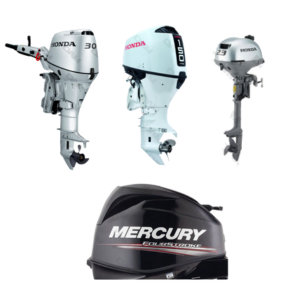


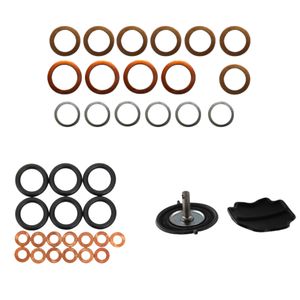
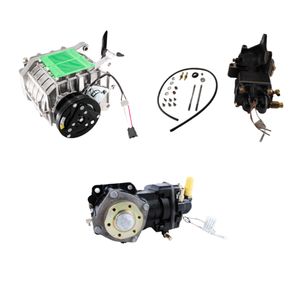
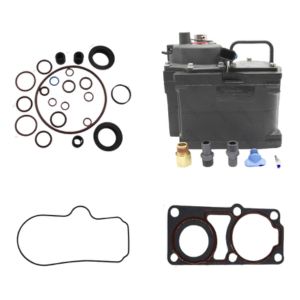
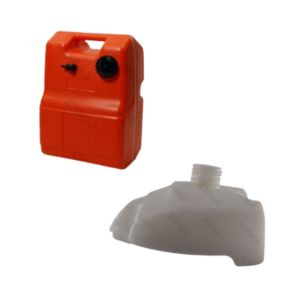





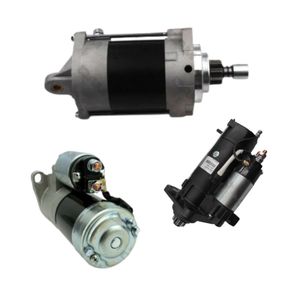
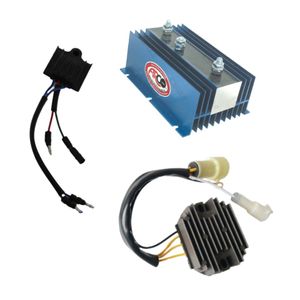
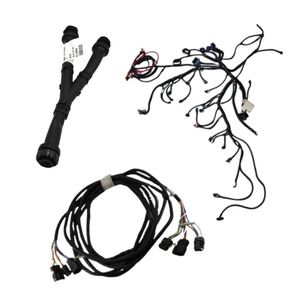
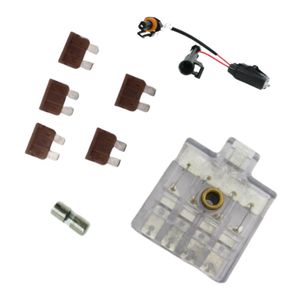
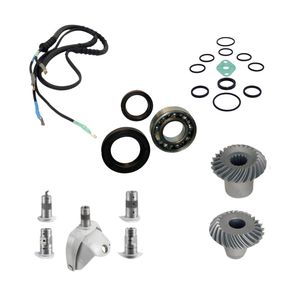
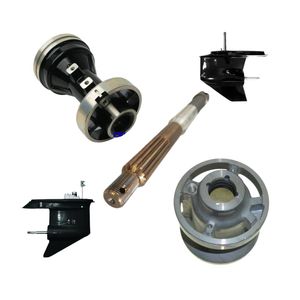
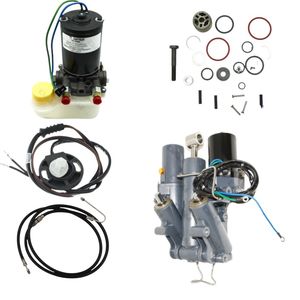
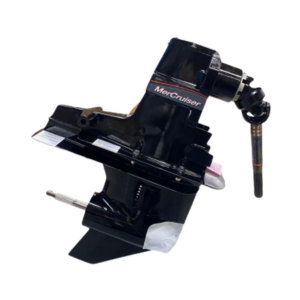

 Parts views
 Technical documents
 Ask for a quote
 Return request
An oil leak should always be identified before going back to sea. DAM Marine helps you find the marine oils, gaskets, filters and outdrive parts suited to your engine.
View marine oilsAn oil leak on a boat can come from the engine, the gearcase, the trim system or simply greasy exhaust residue. The first step is to check the oil level, the oil appearance and the exact point where the mark appears. If the level drops, if the oil turns milky or if the gearcase loses oil, avoid navigating before inspection. A visible leak should be handled with a methodical diagnosis, then by replacing the gasket, filter, plug or sealing part involved.
How do you identify a boat oil leak?
To identify a boat oil leak, start by locating where the mark appears: engine bilge, lower engine area, filter, drain plug, gearcase, propeller or trim system. The position of the stain often gives a first clue about the fluid involved and the level of urgency.
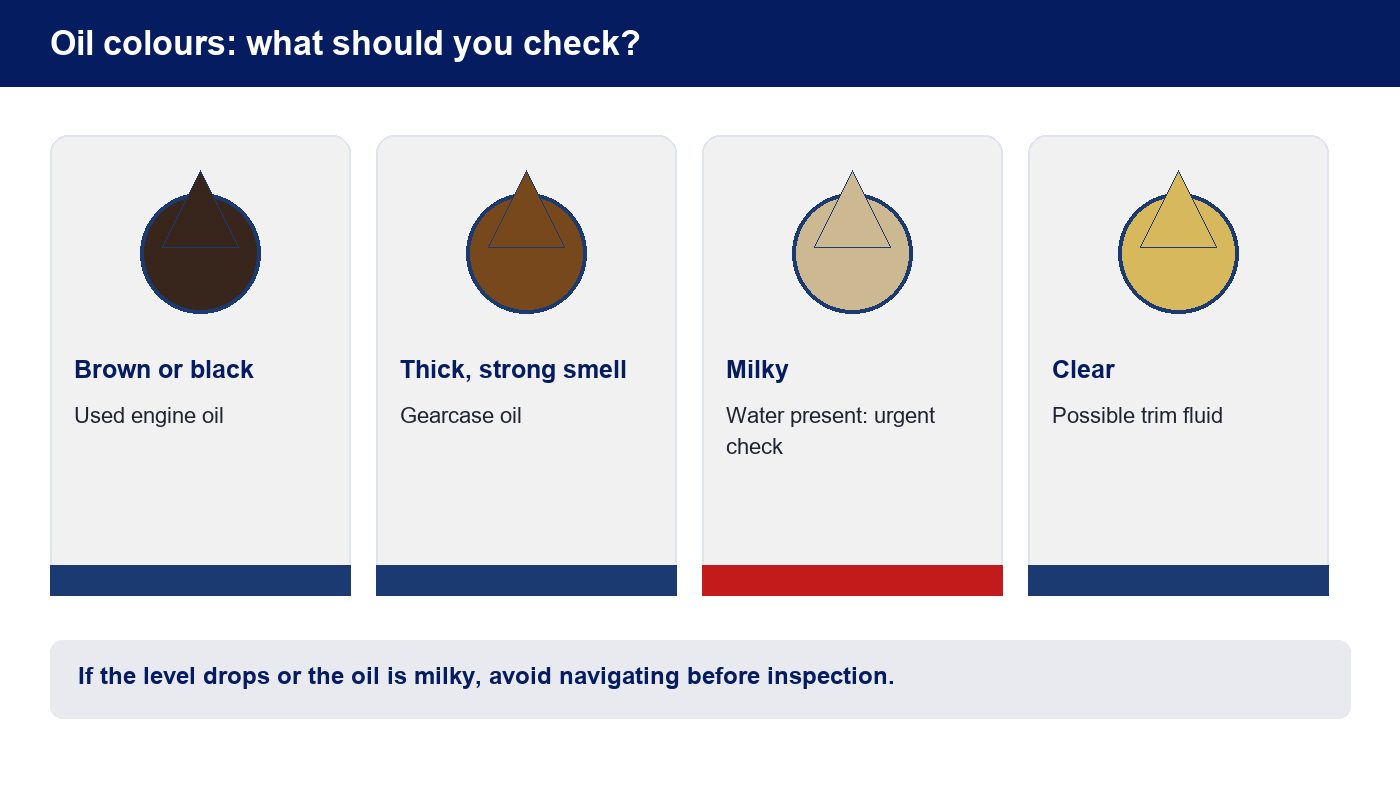
Engine oil is usually brown to black and more fluid when warm. Gearcase oil is thicker, often has a strong smell, and can turn milky if water has entered the transmission. Trim hydraulic oil is usually clearer and appears around rams, hoses or fittings.
Does the leak appear in the bilge?
Oil in the bilge usually points to an inboard engine, a filter, sump, drain plug, oil hose or banjo fitting.
Does the leak appear near the propeller?
A greasy mark at the back of an outboard may come from the gearcase, a propeller shaft oil seal or unburnt exhaust residue.
Does the leak appear with the engine tilted?
A leak visible only when the engine is tilted may indicate overfilling, a loose plug, an oil tank or the trim circuit.
Where does a boat engine oil leak come from?
A boat engine oil leak most often comes from a sealing issue: worn gasket, loose filter, drain plug, sump, rocker cover, dipstick, oil pressure sender or hose. It can also appear after an oil change if an old gasket was reused or if the oil level is too high.
The right approach is to clean the engine, wipe the bilge, then run the engine for a few minutes under observation. A lamp then helps you find the first seepage point before oil runs downward and creates a false lead.
Why check the oil filter and drain plug?
A marine oil filter that is loose, overtightened or fitted with a pinched seal can cause a rapid leak after maintenance. The drain plug and washer should also be checked.
Why monitor the oil pressure warning light?
If an oil pressure light comes on, do not simply wipe the mark away: engine lubrication may be insufficient. Complete the diagnosis with the DAM Marine article on boat warning lights.
How do you recognise a gearcase oil leak?
A gearcase oil leak often appears as a greasy mark around the lower unit, propeller, drain screws or drain holes. It should be taken seriously, because gearcase oil protects the gears and bearings that transmit engine power to the propeller.
The most useful test is to drain the gearcase into a clean container. If the oil is clear and uniform, the leak may come from a screw gasket or recent filling. If the oil is milky, grey or water-contaminated, suspect water ingress and check the seals.
Worn gearcase plug gasket?
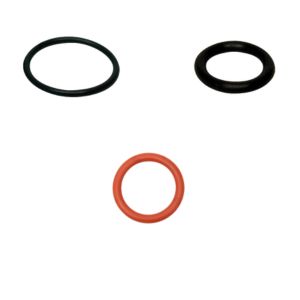
Drain and level screw gaskets are inexpensive but essential. They should be replaced at every gearcase oil change.
Worn propeller shaft oil seal?
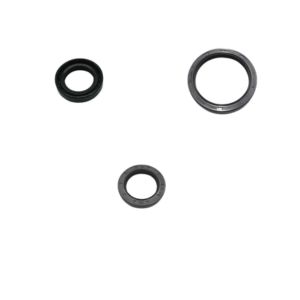
Fishing line, impact or wear can damage the oil seal and allow gearcase oil or water to pass.
Milky oil in the gearcase?
Milky gearcase oil usually indicates water ingress. The gearcase should be inspected before further navigation.
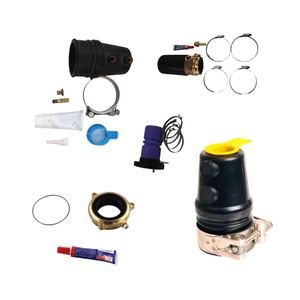
Useful categories include outboard gearcase drain plug gaskets, marine oil seals and outdrive spare parts.
Is the leak coming from the gearcase? Check the oil, plug gaskets and sealing parts before navigating again.
View outdrivesCan you navigate with an oil leak on a boat?
It is not recommended to navigate with an oil leak until its source has been identified. A light, stable mark may sometimes allow you to return to harbour at low speed, but a falling level, active leak, milky oil or engine alarm means you should stop and inspect.
The main risk is loss of lubrication. On an engine this can cause rapid wear, overheating or mechanical failure. In a gearcase, water-contaminated oil can damage gears and bearings. If the engine smokes, loses power or overheats, also read the DAM Marine guides on a smoking boat engine, boat engine overheating and boat engine power loss.
What checks can you do yourself before replacing a part?
Before replacing a part, carry out a simple, clean diagnosis. The aim is to know whether you have a real oil leak, overfilling, exhaust residue, contaminated gearcase oil or a trim leak.
- Clean the engine, gearcase or suspected area with a suitable maintenance product.
- Check the engine oil level with the dipstick, with the boat stable and the engine stopped.
- Check the oil appearance: clear, black, thick, milky or strong-smelling.
- Place clean absorbent paper under the suspected area to locate the drip.
- Run the engine for a few minutes only if levels are correct and no alarm is present.
- Inspect the oil filter, plug, sump, hoses, fittings and visible gaskets.
- If in doubt about the gearcase, drain the oil and check for water.
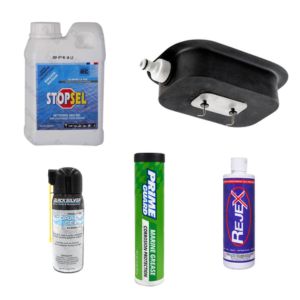
Boat engine maintenance products make this step easier, because a leak is easier to locate on a clean surface.
Which parts should be replaced after a boat oil leak?
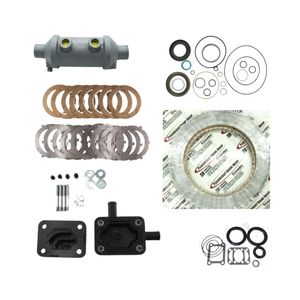
The parts to replace depend on the source of the leak. In many cases, the solution is a simple sealing part: plug gasket, sump gasket, oil seal, oil filter, cap or hose. On a gearcase, the repair may range from a drain gasket to a more complete seal kit.
For common maintenance, prepare the right oil, a new filter if required, drain gaskets and sealing parts compatible with your engine brand. Useful DAM Marine categories are marine oils, drain plug gaskets for marine engines and drives, marine gaskets and seals and boat engine oil caps.
If you suspect a sender or dashboard issue, check the oil pressure sensor or the marine oil pressure gauge, but never treat an oil alarm as a simple electrical fault without a mechanical check.
Which signs should alert you during a boat oil leak?
Some signs require quick inspection because they may indicate loss of lubrication, water ingress or sealing failure.
| Observed sign | Probable cause | Recommended action |
|---|---|---|
| Oil in the bilge | Filter, sump, plug, hose, fitting or engine gasket | Clean, check the level, locate the leak point |
| Mark near the propeller | Oil seal, gearcase oil or exhaust residue | Check smell, drain the gearcase if in doubt |
| Milky oil | Water in engine or gearcase oil | Stop use and have sealing checked |
| Oil level dropping | Active leak or abnormal consumption | Do not navigate before diagnosis |
| Oil pressure warning light | Insufficient pressure, low level or faulty sender | Stop the engine and check before restarting |
| Leak on trim ram | Seal, hose or hydraulic trim circuit | Inspect the trim system and fittings |
Frequently asked questions about boat oil leaks
Is a small oil mark after a trip normal?
A fine greasy mark can sometimes come from exhaust residue, especially on some outboards. It should still be checked.
Why does gearcase oil become milky?
Milky gearcase oil usually means it has mixed with water. This can come from a plug gasket, an oil seal or worn sealing.
Can an oil leak come from overfilling?
Yes. Too much oil can cause splashing, seepage or oil discharge when the engine heats up or is tilted.
Should gaskets be replaced at every gearcase oil change?
Yes. Drain and fill screw gaskets should be replaced at every service.
When should you call a professional?
Ask for professional advice if the level drops quickly, the oil is milky, an engine alarm appears or the gearcase contains water.