


 Catalog
 Exploded views
















 Honda Marine


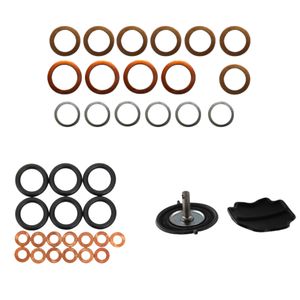
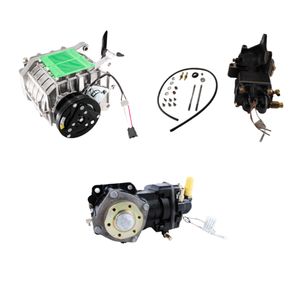
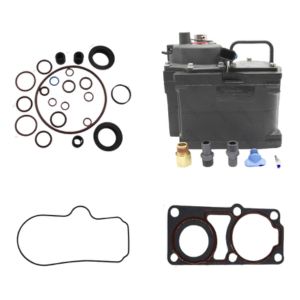
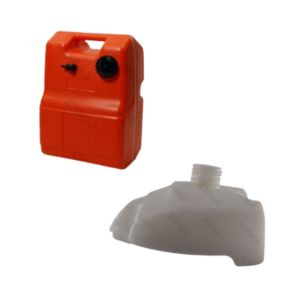
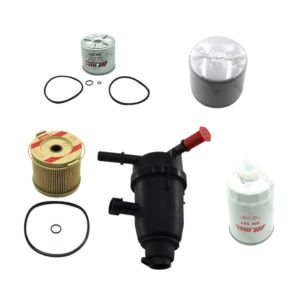




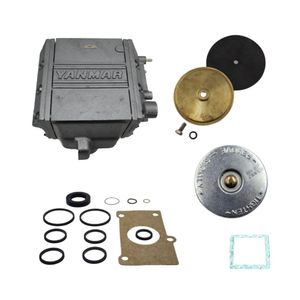
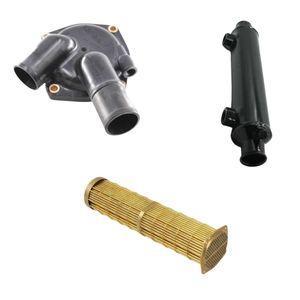
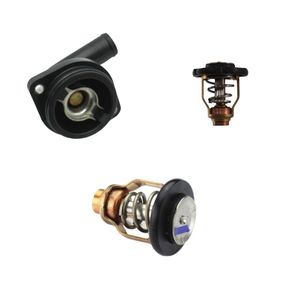
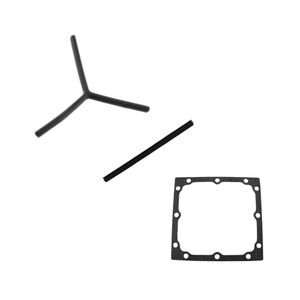
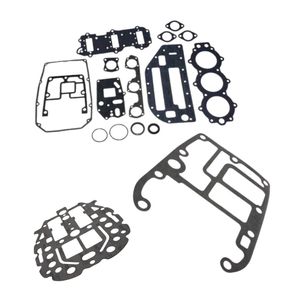
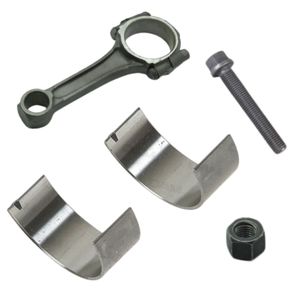
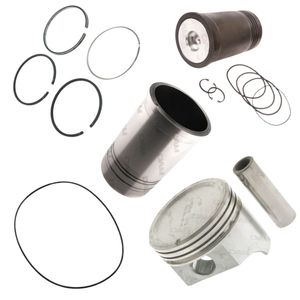
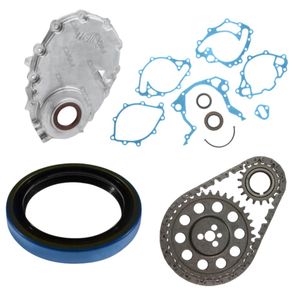


 Parts views
 Technical documents
 Ask for a quote
 Return request
Suspect water in your fuel? Start by checking the water separator, draining any visible water and planning to replace the filter if the fuel is contaminated.
View fuel water separatorsWater in boat fuel must be dealt with quickly because it can reach the filter, pump, injectors or carburettors. The first check is to inspect the fuel water separator, transparent bowl or fuel filter to confirm the presence of water or impurities. If water returns after draining, suspect the tank, contaminated fuel or water entering through the cap, vent or deck filler. If the engine stalls, loses power or triggers an alarm, stop it and diagnose the fuel system before trying to restart repeatedly.
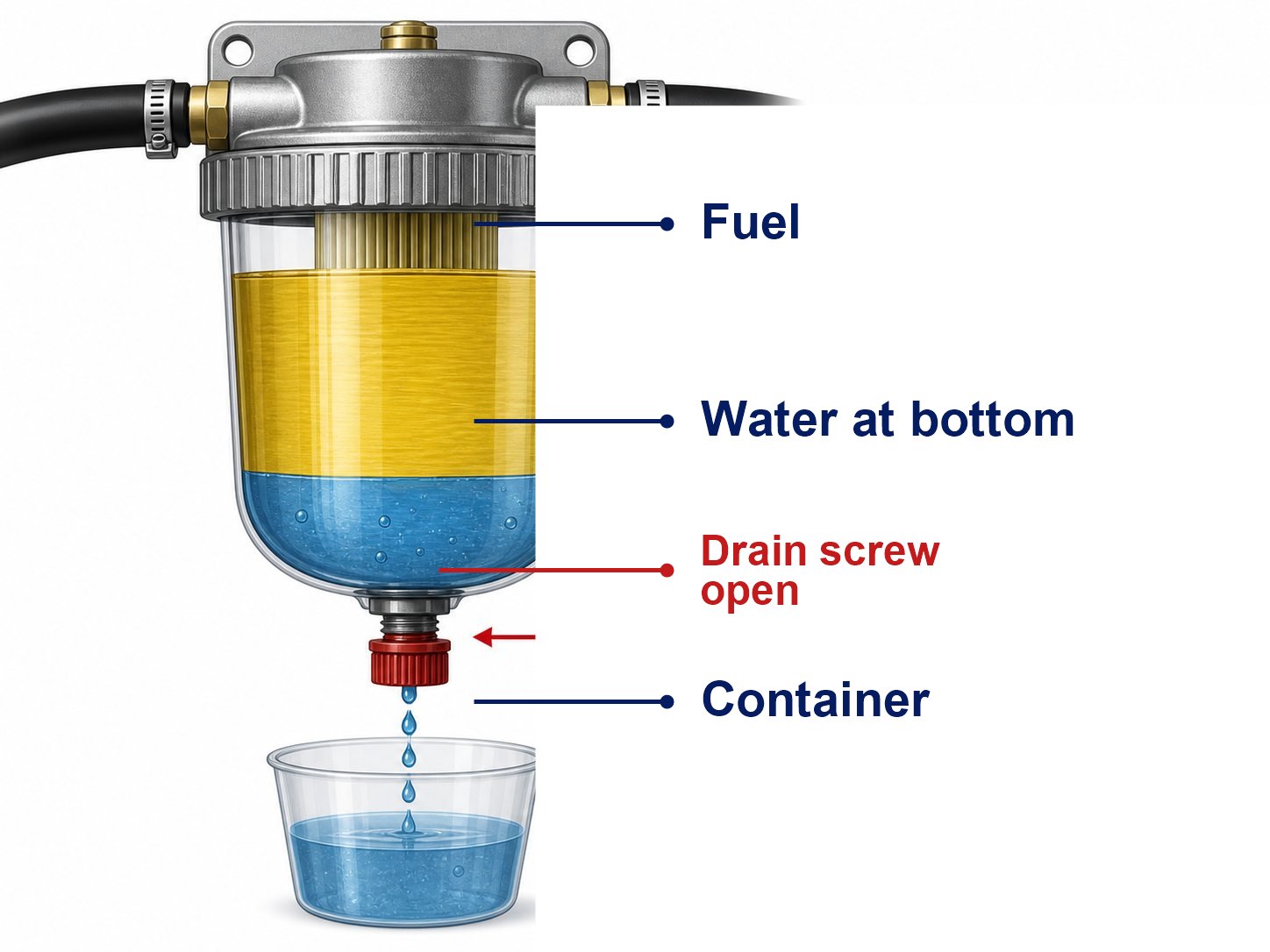
What should you do immediately if there is water in boat fuel?
If you suspect water in the fuel, the priority is to protect the engine before looking for the cause. Stop the engine if it misfires, stalls, loses power or triggers a fuel-related alarm. Then check the boat fuel water separator, as it is often the first component able to confirm the presence of water.
The right steps, in order:
- stop the engine if its behaviour becomes abnormal;
- check the separator bowl or fuel filter;
- drain visible water if the model allows it;
- replace the filter if the filter element has been contaminated;
- check whether water returns after a few minutes of operation;
- have the tank cleaned or drained if contamination is significant.
Do not keep cranking the starter if the engine stops suddenly or if the system appears contaminated. The further water travels through the fuel system, the more it can affect sensitive components: pump, injectors, carburettors, vapour separator or injection pump depending on the engine type.
What should be replaced if the boat fuel is contaminated?
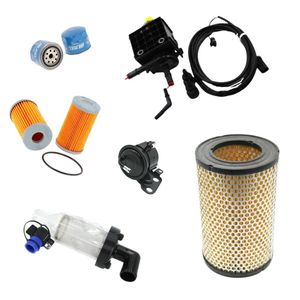
The first part to check and usually replace is the fuel filter. A filter that has retained water, sludge or particles can clog quickly and cause misfiring, loss of revs or stalling. Depending on your engine, choose marine engine fuel filters, a diesel fuel filter or a petrol fuel filter.
If water has travelled beyond the filter, other components may need inspection: boat fuel hoses, fittings, pump, injectors or carburettor. Parts should not be replaced without a diagnosis, but they must be inspected if the engine has run for a long time on contaminated fuel.
Fuel system service Filter, hose, fitting or pump: check the system components before heading back to sea.
View supply partsIf in doubt about an engine that stalls, lacks power or will not restart, connect the diagnosis with broader symptoms. Our guides on a stalling boat engine, boat engine power loss and a boat engine that will not start can help avoid a rushed diagnosis.
What are the symptoms of water in boat fuel?
Symptoms vary depending on the amount of water, engine type and filter condition. The most common signs are loss of power, uneven revs, misfiring, difficulty reaching rpm, stalling or a water-in-fuel alarm. On some engines, the problem may appear just after refuelling or after a period of inactivity.
Is the engine losing power?
A filter loaded with water or impurities restricts fuel delivery. The engine may lack response, refuse to rev or enter protection mode.
Does the engine stall at idle?
Water can disturb fuel delivery and cause unstable idle. This symptom can also have other causes, so the full system should be checked.
Is white smoke enough to conclude?
No. White smoke can have several causes. It becomes a useful clue only when combined with power loss, a contaminated filter or a fuel alarm.
On a modern engine, do not ignore warning lights or alarms. A water sensor can signal contamination, but the absence of an alarm does not guarantee clean fuel. To go further, see our guide to understanding your boat warning lights.
Why does water get into boat fuel?
Water can come from the fuel itself, the tank or the marine environment. In boating, common causes include condensation, contaminated fuel from the bottom of a storage tank, a leaking fuel cap, a worn seal, an exposed vent, rain, spray or long storage with a partially empty tank.
Why does condensation form in the tank?
When temperature changes, air inside the tank can condense. The larger the air volume, the stronger the phenomenon can be. This is why a nearly empty diesel tank left for a long period encourages water to appear at the bottom.
How can refuelling contaminate the system?
Fuel may already contain water before it reaches your boat, especially after poor storage, bottom-of-tank fuel, heavy rain or badly managed distribution equipment. In a quiet marina, it is worth paying attention to the quality of the fuel being supplied.
How can the deck be involved?
A deck filler cap, seal, hatch or tank vent can let in rainwater or spray. If you suspect ingress, check the condition of the marine fuel cap, seals and technical access points.
What is the difference between water in diesel and water in petrol?
Water is a problem in both cases, but the consequences and best practices differ. On a marine diesel engine, water can encourage corrosion, sludge, microbial growth and wear on high-precision parts. On a petrol engine, water disrupts combustion, can reach the carburettor or injection system, and fuel often ages less well during long storage periods.
On a diesel engine?
The injection pump and injectors are sensitive to water. A maintained separator, clean diesel and regular draining are essential.
On a petrol engine?
Fuel can degrade during storage, especially some ethanol-containing fuels. The filter, carburettor or injection system must be monitored.
During winterizing?
Diesel is often stored with a full tank to limit air. For petrol, fuel stability and the engine maker's recommendations must be considered.
To place these differences in engine context, read our guides to the marine diesel engine and the gasoline boat engine.
How do you remove water from a boat fuel tank?
If water is limited to the separator, draining the bowl and replacing the filter may be enough. If water returns, if the fuel is cloudy or if sludge is visible, the tank should be treated as the source of the problem. In that case, the fuel must be drained, cleaned or professionally polished with suitable equipment.
The method depends on tank access. An inspection hatch makes inspection and cleaning easier. If the tank is damaged, porous or heavily fouled, replacing it with a suitable boat fuel tank may be necessary.
Remember: water settles at the lowest point. Simply removing part of the fuel does not always ensure all water has gone, especially if the tank has internal shapes, baffles or a low area that is hard to reach.
How can you prevent water in boat fuel?
Prevention relies on three points: limiting water ingress, checking the system regularly and keeping suitable filtration in place. A maintained separator, watertight cap, good hoses and quality fuel greatly reduce the risk of a water-related failure.
- check the separator before the season, after doubtful refuelling and before a long trip;
- keep spare filters on board when the engine relies on a sensitive system;
- check seals, caps, vents and fuel fittings;
- avoid doubtful fuel or bottom-of-tank supply from rarely used installations;
- adapt winterizing to the fuel type and engine maker's instructions;
- monitor sludge, deposits and fuel colour during servicing.
Before long storage, also read our boat winterization guide and see our winterizing products for marine engines. The goal is to prevent water, deposits or aged fuel from causing a failure at restart.
What checks should you remember before going back to sea?
Before leaving again, the engine should run normally, with no alarm, no stalling and no water returning to the separator. If the fuel remains suspicious, it is better to continue diagnosis than risk damaging the fuel system.
| Observed situation | Recommended action | Part or area to check |
|---|---|---|
| Water visible in the bowl | Drain, then monitor whether water returns | Fuel water separator |
| Clogged or dirty filter | Replace the filter | Fuel filter, diesel filter or petrol filter |
| Water returns after draining | Check or clean the tank | Tank, hatch, deck filler, vent |
| Engine stalls or lacks power | Stop, diagnose the system, do not insist | Pump, hoses, engine supply |
| Suspected water past the filter | Have it checked by a professional | Injectors, injection pump, carburettor |
FAQ about water in boat fuel
Is a fuel water separator enough to protect the engine?
A separator protects the engine effectively if it is suitable, correctly installed and drained regularly. It is not absolute protection: if saturated or if the amount of water is high, water can travel further into the system.
Can I keep boating if the engine still runs?
If you see water in the filter or if the engine shows symptoms, it is better to stop and check the system. Continuing can worsen contamination and increase the risk of engine damage.
Do you always have to empty the whole tank?
No, not always. A small amount retained in the separator can sometimes be drained. However, if water returns, the fuel is cloudy or sludge is present, draining or cleaning the tank becomes necessary.
Does water in diesel create microbial growth?
Water encourages microorganisms to develop in diesel. They can form sludge and deposits that foul the system, clog filters and accelerate corrosion.
When should injectors or the pump be replaced?
These parts should not be replaced without diagnosis. They should be checked if the engine has run with water in the fuel, if symptoms persist after draining and filter replacement, or if a professional detects internal wear or corrosion.
How can you confirm water in the fuel?
Diagnosis begins with a visual inspection of the fuel system. On a boat fitted with a transparent-bowl separator, water is often visible at the bottom because it is denser than petrol or diesel. It may appear as a separate layer, droplets, cloudy deposits or unusually milky fuel.
What should you look for in the separator?
Check the bottom of the bowl, the fuel colour, any particles and the water level. A saturated separator no longer protects the engine correctly.
How can you test sampled fuel?
A sample in a transparent fuel-safe container can show whether water settles at the bottom after resting. This must be done carefully, away from any flame or spark source.
When should you suspect the tank?
If water returns after draining or if the filter fills quickly, the issue probably comes from the tank, the latest refuelling, an ingress point or heavy condensation.
To understand the role of each part, read our guide to boat fuel system operation. It helps locate the tank, hoses, pump, filter and fuel feed to the engine.