


 Catalog
 Exploded views
















 Honda Marine
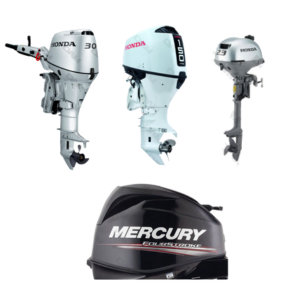


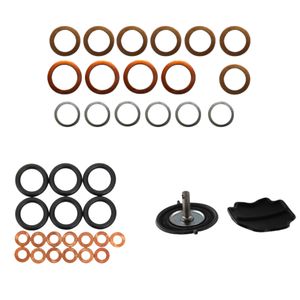
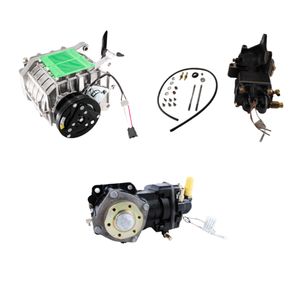
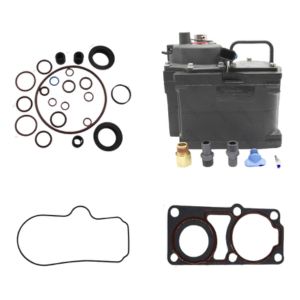
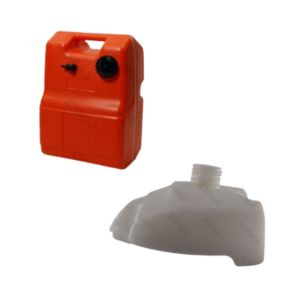
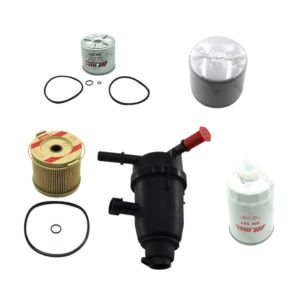


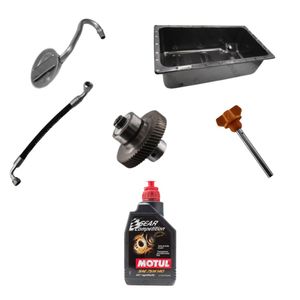
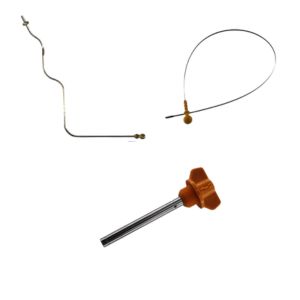
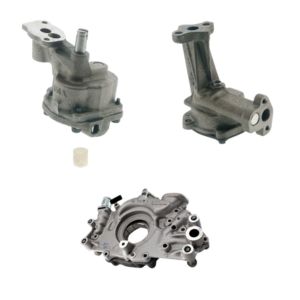


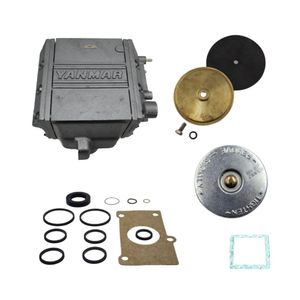
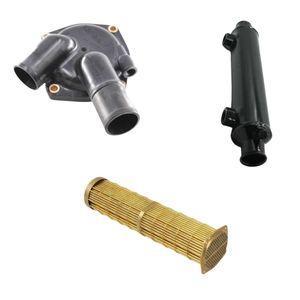
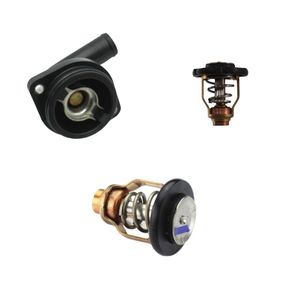
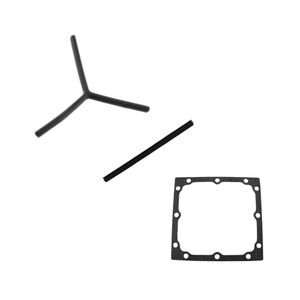

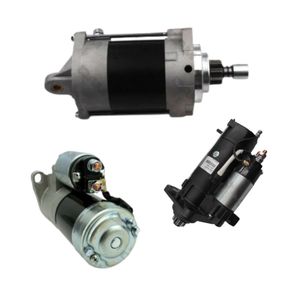
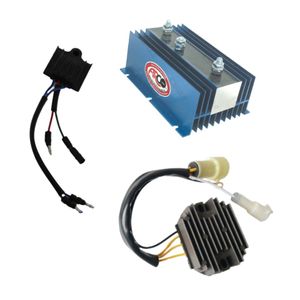
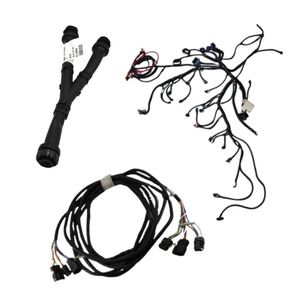
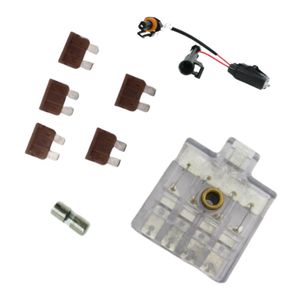
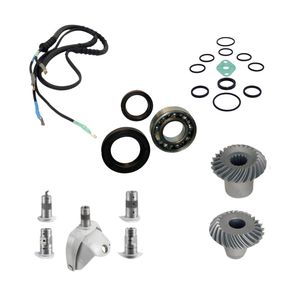
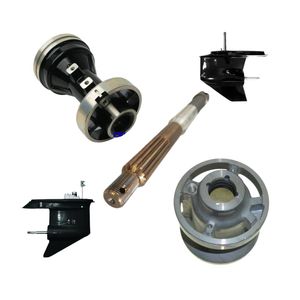
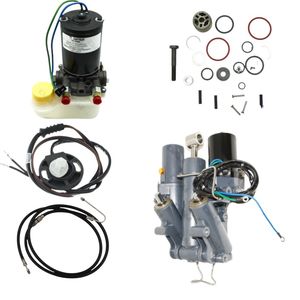
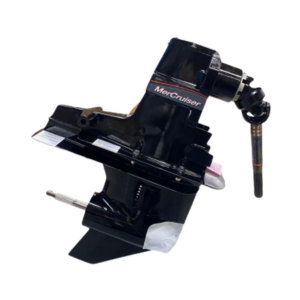


 Parts views
 Technical documents
 Ask for a quote
 Return request
Need to equip your water system before the season? Find accessories designed for boating.
View water-on-board equipmentManaging water on a boat means planning enough fresh water, distributing reserves and monitoring their quality. It also involves simple habits to reduce consumption while sailing. Black water and grey water must be stored, pumped out or discharged in conditions that protect the marine environment.
How much water should you plan for on a boat?
The right amount of water depends first on three factors: the length of the trip, the number of people on board and the outside temperature. The hotter it is, the more the crew drinks, rinses off and uses water for cooking or hygiene.
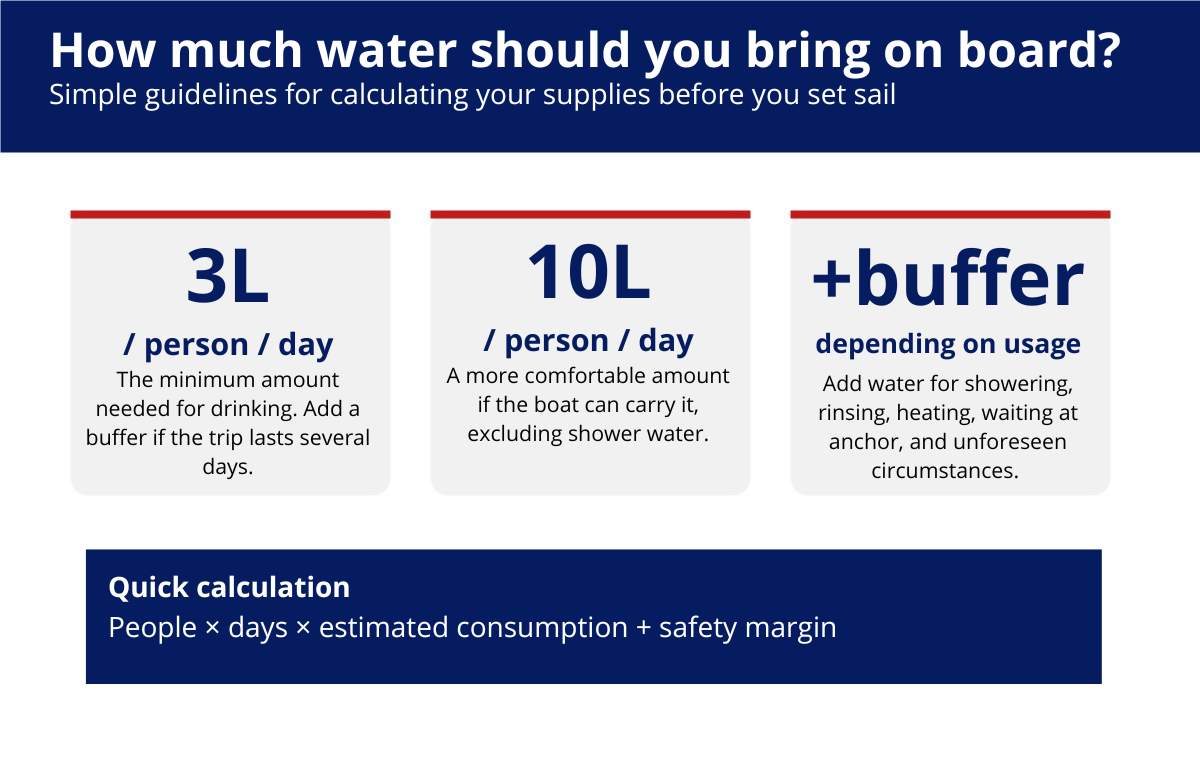
As a minimum base, allow around 3 liters of water per day per person for drinking. For more comfortable cruising, aim for about 10 liters per day per person if the boat can carry it, excluding showers. Even a reasonably short shower can use around 6 liters per minute, so it should remain brief if your reserves are limited.
Before departure, make a simple calculation: number of people x number of days x expected consumption, then add a margin. This safety reserve becomes important if you anchor for several days, if the planned port is inaccessible or if a tank becomes unusable. If you plan to stay at anchor for several days, our guide to boat anchoring techniques can also help you prepare autonomy away from the marina.
Simple water reserve calculator
Quickly estimate the volume to carry. The results are only indicative: always adapt your reserve to your boat, the weather and the available refilling options.
The shower/rinse field corresponds to an additional volume per person per day, on top of the selected base.
How should you organize water reserves on board?
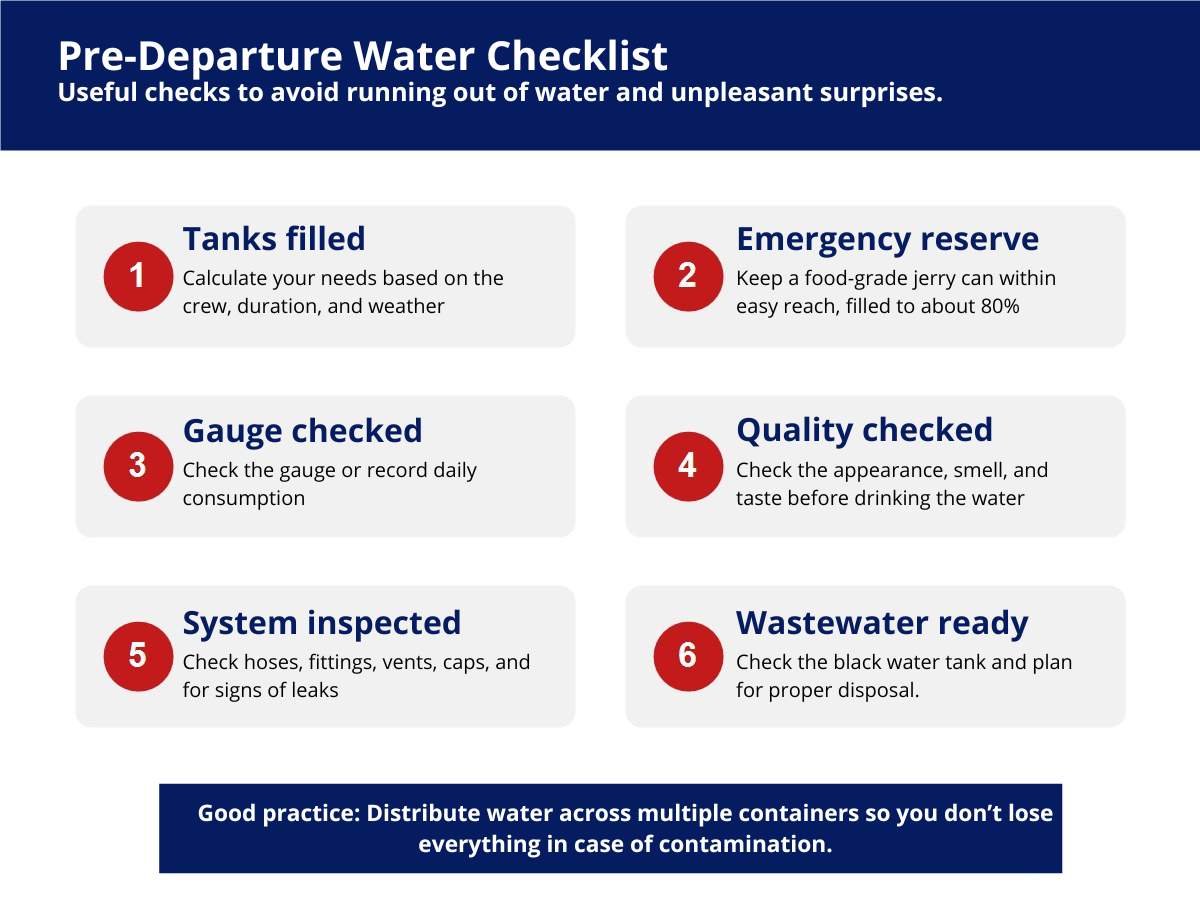
It is often better to have several reserves rather than one large tank. This separation prevents you from losing all your water if part of the storage is contaminated or if a hose leaks.
Water can deteriorate when it stagnates for a long time, especially after a period of inactivity. Heat in lockers and bilges, the presence of nutrients, and some plastics or seals can encourage odors, algae, bacteria and biofilm.
Why use several reserves?
A main tank, a flexible tank or a few jerrycans help spread the risk and adapt volumes to the planned trip.
What role does a jerrycan play?
An accessible food-grade jerrycan can serve as an emergency reserve. Filled to about 80%, it keeps a useful air volume that helps it float in case of evacuation.
Which storage option should you choose?
The boat water tanks are suitable for fixed installations, while a flexible tank can complement an existing reserve.
To understand how a complete water system works, you can also read our guide to boat plumbing and the onboard water system.
How can you monitor water quantity and quality?
A level gauge prevents you from sailing blind. A water meter can also help you know the actual daily consumption, especially when cruising or when several people use the same system.
Quality is first checked simply: appearance, smell and taste. Water that smells bad, changes appearance or has an unusual taste should not be consumed without precautions. After a long period of inactivity, rinse the system, clean the tanks if necessary and check vents, caps and fittings. This step naturally fits into recommissioning the boat: our guide to dewinterize a boat helps place the water system within the full beginning-of-season checklist.
Discreet leaks should also be monitored. Seepage from a hose, a worn fitting or a pump that starts too often can empty the reserves without you noticing. DAM Marine offers boat fittings, water fittings and boat hoses to make these sensitive points more reliable.
How can you save fresh water while sailing?
The best saving is simply not letting water run unnecessarily. A foot pump or hand pump helps you control the flow precisely because water only comes out when you operate it. Efficient shower heads and taps can also limit waste.
Seawater can be used for some tasks: first washing of dishes, cleaning the deck or rinsing equipment. For cooking pasta, potatoes or vegetables, some boaters mix fresh water with a small amount of seawater. Be careful with rice, which absorbs more salt.
Quick washes use less than a long shower. On board, comfort often comes down to organization: rinse briefly, turn the water off while soaping, group dishwashing together and explain the rules to the whole crew.
Pump, tank, fitting or comfort accessory: prepare your water system with equipment suited to the marine environment.
Equip the water systemDo you need a watermaker or should you collect rainwater?
A watermaker can be useful on long cruises, far from ports or in areas where refilling is uncertain. Its principle is to pressurize seawater so it passes through a membrane. In return, it takes up space, consumes energy and requires regular maintenance.
This installation must be consistent with your electrical production. Before adding a major power consumer on board, check the condition of the batteries, charging system and panel. Our article on how electricity works on a boat can help you take stock. To go further on the balance between production, storage and onboard consumers, also read our guide to manage energy on board.
Rainwater collection is simpler. A clean awning, bimini or tarp can guide water into a jerrycan or tank. This water is mainly suitable for non-food uses, unless it is properly treated and its quality is checked.
How should black water and grey water be managed?
Black water comes from toilets and contains human waste. Grey water comes mainly from the sink, shower or dishwashing. In high concentrations, these discharges degrade water quality and can harm swimming areas, ports and sensitive anchorages.
A black-water holding tank stores effluent on board so it can be pumped out ashore or discharged only when authorized conditions are met, far from sensitive areas. For the detailed steps, read our guide on how to empty a boat black water tank. Treatment systems, such as certain UV processes, exist, but they must be chosen carefully and maintained correctly.
For comfort and hygiene, choose equipment that suits your boat: marine toilet, pump, tank, hoses, ventilation and maintenance access. The comfort on board category includes several useful items for setting up these uses.
What equipment should you plan for to manage water better on a boat?
Good water management relies less on spectacular equipment than on a coherent set of systems: storage, distribution, monitoring, saving and evacuation. Before leaving, check what is already on board and replace worn components.
For storage
Fixed tank, flexible tank, food-grade jerrycan, cap, vent and inspection hatch.
For distribution
Water pump, foot pump, pipes, fittings, tap, shower head and water heater depending on the desired comfort level.
For safety
Level gauge, meter, black-water tank, drain pump, maintenance accessories and safety equipment.
Also complete your checks with boat safety equipment, especially if you keep an accessible water reserve for the crew or life raft. Our guide to safety equipment on board can complete this preparation.
What recap should you keep before departure?
| Point to check | Practical reference | Why it matters |
|---|---|---|
| Water quantity | Minimum 3 L/person/day for drinking, 10 L if possible excluding showers | Avoid running out of water while sailing or at anchor |
| Distribution | Several tanks or jerrycans | Limit loss in case of contamination or leakage |
| Quality | Check smell, taste, appearance, rinse the system | Maintain hygiene and avoid unpleasant surprises |
| Consumption | Foot pump, short showers, seawater for certain uses | Extend autonomy without adding volume |
| Wastewater | Black-water tank, suitable pump-out, grey-water management | Protect the marine environment and sensitive areas |
Frequently asked questions about water management on board
How much water should you plan per person on a boat?
Plan at least 3 liters per day per person for drinking. If the boat's capacity allows, 10 liters per day per person offers a more comfortable margin for cooking, quick washing and unexpected needs.
Can you drink water from a boat tank?
This is possible only if the tank, hoses and system are clean, suitable for drinking water and regularly maintained. If there is any odor, suspicious taste or doubt, use bottled water or a dedicated drinking-water reserve.
How can you avoid bad smells in a water tank?
Avoid long stagnation periods, clean the tank, rinse the system after inactivity and check vents. Heat, deposits and internal materials can encourage biofilm and odors.
How can you save fresh water on board?
Turn off the water as soon as it is not being used, install a foot pump or efficient tap, use seawater for the first dish wash or deck cleaning, and limit long showers.
What should you do with black water on a boat?
Black water should ideally be stored in a dedicated tank and then pumped out at a suitable shore facility. Its discharge must comply with applicable rules and avoid ports, anchorages, swimming areas and sensitive areas.
Is a watermaker essential on a boat?
No. It becomes useful for long cruises or trips far from water refill points. For short or coastal outings, well-sized tanks, jerrycans and controlled consumption are often enough.