


 Catalog
 Exploded views
















 Honda Marine
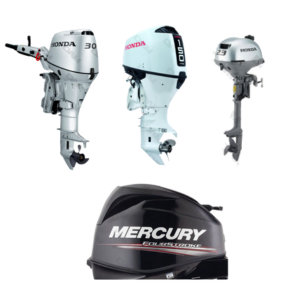


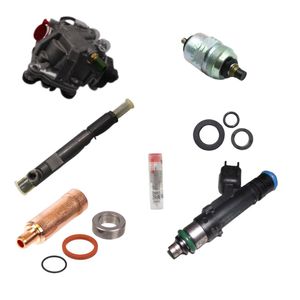
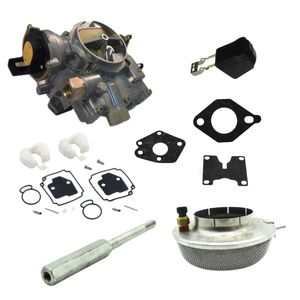
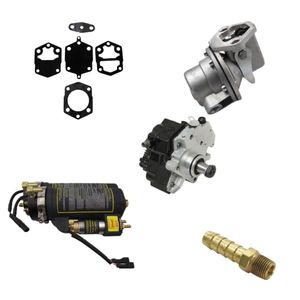
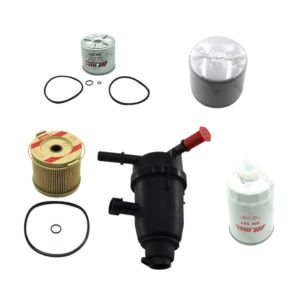


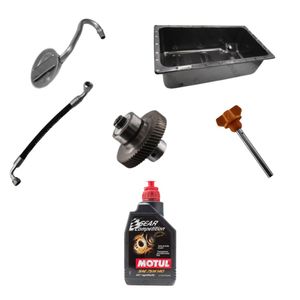
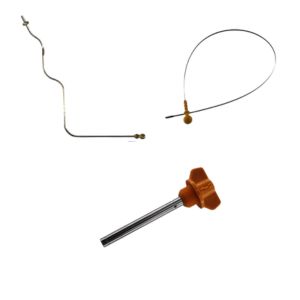
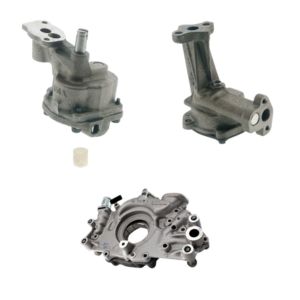


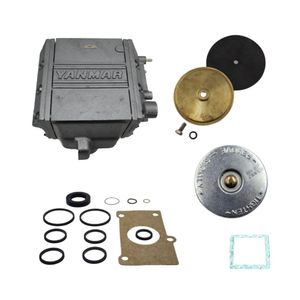
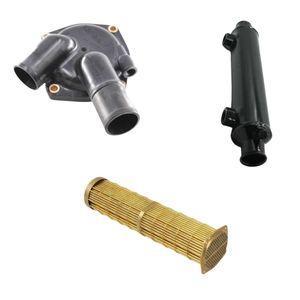
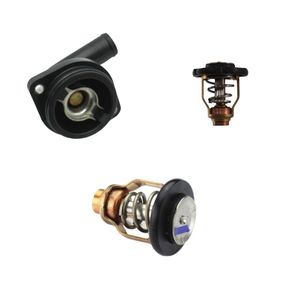
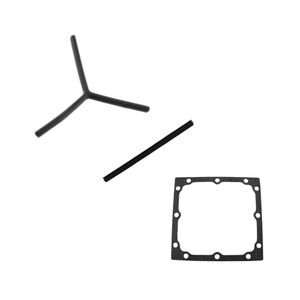
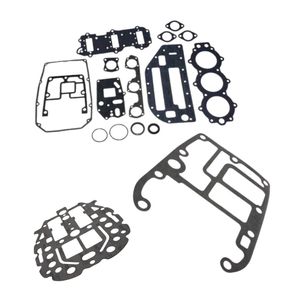
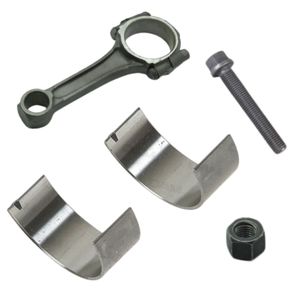
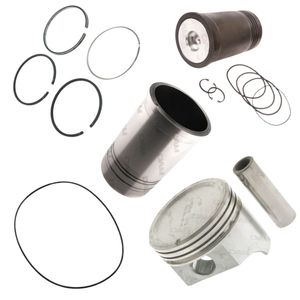
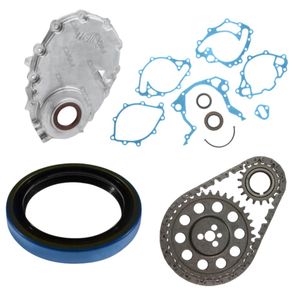

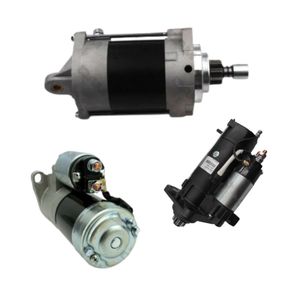
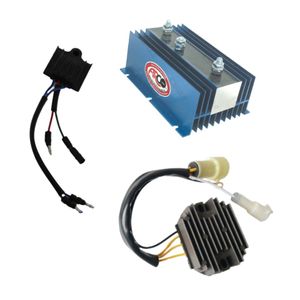
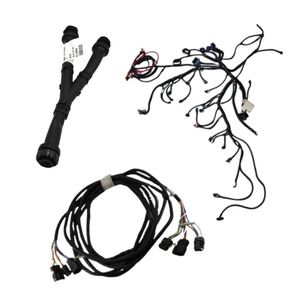
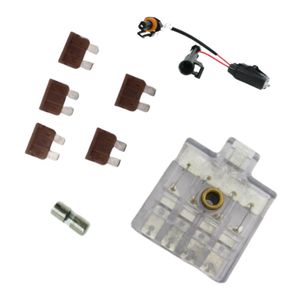
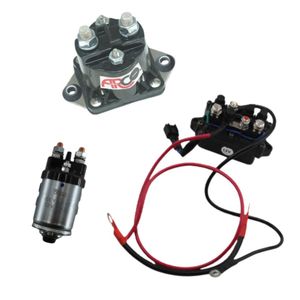
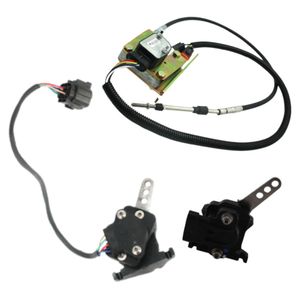
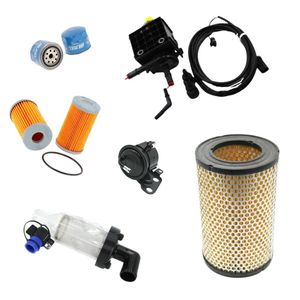
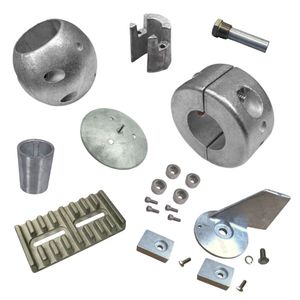
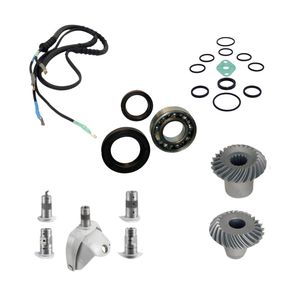
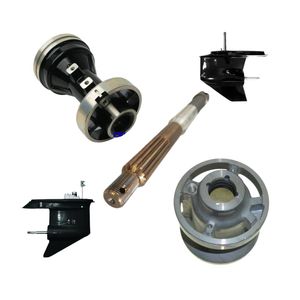
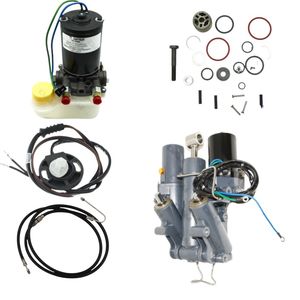
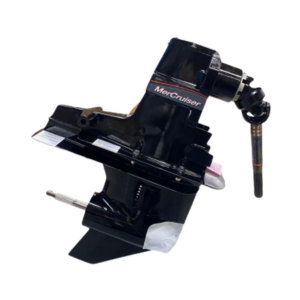
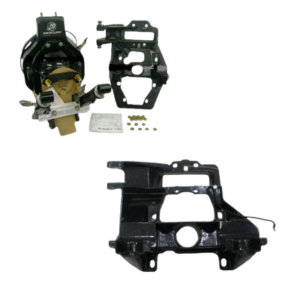
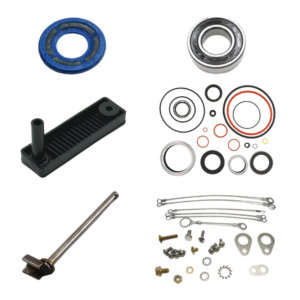
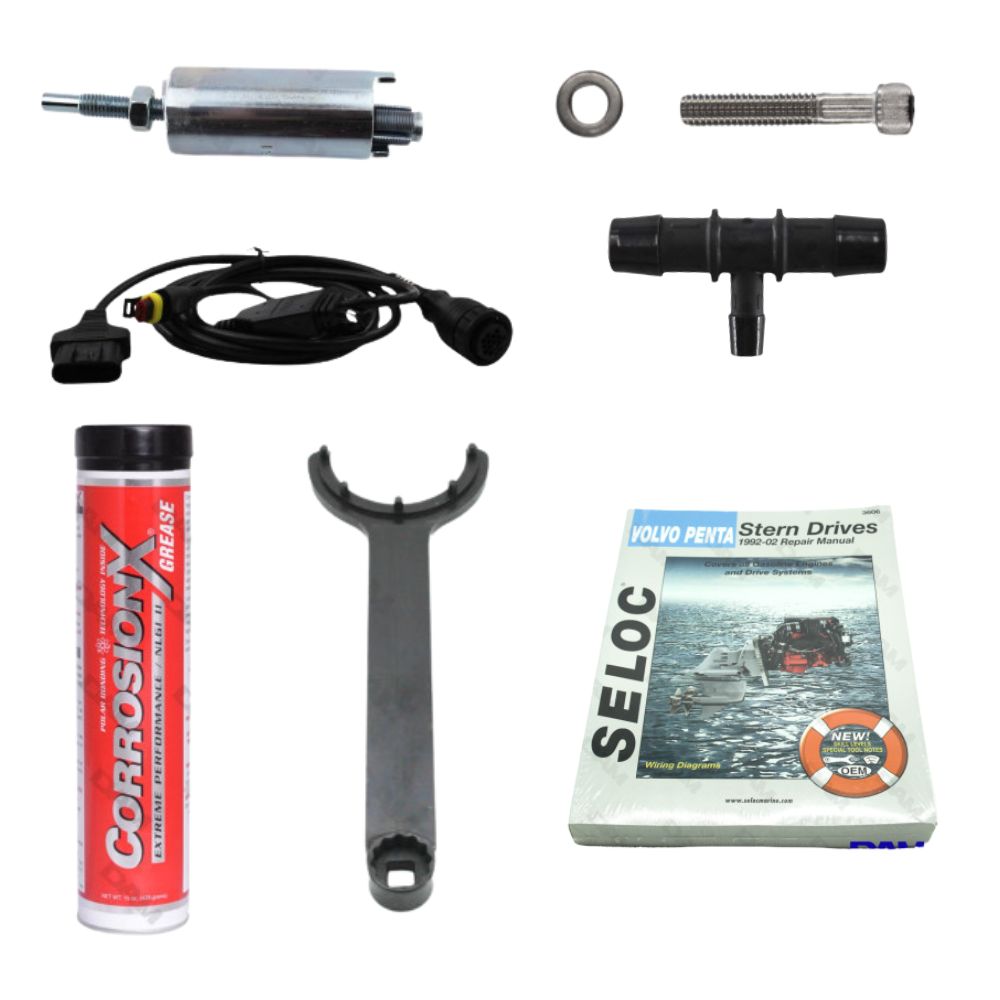
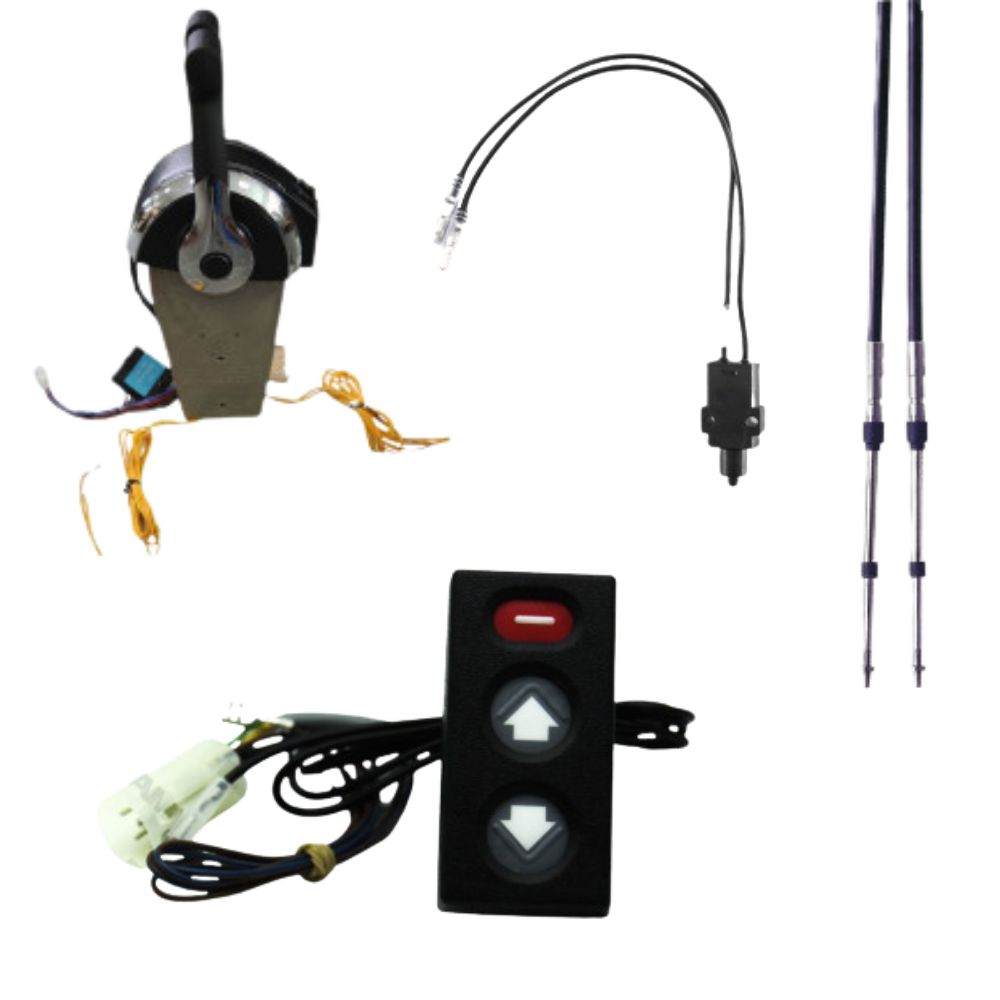


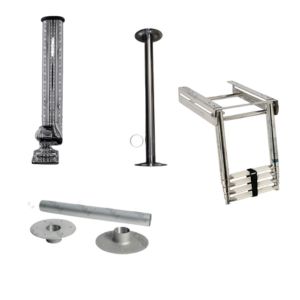
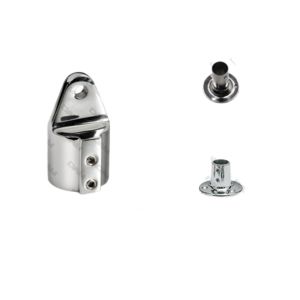
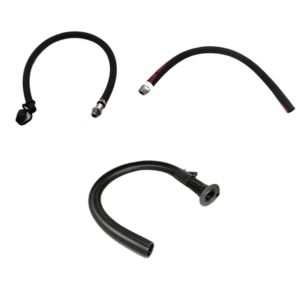
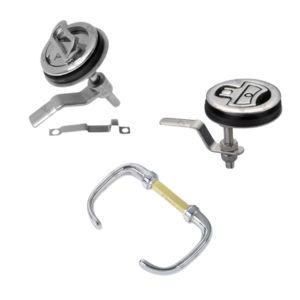
 Parts views
 Technical documents
 Ask for a quote
 Return request
To pump out a black water holding tank cleanly, the sanitary system must be accessible, watertight and fitted with hoses suitable for wastewater.
Find a suitable hoseTo empty a boat black water tank, use a marina pump-out station whenever possible by connecting the suction hose to the deck fitting linked to the holding tank. At sea, discharge should only be considered in an authorised area, away from the shore, harbours, sensitive moorings and swimming areas. After each pump-out, rinse the tank with fresh water to limit deposits, odours and blockages. If the tank does not empty, first check the valves, vent line, sanitary hoses and pump condition.
Where should you empty a boat black water tank?
A boat black water tank should ideally be emptied at a marina pump-out station, through the deck fitting connected to the holding tank. This is the cleanest way to manage toilet wastewater, especially near harbours, beaches, moorings and protected areas.
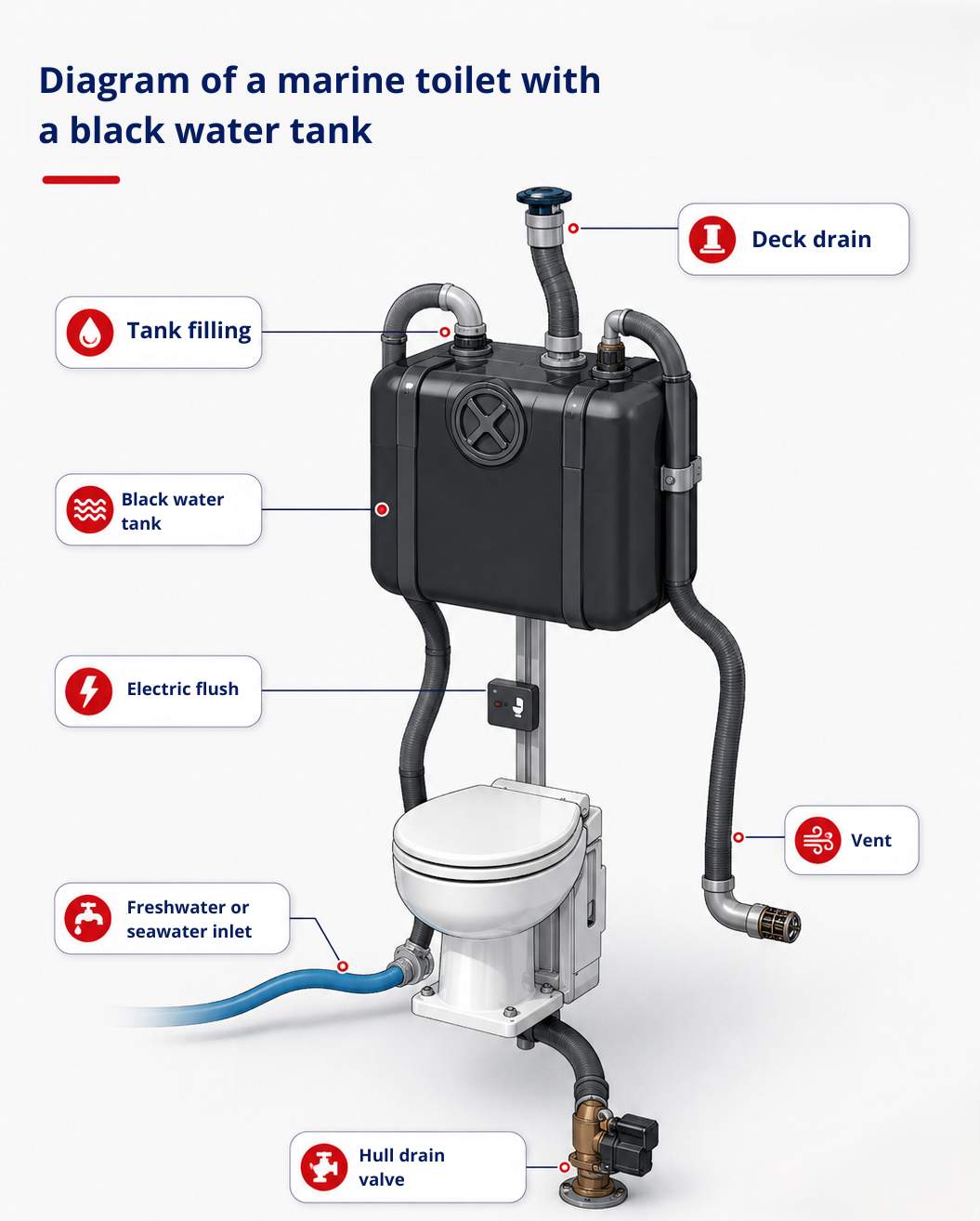
A black water system usually includes a marine toilet, a pump or macerator, a holding tank, a vent line, sanitary hoses, a deck pump-out fitting and sometimes a seacock. To understand the wider onboard water network, you can also read our advice on managing water on board a boat and our guide to how a boat plumbing circuit works.
Which solution should you prioritise?
The marina pump-out station is the preferred option. It extracts the contents of the tank through the deck fitting and avoids direct discharge in the surrounding environment.
What equipment should you check?
Check the deck fitting, vent line, holding tank, hoses, clamps and valves. A hard-to-access installation always makes pump-out more difficult.
Which DAM Marine products are relevant?
Check whether your installation needs a tank suitable for wastewater or marine plumbing fittings and accessories.
How do you empty a black water tank at a marina?
To empty a black water tank at a marina, moor the boat, identify the correct deck fitting, connect the pump-out hose, start suction and monitor the flow until the tank is empty. The operation should remain clean, slow and controlled.
Before connecting the hose, make sure the fitting is for black water, not freshwater or fuel. Wear gloves, keep fresh water nearby and avoid forcing the connector. If the boat has several tanks, empty them one at a time.
What steps should you follow at the pump-out station?
- Ask the harbour office for the station location and local instructions.
- Close or secure valves that are not required for the operation.
- Open the deck fitting for the black water tank.
- Apply the suction hose tightly to the fitting.
- Start suction and monitor sound, flow and tank level.
- Rinse with fresh water if the station and installation allow it.
- Close the fitting, clean any traces and check for odours.
If your installation is old or smelly, replace standard hoses with hoses designed to reduce marine toilet odours. For grey water or black water circuits, choose a hose compatible with onboard wastewater.
Need to refresh the sanitary circuit? DAM Marine supplies hoses, tanks and plumbing accessories suitable for onboard water systems.
Equip the water circuitCan black water be discharged at sea?
Black water discharge at sea should only be considered where the navigation area allows it. Avoid any discharge near the shore, in a harbour, at anchor, in swimming areas or sensitive natural zones. If in doubt, keep black water on board and use a pump-out station.
Depending on the installation, discharge may be by gravity, transfer pump or macerator pump. In all cases, valves must be clearly identified and closed again after the operation. For broader seasonal maintenance, our guide to preparing a boat before winterising also highlights the importance of rinsing and securing circuits before lay-up.
How does gravity discharge work?
On some boats, the tank sits above the waterline. When the valve is opened in an authorised area, the contents can drain by gravity. This setup requires a reliable valve, a sound through-hull, tight clamps and immediate closure after discharge.
When is a pump required?
A pump is required when the tank cannot empty by gravity or when the circuit was designed with a transfer pump. Never run a pump dry and do not insist if flow is abnormally weak.
Why will the black water tank not empty?
A black water tank that will not empty is often caused by a closed valve, poor deck fitting connection, blocked vent, solid deposit, clogged hose or faulty pump. Start with the simple checks before dismantling anything.
Check the real tank level, valve position, pump-out connection, vent line and pump behaviour. Suction that strains or loses prime can indicate an air leak, vacuum in the tank or a blockage in the circuit.
Can the vent line block pump-out?
Yes. If the vent is blocked, the tank goes into vacuum during suction and flow quickly drops.
Can a hose retain odours?
Yes. An old, porous or cracked hose can let odours through even without a visible leak.
Can the tank itself be the problem?
Yes. A poorly rinsed, distorted, poorly vented tank or one loaded with deposits can make pump-out slow and incomplete.
To replace a tank or rebuild an existing setup, see VETUS models suitable for wastewater or choose a tank compatible with your onboard installation. If odours are the main issue, prioritise odor-proof sanitary hoses.
How should the tank be cleaned after pump-out?
After pump-out, rinse the tank with fresh water and run a short suction cycle again when the station allows it. This rinse limits deposits in the tank, bends, hoses and valves.
Before a long lay-up, avoid leaving black water stagnant in the tank. Proper rinsing reduces odours at restart and limits blockages on the next trip.
Should you use a specific product?
A marine-toilet-compatible product can help liquefy deposits and limit odours. Always check compatibility with seals, membranes, pumps, valves and the tank material.
Should the tank be filled to clean it?
Partial filling with fresh water can help loosen deposits, especially if the boat then moves for a few minutes. Never fill the tank without monitoring the level and vent.
How can odours and blockages be prevented?
To prevent odours and blockages, use only marine-toilet-compatible paper, flush enough water, pump out before the tank is full, operate valves regularly and replace tired hoses. Prevention is much easier than emergency unclogging.
Bad odours often come from an old sanitary hose, a weeping clamp, a poorly positioned vent, a poorly rinsed tank or a tank left full for too long. For adjacent systems, including freshwater, pumps and general plumbing, the article on how the onboard water circuit is organised is a useful complement.
Which paper should be used on board?
Use marine toilet paper or very easily degradable paper. Wipes, kitchen towel and thick paper should be avoided.
When should hoses be replaced?
Replace them if odours persist, or if they become stiff, cracked, damp around clamps or visibly worn.
Why check the valves?
A valve that never moves can seize or become difficult to close. Regular operation helps keep the circuit reliable.
What checklist should you follow to empty black water on a boat?
The correct order is to choose an authorised location, prepare the circuit, pump out without forcing, rinse, then check odours, leaks and valves.
| Step | Action | Watch point |
|---|---|---|
| Choose the place | Use a marina pump-out station whenever possible. | Check harbour instructions and restricted areas. |
| Prepare the boat | Identify fitting, tank, valves, vent and pump. | Do not confuse black water, freshwater and fuel fittings. |
| Pump out | Connect the hose and suction progressively. | Stop if suction strains or backflow appears. |
| Rinse | Run fresh water through when the installation allows it. | Avoid aggressive products that are not compatible with the circuit. |
| Check | Close, clean, check odours, leaks and valves. | Replace old or porous hoses. |
FAQ about emptying boat black water tanks
How often should a black water tank be emptied?
Empty it before it is full, before long lay-up and whenever you have access to a suitable station. Frequency depends on tank volume, number of people on board and toilet use.
How do you know if a black water tank is full?
Some boats have a gauge or level alarm. Without a reliable indicator, monitor use time, odours, toilet behaviour and any sign of backflow.
Can seawater be used to rinse the tank?
Seawater may circulate in some toilets, but fresh water is preferable for the final tank and hose rinse. It limits salt deposits and odours during idle periods.
What should you do if the deck fitting backflows during suction?
Stop suction, check the connection, vent and tank level. Backflow can indicate poor vacuum management, a blockage or a badly seated pump-out hose.
Do odours always come from the tank?
No. They may come from sanitary hoses, clamps, the vent, a valve, a pump seal or a deposit in a low section of the circuit.