


 Catalog
 Exploded views

















 Honda Marine



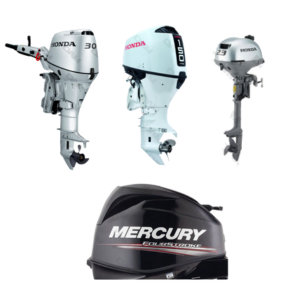



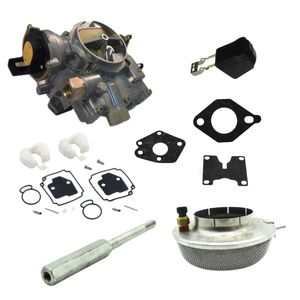

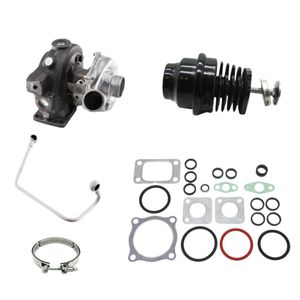
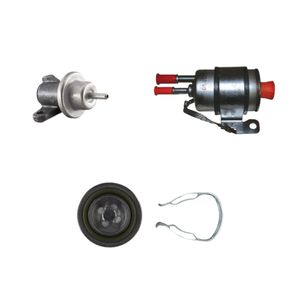












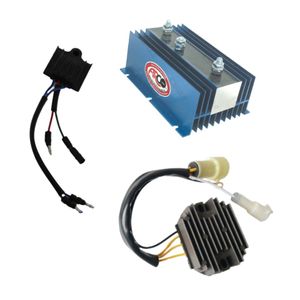
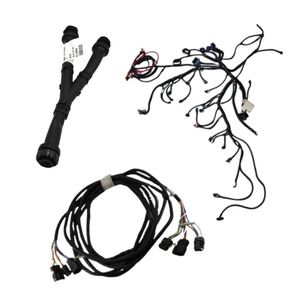
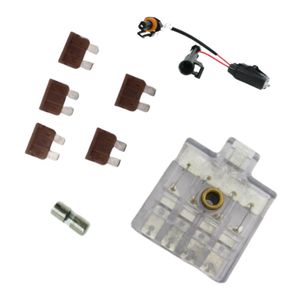
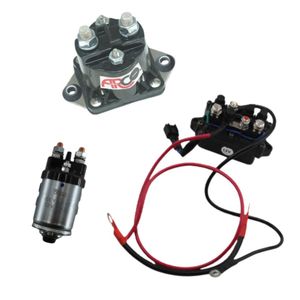
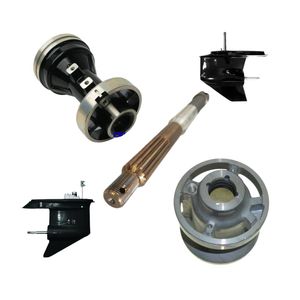
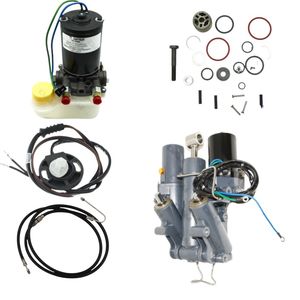
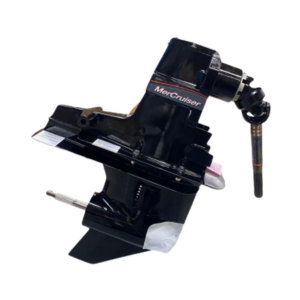
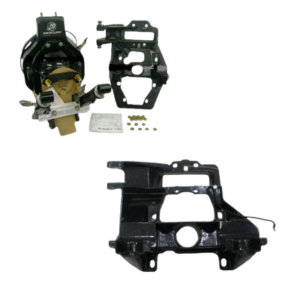





 Parts views
 Technical documents
 Ask for a quote
 Return request
Prepare your sails, ropes and deck fittings for the winter lay-up period.
View marine ropeWinterizing your sails means lowering them, rinsing them, drying them, inspecting them, folding or rolling them, then storing them in a dry, ventilated place. This protects the cloth, seams, UV strips and fittings from moisture, salt, chafe and strong winter winds. If your boat will stay unused for several weeks or months, removing at least the headsails is strongly recommended. This article is about sailboat sails, not winter protective covers.
What are the 6 steps to winterize your sails?
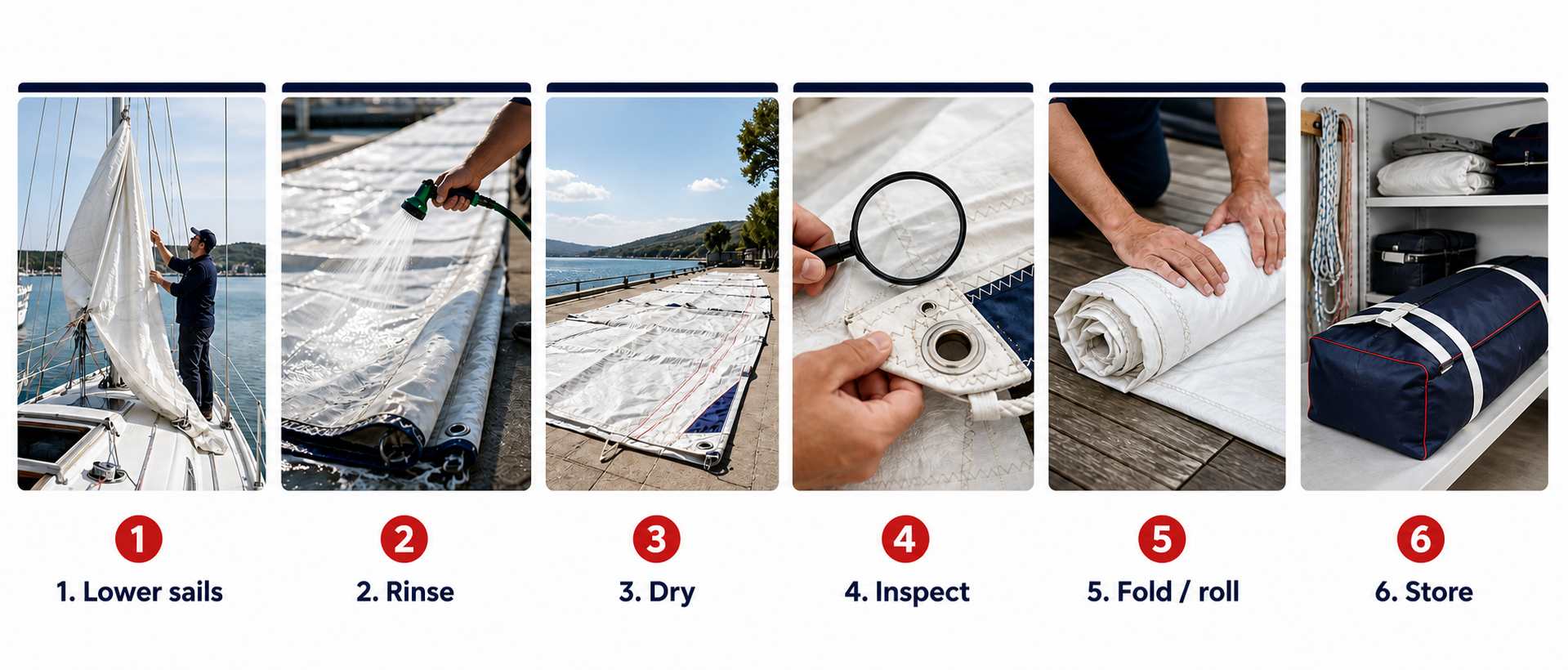
To winterize sails properly, follow a simple order: lower and remove them, rinse, dry, inspect, fold or roll, then store. This method prevents you from putting away a salty, damp sail or one already weakened by a damaged seam.
- Lower and remove the sails when the boat is no longer sailing regularly.
- Rinse with fresh water to remove salt, dust and dirt.
- Dry completely before folding or storage.
- Inspect sensitive areas: seams, load points, luff, battens and UV strip.
- Fold or roll without sharp creases, depending on the sail type and available space.
- Store in a dry protected place, ideally clean, ventilated and safe from rodents.
Why should you winterize your sails?
Winterizing your sails preserves their shape, strength and service life during months when the boat is used little or not at all. A sail left rigged remains exposed to moisture, UV, chafe, wind and winter storms without any real benefit if the yacht is not sailing.
Limit moisture and mildew
A damp furled or flaked sail dries poorly. Enclosed moisture encourages stains, smells and seam ageing.
Reduce windage
A furling genoa or mainsail left on the boom adds windage, especially in a marina or ashore.
Plan repairs early
Winter is the right time to spot a tired seam, worn reinforcement or UV strip that needs attention.
Salt also matters. It retains moisture and can accelerate abrasion when trapped between folds, along seams or in chafe zones. Rinsing followed by complete drying is therefore better than quick storage in a damp bag.
How should you lower and remove sails before winter?
Choose a calm weather window and prepare sail bags, ties, messenger lines and protective gear before starting. Headsails on furlers are usually the priority because they remain highly exposed to wind and weather.
Which sails should come down first?
Start with the genoa, solent or staysail on a furler. These sails can partly unfurl if poorly secured and create heavy windage. Then remove sails stored on board, such as spinnakers, gennakers, storm sails or trysails, especially if they sit in a damp locker.
What about the mainsail?
The mainsail can be harder to remove, especially if it is battened or stored in a lazy bag. If you remove it, ease the battens, mark their order, protect the slides and avoid leaving the sail flogging. If it remains temporarily rigged, check that the lazy bag can breathe, no water collects, and the sail is secure.
Use this step to inspect the deck fittings used by the sails: shackles, snap hooks, cars, clutches and attachment points.
How should you rinse and clean your sails?
Rinse sails with fresh water, without excessive pressure and without aggressive products. The aim is to remove salt and dirt without damaging coatings, seams, reinforcements or sensitive fabrics such as spinnaker nylon.
For localized marks, use lukewarm water, a mild soap or a sail-safe cleaner with a soft brush. Avoid chlorine products, solvents and hard scrubbing, especially on light sails, UV strips, clear windows or already weakened areas.
If a sail has large stained areas, established mildew, persistent odour or deep dirt, ask a sailmaker for advice. Over-aggressive cleaning can cause more damage than professional washing.
Why must sails be completely dry?
A sail must be fully dry before it is folded, rolled or put in its bag. Storing a damp sail is one of the most common mistakes because trapped moisture encourages mildew, marks, odours and gradual seam degradation.
Drying can be done in open air, ideally on a dry, light-wind day. If you briefly hoist a sail to dry it, watch for flogging: a sail that flaps for too long wears unnecessarily. If the weather is poor, it is better to wait than store a sail still damp.
Which areas should you inspect before storing a sail?
Before storage, inspect all areas that take loads, chafe and creases. A small defect found in winter is easier to repair than a tear discovered just before relaunching.
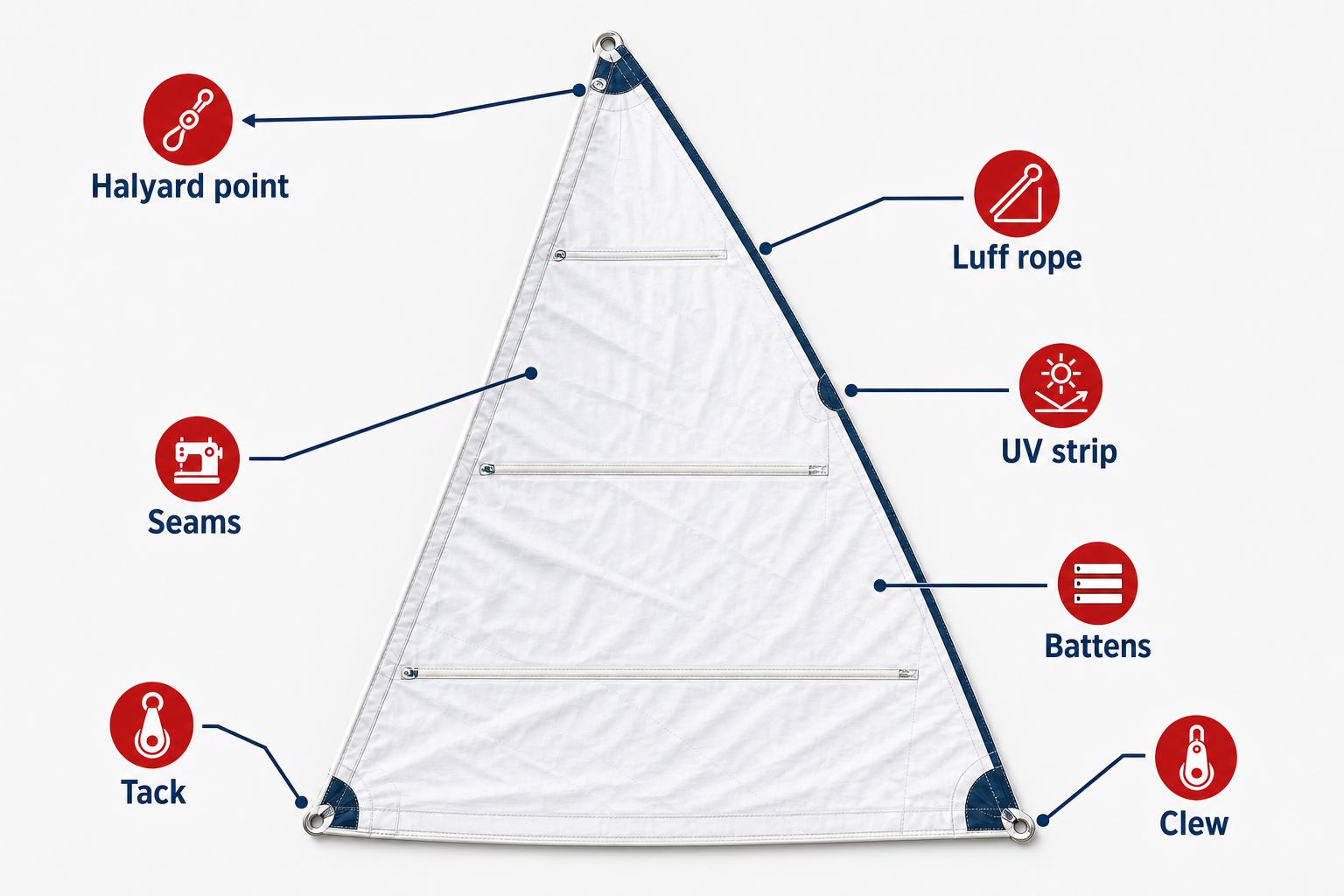
Load points
Check the halyard point, tack and clew: webbing, rings, reinforcements and seams must be clean and sound.
Edges and seams
Inspect the leech, luff, foot, luff rope and long seams, especially near chafe areas.
Sail accessories
Check slides, battens, batten pockets, batten cars, telltales and the UV strip if the sail has one.
Chafe marks around shrouds, spreaders, pulpits or stanchions deserve special attention. Protection or reinforcement in the right place can significantly extend sail life.
Should you fold or roll your sails?
The choice depends on cloth type, sail size and available space. In every case, avoid tight folds repeated in the same place, as they mark the cloth and can weaken it over time.
Classic Dacron sails generally tolerate broad folding without heavy compression. More technical or laminated sails often benefit from being rolled if space allows. For a battened mainsail, remove or ease battens according to the sail design and sailmaker guidance.
A good method is to fold parallel to the foot, make large regular folds, then store without crushing the sail in its bag. If you roll it, do not over-tighten: the goal is to protect the cloth, not to compact it as much as possible.
Where should you store sails during winter?
Sails should be stored in a dry, clean, ventilated place protected from rodents. The best storage avoids stagnant moisture, excessive heat, wet bags and unnecessary rubbing.
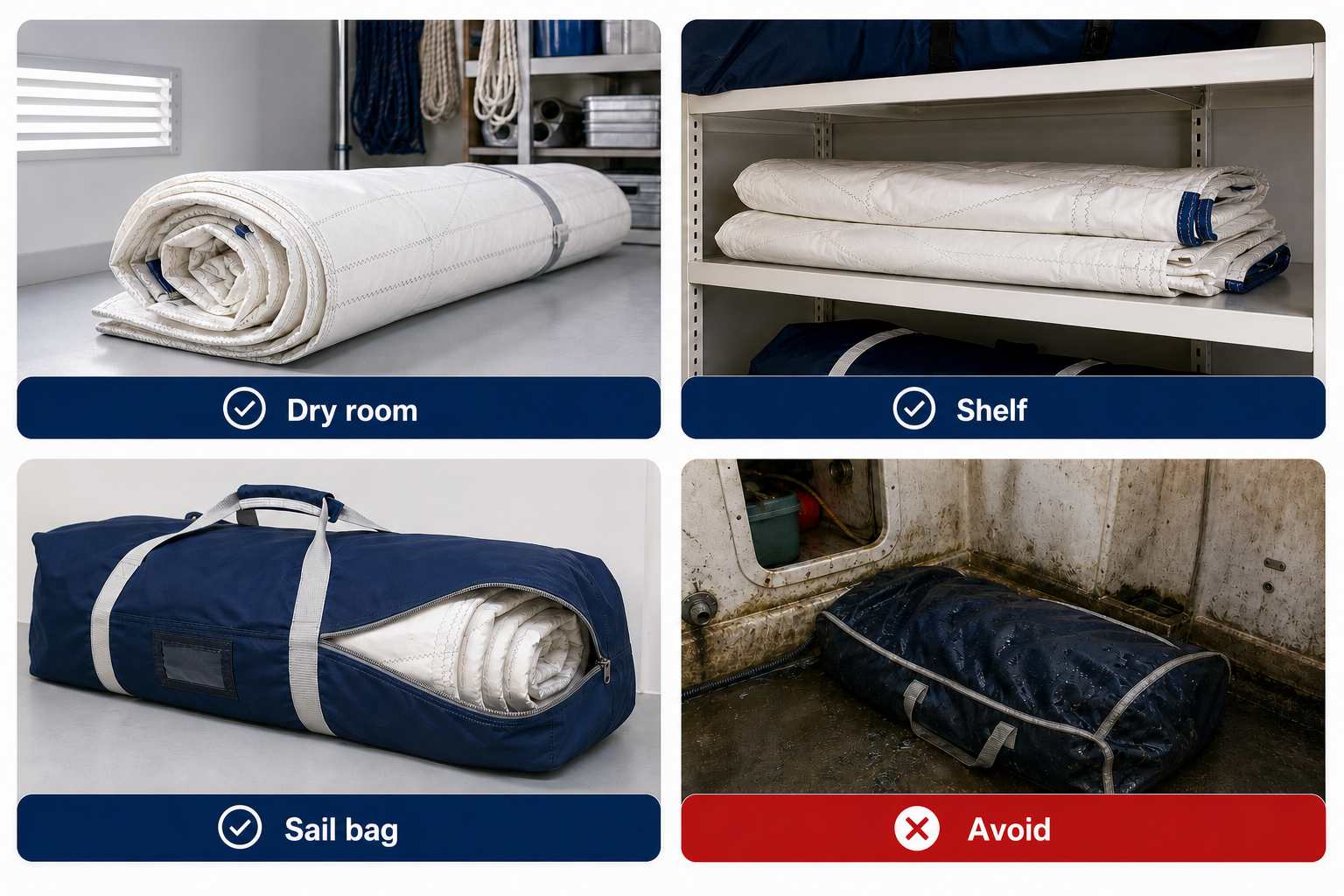
A technical room, dry garage or ventilated storage area is better than a damp cellar or the closed interior of the boat. If the sail stays in its bag, keep it off the floor and avoid crushing it under equipment.
On-board storage is best avoided when the boat stays closed, cold and damp for months. If you have no other option, ventilate regularly and never put a damp sail in a sealed bag.
What should you do with halyards, sheets and accessories?
Sail winterization is the right time to maintain halyards, sheets, battens, bags and small accessories. These items also suffer from salt, UV, moisture and chafe during the season.
Sheets can be rinsed in fresh water, washed cold if the material allows it, then dried in open air before storage. Halyards may remain in place, but some sailors replace them with messenger lines to protect them inside the mast.
Need to replace a tired halyard, sheet or rope before next season?
Discover marine ropeAlso check sail bags, ties, shock cords, snap hooks, shackles, cars and clutches. A small forgotten part can become a nuisance when you rig the boat again.
Which mistakes should you avoid?
The main mistake is leaving sails rigged for several months when the boat is not sailing. Other frequent errors concern drying, folding and storage location.
- Putting a sail away while it is still damp.
- Leaving a furling genoa poorly secured during strong winds.
- Using an aggressive or chlorine-based product on sensitive cloth.
- Always folding in the same place with sharp creases.
- Storing a sail in a damp, poorly ventilated boat locker.
- Waiting until spring to repair a seam, UV strip or worn reinforcement.
If you winterize the whole boat, also secure mooring lines, fenders, deck equipment and exterior covers. The DAM Marine guide to complete boat winterization helps place sail care within a wider preparation.
To complete this protection, also read our guide on how to protect boat hull gelcoat in winter, especially if the boat remains exposed for several months.
When should you winterize sails if you still sail?
If you sail regularly in winter, full sail winterization is not always necessary. However, if the boat remains unused for several weeks or if strong winds are forecast, it is wise to remove at least the most exposed sails.
The right moment depends on your region, sailing programme and marina exposure. If you plan to sail in winter, prioritize regular checks, rinsing when possible and careful securing of any sails left rigged.
In spring, you can then de-winterize a boat step by step so the sails, deck and equipment go back into service without rushing.
If the boat has been hauled out for winter, this restart may also include wider hull work: prepare and antifoul a boat, apply antifouling to the hull or calculate the required antifouling quantity before relaunching.
For topsides and visible gelcoat surfaces, the lay-up period can also be used to polish a boat before the new season.
What equipment should you prepare?
The equipment is simple: fresh water, a soft brush, mild soap or suitable cleaner, ties, clean sail bags, messenger lines if removing halyards, and a dry space for drying and folding.
Also prepare what you need to inspect and protect accessories: suitable lubricant for some fittings, clean cloths, batten labels and containers for small parts. Boat covers and biminis can also be removed, cleaned and stored dry while the boat is laid up.
If the boat is ashore, use the same preparation time to check metal protection parts and review our guide to boat anodes.
What summary should you keep for winterizing sails?
The table below summarizes the right habits before storing your sails for winter.
| Step | Goal | Watch point |
|---|---|---|
| Lower | Remove sails exposed to wind and weather. | Choose calm weather, especially for a furling genoa. |
| Rinse | Remove salt and dirt before storage. | Avoid chlorine, solvents and aggressive brushing. |
| Dry | Prevent mildew and odours. | Never enclose a damp sail. |
| Inspect | Spot seams, reinforcements or accessories needing repair. | Check halyard point, tack and clew. |
| Fold or roll | Protect cloth without sharp creases. | Adapt the method to the sail type. |
| Store | Keep sails ready for next season. | Choose a dry, clean and ventilated area. |
FAQ about winterizing sails
Should you remove a genoa from the furler in winter?
Yes, it is recommended if the boat will not sail for several weeks or months. A furling genoa remains exposed to UV, moisture, strong winds and partial unfurling risk.
Can you leave the mainsail in the lazy bag?
Temporarily, yes, if the sail is dry, well secured and ventilated, but this is not the most protective option for a long winter lay-up.
Should you rinse a sail that looks clean?
Yes, because salt can remain even when the sail appears clean. Fresh-water rinsing followed by full drying limits moisture, abrasion and seam ageing.
Can a sail be stored on board?
It is best avoided if the boat remains closed and damp. If you have no alternative, the sail must be fully dry, stored in a clean bag and checked regularly.
When should a damaged sail be repaired?
Winter is the best time to repair a seam, reinforcement, UV strip or small tear, before the start of the next sailing season.